




Fast Shipping
Carrier information

20k products
Payment methods

24/7 Support
Unlimited help desk

2-day Delivery
Track or off orders
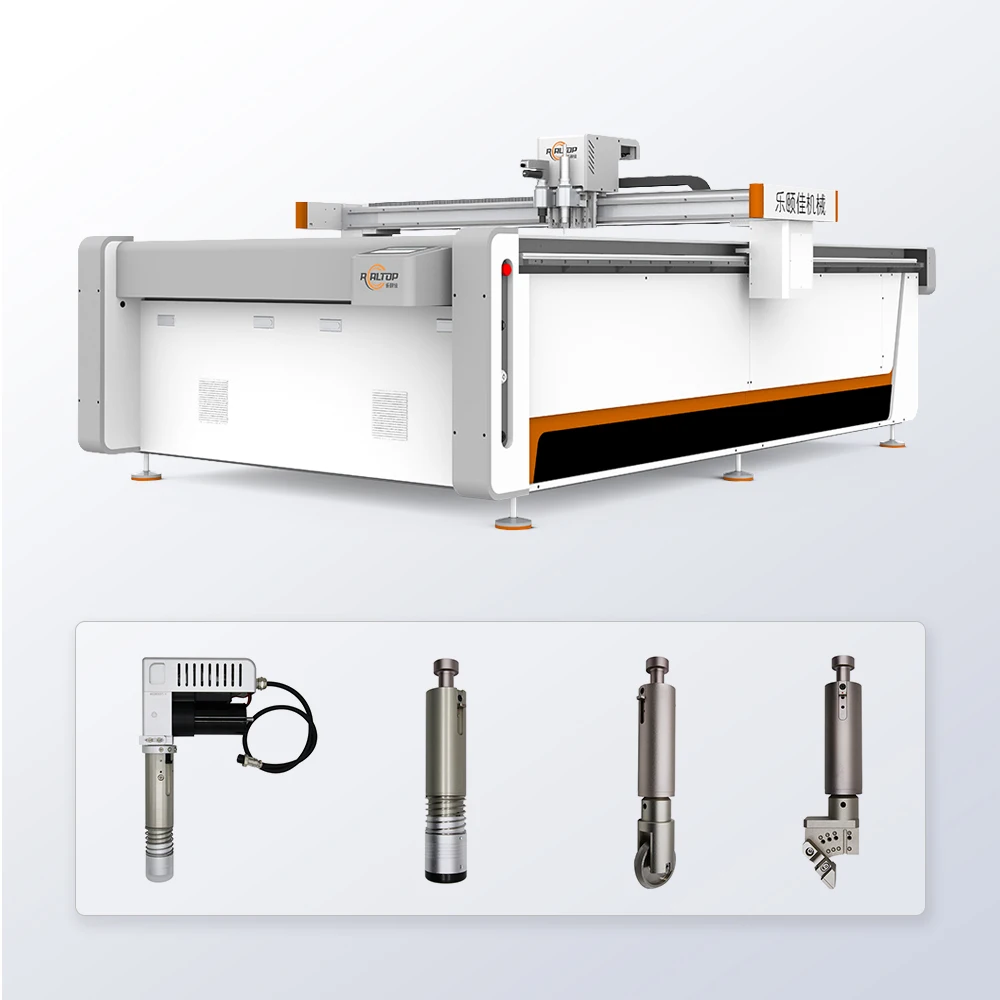
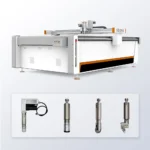
Tooling Matched to Stock — Seven interchangeable heads configured after testing your corrugated flute type and ply count, not selected from a generic chart.
Technical Specifications
| Parameter | Value |
|---|---|
| Model | 1625 |
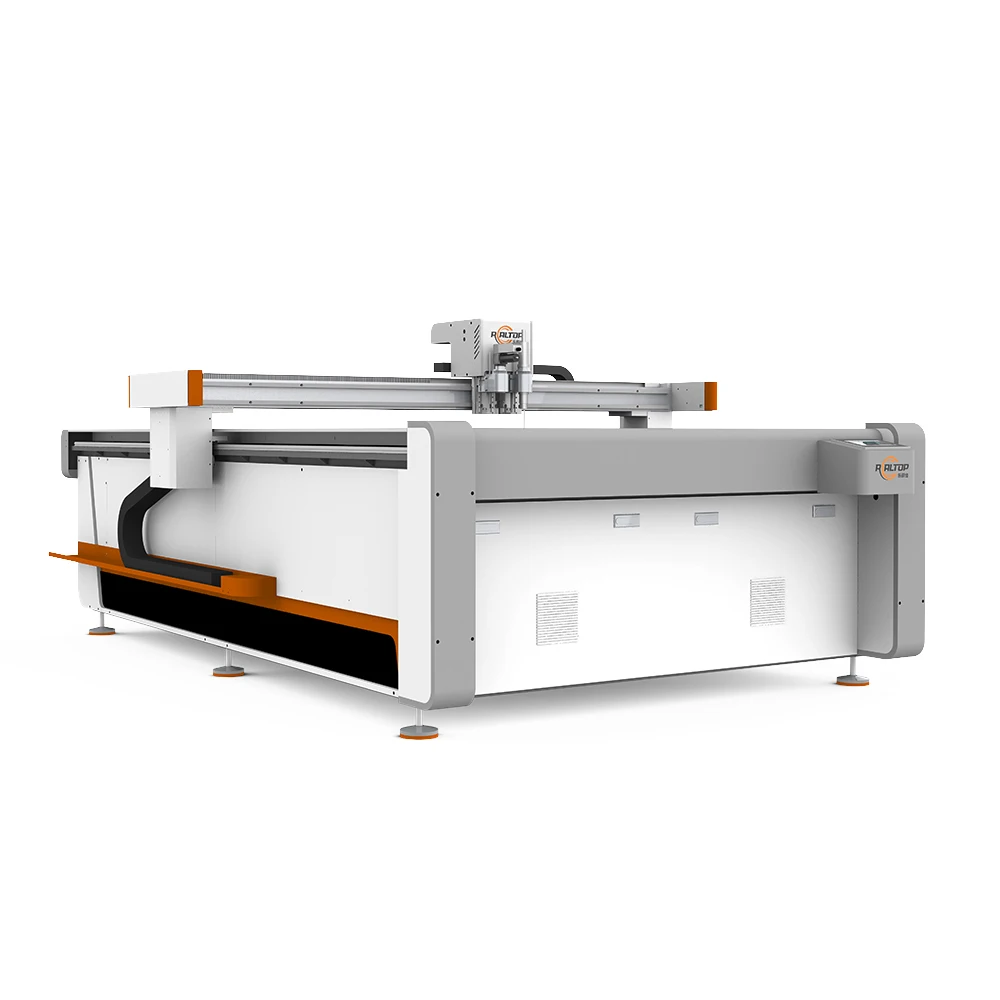
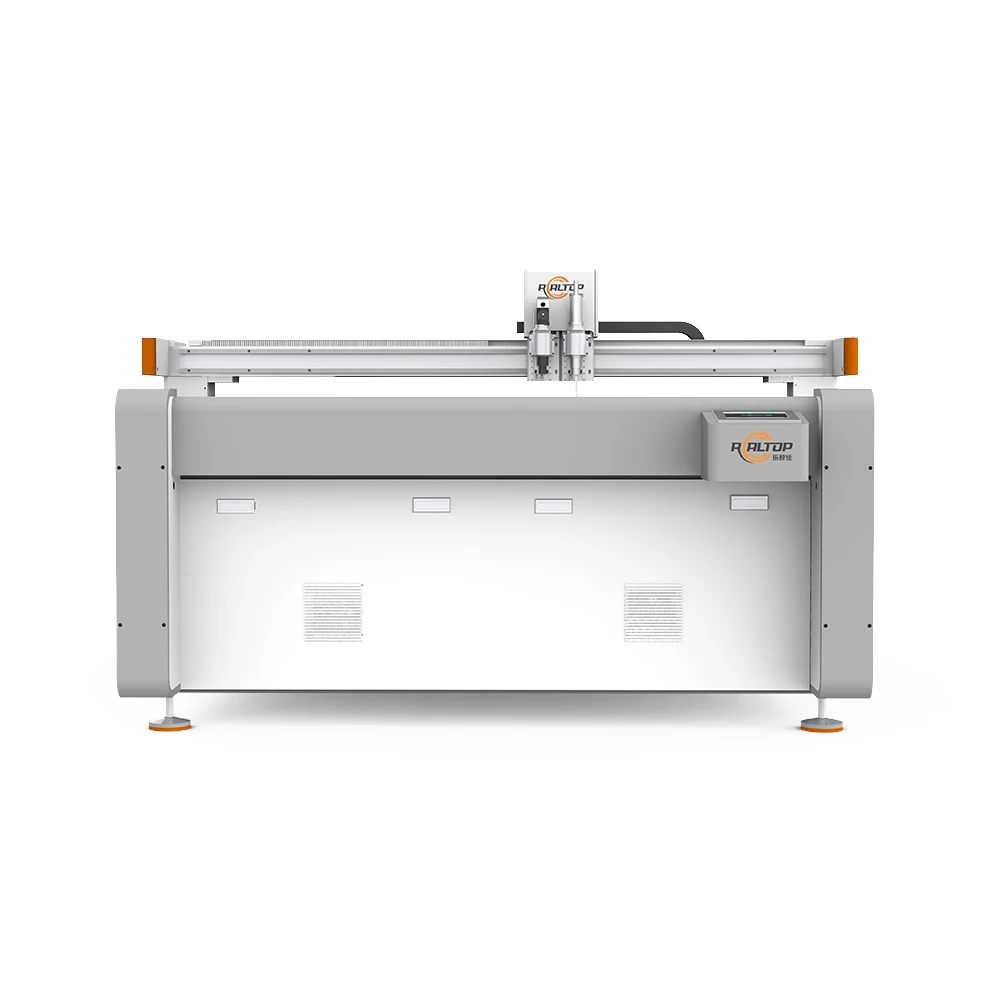
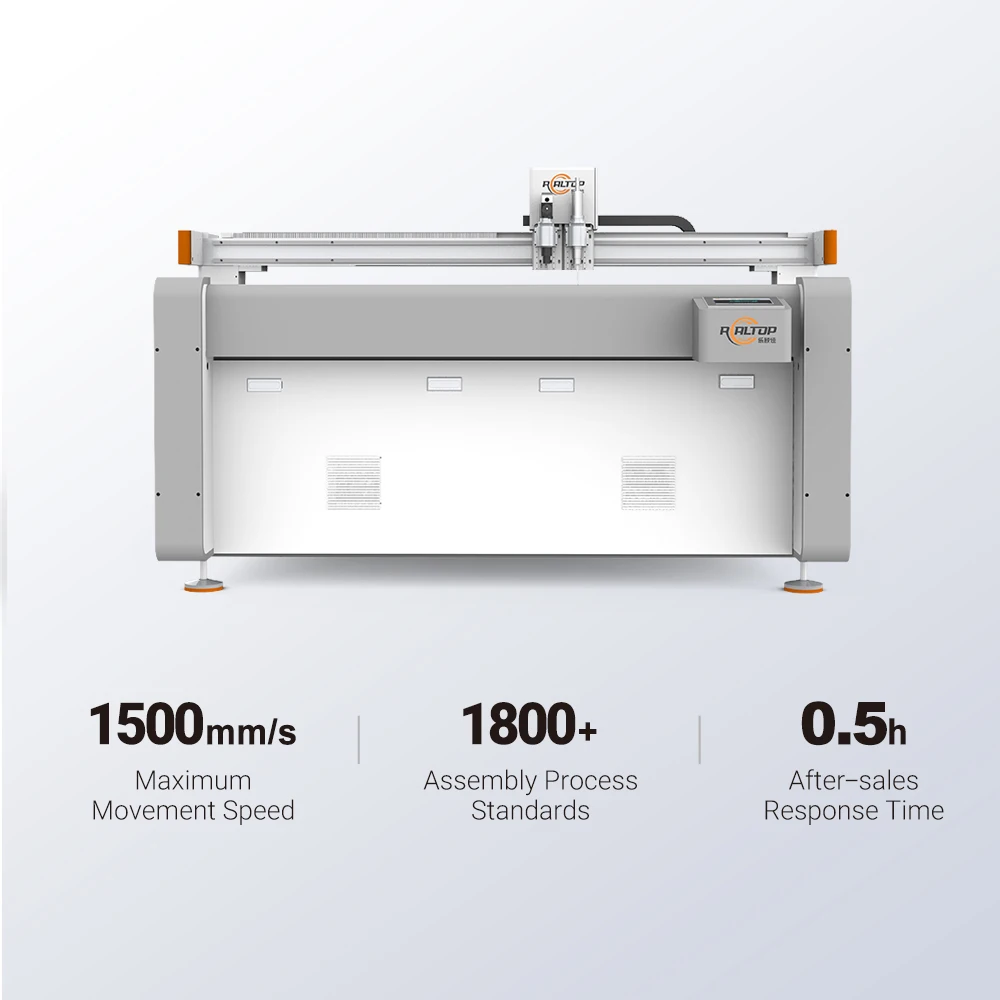
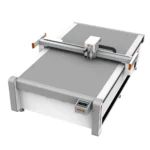
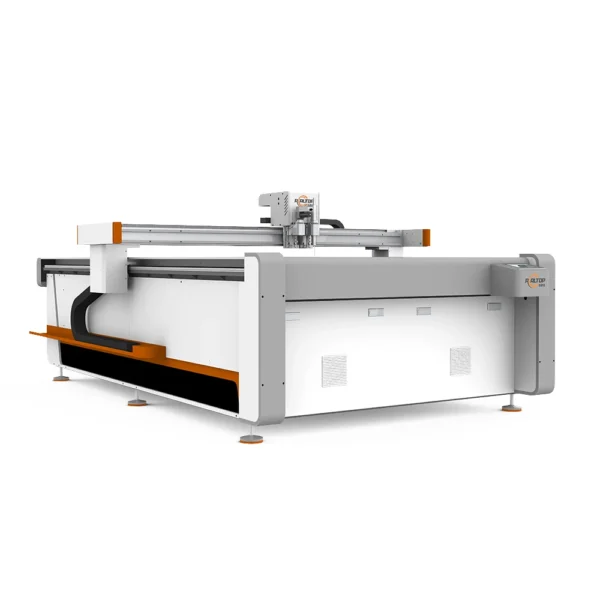
| Product Type | CNC Oscillating Knife Cutting Machine |
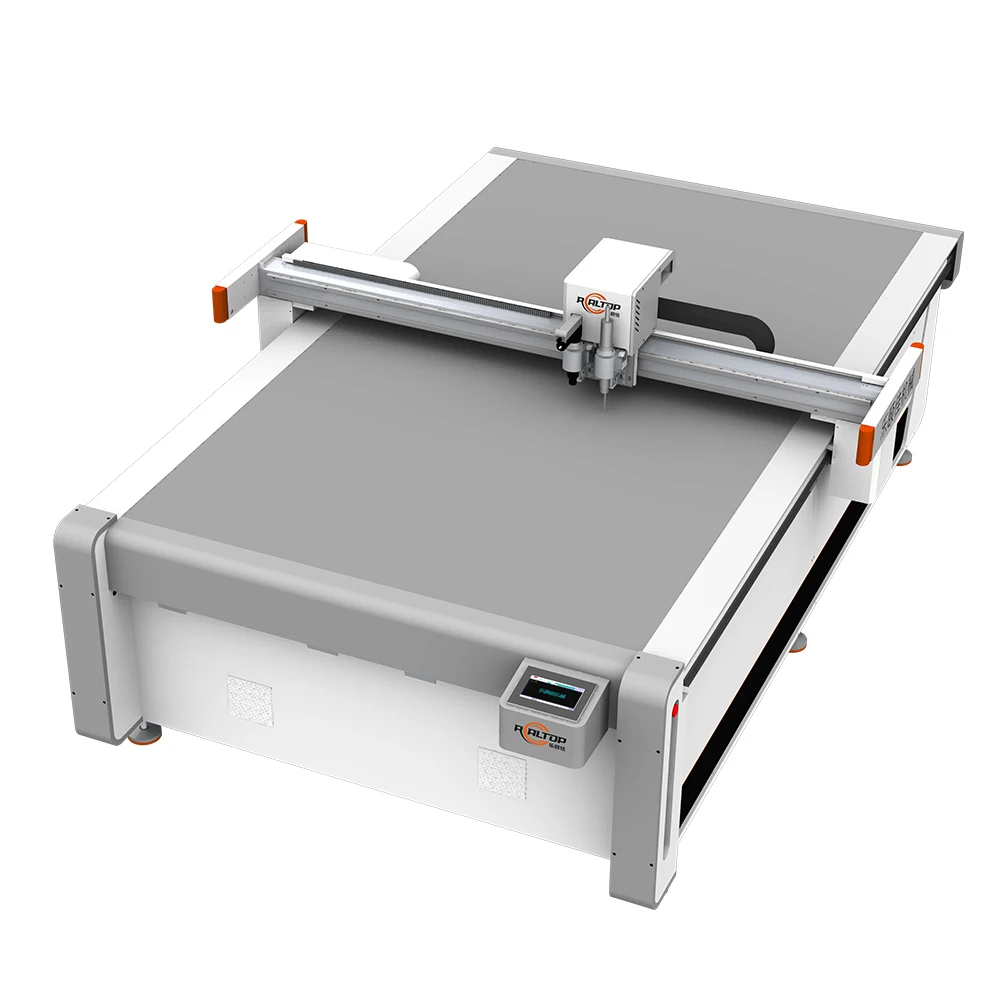
| Working Area | 1600 × 2500 mm |
| Tool Head Options | Oscillating knife, Driven rotary knife, Creasing wheel, Kiss cutting tool, Pneumatic knife, Milling tool, V-groove knife |
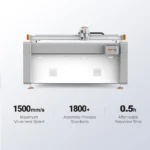
| Cutting Speed | 0–1500 mm/s |
| Cutting Thickness | ≤ 40 mm (basis to be confirmed by material and flute type) |
| Cutting Accuracy | ±0.1 mm |
| Vacuum Pump | 9 kW |
| Vacuum Table | Aluminum bellows vacuum table |
| Control System | PLC control panel |
| Servo Motor Options | Panasonic, Delta, Dorna |
| Voltage Options | 110V, 220V, 380V |
| File Format Support | PLT, DXF, AI, PDF |
| Language Options | English, Russian, Italian, Chinese (customizable) |
| Software | Dedicated packaging box structure design software included |
| Safety Device | Infrared sensor and emergency stop |
| Overall Dimensions | 3300 × 2100 × 1350 mm |
| Standards | CE |
Application Suitability
| Application | Material or Output |
|---|---|
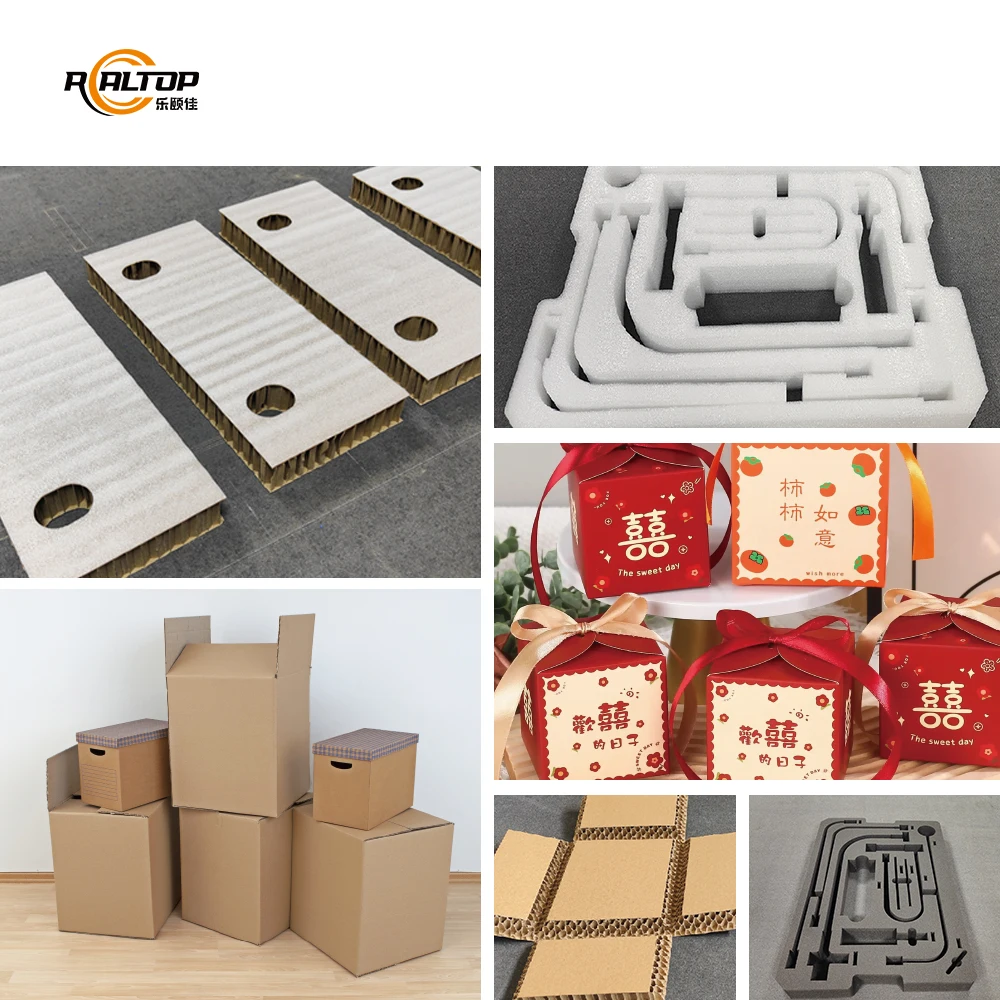
| Packaging sample making and short-run carton production | Corrugated cardboard (E-flute, B-flute, BC-flute), greyboard, cardstock, art paper, specialty paper |
| Protective packaging insert fabrication | EVA, EPE, PU foam, rubber mats |
| Interior box lining and cushioning | Velvet, fleece fabric, non-woven fabric |
| Retail display and specialty packaging components | Thin plastic sheets (PVC, PET), leather, synthetic leather, composite and adhesive-backed materials |
Why Tool Head Selection Decides the Edge Quality on Corrugated
A machine that cuts clean E-flute samples in the showroom often tears BC-flute in the workshop because the tool head was never matched to the actual ply structure.
I have watched buyers receive machines quoted only by working area, then discover on their first production run that the oscillating knife leaves ragged edges on double-wall corrugated while the creasing wheel crushes the flute profile entirely. The problem is rarely the motor or the frame. It comes down to whether anyone asked what stock the buyer actually runs day after day [NEED_CITE: CNC knife cutting tool head selection for corrugated packaging materials].
The CNC oscillating knife cutting machine specifications mean little until you see which head spins at what frequency against which flute count.
Seven Heads, But Only Two or Three Matter for Your Line
Most packaging producers need the oscillating knife for full-depth cuts through corrugated stock, the creasing wheel for fold lines, and the kiss cutting tool for partial-depth scoring on adhesive-backed inserts. The driven rotary knife handles fabric linings, while the V-groove knife is reserved for foam inserts that require beveled edges for protective packaging. Specifying all seven heads is unnecessary; specifying the wrong three is expensive.
Vacuum Hold-Down Is Where Small Cartons Fail
The aluminum bellows vacuum table on the 1625 is paired with a 9 kW pump to maintain suction across the full 1600 × 2500 mm surface. For large carton blanks this is straightforward. For small partition pieces or retail display components, vacuum zoning becomes the deciding factor between a clean cut and a part that lifts mid-pass. Buyers producing short-run sample boxes with nested small parts should confirm zone layout before the table is built [NEED_CITE: vacuum table zoning requirements for small-part CNC cutting].
Reading the Specs That Actually Affect Your Daily Output
Cutting speed rated at 0–1500 mm/s is the traverse maximum; actual throughput on corrugated board depends on flute density and the number of direction changes in the cut path. The ±0.1 mm accuracy figure holds when the servo system — selectable from Panasonic, Delta, or Dorna — is tuned to the mass of the tool head in use, since a pneumatic knife assembly carries more weight than a creasing wheel. The PLC control panel manages these tool offsets, and the included packaging box structure design software imports PLT, DXF, AI, and PDF files directly. Voltage configurable from 110V to 380V must be locked in before production begins, because rewiring a PLC after arrival is neither quick nor inexpensive.
What Happens When the Creasing Wheel Meets the Wrong Flute
A creasing wheel set for B-flute pressure will flatten E-flute entirely, destroying the structural rigidity of the finished carton. Conversely, running BC-flute at E-flute pressure produces shallow creases that crack when the box is folded. These are not defects in the machine; they are mismatches caught too late. Every packaging stock behaves differently under compression, and the only reliable way to set wheel pressure is on the buyer’s own material [NEED_CITE: corrugated flute compression behavior during CNC creasing].
Why This Configuration Approach Fits Packaging Producers
The design team builds both knife and laser platforms in-house, which means the cutting method is selected based on the material rather than forcing every packaging stock through one technology. Tool head and table configurations are written to the buyer’s specific flute type, ply count, and daily volume before the order is confirmed. Sample cutting on the buyer’s own corrugated or greyboard stock is standard procedure — edge quality and crease depth are documented before commitment. Voltage, plug type, and control language are confirmed against the destination market. The dedicated packaging software is licensed and file format compatibility verified so that existing design workflows carry over without rework.
Documentation & Verification
- Machine specification sheet listing all seven tool head options and rated parameters
- Electrical schematic with voltage and frequency locked to your workshop supply
- Tool head and table configuration list matched to your corrugated flute type and ply count
- Sample cutting report on your packaging stock showing edge and crease quality
- Software licence and file format compatibility note for PLT, DXF, AI, and PDF import
- Factory test record documenting cutting accuracy and vacuum hold-down before dispatch
Installation, Commissioning & Support
- Floor space of approximately 3300 × 2100 mm required with clearance for material loading on the 1600 × 2500 mm table
- Dedicated circuit matching confirmed voltage (110V/220V/380V) for the 9 kW vacuum pump and servo drives
- Machine ships as a single-frame unit; the aluminum bellows vacuum table is pre-assembled and tested at the factory
- First-run commissioning includes tool offset calibration for the oscillating knife, creasing wheel, and any additional heads specified
- Operator training covers PLC control panel navigation and packaging structure software file import in the confirmed language
- Spare parts list covers oscillating knife blades, creasing wheel inserts, and vacuum table seals
Before You Request a Quote
Send the corrugated flute type, ply count, and maximum sheet thickness you run most often, along with the smallest part dimension in your typical nesting layout. Confirm your workshop voltage and frequency, and specify the control language your operators need. If you already have packaging designs in PLT, DXF, AI, or PDF, share a sample file so that software compatibility is verified before the machine is built.
Frequently Asked Questions
Q: How do I verify that the machine can cut my specific corrugated flute type to full depth?
A: Send a sample of your actual stock — E-flute, B-flute, BC-flute, or greyboard — with the ply count and thickness measured at your workshop. A sample cutting report is produced showing edge quality, crease depth, and whether the cutting thickness capacity handles your material under real conditions, not catalog assumptions.
Q: Which tool heads should I specify for creasing, kiss-cutting, and full-depth cutting on one sheet?
A: For most corrugated packaging work, the oscillating knife handles full-depth cuts, the creasing wheel produces fold lines, and the kiss cutting tool scores adhesive-backed layers without penetrating the liner. The configuration list is finalized after reviewing your box structure files and sample material.
Q: How is voltage and control language confirmed before the machine ships?
A: Voltage (110V, 220V, or 380V), plug type, and frequency are locked in during the specification confirmation stage. Control language — English, Russian, Italian, Chinese, or other options — is set on the PLC panel and packaging software before the factory test, so the machine arrives ready for your operators.
Q: Will small packaging parts stay flat on the vacuum table during cutting?
A: The aluminum bellows vacuum table with the 9 kW pump provides full-surface adsorption, but small nested parts can lift if zoning is not matched to your layout. Confirm your smallest part dimensions during the inquiry stage so that vacuum zone configuration is built accordingly.
Q: What do I need to send for a sample cutting test, and what does the report include?
A: Send enough of your packaging material for several test runs, along with a typical cut file in PLT, DXF, AI, or PDF. The report documents edge quality, creasing depth, cutting speed achieved, and any tool head adjustments required — giving you a clear picture before committing to the order.


商品评价
Clear filtersThere are no reviews yet.