



Fast Shipping
Carrier information

20k products
Payment methods

24/7 Support
Unlimited help desk

2-day Delivery
Track or off orders
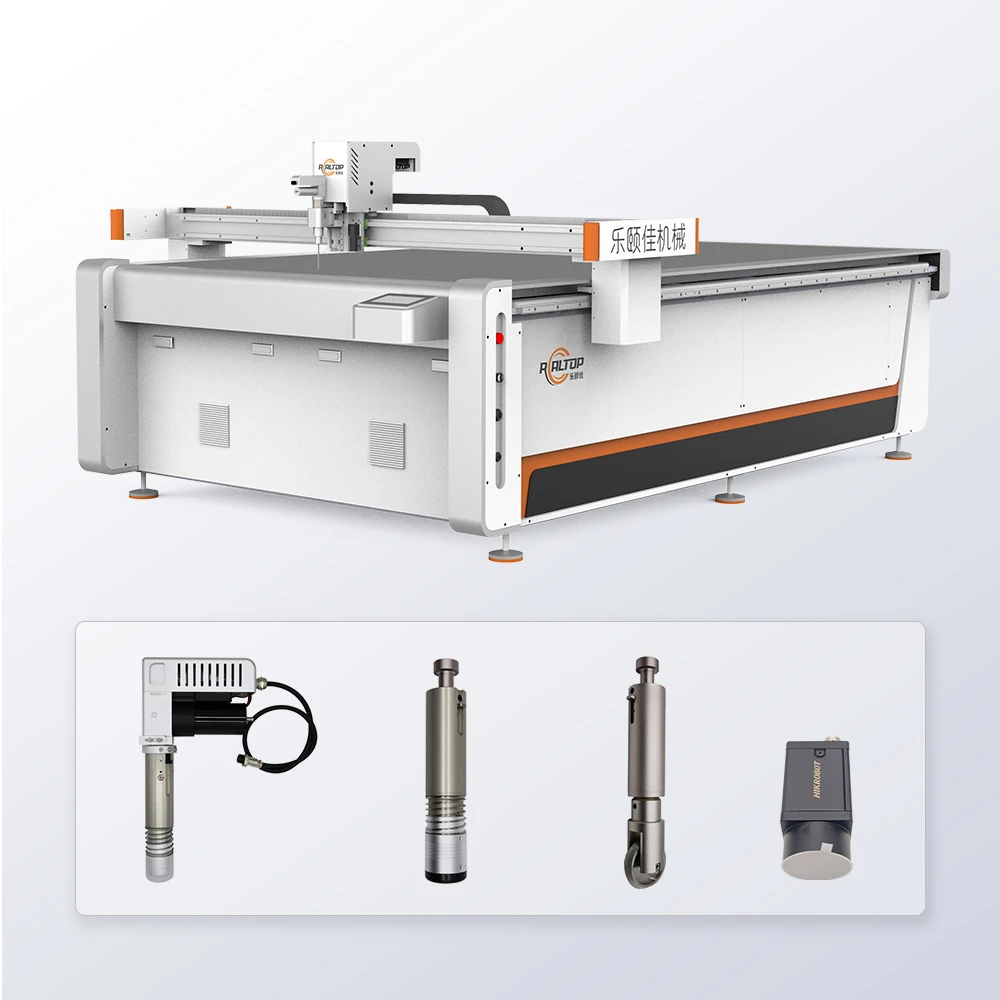
Tool head matched to your flute — we configure oscillating knife, creasing wheel, and V-groove tooling only after receiving your actual corrugated samples, not by guessing from a working area dimension.
Technical Specifications
| Parameter | Value |
|---|---|
| Model | 1625 |
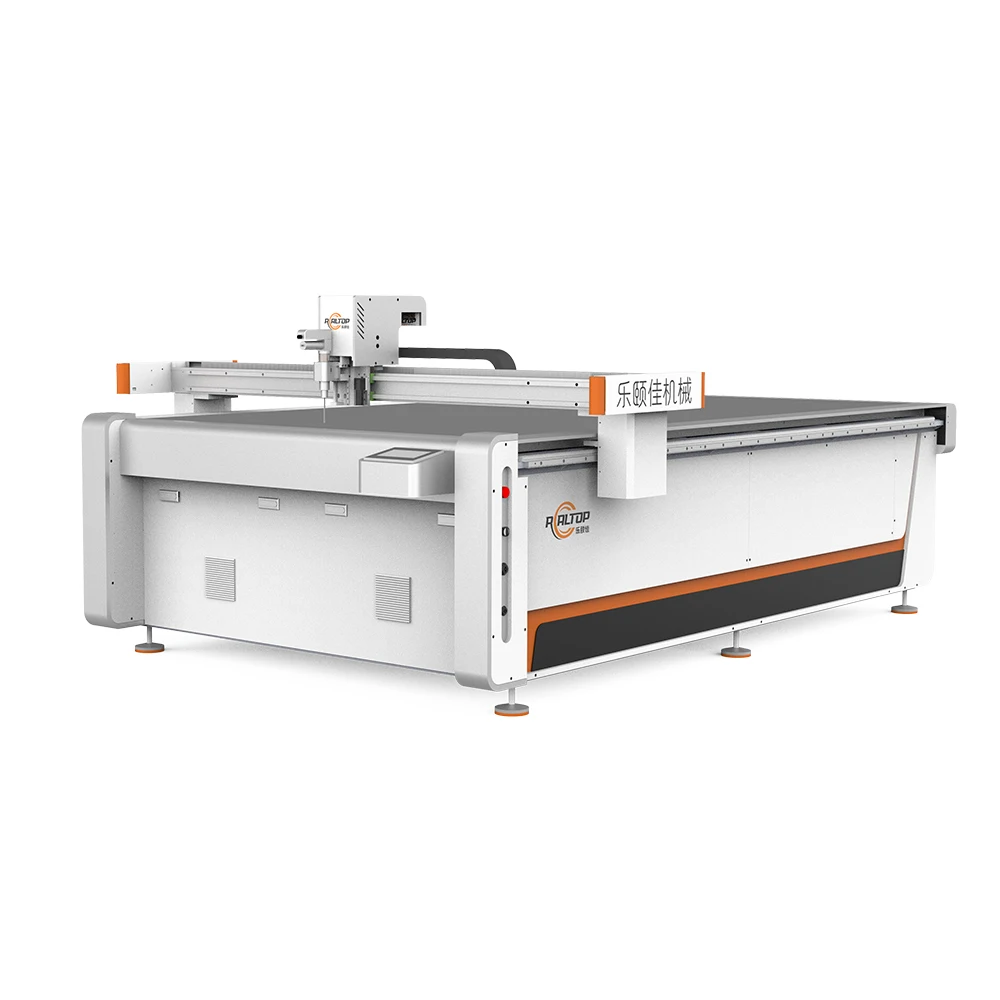
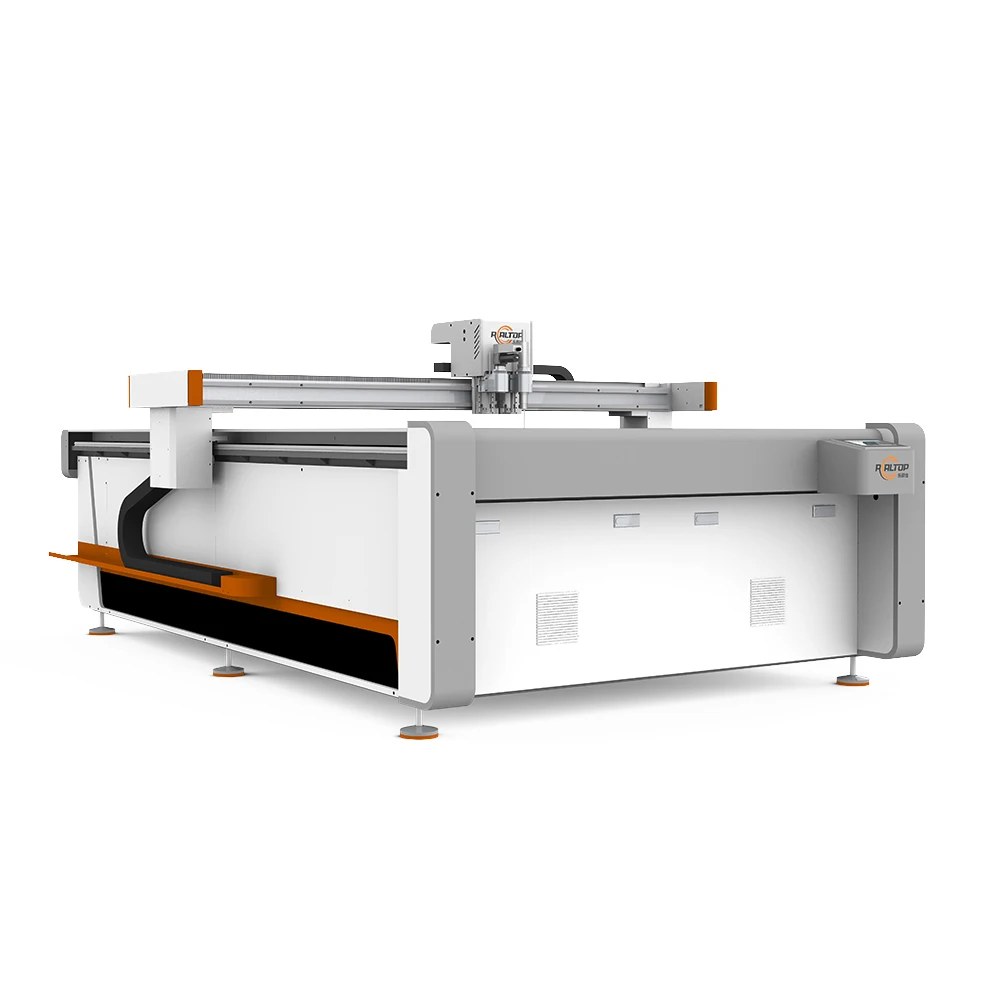
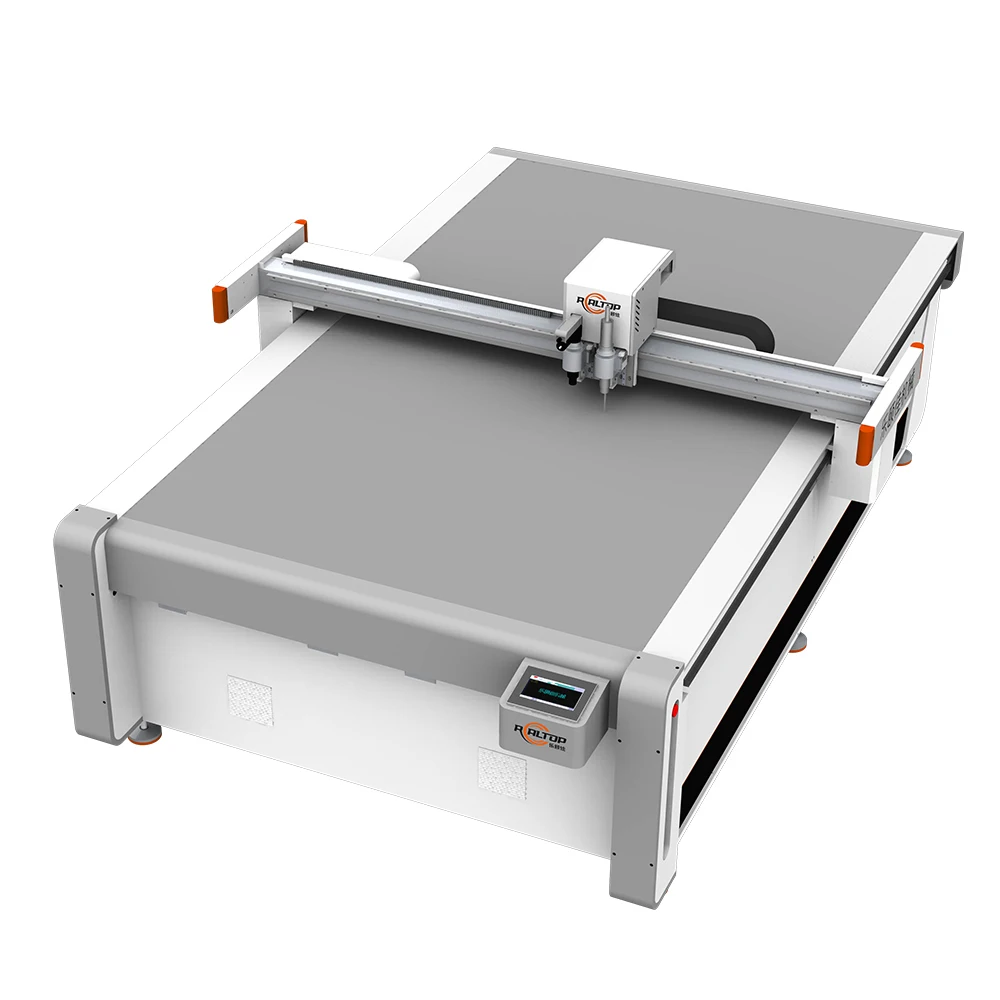
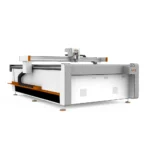
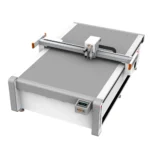
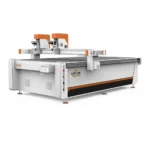
| Product Type | CNC Oscillating Knife Cutting Machine |
| Working Area | 1600 × 2500 mm |
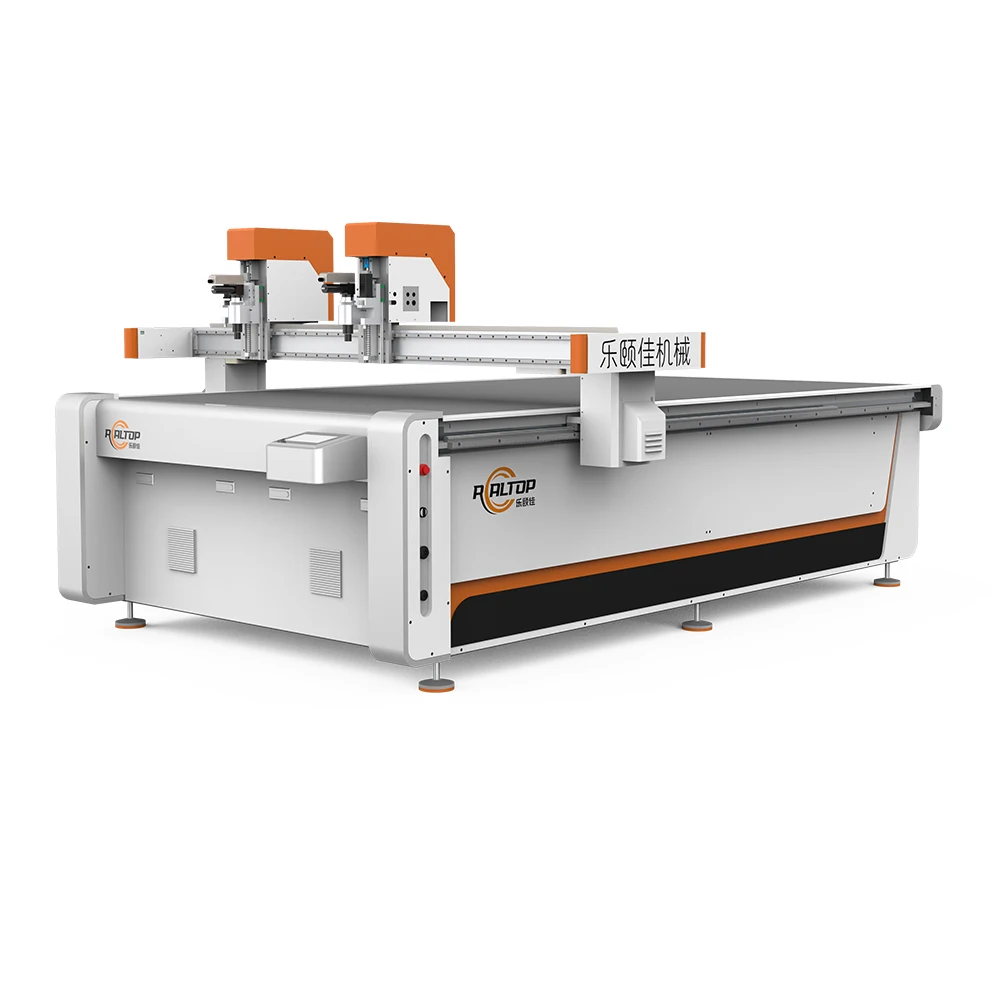
| Tool Head Options | Oscillating knife, Driven rotary knife, Creasing wheel, Kiss cutting tool, Pneumatic knife, Milling tool, V groove knife |
| Cutting Speed | 0–1500 mm/s |
| Cutting Thickness | ≤ 40 mm (basis not stated in source — confirm material density and flute type) |
| Cutting Accuracy | ±0.1 mm |
| Vacuum Table | Aluminum bellows vacuum table |
| Vacuum Pump | 9 kW |
| Control System | PLC control panel with dedicated packaging box structure design software |
| Servo Motor Options | Panasonic, Delta, Dorna |
| Profile Format Compatibility | PLT, DXF, AI, PDF |
| Voltage Options | 110V, 220V, 380V (frequency to be confirmed by buyer) |
| Safety Device | Infrared sensor device and emergency stop device |
| Machine Size | 3300 × 2100 × 1350 mm |
| Language Options | English, Russian, Italian, Chinese, customizable |
| Certification | CE |
Application Suitability
| Application | Material or Output |
|---|---|
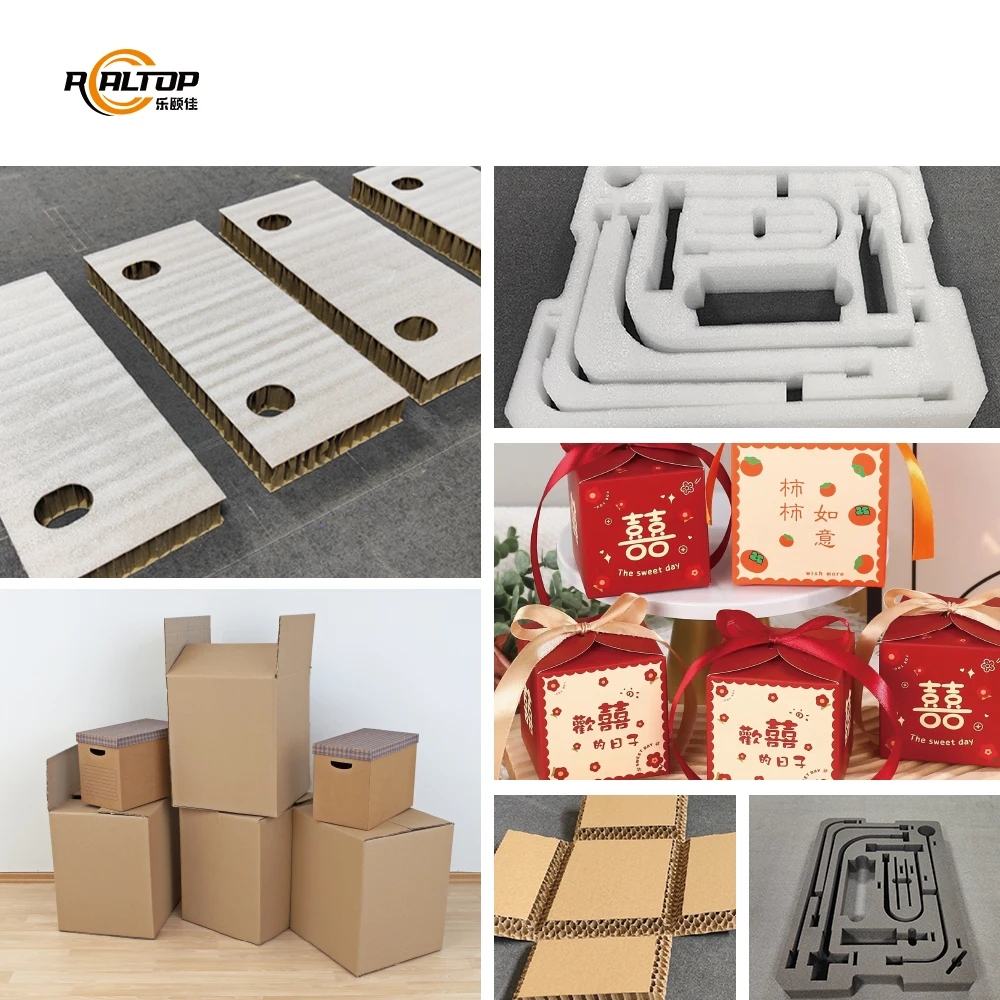
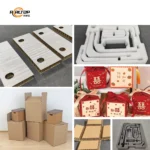
| Packaging sample making | E-flute, B-flute, BC-flute corrugated board |
| Carton structural prototyping | Greyboard, cardstock, art paper |
| Short-run custom box production | Single and double-wall corrugated sheets |
| Gasket and seal cutting | EVA, EPE, PU foam, rubber mats |
| Textile and leather template cutting | Velvet, fleece, non-woven fabric, synthetic leather |
| Thin plastic sheet processing | PVC, PET sheets, adhesive-backed composites |
Why "40 mm Cutting Thickness" Misleads Packaging Buyers
Real cutting depth depends on the flute profile and tool head pairing, not just a single number on a spec sheet.
Many buyers assume a CNC Oscillating Knife Cutting Machine specifications sheet telling them ≤ 40 mm means it will slice cleanly through any board up to that thickness. In practice, a high-density BC-flute double-wall board at 35 mm behaves entirely differently from a soft EVA foam at the same depth. The oscillating frequency and knife stroke that work on foam will crush corrugated flutes or leave ragged edges on greyboard. I have watched sample rooms waste entire runs because the machine was set up for one material and then pushed into another without reconfiguring the tool head [NEED_CITE: corrugated flute compression behavior under oscillating blade pressure].
The 1625 addresses this through interchangeable tool heads. The oscillating knife handles most corrugated and foam materials, the creasing wheel scores fold lines without cutting through, the driven rotary knife manages fabric and thin composites, and the V-groove knife produces clean miter folds for rigid box construction. Each tool change takes minutes, and the PLC control panel stores parameters per material so operators do not re-enter settings manually for repeat jobs.
Tool Head Selection by Flute and Board Weight
Choosing between an oscillating knife and a pneumatic knife is not about preference; it is about the material fighting back. Standard B-flute corrugated board cuts cleanly with the standard oscillating knife at moderate stroke frequency. Switch to BC-flute double-wall at higher grammage, and the pneumatic knife delivers the downward force needed to penetrate without delaminating the liner. The driven rotary knife is reserved for non-corrugated materials like fabric and thin PVC where a dragging cut produces a cleaner edge than a vibrating blade. Getting this wrong on the CNC Oscillating Knife Cutting Machine specifications checklist means living with crushed edges or incomplete cuts every single shift.
Vacuum Zoning for Small Packaging Components
A full-sheet vacuum holds large carton blanks easily, but packaging sample making involves small tabs, locking slots, and narrow flaps that can lift under high-speed cutting. The aluminum bellows vacuum table on the 1625 provides high flatness across the 1600 × 2500 mm working area, and the 9 kW vacuum pump generates sufficient suction to keep small parts pinned during rapid directional changes. Without adequate hold-down, the oscillating knife catches a lifted edge and tears the piece rather than cutting it [NEED_CITE: vacuum adsorption requirements for small-format digital die-cutting].
What the Specs Mean for Your Daily Output
The ±0.1 mm cutting accuracy matters most when packaging designs use interlocking tabs and slots. A tolerance drift of even half a millimeter across a complex carton pattern means the box will not fold square, and glued closures will not align. The Panasonic, Delta, or Dorna servo motors maintain positional accuracy through long production runs, and the PLC control panel with dedicated packaging box structure design software lets operators load PLT, DXF, AI, or PDF files directly without converting through third-party nesting software first. This file format compatibility eliminates a frequent bottleneck where the design team works in one format and the machine room demands another.
The 0–1500 mm/s cutting speed range gives operators the flexibility to slow down for intricate crease patterns on thick greyboard and speed up for straight cuts on thin cardstock. Matching speed to material prevents the knife from skating across hard surfaces or bogging down in dense foam.
The Cost of Skipping Material Trials
I have seen buyers select a machine based on working area and price, then discover their high-grammage double-wall corrugated board needs more knife pressure than the standard oscillating head delivers. The fix is not a parameter adjustment; it requires swapping to the pneumatic knife and possibly upgrading the vacuum pump capacity. These are not expensive changes, but making them after the machine arrives means downtime, re-commissioning, and explaining the delay to your own customers [NEED_CITE: post-installation tooling reconfiguration costs in packaging sample making]. This is why we run sample cuts on your actual board stock before confirming the tool head and table configuration.
Why Buyers Source This Configuration Here
In-house design and production covering both knife and laser cutting technologies means we recommend the correct method for your material rather than forcing every job through one process. The 1625 CNC Oscillating Knife Cutting Machine specifications are finalized per buyer, with tool head and vacuum table configuration documented against your specific corrugated flute types and foam densities. Software compatibility with your existing PLT, DXF, AI, or PDF workflow is confirmed before the order enters production. Voltage, plug type, and control panel language are matched to your facility before shipment, not discovered at uncrating. Every unit ships with a sample cutting report produced on your own material.
Documentation & Verification
- Machine specification sheet listing configured tool heads and vacuum table zoning plan
- Electrical schematic with confirmed voltage and frequency for your facility
- Sample cutting report on your corrugated board and foam materials
- Tool head and table configuration list matched to your material profile
- Software licence with confirmed PLT, DXF, AI, PDF file format compatibility
- Factory test record documenting cutting accuracy across your pattern files
Installation, Commissioning & Support
- Requires a level concrete floor to support the 3300 × 2100 × 1350 mm frame footprint
- Dedicated electrical circuit matching confirmed 110V, 220V, or 380V supply specification
- Vacuum pump and 9 kW motor require appropriate breaker rating at your panel
- PLC control panel language set to your confirmed option before dispatch
- First-run parameter tuning performed on your supplied corrugated and foam samples
- Spare oscillating knives, creasing wheels, and wear parts list provided at shipment
Before You Request a Quote
Tell us the specific flute types you run — E, B, C, BC, or combinations — along with the grammage and whether you process foam or fabric on the same machine. Confirm your facility voltage and frequency, the control language your operators need, and whether your design files originate in PLT, DXF, AI, or PDF. If possible, send a few sheets of your most demanding board stock so we can run sample cuts and verify edge quality and crease depth before finalizing the CNC Oscillating Knife Cutting Machine specifications for your order.
Frequently Asked Questions
Q: How do I choose between the oscillating knife and creasing wheel for my corrugated board?
A: The oscillating knife performs through-cuts on corrugated board and foam, while the creasing wheel scores fold lines without penetrating the liner. Most packaging sample makers need both on the same machine. We configure tool head selection based on your specific flute profiles and board weights, then verify with sample cuts on your actual material before finalizing the build.
Q: Will the vacuum table hold small packaging parts during high-speed cutting?
A: The aluminum bellows vacuum table paired with the 9 kW vacuum pump provides strong hold-down across the full 1600 × 2500 mm working area. Small tabs, locking slots, and narrow flaps stay pinned during rapid directional changes. Zoning requirements are reviewed during the sample cutting stage to ensure your specific part geometries remain secure.
Q: What is the actual cutting thickness for double-wall corrugated versus foam?
A: The ≤ 40 mm rating is a general maximum that varies by material density and flute structure. A BC-flute double-wall board and a PU foam panel at the same thickness demand different knife pressures and stroke settings. We confirm real cutting depth on your specific materials during the sample trial phase, not from a generic specification number.
Q: Does the software accept my existing packaging design files?
A: The dedicated packaging box structure design software on the PLC control panel accepts PLT, DXF, AI, and PDF formats. File format compatibility is verified against your actual design files before order confirmation, so you will not encounter import issues or nesting workflow conflicts after the machine arrives at your facility.
Q: How are voltage and control language handled before shipment?
A: Voltage is configurable at 110V, 220V, or 380V, and frequency must be confirmed to match your local supply. The PLC control panel language — English, Russian, Italian, Chinese, or a custom option — is set during production. Electrical schematics and a voltage confirmation document are included in the shipment documentation package [NEED_CITE: voltage and frequency standards by export market].


商品评价
Clear filtersThere are no reviews yet.