








Fast Shipping
Carrier information

20k products
Payment methods

24/7 Support
Unlimited help desk

2-day Delivery
Track or off orders
Tool head matching — every configuration on the 1625 is locked to your actual corrugated flute, foam density and crease requirement after a physical sample cut, not assumed from a brochure chart.
Technical Specifications
| Parameter | Value |
|---|---|
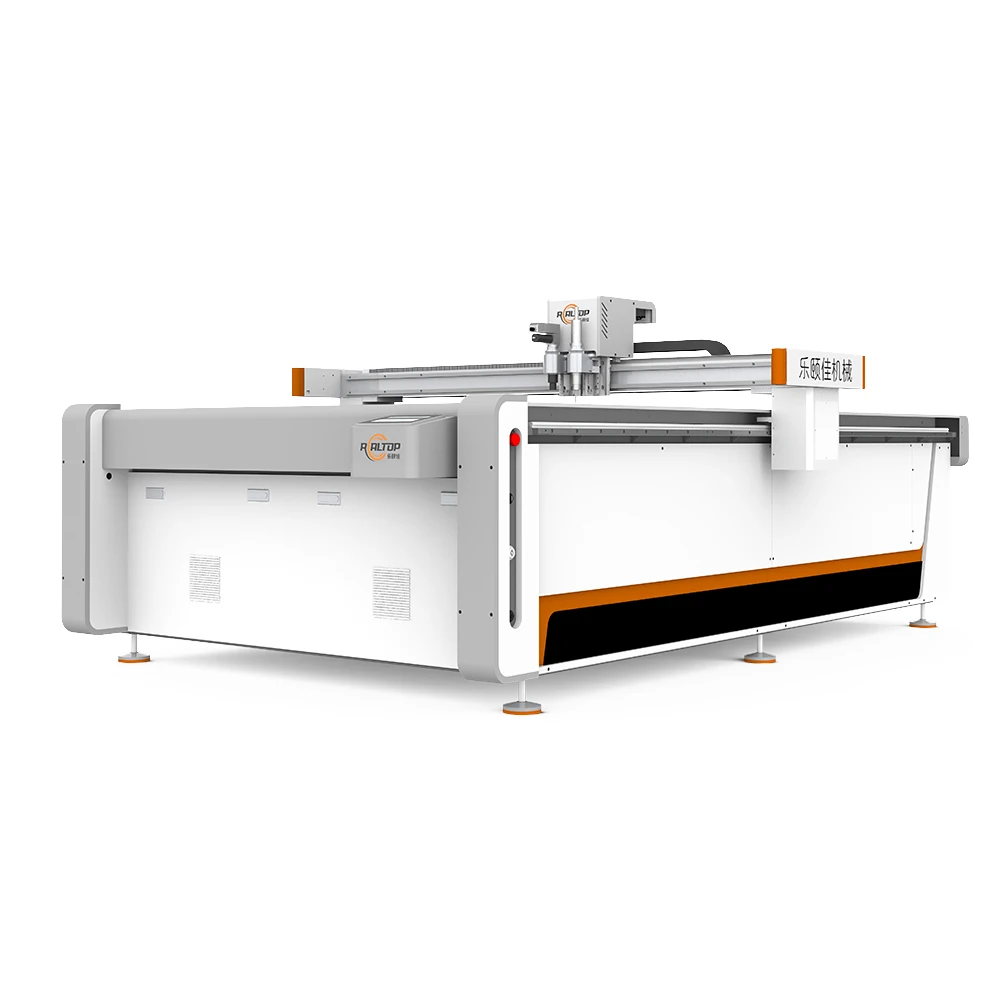
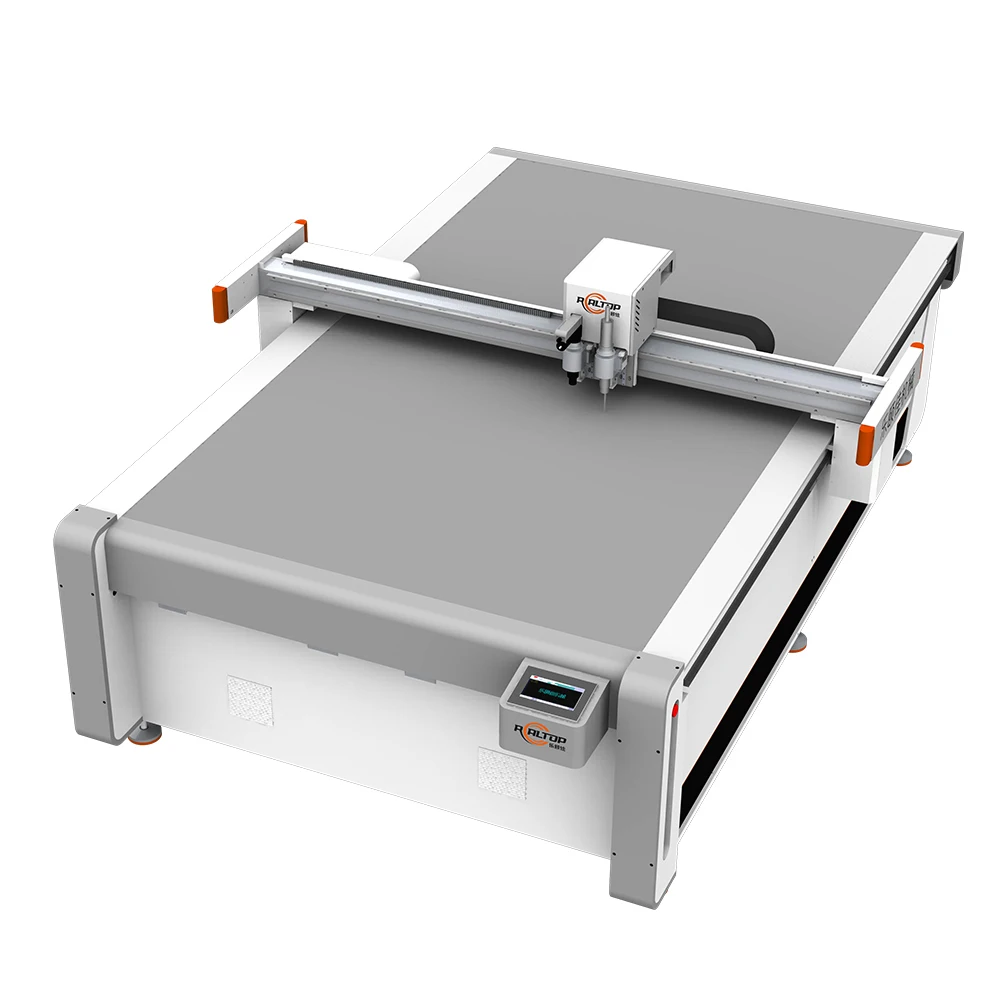
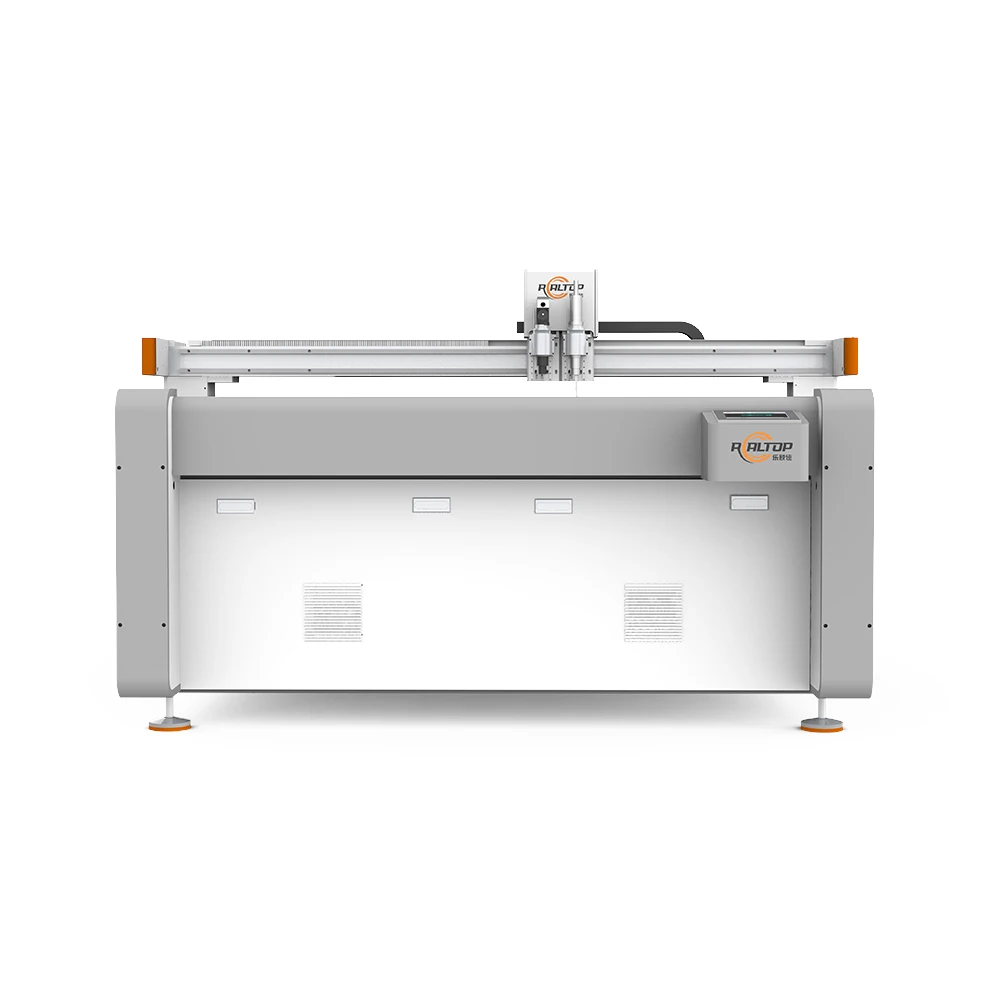
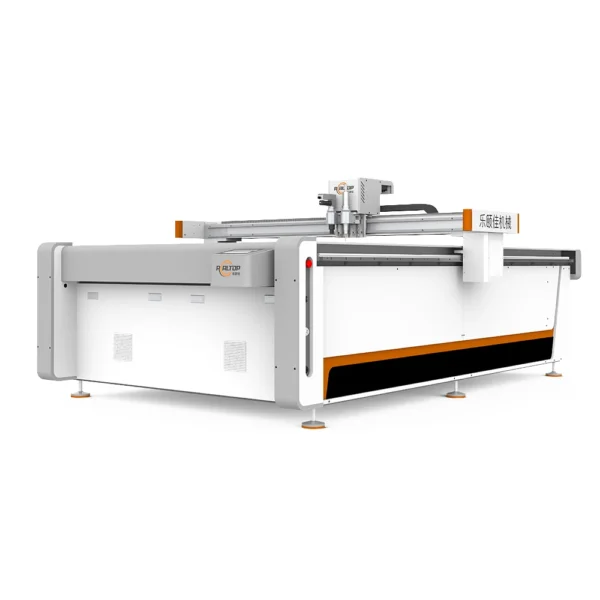
| Product Type | CNC Oscillating Knife Cutting Table for Packaging |
| Model | 1625 |
| Working Area | 1600×2500 mm |
| Cutting Speed | 0–1500 mm/s |
| Cutting Thickness | ≤40 mm (basis not stated in source — confirm material type and density) |
| Positioning Accuracy | ±0.1 mm |
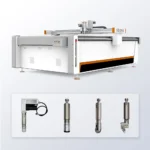
| Tool Head Options | Oscillating knife, Driven rotary knife, Creasing wheel, Kiss cutting tool, Pneumatic knife, Milling tool, V groove knife |
| Vacuum Pump | 9 kW |
| Vacuum Table | Aluminum bellows type with full-surface adsorption |
| Control System | PLC with dedicated packaging box structure design software |
| Servo Drive Options | Panasonic / Delta / Dorna (rated or peak not specified in source) |
| Voltage Options | 110V / 220V / 380V (frequency not specified in source) |
| Supported File Formats | PLT, DXF, AI, PDF |
| Machine Frame | Heavy-duty with precision-ground surface |
| Safety Devices | Infrared sensor device and emergency stop device |
| Language Options | English, Russian, Italian, Chinese (special languages customizable) |
| Overall Dimensions (L×W×H) | 3300×2100×1350 mm |
Application Suitability
| Application | Material or Output |
|---|---|
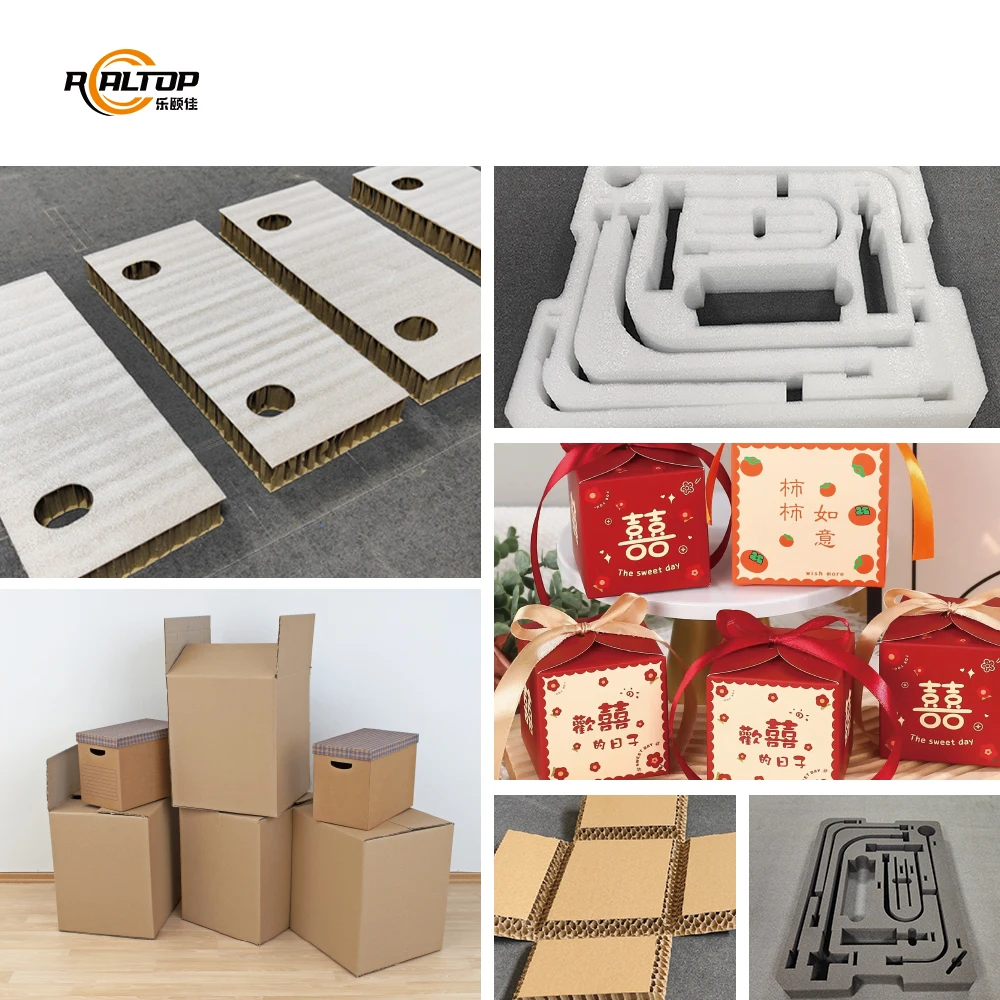
| Carton box prototyping | Corrugated cardboard (E-flute, B-flute, BC-flute), greyboard, cardstock |
| Specialty packaging sample making | Art paper, specialty paper, adhesive-backed materials |
| Protective insert production | EVA foam, EPE foam, PU foam, rubber mats |
| Interior lining and cushioning | Velvet/fleece fabric, non-woven fabric, leather, synthetic leather |
| Blister and window patching prep | Thin plastic sheets (PVC, PET), composite materials |
Why "Cutting Thickness ≤40 mm" Can Mislead a Packaging Converter
The number on the spec sheet means nothing until it is tested against your exact flute profile and foam density at production speed.
I once supplied a carton sample maker to a premium gift box plant based on their white cardstock parameters, only to discover on delivery that their daily run was triple-wall corrugated. The knife head pressure was insufficient, leaving ragged, crushed edges on every crease line. When evaluating CNC oscillating knife cutting table specifications how to choose the right setup, the thickness rating alone cannot tell you whether the machine will cleanly slice through BC-flute board or compress an EVA foam insert without tearing. [NEED_CITE: corrugated flute compression behavior under oscillating knife cutting]
Matching Tool Heads to the Packaging Material Stack
The 1625 supports seven distinct tool heads — oscillating knife, driven rotary knife, creasing wheel, kiss cutting tool, pneumatic knife, milling tool and V groove knife — mountable on the same table. A corrugated box converter running E-flute through BC-flute typically pairs an oscillating knife for the outer cut with a creasing wheel for fold lines in a single pass. Understanding CNC oscillating knife cutting table specifications how to choose the correct tool combination prevents the crushed flute edges and delaminated creases that force manual rework downstream.
Vacuum Zoning and Small Blank Holding
The aluminum bellows vacuum table with full-surface adsorption addresses one of the most common failures in digital carton sample making: material lift at the trailing edge of a small blank. When the vacuum zones are too large relative to the part, corrugated sheets flutter under the 1500 mm/s cutting head, producing dimensional drift beyond the ±0.1 mm positioning accuracy. Verifying that the zoning matches your smallest carton blank footprint is essential when reading CNC oscillating knife cutting table specifications how to choose a table that actually holds your production mix. [NEED_CITE: vacuum table zoning requirements for small-format corrugated blanks]
Reading the Spec Sheet Against Real Corrugated Behavior
The 9 kW vacuum pump provides the suction baseline, but corrugated board is porous — air leaks through the flute channels, reducing effective hold-down compared to solid cardstock. The heavy-duty machine frame with precision-ground surface keeps the bed flat across the full 1600×2500 mm area, which matters when stacking multiple sheets for short-run batch cutting. Meanwhile, the PLC control system with dedicated packaging box structure design software must accept your existing DXF and AI files without manual node editing, otherwise nesting time erases any cutting speed advantage. The ±0.1 mm positioning accuracy is only achievable when the servo drive — available in Panasonic, Delta or Dorna options — is tuned to the actual inertia of the tool head assembly loaded with your chosen knife and creasing wheel combination.
The Cost of Specifying on Working Area Alone
A buyer who selects a machine based purely on bed size often discovers too late that the default oscillating knife cannot handle their foam insert density, or that the vacuum zones leave small gasket patterns lifting mid-cut. Ragged edges on corrugated prototypes mean the sample gets rejected by the brand client, and the converter ends up re-cutting by hand or outsourcing to a die shop — exactly the delay digital cutting was supposed to eliminate. [NEED_CITE: hidden rework costs in packaging prototyping from incorrect tool head selection]
Why Source This Configuration Here
The design team covers both knife and laser cutting technology in-house, so the cutting method is matched to your packaging material rather than forced into one process. Every tool head and table layout is specified against your actual stock type and daily volume before an order is confirmed. CCD camera positioning is available for printed contour work on pre-printed carton faces. Software compatibility with your nesting workflow is verified before shipment, not debugged on your floor. Sample cutting on your own corrugated and foam materials is standard procedure, giving you a physical report before commitment.
Documentation & Verification
- Machine specification sheet listing each tool head and vacuum zone configuration confirmed for your material
- Electrical schematic with voltage and frequency locked to your facility supply before dispatch
- Sample cutting report on your corrugated flute and foam insert stock at production speed
- Tool head and table configuration list matching the exact knife, creasing wheel and kiss cutting tools shipped
- Software licence and file format compatibility note covering PLT, DXF, AI and PDF import verification
- Factory test record documenting dimensional accuracy across the full 1600×2500 mm bed before crating
Installation, Commissioning & Support
- Floor space allocation based on 3300×2100×1350 mm overall dimensions plus operator access clearance on three sides
- Dedicated electrical circuit sized for the 9 kW vacuum pump plus PLC control and servo drives at your confirmed voltage
- Machine arrives fully assembled on the heavy-duty frame; leveling and vacuum seal verification done on-site
- First-run parameter tuning for your specific flute type and foam density using the dedicated packaging software
- Operator training covering tool head changeover, vacuum zone selection and crease wheel pressure adjustment
- Spare parts list covering oscillating knife blades, creasing wheels and vacuum seals with recommended reorder intervals
What to Send With Your Inquiry
Provide the specific corrugated flute types, board thicknesses and foam densities you run daily, along with your smallest and largest blank dimensions. Confirm your facility voltage, frequency and the control panel language your operators need. If you have existing packaging design files, share a sample DXF or AI so we can verify software import and nesting compatibility before quoting.
Frequently Asked Questions
Q: How do I verify the cutting thickness claim for my corrugated flute and foam insert materials?
A: Request a sample cutting test on your actual corrugated board and foam stock, run at production speed. The report should document edge quality, crease integrity and dimensional accuracy across the full cut path. The ≤40 mm figure on the spec sheet carries no material-specific guarantee until this physical test is completed on your exact density and flute profile.
Q: Which tool head combination should I specify for mixed corrugated and foam packaging runs?
A: An oscillating knife handles most corrugated outer cuts, while a creasing wheel produces clean fold lines without crushing the flute. For EVA or EPE protective inserts, a driven rotary knife or pneumatic knife may be needed depending on foam density. The correct combination is determined only after cutting samples of each material you plan to run.
Q: Can the CCD system track printed registration marks on corrugated board at full cutting speed?
A: CCD contour recognition is available as a configuration option for printed carton faces. Tracking reliability depends on mark contrast, board surface texture and cutting speed. Request a live test on your pre-printed corrugated stock to confirm the camera maintains registration without slowing the head below your required throughput.
Q: What voltage, frequency and language details must be locked down before the machine ships?
A: Voltage options include 110V, 220V and 380V, but frequency and plug type must match your local supply standard. Control panel language is configurable across English, Russian, Italian, Chinese and others. All three parameters — voltage, frequency and language — must be confirmed in writing before production begins to avoid commissioning delays on arrival.
Q: Will my existing DXF and AI packaging design files import directly into the machine software?
A: The PLC system supports PLT, DXF, AI and PDF file formats through dedicated packaging box structure design software. However, layer naming conventions, node density and nesting parameters vary between design platforms. Send a sample file before ordering so the engineering team can verify clean import, correct toolpath assignment and nesting yield on your typical sheet layout.


商品评价
Clear filtersThere are no reviews yet.