

Fast Shipping
Carrier information

20k products
Payment methods

24/7 Support
Unlimited help desk

2-day Delivery
Track or off orders
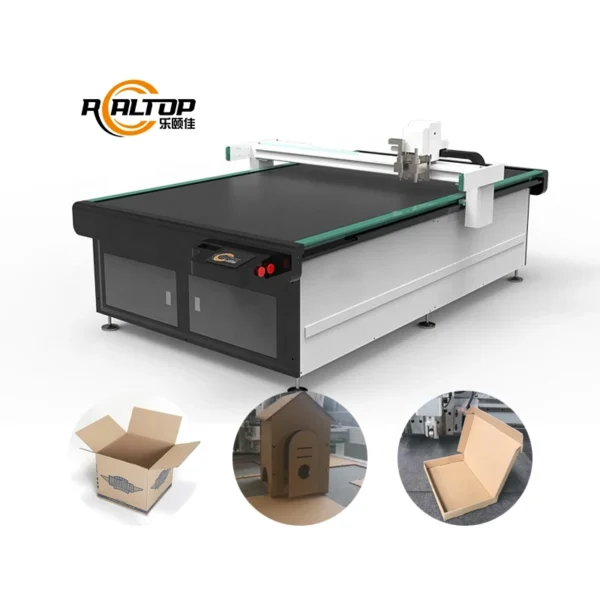
Specified per substrate — the RT-D2516 configuration maps knife frequency, vacuum zoning and feed rate to your actual corrugated flute, grey board ply or sticker film rather than quoting a generic working envelope.
Technical Specifications
| Parameter | Value |
|---|---|
| Model | RT-D2516 |
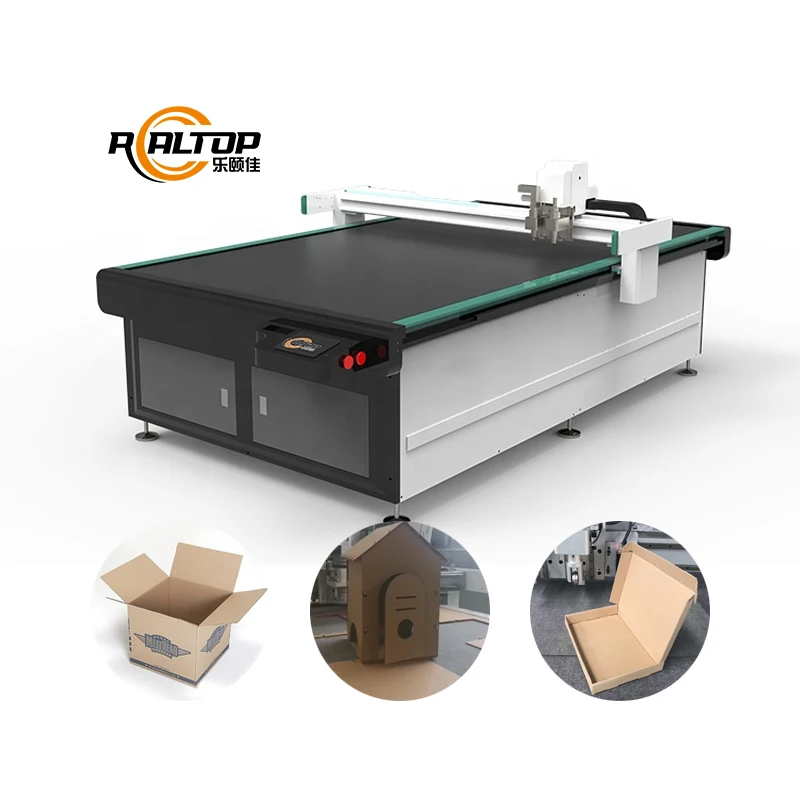
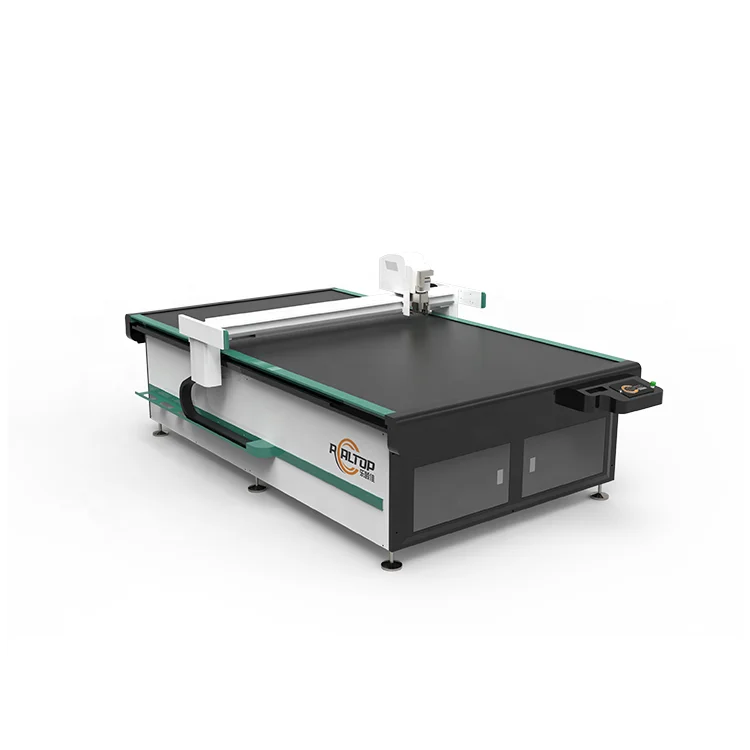
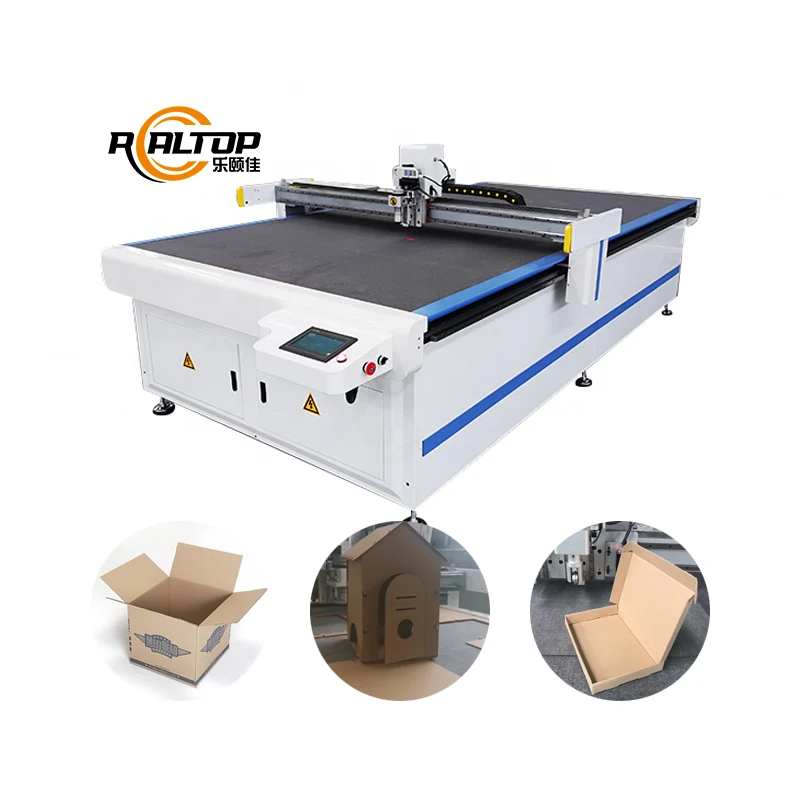
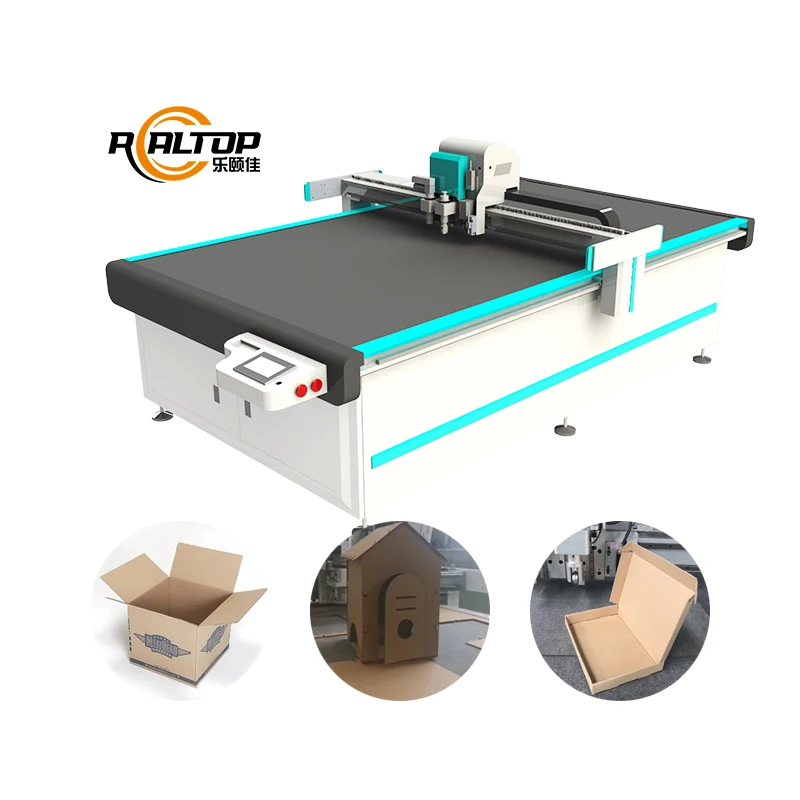
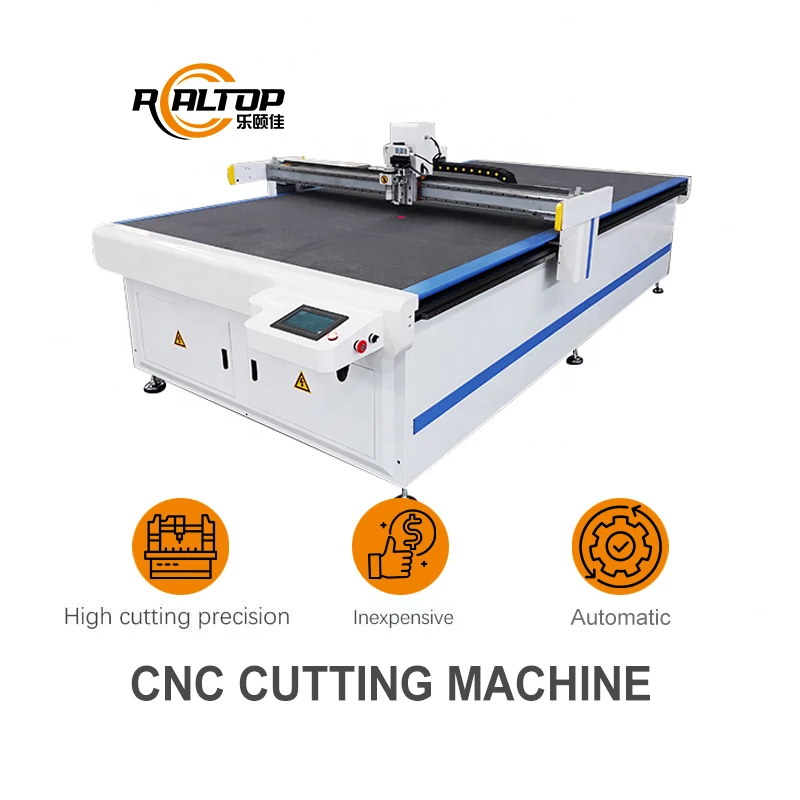
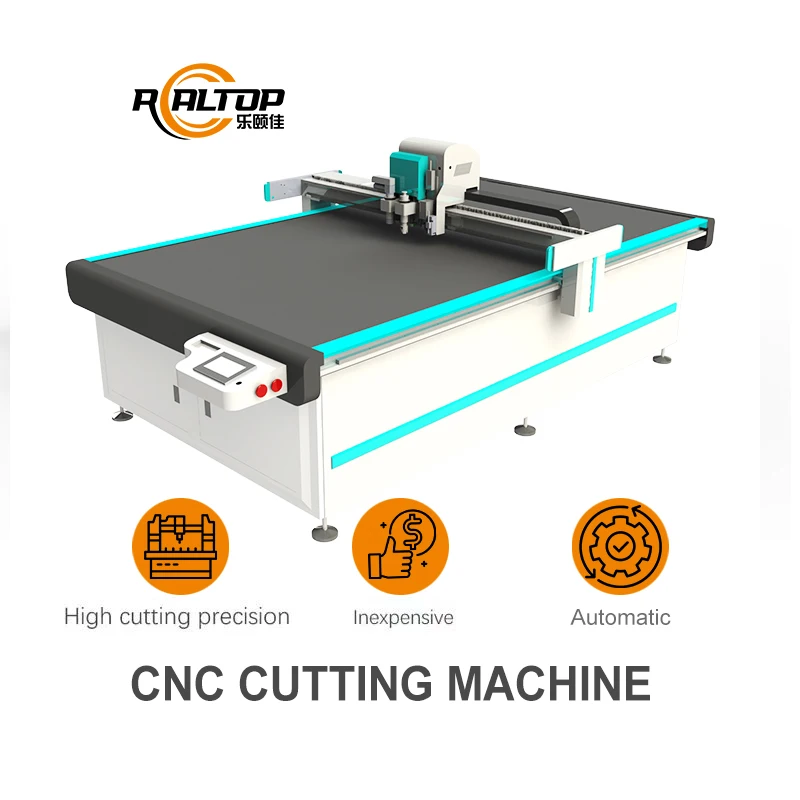
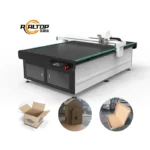
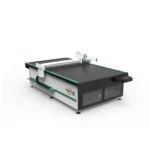
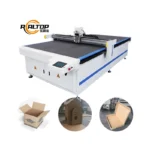
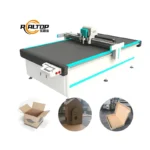
| Product Type | CNC Oscillating Knife Cutting Table |
| Working Area | 1600 × 2500 mm |
| Overall Dimensions | 3450 × 2300 × 1250 mm |
| Rated Power | 9 kW |
| Vacuum Pump | 7.5 kW |
| Table Type | Flat working table with vacuum and conveyor belt |
| Tool Head | Swiss imported oscillating knife (vibration full cut, half cut, cursor location) |
| Servo Motor | Japanese Yaskawa |
| Linear Rail | Taiwan Hiwin |
| Conveyor Belt | Germany imported |
| Repeated Accuracy | ≤0.1 mm |
| Translational Velocity | 800–1200 mm/s |
| Instruction System | HP-GL compatible format |
| Voltage | 380V ±10% |
| Safety Device | Infrared sensors |
| Warranty | 12 months (whole machine), 3 months (consumables) |
Application Suitability
| Application | Material or Output |
|---|---|
| Packaging sample making | Corrugated cardboard (single, double and triple wall), grey board, folding carton stock |
| Box and gift box prototyping | Short-run dieline validation without hard tooling |
| Sticker and label contour cutting | Vinyl, PP, PET and paper-based adhesive sheets |
| Leather and flexible goods | Garment leather, synthetic PU/PVC, sponge composite, soft silicon and rubber |
| Gasket and industrial seals | Non-asbestos fiber, compressed cork and soft PTFE sheets |
What a "2500 mm Table" Actually Means for Your Nesting Yield
A large bed only pays off when the vacuum zoning matches the part footprint.
I have walked into sample rooms where a full sheet of E-flute was loaded onto an oversized flatbed, but the nested carton blanks kept lifting at the edges mid-cut. The oscillating knife dragged the lifted flap, shredded the blade, and the operator spent the rest of the shift picking cardboard fibers out of the tool head. [NEED_CITE: vacuum hold-down behavior on corrugated substrates] The CNC oscillating knife cutting table specifications you read on a brochure rarely mention how many independent vacuum zones sit under the belt, or whether those zones can be closed off when you are running a small sticker layout in one corner of the bed.
Blade Frequency and the Flute Crush Problem
Corrugated behaves nothing like solid board. A slow oscillation frequency crushes the flute before the blade passes through, leaving a compressed edge that will not fold cleanly on the crease line. The Swiss imported tool head on this machine runs a higher stroke rate suited to double and triple wall, while the same head switches to drag knife mode for thin vinyl stickers where vibration would tear the liner. Matching the stroke to the substrate is the single biggest variable in edge quality.
Vacuum Zoning, Conveyor Handoff and Small Parts
The 7.5 kW vacuum pump moves serious air, but volume only matters if the table can direct it where the sheet is actually sitting. With the conveyor belt system, material feeds forward automatically for the next nest; zoning lets you isolate suction to the active cutting window so small carton flaps and sticker kiss-cuts stay pinned instead of fluttering into the knife path. [NEED_CITE: material lift incidents in digital die cutting]
Decoding the Drive and Motion Package
The repeated accuracy claim of ≤0.1 mm rests on the combination of Yaskawa digital servos and Hiwin linear rails. In a packaging sample room, that tolerance window is what keeps a crease line aligned with the cut line across a 2500 mm travel — drift beyond this and the glued tab on a gift box will not register when folded. The synchronous belt and ball screw transmission isolates the high-frequency oscillation from the carriage, so vibration does not bleed back into the positioning loop, which is a frequent failure point on cutters that share a single drive for both axes. The HP-GL instruction system slots into the existing workflow of most carton CAD packages without a second post-processor.
The Hidden Cost of Skipping the Cut File Audit
The most expensive line stoppage I have seen was not a motor failure. A carton sample maker ran a tight nest of small retail boxes, and nobody had checked whether the vacuum zoning matched the part size. Cardboard lifted, wrapped the oscillating knife, and the head had to be rebuilt. The machine sat idle while replacement blades shipped from the factory. A five-minute check of the actual DXF against the table zone map before shipment would have caught it. [NEED_CITE: tool head replacement lead time in cutting operations]
Why Buyers Spec the RT-D2516 With Us
In-house design covers both knife and table, so a change in your substrate mix can be met with a reconfigured tool head rather than a new machine. Every RT-D2516 ships with a sample cutting report run on your own corrugated or sticker stock, not a generic demo sheet. Voltage, plug type and control language are locked in on the electrical schematic before production starts, not guessed at the packing bench. The tool head and table configuration list is signed off against your actual cut files, and the HP-GL file format compatibility is verified with your nesting software. CE declaration is issued where applicable for the destination market.
Documentation & Verification
- Factory test record on your corrugated flute profile and sticker liner before dispatch
- Electrical schematic confirming voltage, frequency and plug type for destination market
- Tool head and vacuum zone configuration list matched to your cut file
- Software licence and HP-GL file format compatibility note for your nesting system
- Spare parts list with Swiss knife blade and conveyor belt wear items itemized
Installation, Commissioning & Support
- 3450 × 2300 mm footprint requires level slab with clearance for conveyor infeed and outfeed
- Dedicated 380V ±10% three-phase circuit sized for the combined 9 kW machine and 7.5 kW vacuum pump
- Table ships in one skid; rails and gantry are aligned at the factory and re-checked on site
- First-run calibration verifies ≤0.1 mm repeatability across the full 1600 × 2500 mm travel
- Operator training covers HP-GL import, zone selection and oscillation frequency per material
- Consumable blade replacement interval logged against your actual corrugated and sticker stock
Sending an Inquiry That Gets a Real Answer
Tell us the flute profile (B, C, E, BC or micro), the grey board ply and the sticker film you run most days, along with your typical nest layout and daily sheet count. Confirm the local voltage and frequency, the control language your operators read, and which nesting or carton CAD software the cut files will come from. If you want a sample cut on your own material before commitment, send a short roll or a few sheets and the DXF you actually use in production.
Frequently Asked Questions
Q: How is the tool head selected based on material type, thickness and edge quality requirement?
A: The Swiss oscillating knife handles full cut, half cut and cursor location in one head. Corrugated and grey board run at a higher oscillation frequency to avoid flute crush, while vinyl stickers and thin films switch to drag knife or reduced stroke so the liner is not penetrated. We confirm the stroke, blade angle and tool against your actual sample before shipment.
Q: What vacuum table zoning options are available for small parts that may lift during cutting?
A: The flatbed under the conveyor belt is divided into independent zones. Before shipment we overlay your typical nest layout on the zone map and close off unused areas so suction concentrates under the active cut window. Small carton flaps and kiss-cut stickers stay pinned at the 7.5 kW pump rating without the operator weighting them manually.
Q: Can the software import my existing file format and nesting workflow?
A: The instruction system accepts HP-GL compatible format, which covers the output of most carton CAD and nesting packages. We verify file import, layer mapping and kerf compensation with your actual DXF before the machine ships, and the software licence and compatibility note travels with the documentation pack.
Q: What voltage, plug and control language options are confirmed before shipment?
A: The standard supply is 380V ±10% three-phase, but the electrical schematic is drawn to match the destination market frequency and plug type. Control panel language is set to the operator’s preference and written into the build order, so the HMI and manuals arrive in the language your floor actually reads.
Q: How does CCD camera contour recognition perform at production speed on printed marks?
A: The optional CCD system reads printed registration marks to align the cut path to pre-printed graphics on sticker and packaging stock. We test recognition on your actual print file at full translational velocity to confirm the camera tracks marks without pausing the head, and the result is documented in the sample cutting report.


商品评价
Clear filtersThere are no reviews yet.