



Fast Shipping
Carrier information

20k products
Payment methods

24/7 Support
Unlimited help desk

2-day Delivery
Track or off orders
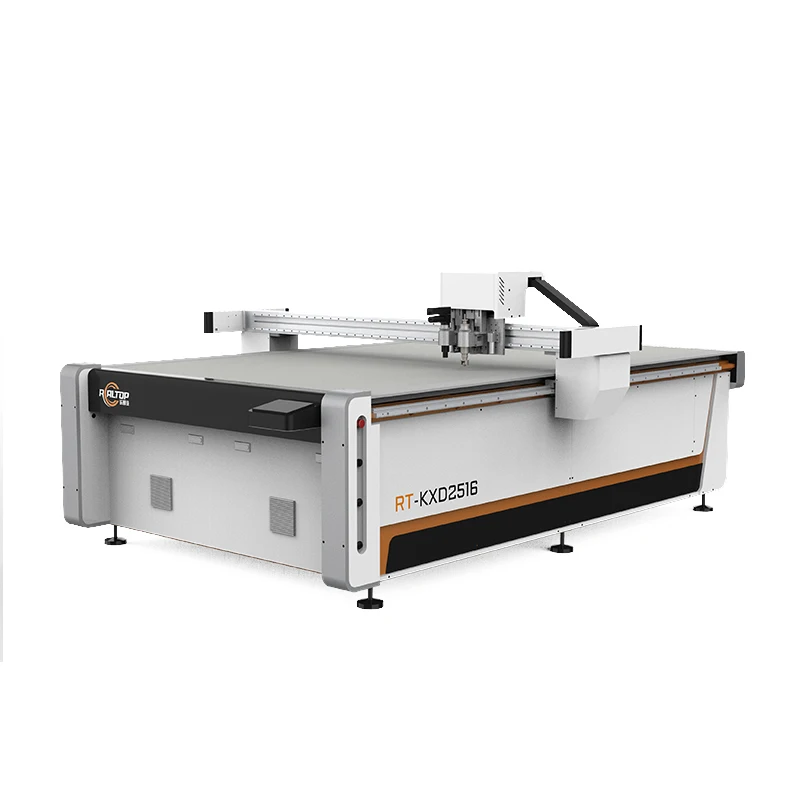
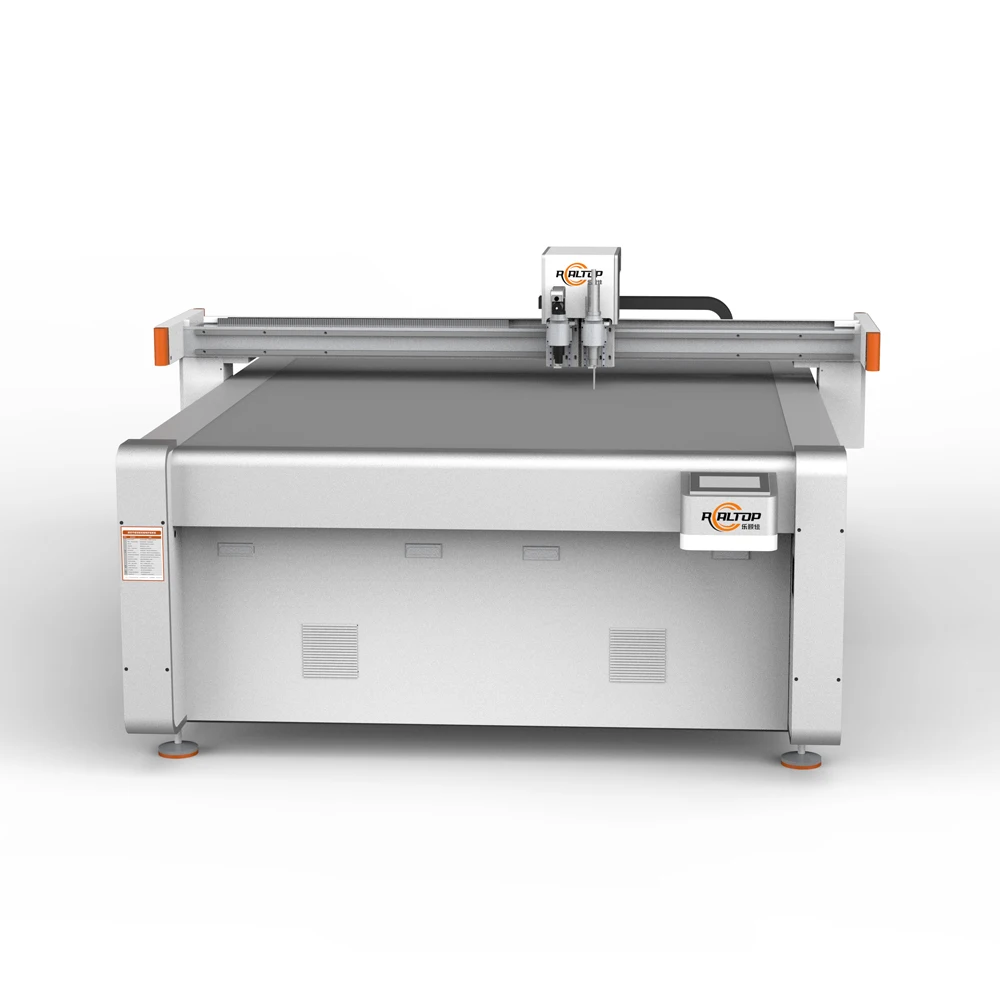
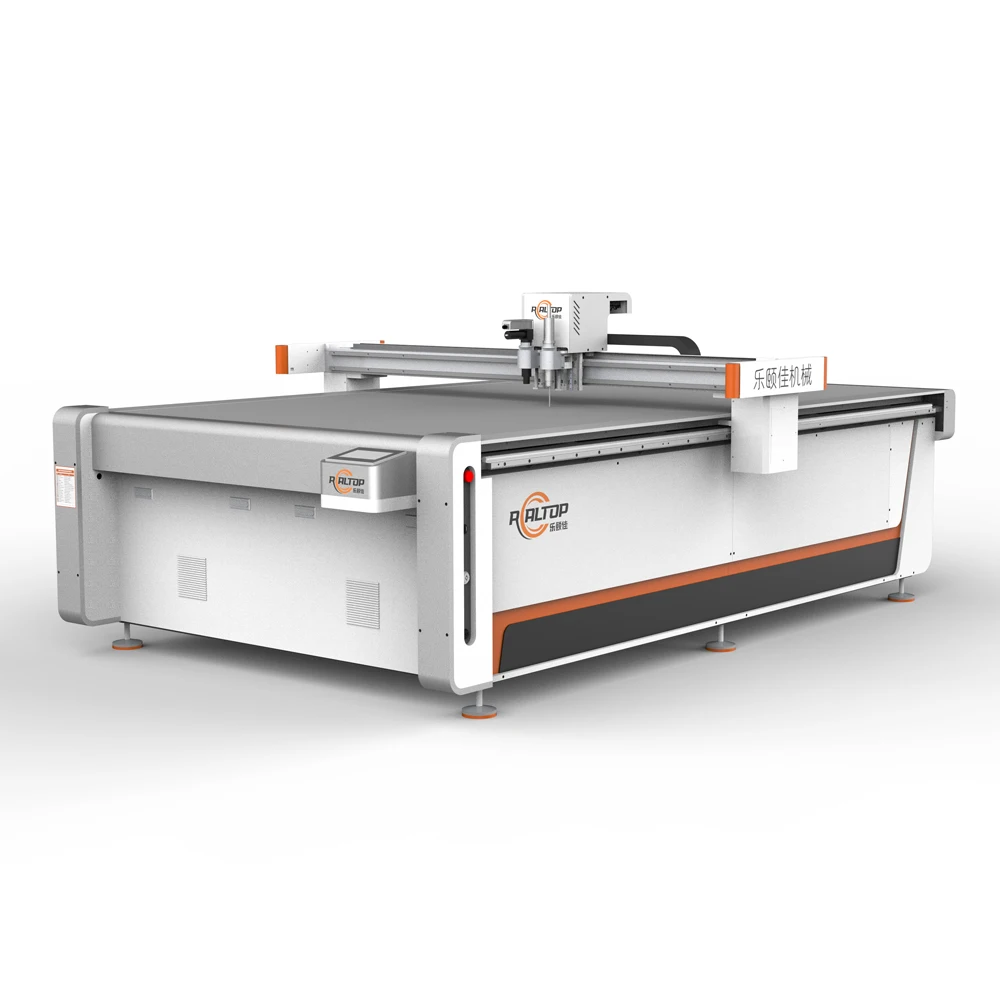
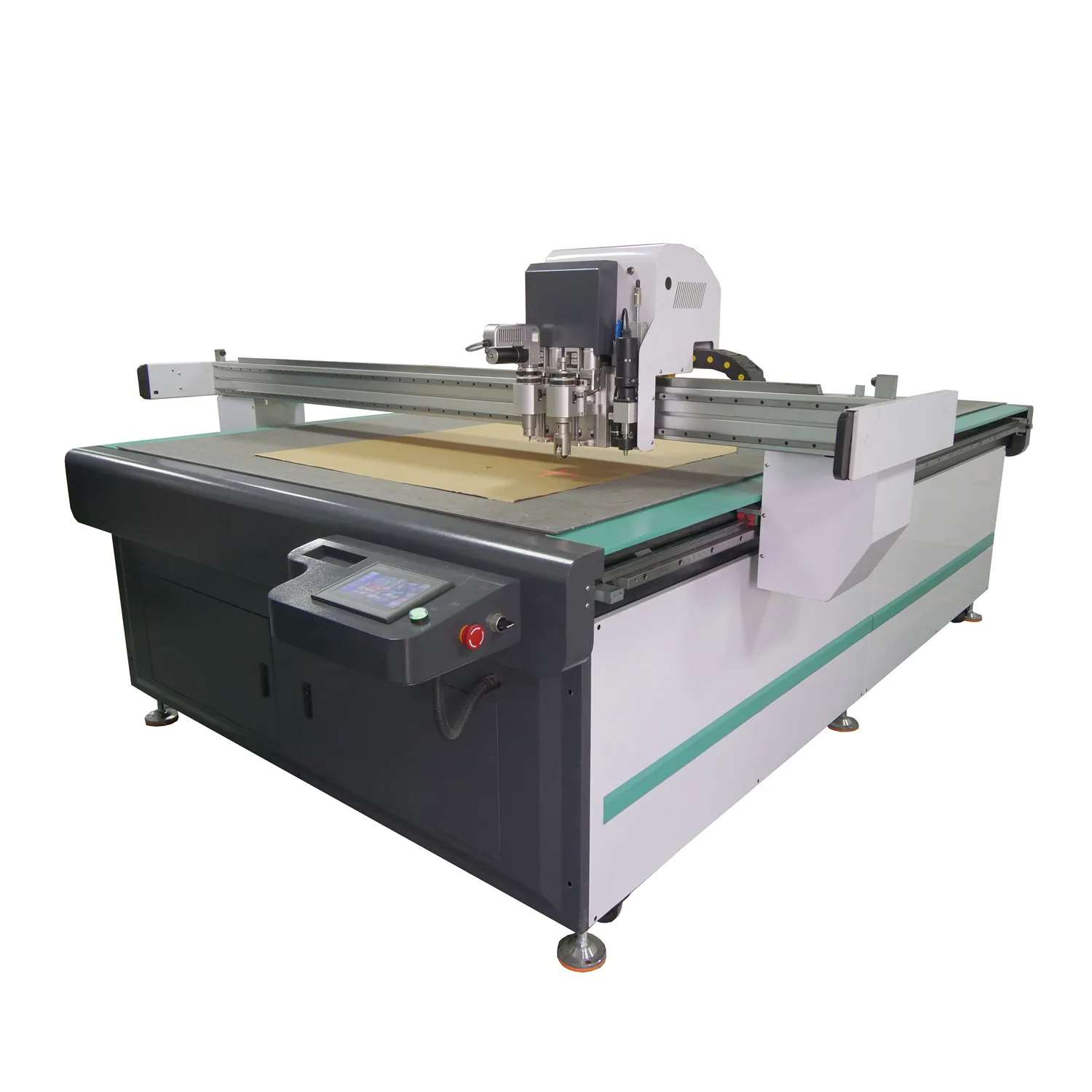
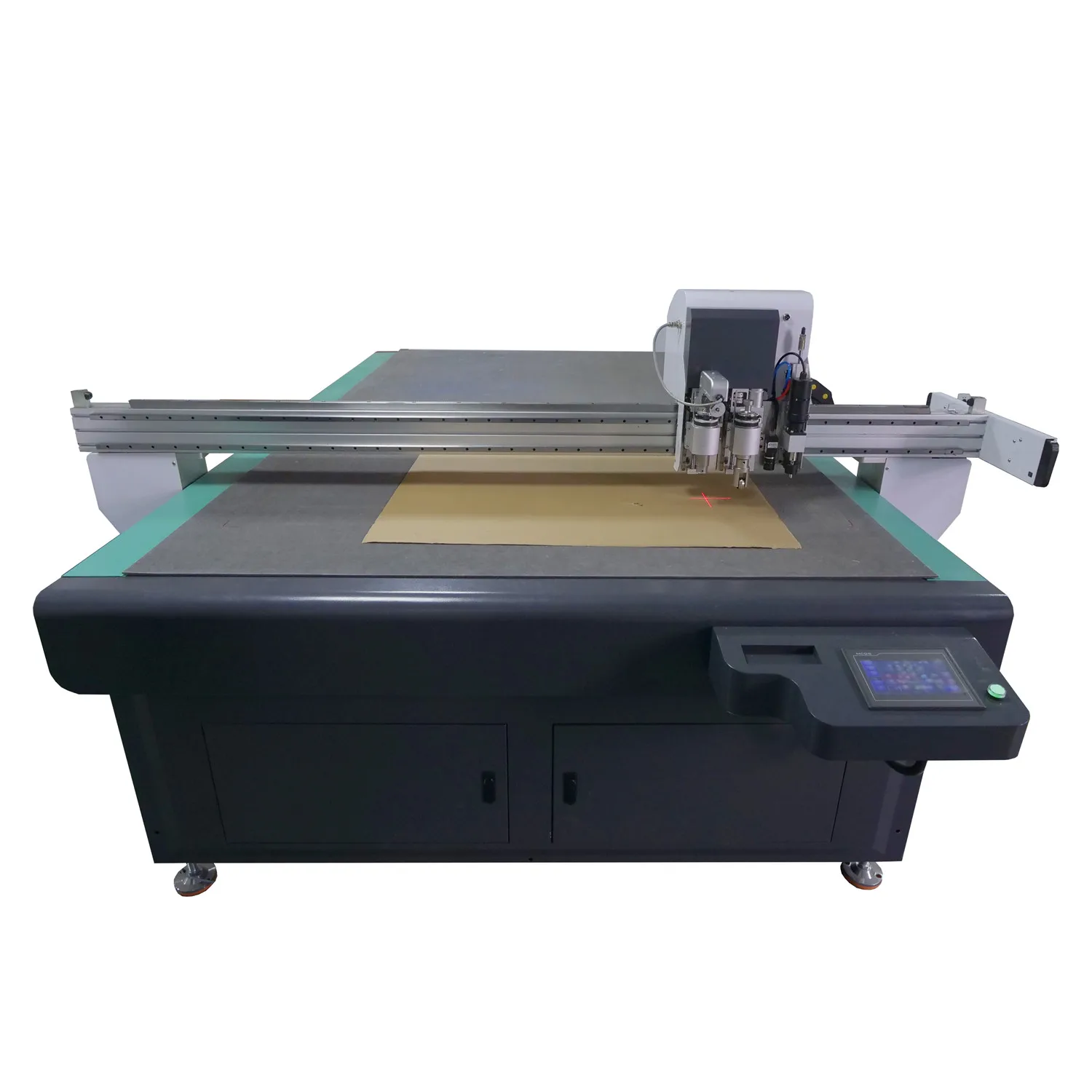
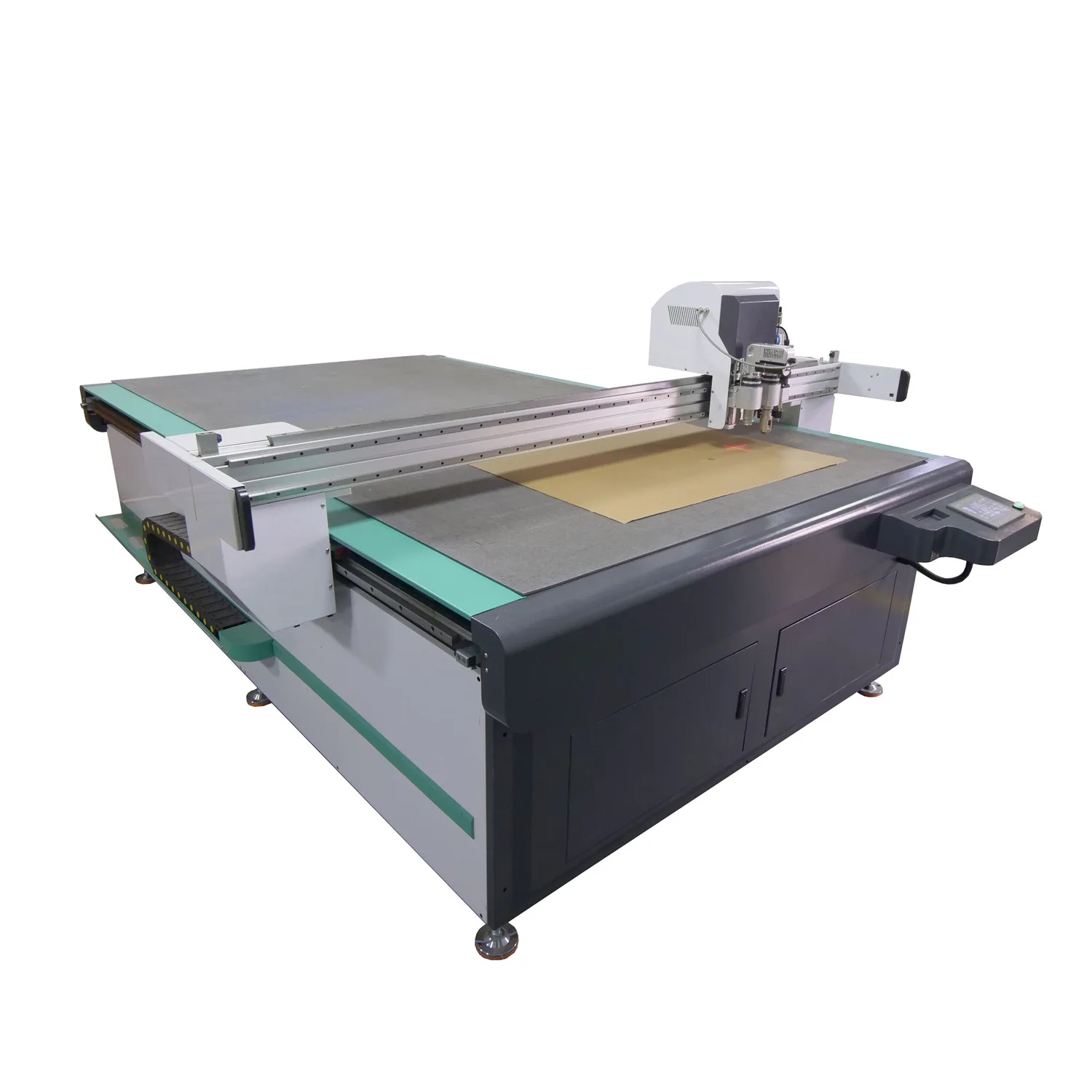
Tool Head Matched to Material — Swiss oscillating knife configured with full, half and creasing functions after substrate hardness testing, not quoted by working area alone.
Technical Specifications
| Parameter | Value |
|---|---|
| Model | RT-D2516/RT-S2516 |
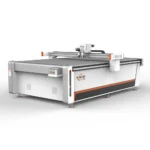
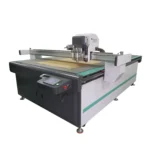
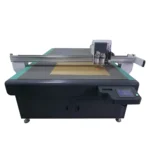
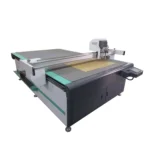
| Product Type | CNC Oscillating Knife Cutting Machine |
| Working Area | 1600 × 2500 mm |
| Machine Dimensions | 3450 × 2300 × 1250 mm |
| Rated Power | 9 kW |
| Table Type | Flat working table with vacuum hold-down |
| Tool Head | Swiss imported knife with vibration full cutting, vibration half cutting and cursor location |
| Translational Velocity | 800 – 2000 mm/s |
| Cutting Speed | 200 – 800 mm/s (material dependent) |
| Cutting Thickness | Up to 100 mm (material dependent) |
| Repeatability | ≤ 0.1 mm |
| Transmission | Digital servo motor, linear guide, synchronous belt, ball screw |
| Servo Motor | Delta servo motor |
| Guide Rail | Taiwan Hiwin rail |
| Vacuum Pump | 7.5 kW |
| Conveyor Belt | Germany imported conveyor belt |
| Safety Device | Infrared sensors |
| Instruction System | HP-GL compatible format |
| Voltage | 380V ± 10% |
| Software | Professional carton nested software, customized language support |
Application Suitability
| Application | Material or Output |
|---|---|
| Corrugated box prototyping | Single, double and triple-wall corrugated board |
| Folding carton sample making | White card, kraft board, grey board |
| Sticker and label contour cutting | Vinyl, adhesive film, printed label stock |
| Electrical product packaging inserts | Honeycomb cardboard, EPE foam |
| Express box and gift box production | Corrugated and laminated packaging board |
| Flexible material cutting | Leather, clothing fabric, sponge composite, PVC, soft glass, silicon rubber |
| Billboard and business card finishing | Foam board, card stock, light sheet materials |
Why the Wrong Knife Head Ruins Your First Batch
The CNC oscillating knife cutting machine specifications on paper rarely tell you which tool head will actually handle your substrate. Match the knife to the material, not to the machine price tag.
When a buyer quotes a machine based on working area and motor power alone, the first sample run often exposes the gap. A drag knife that scores clean lines on 2 mm grey board will crush 8 mm E-flute corrugated, leaving compressed edges that fail crease tests. Conversely, a high-frequency oscillating blade that slices foam cleanly may snap on dense recycled corrugated stock if the oscillation amplitude is set for softer media. I have seen entire tool head inventories wiped out in a single shift because the blade geometry was chosen from a catalog rather than matched to a physical sample on the cutting bed [NEED_CITE: oscillating knife tool head selection by material density].
Oscillation Frequency and Board Density
The Swiss imported knife head on the RT-D2516/RT-S2516 provides vibration full cutting, half cutting and cursor location in one assembly. Full-cut oscillation handles thicker corrugated and foam substrates where the blade must clear the full depth on each stroke. Half-cut mode is used for kiss-cutting stickers and labels where the backing paper must remain intact. Selecting the correct CNC oscillating knife cutting machine specifications for your primary substrate determines which mode runs most of your production shifts and how often blades are swapped.
Vacuum Hold-Down Across the Bed
The 7.5 kW vacuum pump paired with the flat working table generates suction across the full 1600 × 2500 mm area. On large corrugated sheets this keeps the board flat during high-speed traverses. On small sticker contours, however, hold-down pressure at the center of the sheet can differ from the edges. Zoned vacuum tables address this by isolating sections so small parts do not lift when surrounding material has already been removed. Checking vacuum zoning against your typical nest layout prevents edge-lift defects that force re-cuts [NEED_CITE: vacuum table zoning for small format contour cutting].
Servo Drive and Repeatability in Production
The Delta servo motor driving the linear guide and synchronous belt transmission delivers repeatability at ≤ 0.1 mm. In carton sample making, this tolerance matters when a crease line must land within a fraction of a millimeter from a printed fold mark. Any accumulated drift over a long nest means the last box in the sheet will not fold to the same dimension as the first. The Hiwin guide rails maintain this positional accuracy across the full stroke of the ball screw, preventing the wobble that appears on worn rail assemblies after extended operation.
Reading the Specification Sheet Against Your Material
Four parameters interact when the RT-D2516/RT-S2516 meets a new substrate. The cutting speed range of 200 – 800 mm/s must be lowered as material thickness or hardness increases; running 800 mm/s on dense recycled corrugated will deflect the blade. The cutting thickness ceiling of 100 mm applies to soft foam and honeycomb board, not to dense materials where the practical limit is far lower. The translational velocity of up to 2000 mm/s governs non-cutting moves between contours and affects overall nest cycle time. The HP-GL compatible instruction system must accept your existing nesting files without format conversion errors that distort contour geometry.
The Cost of Skipping Material Trials
Buyers who commit to a configuration without a physical sample cut discover problems only when production begins. Ragged edges on corrugated board mean the oscillation amplitude was too low for the flute structure, and crushed foam means the vacuum hold-down was not zoned for the part size. Replacing tool heads, recalibrating servo parameters, and re-running nests consumes material and delivery time. These costs do not appear on the original quotation but they appear on the production floor every shift [NEED_CITE: packaging sample cutting defects from incorrect tool configuration].
Why Source This Configuration Here
The in-house design team covers both oscillating knife and creasing wheel tooling, so the RT-D2516/RT-S2516 is configured for your substrate mix rather than sold as a single fixed setup. CCD camera positioning is available for printed contour work where registration marks must be tracked at cutting speed. Software compatibility is confirmed against your file format before the order is finalized. Voltage, control language and plug type are locked in during specification review, not discovered on arrival. Sample cutting on your own material is completed and documented before the machine enters production, so edge quality and cutting depth are verified against your actual stock.
Documentation & Verification
- Machine specification sheet confirming RT-D2516/RT-S2516 configuration and tool head selection
- Electrical schematic with 380V ± 10% wiring diagram and dedicated circuit requirements
- Sample cutting report on your corrugated or flexible material showing edge quality and repeatability
- Tool head and table configuration list matched to your substrate thickness range
- Software licence and file format compatibility note for your carton nesting workflow
- Factory test record with Hiwin rail alignment and servo motor calibration data before dispatch
Installation, Commissioning & Support
- Requires 3450 × 2300 mm clear floor space with level concrete subfloor for the vacuum table seal
- Dedicated 380V ± 10% three-phase circuit rated for 9 kW machine load plus 7.5 kW vacuum pump
- Shipped with table and frame separated; reassembly requires Hiwin rail realignment check on site
- First-run calibration of Delta servo motors and vacuum zoning tested against your nest layout
- Operator training on Swiss knife head blade change, half-cut depth setting and HP-GL file loading
- Spare blade inventory and vacuum belt wear parts list provided with recommended change intervals
Before You Send the Inquiry
Provide the exact board grades, thickness range and flute type you will cut most often so the correct oscillation amplitude and knife geometry are specified from the start. Confirm your local voltage and frequency, and whether your workshop uses 50 Hz or 60 Hz supply, because the servo motor and vacuum pump are configured before assembly. Send a sample sheet of your material if possible, so the cutting speed and vacuum zoning can be tested against your actual substrate rather than a generic test stock.
Frequently Asked Questions
Q: How do I choose between oscillating knife, drag knife and creasing wheel for packaging board?
A: Oscillating knife handles corrugated and foam where the blade must clear material on each stroke. Drag knife scores thin grey board and card stock. Creasing wheel presses fold lines without cutting. The RT-D2516/RT-S2516 supports all three, and the correct selection depends on your thickest substrate and whether your designs require fold lines on the same sheet as cut contours.
Q: Does vacuum table zoning matter when I mostly cut large carton sheets?
A: Large sheets cover enough vacuum area that hold-down is generally consistent. Problems appear when you cut small inserts or label contours where removed surrounding material breaks the seal. Zoned vacuum isolates active sections so remaining parts stay flat. Review your nest layouts to determine whether your production mix includes small-part cutting that requires zoned control.
Q: Can the CCD camera track printed registration marks at full cutting speed?
A: CCD contour recognition is available for the RT-D2516/RT-S2516 and is specified based on your print mark size and contrast. Camera resolution and processing speed must match the translational velocity during contour tracking. Confirming mark dimensions and print contrast before order ensures the system can acquire and follow marks without slowing the cutting cycle.
Q: Will my existing nesting software files work with the carton nesting system on this machine?
A: The instruction system accepts HP-GL compatible format, and the professional carton nesting software supports customized language settings. Your existing file format must be tested during the pre-order sample phase so any conversion issues are resolved before the machine ships. This is documented in the software compatibility note included with the delivery package.
Q: What voltage and plug configuration should I confirm before ordering?
A: The standard specification is 380V ± 10%, but the motor and pump wiring must match your local supply frequency and plug standard. Confirming voltage, frequency, phase and plug type during the specification review prevents rewiring work after delivery. The electrical schematic included with the machine reflects your confirmed configuration.


商品评价
Clear filtersThere are no reviews yet.