


Fast Shipping
Carrier information

20k products
Payment methods

24/7 Support
Unlimited help desk

2-day Delivery
Track or off orders
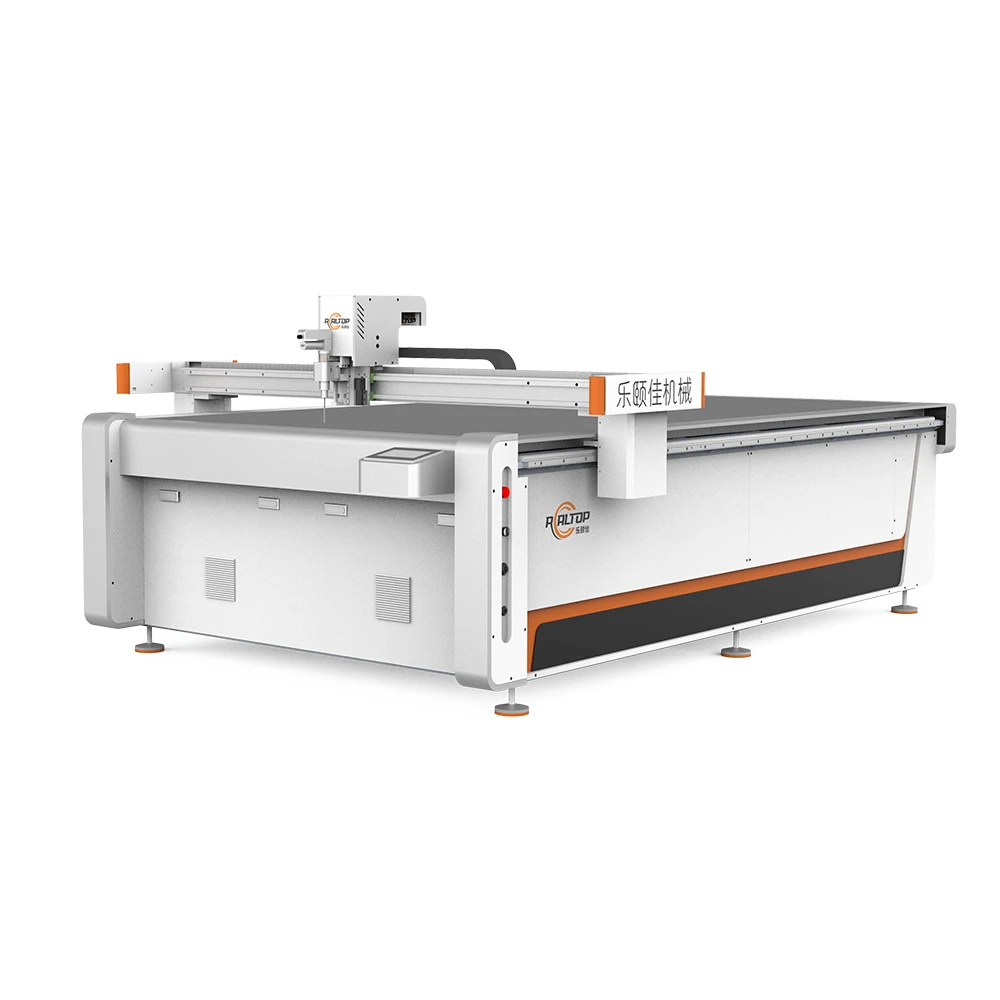
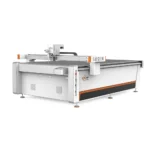
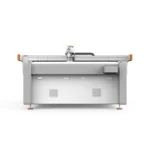
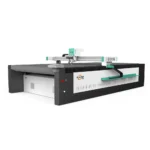
Cold-cut precision by configuration — tool head and vacuum table matched to your specific gasket compound before the order is signed, so PTFE, rubber, and composite laminates exit the table with clean edges at ±0.1 mm tolerance.
Technical Specifications
| Parameter | Value |
|---|---|
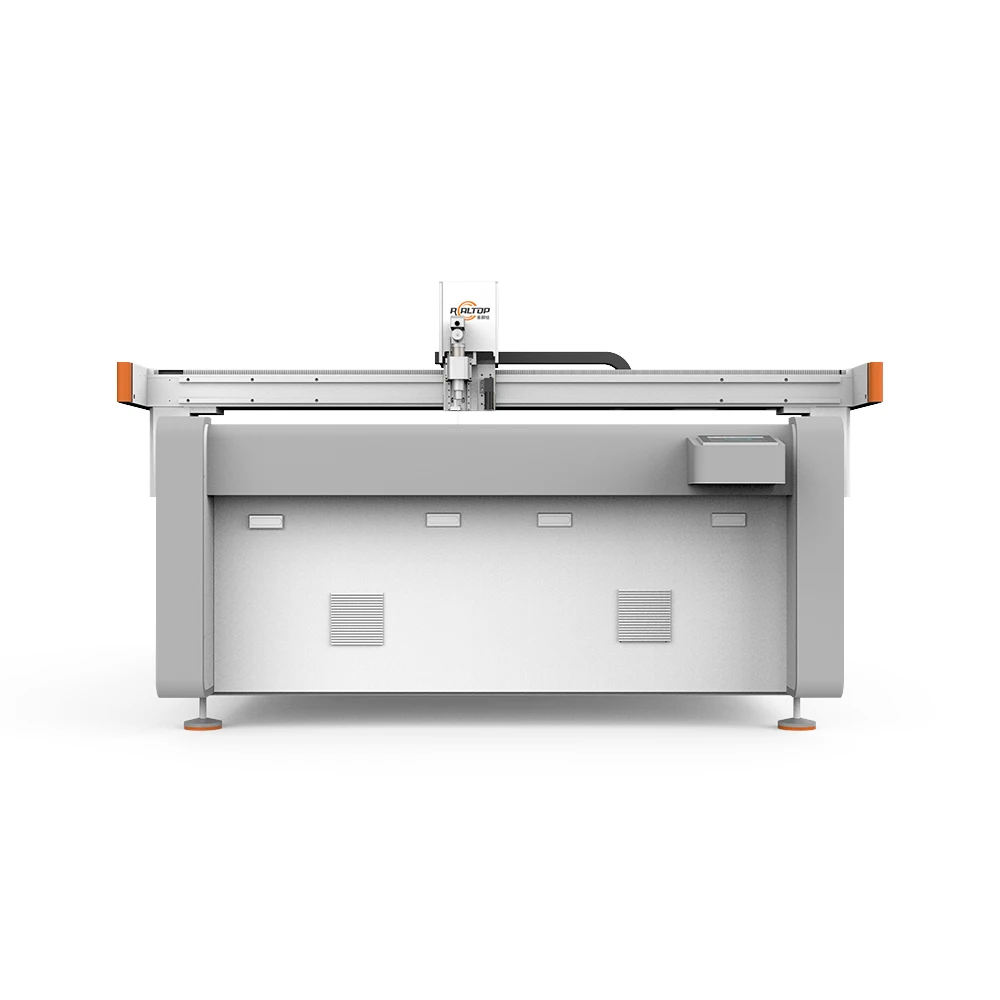
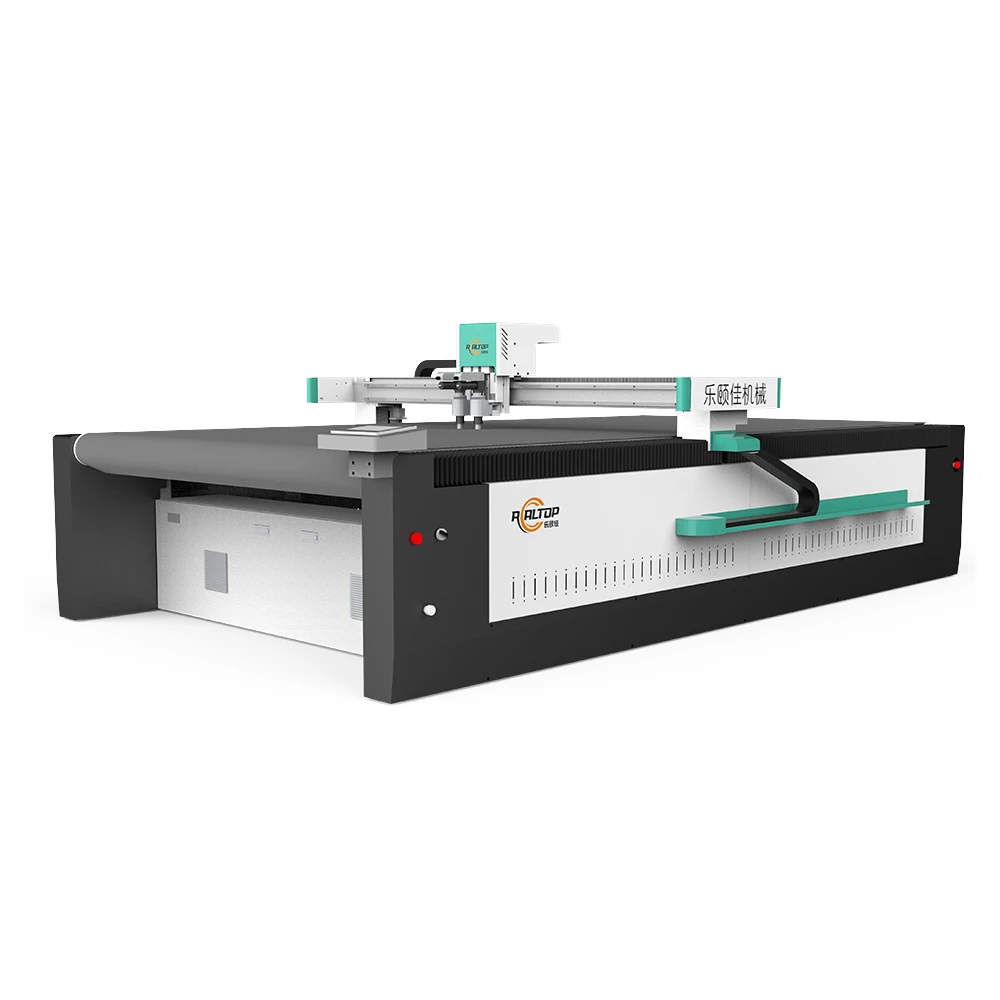
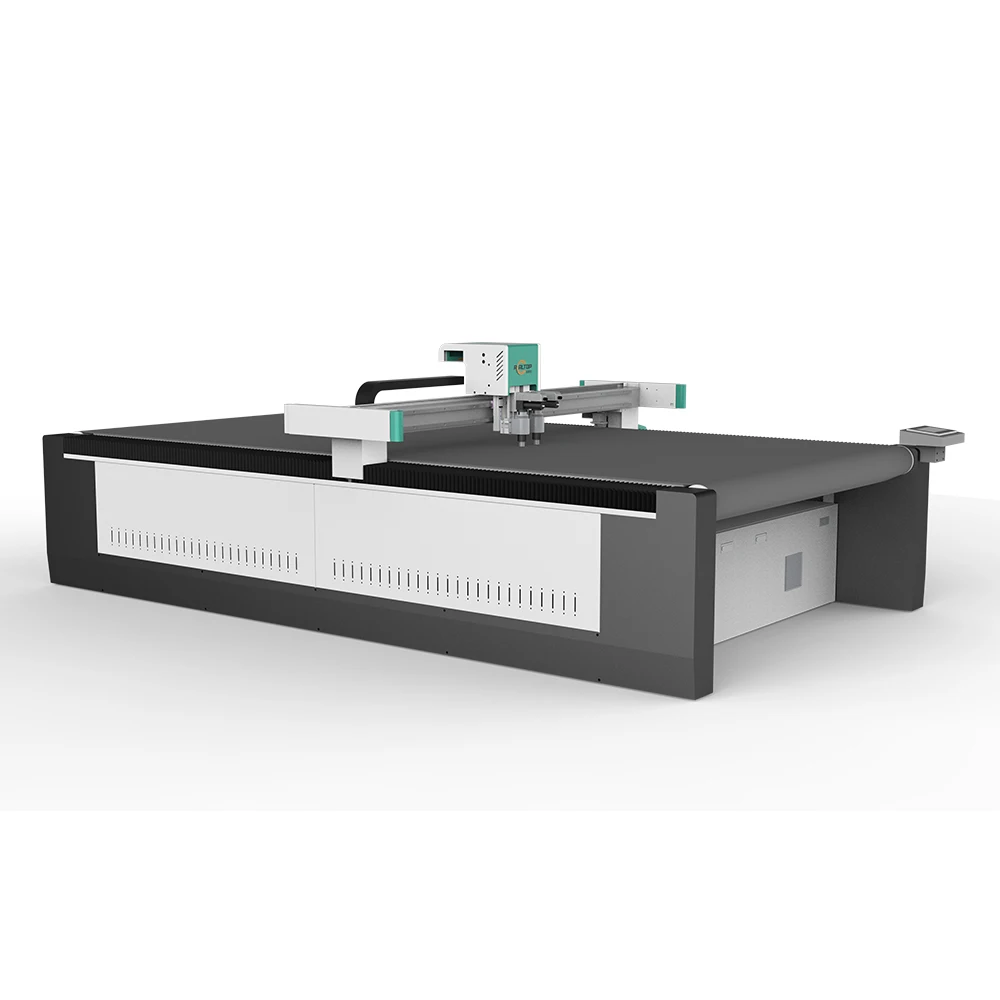
| Product Type | CNC Oscillating Knife Cutting Machine |
| Working Area | 1600×2500 mm |
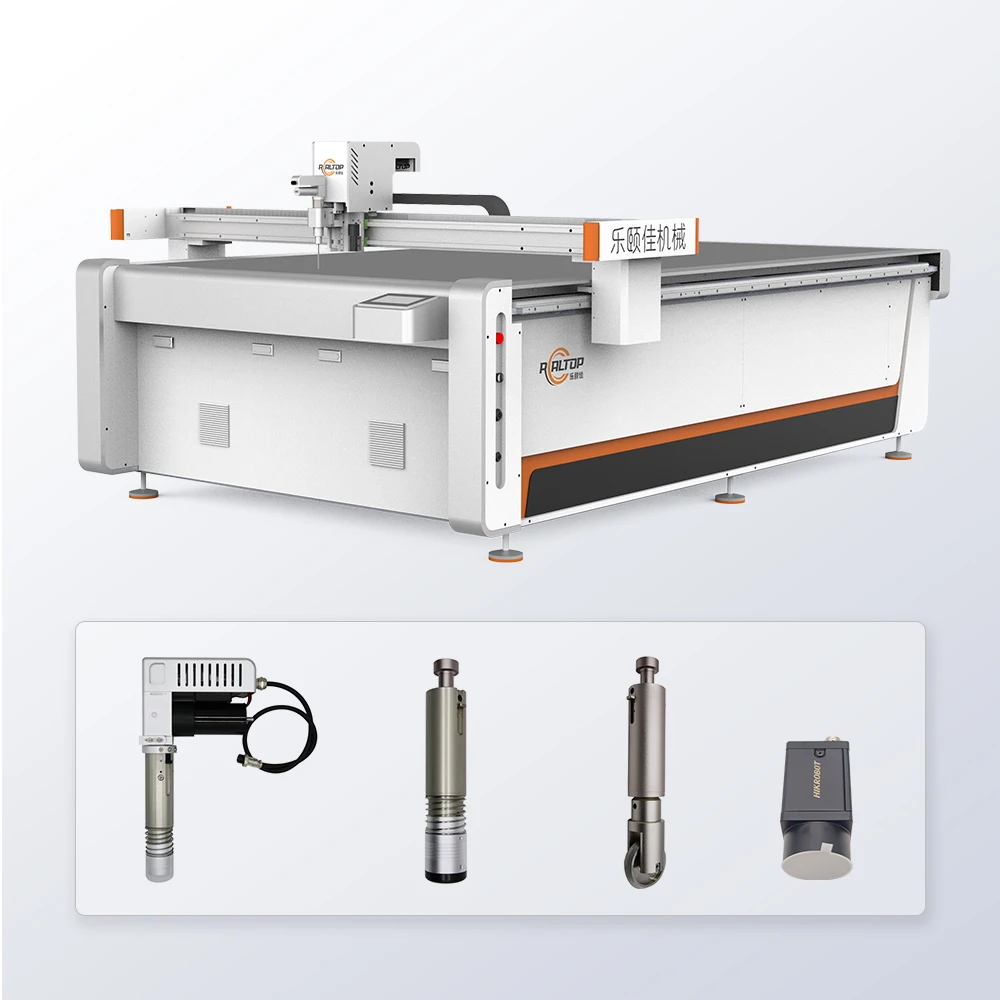
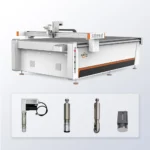
| Tool Head Options | Oscillating knife, Driven rotary knife, Creasing wheel, Kiss cutting tool, Pneumatic knife, Milling tool, V groove knife |
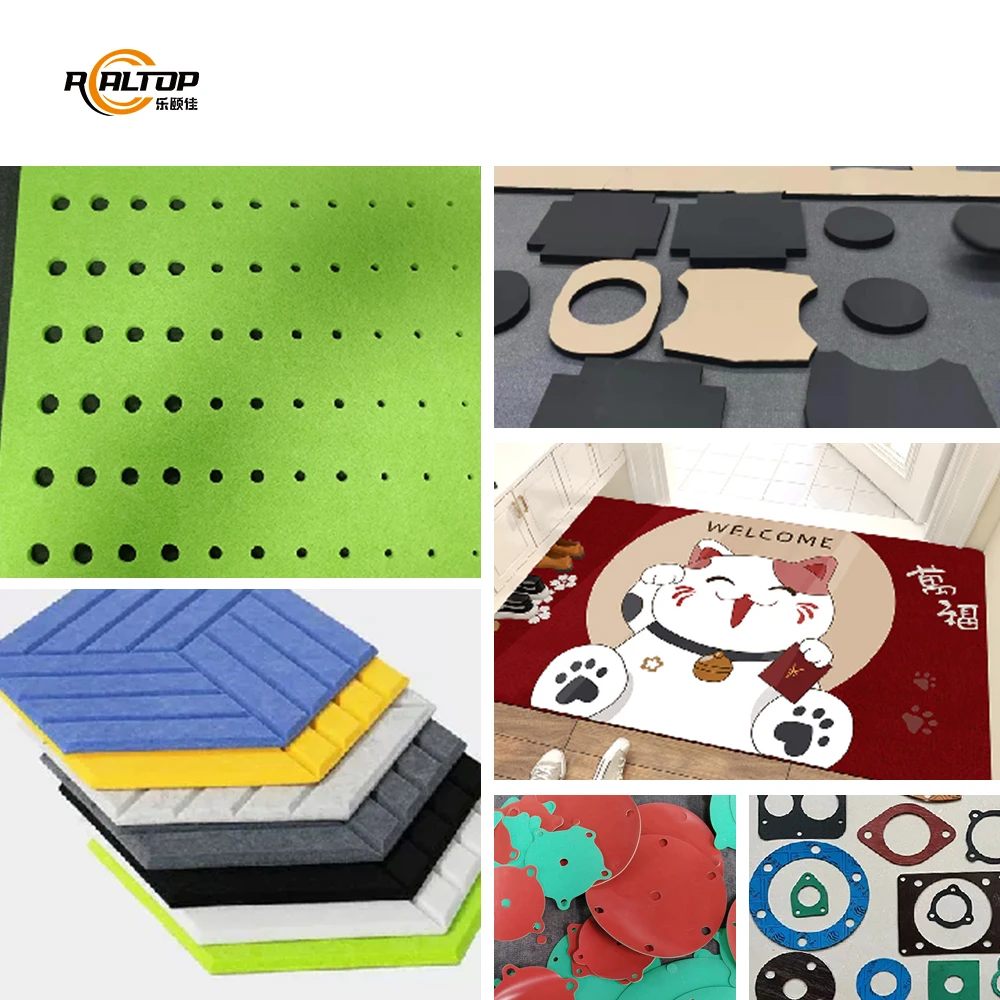
| Applicable Materials | PTFE, Rubber, Composites (carbon fiber, aramid honeycomb, fiberglass, G10 epoxy), Fabric, EVA, Foam, PVC, Leather, Acrylic, Cardboard |
| Cutting Speed | 0–2000 mm/s |
| Cutting Thickness | ≤ 30 mm (basis not stated in source — confirm material type and density) |
| Cutting Accuracy | ±0.1 mm |
| Vacuum Table | Aluminum bellows vacuum table |
| Vacuum Pump | 9 kW |
| Control System | PLC control panel |
| Supported File Formats | PLT, DXF, AI, PDF |
| Voltage Options | 110V / 220V / 380V (frequency not specified in source) |
| Software Language Options | English, Russian, Italian, Chinese (custom languages available) |
| Safety Devices | Infrared sensor device, emergency stop device |
| Frame Construction | Heavy-duty frame with precision-ground surface |
| Servo Motor Options | Panasonic, Delta, Dorna |
| Machine Size | 3300×2100×1350 mm |
| Certification | CE |
Application Suitability
| Application | Material or Output |
|---|---|
| Automotive sealing components | Rubber gaskets, acoustic felt, damping pads, sealing strips |
| Aerospace composite gaskets | Carbon fiber prepreg, aramid honeycomb, thermal and acoustic insulation foam |
| Wind power blade fabrication | Fiberglass cloth, foam core, vacuum infusion mesh |
| Industrial sealing fabrication | PTFE sheets, G10 epoxy laminates, composite gasket stock |
| Sporting goods composites | Carbon fiber sheets, Kevlar, high-performance foam |
Why Tool Head Selection Matters More Than Cutting Speed
The oscillating knife cold-cutting process preserves material integrity on heat-sensitive gasket stock while delivering the edge accuracy your sealing application demands.
I have walked into workshops where the machine was fast but the gasket edges were ragged, crushed, or delaminated — all because the tool head was chosen for speed rather than the compound on the table. A high-durometer fluorocarbon rubber behaves nothing like soft EVA foam, and forcing the same knife through both is how you end up scrapping an entire batch. The CNC oscillating knife gasket cutting machine specifications only mean something when the tool selection matches your material density and edge profile requirement [NEED_CITE: elastomer cutting behavior by Shore hardness].
Matching Knife Type to Gasket Compound
Seven interchangeable tool heads sit behind the quick-change mount on this CNC oscillating knife gasket cutting machine. The oscillating knife handles general rubber and composite laminates cleanly, while the pneumatic knife delivers extra downward force for dense PTFE or thick aramid boards. Driven rotary knives work well on continuous fabric rolls where edge sealing is less critical. Choosing correctly at the specification stage prevents the ragged edges and crushed layers that force secondary trimming operations downstream.
Vacuum Table Zoning for Small Gasket Parts
The 9 kW vacuum pump paired with the aluminum bellows table holds small sealing washers and intricate gasket profiles flat during high-speed traverses. When the cutting head reverses direction at 2000 mm/s, any unsecured corner lifts into the blade path and tears the part — a recurring defect that operators blame on the knife when the real cause is insufficient vacuum zone segmentation [NEED_CITE: vacuum table zone design for small-part retention]. Requesting the zone layout matched to your typical gasket geometry prevents this class of scrap entirely.
Reading the Specification Sheet Against Your Actual Production
Cutting thickness is listed at ≤30 mm, but that number shifts depending on whether you are slicing soft nitrile foam or dense fiberglass-reinforced G10 epoxy. The servo motor choice — Panasonic, Delta, or Dorna — affects how the head maintains positional accuracy when encountering variable resistance across a mixed-material nest. The ±0.1 mm cutting accuracy holds on properly fixated stock, so confirming your daily material mix and sheet thickness range before the order is placed ensures the machine you receive can actually hold tolerance on the hardest compound in your production schedule [NEED_CITE: servo motor torque curves under variable cutting load].
The Cost of Skipping the Sample Cut
I once configured a machine that sliced through nitrile rubber cleanly in the test, only for the customer to switch to high-durometer fluorocarbon in production without notifying us — the knife deflected, edges feathered, and the entire first batch was rejected. That experience is why sample cutting on your own gasket material, at your exact thickness and production speed, is non-negotiable before any configuration is finalized. A cutting report on your compound eliminates guesswork and locks in the right knife type, oscillation frequency, and vacuum setting before the build starts.
Why Source This Configuration Here
In-house design covers both knife and laser cutting technologies, so your gasket material is matched to the correct thermal or cold-cutting method rather than forced through one approach. Tool head and table configuration is specified per material and production volume, not pulled from a generic catalogue. CCD camera positioning is available for printed contour work on marked gasket stock. Software compatibility with PLT, DXF, AI, and PDF formats is confirmed before order to protect your existing nesting workflow. Voltage, plug type, and control language are locked against your facility standard before the machine leaves the factory.
Documentation & Verification
- Factory test record on your specific gasket compound and thickness before dispatch
- Tool head and table configuration list matched to your material density
- Sample cutting report on buyer-supplied gasket stock with edge photographs
- Electrical schematic with voltage and frequency confirmation for your facility
- Software licence with file format compatibility note for PLT, DXF, AI, PDF
- CE declaration covering the complete machine assembly
Installation, Commissioning & Support
- Heavy-duty 3300×2100×1350 mm frame requires level concrete pad with anchor bolt provision
- 9 kW vacuum pump plus PLC panel draw significant current — dedicated circuit required per voltage option selected
- Machine ships partially assembled; full table leveling and belt tensioning done on site
- First-run parameter tuning covers oscillation amplitude, vacuum zoning, and servo gain for your material
- Operator training covers tool change procedure, nest loading, and emergency stop testing
- Spare knife blades, vacuum seals, and drive belts included in initial spares kit
Preparing Your Inquiry
Share your gasket material type, compound name, Shore hardness, sheet dimensions, and target daily part count so the correct tool head and vacuum configuration can be specified. Confirm your local voltage and frequency standard along with the preferred control panel language. If you run existing CAD or nesting software, provide a sample file so format compatibility is verified before quotation.
Frequently Asked Questions
Q: How do I match the tool head to my gasket material?
A: The seven available heads — oscillating, driven rotary, creasing, kiss cutting, pneumatic, milling, V-groove — cover soft rubber through dense composites. Pneumatic or oscillating knives suit PTFE and high-durometer rubber, while rotary knives handle fabric-reinforced sheets. Sample cutting on your compound determines the correct selection before order confirmation.
Q: Does the 30 mm cutting depth apply to all gasket materials?
A: That rating depends on material density and layering. Soft foam and rubber approach the full depth, while dense fiberglass epoxy or aramid honeycomb reduce effective capacity. Confirm your specific compound and sheet thickness so the configuration can be validated through a cutting test on your stock.
Q: How does the vacuum table prevent small gasket parts from lifting?
A: The aluminum bellows table with its 9 kW pump is segmented into zones so vacuum concentrates under small parts rather than bleeding across unused table area. Zone layout is configured around your typical gasket profile to maintain hold-down at full cutting speed without manual pinning.
Q: Can I customize voltage and control language before shipment?
A: Voltage is configurable across 110V, 220V, and 380V options, and the PLC panel supports English, Russian, Italian, Chinese, or custom languages. Confirm your facility electrical standard and preferred operator language during the specification stage so the machine arrives ready to power on.
Q: What does the sample cutting process involve?
A: You send a representative piece of your gasket material at production thickness. We run it on the configured tool head and vacuum setup, then deliver a cutting report showing edge quality, dimensional accuracy, and cycle parameters. You approve the result before the machine enters production.


商品评价
Clear filtersThere are no reviews yet.