

Fast Shipping
Carrier information

20k products
Payment methods

24/7 Support
Unlimited help desk

2-day Delivery
Track or off orders
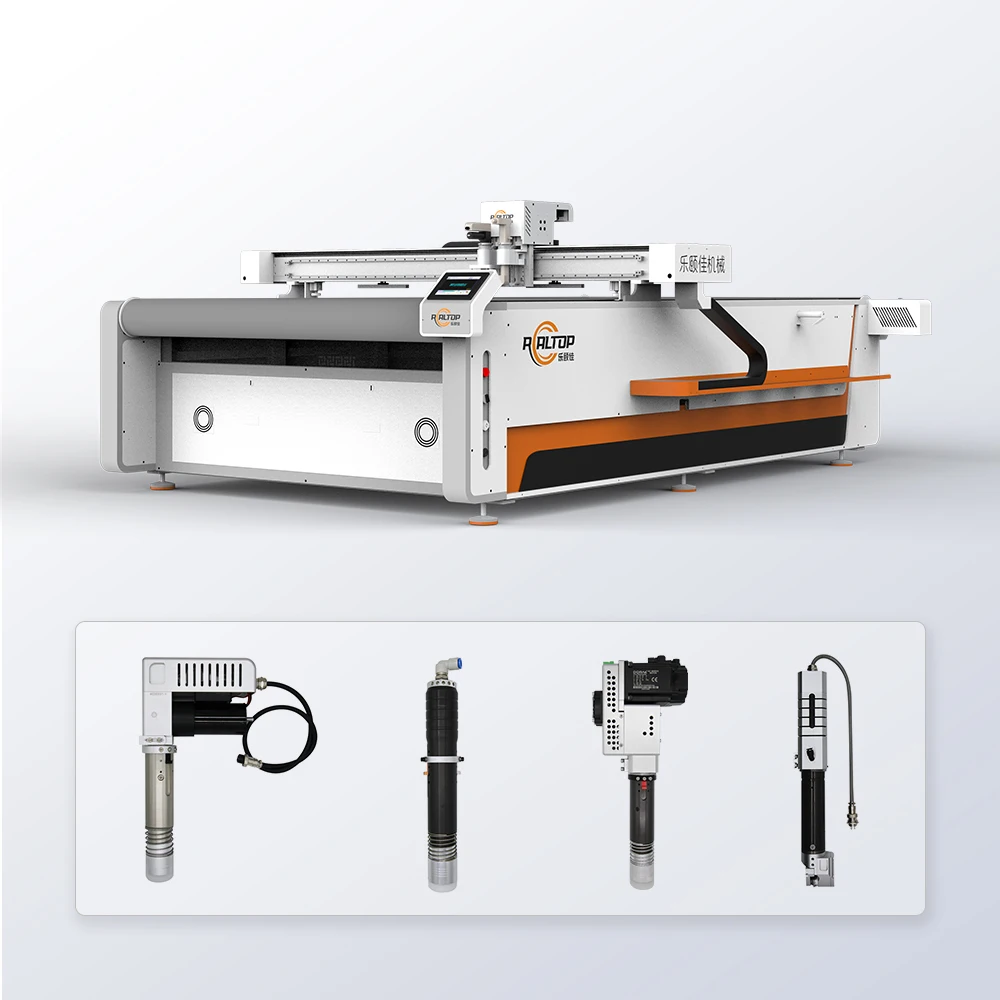
In-house tool head engineering — we match oscillating knife, driven rotary, or V-groove configurations to your actual fabric stack and composite density rather than quoting a standard head.
Technical Specifications
| Parameter | Value |
|---|---|
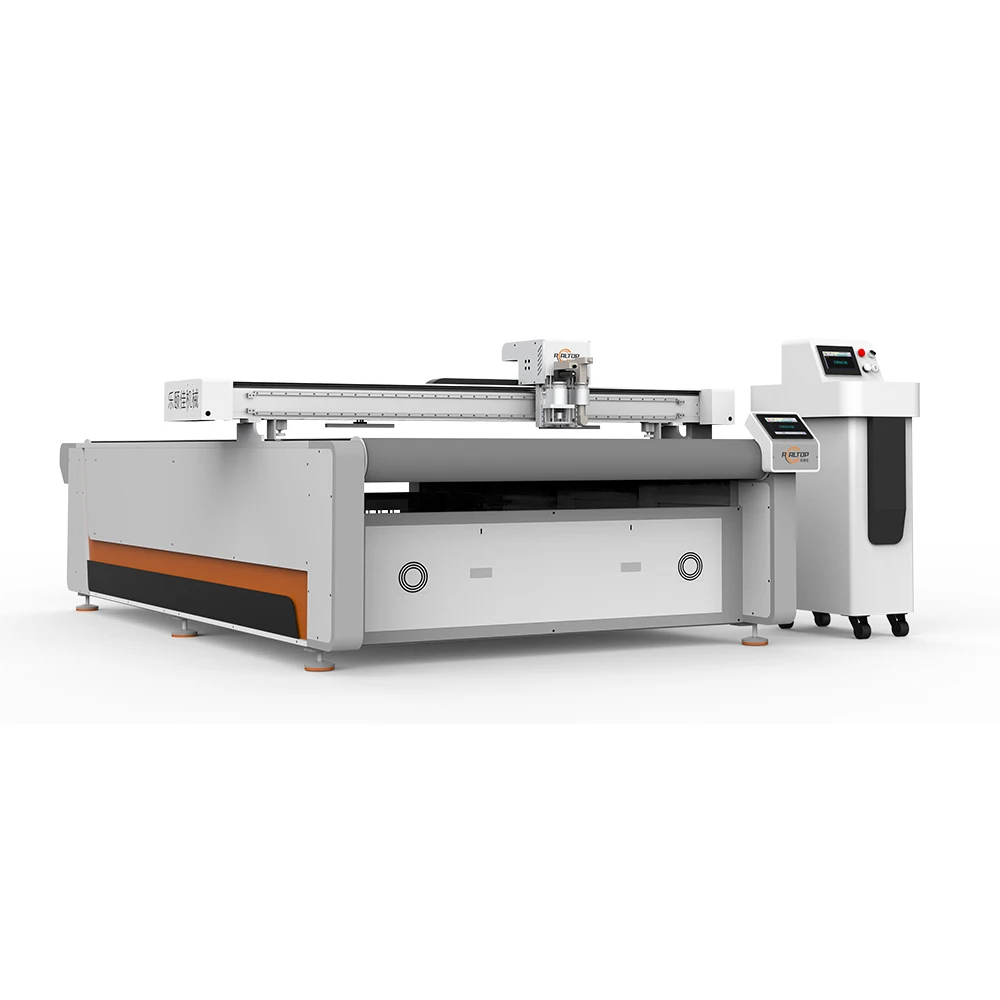
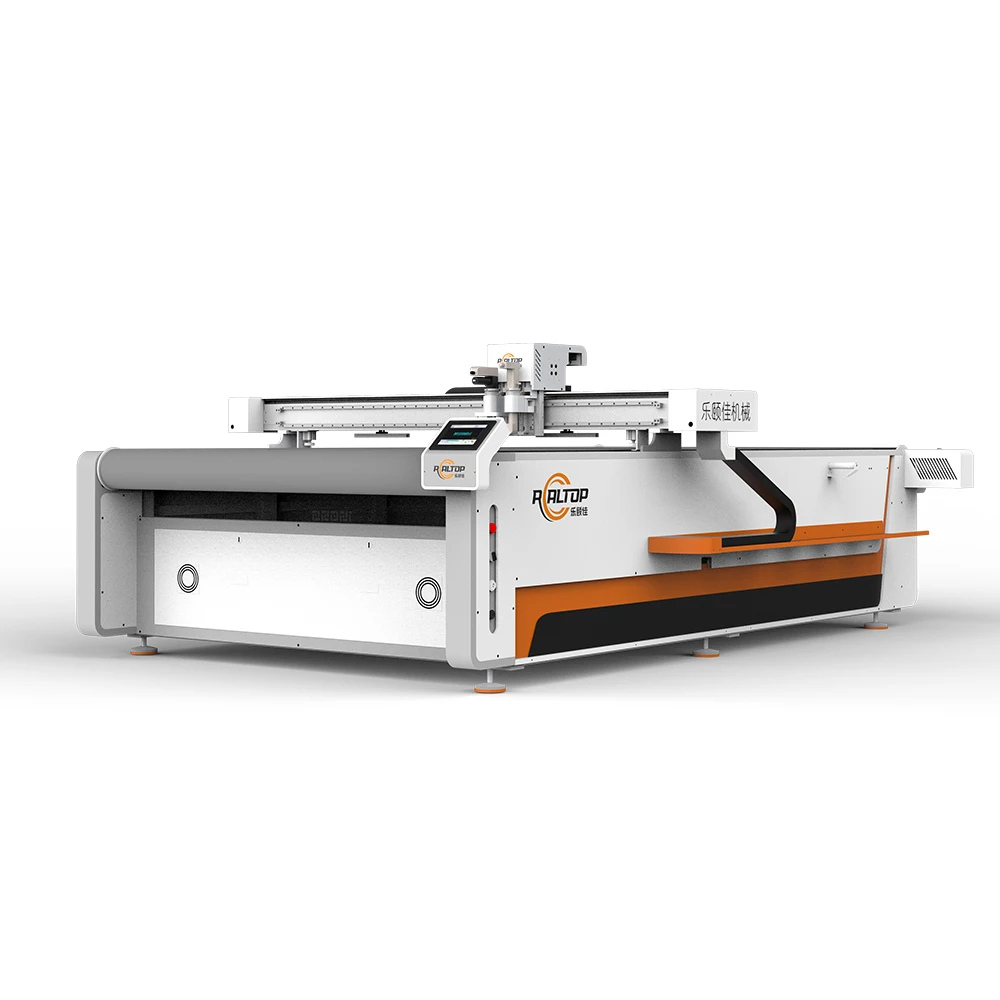
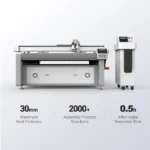
| Product Type | CNC Oscillating Knife Cutting Machine |
| Working Area | 1600 × 2500 mm |
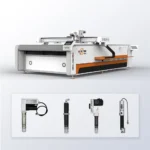
| Tool Head Options | Oscillating knife, Driven rotary knife, Creasing wheel, Kiss cutting tool, Pneumatic knife, Milling tool, V groove knife |
| Cutting Speed | 0–2000 mm/s |
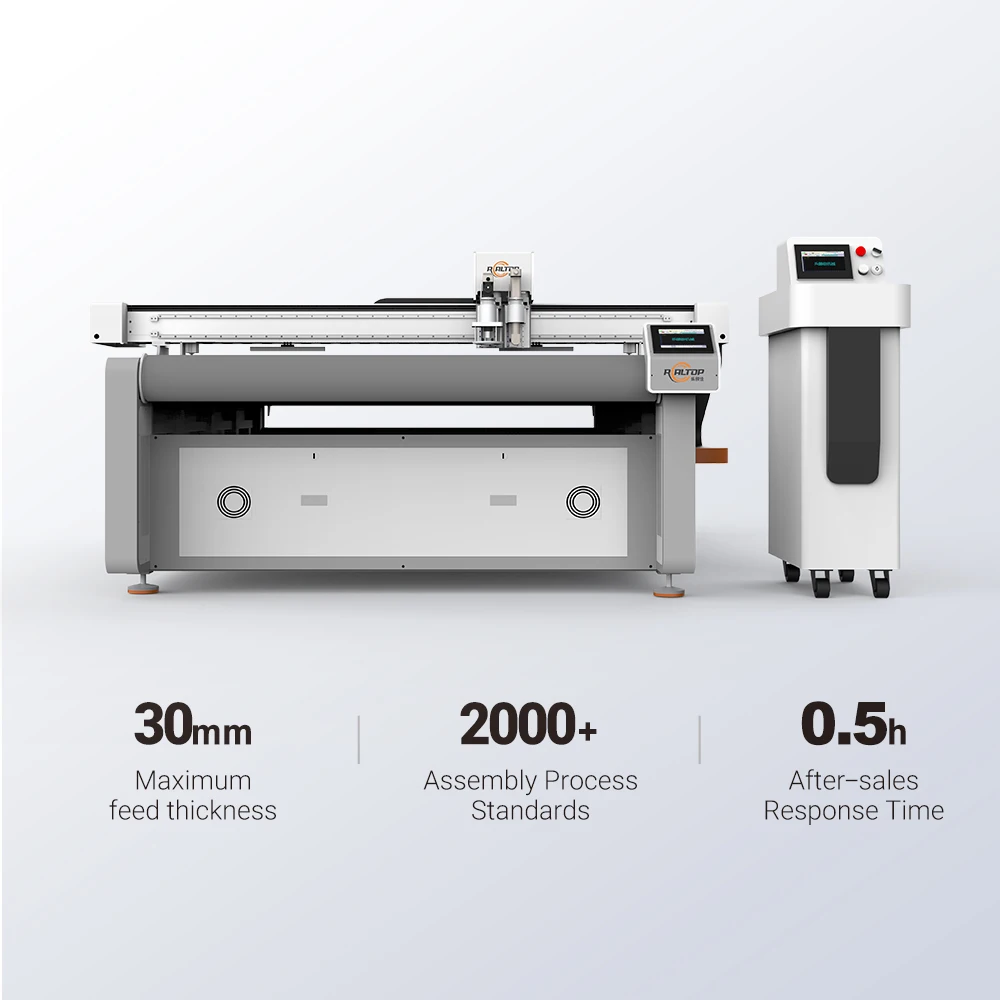
| Cutting Thickness | ≤ 30 mm (basis not stated in source — confirm material / block format / thickness) |
| Cutting Accuracy | ±0.1 mm |
| Vacuum Pump | 9 kW |
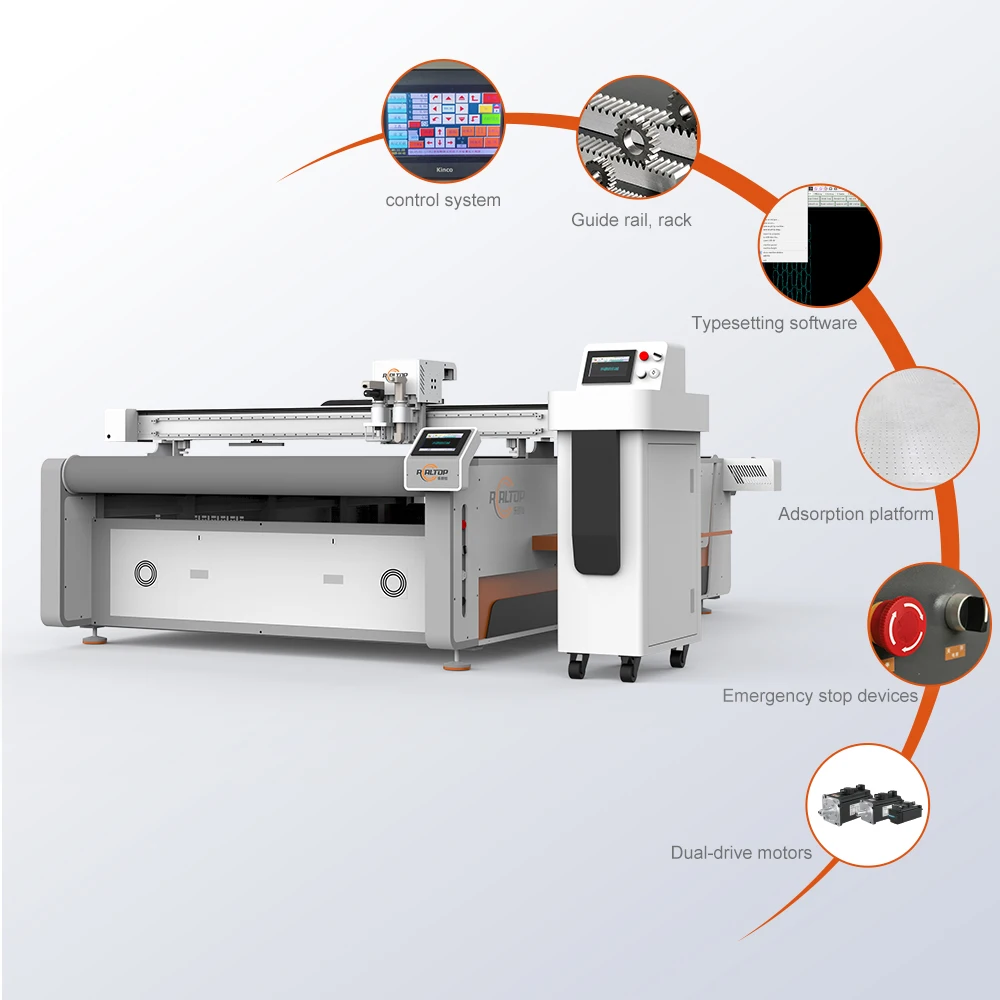
| Control System | PLC control panel |
| Servo Drive Options | Panasonic, Delta, Dorna (rated or peak not specified in source) |
| Machine Size | 3300 × 2100 × 1350 mm |
| Voltage | 110V, 220V, 380V |
| Language Options | English, Russian, Italian, Chinese (special languages customizable) |
| Profile Format | PLT, DXF, AI, PDF |
| Safety Device | Infrared sensor device and emergency stop device |
| Multi-layer Cutting | up to 30–50 mm thickness (basis not stated in source — confirm material / block format / thickness) |
| Standards | CE |
Application Suitability
| Application | Material or Output |
|---|---|
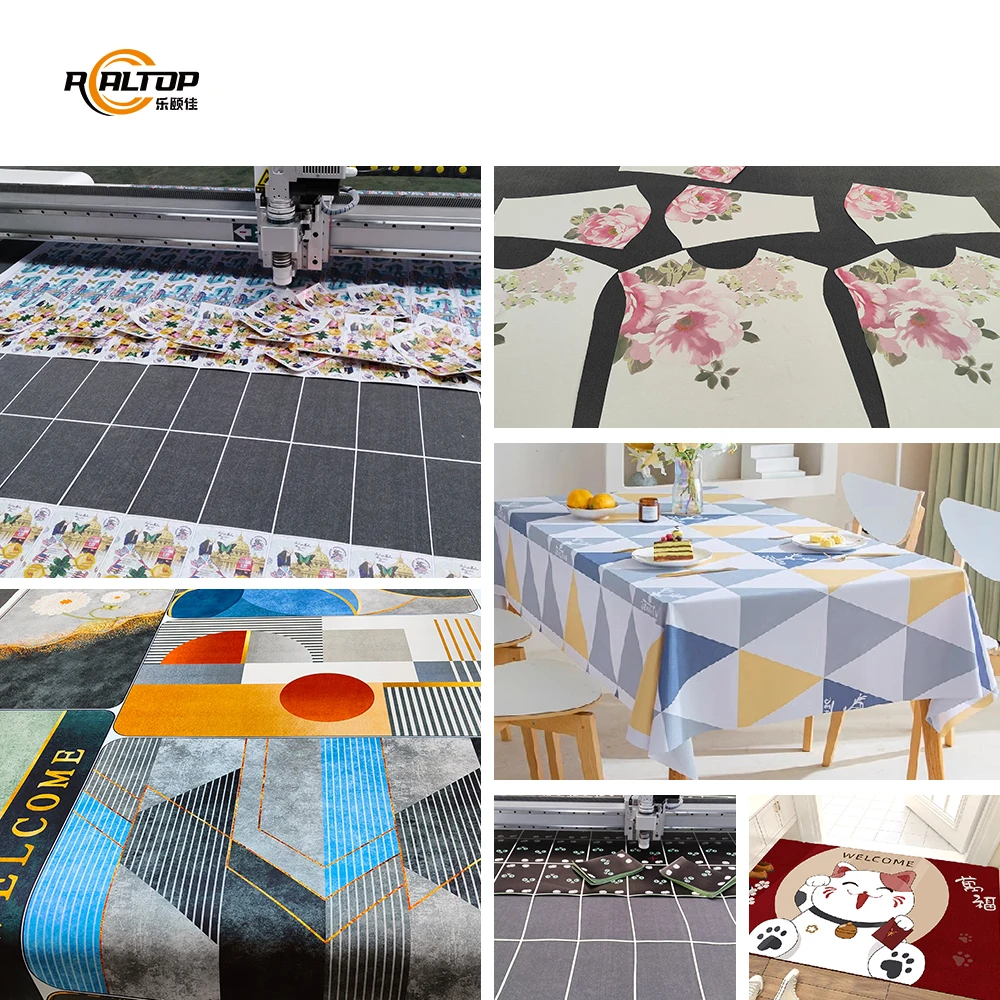
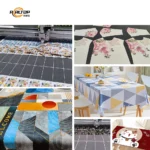
| Automotive interiors and floor protection | Seat fabrics, carpets, PVC mats, EVA-based car mats |
| Apparel and footwear production | Suits, knitwear, lace, complex multi-layer fabric stacks |
| Home textiles | Sofa fabrics, curtains, rugs, upholstery layers |
| Composite material processing | Carbon fiber prepreg, aramid layers |
| Packaging and carton sample making | Cardboard, corrugated carton, short-run die-free prototyping |
| Advertising and signage | PVC, foam boards, flexible signage substrates |
Why Material Thickness Makes the CNC Oscillating Knife Cutting Machine Specifications More Than a Number
A working area and a speed rating tell you almost nothing about whether the knife will actually cut your material clean.
When I first moved from the assembly floor to technical sales, I watched a buyer commit to a machine based on table size and travel speed alone. His automotive floor mats used a dense EVA composite, and the oscillating blade that sailed through our standard sample shredded his production stack halfway through the first shift. Thickness limits on a CNC oscillating knife cutting machine specifications sheet only mean something when tied to the exact composite density, layer count, and blade type you plan to run. [NEED_CITE: material density and blade wear correlation in oscillating knife cutting]
Matching Tool Head to Fabric, Foam, and Composite Density
Choosing between an oscillating knife, a driven rotary knife, and a V-groove tool is the single most consequential decision on a textile or composite cutting line. The oscillating head handles dense woven fabric and layered automotive carpet by vibrating the blade at high frequency, shearing through fibers without fraying the edge. A driven rotary knife suits continuous single-ply textile rolls where the blade can follow long curves without lifting the material. V-groove tooling, meanwhile, scores packaging board or corrugated carton to create clean fold lines for sample making. Specifying the wrong head forces operators to slow the feed rate just to keep the edge intact, which quietly erases the throughput advantage you thought you were buying.
Vacuum Table Zoning for Small Parts and Multi-Layer Stacks
A 9 kW vacuum pump sounds adequate until you cut small automotive logo inserts from a full sheet and watch the offcuts drift mid-pass. The aluminum bellows vacuum table on this unit is divided into zones so suction concentrates under the active cutting area, holding small contours flat even when surrounding material has already been removed. For multi-layer fabric stacks up to the stated thickness range, full-zone vacuum combined with a heavy-duty, precision-ground frame prevents the bottom plies from shifting during high-speed passes. [NEED_CITE: vacuum zoning requirements for small-part retention on flatbed cutters]
Reading the Specs That Actually Govern Cut Quality
The ±0.1 mm cutting accuracy figure matters most when nesting software packs pattern pieces tightly to conserve expensive textile yardage; any drift wastes material that cannot be re-nested. Servo drive selection — available with Panasonic, Delta, or Dorna units — influences how sharply the head can reverse direction at the end of a contour, which directly affects corner quality on geometric automotive mat designs. The 0–2000 mm/s speed range is only reachable on thin, single-ply material; dense multi-layer stacks demand slower passes to preserve blade life and edge squareness. Profile format compatibility with PLT, DXF, AI, and PDF files means most buyer-supplied artwork imports without an intermediate conversion step that could distort contour geometry. The PLC control panel supports multiple languages, so a Russian-speaking operator in one factory and an Italian-speaking operator in another can run identical files without re-reading the entire manual.
The Hidden Cost of Skipping the Sample Cut
Every shortcut I have seen on these machines traces back to someone approving a configuration without running the buyer’s actual material. A pneumatic knife that handles soft leather beautifully can crush low-density foam, leaving a compressed edge that the customer rejects. Selecting a creasing wheel on board that is too thick produces a crease that cracks on folding rather than bending. [NEED_CITE: edge quality defects from mismatched tool heads on flexible materials] These failures surface during the first production week, not during the factory acceptance test on generic stock, which is why we insist on a sample cutting report on the buyer’s own material before any configuration is locked in.
Why Sourcing the Knife Cutting Configuration Here
Our design team covers both knife and laser cutting processes in-house, so a buyer working with mixed materials — automotive carpet on one line, acrylic signage on another — can match the cutting method to each substrate instead of forcing one technology to do both jobs. Tool head and table configuration are specified per material and production volume, documented in a configuration list that travels with the machine. CCD camera positioning is available for printed contour work, and we confirm software compatibility with the buyer’s existing nesting workflow before the order is finalized. Voltage, plug type, and control language are confirmed in writing before shipment, eliminating the jobsite surprise of a 380V unit arriving in a 220V workshop.
Documentation & Verification
- Machine specification sheet listing every selected tool head and servo drive option
- Electrical schematic and voltage confirmation matching the buyer’s local supply
- Tool head and table configuration list specifying blade angle and vacuum zone layout
- Sample cutting report on buyer-supplied material showing edge quality and achievable thickness
- Software licence and file format compatibility note covering DXF, PLT, AI, and PDF import
- Spare parts list identifying consumable blades, belts, and vacuum seals
Installation, Commissioning & Support
- Floor space of at least 4000 × 3000 mm to accommodate the 3300 × 2100 mm footprint and operator access
- Dedicated circuit matching the confirmed voltage — 110V, 220V, or 380V — plus the 9 kW vacuum pump draw
- Machine arrives partially assembled; frame and gantry require on-site alignment and belt tensioning
- First-run parameter setting covers blade oscillation frequency, vacuum zone mapping, and servo tuning per material
- Operator training on PLC panel in the confirmed language, including tool change and CCD calibration
- Consumable blade stock and vacuum seal kit sized to the buyer’s weekly production volume
Preparing Your Inquiry
Send us the exact material type, composite density, and maximum stack thickness you plan to cut, along with your largest sheet dimension and daily piece count. Confirm the local voltage and frequency at your facility, the preferred control panel language, and whether you use an existing nesting software whose file export we need to validate. If your production involves printed registration marks, include a sample print so we can test CCD tracking at the speed you intend to run.
Frequently Asked Questions
Q: How do I choose between an oscillating knife and a driven rotary knife for automotive textiles?
A: Oscillating knives vibrate at high frequency to shear dense woven layers and carpet without fraying, making them suitable for multi-layer automotive seat fabric and floor mats. Driven rotary knives follow long continuous curves on single-ply textile rolls. The choice depends on your layer count, material density, and contour geometry; we test both on your sample material before final recommendation.
Q: What vacuum table zoning do I need if most of my parts are small automotive mat inserts?
A: Small parts lose hold-down force once surrounding material is cut away, so concentrated zoning under the active cutting area is necessary. The aluminum bellows table on this unit divides into multiple zones controlled independently. We map the zone layout to your typical nesting pattern so suction remains where the head is actively cutting, preventing drift on contours smaller than a few centimeters.
Q: How does CCD contour recognition handle printed marks at production speed?
A: The camera tracks registration marks on pre-printed fabric or film and adjusts the cutting path to compensate for stretch or skew. Tracking reliability at full speed depends on mark contrast, print resolution, and lighting conditions in your workshop. We run your printed sample at your target speed and document the detection success rate before confirming CCD inclusion in the configuration.
Q: Which voltage and language options can I confirm before the machine ships?
A: The system is configurable for 110V, 220V, or 380V supplies, and the PLC panel supports English, Russian, Italian, Chinese, and customizable additional languages. Voltage and language are documented in writing during the order confirmation stage so the electrical schematic, plug type, and interface match your facility on arrival. No adjustment is required on-site beyond standard commissioning.
Q: Can I run a sample cut on my own material before committing to an order?
A: Yes. We require a representative sample of your actual production material — including any composite layers, backing, or adhesive — to test tool head selection, blade angle, and vacuum hold-down. You receive a sample cutting report showing edge quality, achievable thickness, and recommended speed, which forms the baseline for the final configuration list and quotation.


商品评价
Clear filtersThere are no reviews yet.