

Fast Shipping
Carrier information

20k products
Payment methods

24/7 Support
Unlimited help desk

2-day Delivery
Track or off orders
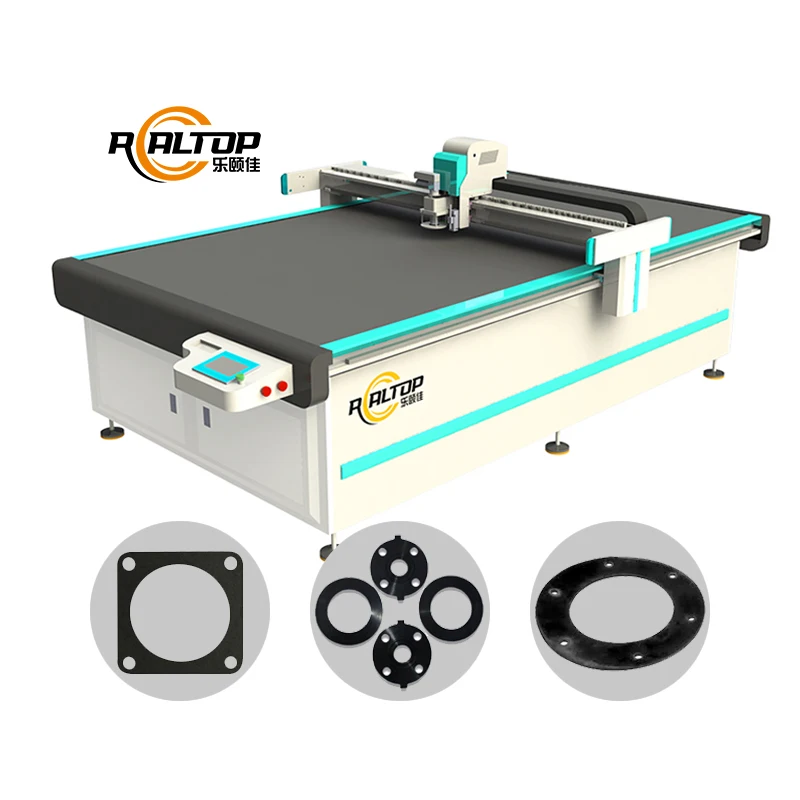
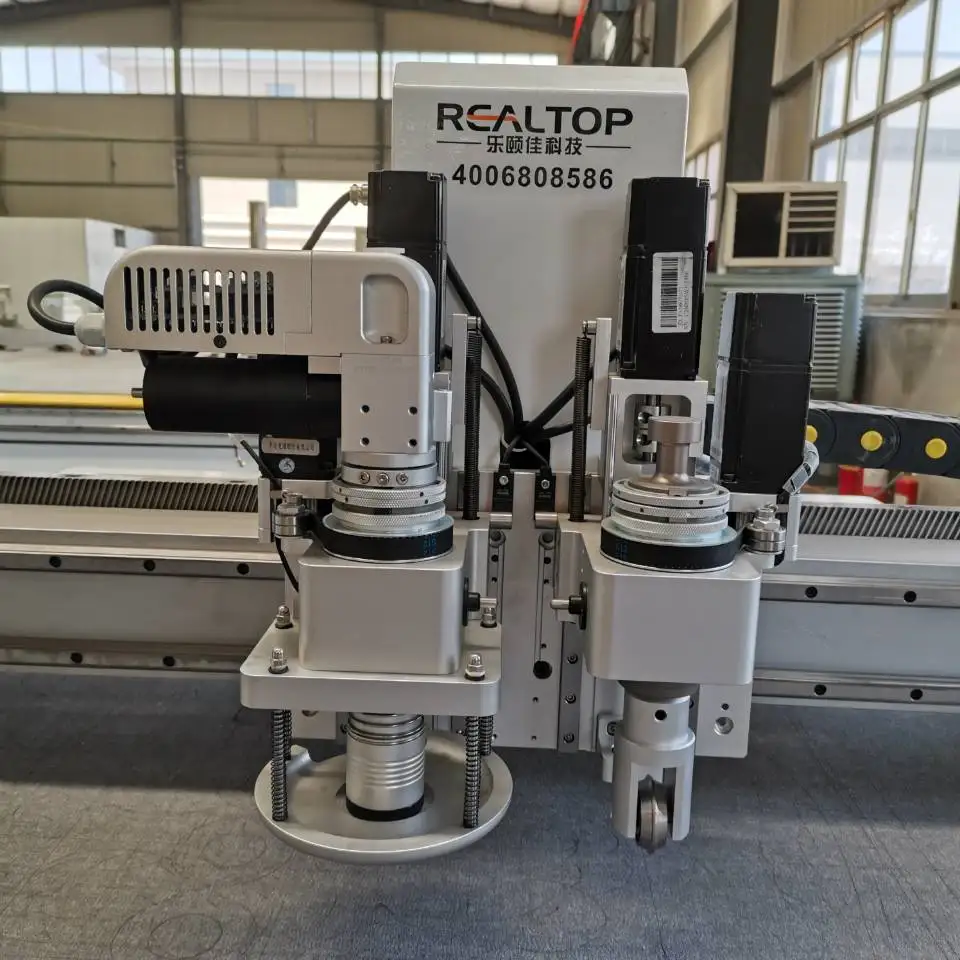
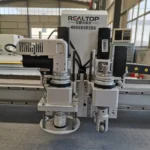
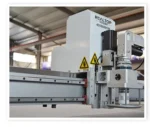
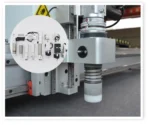
Tool head and vacuum table configuration specified per material and thickness — oscillating knife, drag knife, pneumatic knife and creasing wheel tool heads available on one platform, matched to gasket, foam or composite sheet rather than forcing a generic setup.
Technical Specifications
| Parameter | Value |
|---|---|
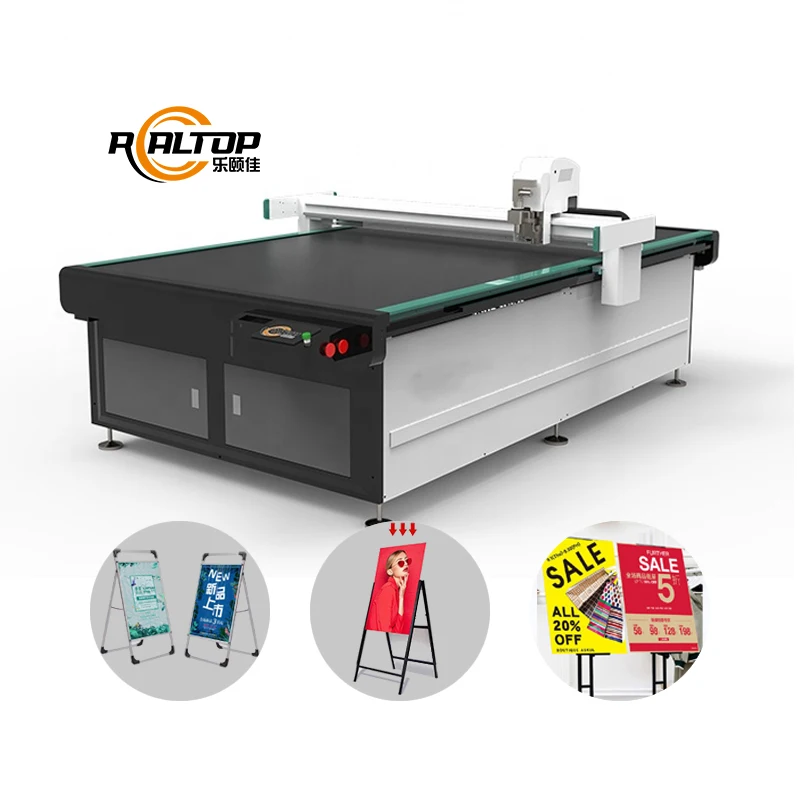
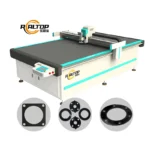
| Product Type | CNC Oscillating Knife Cutting Machine |
| Working Area | 1600 × 2500 mm |
| Machine Size | 3450 × 2300 × 1250 mm |
| Rated Power | 9 kW |
| Working Table | Flat magnesium-aluminum alloy vacuum adsorption table with PVDF coating, anodic and hard oxidation |
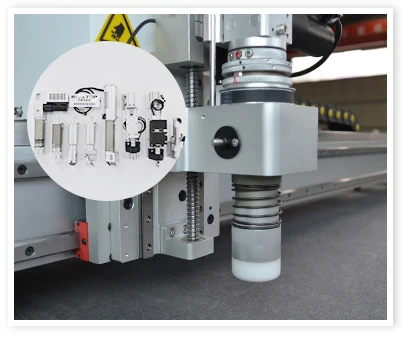
| Tool Head Options | Oscillating knife, pneumatic knife, high-power vibrating knife, circular knife, V-cutting knife, drag knife, creasing wheel, dotted line knife, punching, brush |
| Translational Velocity | 800 – 1200 mm/s |
| Cutting Thickness | Material-dependent, subject to sample verification |
| Repeated Accuracy | ≤ 0.1 mm |
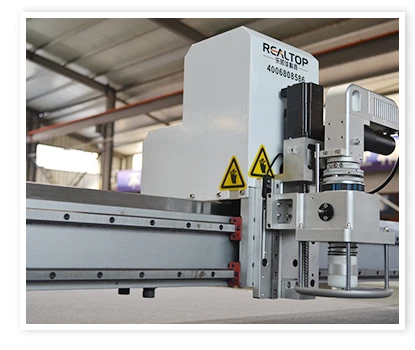
| Transmission System | Digital servo motor, linear guide, synchronous belt, ball screw |
| Servo Motor Brand | Delta (optional Panasonic) |
| Rail | Taiwan Hiwin |
| Vacuum Pump | 7.5 kW, integrated aviation aluminum shell with built-in silencer sponge |
| Conveyor Belt | Germany imported |
| Instruction System | HP-GL compatible format |
| Visual Positioning | Small CCD camera mark point, panoramic camera recognition, projection positioning |
| Safety Device | Infrared sensors, anti-collision, emergency stop |
| Voltage | 380V ± 10% (customizable) |
| Key Features | Swiss imported knife with vibration full cutting, half cutting and cursor location; multi-tool head carriage; zoned vacuum adsorption |
Application Suitability
| Application | Material or Output |
|---|---|
| Gasket and sealing pad production | Rubber, PTFE, ETFE, silicone, non-asbestos fiber sheet, composite gasket material |
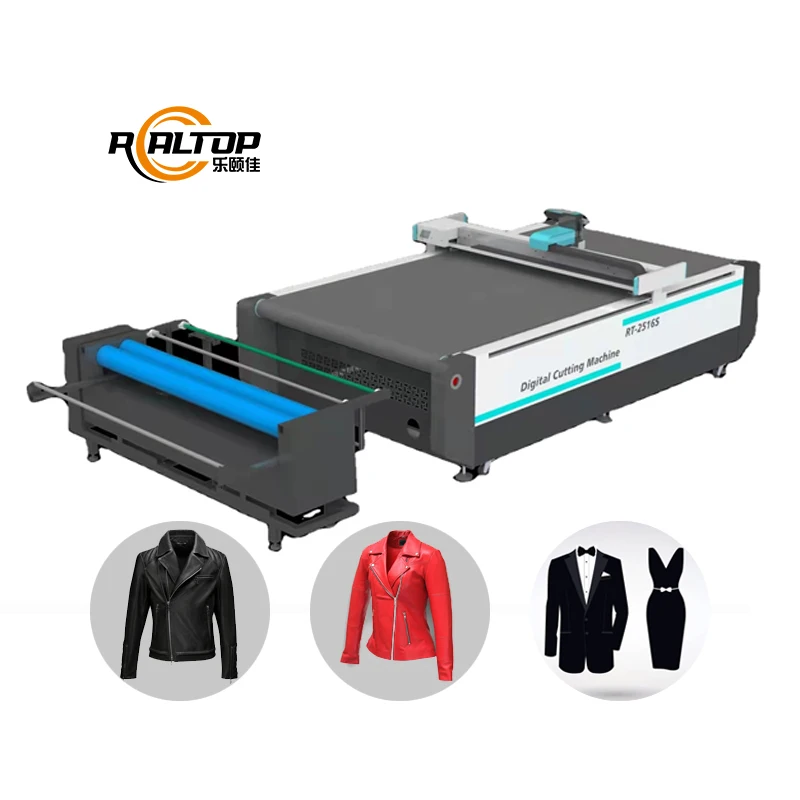
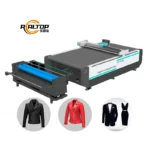
| Automotive interior and floor mat cutting | Sponge, PU, EVA, XPE, PVC carpet, fabric layers, composite acoustic insulation |
| Footwear and luggage component cutting | Leather, PU synthetic, EVA foam midsole, non-woven lining, shoe material |
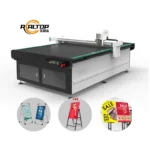
| Packaging and carton sample making | Corrugated cardboard, foam board, sticker film, plastic box sheet |
| Textile and soft furnishing cutting | Fabric, carpet, non-woven fabric, sponge composite leather |
Why "Cutting Thickness" Claims Fail on Real Gasket Stock
Cutting thickness is not a single number — it depends on material density, tool head selection, oscillation frequency and vacuum hold-down working together.
When a buyer quotes a gasket machine based on maximum travel alone, the assumption is that a 20 mm PTFE sheet cuts as easily as a 20 mm soft foam. In practice, dense materials like compressed non-asbestos fiber or filled silicone demand high-frequency oscillation and sufficient downforce, while soft composites need a different blade geometry to avoid crushing. I have seen machines spec’d for a thickness range that could not hold tolerances on actual production stock because the oscillation frequency was insufficient for the material hardness [NEED_CITE: CNC knife cutting force requirements by material density]. The result is ragged edges on dense gasket stock or delamination on layered composites, both of which only appear once production material replaces sample swatches.
Tool Head Selection Determines Edge Quality on Each Material
The cutting head carriage supports multiple tool heads that can be specified for the materials in your production mix. An oscillating knife handles dense gasket sheet and rubber with high-frequency vibration to reduce blade drag. A drag knife suits thin sticker film and corrugated board where full oscillation would tear the substrate. A pneumatic knife provides the downforce needed for thick sponge and EVA foam stacks. CNC oscillating knife cutting machine specifications must state which tool head is assigned to which material, because the same carriage produces different results depending on the installed tool.
Vacuum Table Zoning for Small Gasket Parts
Gasket cutting generates many small parts that tend to lift under knife drag, especially on dense rubber or PTFE where cutting forces are higher. The magnesium-aluminum alloy vacuum table with zoned suction isolates the active cutting area, concentrating hold-down force where the blade is working. Without adequate zoning, small sealing pads shift during the final cuts, producing out-of-tolerance profiles that fail assembly inspection [NEED_CITE: vacuum hold-down requirements for small-part CNC cutting]. The PVDF-coated surface also resists chemical residue from gasket materials that would degrade an untreated table over time.
Reading the Specifications Beyond the Headline Numbers
The repeated accuracy of ≤ 0.1 mm is maintained by Taiwan Hiwin linear rails paired with digital servo motors, which matters when cutting nested gasket patterns where adjacent parts share a cut line. If the rail deflects or the servo overshoots, kerf lines merge and both parts are scrapped. The 7.5 kW vacuum pump with integrated silencer runs at sufficient static pressure for dense materials without requiring a separate pump room. Delta servo motors deliver the torque response needed for rapid direction changes on complex gasket profiles, while the optional Panasonic servos suit buyers whose maintenance teams already stock that brand. The HP-GL compatible instruction system accepts files from established nesting software, avoiding a forced switch to a proprietary CAD workflow.
What Happens When Configuration Is Not Matched to Material
Choosing a single oscillation frequency for all materials means accepting compromised edges on at least part of your production range. Dense PTFE cut with a frequency tuned for soft foam produces frayed edges that leak under compression. Soft EVA foam cut with a high-frequency blade tuned for rubber crushes the cell structure, reducing the seal recovery. A vacuum table without zoning loses suction on small parts, causing positional drift that accumulates across a nested sheet. These failures do not show during supplier demonstrations on sample material [NEED_CITE: material-specific CNC cutting configuration standards].
Why Buyers Source This Configuration Here
In-house design covers both knife and laser cutting technologies, so a buyer processing mixed materials can select the correct method rather than forcing one machine to do everything. Tool head and table configuration is specified per material and daily volume before the order is confirmed, not quoted as a generic package. CCD camera positioning for printed contour work is available with three recognition options — small CCD mark point, panoramic camera and projection positioning — each suited to different print contrast and production speeds. Software compatibility with the buyer’s existing HP-GL workflow is verified before production begins. Sample cutting on the buyer’s own material confirms edge quality and achievable thickness before commitment.
Documentation & Verification
- Machine specification sheet listing installed tool heads and assigned materials
- Electrical schematic with voltage and frequency confirmed for destination market
- Tool head and vacuum table configuration list matched to material and volume
- Sample cutting report on buyer’s gasket stock with edge quality photographs
- Factory test record documenting positional accuracy across full working area
- Software licence and file format compatibility note for HP-GL workflow
Installation, Commissioning & Support
- 9 kW rated power requires a dedicated three-phase circuit at confirmed voltage
- Machine footprint of 3450 × 2300 mm with clearance for material loading on three sides
- 7.5 kW vacuum pump connected to table via integrated silencer ducting
- Commissioning includes tool head calibration and vacuum zone mapping on buyer material
- Operator training covers tool change procedure and oscillation frequency adjustment per material
- Spare parts list includes blades, knife holders and vacuum seals for planned maintenance
Request a Configuration Review
Provide the gasket or composite material type, sheet thickness range and daily cutting volume so that the correct tool head and vacuum zone layout can be specified. Include your local voltage and frequency, preferred operating language and any existing CAD nesting software in use. If your material is a proprietary composite or layered laminate, send a sample for cutting verification before configuration is finalized.
Frequently Asked Questions
Q: How do I choose between oscillating knife, drag knife and pneumatic knife for my gasket material?
A: Dense materials like PTFE, compressed fiber and hard rubber require an oscillating knife with high-frequency vibration to reduce blade drag and prevent edge fraying. Thin film, sticker and corrugated board suit a drag knife that scores without full oscillation. Thick foam and sponge stacks need a pneumatic knife for additional downforce. The correct choice depends on your specific material hardness and thickness, confirmed by sample cutting before order.
Q: How is cutting thickness verified before the machine ships?
A: Cutting thickness claims are verified on the buyer’s own material through a sample cutting test that documents edge quality, achievable depth and cycle time for the specific stock. Dense gasket materials like filled silicone or non-asbestos fiber cut differently from soft foam at the same nominal thickness. The sample report confirms the tool head, blade type and oscillation settings that produce acceptable edges on your actual production material.
Q: What print mark contrast is needed for CCD contour recognition on gasket sheets?
A: CCD camera positioning requires printed registration marks with sufficient contrast against the material background. Small CCD mark point positioning suits sheets with clearly printed fiducial marks, while panoramic camera recognition handles lower-contrast or partially obscured marks across a larger field. Projection positioning overlays the cut path on the material surface for manual alignment when print quality is inconsistent. The required contrast level is confirmed during sample testing.
Q: How does vacuum table zoning prevent small gasket parts from shifting?
A: Zoned vacuum suction isolates the active cutting region, concentrating hold-down force directly under the blade path rather than distributing suction across the entire table. Small gasket parts that would lift under knife drag forces remain fixed because the active zone maintains full static pressure. Zone layout is configured based on the typical part size and nesting pattern in your production mix, verified during factory testing.
Q: Can the machine import files from our existing nesting software?
A: The HP-GL compatible instruction system accepts output from most commercial nesting and CAD platforms that export in standard vector formats. File compatibility is confirmed before order by processing a sample file from your existing workflow, verifying that cut paths, tool assignments and layer structure transfer correctly. Any required post-processing steps are documented in the software compatibility note provided with the machine.


商品评价
Clear filtersThere are no reviews yet.