


Fast Shipping
Carrier information

20k products
Payment methods

24/7 Support
Unlimited help desk

2-day Delivery
Track or off orders
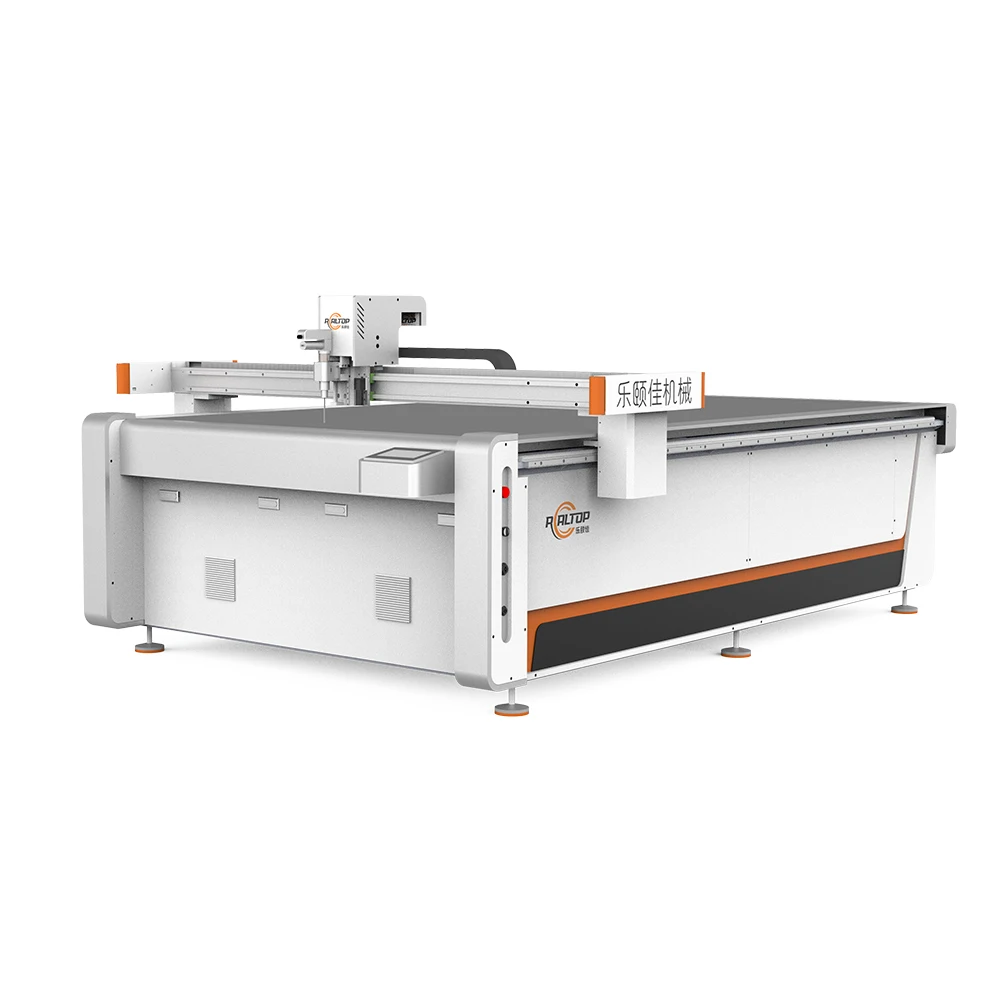
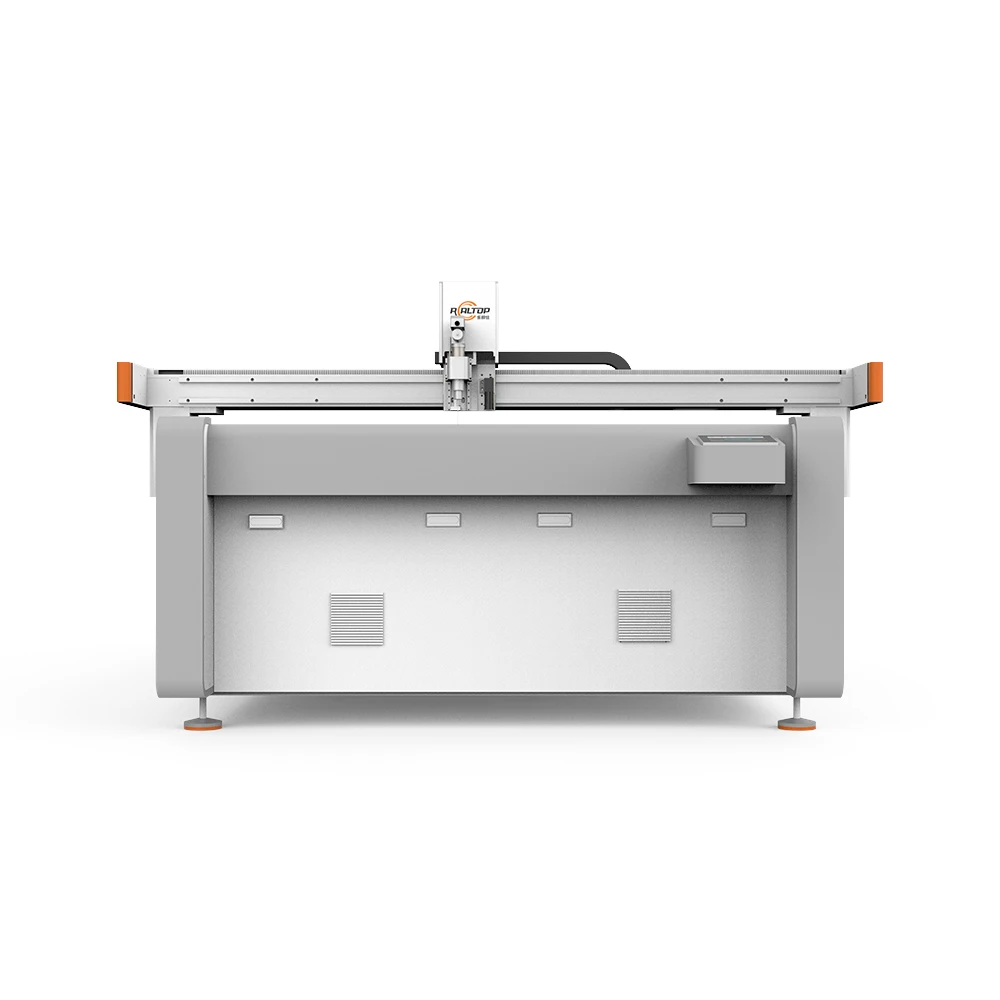
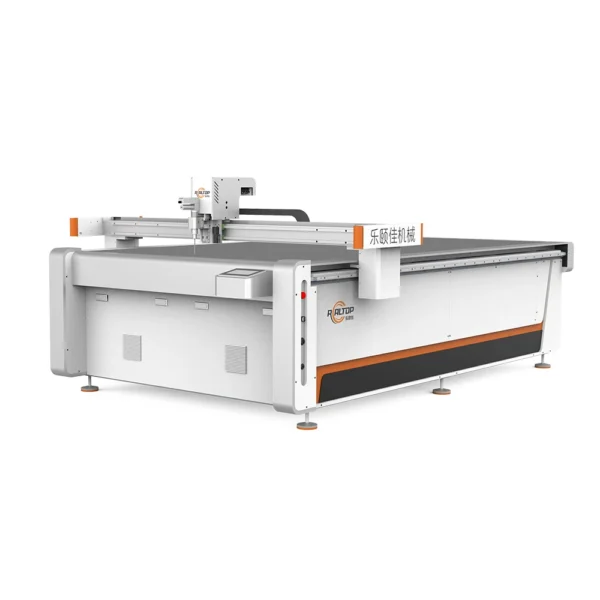
Tool Head & Table Configuration Specified Per Material — Each 1625 CNC oscillating knife cutting machine ships with a vacuum zoning plan and tool selection matched to your composite density, not just a generic working area.
Technical Specifications
| Parameter | Value |
|---|---|
| Product Type | CNC Oscillating Knife Cutting Machine |
| Model | 1625 |
| Working Area | 1600×2500 mm |
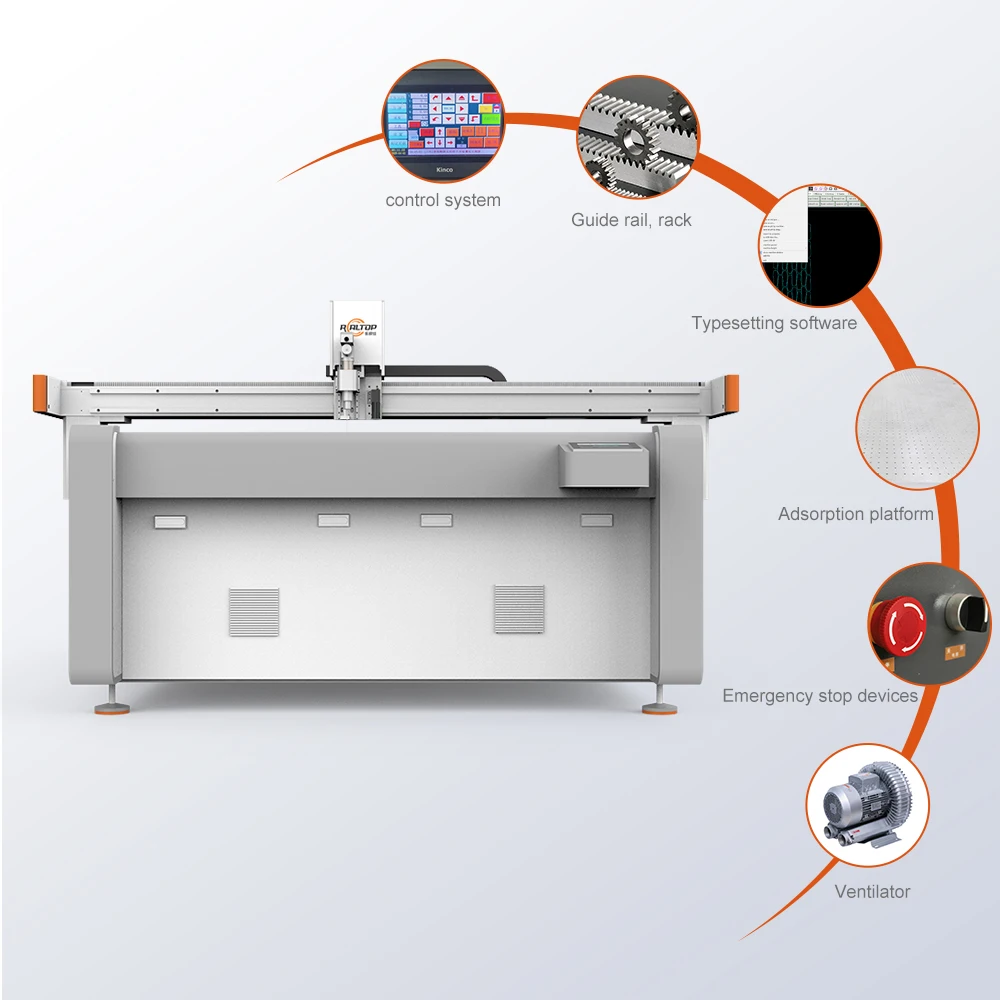
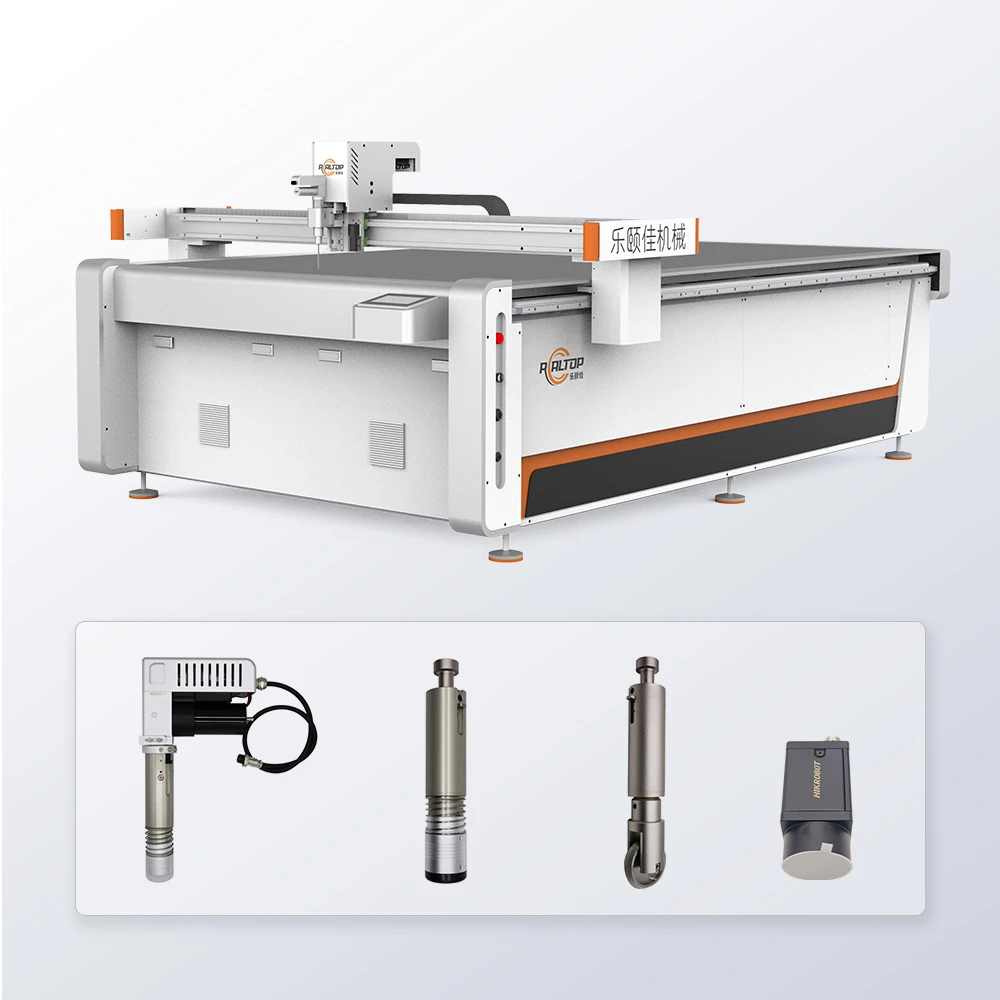
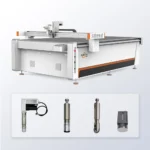
| Tool Head Options | Oscillating knife, Driven rotary knife, Creasing wheel, Kiss cutting tool, Pneumatic knife, Milling tool, V groove knife |
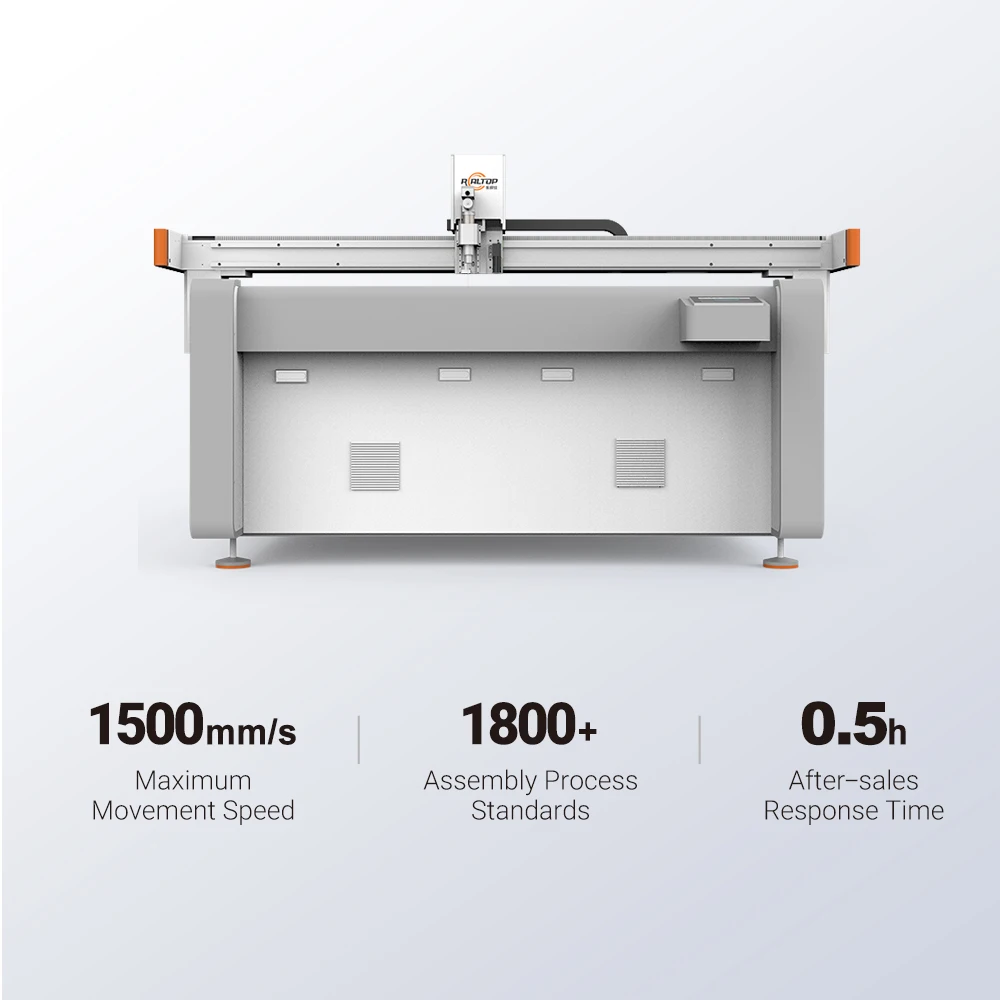
| Cutting Speed | 0-2000 mm/s |
| Cutting Thickness | ≤ 30mm (basis not stated in source — confirm material type and density) |
| Cutting Accuracy | ±0.1 mm |
| Vacuum Pump | 9 kW |
| Vacuum Table | Aluminum bellows vacuum table |
| Servo Drive Options | Panasonic, Delta, Dorna |
| Control System | PLC control panel |
| Voltage Options | 110V, 220V, 380V |
| Profile Formats | PLT, DXF, AI, PDF |
| Safety Devices | Infrared sensor, Emergency stop |
| Machine Size | 3300×2100×1350 mm |
| Language Options | English, Russian, Italian, Chinese, customizable |
| Certification | CE |
Application Suitability
| Application | Material or Output |
|---|---|
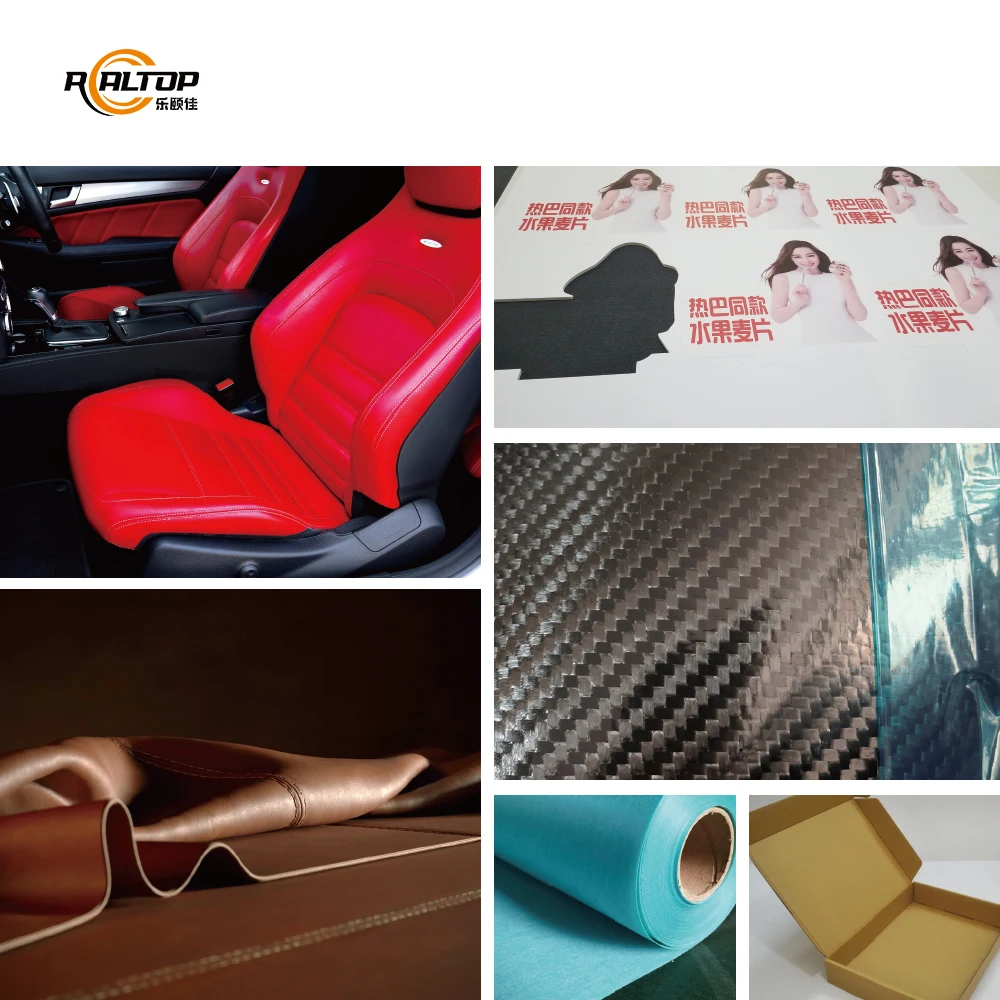
| Aerospace gasket and insulation cutting | Carbon fiber prepreg, aramid honeycomb, thermal and acoustic insulation foam |
| Automotive interior and lightweight panels | Acoustic felt, damping pads, carpets, FRP, carbon fiber covers |
| Wind power blade and nacelle fabrication | Fiberglass cloth, carbon fiber cloth, vacuum infusion mesh, PET/PVC foam core |
| Battery and new energy insulation | Battery insulation sheets, composite separators, thermal barrier materials |
| Sporting goods and leisure equipment | Carbon fiber sheets and fabric, Kevlar, high-performance foam, composite fabrics |
Why the Material Sample Must Run Before the Order Is Signed
A machine specified on working area alone will fail the moment your actual composite density hits the table.
I have seen acoustic panel producers pull standard EVA samples through a trial, sign the purchase order, and then watch the same machine tear through high-density sound-absorbing cotton with ragged, delaminated edges. The knife frequency was too low, the vacuum zoning could not hold the small offcuts, and the entire first batch was scrapped while the workshop waited weeks for replacement tooling [NEED_CITE: material density effect on oscillating knife cutting edge quality]. When you evaluate CNC oscillating knife cutting machine specifications, the cutting thickness figure on the brochure means nothing without a documented sample report on your exact composite layup and density.
Matching Tool Head Geometry to Composite Layup
Composite materials do not behave like homogeneous sheet stock. A carbon fiber prepreg requires a different blade profile and oscillation frequency than a closed-cell PET foam core used in wind blade sandwich panels. The 1625 platform supports oscillating knife, driven rotary knife, pneumatic knife, and V-groove knife heads, allowing the cutting geometry to be matched to the fiber orientation, resin content, and core density of your specific layup.
Vacuum Zoning That Holds Small Parts Flat
Aluminum bellows vacuum tables divide the 1600×2500 mm surface into independently controlled zones. Small gasket profiles and acoustic insulation offcuts tend to lift under knife drag force if the entire table is pulled down uniformly. Zoned vacuum keeps only the active cutting region under full adsorption, maintaining the ±0.1 mm accuracy across the full bed without requiring mechanical clamping that would mar composite surfaces [NEED_CITE: vacuum zoning requirements for CNC flatbed cutting of lightweight composites].
Servo Drive and PLC Control for Repeated Contour Fidelity
The choice among Panasonic, Delta, or Dorna servo drives determines how faithfully the machine reproduces tight-radius contours on each pass. A PLC control panel governs the oscillation frequency, cutting speed up to 2000 mm/s, and knife depth in a single coordinated motion. When cutting multi-layer carbon fiber fabric stacks for aerospace gaskets, this coordination prevents layer shifting and maintains edge consistency from the first piece to the last in a nested sheet.
Reading the Spec Sheet Against Your Actual Production Reality
A cutting speed of 0-2000 mm/s is the unloaded travel figure; actual cutting speed through 20 mm acoustic foam will be substantially lower and depends on the knife frequency, blade wear rate, and material abrasiveness. The 9 kW vacuum pump must be evaluated against the porosity of your composite — open-cell foams bleed air and require higher pump capacity to maintain hold-down force than closed-cell PVC cores. Profile format support for PLT, DXF, AI, and PDF means the machine accepts nesting files directly from most CAD systems, but the nesting software workflow itself must be confirmed compatible with your existing production pipeline before the order is placed.
What Happens When the Wrong Configuration Ships
Choosing a drag knife instead of an oscillating knife on fiberglass cloth produces frayed edges that require secondary trimming, adding a bottleneck to the production line. An undersized vacuum pump on an open-cell foam job causes parts to shift mid-cut, destroying both the material and the blade. Voltage mismatches discovered after arrival mean the machine sits idle while a transformer is sourced locally, delaying commissioning by weeks [NEED_CITE: industrial voltage and frequency mismatch consequences on imported machinery].
Why Buyers Source This Platform for Composite Cutting
In-house design covers both the knife cutting head and the table structure, so the tooling and the vacuum system are engineered as a matched set rather than assembled from unrelated suppliers. The configuration list is built per material and production volume, not copied from a default template. Software compatibility with your nesting file format is confirmed during the quotation stage, preventing workflow surprises on the shop floor. Sample cutting on your own composite material produces a documented edge quality and cycle report before commitment. Voltage, control language, and safety device configuration are locked in before production begins, so the machine arrives ready for the local electrical standard and operator interface [NEED_CITE: CE machinery directive compliance for CNC cutting equipment].
Documentation & Verification
- Factory test record run on your specific composite material and thickness before dispatch
- Tool head and vacuum zone configuration list matched to your material density and part geometry
- Electrical schematic with confirmed voltage, frequency, and plug type for your facility
- Software license and file format compatibility note verified against your nesting workflow
- Spare parts list with recommended blade and wear-item reorder quantities
Installation, Commissioning & Support
- Foundation must support the 3300×2100×1350 mm machine footprint plus operator clearance on all sides
- Dedicated circuit required matching the confirmed 110V, 220V, or 380V supply and 9 kW vacuum pump load
- Table leveling and vacuum seal check performed on-site after aluminum bellows bed assembly
- First-run parameter tuning for knife frequency, depth, and vacuum zoning on your composite stock
- Operator training covers PLC panel navigation, tool change procedure, and nesting file import workflow
- Blade inventory and oscillating knife wear schedule established for your material abrasiveness
Before You Request a Quote
To match the right configuration to your line, share the composite material type, layer count, and measured density along with the maximum sheet dimensions you process. Confirm the local voltage and frequency at your facility and the control language your operators need. If you run an existing nesting workflow, provide a sample output file so format compatibility can be verified before the machine enters production.
Frequently Asked Questions
Q: How is cutting thickness verified for my specific composite material and density?
A: A sample cutting test is performed on your actual composite stock before the order is finalized. The test records edge quality, achievable cutting depth, and cycle performance at the specified thickness. Results are documented in a sample cutting report so you can evaluate whether the configuration meets your tolerance and throughput requirements.
Q: Which tool head is selected for my material — oscillating knife, pneumatic, or rotary?
A: Tool head selection depends on fiber content, resin type, and material density. Oscillating knives suit most fiber-reinforced composites and foams, pneumatic knives handle thicker low-density cores, and rotary knives cut woven fabrics without fraying. Your sample cutting test determines which head produces the cleanest edge on your specific layup.
Q: Can the vacuum table zoning be configured for small composite parts that tend to lift?
A: Yes. The aluminum bellows vacuum table divides into independently controlled zones. Small gasket profiles and insulation pads are held flat by activating only the zones directly beneath the cutting path, preventing lift without mechanical clamps that could damage composite surfaces.
Q: Is the control panel language and software interface confirmed before shipment?
A: The PLC control panel language is configured to your requirement — English, Russian, Italian, Chinese, or a custom language — and confirmed before production. Software file format compatibility with PLT, DXF, AI, and PDF is verified against a sample nesting file from your existing workflow.


商品评价
Clear filtersThere are no reviews yet.