




Fast Shipping
Carrier information

20k products
Payment methods

24/7 Support
Unlimited help desk

2-day Delivery
Track or off orders
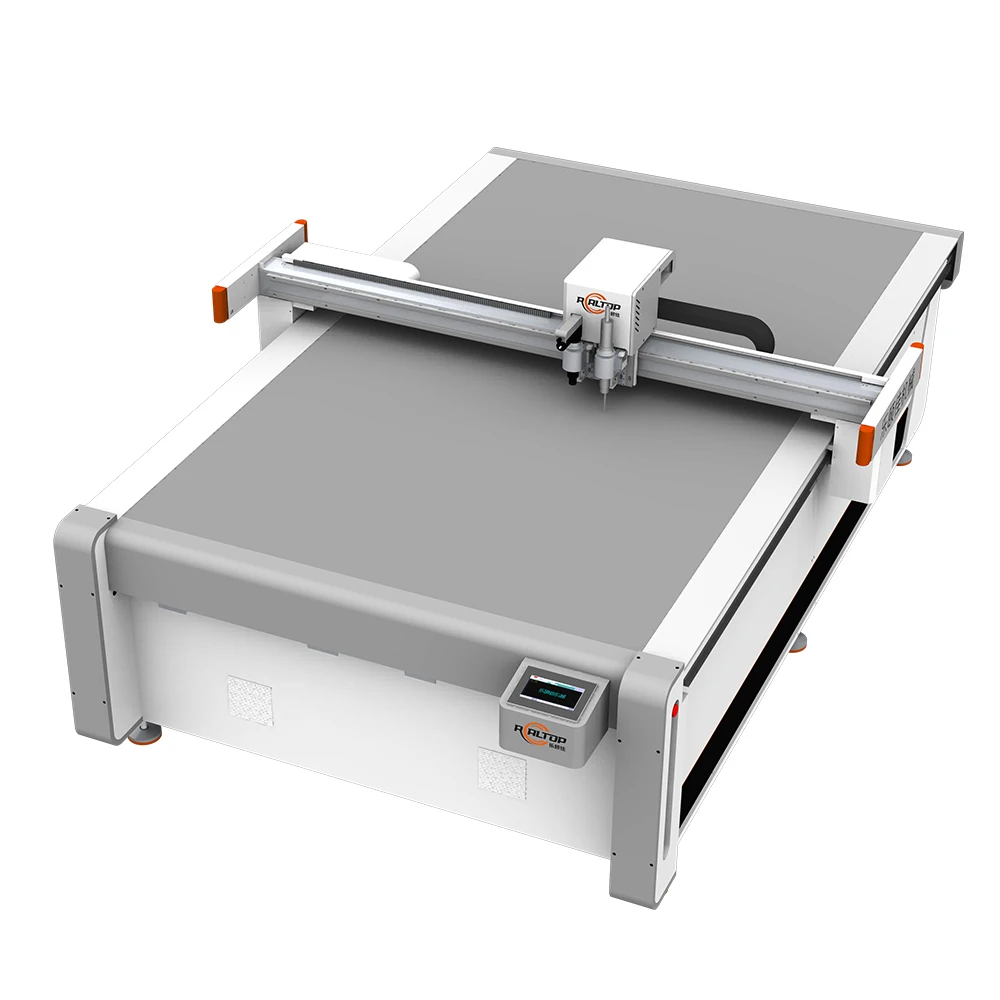
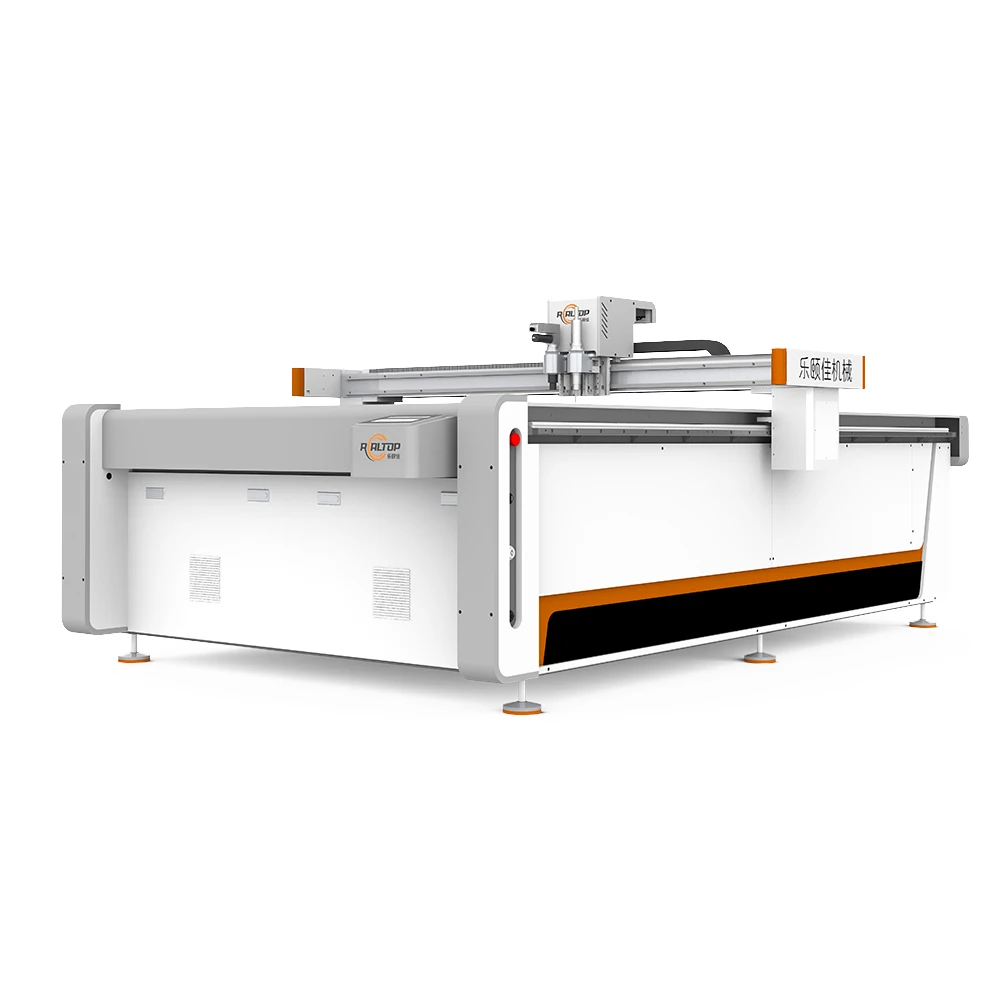
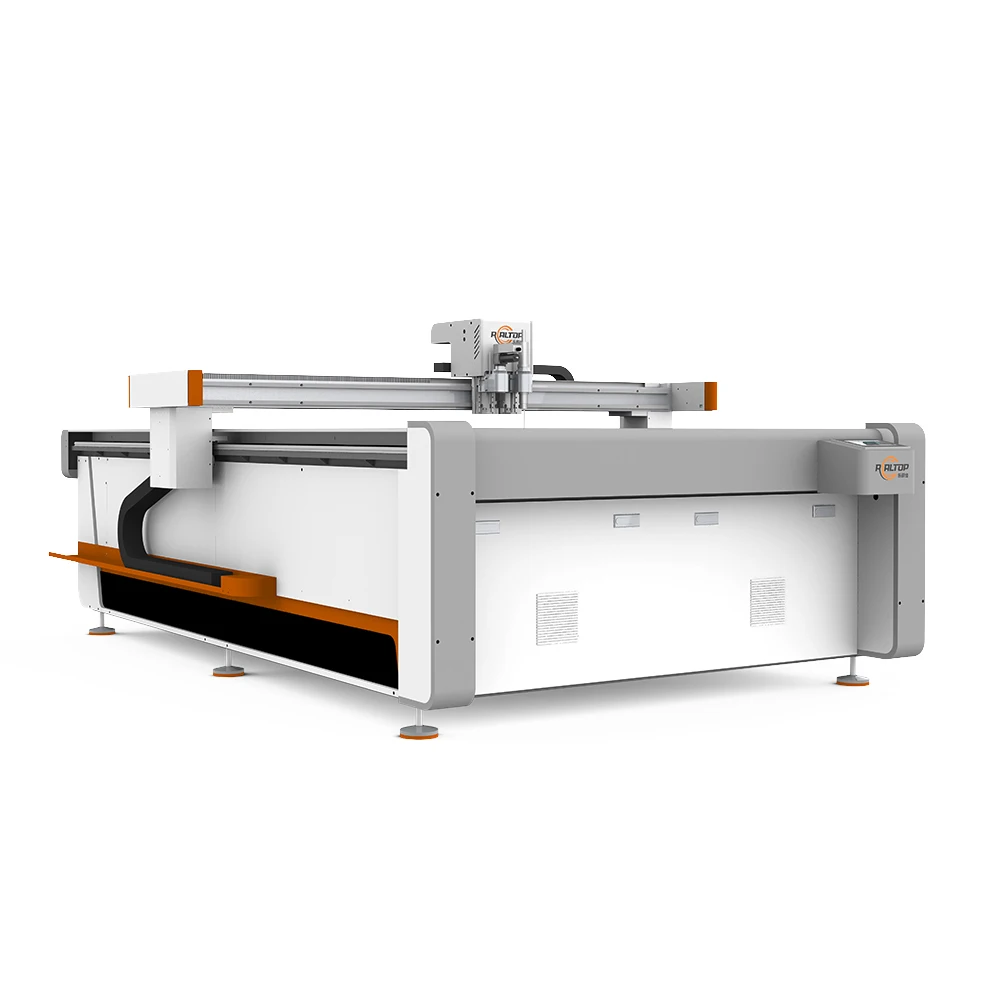
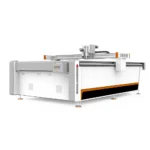
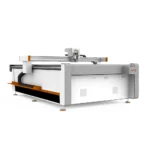
Tool Head Configured Per Material — The 1625 platform supports oscillating knife, driven rotary knife, creasing wheel, kiss cutting, pneumatic knife, V groove knife, milling tool and CCD camera on a single flatbed, matched to your board grade and flute profile before build.
Technical Specifications
| Parameter | Value |
|---|---|
| Product Type | CNC Flatbed Oscillating Knife Cutting Machine |
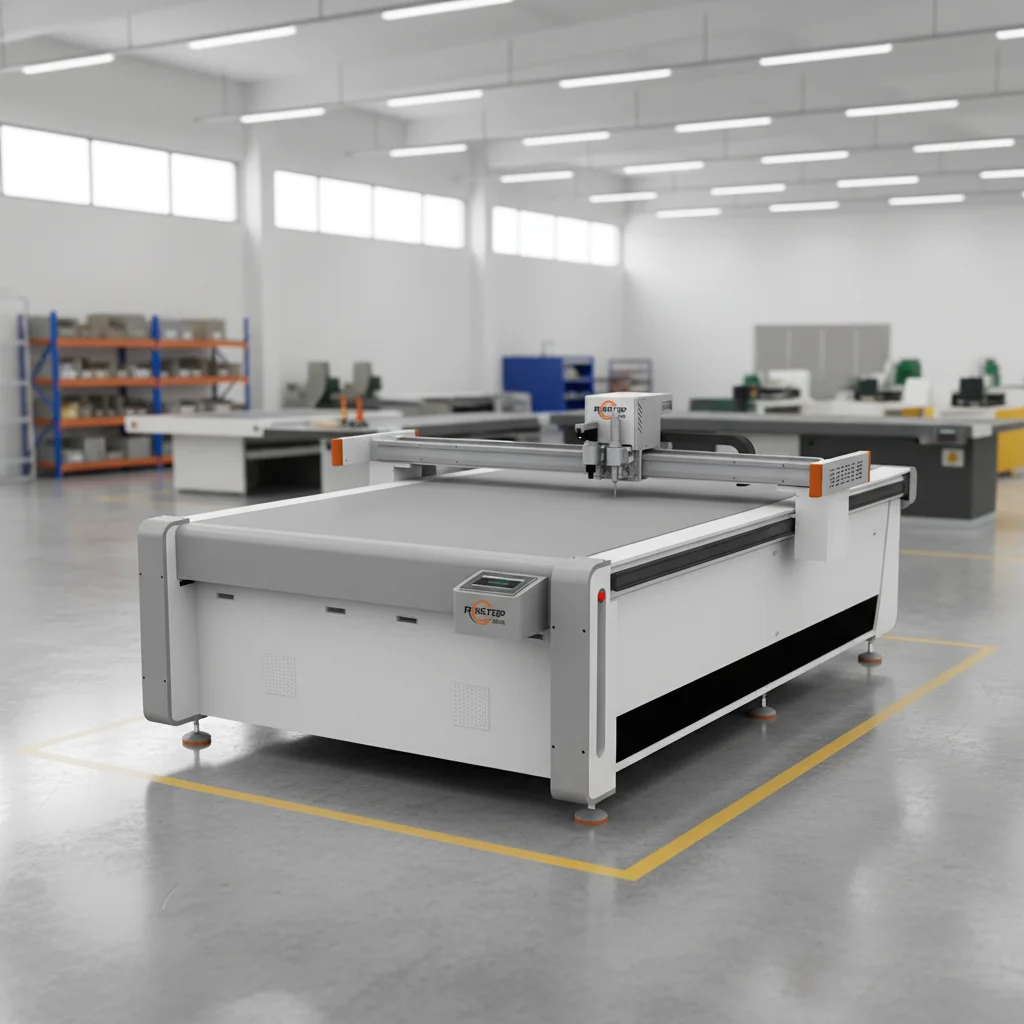
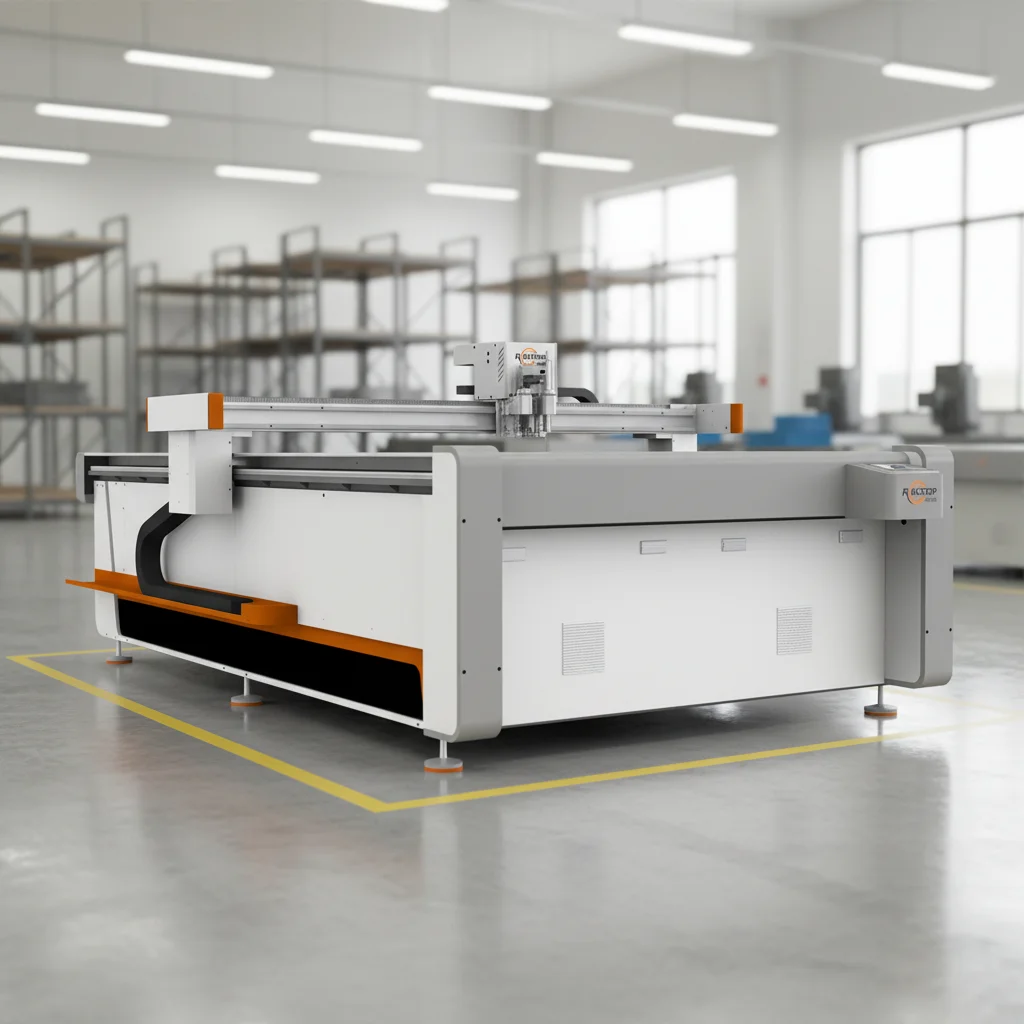
| Model | 1625 |
| Working Area | 1600×2500 mm |
| Tool Head Options | Oscillating knife, Driven rotary knife, Creasing wheel, Kiss cutting tool, Pneumatic knife, Milling tool, V groove knife, CCD camera |
| Cutting Speed | 0-1500 mm/s |
| Cutting Thickness | ≤ 40 mm (basis not stated in source — confirm material type and density) |
| Cutting Accuracy | ±0.1 mm |
| Vacuum Pump | 9 kW, aerospace-grade aluminum integrally cast |
| Vacuum Table | Aluminum bellows vacuum table |
| Servo Drive Options | Panasonic, Delta, Dorna (source value — verify against manufacturer catalog) |
| Voltage Options | 110V, 220V, 380V (rated or peak not specified in source) |
| Control System | PLC control panel |
| File Formats | PLT, DXF, AI, PDF |
| Safety Device | Infrared sensor device and emergency stop device |
| Machine Dimensions (L×W×H) | 3300×2100×1350 mm |
| Software Language Options | English, Russian, Italian, Chinese (custom languages available) |
| Packaging Box Structure Design Software | Included (dedicated) |
| Standards | CE (referenced in documentation profile — verify certificate availability) |
Application Suitability
| Application | Material or Output |
|---|---|
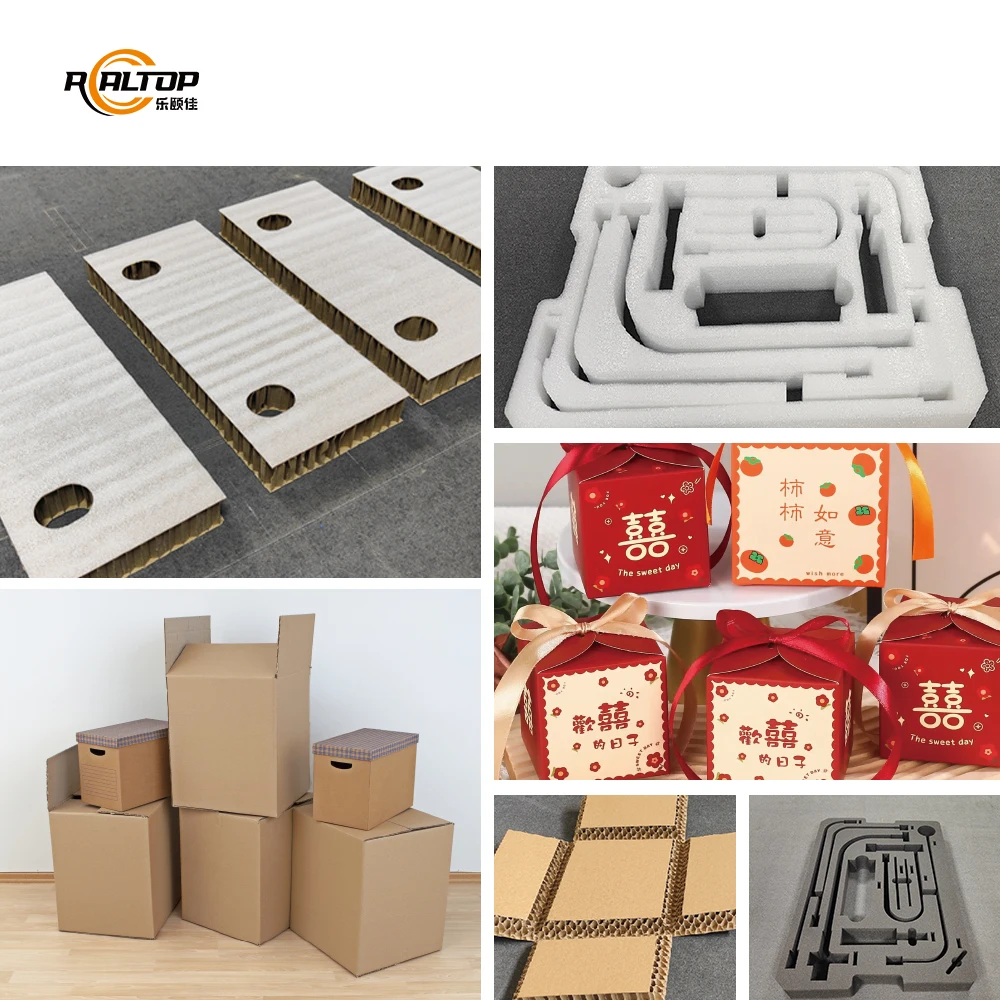
| Packaging sample making and carton prototyping | Corrugated cardboard (E-flute, B-flute, BC-flute), greyboard, cardstock, art paper, specialty paper |
| Foam and gasket insert production | EVA foam, EPE foam, PU foam, Coroplast |
| Protective packaging and lining | Rubber mats, velvet/fleece fabric, non-woven fabric |
| Short-run box and display production | Thin plastic sheets (PVC, PET), leather, synthetic leather |
| Composite insert die-cutting | Composite materials and adhesive-backed materials |
What "Cutting Thickness ≤ 40 mm" Actually Means for Your Flute Profile
Board density and knife oscillation frequency determine real cutting depth, not a single thickness number.
When a packaging converter sees a CNC oscillating knife cutting machine specifications sheet quoting 40 mm capacity, the natural assumption is that any material up to that thickness will cut cleanly. In practice, a 40 mm EVA foam insert behaves completely differently under the blade than a 3 mm BC-flute corrugated board — the foam compresses and rebounds, while the flute structure crushes if the oscillation frequency is too low or the drag pressure too high. I have walked into sample rooms where the operator spent half the morning swapping blades and adjusting downforce just to get a presentable edge on a new board grade, because the tool head was chosen on working area alone rather than on material. [NEED_CITE: relationship between oscillation frequency and material density in flatbed cutting]
Matching Tool Head to Board Grade and Foam Density
The 1625 platform carries an interchangeable tool head system that lets you run an oscillating knife for corrugated flute cutting, a creasing wheel for fold lines, a kiss cutting tool for self-adhesive labels and gaskets, and a V groove knife for rigid board mitre joints — all on the same bed without changing machines. This matters because packaging sample makers rarely produce only one material; a typical week might involve E-flute prototypes on Monday, EVA insert die-cuts on Wednesday, and Coroplast display stands on Friday. Selecting the correct CNC oscillating knife cutting machine specifications starts with listing every material you plan to run, then matching each to the tool head that holds edge quality at production speed.
CCD Camera Contour Recognition on Printed Artwork
For registered cutting on pre-printed carton artwork, the CCD camera option reads printed marks and adjusts the cutting path in real time. The critical question is whether the camera can track those marks at the machine’s full traversing speed on your specific ink and substrate combination — matte lamination, UV-coated stock, and uncoated kraft all reflect differently under the sensor. Before committing to a configuration, request a sample cutting report using your own printed sheets so you can verify registration accuracy on the actual production material rather than relying on a generic demonstration. [NEED_CITE: CCD registration accuracy variables in digital carton finishing]
How Vacuum Zoning and Pump Rating Hold Small Parts
The 9 kW vacuum pump paired with an aluminum bellows vacuum table provides the suction needed to keep small carton components flat during nested cutting layouts. Without adequate zoning, parts smaller than the cutting area can lift at the trailing edge as the blade exits, producing a ragged finish or a missed cut entirely. The aluminum bellows construction maintains flatness across the 1600×2500 mm working area and seals better than routed MDF tables over years of use. When evaluating CNC oscillating knife cutting machine specifications, ask how many independent vacuum zones the table offers and whether each zone can be isolated for small-part nesting.
Reading the Spec Sheet Beyond Working Area
Working area is the first number buyers look at, but cutting accuracy of ±0.1 mm is what determines whether your crease lines align with the cut edges on a complex carton structure. The dedicated packaging box structure design software accepts PLT, DXF, AI and PDF files — confirming file format compatibility with your existing CAD workflow before order prevents the situation where files must be redrawn from scratch. The PLC control panel with language options in English, Russian, Italian and Chinese (custom languages available) means operators in different markets can run the machine without navigating a second language. Servo drive options across Panasonic, Delta and Dorna allow the motion system to be matched to local service availability, which matters when a drive fault needs a replacement within days rather than weeks.
The Cost of Skipping the Sample Cut
I have seen converters commit to a flatbed cutter based on brochure specs, only to discover on delivery day that the standard oscillating knife crushes the top liner of their E-flute board because the oscillation frequency was too aggressive for that particular grade. The fix involves ordering a different tool head, waiting for shipment, and losing production days in between — a problem that a pre-order sample cut on the buyer’s own material would have caught in ten minutes. Every material behaves differently: adhesive-backed laminates can gum up a drag knife, while thick PU foam demands a longer stroke length than the standard head provides. [NEED_CITE: common tool head mismatch issues in packaging digital cutting]
Why This Build Approach Fits Packaging Operations
The in-house design team covers both knife tooling and vacuum table engineering under one roof, so the tool head and table configuration are specified together rather than sourced as unrelated add-ons. Sample cutting on your own packaging material — specific flute grade, board weight and thickness — is completed before the order is confirmed, giving you physical evidence of edge quality and crease definition. Voltage, plug type and control panel language are verified against your facility supply and operator preference before the machine leaves the factory, avoiding rewiring costs on arrival. The dedicated packaging box structure design software ships with the machine, so there is no third-party license to negotiate separately. Software file format compatibility with your nesting or CAD workflow is confirmed in writing before production begins.
Documentation & Verification
- Machine specification sheet listing every configured tool head and vacuum zone
- Electrical schematic and voltage confirmation matching your facility supply
- Sample cutting report produced on your specific flute grade and board weight
- Software license and file format compatibility note covering PLT, DXF, AI, PDF
- Factory test record documenting cutting accuracy across the 1600×2500 mm bed
- Spare parts list covering oscillating knife blades, creasing wheels and vacuum seals
Installation, Commissioning & Support
- Floor space must accommodate 3300×2100 mm footprint plus operator clearance on three sides
- Dedicated circuit required matching confirmed voltage option (110V, 220V or 380V)
- Machine arrives with PLC control panel pre-configured in selected operator language
- First-run commissioning includes vacuum zone calibration on your actual board stock
- Tool head changeover training covers oscillating knife, creasing wheel and kiss cutting setups
- Random spare parts kit includes blades and vacuum seals matched to your material list
What to Include in Your Inquiry
Send your material list with specific flute grades, board weights and foam densities, along with the maximum sheet size you plan to process. Confirm your facility voltage and frequency, and specify the control panel language your operators need. If you run existing CAD or nesting software, share a sample file so format compatibility can be verified before the quotation stage.
Frequently Asked Questions
Q: How do I select the right tool head for my corrugated flute type?
A: The choice depends on flute profile and board weight. E-flute and B-flute typically run well with a standard oscillating knife at moderate frequency, while BC-flute and heavier double-wall grades may need a pneumatic knife or adjusted stroke to avoid crushing the flute structure. A sample cut on your own board confirms edge quality before you commit to a configuration.
Q: Can the CCD camera track printed marks at full cutting speed?
A: The CCD camera reads registration marks and adjusts the cutting path dynamically, but tracking reliability depends on mark contrast, substrate reflectivity and lamination type. Matte UV coating and uncoated kraft behave differently under the sensor. Request a test on your printed sheets at production speed to verify accuracy on your specific artwork.
Q: Is the vacuum table sufficient for small carton parts?
A: The aluminum bellows table paired with the 9 kW vacuum pump provides strong hold-down across the full 1600×2500 mm bed. For small nested parts, ask how many independent zones the table is divided into and whether each zone can be activated separately, which prevents vacuum loss on layouts dominated by small components.
Q: Will the software import my existing packaging CAD files?
A: The dedicated packaging box structure design software supports PLT, DXF, AI and PDF formats. Before ordering, share a sample file from your current CAD system so compatibility can be tested directly. This avoids discovering format mismatches after the machine is installed and operators are ready to run production.
Q: How are voltage and language confirmed before shipment?
A: Voltage is selected from 110V, 220V or 380V options to match your facility supply, and the PLC control panel language is set to your preference — English, Russian, Italian, Chinese or a custom language. Both are confirmed in writing before production begins, so there are no surprises when the machine arrives on your floor.


商品评价
Clear filtersThere are no reviews yet.