

![[result]CNC Oscillating Knife Cutter for Cardboard Foam – Technical Guide[/result]](https://rtcnccut.com/wp-content/uploads/2026/03/H68fa13d81b544230a3b78f2b28bb35b7H-150x150.webp)

Fast Shipping
Carrier information

20k products
Payment methods

24/7 Support
Unlimited help desk

2-day Delivery
Track or off orders
Multi-tool configuration per material — We match oscillating knife, drag knife, creasing wheel and CCD positioning to your actual packaging stock before the order is confirmed, rather than quoting a generic flatbed. [NEED_CITE: flatbed digital cutting configuration for packaging sample making]
Technical Specifications
| Parameter | Value |
|---|---|
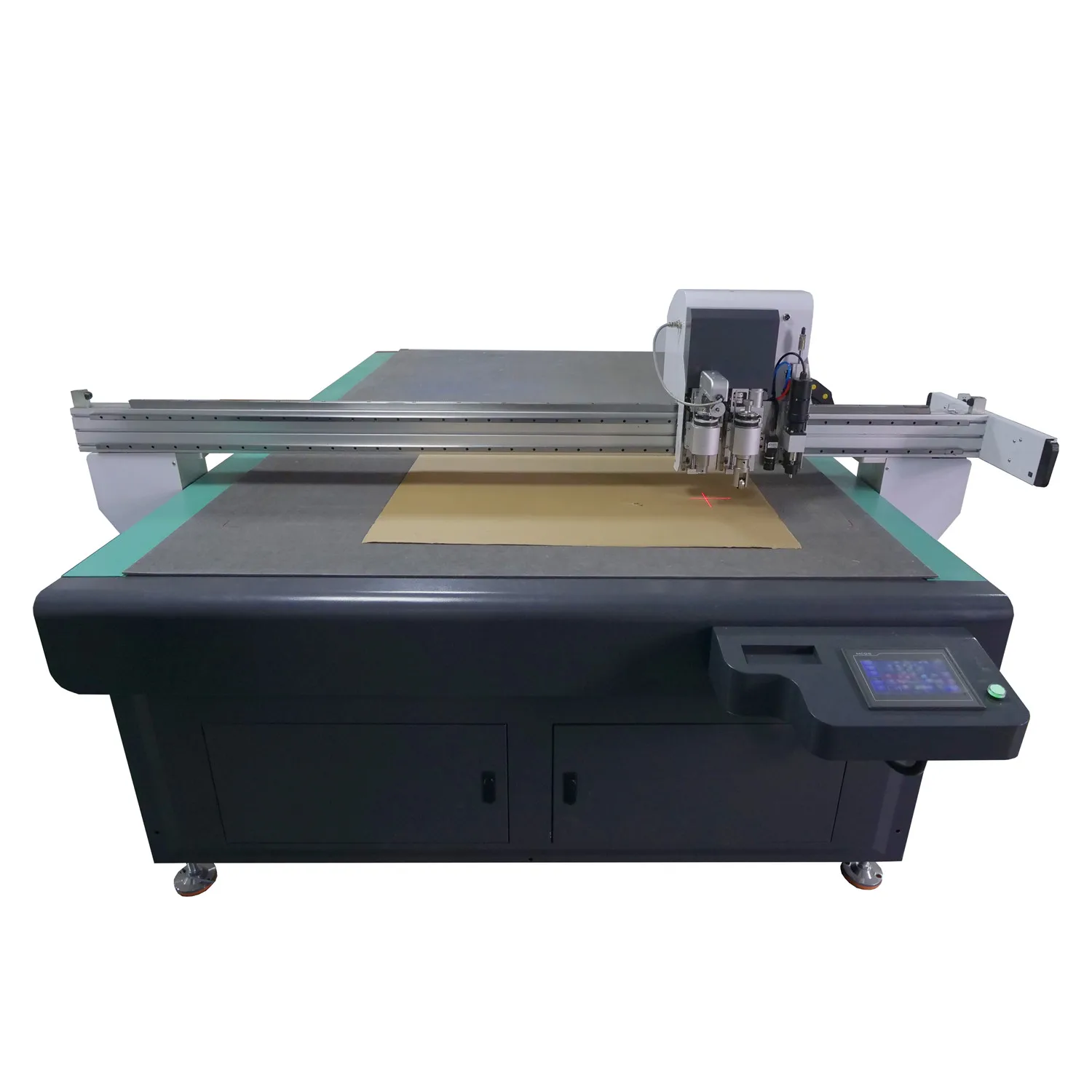
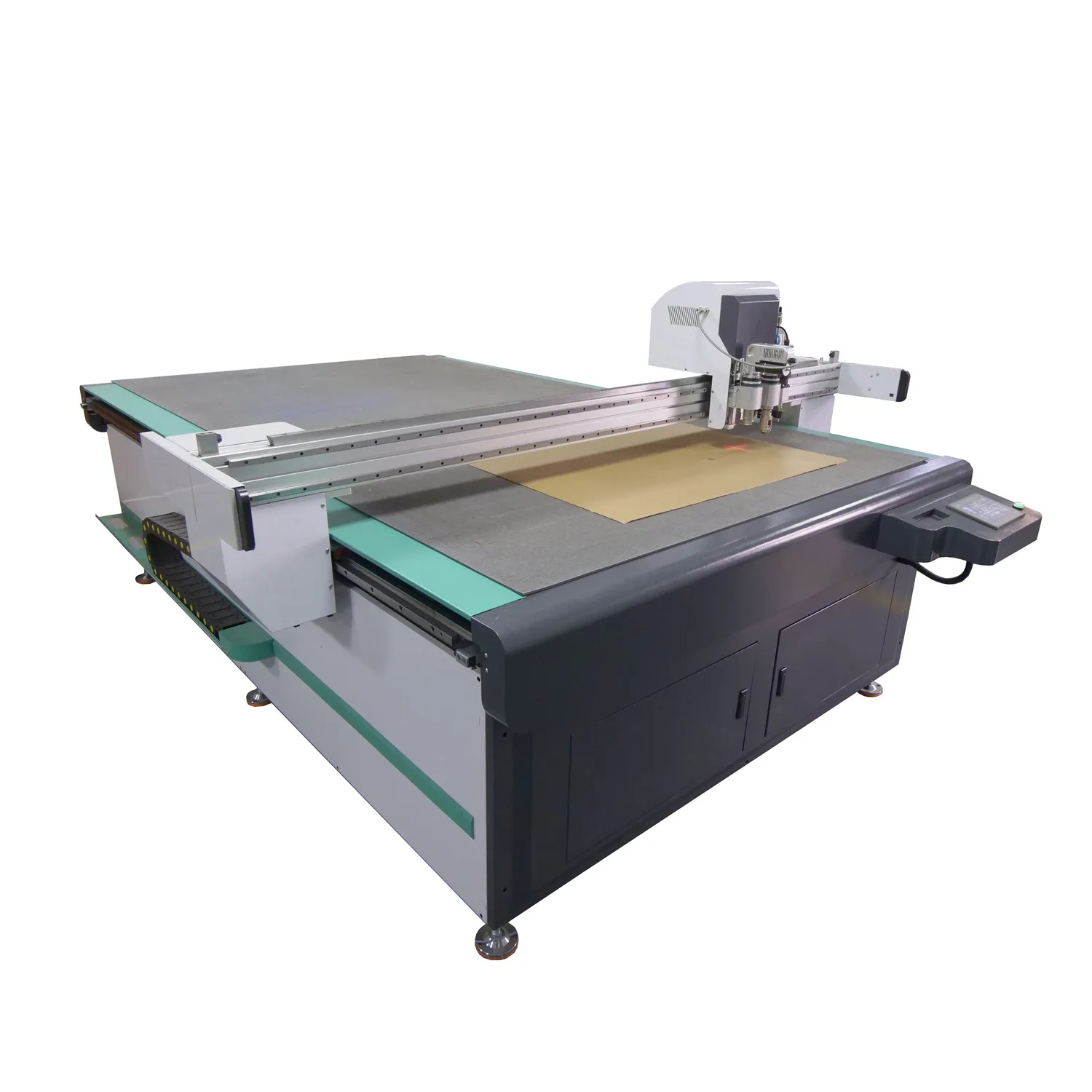
| Model | RT-D2516/RT-S2516 |
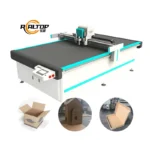
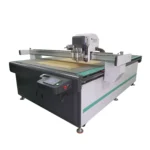
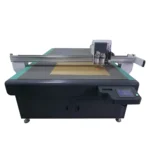
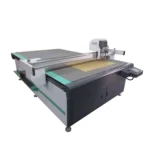
| Product Type | CNC Digital Flatbed Cutting Machine |
| Working Area | 1600×2500 mm |
| Machine Size | 3450×2300×1250 mm |
| Rated Power | 9 kW |
| Translational Velocity | 800–2000 mm/s |
| Cutting Speed | 200–800 mm/s (according to different cutting materials) |
| Cutting Thickness | ≤100 mm (varies with material) |
| Repeatability | ≤0.1 mm |
| Transmission System | Imported digital servo motor, linear guide, synchronous belt, ball screw |
| Servo Motor Options | Delta (China) or Panasonic (Japan) |
| Control Panel | Touch screen, multiple languages supported |
| Instruction System | HP-GL compatible format |
| Software File Formats Supported | PLT, DXF, AI |
| Voltage | 380V±10% |
| Vacuum Pump | 7.5 kW, aviation aluminum shell, built-in silencer sponge |
| Vacuum Table | Magnesium-aluminum alloy, fluorocarbon PVDF powder sprayed, anodic oxidation treated |
| Working Table Options | Flat working table or auto feeding table |
| Tool Head Options | Oscillating knife, pneumatic knife, high-power vibrating knife, circular knife, V-cutting knife, drag knife, creasing wheel, dotted line knife, punching, brush |
| Visual Positioning Options | Small CCD camera mark point positioning, panoramic camera recognition positioning, projection positioning |
| Safety Devices | Infrared sensor stop, anti-collision on both sides of beam, emergency stop button |
| Frame | Thick-walled seamless steel structure, high-temperature tempering treated, CNC machining center finished |
| Conveyor Belt | Germany imported |
| Linear Guide | Taiwan Hiwin rail |
| Warranty | One year free warranty (parts supplied free, buyer pays shipping) |
| Assembly State | Fully assembled, factory tested before shipment |
Application Suitability
| Application | Material or Output |
|---|---|
| Packaging sample making and short-run carton production | Cardboard, honeycomb cardboard, corrugated cardboard, plastic box |
| Leather goods, footwear and luggage manufacturing | Leather, sponge composite leather, shoe material, luggage material |
| Garment and textile cutting | Fabric, clothing cloth, non-woven fabric |
| Gasket and sealing pad production | Rubber, gasket material, PTFE, ETFE |
| Composite and foam fabrication | Foam board, sponge, PU, EVA, XPE, PVC, PP, PE |
| Advertising and signage | Sticker, film |
| Automotive interior components | Soft trim and insulation materials |
| Soft home furnishings, carpets and floor mats | Textile and composite flooring layers |
Why Tool Head Selection Dictates Edge Quality on Corrugated and Coated Board
A CNC oscillating knife cutting machine specifications sheet that lists only working area misses the tooling that actually determines whether your carton folds cleanly or tears at the crease.
I once watched a batch of laminated coated-paper cake boxes get scrapped because the machine was set up with a standard drag knife that could not track the printed registration marks through the gloss film. The CCD camera lost the contrast, the contour drifted, and every cut landed millimeters off the print. Before any configuration is finalized, the actual stock — including lamination, coating weight and flute profile — must be on the table for a trial run. [NEED_CITE: printed contour registration challenges on laminated packaging substrates]
Matching Oscillating Knife, Creasing Wheel and V-Cut to Board Grade
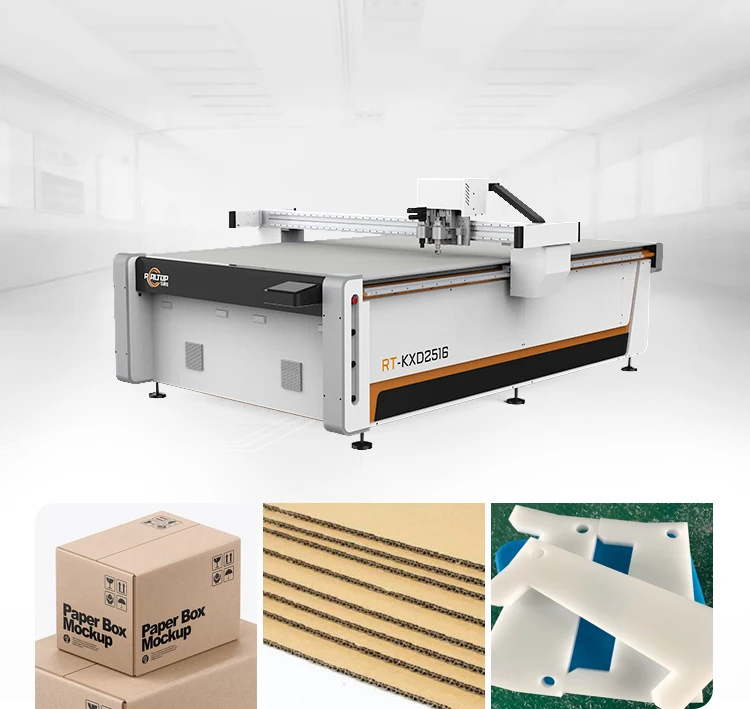
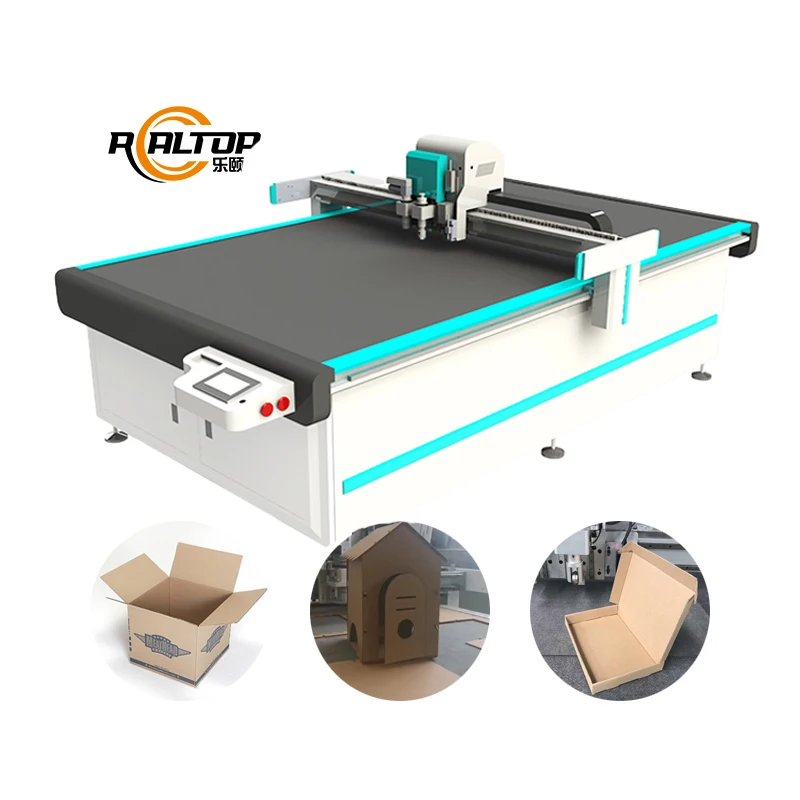
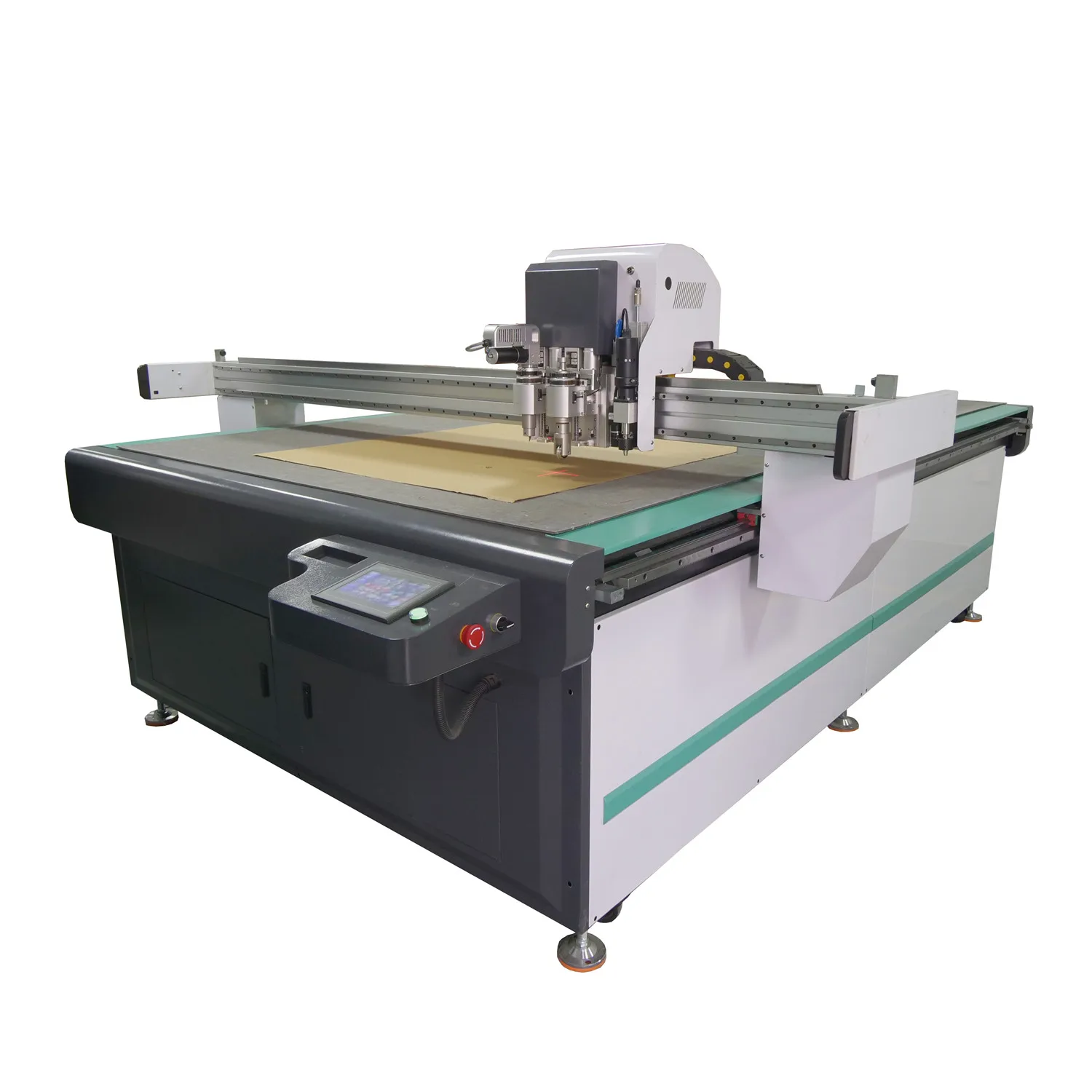
The RT-D2516/RT-S2516 platform supports oscillating knife, drag knife, creasing wheel, V-cutting knife and dotted line knife on a single multifunctional head. For single-wall corrugated sample work, the oscillating knife delivers a clean through-cut while the creasing wheel compresses the flute without cracking the liner. When the job shifts to honeycomb board or double-wall stock, the high-power vibrating knife option takes over, and the vacuum table zoning holds the sheet flat across the full 1600×2500 mm area so the blade does not deflect on entry.
CCD Positioning When the Substrate Fights Back
Small CCD mark-point positioning, panoramic camera recognition and projection positioning are all available, but they behave differently on coated, laminated or metallized surfaces. A panoramic camera reads the entire sheet contour and compensates for stretch in flexible packaging films, while mark-point CCD works best when the printer leaves high-contrast registration targets outside the cut line. Projection positioning overlays the cut path directly onto the sheet so the operator can visually verify alignment before the knife drops — useful on short runs where setting up camera targets adds more time than it saves. [NEED_CITE: CCD versus projection positioning accuracy on printed packaging]
What the Frame and Drive Numbers Mean at the Crease Line
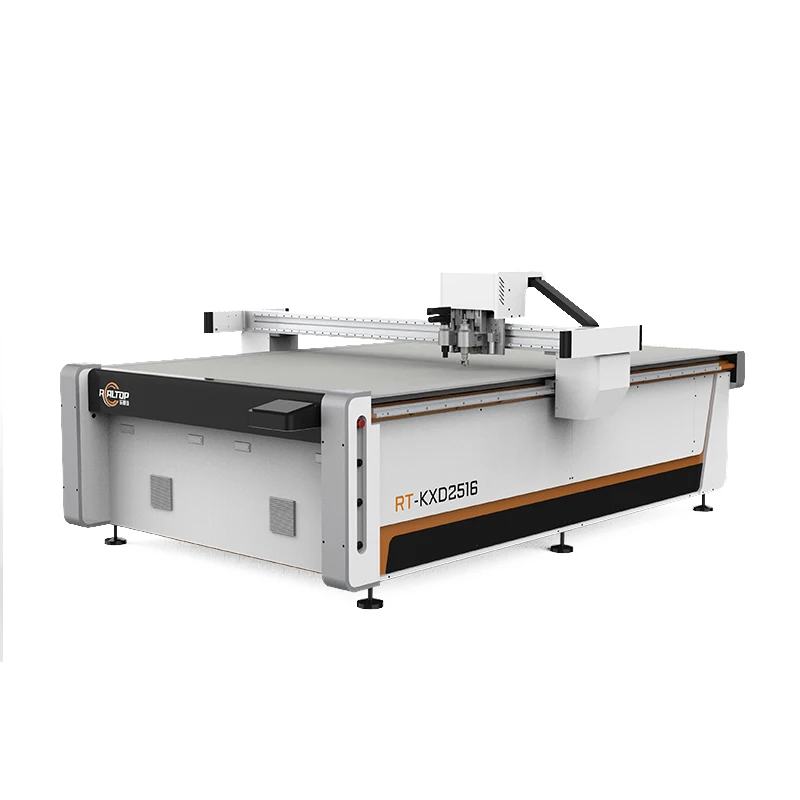
The thick-walled seamless steel frame is high-temperature tempered and finished on a CNC machining center, which keeps the gantry square under the lateral load of cutting dense honeycomb board. Taiwan Hiwin linear guides and imported digital servo motors (Delta or Panasonic selectable) hold repeatability to ≤0.1 mm across the table, so a crease line scored on the left side of a 2500 mm sheet lands in the same position as one scored on the right. The 7.5 kW vacuum pump with aviation aluminum shell and built-in silencer sponge pulls through a magnesium-aluminum alloy table that has been fluorocarbon PVDF sprayed and anodically oxidized — flat enough that thin sticker stock does not tunnel under the knife.
The Cost of Skipping the Material Trial
When a buyer specifies a machine on working area and price alone, the first real test happens on their shop floor with their own stock — and that is the most expensive place to discover a mismatch. A creasing wheel that is too narrow for B-flute corrugated crushes the outer liner instead of folding it. A vacuum zone layout designed for full-sheet nesting leaves small gasket parts lifting off the table mid-cut, ruining the contour. A touch-screen control panel delivered in a language the operators cannot read turns a twenty-minute job setup into an afternoon of guesswork. [NEED_CITE: cost of unplanned downtime from configuration mismatch on digital cutting tables]
Why Buyers Source This Platform Here
In-house design covers both knife and laser cutting, so the configuration is driven by the material rather than by whichever technology happens to be in stock. Tool head and vacuum table zoning are specified against the buyer’s sample, not assumed from a catalog page. Software compatibility with existing DXF, PLT or AI files and HP-GL workflows is confirmed before the order is placed. Voltage, plug type and touch-screen control language are locked in during the specification review, not discovered at uncrating. Every machine ships fully assembled and factory tested, with a cutting report on the buyer’s own material included in the documentation pack.
Documentation & Verification
- Machine specification sheet listing confirmed tool heads, vacuum zone layout and conveyor or flat table option
- Electrical schematic with 380V±10% supply requirement and confirmed plug standard
- Sample cutting report produced on your packaging stock at agreed production speed
- Software licence and file format compatibility note covering PLT, DXF and AI import
- Factory test record documenting repeatability measurement and CCD tracking verification
- Operation and maintenance manual in the confirmed control panel language
Installation, Commissioning & Support
- 3450×2300×1250 mm machine footprint requires level concrete floor with clearance for sheet loading on all sides
- 380V±10% dedicated circuit with 9 kW rated capacity plus separate 7.5 kW vacuum pump supply
- Fully assembled dispatch means no structural assembly on site; place, level, connect power and vacuum
- First-run parameter setting covers knife oscillation frequency, vacuum zone mapping and CCD calibration to your print marks
- Operator training on touch-screen control in confirmed language, covering tool head changeover and file import workflow
- One-year parts warranty with consumable knife blades and creasing wheels listed in the spare parts pack
What We Need to Configure Your Machine Correctly
Send the actual material type, thickness, sheet size and whether the surface is printed, laminated or coated. Confirm your local voltage and frequency, the plug standard, and the language your operators need on the touch screen. Let us know which file formats your design team currently outputs and whether nesting is done on the machine or upstream, so we can verify software compatibility before the quotation is issued.
Frequently Asked Questions
Q: How is the correct tool head selected for my packaging material?
A: The selection depends on material type, thickness and the edge finish required. Oscillating knife handles corrugated and honeycomb through-cuts, creasing wheel compresses fold lines without cracking liners, and V-cutting knife slots thick board for folding. We run a sample cut on your actual stock to confirm the tool head before the order is finalized.
Q: What vacuum table zoning is needed for small carton parts?
A: Small parts lose hold-down force quickly if the vacuum zone is larger than the sheet footprint. The magnesium-aluminum table on the RT-D2516/RT-S2516 can be zoned so suction concentrates under the active cutting area. We map the zone layout to your typical nest pattern during the specification stage.
Q: Can the CCD camera track printed marks on laminated board?
A: Gloss lamination reduces contrast and can confuse standard mark-point CCD. Panoramic camera recognition reads the full sheet contour and compensates for print stretch, while projection positioning lets the operator verify alignment visually. The right option depends on your substrate surface and production speed.
Q: How are voltage and control language confirmed before shipment?
A: During the specification review we lock in 380V±10% compatibility, plug type and the touch-screen language your operators require. These details are written into the order specification and verified during the factory test, so there are no surprises when the machine is uncrated.
Q: What file formats does the software support for nesting and cutting?
A: The system imports PLT, DXF and AI files and uses an HP-GL compatible instruction system. We verify that your existing design files open correctly and that nesting workflows integrate with your current setup before the order is placed.


商品评价
Clear filtersThere are no reviews yet.