


Fast Shipping
Carrier information

20k products
Payment methods

24/7 Support
Unlimited help desk

2-day Delivery
Track or off orders
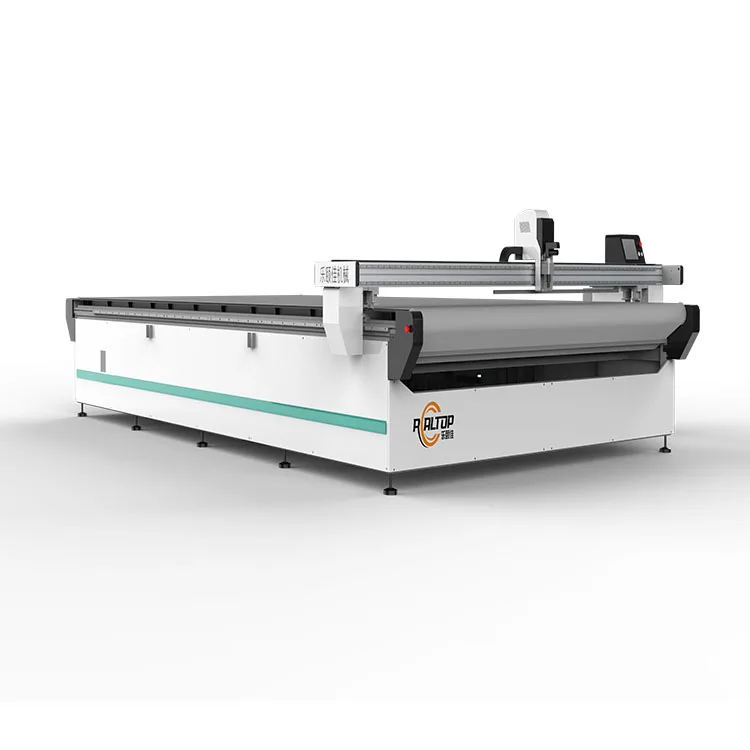
Knife Tooling Matched to Material — We specify oscillating knife, drag knife, circular knife and punching tools per fabric weight and thickness rather than selling a single head for every textile.
Technical Specifications
| Parameter | Value |
|---|---|
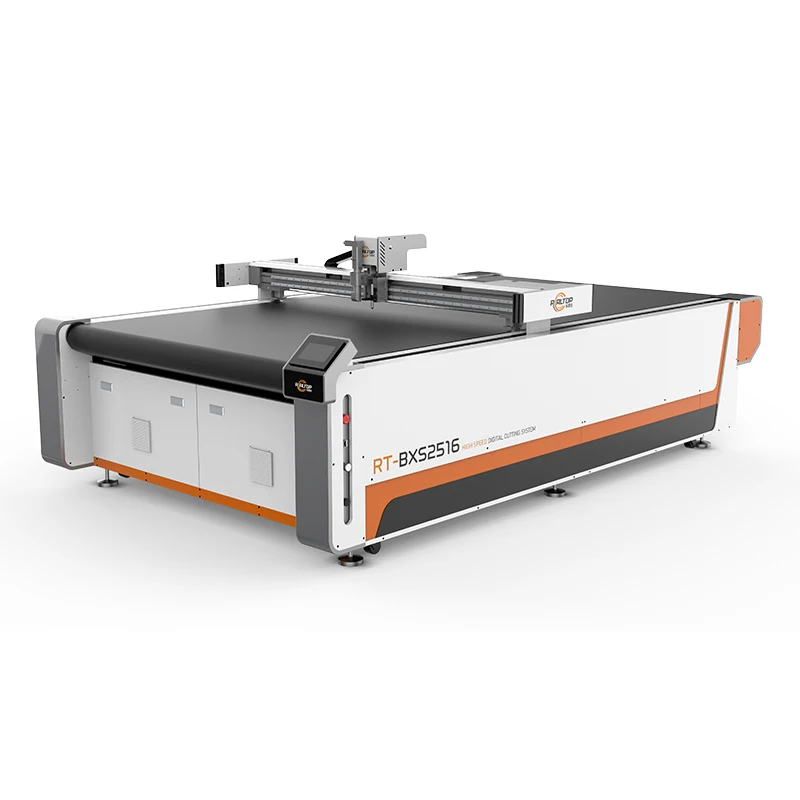
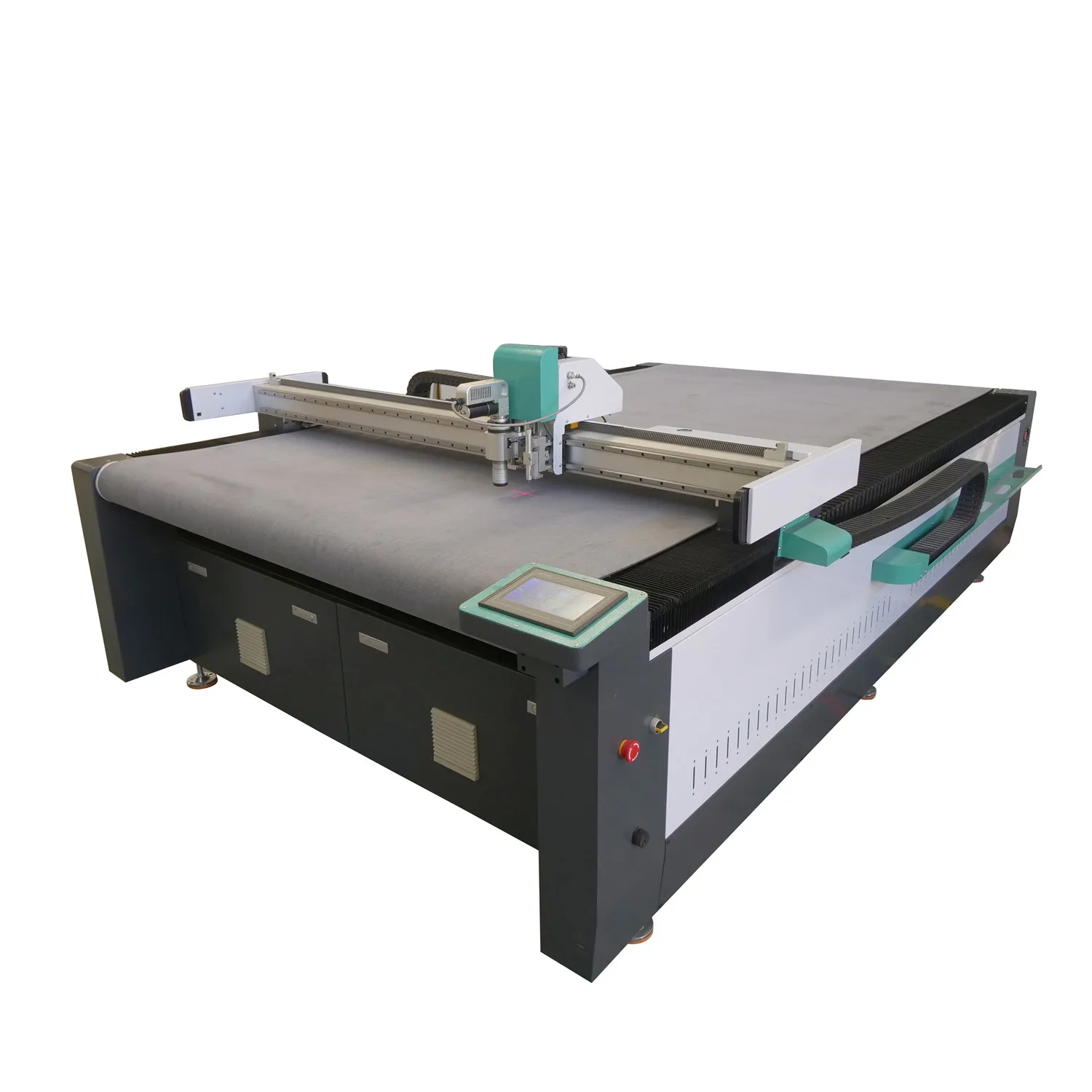
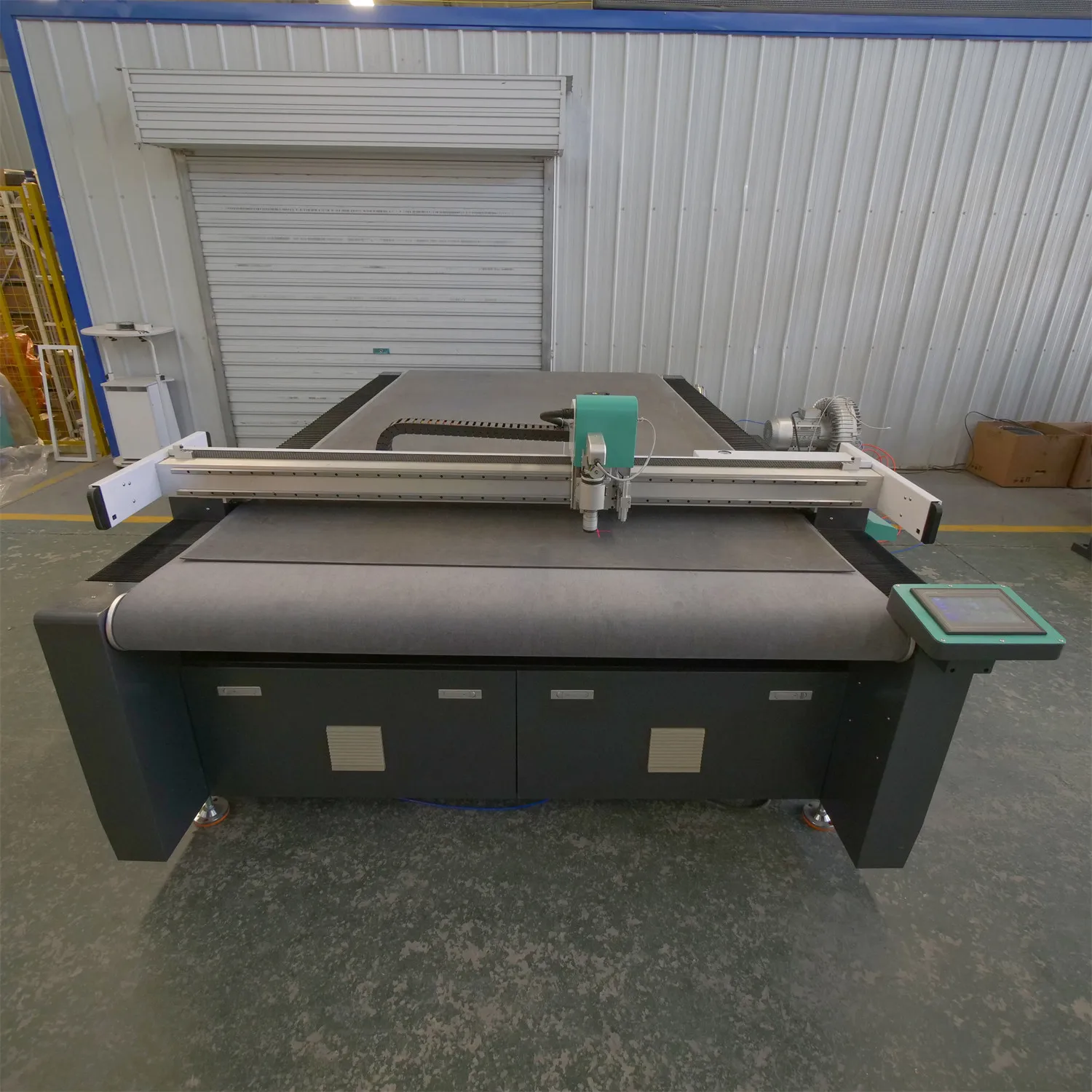
| Model | RT-D2516 / RT-S2516 |
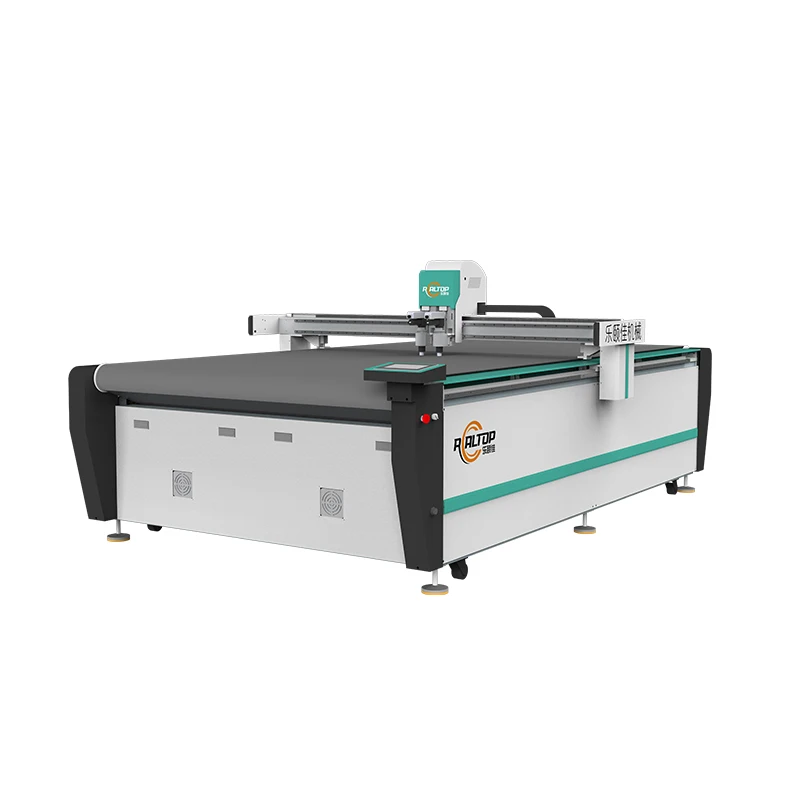
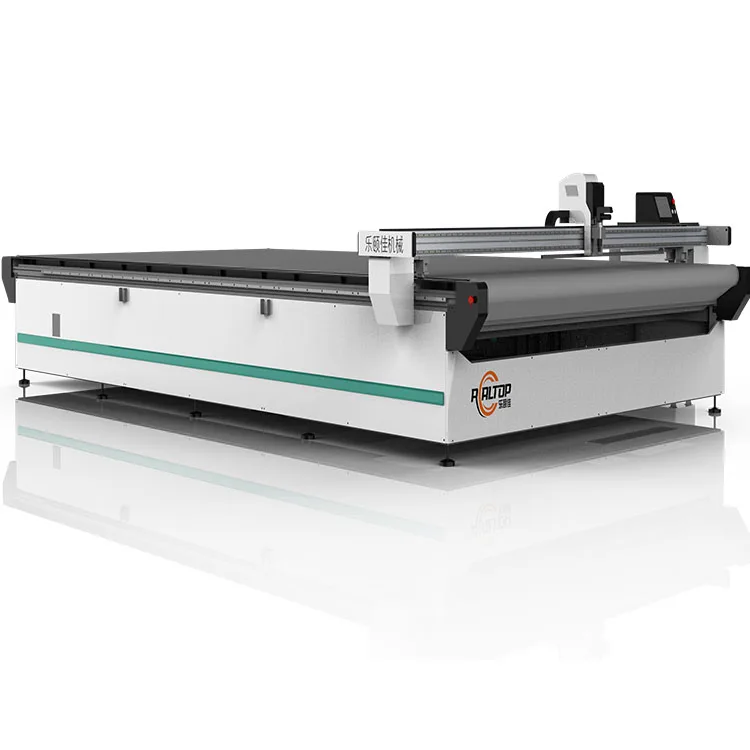
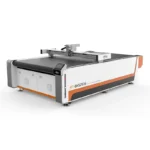
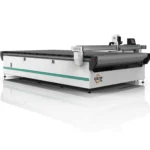
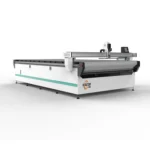
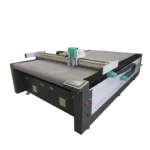
| Product Type | CNC Oscillating Knife Cutting Machine |
| Working Area | 1600 × 2500 mm |
| Machine Size (L × W × H) | 3450 × 2300 × 1250 mm |
| Rated Power | 9 kW |
| Voltage | 380V ±10% |
| Vacuum Pump | 7.5 kW |
| Table Type Options | Flat working table / Auto feeding table (conveyor) |
| Multifunctional Tool Head | Swiss imported knife with vibration full cutting, vibration half cutting, cursor location; pneumatic knife, high-power vibrating knife, circular knife, V-cutting knife, drag knife, creasing wheel, dotted line knife, punching, brush |
| Visual Positioning | Small CCD camera mark point positioning / panoramic camera recognition positioning / projection positioning |
| Translational Velocity | 800–2000 mm/s |
| Cutting Speed | 200–800 mm/s (basis to be confirmed by material type and thickness) |
| Cutting Thickness | ≤100 mm (varies by material density and layer count; basis to be confirmed) |
| Repeated Accuracy | ≤0.1 mm |
| Transmission System | Digital servo motor (Delta or Panasonic optional), linear guide, synchronous belt, ball screw |
| Vacuum Table Construction | Magnesium-aluminum alloy with fluorocarbon PVDF powder spraying, anodic oxidation, hard oxidation; integrated aviation aluminum vacuum pump shell with built-in silencer sponge |
| Safety Device | Infrared induction blocking, anti-collision beam sensors, emergency stop with in-situ resume |
| Control Panel | Touch screen, multiple languages supported |
| Software | Auto typesetting / nesting; supports PLT, DXF, AI file formats |
| Instruction System | HP-GL compatible format |
| Language Options | English, Russian, Italian, Chinese (other languages customizable) |
| Standards | CE |
Application Suitability
| Application | Material or Output |
|---|---|
| Garment and Apparel Production | Clothing cloth, woven fabric, knitted textile, non-woven fabric, multi-layer stacking |
| Footwear and Luggage Manufacturing | Shoe material, synthetic leather, luggage fabric, PU, EVA |
| Automotive Interior Trimming | Leather, sponge composite leather, PU foam, automotive carpet |
| Soft Home Furnishings | Carpet, curtain fabric, upholstery textile, sponge, composite materials |
| Packaging and Advertising | Corrugated cardboard, sticker, film, plastic box, PP, PE |
| Sealing and Industrial Gaskets | Rubber, PTFE, ETFE, fiberglass, gasket material |
Why the Tool Head Specification Must Precede the Purchase Order
A cloth CNC cutting machine specified on working area alone will underperform if the tool head does not match the fabric weight and construction.
We once sourced an automatic CNC rotary knife cutter that ran perfectly on standard cotton. But when we loaded coated softshell fabrics, the edges frayed badly and the CCD camera couldn’t track the printed marks. Thousands of cut pieces were scrapped, and the line stopped for days to re-tune parameters. The supplier had shipped a generic oscillating head without asking what we actually cut. That failure pattern repeats across garment factories that treat CNC oscillating knife cutting machine specifications as a commodity checklist instead of a material-driven configuration exercise [NEED_CITE: textile cutting defect causes in multi-layer fabric production].
Oscillating, Drag and Circular Knife Selection by Fabric Type
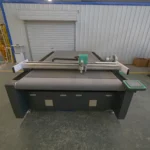
The multifunctional head on the RT-D2516 / RT-S2516 accommodates several knife types within a single work cycle. An oscillating knife handles medium to heavy woven textiles and multi-layer stacks where a clean vertical cut prevents fraying. A drag knife suits thin films, stickers and single-ply patterns that require sharp corner accuracy. A circular knife works best on continuous straight cuts through soft non-woven fabric or sponge. Selecting the correct tool eliminates the need for secondary trimming operations downstream.
CCD Visual Positioning for Printed Contour Work
Garment producers running sublimated or screen-printed textiles need the camera to locate fiducial marks at production speed. The small CCD camera handles mark-point positioning for individual pattern pieces, while the panoramic camera recognition option covers full-nest contour matching across the 1600 × 2500 mm bed. Projection positioning offers an alternative when fabric surface texture interferes with camera contrast. Matching the positioning method to the print registration system prevents mis-cut panels that waste printed yardage [NEED_CITE: CCD contour recognition requirements for printed textile cutting].
What the Vacuum Table Construction Means for Small Pattern Pieces
The magnesium-aluminum alloy platform with fluorocarbon PVDF coating provides the flatness required for uniform suction across the entire cutting area. Small garment pattern pieces — collar bands, cuff facings, pocket flaps — tend to lift at the edges when vacuum zoning is too broad. The integrated aviation aluminum pump shell with built-in silencer sponge reduces operational noise, which matters in workshops where cutters run alongside sewing lines. Confirming vacuum zone layout against your typical piece size prevents mid-cut material shift that ruins a full lay.
Reading the Speed and Thickness Numbers Correctly
The stated cutting speed of 200–800 mm/s and cutting thickness of up to 100 mm are starting points, not guarantees. Actual throughput depends on fabric density, layer count and the number of direction changes in the pattern geometry. A single-ply polyester lining cuts at the upper end of the speed range, while a fifty-layer stack of denim requires slower passes to maintain the ≤0.1 mm repeated accuracy. The 9 kW rated power and 7.5 kW vacuum pump together define the machine’s sustained workload capacity rather than peak momentary output.
The Hidden Cost of a Generic Configuration
When a supplier ships the same oscillating head and standard vacuum layout to every buyer regardless of material, the consequences surface within the first production week. Crushed foam edges on automotive headliner panels. Ragged cuts on coated technical textiles that require manual rework. Small leather pieces drifting under the knife because the vacuum zones were designed for large-format nesting. Each of these failures traces back to a configuration decision that was never made before the machine left the factory [NEED_CITE: CNC knife cutter configuration mismatch consequences in production].
Why Procurement Through This Channel Differs
In-house design covers both knife tooling and table configuration, so the cutting method is matched to the material rather than forced into one platform. Tool head and vacuum zone specifications are documented per buyer material and production volume before an order is placed. CCD camera positioning options are confirmed against the buyer’s actual print mark size and contrast level. Software file format compatibility with PLT, DXF and AI workflows is validated before shipment. Sample cutting on the buyer’s own fabric establishes the baseline for edge quality, layer count and cycle time before any commitment is made.
Documentation & Verification
- Machine specification sheet listing confirmed tool head and vacuum table configuration
- Electrical schematic with 380V ±10% voltage and circuit protection detail
- Sample cutting report on buyer’s fabric showing edge quality and cycle time
- Tool head and table configuration list matched to buyer material thickness
- Software licence and PLT / DXF / AI file format compatibility note
- Factory test record documenting repeated accuracy verification before dispatch
Installation, Commissioning & Support
- Floor space planning for 3450 × 2300 mm footprint plus material staging clearance
- Dedicated 380V ±10% circuit with isolation for 9 kW rated power draw
- 7.5 kW vacuum pump connection and ducting for extraction in enclosed workshops
- Touch screen control panel language set to operator preference during commissioning
- First-run parameter tuning on buyer’s fabric with documented speed and depth settings
- Spare knife blades and consumable tool head components listed at delivery
Requesting a Configuration Proposal
To receive a tool head and table recommendation, share the fabric type, weight per square meter, maximum layer count and typical pattern piece dimensions. Specify the local voltage and frequency at your facility, the control language your operators require, and whether your existing nesting software exports PLT, DXF or AI files. If printed contour cutting is part of your workflow, include a sample of the printed fabric with fiducial marks so CCD positioning can be validated before the order is finalized.
Frequently Asked Questions
Q: How do I choose between oscillating knife, drag knife and circular knife for my fabric?
A: Oscillating knives cut medium to heavy woven textiles and multi-layer stacks with clean vertical edges. Drag knives handle thin single-ply materials requiring sharp corner detail. Circular knives suit continuous straight cuts on soft non-woven or sponge. The correct choice depends on your fabric weight, layer count and pattern geometry. Request a sample cut on your material to confirm edge quality before ordering.
Q: What mark size and contrast does the CCD camera need for printed textile contour cutting?
A: The small CCD camera requires fiducial marks with sufficient contrast against the fabric background. The panoramic camera option covers larger nests across the full working area. Mark size and placement depend on the print registration system used. Providing a printed fabric sample allows the camera sensitivity and recognition parameters to be set and verified before machine delivery.
Q: How do I ensure small garment pieces stay flat during high-speed cutting?
A: Vacuum table zoning must match the smallest pattern piece in your typical nest. If zones are too broad, edge suction drops and lightweight pieces lift during knife passes. The magnesium-aluminum alloy platform provides uniform flatness, but zone configuration must be specified at the order stage. Share your smallest piece dimensions so the table layout can be configured accordingly before production.
Q: Is the nesting software compatible with my existing PLT, DXF or AI workflow?
A: The software supports PLT, DXF and AI file formats with auto typesetting and nesting functions. HP-GL compatible instruction format ensures interoperability with common pattern design systems. File format compatibility and nesting workflow should be validated against your current production setup before shipment to avoid post-delivery reconfiguration delays.
Q: What voltage and language specifications need to be confirmed before shipment?
A: The machine operates on 380V ±10% with configurable language options including English, Russian, Italian and Chinese. Local voltage, frequency, plug type and control panel language must be specified at the order stage. Confirming these details before production prevents costly electrical modifications and operator training delays after the machine arrives at your facility.


商品评价
Clear filtersThere are no reviews yet.