

Fast Shipping
Carrier information

20k products
Payment methods

24/7 Support
Unlimited help desk

2-day Delivery
Track or off orders
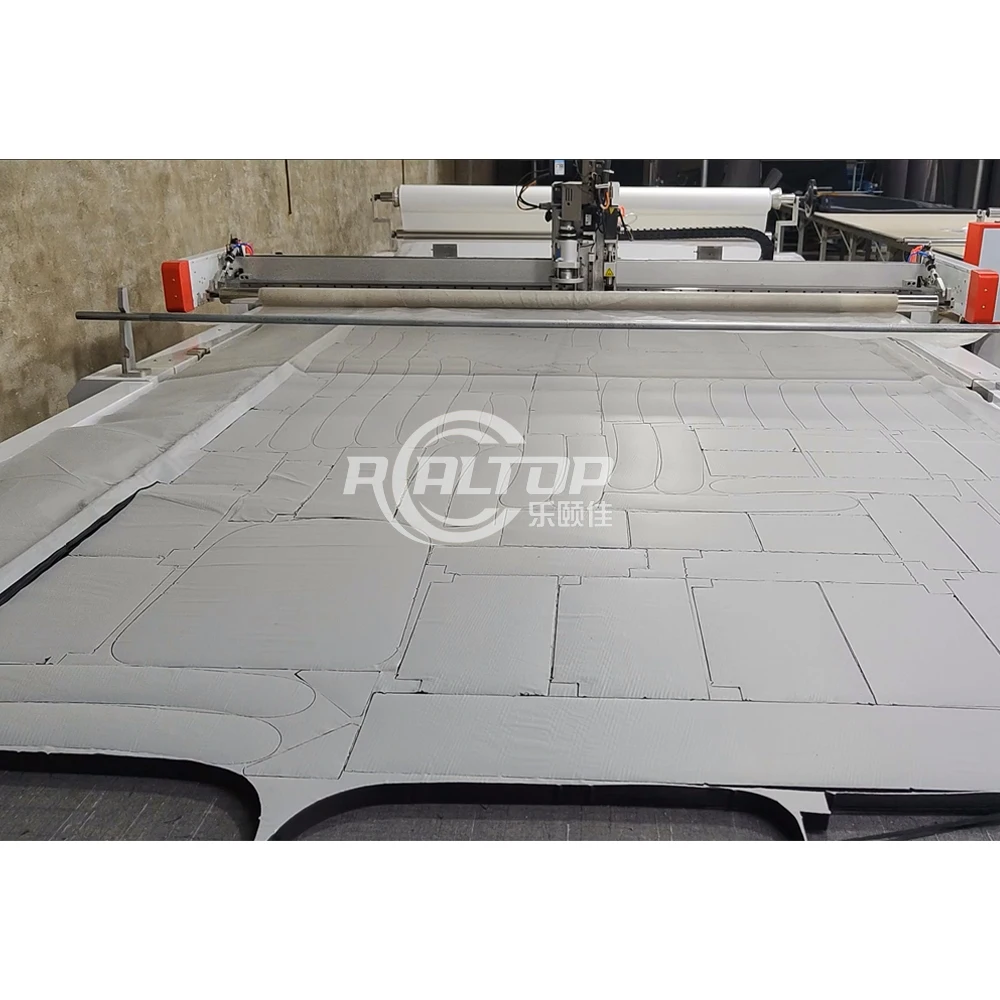
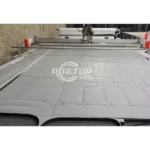
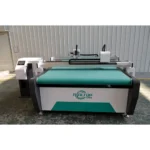
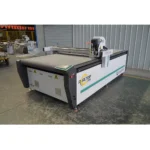
Zoned vacuum hold-down — the RT-D2516/RT-S2516 aviation-aluminum table lets you match suction zones to your smallest pattern piece so nothing lifts at full traverse speed.
Technical Specifications
| Parameter | Value |
|---|---|
| Model | RT-D2516/RT-S2516 |
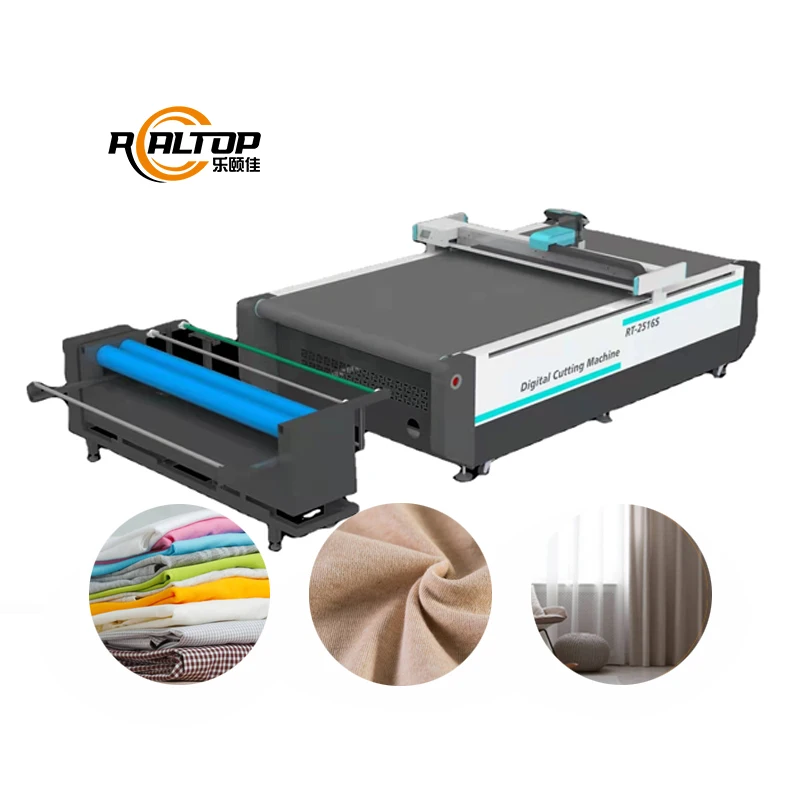
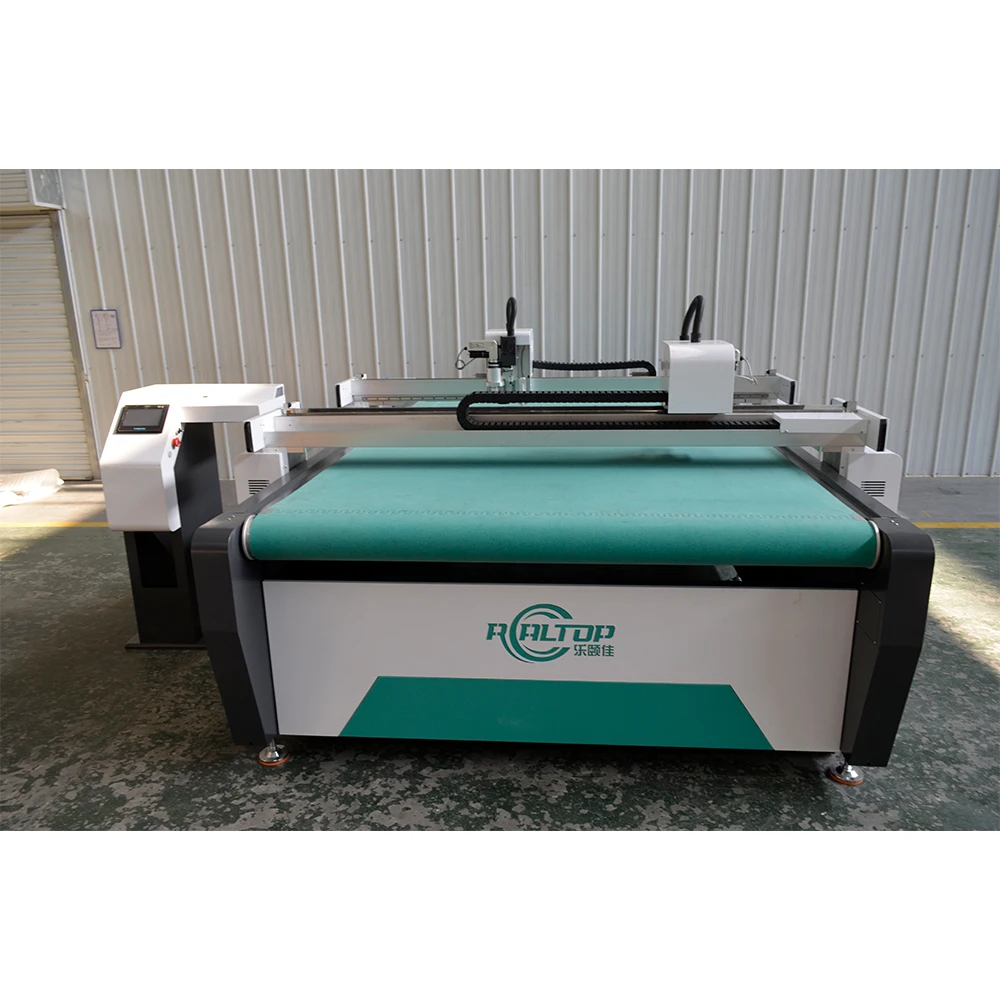
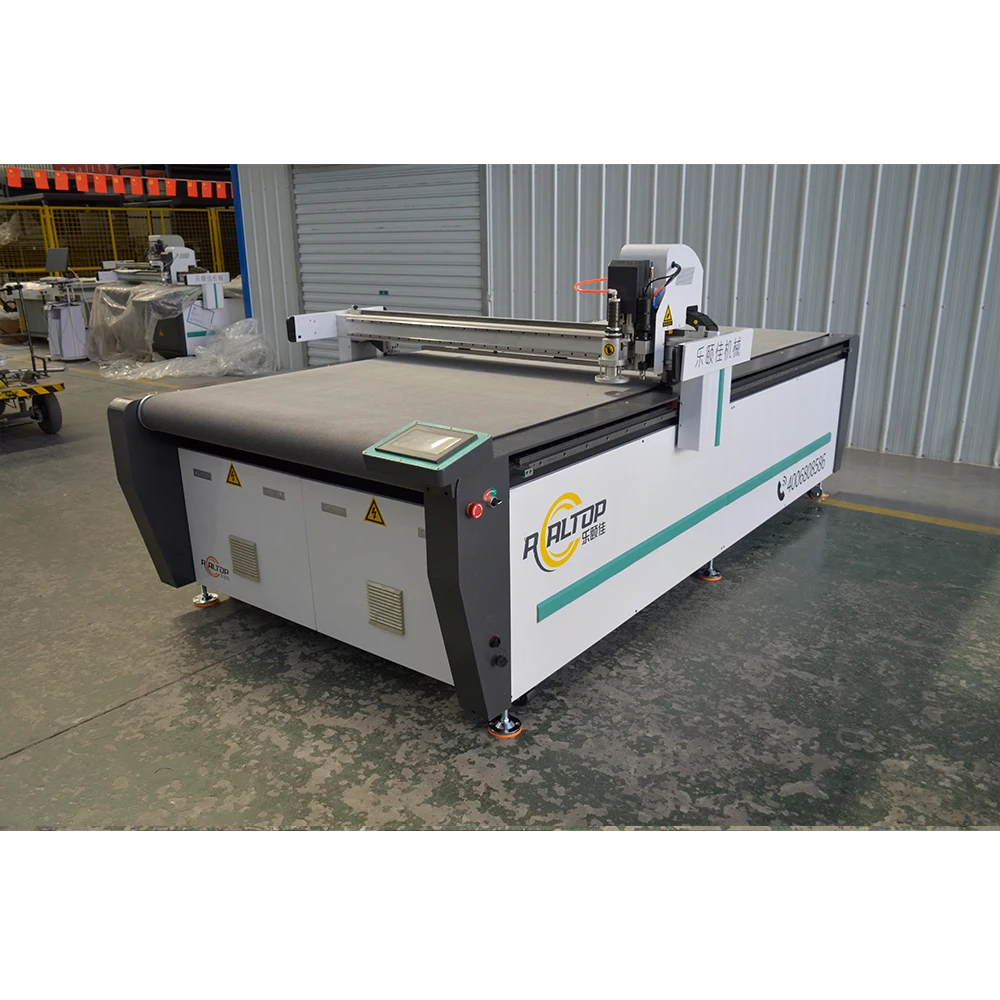
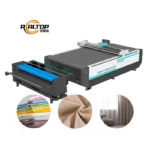
| Product Type | CNC Auto Feed Vibrating Knife Cutting Machine |
| Working Area | 1600 × 2500 mm |
| Overall Dimensions (L × W × H) | 3450 × 2300 × 1250 mm |
| Rated Power | 9 kW |
| Voltage | 380V ±10% (50/60 Hz to be confirmed per destination market) |
| Vacuum Pump | 7.5 kW |
| Cutting Thickness | Up to 50 mm (varies by material — confirm fabric, foam or composite type) |
| Repeatability | ≤ 0.1 mm |
| Translational Speed | 800 – 1200 mm/s |
| Transmission System | Digital servo motor (Panasonic or Delta, confirm standard), linear guide, pinion and rack |
| Working Table | Flat vacuum table with aviation aluminum countertop, zoned suction |
| Tool Head | Swiss imported oscillating knife, modular holder compatible with round knife, marking pen, auto feeder |
| Auto Feed | Yes, conveyor belt system with high-density felt |
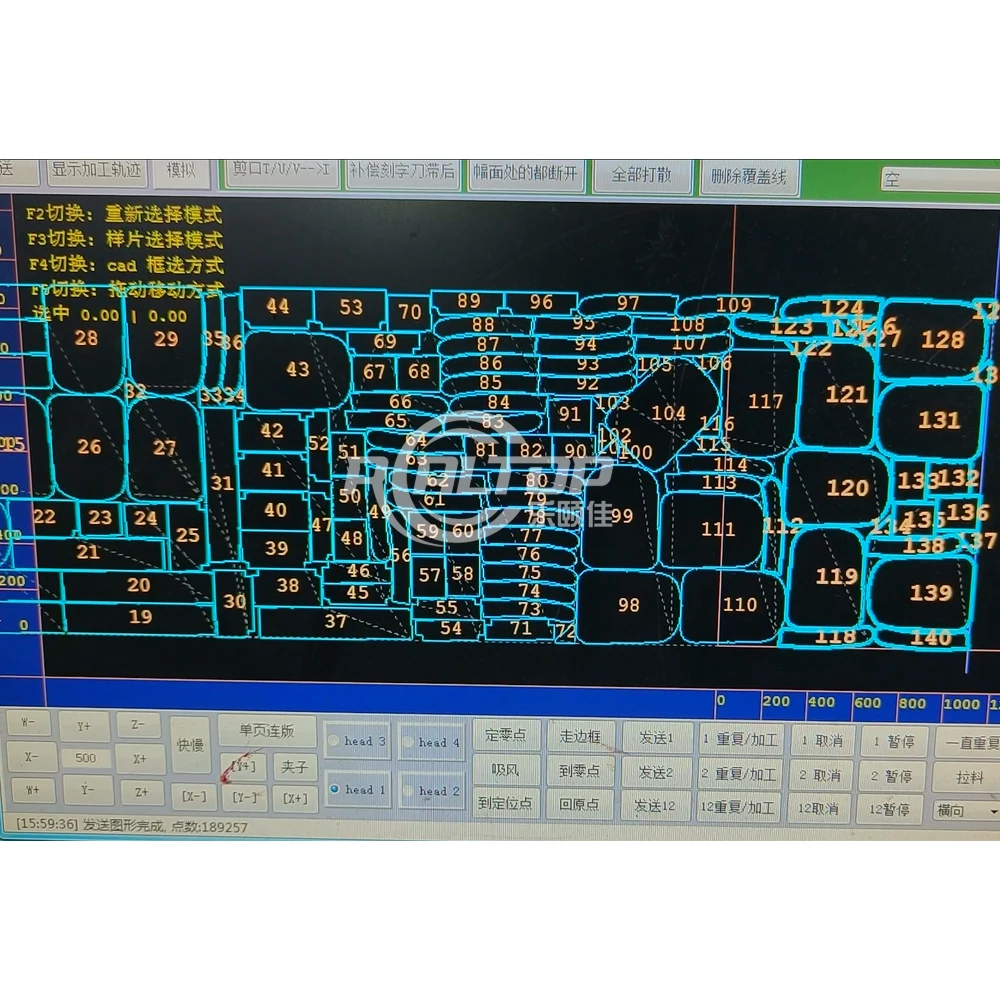
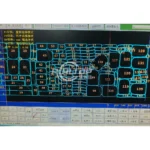
| Control System | CNC, HP-GL compatible format |
| Safety Device | Infrared sensors |
| Language Options | English, Russian, Italian, Chinese (custom languages available) |
| Certification | CE |
| Assembly State | Fully assembled (confirm single-unit shipment or split) |
Application Suitability
| Application | Material or Output |
|---|---|
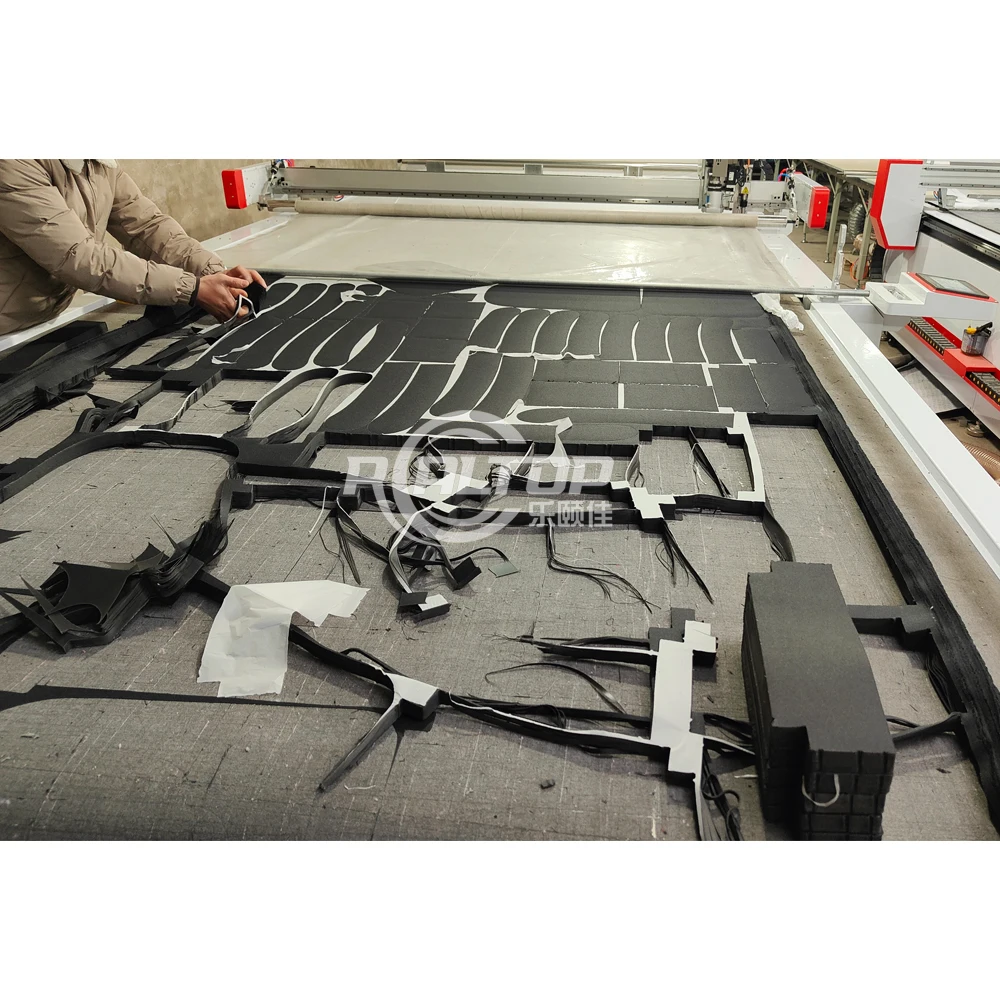
| Garment and fashion fabric cutting | Multi-ply woven, knit and non-woven textiles for apparel and footwear |
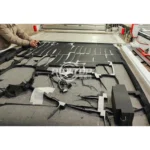
| Automotive interior components | Leather, sponge composite leather, PVC and soft glass for seats and door panels |
| Home furnishing and upholstery | Thick foam, flexible composite panels and curtain fabrics up to 50 mm |
| Industrial gasket and seal production | Rubber, silicone and soft composite sheets to contour |
What the "50 mm Cutting Thickness" Claim Actually Requires
Cutting depth is a material-dependent value, not a machine constant. A CNC oscillating knife cutting machine rated for 50 mm on low-density foam may only achieve a fraction of that on densely laminated composite panels. When buyers take the headline number at face value, they end up with ragged edges on thick stock or mid-cut stalls on abrasive layers [NEED_CITE: material hardness and knife wear correlation in industrial cutting].
I have seen automotive seat-cover shops order a machine on working area alone, only to discover their three-layer sponge composite required a completely different oscillation frequency and stroke. The fix was not a new machine but a proper material-to-tool-head match — something that should happen before the order is placed, not after arrival. This RT-D2516/RT-S2516 platform supports modular tool swaps precisely because one blade profile does not cover every fabric stack you will encounter.
Modular Tool Holder Architecture for Mixed-Material Shops
The RT-D2516/RT-S2516 uses a single modular holder that accepts the Swiss imported oscillating knife, a round knife, a marking pen and the auto feeder interface without swapping the entire head assembly. This matters when a shop cuts garment fabric in the morning and leather composites in the afternoon — each material needs a different edge geometry and oscillation profile. The changeover is mechanical rather than requiring a second machine.
Zoned Vacuum and the Small-Part Problem
A flat vacuum table sounds straightforward until you cut narrow gasket strips or small garment pattern pieces. Without zoned suction, the vacuum dissipates across the full bed and lightweight parts lift during high-speed passes. The aviation aluminum countertop on this CNC knife cutting platform is divided so that only the active cutting region pulls vacuum, keeping small pieces flat against the felt belt. Confirming zone count and layout against your smallest part dimension is a step worth taking before the build sheet is finalized [NEED_CITE: vacuum zoning configurations for CNC flatbed cutting tables].
Reading the Specs That Matter on the Floor
The 800–1200 mm/s translational speed defines how fast the head moves between cuts; actual throughput depends on material density, nesting complexity and the number of tool changes per sheet. Pinion-and-rack transmission replaces belt drive on the RT-D2516/RT-S2516, which matters for positional accuracy over months of continuous use — belts stretch, racks do not. The 7.5 kW vacuum pump is sized for the 1600 × 2500 mm bed area; undersized pumps cause lift on porous textiles. Repeatability of ≤ 0.1 mm keeps nested pattern pieces within tolerance so downstream sewing or assembly lines are not chasing mis-cut edges.
The Hidden Cost of Specifying on Working Area Alone
Choosing a CNC oscillating knife cutting machine based only on bed size is the most common mismatch I see from the assembly floor through to technical sales. A wide-format table with a single-zone vacuum and one fixed tool head will struggle with thick composites, lose small pieces, and produce edge crush on foam. Each of those problems reads as a machine fault when the real issue is configuration. Shops that skip the material trial step end up re-engineering their workflow around the wrong setup [NEED_CITE: common CNC cutting machine specification errors in fabric and composite industries].
Why Sourcing Through This Channel
In-house design covering both knife and laser cutting means the recommendation starts with your material, not with whatever model needs to move. Every RT-D2516/RT-S2516 build sheet specifies tool head and table configuration against your actual fabric or composite sample. Software compatibility — file format, nesting workflow, language — is confirmed before the order is locked. Sample cutting on your own roll stock happens before commitment, not after delivery. Voltage, plug type and control language are documented in writing so the machine matches the destination workshop from day one.
Documentation & Verification
- Machine specification sheet listing confirmed tool head and vacuum zone layout
- Electrical schematic with voltage and frequency matched to destination market
- Sample cutting report on buyer-supplied fabric or composite at target thickness
- Tool head and table configuration list tied to order serial number
- Factory test record with repeatability measurement before dispatch
- Software license and file format compatibility note (DXF, PLT, HP-GL)
Installation, Commissioning & Support
- 380V ±10% three-phase supply with dedicated circuit for the 9 kW rated load
- Floor space allowance of 3450 × 2300 mm plus clearance for roll feed and operator access
- Confirm single-unit or split shipment before dispatch to plan overhead crane needs
- First-run parameter setting on your fabric type including vacuum zone calibration
- Operator training on modular tool head changeover and oscillation profile selection
- Spare parts list covering oscillating blades, felt belt sections and vacuum seals
Before You Send the Inquiry
Provide the specific fabric or composite type, thickness range and whether you run single-ply or multi-ply layup. Confirm your daily cut volume and the smallest pattern piece dimension so vacuum zoning can be sized correctly. State the local voltage and frequency at the installation site, along with the control language your operators need, so the RT-D2516/RT-S2516 ships configured for your floor.
Frequently Asked Questions
Q: How do I verify cutting thickness capability for my specific material?
A: Request a sample cutting report run on your own fabric or composite at the exact thickness you plan to produce. The RT-D2516/RT-S2516 handles up to 50 mm depending on material density, so a test cut confirms whether the oscillation stroke and knife profile match your stock without ragged edges or incomplete penetration.
Q: Which tool head is correct — oscillating knife or round knife?
A: Oscillating knives suit thick, layered and abrasive composites where a clean vertical edge is required. Round knives handle continuous roll textile cutting at higher travel speeds. The modular holder on this CNC oscillating knife cutting machine accepts both, so the choice is material-driven rather than permanent.
Q: Does the vacuum table have enough zones for my small parts?
A: Zone count and layout are configured per order based on your smallest pattern piece. The aviation aluminum countertop is divided so suction concentrates under the active cutting area, preventing lightweight fabric or gasket strips from lifting during high-speed passes.
Q: What file formats does the software accept?
A: The control system is HP-GL compatible and accepts DXF and PLT files. Confirm your existing nesting software output format before the order so the RT-D2516/RT-S2516 integrates with your workflow without a secondary conversion step [NEED_CITE: CNC cutting software file format compatibility standards].
Q: Is CCD camera contour recognition available for printed fabric?
A: CCD contour recognition is offered as a configuration option on the RT-S2516 variant. It must be specified before build so the camera, lighting and software module are integrated and tested against your printed mark pattern at production speed.


商品评价
Clear filtersThere are no reviews yet.