





Fast Shipping
Carrier information

20k products
Payment methods

24/7 Support
Unlimited help desk

2-day Delivery
Track or off orders
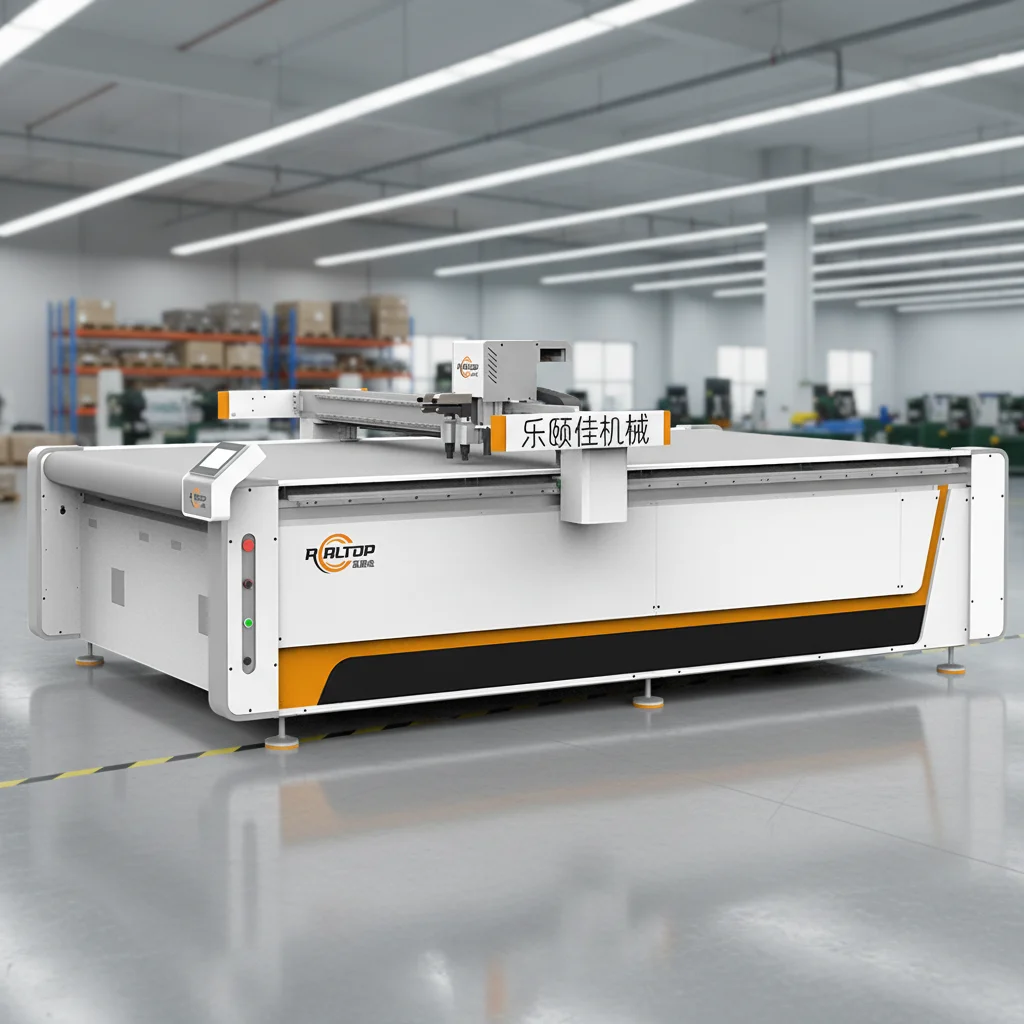
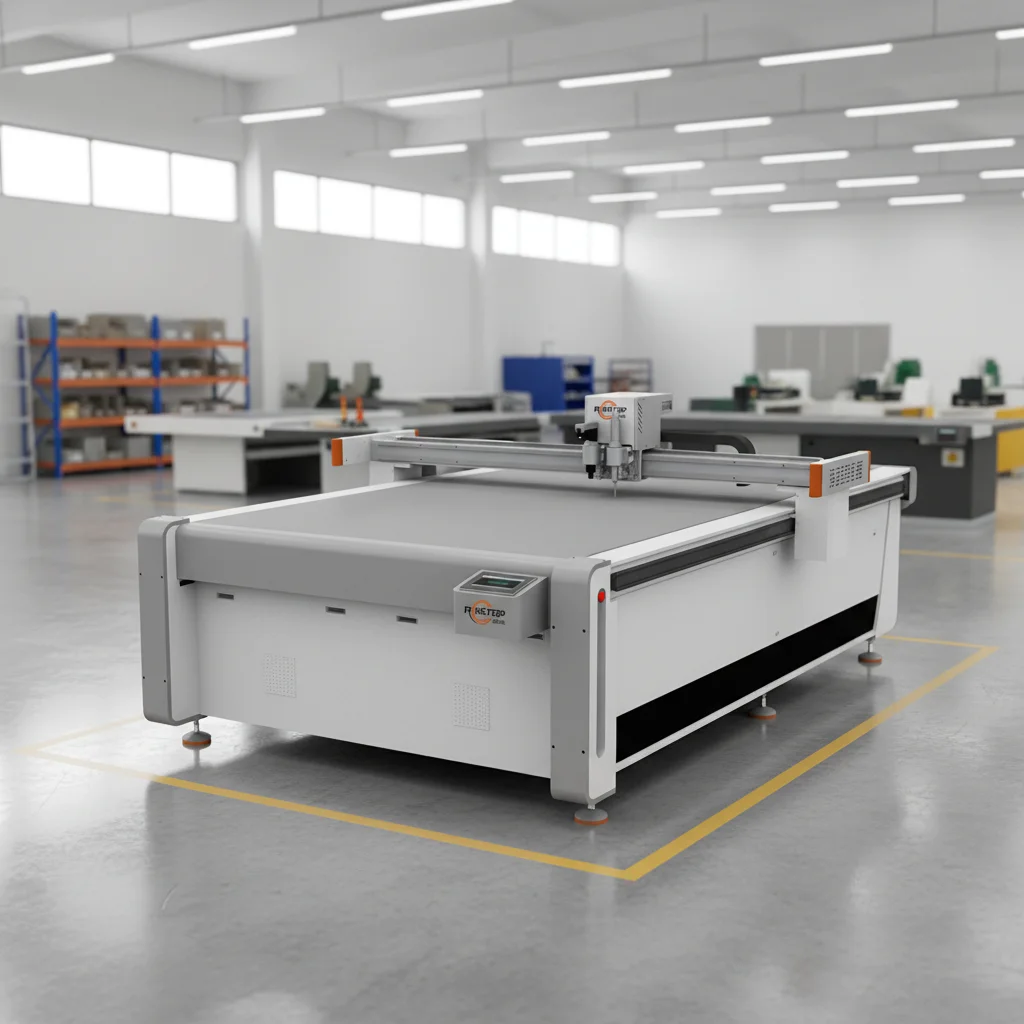
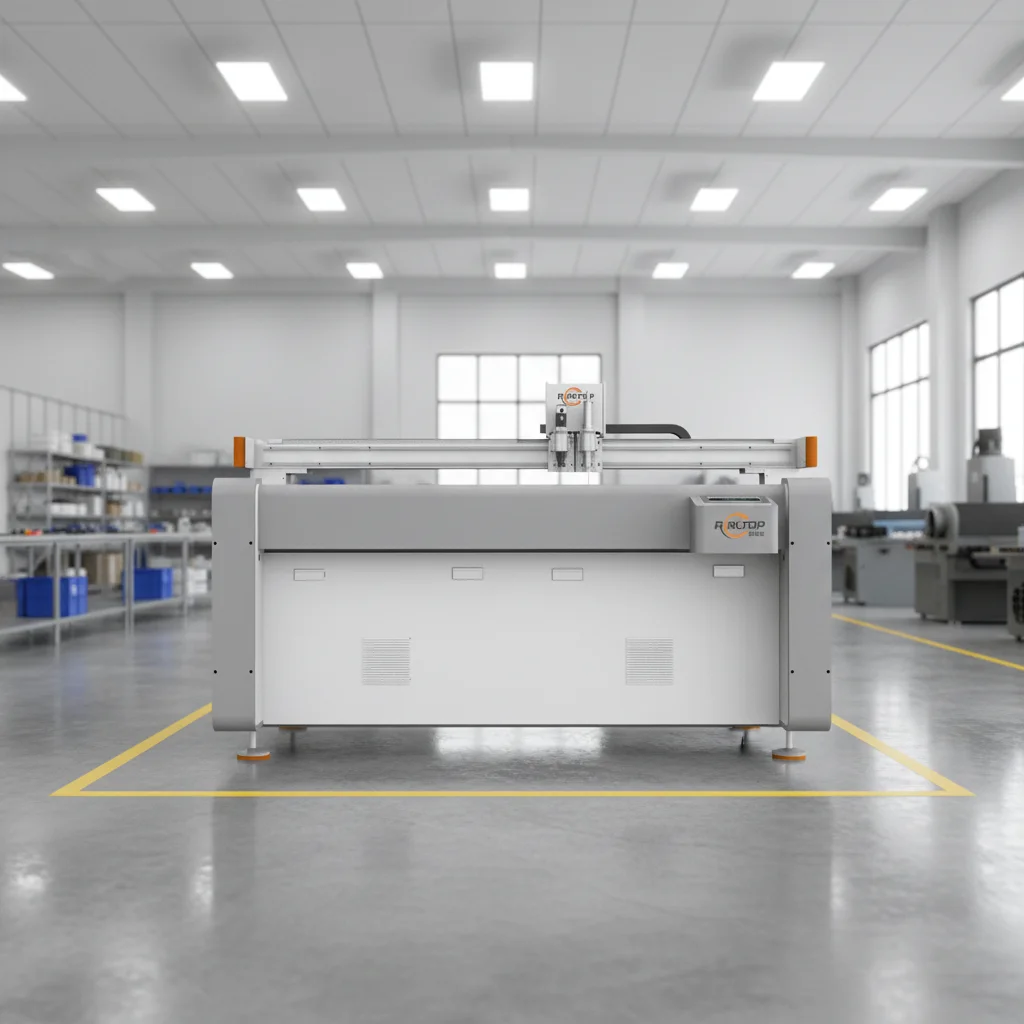
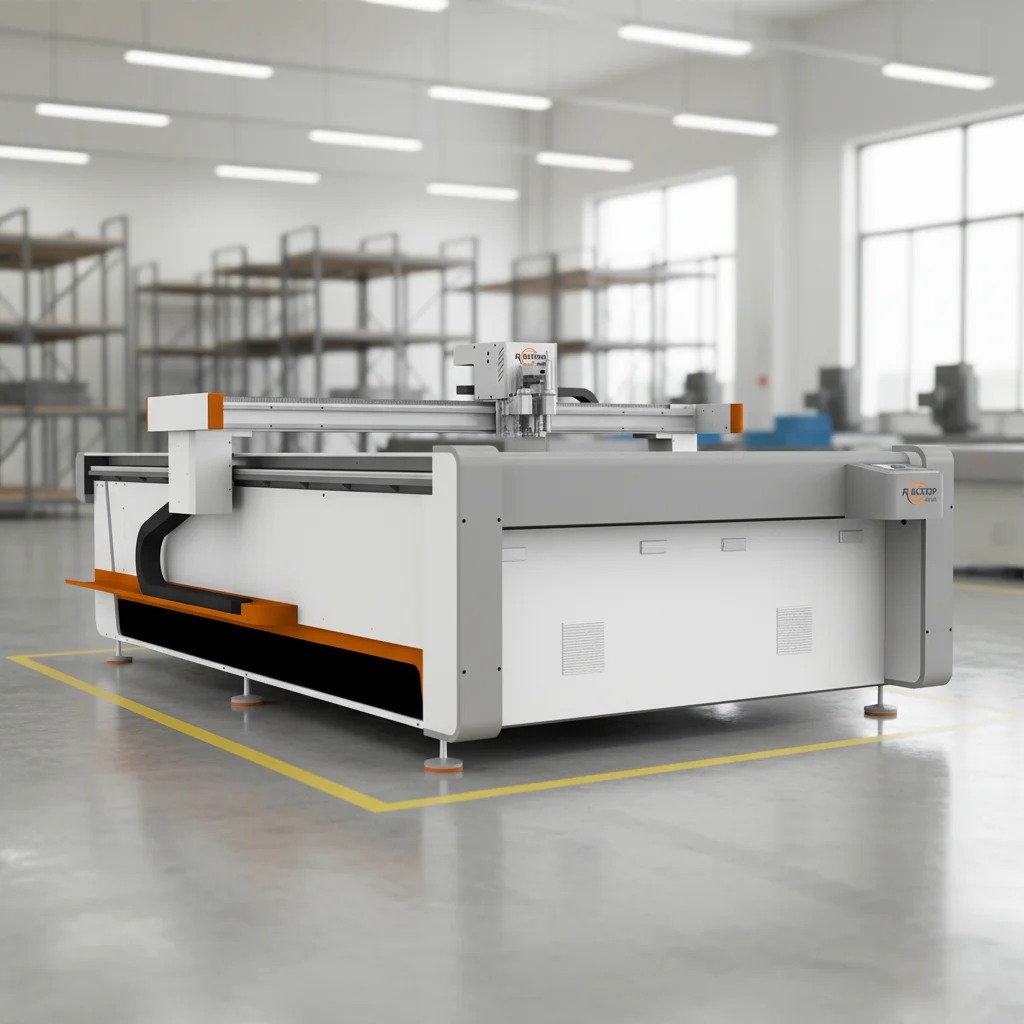
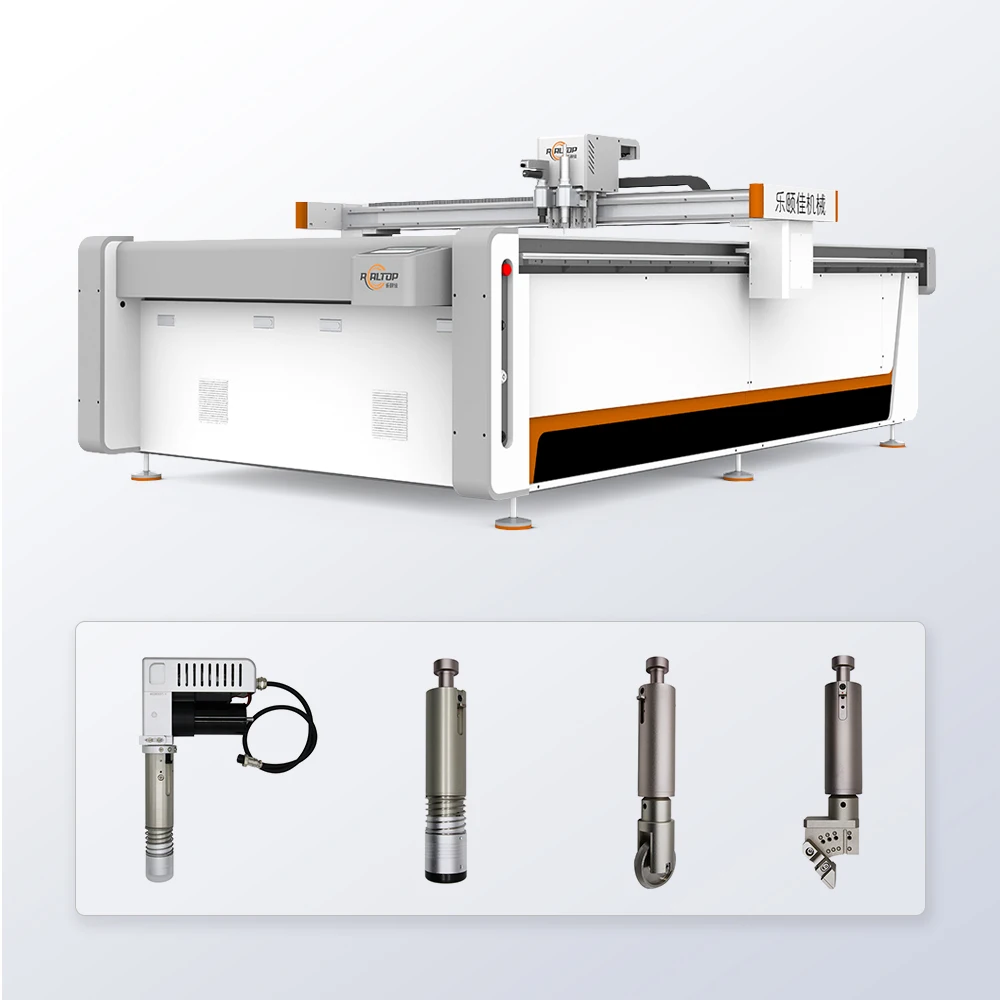
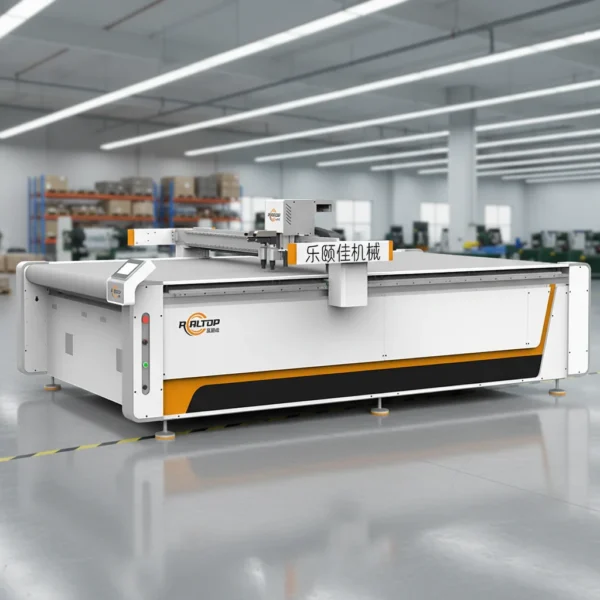
Material-Matched Tooling — every oscillating knife, creasing wheel and vacuum zone on this 1625 cutting table is specified against your actual board grade and flute profile before the order is locked.
Technical Specifications
| Parameter | Value |
|---|---|
| Product Type | CNC Oscillating Knife Cutting Machine |
| Model | 1625 |
| Working Area | 1600×2500 mm |
| Tool Head Options | Oscillating knife, Driven rotary knife, Creasing wheel, Kiss cutting tool, Pneumatic knife, Milling tool, V groove knife |
| Cutting Speed | 0–1500 mm/s |
| Cutting Thickness | ≤ 40 mm (basis not stated in source — confirm block format / material / thickness) |
| Positioning Accuracy | ±0.1 mm |
| Vacuum Pump Power | 9 kW |
| Vacuum Table Type | Aluminum bellows vacuum table |
| Control System | PLC control panel |
| Servo Motor Brands Available | Panasonic, Delta, Dorna |
| Supported File Formats | PLT, DXF, AI, PDF |
| Software | Dedicated packaging box structure design software included |
| Voltage Options | 110V, 220V, 380V |
| Language Options | English, Russian, Italian, Chinese (special languages customizable) |
| Safety Device | Infrared sensor device and emergency stop device |
| Overall Dimensions (L×W×H) | 3300×2100×1350 mm |
| Standards | CE |
Application Suitability
| Application | Material or Output |
|---|---|
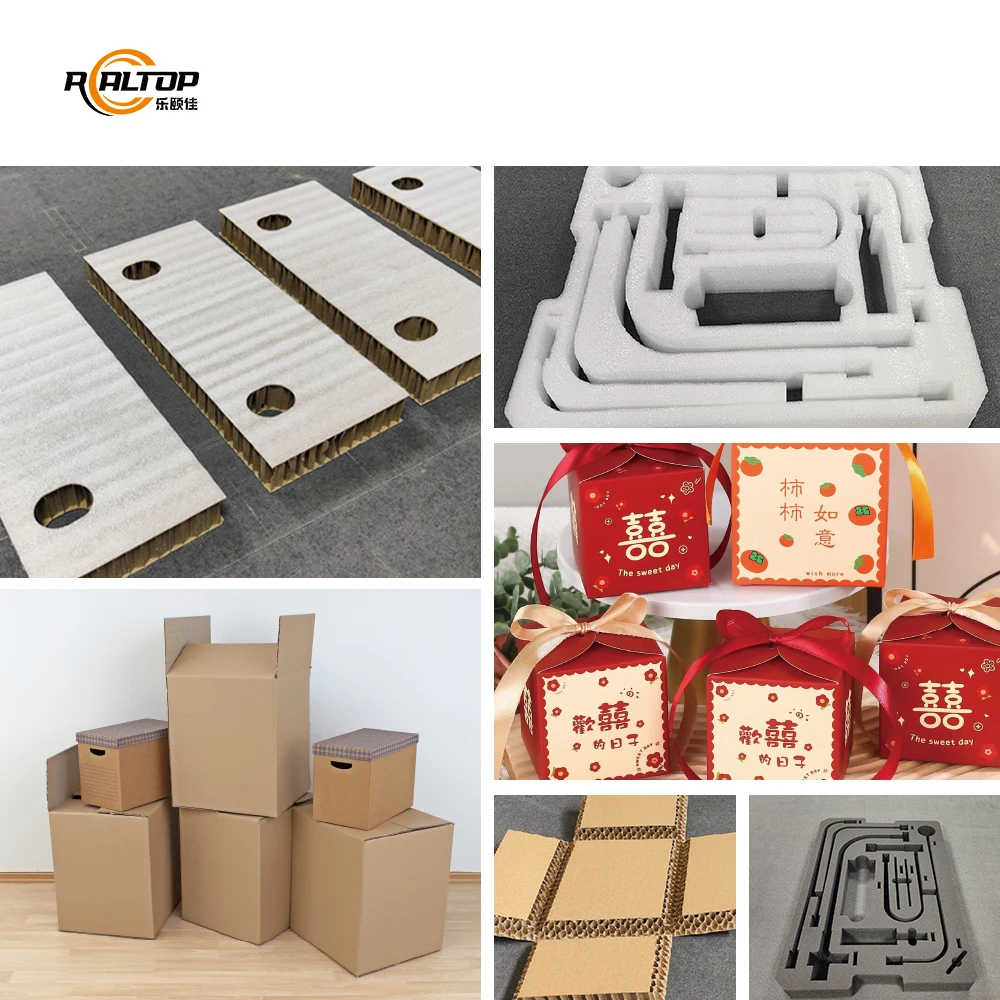
| Carton and packaging sample making | Greyboard, cardstock, art paper, specialty paper |
| Corrugated short-run production | E-flute, B-flute, BC-flute corrugated board |
| Foam insert and protective packaging | EVA foam, EPE foam, PU foam |
| Gasket and seal cutting | Rubber mats, composite and adhesive-backed materials |
| Interior trim and soft packaging | Velvet, fleece, non-woven fabric, leather, synthetic leather |
| Thin plastic component cutting | PVC, PET sheets |
Why the Material Sample Must Arrive Before the Quotation
A cutting thickness rating on paper means nothing until the knife meets your actual board on the table.
I have watched buyers sign off on a machine after cutting three-layer corrugated samples in the showroom, only to discover weeks later that their daily stock is high-density greyboard. The oscillating knife stalls, the vacuum table loses grip on smaller blanks, and the entire delivery schedule collapses. That mismatch happens because the CNC oscillating knife cutting machine specifications were locked to a demo material instead of the buyer’s real production stock. Always send your heaviest board and your thinnest film before the configuration is finalized [NEED_CITE: material density variance across packaging grades].
Tool Head Selection Across Flute Types and Board Weights
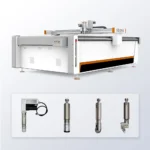
The 1625 platform carries interchangeable heads — oscillating knife, driven rotary knife, creasing wheel, kiss cutting tool, V groove knife and milling tool — and the correct choice depends on flute profile and board density rather than a generic thickness number. E-flute carton with printed contours typically runs under the oscillating knife with CCD guidance, while BC-flute double-wall board may require the pneumatic knife and a slower traverse to prevent delamination at the flute tips. Creasing wheels are matched to board weight so the fold line compresses without cracking the liner.
Vacuum Zoning and Small-Part Stability
The aluminum bellows vacuum table pairs with a 9 kW pump to hold full-sheet corrugated and cardstock during high-speed passes. For packaging sample makers cutting dozens of small insert pieces from a single sheet, zoning becomes the deciding factor between clean blanks and lifted edges that ruin the nest. The table surface must be segmented so that vacuum concentrates under the active cutting zone rather than bleeding across uncut areas. When kiss-cutting adhesive-backed labels or foam gaskets, uneven adsorption leaves material shift that the ±0.1 mm positioning accuracy cannot correct [NEED_CITE: vacuum hold-down requirements for thin flexible materials].
Reading the Spec Sheet Against Real Production Conditions
Cutting speed reaches 1500 mm/s, yet that figure applies to straight-line travel on low-density stock; dense greyboard and multi-layer foam demand lower speeds to maintain edge integrity. The ±0.1 mm positioning accuracy is achieved through the servo system — available with Panasonic, Delta or Dorna motors — and directly affects crease-to-cut registration on complex box structures. The PLC control panel manages tool changes and file parsing, accepting PLT, DXF, AI and PDF inputs so that artwork from common packaging design platforms feeds straight into the nesting workflow without manual re-drawing. Dedicated packaging box structure design software is included, reducing the gap between structural CAD and machine-ready tool paths.
The Cost of Skipping the Configuration Audit
Choosing a tool head by catalogue photo rather than by sample test leads to crushed corrugated edges, incomplete kiss cuts and creasing wheels that score too shallow for clean folding. A vacuum pump sized for full-sheet cutting may still fail on nested small parts if the zoning layout was never confirmed. Voltage mismatches — 110V, 220V or 380V — discovered after shipment force transformer rentals and delayed commissioning. These are not warranty issues; they are specification gaps that could have been closed with a material test and a written configuration list [NEED_CITE: common causes of CNC cutting machine commissioning delays].
Why Production Teams Source This Platform Here
In-house design covers both knife tooling and table engineering, so the oscillating knife, creasing wheel and vacuum zones are balanced as a system rather than sourced from separate vendors. Every tool head and table configuration is specified per material and production volume before the order is placed. CCD camera positioning is verified on printed packaging stock at running speed, not on a static demo sheet. Software compatibility — including file format and nesting workflow — is confirmed before shipment. Voltage, control language and safety device setup are matched to the destination market, and sample cutting on the buyer’s own material is standard before commitment.
Documentation & Verification
- Machine specification sheet listing every tool head and vacuum zone option confirmed at order
- Electrical schematic with voltage and frequency validated for destination market
- Sample cutting report on buyer’s own board, foam or fabric with edge and crease photographs
- Tool head and table configuration list tied to specific material thickness and flute type
- Software licence and file format compatibility note covering PLT, DXF, AI and PDF workflows
- Factory test record documenting positioning accuracy and cutting pass results before dispatch
Installation, Commissioning & Support
- Floor plan showing 3300×2100 mm footprint with clearance for sheet loading on the 1600×2500 mm table
- Dedicated circuit matching confirmed voltage option (110V, 220V or 380V) and the 9 kW vacuum pump draw
- Assembly of aluminum bellows vacuum table segments and tool head carriage alignment on site
- First-run parameter tuning on buyer’s actual corrugated, foam or cardstock stock
- Operator training on PLC control panel navigation and dedicated packaging software in confirmed language
- Spare parts list covering oscillating knife blades, creasing wheels and vacuum table seals
What to Share Before Requesting a Quotation
Send the heaviest board grade and the thinnest film you plan to cut, along with the maximum sheet size and typical daily volume. Confirm your facility voltage, frequency and preferred control language. If you run existing nesting software or structural CAD, share a sample file so the PLT, DXF, AI or PDF compatibility and the packaging box structure design software workflow can be verified against your current setup.
Frequently Asked Questions
Q: How do I match the tool head to my corrugated flute and board weight?
A: Flute type and board density determine whether the oscillating knife, pneumatic knife or driven rotary knife is used, and the creasing wheel is sized to compress the fold line without cracking the liner. We run your actual board stock and record the tool head, speed and pressure settings in the sample cutting report before finalizing the configuration list.
Q: How can I verify the cutting thickness capacity for my foam or board?
A: The ≤ 40 mm rating is a reference envelope; real capacity depends on material density and tool head choice. We cut your specific EVA, EPE or greyboard at production speed and document edge quality and pass count. That report becomes the basis for the tool head and vacuum table specification locked into your order.
Q: Does the CCD system track printed marks at full production speed?
A: CCD contour recognition is tested on your printed packaging sheets at the speed your daily volume requires, not on a static sample. The test confirms mark detection, path correction and final cut-to-print registration within the machine’s positioning tolerance before the system is approved for your workflow.
Q: Will the software accept my existing packaging design files?
A: The platform reads PLT, DXF, AI and PDF, and the included packaging box structure design software handles crease-and-cut layouts. We ask for a sample file from your current CAD system before order so that import, nesting and tool path generation can be verified and any conversion step documented.
Q: Is the vacuum table sufficient for small packaging parts and kiss-cut components?
A: The aluminum bellows table with the 9 kW pump is zoned to concentrate hold-down under the active cutting area. For nested small parts or kiss-cut labels, we run your layout and confirm that material does not lift during the final passes, recording the zoning map in your configuration documentation.


商品评价
Clear filtersThere are no reviews yet.