

Fast Shipping
Carrier information

20k products
Payment methods

24/7 Support
Unlimited help desk

2-day Delivery
Track or off orders
Carrier information
Payment methods
Unlimited help desk
Track or off orders
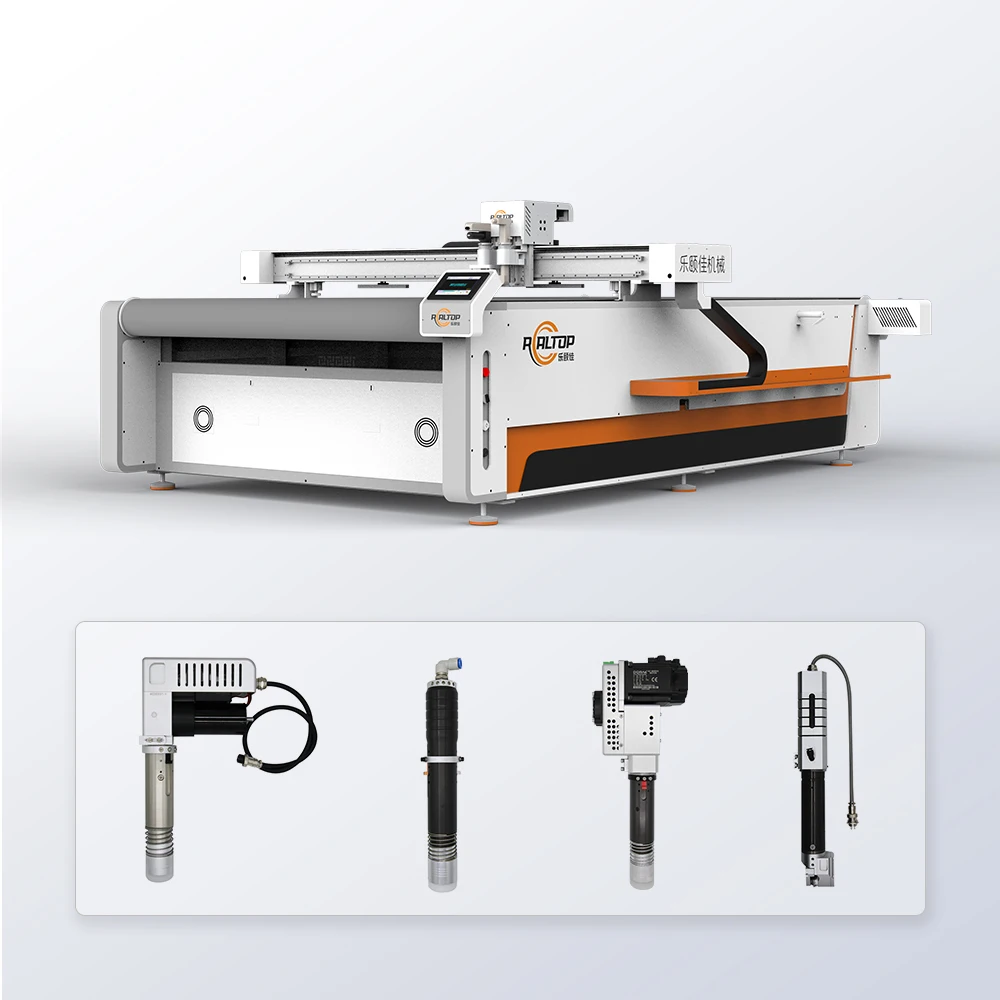
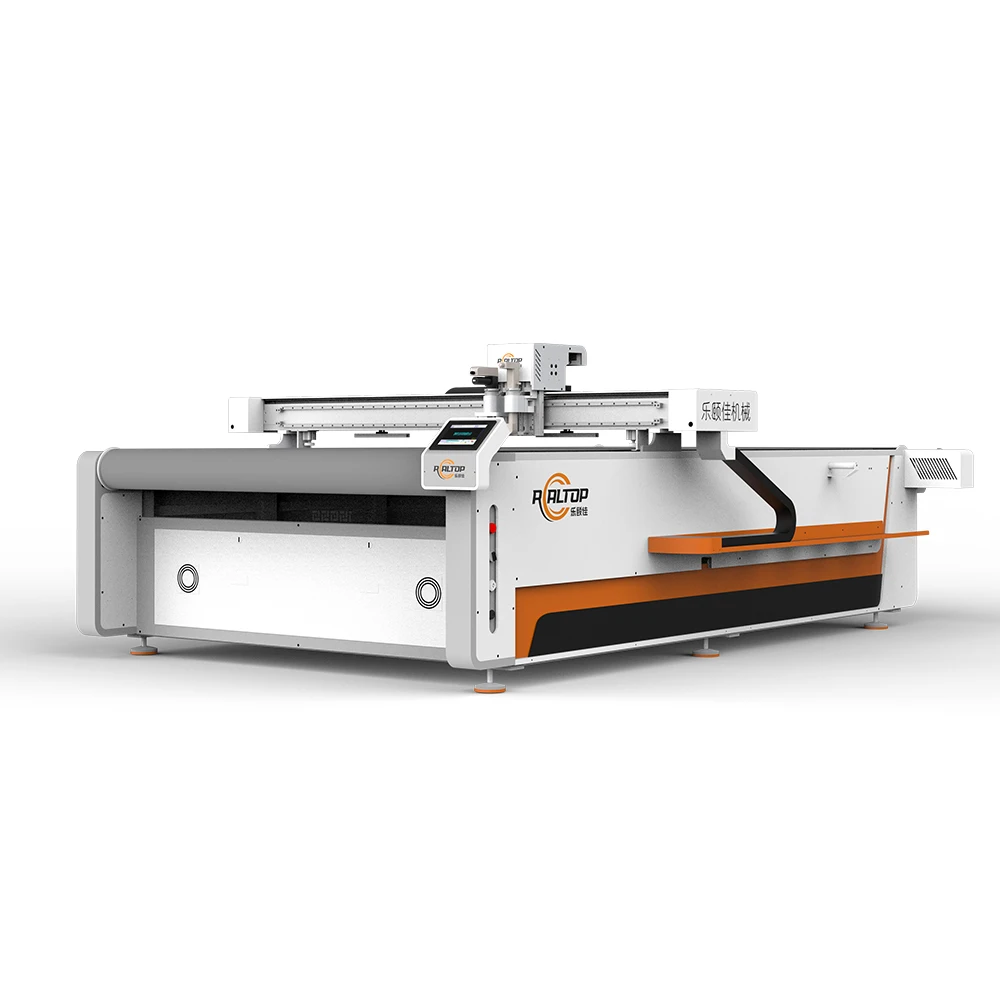
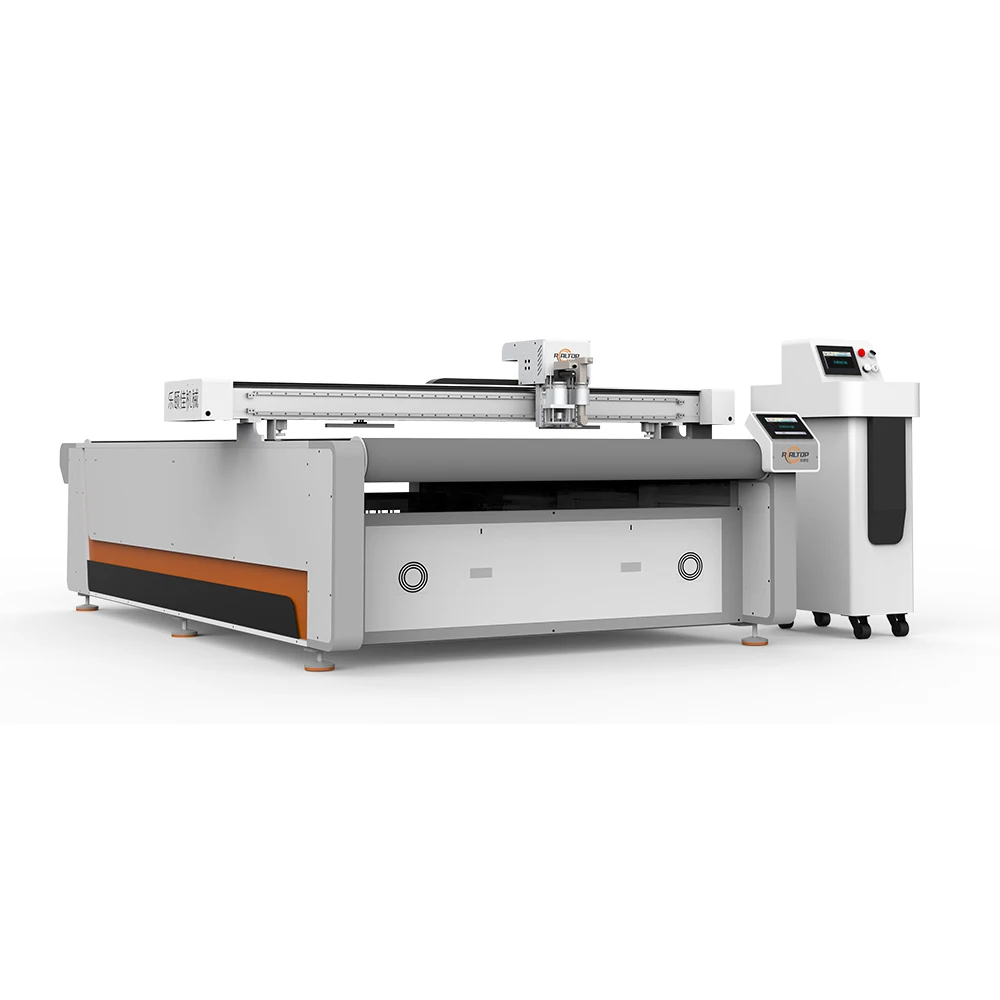
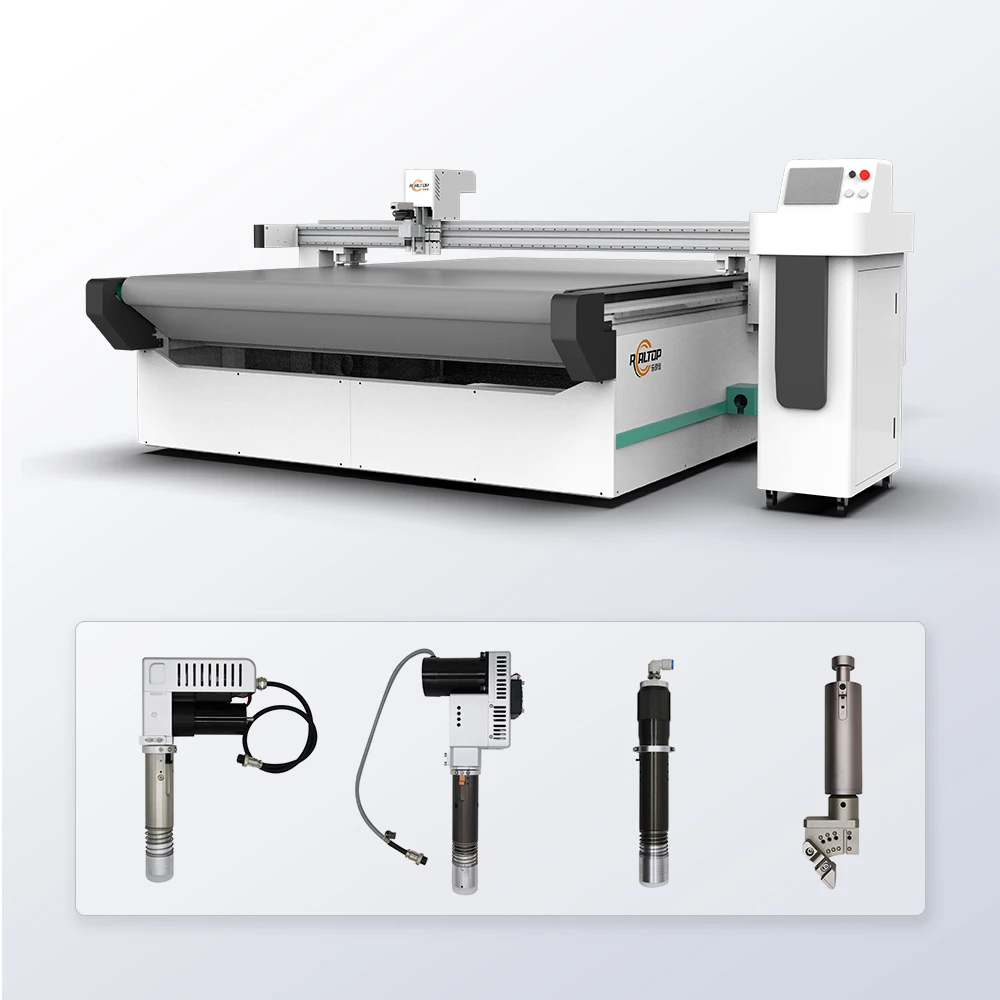
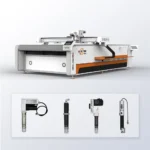
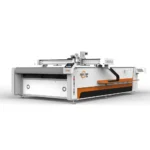
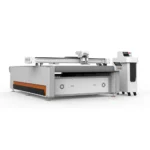
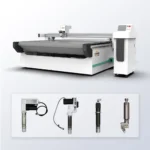
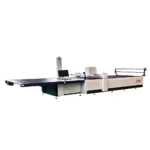
Tool Head Versatility — The 1625 CNC oscillating knife cutting machine offers seven interchangeable tool heads, each matched to your specific material rather than forcing a single method across all fabrics.
| Parameter | Value |
|---|---|
| Model | 1625 |
| Product Type | CNC Oscillating Knife Cutting Machine |
| Working Area | 1600×2500 mm |
| Tool Head Options | Oscillating knife, Driven rotary knife, Creasing wheel, Kiss cutting tool, Pneumatic knife, Milling tool, V groove knife |
| Cutting Speed | 0–2000 mm/s (basis not stated in source — confirm material / thickness / single or multi-layer) |
| Cutting Thickness | ≤ 30 mm (basis not stated in source — confirm material type) |
| Positioning Accuracy | ±0.1 mm |
| Vacuum Pump Power | 9 kW |
| Voltage Options | 110V, 220V, 380V |
| Control System | PLC control panel |
| File Format Compatibility | PLT, DXF, AI, PDF |
| Safety Device | Infrared sensor device and emergency stop device |
| Machine Dimensions (L×W×H) | 3300×2100×1350 mm |
| Servo Motor Brands | Panasonic, Delta, Dorna |
| Language Options | English, Russian, Italian, Chinese (custom languages available) |
| Nesting Software | Included, supports intelligent nesting and automatic path generation |
| Certification | CE |
| Application | Material or Output |
|---|---|
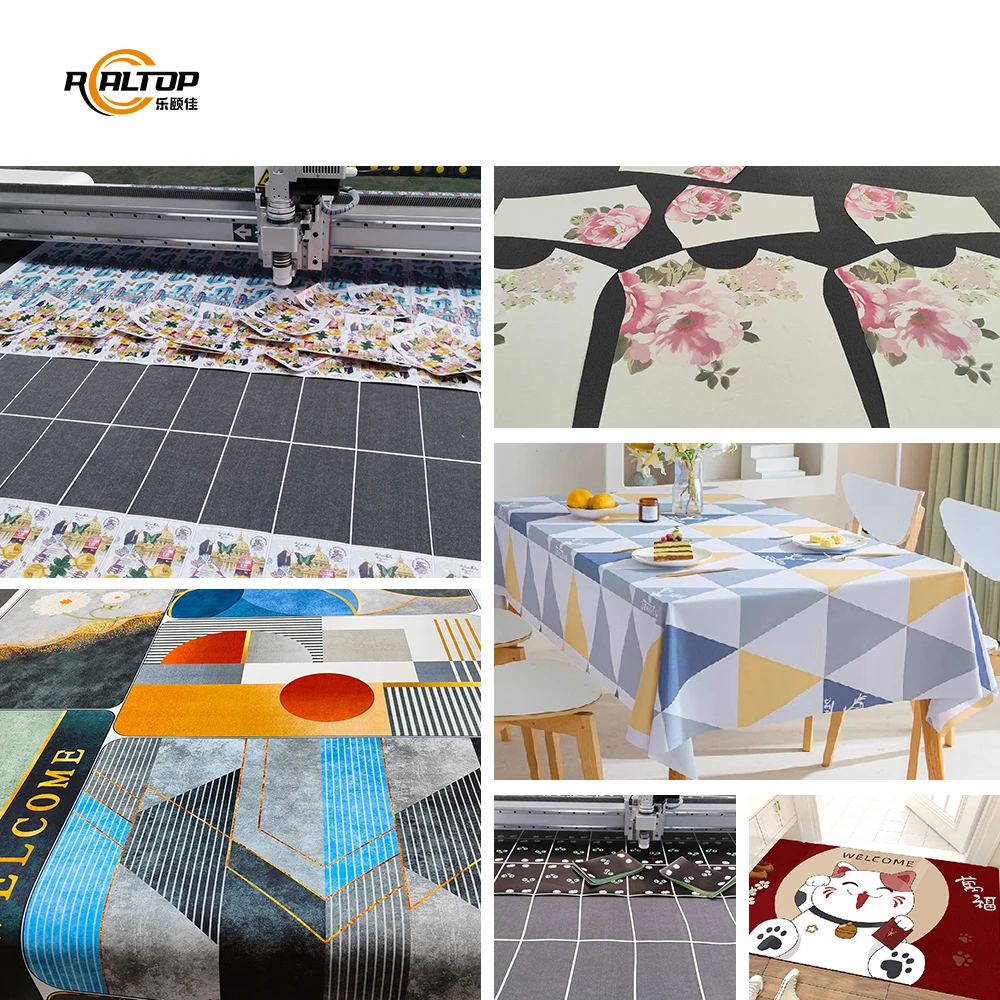
| Apparel Manufacturing | Suits, knitwear, lace, complex single and multi-layer fabrics |
| Automotive Interiors | Seat fabrics, carpets, PVC mats requiring burr-free edges |
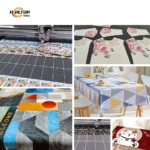
| Home Textiles | Sofa fabrics, curtains, rugs, and heavy upholstery materials |
| Composite Processing | Carbon fiber prepreg, aramid, and specialty technical textiles |
| General Soft Material | Cardboard, carton, EVA, leather, acrylic, foam, PTFE, rubber |
Specifying a CNC oscillating knife cutting machine based on working area alone is the fastest way to ruin expensive medical fabric.
I learned this the hard way when configuring a multi-layer cutting system for an automotive interior plant. I overlooked the small-piece nesting layout, and the vacuum adsorption wasn’t zoned correctly. The fabric shifted during the cut, and hundreds of layers of material were scrapped instantly. Since that day, I review the nesting diagram before finalizing any vacuum or tooling plan. When buyers focus only on the 1600×2500 mm bed size without asking which of the seven tool heads will actually cut their specific textile, they repeat my mistake in their own factory [NEED_CITE: importance of tool head selection in CNC knife cutting].
This CNC oscillating knife cutting machine provides the flexibility to handle woven, non-woven, and technical fabrics without thermal damage. The oscillating knife handles standard medical textiles cleanly, while the driven rotary knife is better suited for continuous long cuts on thin non-wovens. For coated or laminated fabrics used in protective gear, the pneumatic knife prevents the fraying that mechanical drag often causes. Selecting the right head before the machine is built ensures the edge quality meets medical industry standards without secondary trimming.
The 9 kW vacuum pump paired with an aluminum bellows vacuum table delivers full-surface adsorption, which is critical when cutting small pattern pieces that tend to lift at high speed. Without proper zoning, even a perfectly sharp blade will produce ruined parts because the material moves under the tool head. We confirm your specific nesting layout and adjust the vacuum zones to match your production volume, preventing the costly material lift that plagues poorly configured systems [NEED_CITE: vacuum table zoning requirements for small part cutting].
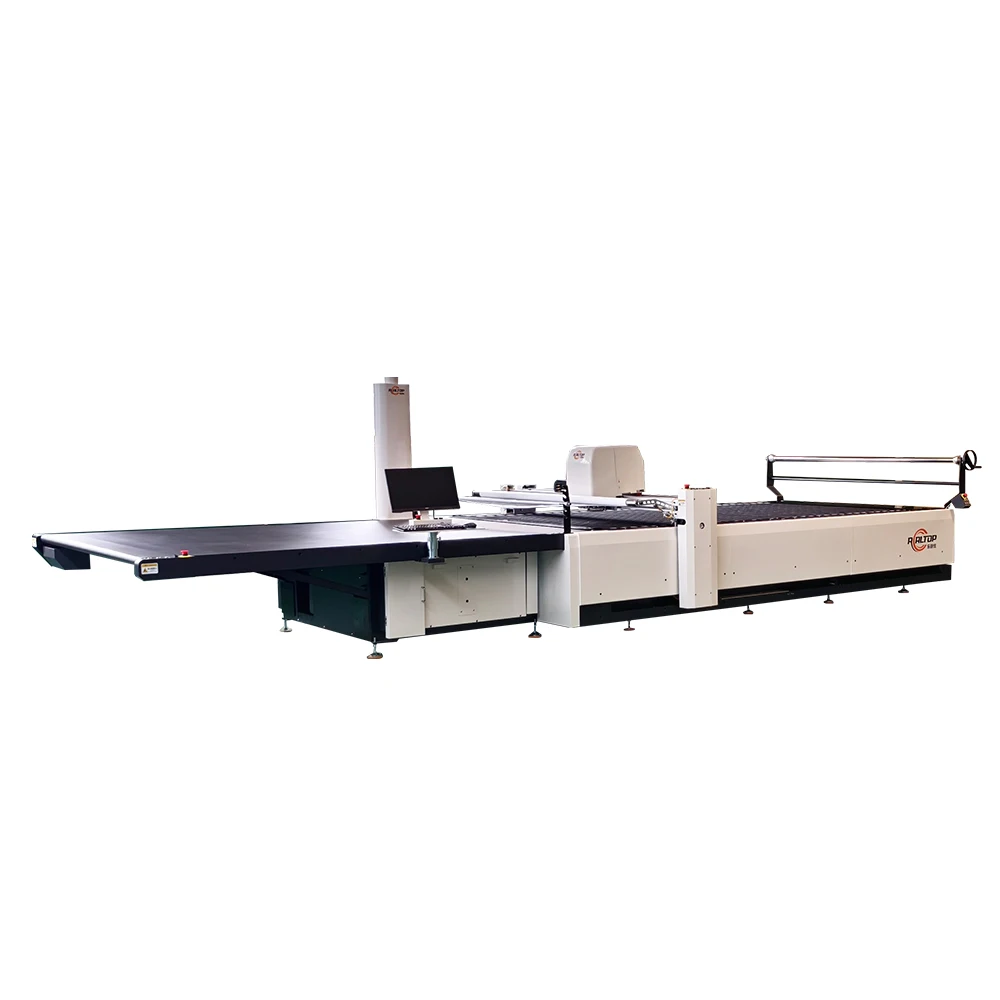
The ±0.1 mm positioning accuracy ensures that pattern pieces for medical garments or automotive seats fit together exactly as designed, eliminating rework in the sewing department. The 30 mm cutting thickness capacity means you can process multi-layer lays of dense foam or heavy canvas, though the actual achievable depth depends entirely on your specific material density. The PLC control panel with multi-language support means your operators in Russia, Italy, or China can run the machine without translation delays. Furthermore, the included nesting software accepts DXF, PLT, AI, and PDF files directly, integrating into your existing workflow without requiring file conversion that often introduces dimensional errors.
When the control software cannot import your existing DXF or AI nesting files, your production schedule halts while operators manually redraw patterns. This data compatibility issue is far more common than mechanical failure, yet it is rarely checked before the machine leaves the factory. Buyers often assume all CNC systems speak the same digital language, only to discover their proprietary nesting files require expensive third-party conversion software. Verifying file format compatibility before shipment prevents this operational bottleneck [NEED_CITE: software compatibility in digital cutting workflows].
We design and build both knife and laser systems in-house, allowing you to match the cutting method to your material rather than forcing a single technology. Every 1625 unit undergoes a factory test on your actual medical fabric or composite material, generating a sample cutting report that proves edge quality and thickness capability before you commit. We confirm voltage (110V, 220V, or 380V), plug type, and control language to match your local supply, avoiding costly electrical modifications upon arrival. Our tool head and vacuum table configuration is specified per your material and daily volume, not sold as a generic package.
To ensure the 1625 machine meets your production needs, please provide your primary material type, maximum thickness, and typical sheet size. We also need to know your daily cutting volume and the specific file formats (DXF, PLT, AI, PDF) your design team currently uses. Finally, confirm your local voltage and frequency so we can prepare the correct electrical schematic before production begins.
Q: How do I choose between the oscillating knife and the driven rotary knife for my fabric?
A: The oscillating knife is ideal for woven materials and multi-layer lays where edge sealing is not required, providing a clean mechanical cut. The driven rotary knife excels on thin non-wovens and continuous long cuts where speed is prioritized. We test both on your material sample to determine which delivers the required edge quality.
Q: What does the ≤ 30 mm cutting thickness rating mean for my multi-layer fabric lays?
A: This rating indicates the maximum vertical travel of the tool head, but actual cutting capacity depends on material density and compression. High-density foam or tightly packed multi-layer fabric may reduce the effective thickness. We confirm the achievable depth during the sample cutting test on your specific material.
Q: Will the vacuum table hold small pattern pieces securely during high-speed cutting?
A: Yes, provided the vacuum zoning is configured for your specific nesting layout. Small parts require concentrated adsorption force directly beneath the cut path to prevent lifting. We review your pattern files and adjust the zone configuration to match your production requirements.
Q: Can the control system import my existing DXF and AI nesting files directly?
A: The included nesting software supports PLT, DXF, AI, and PDF formats natively. We verify compatibility with your specific file versions and nesting workflow before the machine ships, ensuring a smooth integration into your production environment without manual redrawing.
Q: How is the voltage and language configured for my country’s electrical grid?
A: The machine is available in 110V, 220V, and 380V configurations. We confirm your local supply standard and required control language (English, Russian, Italian, Chinese, or custom) during the specification phase, documenting the setup in the electrical schematic provided before shipment.
CURABITUR ALIQUET QUAM POSUERE
Will be used in accordance with our Privacy Policy
No account yet?
Create an Account


商品评价
Clear filtersThere are no reviews yet.