

Fast Shipping
Carrier information

20k products
Payment methods

24/7 Support
Unlimited help desk

2-day Delivery
Track or off orders
Tooling Specified Per Material — We configure the oscillating knife head, vacuum zoning and software workflow around the fabric, leather or composite you actually process, verified on your own sample before the order is confirmed.
Technical Specifications
| Parameter | Value |
|---|---|
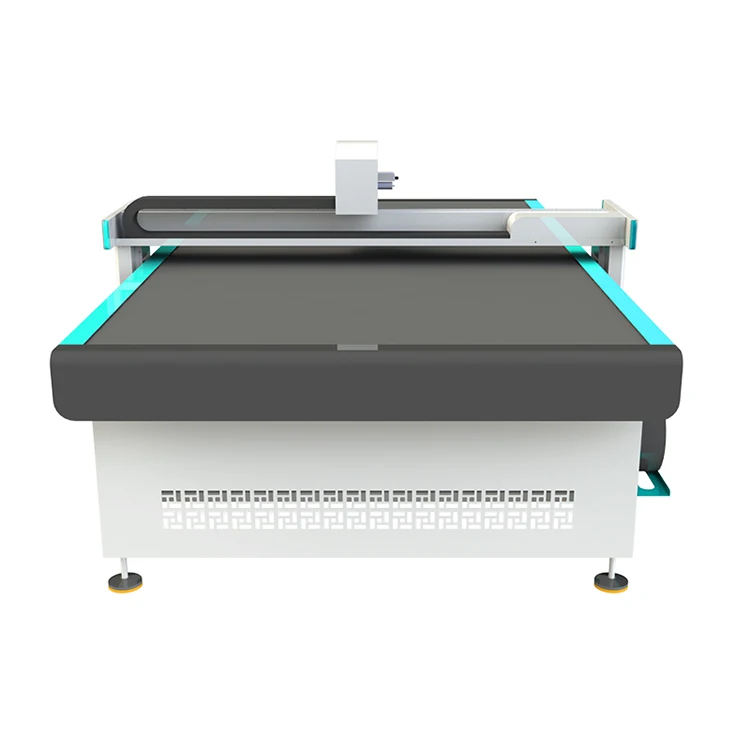
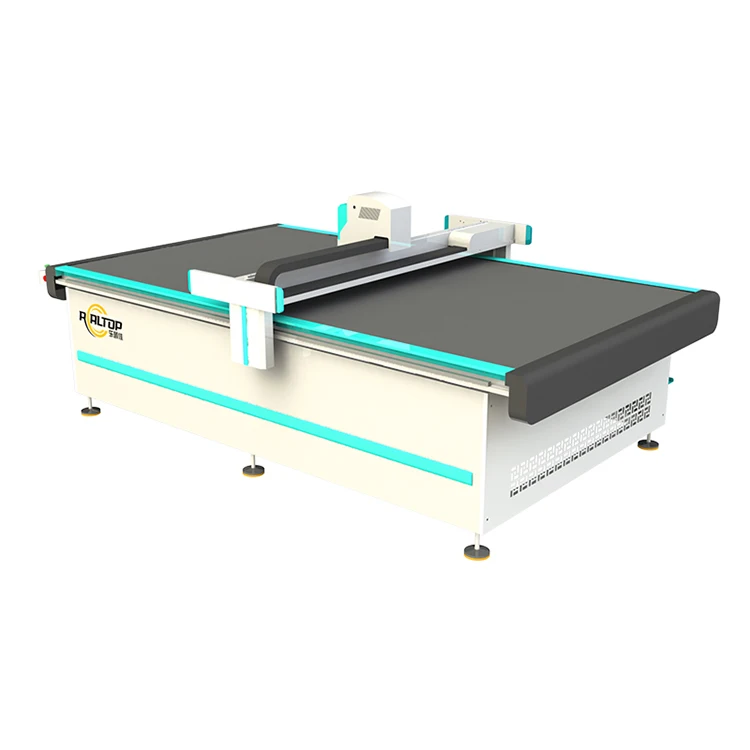
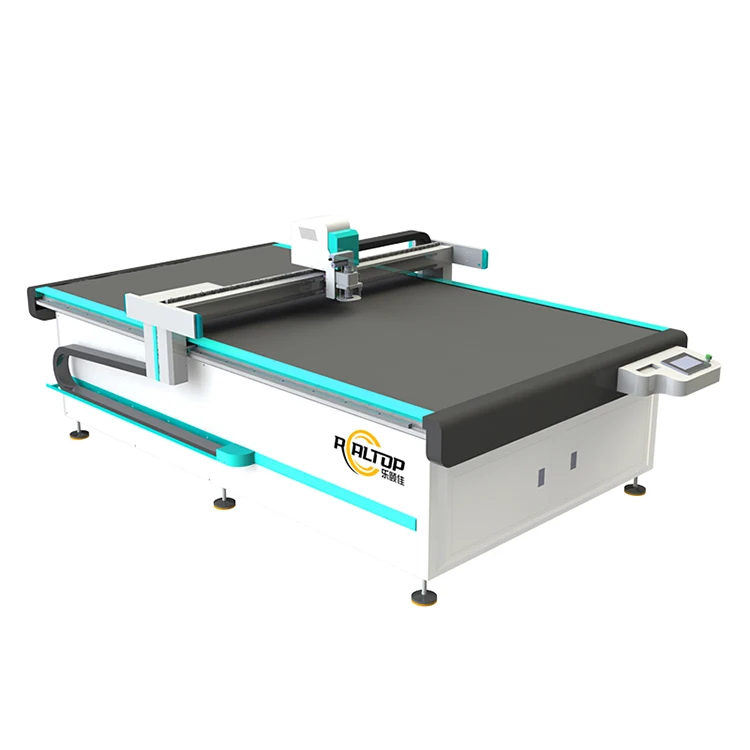
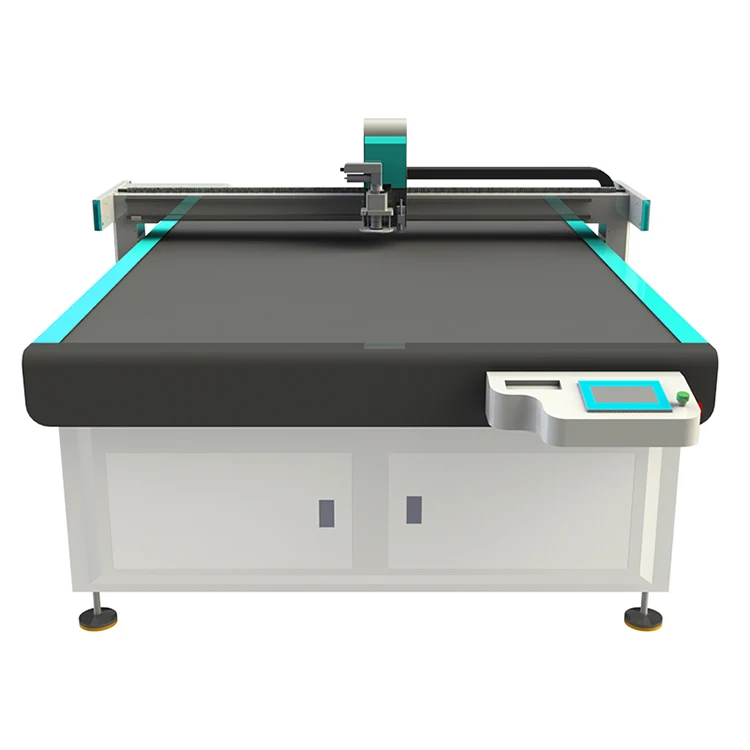
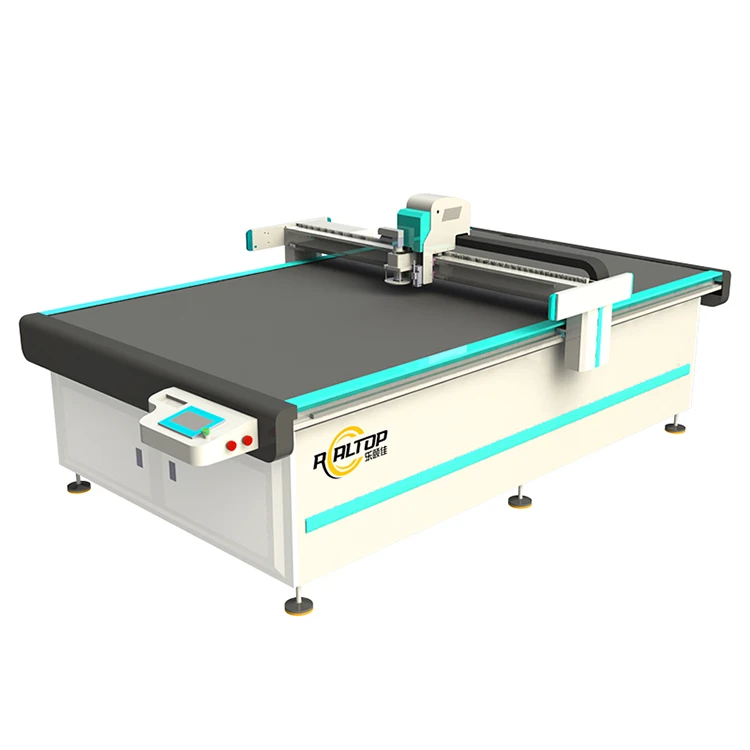
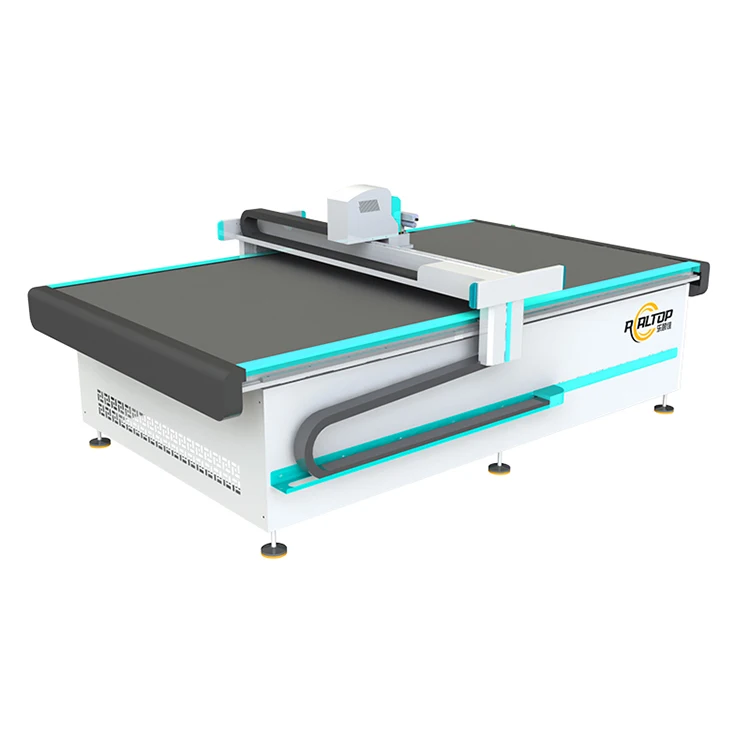
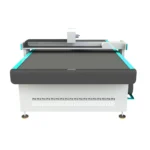
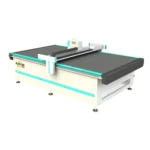
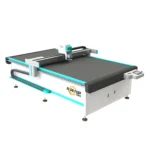
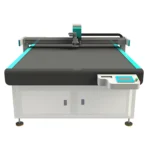
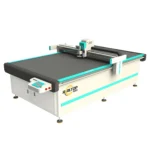
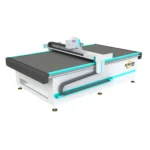
| Product Type | CNC Oscillating Knife Cutting Machine |
| Model | RT-D2516/RT-S2516 |
| Working Area | 1600 × 2500 mm |
| Overall Dimensions | 3450 × 2300 × 1250 mm |
| Rated Power | 9 kW |
| Voltage | 380V ±10% (frequency to be confirmed per market) |
| Vacuum Pump | 7.5 kW |
| Table Type | Vacuum table with auto feeding conveyor |
| Multifunctional Head | Swiss imported knife with vibration full cutting, vibration half cutting and cursor location |
| Translational Velocity | 800 – 1200 mm/s |
| Cutting Speed | 200 – 800 mm/s (according to different cutting materials) |
| Repeated Accuracy | ≤ 0.1 mm |
| Transmission System | Digital servo motor, linear guide, synchronous belt, ball screw (imported) |
| Servo Motor | Japanese Yaskawa |
| Linear Guide | Taiwan Hiwin rail |
| Conveyor Belt | Germany imported |
| Safety Device | Infrared sensors |
| Instruction System | HP-GL compatible format |
Application Suitability
| Application | Material or Output |
|---|---|
| Garment and footwear production | Woven, knit and technical fabrics in nested pattern layouts |
| Leather goods manufacturing | Genuine and synthetic leather requiring clean-edge oscillating cuts |
| Automotive interior components | Sponge composite leather and laminated foam sheets |
| Flexible gasket and seal fabrication | PVC, soft glass, silicon and rubber sheets |
| Packaging and sample making | Corrugated board and flexible packaging materials on flat table |
Why the Material Sample Must Arrive Before the Quote
A cutting speed figure means nothing until it has been run on the exact fabric weight, weave and coating you send to the factory.
I spent years on the assembly floor tuning vibration knives before moving into technical sales, and the pattern is always the same. A buyer sends a specification sheet listing working area and daily volume, the seller quotes a CNC oscillating knife cutting machine for fabric and flexible materials based on those two numbers, and six weeks later the machine arrives to find the vacuum zoning cannot hold the buyer’s small pattern pieces, or the tool head crushes the composite foam at the quoted speed [NEED_CITE: vacuum hold-down requirements for nested small parts]. Running the buyer’s own roll on the table before commitment is the only way to confirm edge quality, achievable speed and correct tool head selection.
Knife Head Selection by Fabric Type and Lay Height
The Swiss imported oscillating knife head on this unit supports full cut, half cut and cursor location, which covers the majority of garment and leather workflows without requiring a head change mid-job. Woven fabrics with tight selvedge respond well to high-frequency vibration at moderate downward pressure, while open-knit technical textiles need a reduced stroke to prevent yarn pull. Sponge composite leather — the material that taught me this lesson the hard way when a batch of automotive headliner was ruined by crushed edges — demands a specific blade geometry and controlled plunge depth that only a sample run can dial in.
Vacuum Zoning and Continuous Feed Integration
A 1600 × 2500 mm working area is only productive if the material stays flat under the knife at full translational velocity. The 7.5 kW vacuum pump feeds a zoned table surface, and the Germany-imported conveyor belt enables auto-feeding so that one roll can run continuously without manual repositioning between nests. Small pattern pieces — collar stays, pocket flaps, gasket rings — are the items most likely to lift if the vacuum zones are not matched to the nest layout, which is why zone configuration is specified per buyer workflow rather than left at a factory default [NEED_CITE: vacuum zoning best practices for oscillating knife tables].
Reading the Drive and Accuracy Numbers in Context
The Japanese Yaskawa servo motors paired with Taiwan Hiwin linear rails deliver a stated repeatability of ≤ 0.1 mm, which is the figure that matters for nested garment patterns where a cumulative drift across a long lay will push seam allowances out of tolerance. The digital servo and ball screw transmission maintain this accuracy at translational velocities up to 1200 mm/s, but the practical cutting speed — 200 to 800 mm/s — is governed by material density and thickness, not by the drive’s maximum travel rate. HP-GL instruction compatibility means the nesting file from most industry CAD systems can be imported without an intermediate conversion step that might distort curve geometry.
The Hidden Cost of Skipping Configuration Verification
When a machine is sold on working area alone, the mismatch usually surfaces during the first production week. A vacuum table without adequate zoning will let small leather pieces drift, producing scrap that accumulates faster than the operator can clear it. A vibration knife specified for thin woven fabric will chatter on 8 mm sponge composite, leaving a compressed edge that fails the buyer’s quality inspection and forces a full resubmission of the production lot [NEED_CITE: material-specific tooling mismatch in flexible cutting]. Voltage and plug confirmation left to the shipping stage can strand the unit at customs or require a transformer that introduces frequency drift into the servo loop.
Why Buyers Source This Machine from the Builder
In-house design covers both knife and laser cutting, so the cutting method is matched to the material rather than forced through a single technology. Every RT-D2516/RT-S2516 leaves the factory with a tool head and table configuration list written against the buyer’s specific material type, thickness and daily volume. Software licence and file format compatibility are confirmed before the order is placed, not discovered during commissioning. Voltage, control language and plug type are customised for the destination market. And the sample cutting report — run on the buyer’s own roll — ships with the documentation pack so the operator has a verified baseline from day one.
Documentation & Verification
- Machine specification sheet listing the confirmed tool head and vacuum zone layout for your material
- Electrical schematic and voltage confirmation matched to your local supply standard
- Sample cutting report produced on your fabric, leather or composite roll before dispatch
- Software licence and HP-GL file format compatibility note for your existing CAD nesting workflow
- Factory test record showing repeatability and edge quality at your confirmed cutting speed
Installation, Commissioning & Support
- Floor space of approximately 3.5 × 2.3 m plus roll-feed clearance required for the RT-D2516/RT-S2516 footprint
- Dedicated 380V ±10% circuit with breaker rating sized for the 9 kW rated load plus 7.5 kW vacuum pump
- Table and gantry arrive partially assembled; rail alignment and belt tension verified on site
- First-run parameter setting includes vacuum zone mapping and knife stroke calibration for your material
- Operator training covers nest loading, conveyor feed sequence and HP-GL file import workflow
- Spare parts list includes oscillating knife blades, vacuum seals and conveyor belt wear strips
What to Include in Your Inquiry
Send a sample roll or swatch of the material you process most frequently, along with the maximum lay thickness and the daily linear meterage you need to achieve. Confirm your workshop voltage and frequency, the control language your operators prefer, and whether your existing nesting software outputs HP-GL or requires a different import path. If your production includes printed contour work, note that now so the correct positioning configuration can be quoted.
Frequently Asked Questions
Q: How is the cutting speed verified for my specific fabric type and thickness?
A: We run your material sample on the RT-D2516/RT-S2516 table before the order is confirmed, recording edge quality and achievable speed at the lay thickness you specify. The resulting sample cutting report ships with the machine, giving your operator a verified baseline.
Q: What vacuum table zoning is provided to prevent small pattern pieces from lifting?
A: The 7.5 kW vacuum table is configured with zone segmentation matched to your nest layout. Small pieces like collar stays or gasket rings require dedicated zones that hold independently of the surrounding area, and this layout is confirmed during the sample cutting stage.
Q: Can voltage, plug type and control language be customized for my country before shipment?
A: Yes. The standard supply is 380V ±10%, and we confirm frequency, plug type and control interface language for your market before production begins. The electrical schematic included in the documentation pack reflects your confirmed configuration.
Q: What file formats does the nesting software accept from my existing CAD workflow?
A: The instruction system is HP-GL compatible, which covers most garment and flexible material nesting platforms. We confirm your specific CAD output format and nesting workflow before order placement and document the compatibility in the software licence note shipped with the machine.


商品评价
Clear filtersThere are no reviews yet.