


Fast Shipping
Carrier information

20k products
Payment methods

24/7 Support
Unlimited help desk

2-day Delivery
Track or off orders
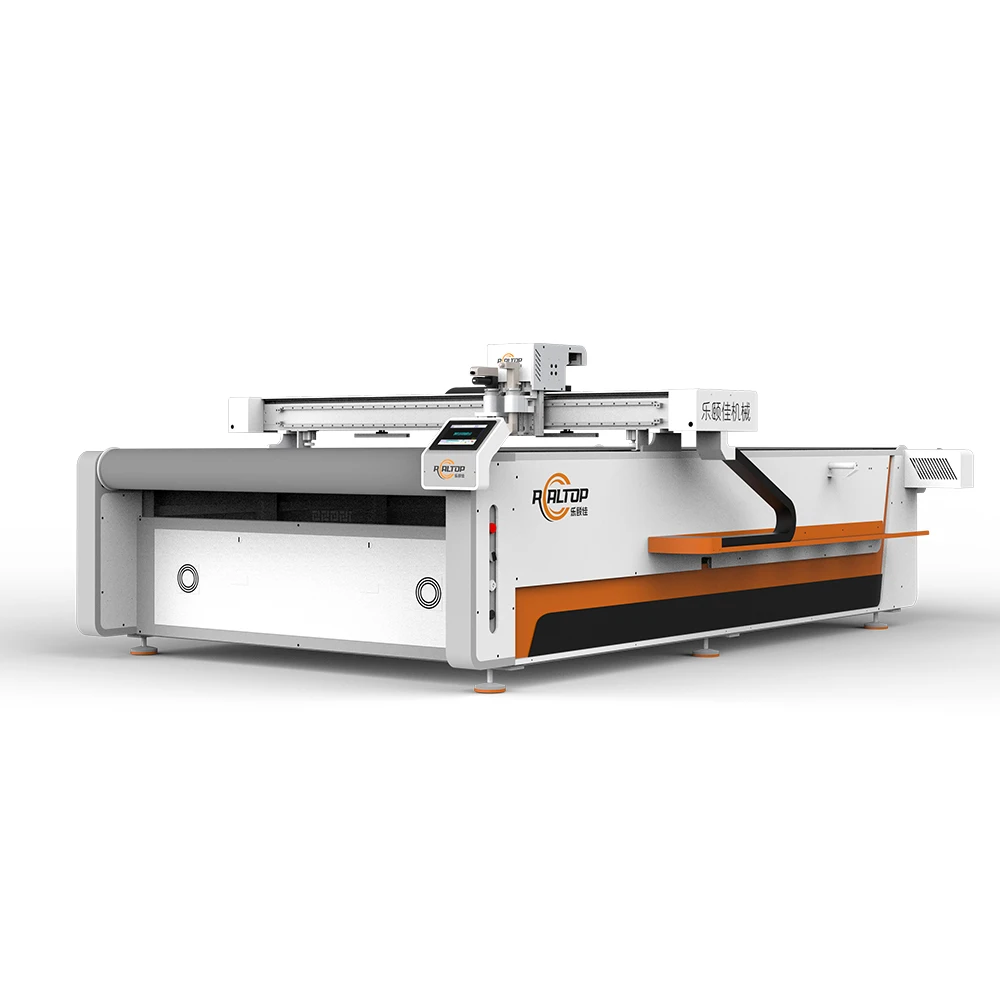
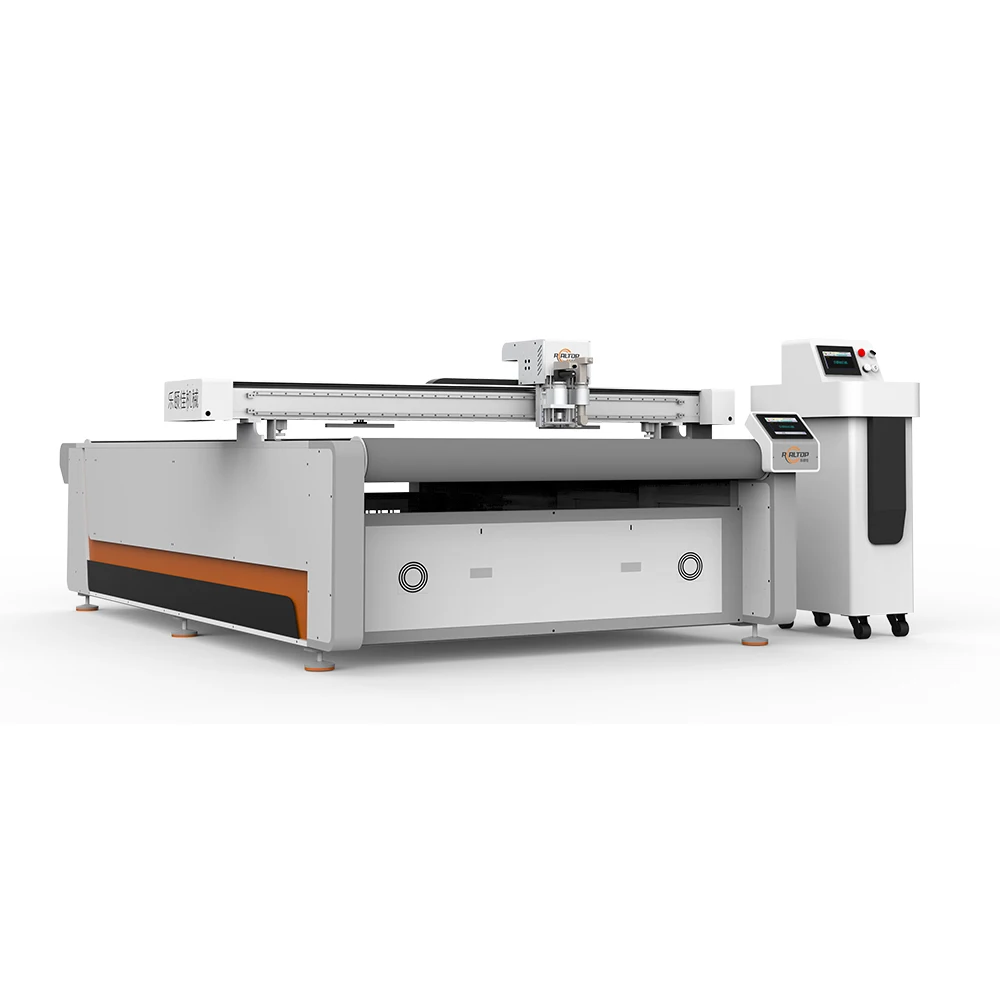
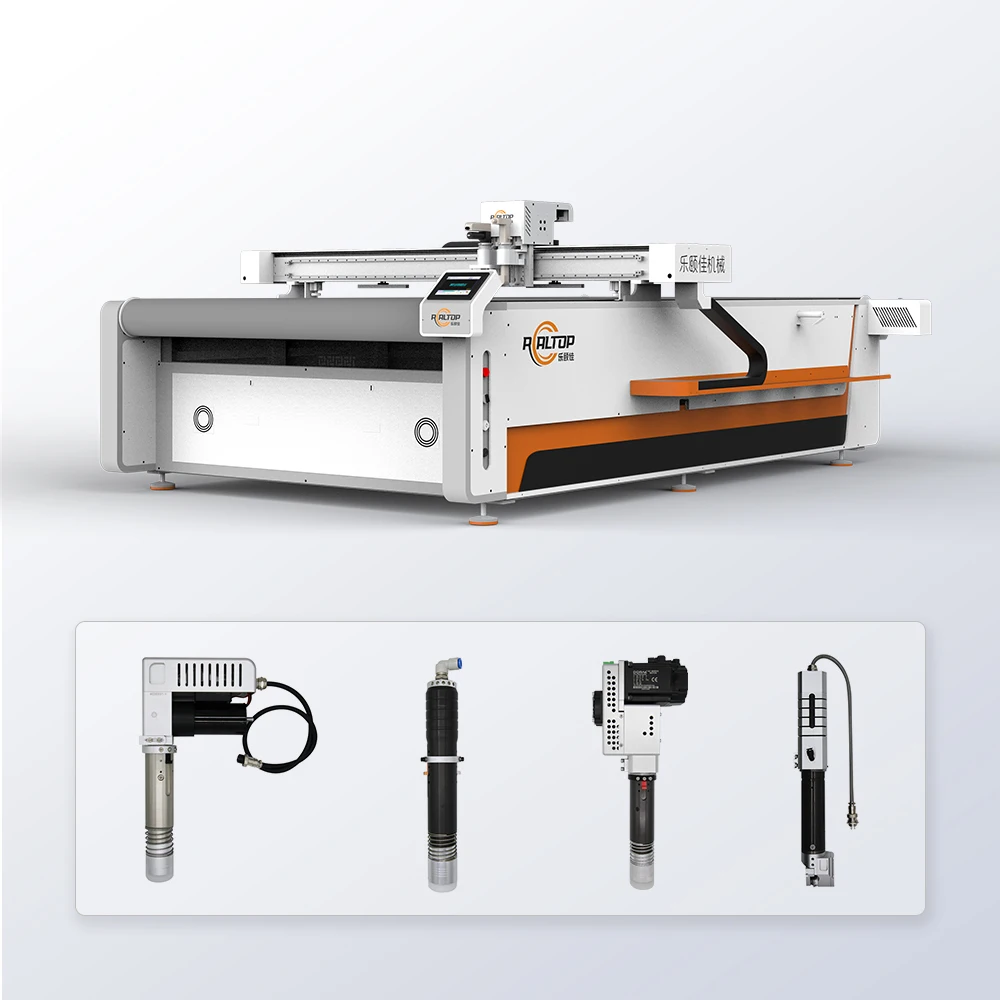
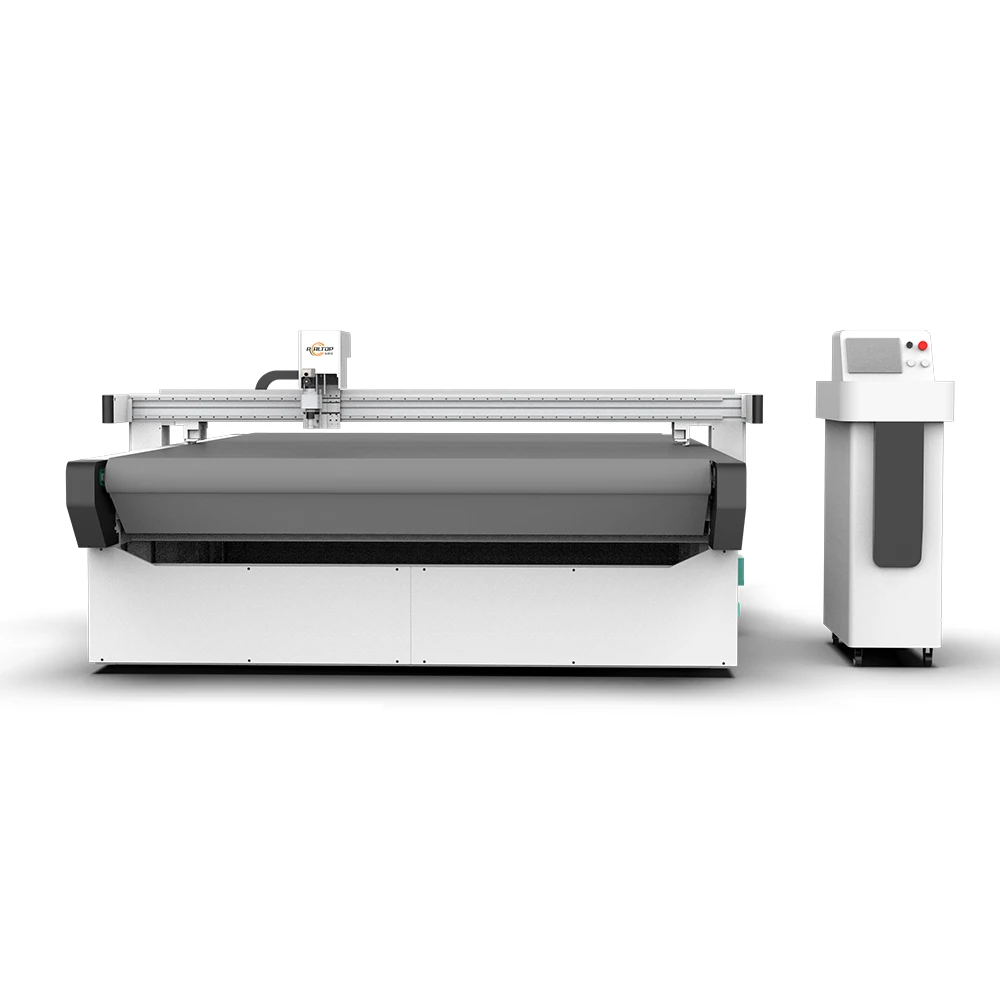
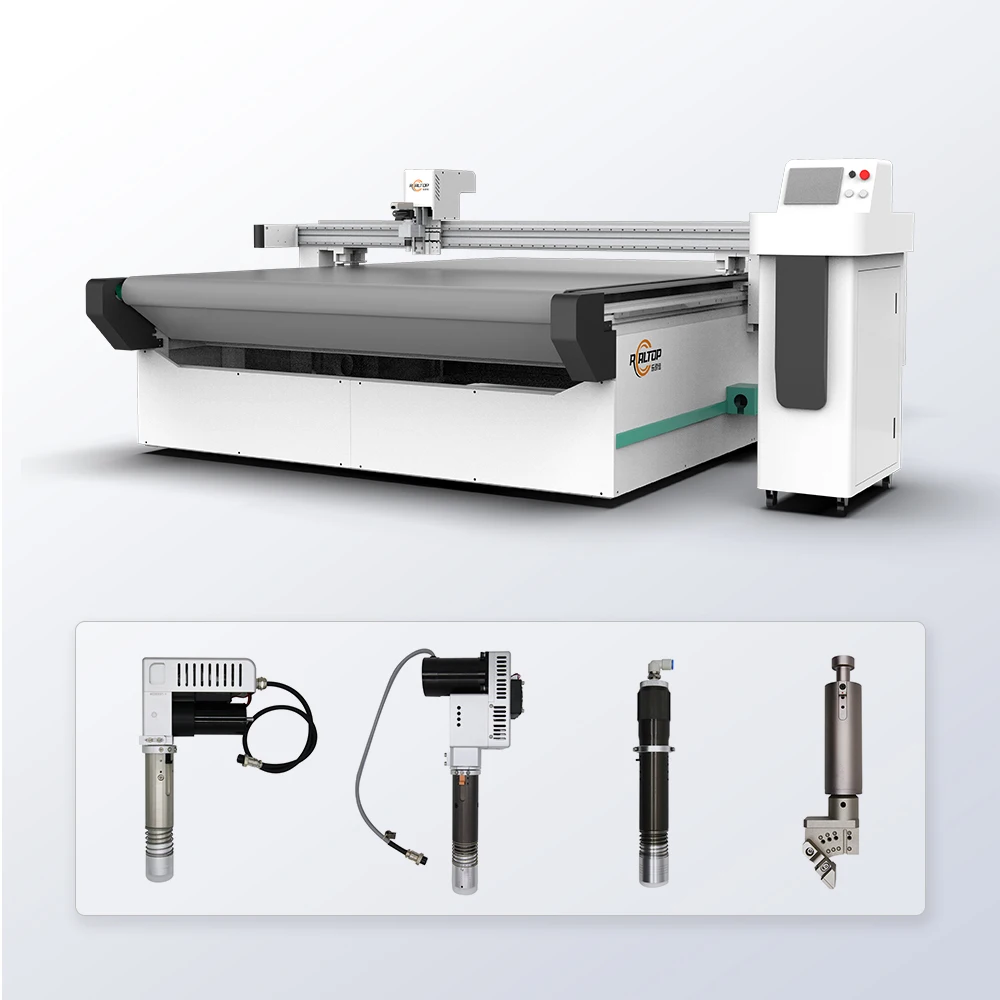
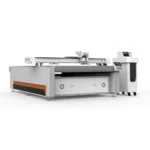
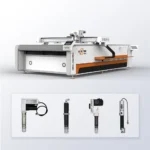
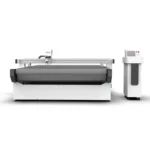
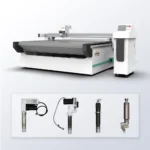
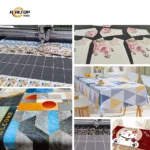
Multi-Tool Flexibility — A single platform configured with oscillating, rotary, and pneumatic knife options matched to your specific fabric weight and layer count, cutting accuracy held to ±0.1 mm across the full 1600×2500 mm table.
Technical Specifications
| Parameter | Value |
|---|---|
| Model | 1625 |
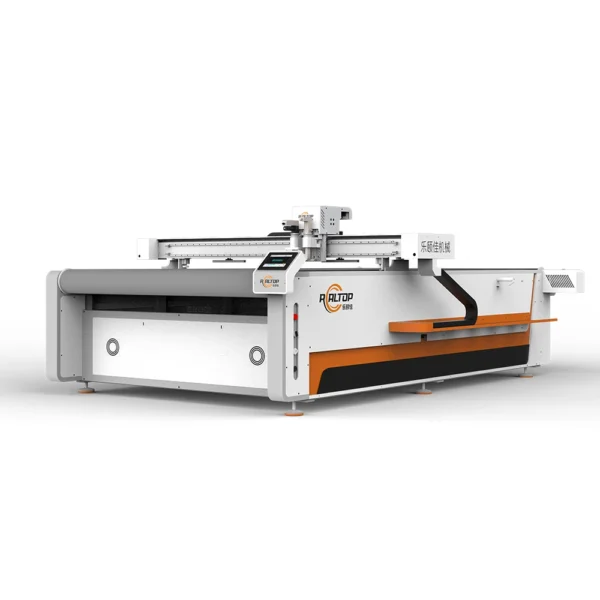
| Product Type | CNC Oscillating Knife Cutting Machine |
| Working Area | 1600×2500 mm |
| Tool Head Options | Oscillating knife, Driven rotary knife, Creasing wheel, Kiss cutting tool, Pneumatic knife, Milling tool, V groove knife |
| Cutting Speed | 0–2000 mm/s |
| Cutting Thickness | ≤ 30mm (basis not stated in source — confirm material / density) |
| Cutting Accuracy | ±0.1 mm |
| Vacuum Pump | 9 kW |
| Voltage | 110V / 220V / 380V (configurable) |
| Control System | PLC with intuitive interface |
| Servo Motors | Panasonic / Delta / Dorna options |
| Vacuum Table | Aluminum bellows type |
| File Formats | PLT, DXF, AI, PDF |
| Safety Device | Infrared sensor, emergency stop |
| Language Options | English, Russian, Italian, Chinese (custom available) |
| Machine Size | 3300×2100×1350 mm |
| Certification | CE |
Application Suitability
| Application | Material or Output |
|---|---|
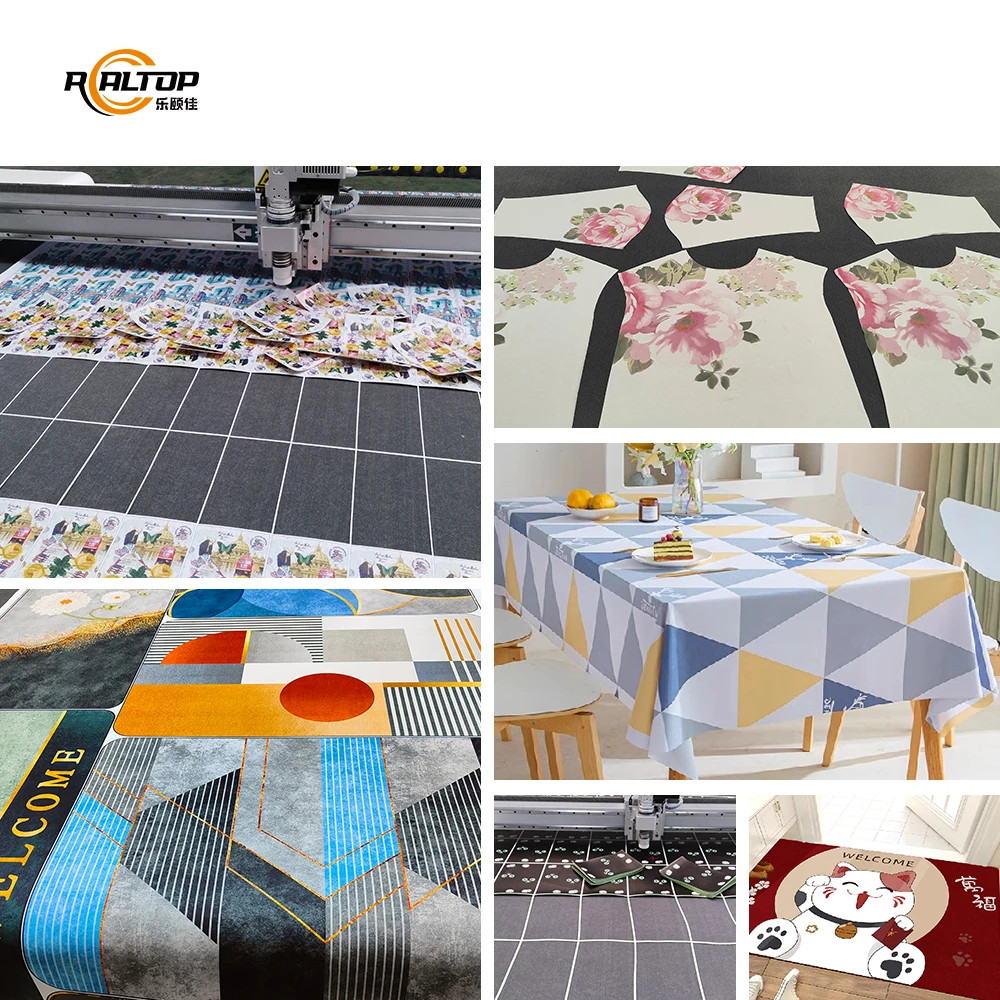
| Apparel manufacturing | Suits, knitwear, lace, pattern-matching fabric layouts |
| Automotive interiors | Seat fabrics, carpets, PVC mats, headliner textiles |
| Home textiles | Sofa fabrics, curtains, rugs, multi-layer blanket cutting |
| Composite processing | Carbon fiber prepreg, aramid weaves, specialty technical textiles |
Why the Tool Head Matters More Than the Working Area
The correct CNC oscillating knife cutting machine specifications depend on matching the cutting tool to your material behavior, not simply choosing the largest bed size available.
I once watched a buyer receive a cutting table that handled standard single-layer polyester without issue, only to discover their actual production involved three-layer automotive upholstery with a foam core. The oscillating knife crushed the middle layer, leaving a ragged cross-section that failed their quality inspection. The machine was not defective — it was simply configured for the wrong material profile [NEED_CITE: material layering effects on oscillating knife cut quality]. Specifying the tool head before the machine frame prevents this kind of costly mismatch on the production floor.
Tool Head Selection for Textile Behavior
Different fabric constructions respond differently to blade action. Woven materials with tight yarn structures generally perform well under a standard oscillating knife, while knits and stretch fabrics often require a driven rotary knife to prevent the blade from pulling the material and distorting the cut path. The 1625 platform accommodates seven interchangeable tool heads, so the CNC oscillating knife cutting machine specifications can be locked to your actual production mix rather than a generic default.
Vacuum Hold-Down and Small Part Stability
When cutting garment panels or automotive trim pieces with narrow geometries, insufficient vacuum adsorption allows the material to lift at the edges mid-cut, shifting the part and ruining the tolerance. The aluminum bellows vacuum table on this machine provides full-surface adsorption, maintaining flatness and grip even when the cutting head passes through small radii. This matters especially in multi-layer layups where a single shifted layer cascades waste through the entire stack [NEED_CITE: vacuum table zoning requirements for small-part textile cutting].
Reading the Specifications for Production Impact
The ±0.1 mm cutting accuracy figure reflects the motion system’s repeatability under the PLC control, which directly determines whether pattern-matched pieces — such as striped sofa panels that must align across seams — register correctly during assembly. The 9 kW vacuum pump rating supports sustained adsorption across the 1600×2500 mm working area; undersized pumps lose grip as air leaks through porous fabrics. Servo motor selection between Panasonic, Delta, and Dorna options allows buyers to align with their existing maintenance parts inventory or regional service network.
The Hidden Cost of a Default Configuration
Accepting a standard tool package without questioning which head matches your fabric weight and layer count often surfaces as a problem only after installation. Ragged edges on knit materials, delamination on composite prepregs, and crushed foam cores on automotive textiles all trace back to the same root cause: a generic configuration applied to a specialized material [NEED_CITE: cost of material waste from incorrect tool head selection]. The downtime spent re-testing parameters and the scrap generated during that period represent the real expense.
Why Source This Configuration Here
The 1625 is designed and built in-house, meaning the tool head combination is specified by the same engineering team that designed the motion platform — not assembled from third-party components after the fact. The factory test record documents actual cuts on your supplied material before the machine ships, so edge quality and thickness capability are verified rather than assumed. Voltage, plug type, and control language are confirmed against your facility specifications during the order process, not left as a default that may not match your local power grid. Software license documentation confirms compatibility with your existing DXF, PLT, AI, or PDF nesting workflow before production begins.
Documentation & Verification
- Sample cutting report on your supplied fabric before dispatch confirmation
- Tool head and table configuration list matched to your material types
- Electrical schematic confirming voltage and frequency for your facility
- Software license and file format compatibility note for DXF, PLT, AI, PDF
- Factory test record documenting cutting accuracy on your material stack
- Operation and maintenance manual in your specified language
Installation, Commissioning & Support
- Floor space requirement based on 3300×2100×1350 mm machine footprint with operator clearance
- Dedicated electrical circuit matching confirmed 110V, 220V, or 380V supply
- Machine arrives fully assembled; positioning and leveling on prepared floor
- First-run parameter tuning on your material by commissioning technician
- Operator training covering tool head changeover and nesting software use
- Spare parts list identifying consumable blades and vacuum table seals
What to Include in Your Inquiry
Send us your material type, weight per square meter, number of layers you intend to cut simultaneously, and typical sheet dimensions. Let us know your local voltage and frequency, preferred control language, and whether your current workflow uses DXF, PLT, AI, or PDF files. If possible, ship a sample roll so we can run a cutting test and confirm the tool head selection before your order enters production.
Frequently Asked Questions
Q: How do I determine which tool head is correct for my fabric?
A: The tool head depends on your material construction, weight, and layer count. Woven fabrics generally suit an oscillating knife, while knits and stretch textiles often need a driven rotary knife to prevent distortion. We run sample cuts on your actual material to confirm the selection before the machine ships, documenting edge quality in a test report.
Q: What material was used to verify the 30mm cutting thickness rating?
A: The thickness capability depends heavily on material density and composition. A 30mm foam block cuts differently than 30mm of compressed multi-layer textile. We specify the cutting depth based on a sample cut using your actual material, so the rating reflects your production conditions rather than a generic laboratory benchmark.
Q: How does the vacuum table handle small garment pattern pieces?
A: The aluminum bellows vacuum table provides full-surface adsorption across the entire 1600×2500 mm working area. This prevents narrow pattern pieces from lifting during high-speed cutting passes. For very small parts, the zoning configuration can be discussed during the specification stage to concentrate suction where your nesting layout requires it.
Q: What voltage and language options are confirmed before the machine ships?
A: The control system supports 110V, 220V, and 380V configurations, and the interface is available in English, Russian, Italian, Chinese, or custom languages. Your preferred voltage, plug type, and language are documented in the order confirmation and verified on the electrical schematic before production, ensuring the machine matches your facility on arrival.


商品评价
Clear filtersThere are no reviews yet.