



Fast Shipping
Carrier information

20k products
Payment methods

24/7 Support
Unlimited help desk

2-day Delivery
Track or off orders
Precision Tool Head Matching — Every oscillating knife stroke, blade angle, and vacuum zone is configured around your actual material density and sheet size, not a generic catalog default.
Technical Specifications
| Parameter | Value |
|---|---|
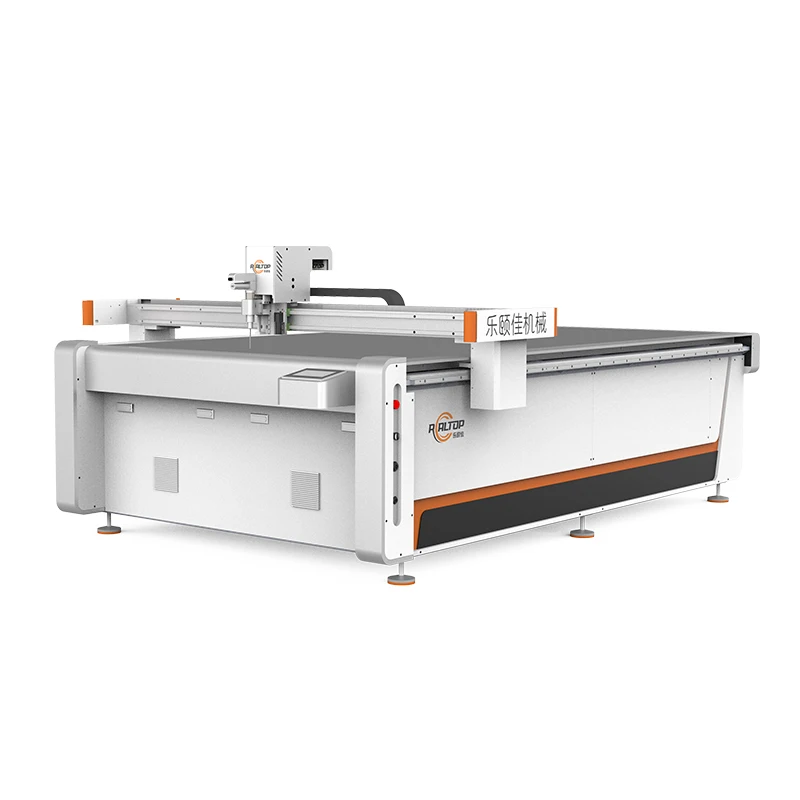
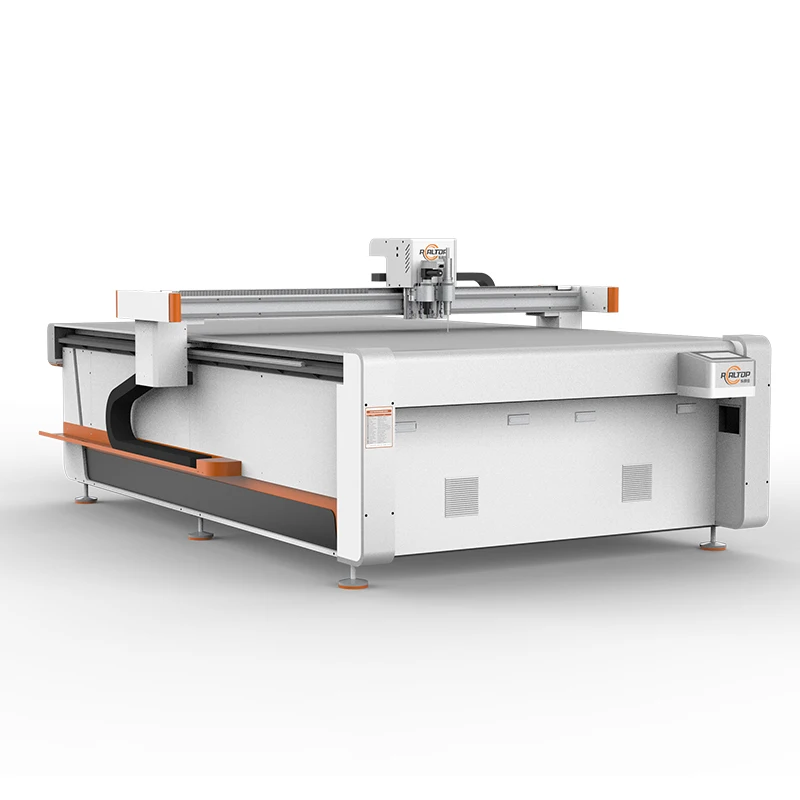
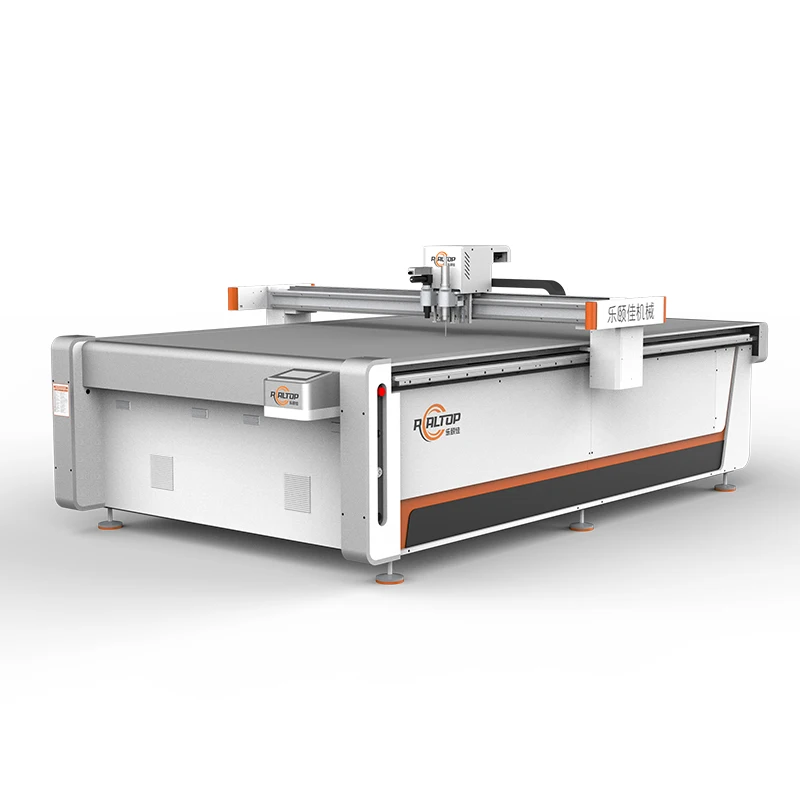
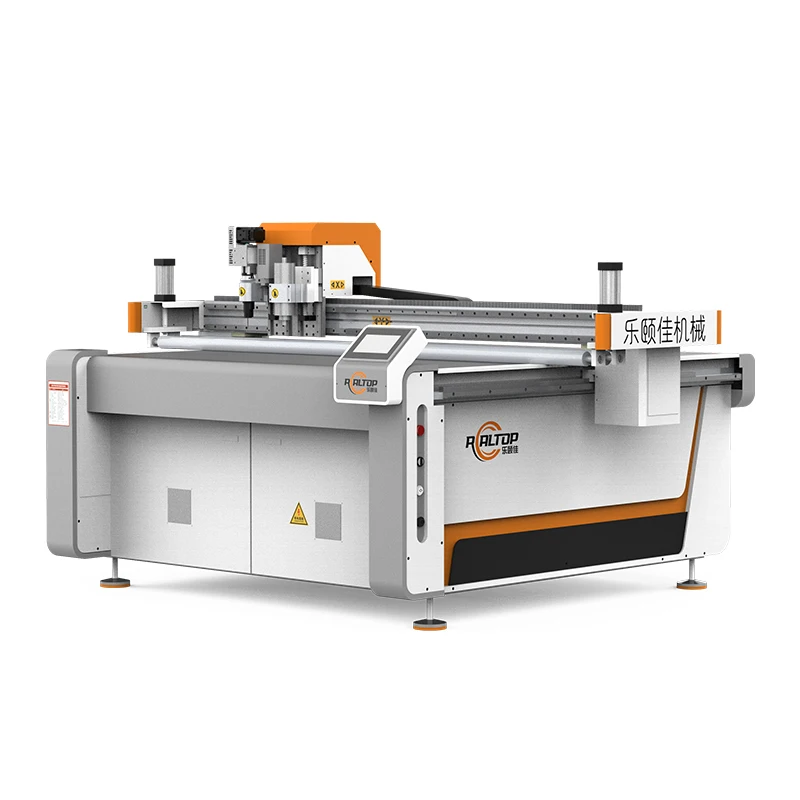
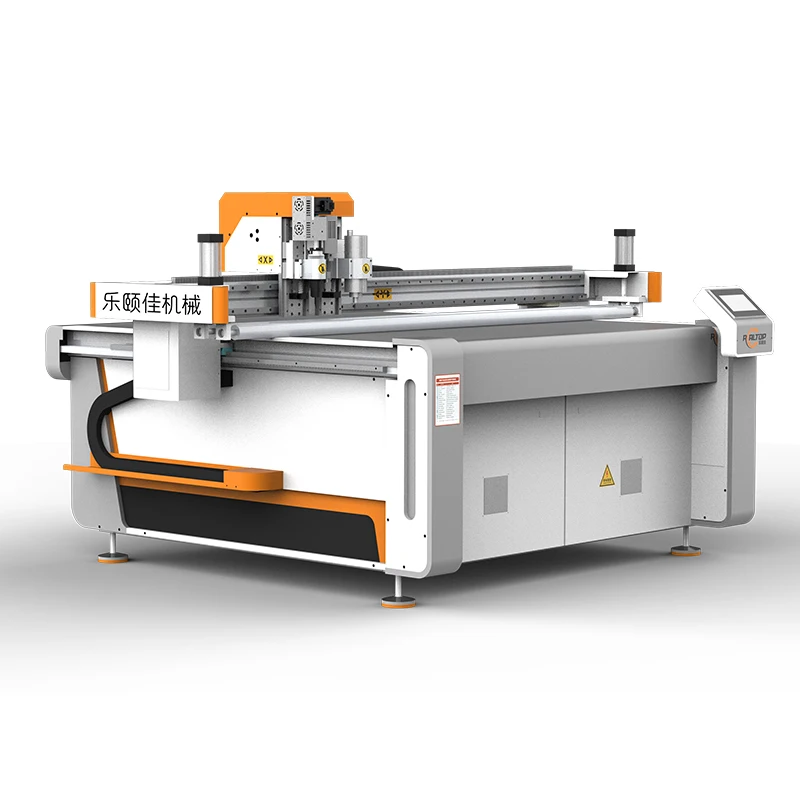
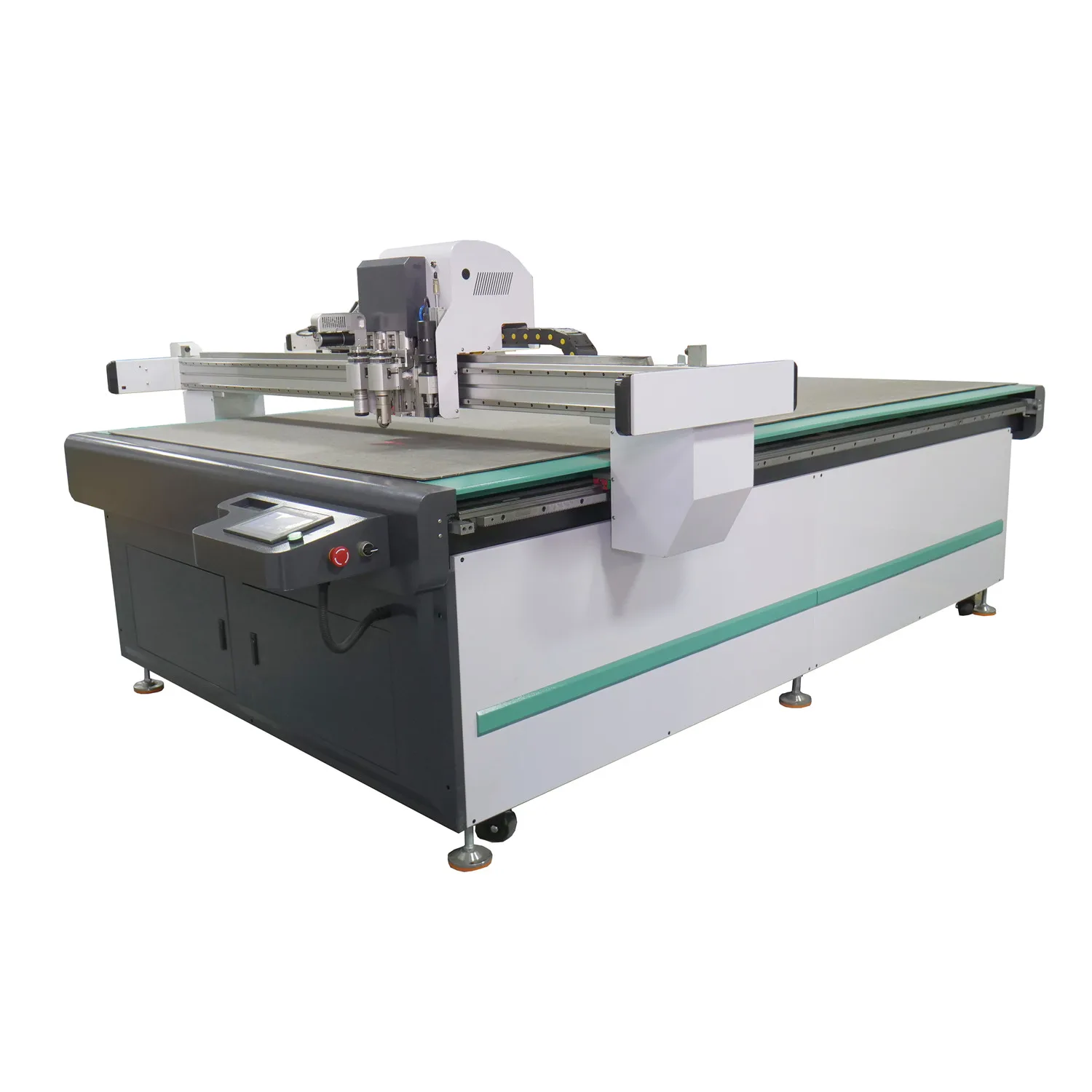
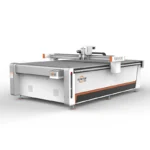
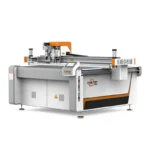
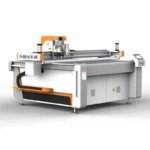
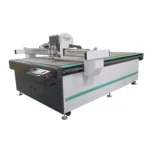
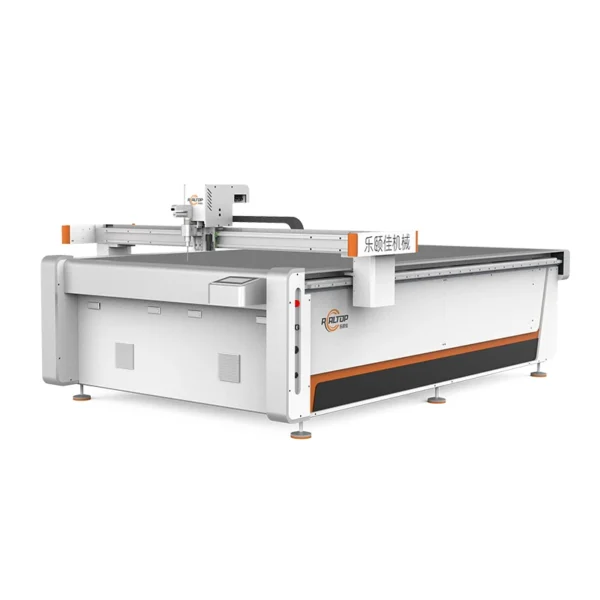
| Product Type | CNC Oscillating Knife Cutting Machine |
| Working Area | 1600×2500 mm |
| Overall Dimensions | 3450×2300×1250 mm |
| Rated Power | 9 kW |
| Voltage | 380V±10% (other voltages available on request) |
| Control System | CNC, HP-GL compatible format |
| Translational Velocity | 800–1200 mm/s |
| Cutting Thickness | 20–80 mm (varies according to material type and density) |
| Repeatability | ≤0.1 mm |
| Transmission System | Digital servo motor (Delta optional), linear guide, synchronous belt, ball screw with Taiwan Hiwin rail |
| Worktable Type | Flat magnesium-aluminum alloy vacuum adsorption table with fluorocarbon PVDF powder spraying, anodic oxidation, and hard oxidation treatment |
| Vacuum Pump | 7.5 kW, integrated aviation aluminum shell with built-in silencer sponge |
| Tool Head Options | Swiss imported oscillating knife (vibration full cutting, half cutting, cursor location); optional pneumatic knife, high-power vibrating knife, circular knife, V-cutting knife, drag knife, creasing wheel, dotted line knife, punching, brush |
| Visual Positioning | Small CCD camera mark point positioning, panoramic camera recognition positioning, projection positioning |
| Safety Device | Infrared induction blocking, anti-collision beam sensors, emergency stop button, intelligent infrared sensor stop |
| Auto Feeding | Germany imported conveyor belt |
| Software Language | English, Russian, Italian, Chinese (special languages customizable) |
| Warranty | One year (free parts; buyer covers shipping; on-site engineer available at buyer travel cost) |
Application Suitability
| Application | Material or Output |
|---|---|
| Advertising and signage production | KT board, foam board, PVC sheet, self-adhesive vinyl, film |
| Packaging sample making | Corrugated cardboard, folding carton board, plastic corrugated box |
| Garment and footwear manufacturing | Leather, woven fabric, textile, shoe upper material, luggage fabric |
| Automotive interior and gasket production | Composite laminates, gasket sheet, sponge-backed leather |
| Soft furnishings and sealing | Carpet, non-woven fabric, soft glass, silicone sheet, rubber |
| Composite and foam fabrication | PU, EVA, XPE, PVC foam, PP, PE, PTFE, fiberglass, sponge, foam board |
Why the Wrong Tool Head Destroys Edge Quality on Foam and KT Board
A mismatched oscillating knife turns clean profile cuts into crushed edges and delaminated faces — matching blade stroke, angle, and vibration frequency to your exact material density is the single decision that separates production-ready output from scrap.
In advertising workshops across Southeast Asia, I have watched operators swap blades mid-shift because the default oscillating knife head could not hold a clean edge on 10 mm KT board at full travel speed. The foam core tears instead of shearing, leaving ragged internal walls that reject the piece at quality check. On denser materials like EVA gasket stock, a blade set for fabric produces incomplete cuts that leave the bottom skin attached, forcing a second pass that ruins registration. [NEED_CITE: oscillating knife selection by material density and thickness]
Multi-Tool Head Logic for Mixed-Material Shops
Advertising producers rarely run a single substrate all week. Monday might be 5 mm foam board lettering, Wednesday calls for self-adhesive vinyl contour cuts, and Friday requires creasing on corrugated sample boxes. The Swiss imported oscillating knife handles vibration full cutting and half cutting for rigid and semi-rigid sheets, while the drag knife traces vinyl and film without blade penetration into the belt. Adding a creasing wheel to the same carriage lets one CNC oscillating knife cutting machine replace two dedicated stations on the floor.
Vacuum Zoning and Small-Part Hold-Down
A 1600×2500 mm table holds a full advertising sheet, but most sign jobs nest dozens of small letters and logos across that area. Without independent vacuum zones, suction spreads thin and lightweight KT board pieces lift during the final cuts, catching the blade and ruining the nest. The magnesium-aluminum alloy flat table with PVDF fluorocarbon coating provides a rigid, non-stick surface, while the 7.5 kW vacuum pump with aviation aluminum shell and integrated silencer maintains suction pressure. Proper zoning keeps each nested region locked until the operator clears finished parts. [NEED_CITE: vacuum table zoning requirements for small CNC cut parts]
Spec Reading for Real Production Conditions
The 800–1200 mm/s translational velocity range reflects servo capability on straight runs, but actual cutting speed through 10 mm foam board depends on the oscillating stroke frequency and blade geometry — dense composite gasket material demands slower travel to maintain the ≤0.1 mm repeatability figure. The Taiwan Hiwin rail and ball screw transmission maintain positional accuracy across the full 3450 mm machine length, which matters when a panoramic camera recognition system tracks printed marks across a 2.5-meter sheet. Voltage confirmation at 380V±10% is critical for export markets where 220V three-phase or 415V supplies are standard; requesting the electrical schematic before order avoids transformer costs on arrival. The HP-GL compatible control format integrates with common sign-making nesting software, but DXF, PLT, AI, and PDF file import should be verified with the supplier against your existing workflow.
The Cost of Skipping the Sample Cut
Every specification on paper collapses when the actual material behaves differently under the blade. A foam board that cuts cleanly at 10 mm may delaminate at 13 mm with the same tool head, and a PVC sheet from one supplier may contain plasticizer levels that cause the oscillating knife to drag rather than shear. Without a sample cutting report recorded on your own stock — documenting tool head type, blade stroke, and cutting speed — you commission the machine blind. [NEED_CITE: material variability in CNC knife cutting validation]
Why Buyers Source This Machine From the Factory Floor
The in-house design team engineers both knife and laser cutting systems under one roof, so the tool head recommendation comes from the same group that built the motion platform — not a third-party integrator guessing at compatibility. Tool head and table configurations are written into the order specification per material, not left as a generic package. CCD camera positioning options — mark point, panoramic, and projection — are confirmed against your printed registration format before production begins. Software file format compatibility is verified with your nesting workflow so that DXF and AI files import without manual rework. Voltage, plug type, and control language are locked to your facility before the machine enters assembly. [NEED_CITE: OEM documentation standards for CNC cutting equipment export]
Documentation & Verification
- Machine specification sheet with tool head configuration list matched to your material set
- Electrical schematic with voltage and frequency confirmed for your local supply standard
- Sample cutting report on your own KT board, foam, or vinyl stock with blade and speed data
- Software licence with file format compatibility note covering DXF, PLT, AI, and PDF import
- Factory test record with repeatability measurement logged across the full working area
- Operation and maintenance manual with spare parts list in your requested language
Installation, Commissioning & Support
- Requires a level concrete floor capable of supporting the 3450×2300 mm footprint with clearance for the Germany imported conveyor belt feeding system
- Dedicated 380V±10% three-phase circuit rated for 9 kW continuous draw with proper earthing for servo motor stability
- Machine ships fully assembled; verify doorway and overhead clearance at your facility before delivery
- First-day commissioning includes vacuum zone mapping across the 1600×2500 mm table and CCD camera calibration for your print mark format
- Operator training covers tool head changeover between oscillating knife, drag knife, and creasing wheel for mixed-material production runs
- Spare blade and belt inventory recommended based on your daily cutting volume and material abrasiveness
What to Include in Your Inquiry
Send your primary material types with thickness and density, the maximum sheet size you process, and your daily cutting volume so the tool head and vacuum zone configuration can be matched before quotation. Confirm your facility voltage and frequency, the control language your operators need, and whether your existing nesting software exports DXF, PLT, or AI files. If your work involves printed contour cutting, provide a sample artwork file with registration marks so CCD recognition can be validated against your actual print format.
Frequently Asked Questions
Q: How do I choose the right oscillating knife tool head for my advertising materials?
A: The choice depends on material density and thickness. Rigid KT board and foam board typically require the Swiss imported oscillating knife with full-cutting mode, while self-adhesive vinyl and thin film work best with a drag knife. Request a sample cutting report on your exact material to confirm blade type, stroke frequency, and achievable edge quality before committing to a configuration.
Q: What cutting depth is realistic on foam board versus gasket material?
A: The specification lists 20–80 mm as the thickness range, but achievable depth depends on material density and the tool head fitted. Low-density packaging foam cuts at the upper end, while dense rubber gasket stock may require multiple passes at reduced depth. A sample cutting report on your specific material is the only reliable way to confirm single-pass capability.
Q: Can the CCD camera track printed marks at full production speed?
A: The system offers small CCD mark point positioning, panoramic camera recognition, and projection positioning. Whether it tracks your marks at 1200 mm/s travel speed depends on mark contrast, size, and spacing on your printed sheet. Provide a sample printed sheet so the supplier can test recognition speed and confirm the required mark format before shipment.
Q: Is the vacuum table suction strong enough for small cut letters and logos?
A: The 7.5 kW vacuum pump delivers substantial hold-down force, but small parts need independent zoning so suction concentrates where the nest is located rather than spreading across the entire 1600×2500 mm table. Confirm the number of vacuum zones and their layout with the supplier based on your typical nesting pattern.
Q: Which file formats does the control software accept for nesting?
A: The CNC system uses an HP-GL compatible format and generally supports DXF, PLT, AI, and PDF import. However, nesting workflow compatibility — including layer mapping, tool path assignment, and contour recognition — should be verified with your actual files. Request a software compatibility note from the supplier confirming import success with your design software output.


商品评价
Clear filtersThere are no reviews yet.