



Fast Shipping
Carrier information

20k products
Payment methods

24/7 Support
Unlimited help desk

2-day Delivery
Track or off orders
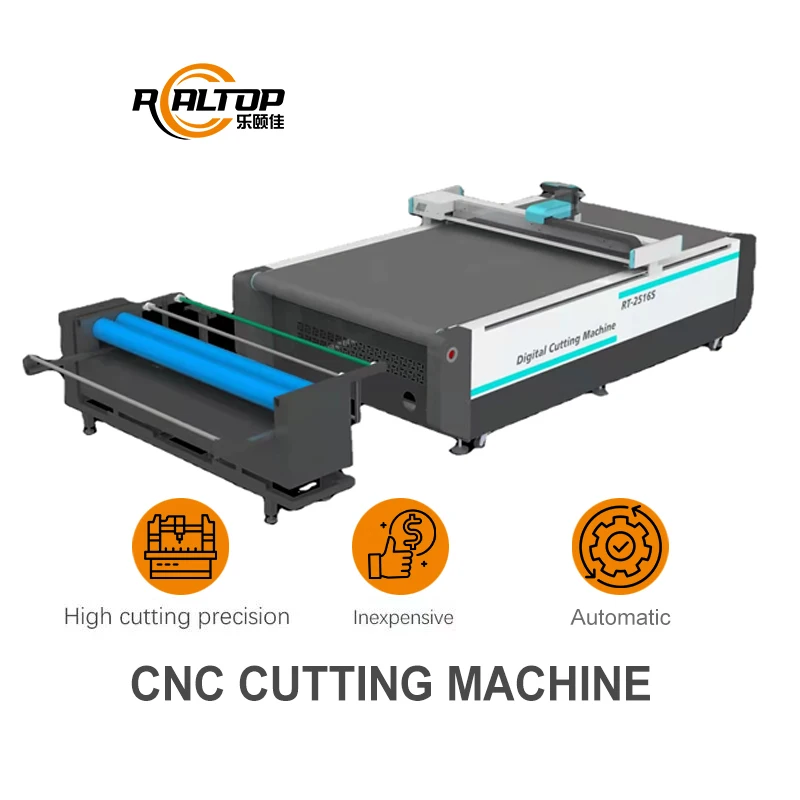
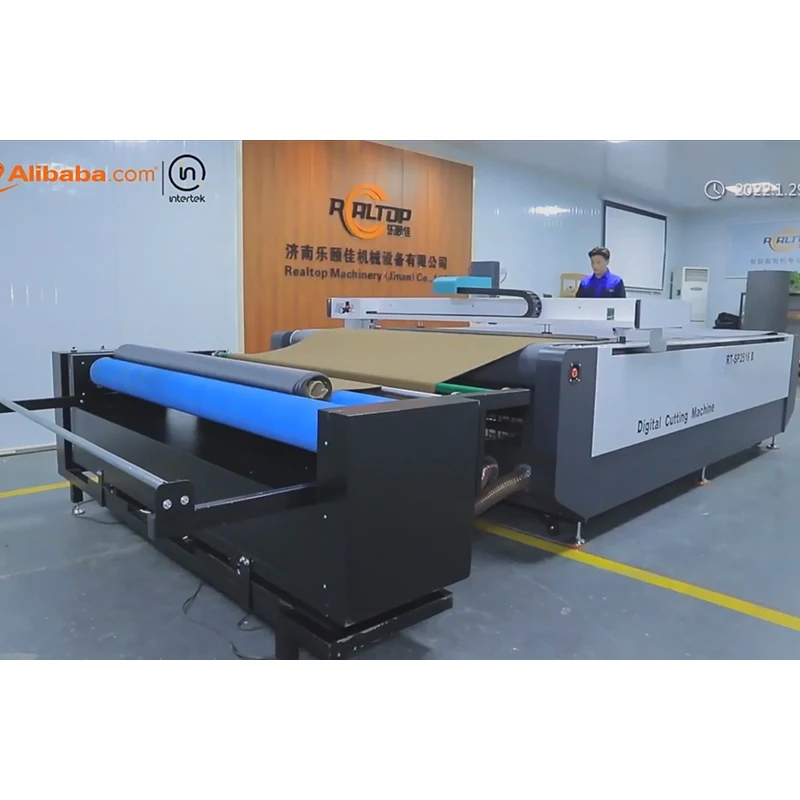
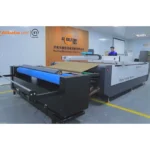
Configurable Tooling Per Material — every RT-D2516/RT-S2516 leaves our Jinan workshop with the oscillating knife, vacuum zone layout and software language matched to the buyer’s actual fabric stack, not a generic catalogue setup.
Technical Specifications
| Parameter | Value |
|---|---|
| Model | RT-D2516/RT-S2516 |
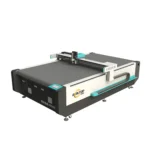
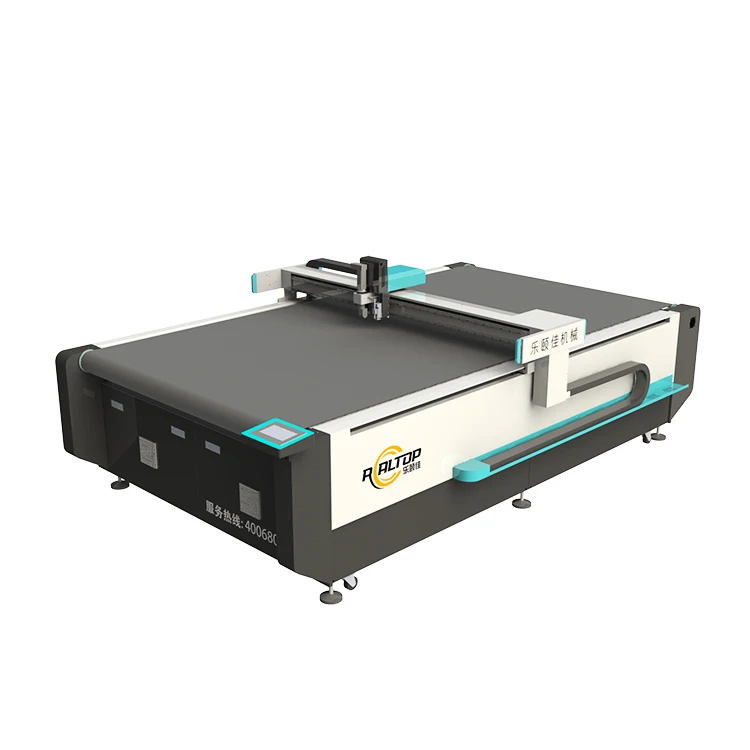
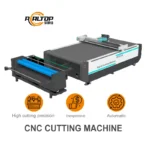
| Product Type | CNC Oscillating Knife Cutting Machine |
| Working Area | 1600 × 2500 mm |
| Machine Size | 3450 × 2300 × 1250 mm |
| Rated Power | 9 kW |
| Vacuum Pump | 7.5 kW |
| Table Type | Flat working table with conveyor and auto feeding |
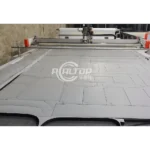
| Table Surface | High-density felt on aviation aluminum countertop with internal wind-channel structure |
| Tool Head | Multifunctional head — Swiss imported knife with vibration full cutting, vibration half cutting and cursor location |
| Compatible Tools | Round knife, marking pen, auto feeder (modular tool holder) |
| Cutting Thickness | Up to 50 mm depending on material and layer density (basis to be confirmed per buyer material) |
| Translational Velocity | 800–1200 mm/s |
| Repeated Accuracy | ≤0.1 mm |
| Transmission System | Digital servo motor, Taiwan Hiwin linear guide, synchronous belt, ball screw, rack and pinion |
| Servo Motor | Panasonic (Delta servo motor also listed in source — confirm at order) |
| Control Box | Fixed on fuselage, high-flexibility cables rated for wear, moisture, cold and high temperature |
| Bed Structure | Overall welding, imported milling machine processing on guide rail and rack mounting surfaces |
| Voltage | 380V ±10% |
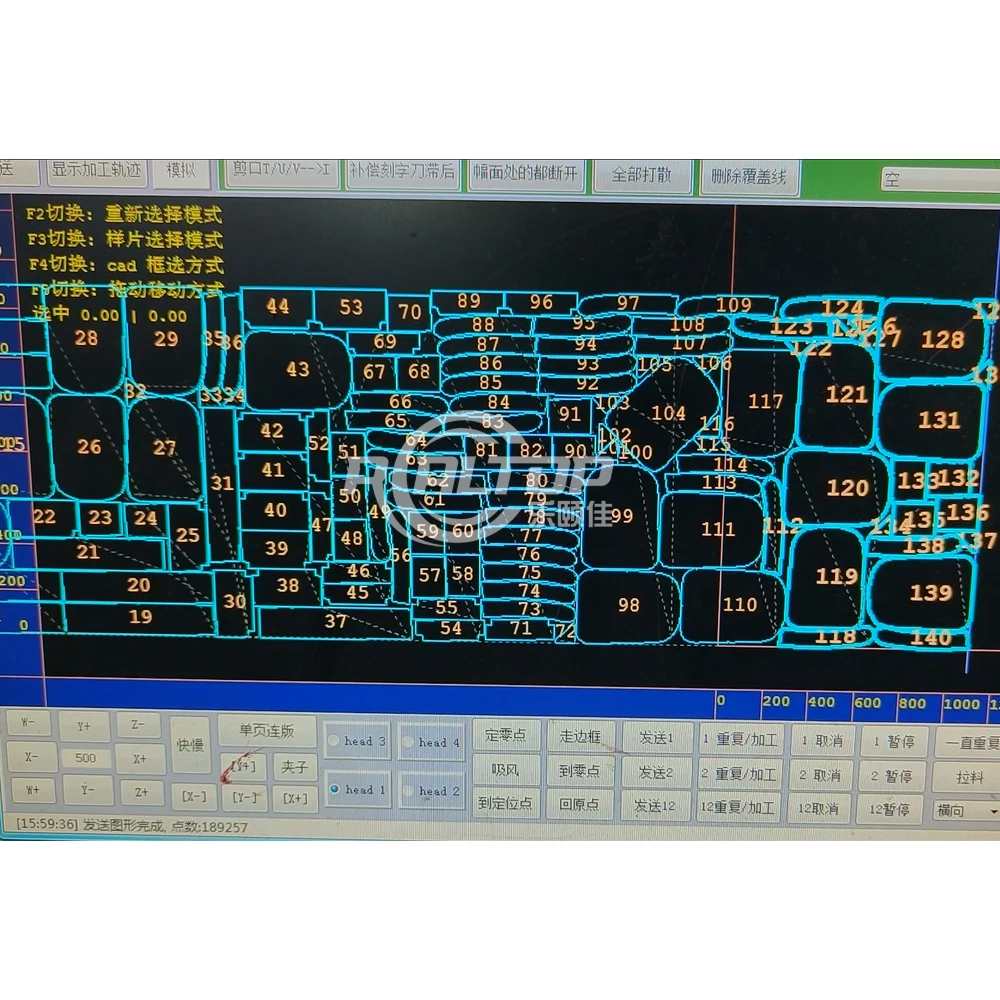
| Instruction System | HP-GL compatible format |
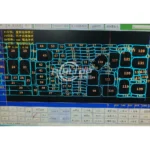
| Software Language | English, Russian, Italian, Chinese; additional languages customizable |
| Safety Device | Infrared sensors |
| Certification | CE |
Application Suitability
| Application | Material or Output |
|---|---|
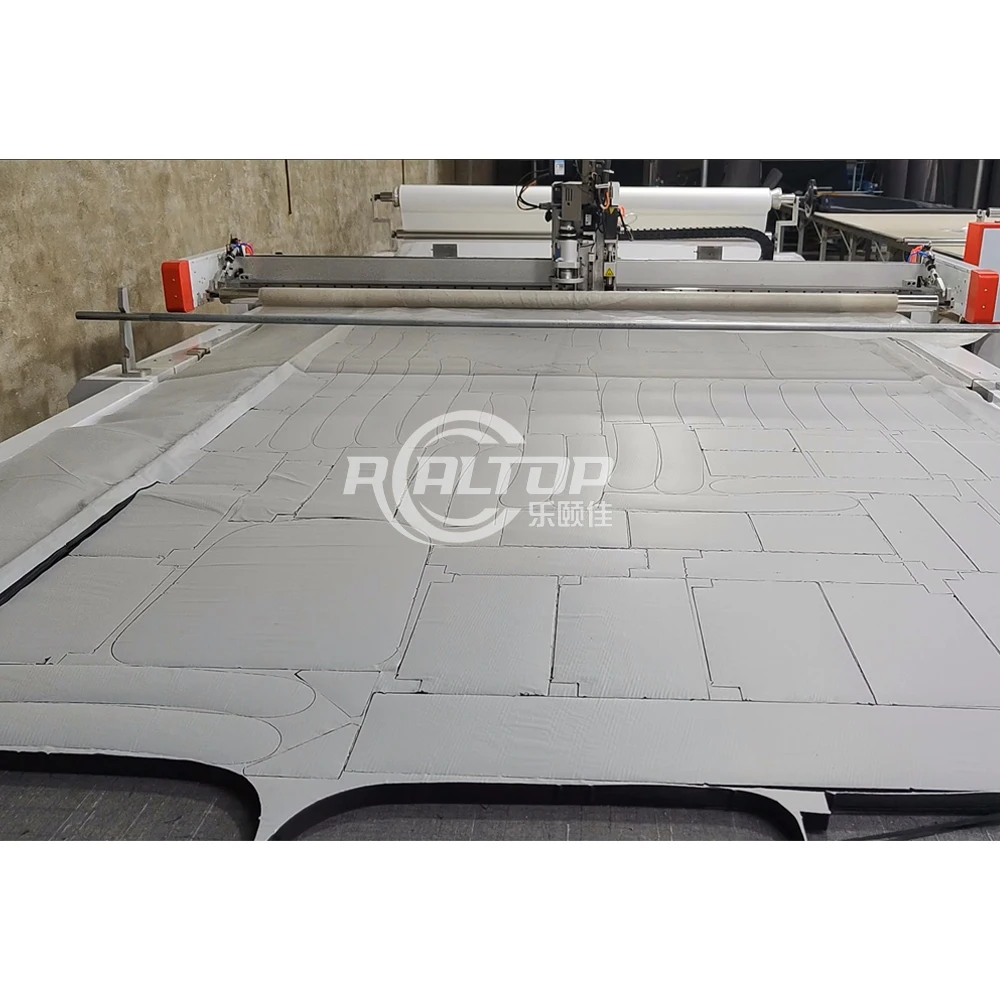
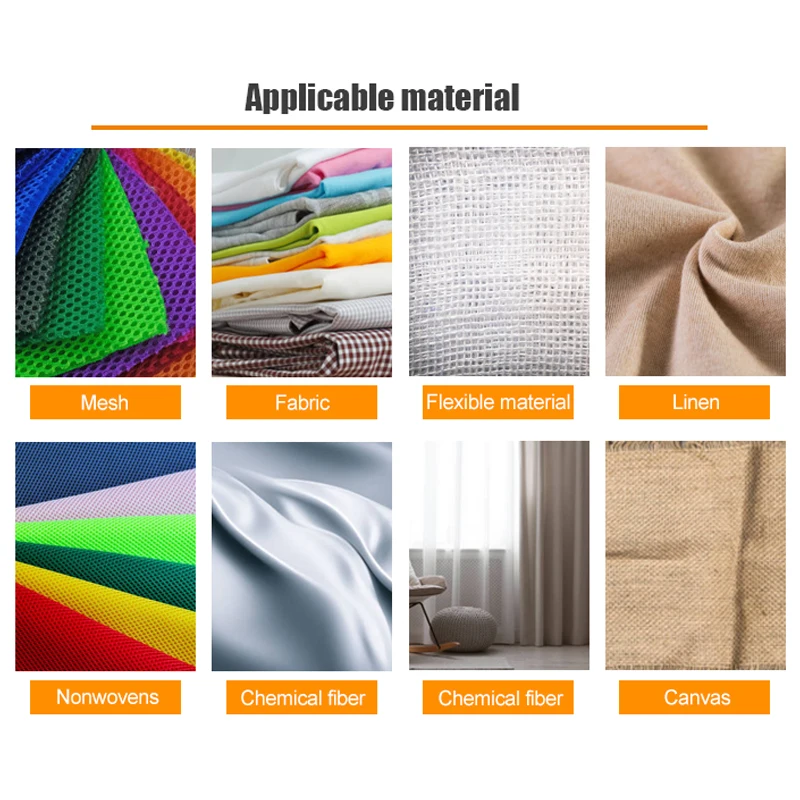
| Garment and footwear fabric cutting | Denim, cotton, technical textiles, single or multi-layer layups with nesting for material yield |
| Leather goods production | Natural and synthetic leather, sponge composite leather — clean edge without fraying or crushing |
| Automotive interior soft trimming | PVC, foam-backed vinyl, composite leather panels for dashboard and door inserts |
| Gasket and seal fabrication | Silicon, rubber, soft glass and composite gasket stock cut to precise contour profiles |
| Home furnishing textiles | Upholstery fabric, curtain and drapery panels, multi-layer composite materials |
Why the Material Test Must Come Before the Purchase Order
A machine quoted on working area alone will fail the moment it meets your actual layup.
I have watched fabric producers receive a CNC oscillating knife cutting machine that sliced clean through standard denim on the factory sample run, only to discover their stretch-blend denim at home unraveled at every cut edge. The working area was correct; the tool head frequency, blade geometry and vacuum hold-down were not. Stretch fabrics, multi-layer technical textiles and foam-backed composites each demand a different combination of oscillation rate, blade angle and suction zoning. No single preset covers them all. [NEED_CITE: material-specific cutting parameters for oscillating knife systems]
Without a documented sample cut on the buyer’s own roll stock, the cutting thickness figure on the spec sheet stays a catalogue number rather than a verified production reality.
Tool Head Selection Decides Edge Quality Before Speed Matters
The multifunctional head on the RT-D2516/RT-S2516 carries a Swiss imported oscillating knife capable of full cutting, half cutting and cursor location in one setup. For woven denim and canvas, the high-frequency oscillation separates fibers cleanly rather than dragging them. When the same machine switches to sponge composite leather or PVC, the operator can swap in a round knife or adjust stroke parameters through the modular tool holder, keeping edge compression and delamination under control across product lines.
Vacuum Zoning Is the Real Constraint on Small-Part Yield
The aviation aluminum countertop hides an internal wind-channel structure that distributes suction across independent zones. When nesting software packs small garment pattern pieces — collars, cuffs, pocket flaps — into a single layup, unsealed zones bleed vacuum and the cut parts lift or shift mid-cycle. Confirming zone count and switching logic against the buyer’s typical nesting pattern prevents the small-part scrap problem that no amount of blade sharpness can fix. [NEED_CITE: vacuum table zoning impact on small-part cutting accuracy]
Reading the Specs That Actually Move the Needle
Repeated accuracy of ≤0.1 mm is maintained by the rack-and-pinion drive paired with Taiwan Hiwin linear guides. On long production runs where hundreds of identical pattern pieces are cut consecutively, any cumulative drift in carriage position turns into mismatched panels at the sewing line. The 9 kW rated power covers the oscillating head motor, vacuum pump draw and conveyor feed together; producers running three shifts should confirm local voltage stability stays within the 380V ±10% band, because servo response degrades before a breaker ever trips. The HP-GL compatible instruction system integrates with mainstream nesting CAD packages, but file format and nesting workflow compatibility should be verified against the buyer’s existing software licence before the order is placed. [NEED_CITE: HP-GL compatibility across CAD nesting platforms]
What Happens When the Configuration Guess Is Wrong
Picking the wrong tool head for a stretch-blend or foam-backed material produces ragged edges that the sewing department cannot accept, or crushed foam cores that fail bonding in lamination. A CCD camera promised for printed contour work but tuned only for slow-speed tracing loses mark registration at production speed, leaving mis-cut panels in the reject bin. Underspecified vacuum zoning lifts small parts off the felt surface mid-cut, and the nesting yield the buyer planned never materializes on the shop floor. [NEED_CITE: common causes of cutting defects in multi-layer fabric production]
Why Buyers Run Sample Material Through Our Workshop First
Tool head and table configuration is specified per the buyer’s material and daily volume, not chosen from a fixed menu. Our in-house design team covers both knife and laser cutting, so a buyer working composite materials can match the cutting method to each layer rather than forcing one approach. CCD camera positioning capability is confirmed for printed contour jobs during the sample phase. Software and file format compatibility is checked against the buyer’s nesting workflow before the machine enters production. Voltage, plug type and control panel language are documented and locked before the crate is sealed.
Documentation & Verification
- Factory test record documenting cut edge quality on buyer-supplied fabric at specified layer count
- Tool head and vacuum zone configuration list matched to buyer’s material stack and nesting pattern
- Electrical schematic with confirmed voltage, plug type and frequency for the destination facility
- Software licence and HP-GL file format compatibility note signed off before production starts
- Spare parts list covering blades, felt strips and vacuum seals with recommended replacement intervals
Installation, Commissioning & Support
- Floor space must accommodate the 3450 × 2300 mm footprint plus conveyor feed clearance and operator access on two sides
- Dedicated 380V ±10% circuit required for combined 9 kW machine and 7.5 kW vacuum pump draw
- Machine ships as a single welded frame; Hiwin rails and rack surfaces are aligned at the factory and rechecked after positioning
- First-run parameter tuning covers oscillation frequency, feed speed and vacuum zone mapping on the buyer’s actual material
- On-site operator training addresses tool change procedure, nesting import and daily felt surface maintenance
- Wear items including oscillating blades, conveyor belt sections and felt strips are listed with reorder lead times
What to Prepare Before Requesting a Quote
Send us the exact fabric composition, weight per square meter and the number of layers you typically cut in a single layup. Tell us your daily output target, the nesting software you currently run and the local voltage and frequency at your facility. If your product line includes stretch blends or foam-backed composites, ship a roll sample so we can run it on the RT-D2516/RT-S2516 before any configuration is locked in.
Frequently Asked Questions
Q: How is cutting thickness verified for my specific material and layer count before I commit?
A: We run your actual fabric or composite on the machine using the proposed tool head and vacuum setting. A sample cutting report documents edge quality, layer separation and achievable speed. This report is signed off by both sides before production begins, so the thickness figure on your contract reflects your material, not a generic test standard.
Q: Which tool head should I use — oscillating knife, round knife or drag knife — and can I switch later?
A: Oscillating knife suits most woven and technical textiles where fiber separation matters. Round knife handles continuous long cuts on single-layer leather or vinyl. The modular tool holder on the RT-D2516/RT-S2516 accepts all three plus a marking pen, so additional tooling can be added as your product range grows without replacing the machine.
Q: How does vacuum table zoning handle small pattern pieces like collars and cuffs?
A: The aviation aluminum countertop uses an internal wind-channel structure to divide suction into independent zones. Zones under active cutting areas stay sealed while unused zones close, maintaining hold-down force on small parts. The zone layout can be discussed during configuration to match your most common nesting patterns.
Q: Will the control software accept my existing nesting files and CAD workflow?
A: The instruction system accepts HP-GL compatible format, which covers most mainstream nesting and CAD platforms. We verify file import, layer mapping and nesting workflow against your specific software licence before the order is confirmed, and this compatibility is documented in the software licence note shipped with the machine.
Q: What electrical and language details are confirmed before the machine ships?
A: Voltage, plug type and frequency are matched to your facility supply and recorded on the electrical schematic. Control panel language — English, Russian, Italian, Chinese or a custom option — is specified at order and verified during factory testing. All three items appear on the pre-shipment documentation package.


商品评价
Clear filtersThere are no reviews yet.