



Fast Shipping
Carrier information

20k products
Payment methods

24/7 Support
Unlimited help desk

2-day Delivery
Track or off orders
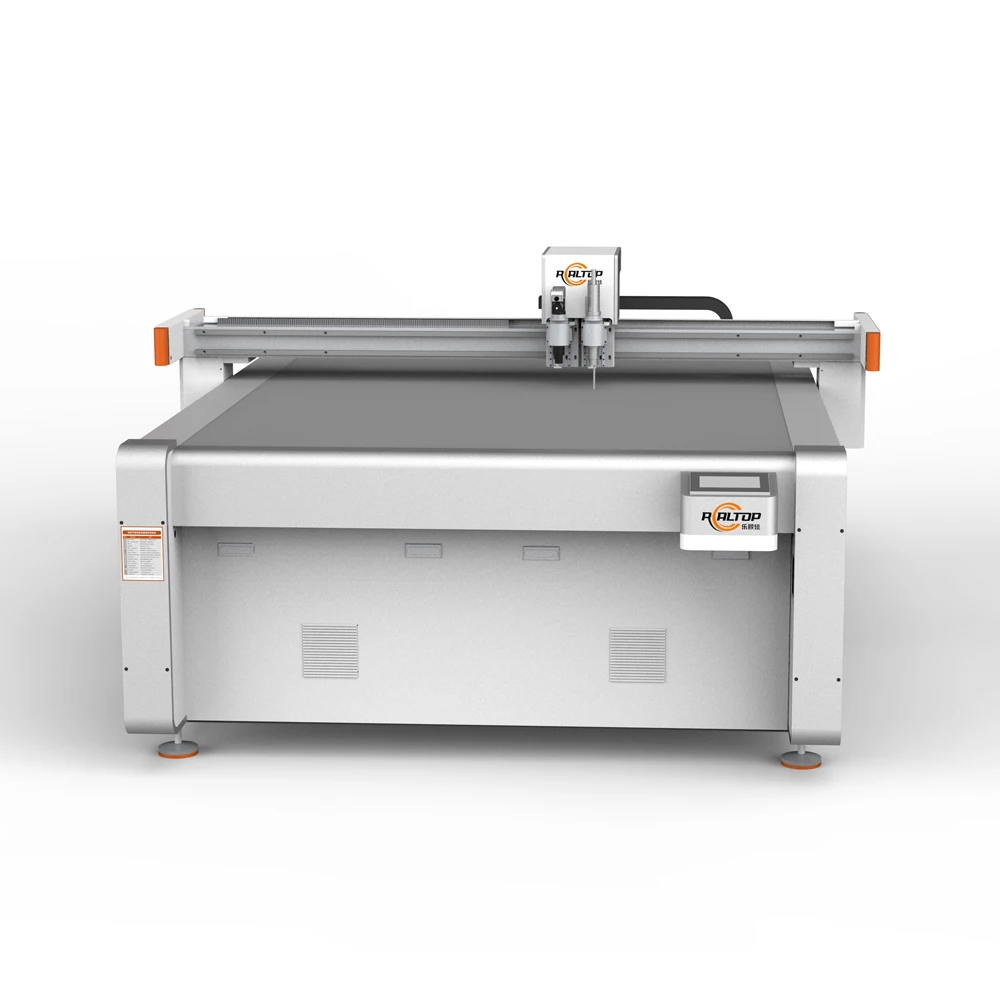
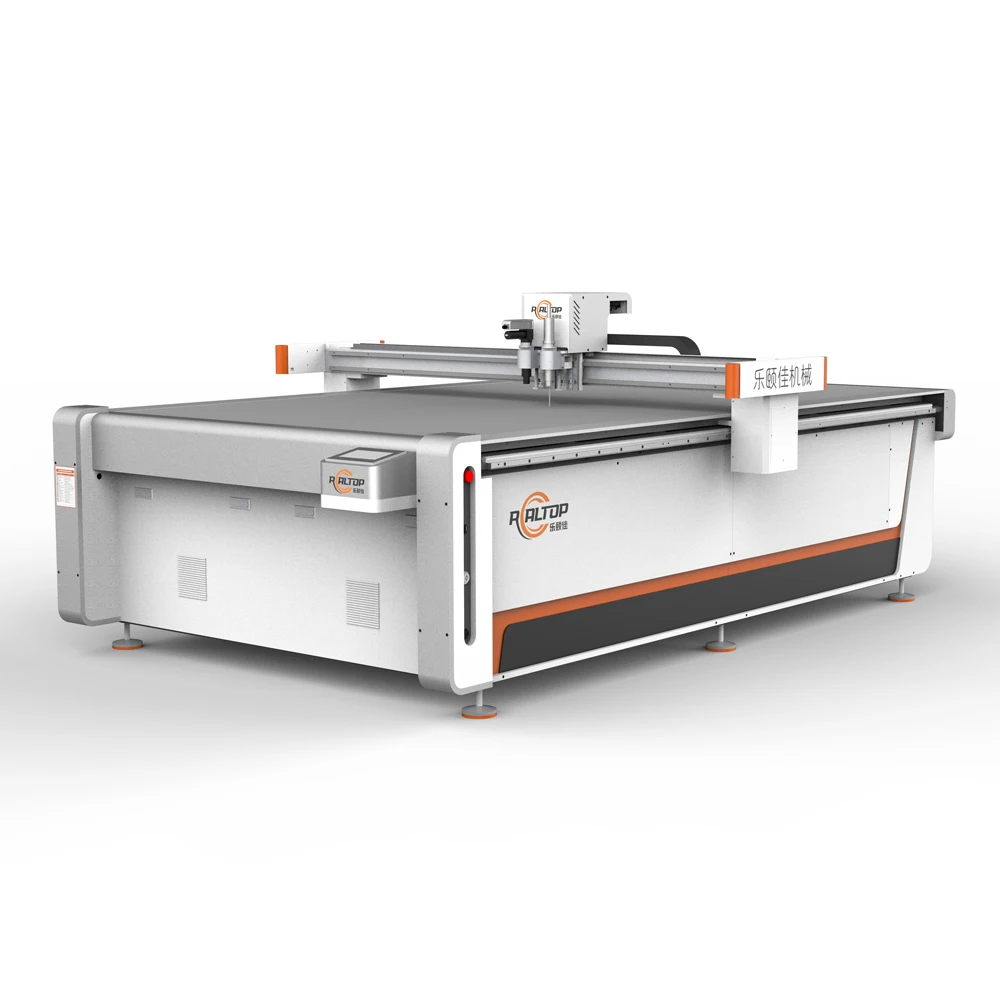
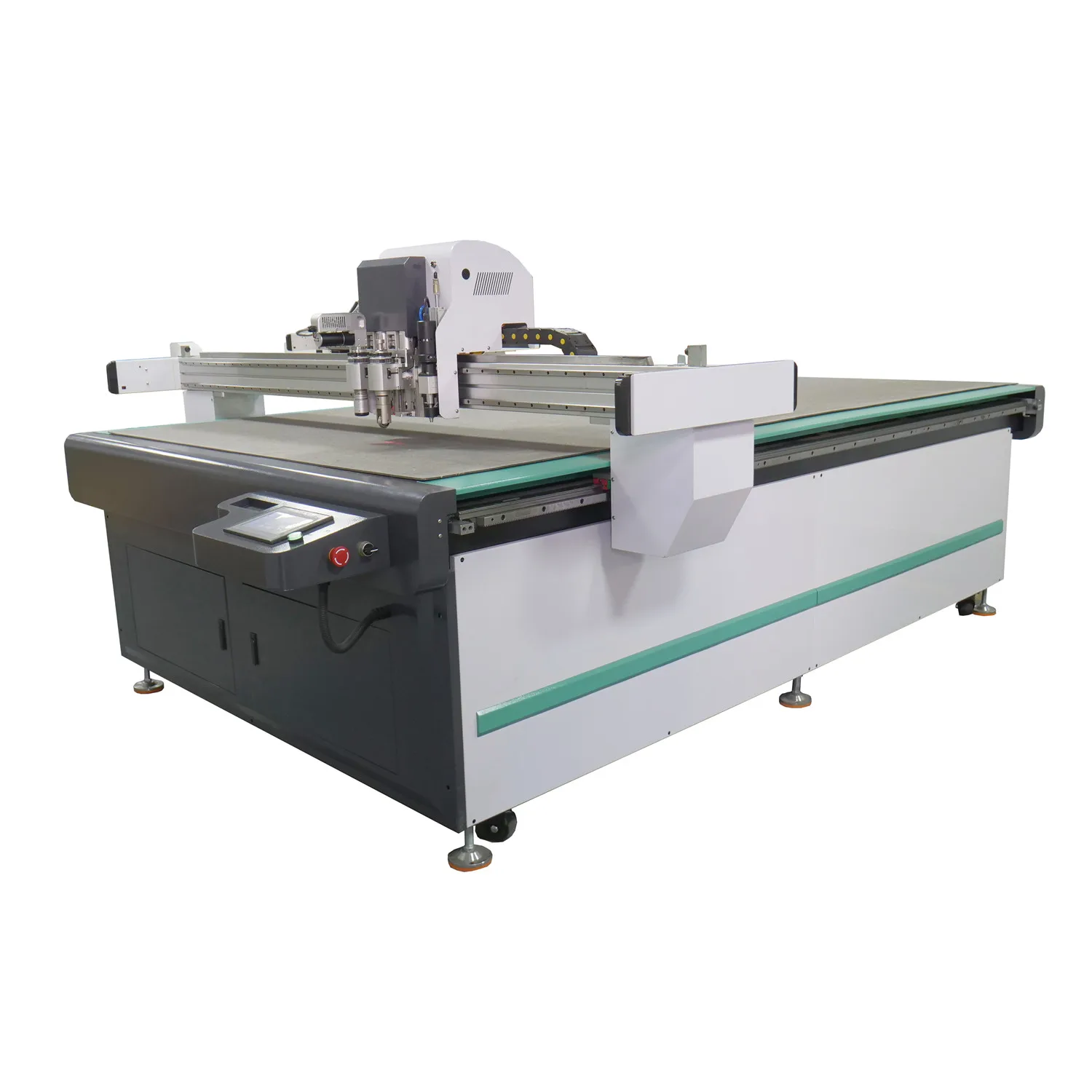
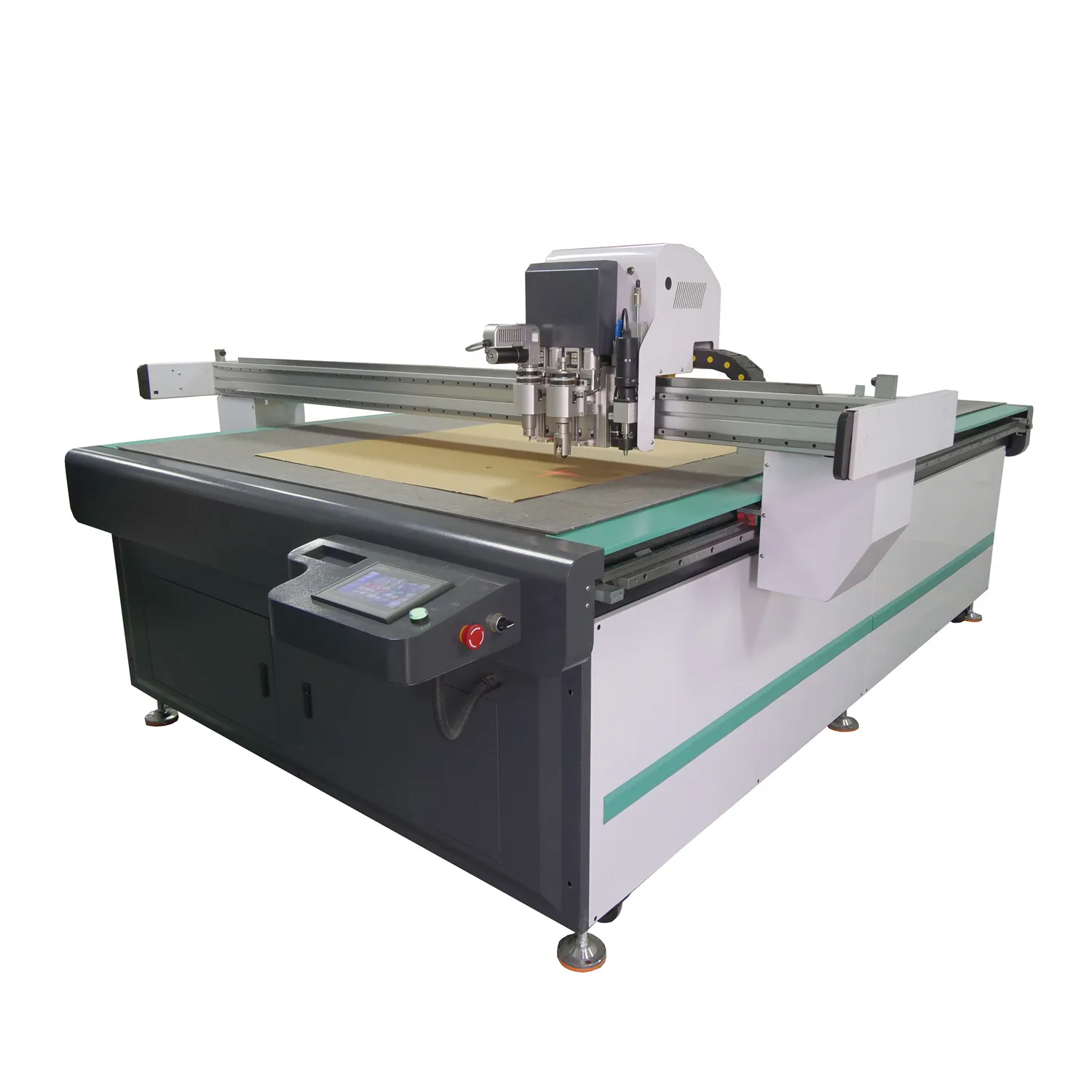
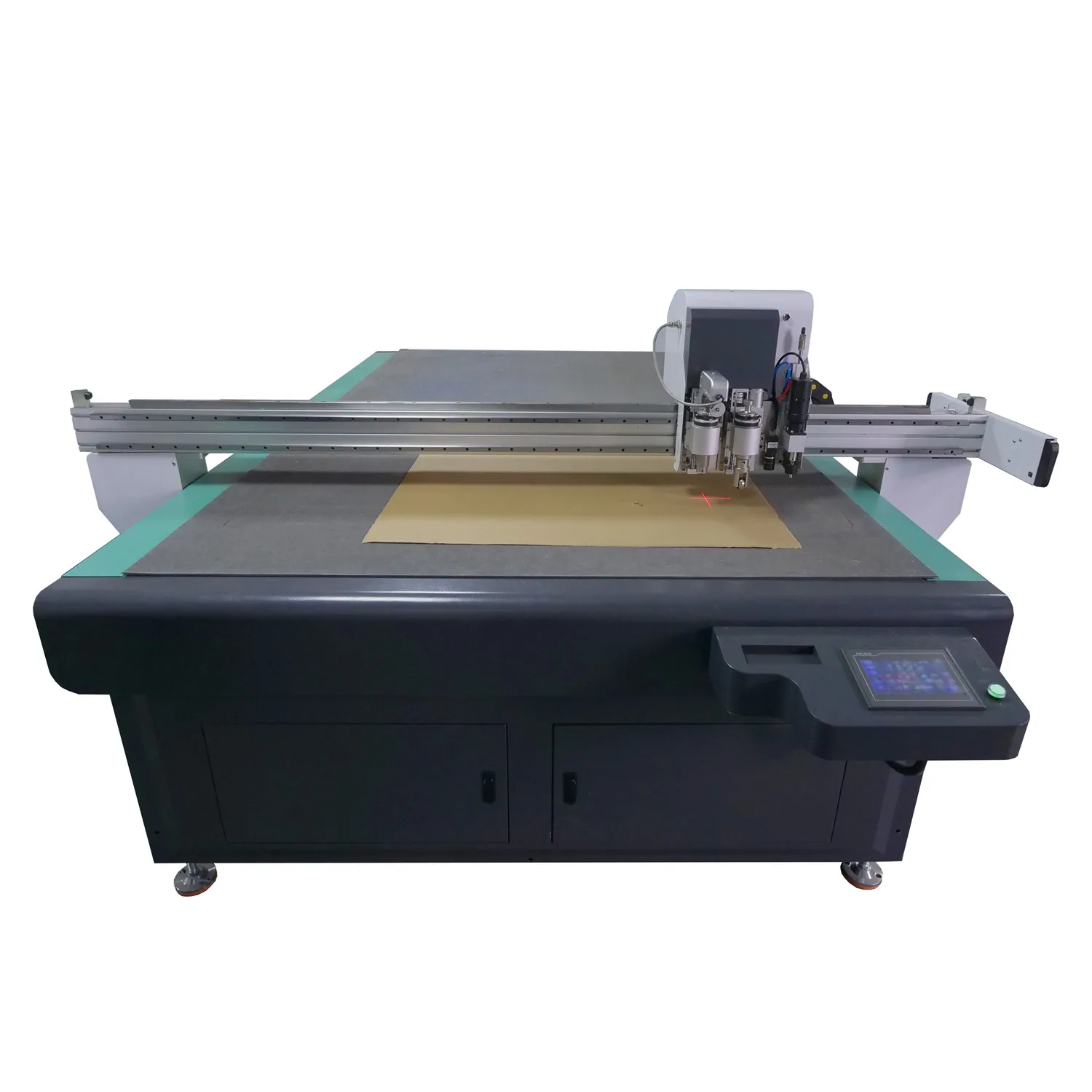
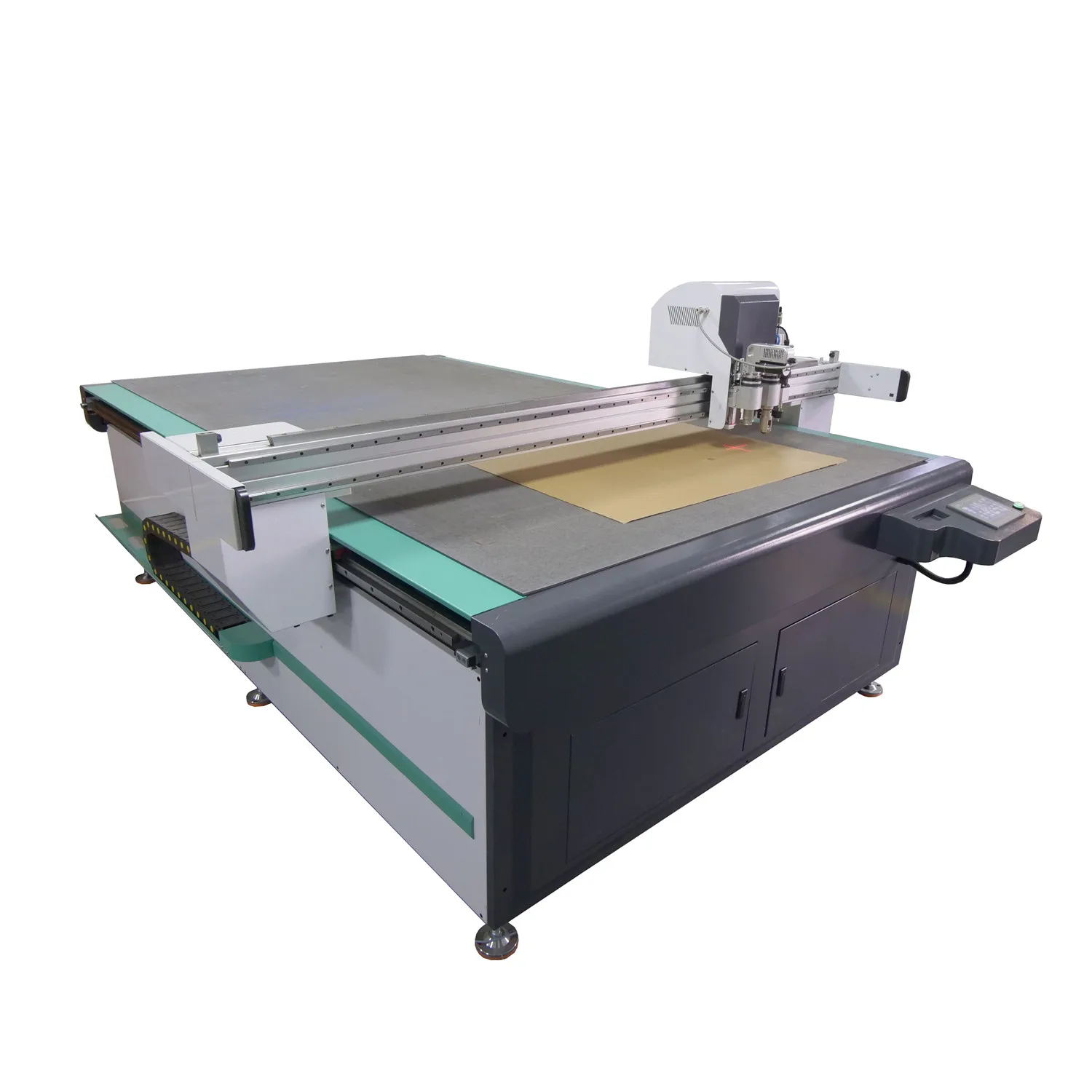
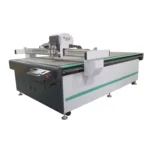
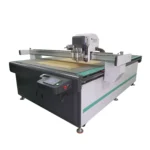
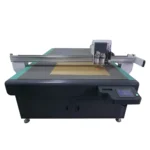
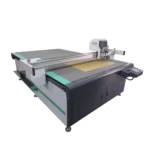
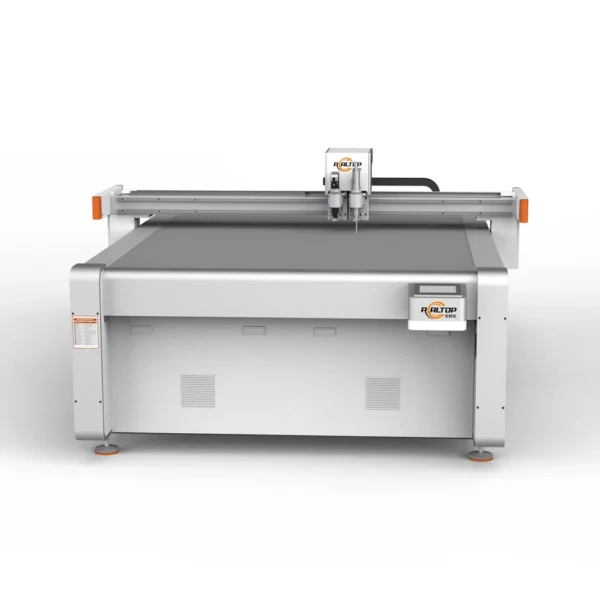
Oscillating Knife & Creasing Wheel Matched to Flute Profile — the RT-D2516/RT-S2516 is configured per board thickness and flute type, not sold as a generic flatbed.
Technical Specifications
| Parameter | Value |
|---|---|
| Model | RT-D2516 / RT-S2516 |
| Product Type | CNC Digital Corrugated Cutting and Creasing Machine |
| Working Area | 1600 × 2500 mm |
| Machine Size | 3450 × 2300 × 1250 mm |
| Rated Power | 9 kW |
| Vacuum Pump | 7.5 kW |
| Table Type | Aluminum alloy honeycomb vacuum adsorption platform |
| Multifunctional Tool Head | Swiss imported vibration knife (full cut, half cut, cursor location) |
| Translational Velocity | 800–2000 mm/s |
| Cutting Speed | 200–800 mm/s (basis not stated in source — confirm material / thickness) |
| Cutting Thickness | ≤100 mm (varies by material) |
| Repeatability | ≤0.1 mm |
| Transmission System | Digital servo motor, linear guide, synchronous belt, ball screw |
| Servo Motor | Taiwan Delta servo motors and drivers |
| Rail | Taiwan Hiwin rail |
| Instruction System | HP-GL compatible format |
| Voltage | 380V ±10% |
| Safety Device | Infrared sensors with emergency stop |
| Software | Professional carton nesting software (multi-format import, language customizable) |
| Language Options | English, Russian, Italian, Chinese; special languages customizable |
Application Suitability
| Application | Material or Output |
|---|---|
| Corrugated carton sample making | Single, double, and triple-wall corrugated board across flute profiles |
| Short-run packaging box production | Electrical appliance packaging, express logistics boxes, snack food cartons |
| High-end gift box prototyping | Grey board, laminated card stock, magnetic closure blanks |
| Sticker and label contour cutting | Self-adhesive vinyl, paper labels, die-cut stickers |
| Flexible non-metal cutting | PVC, soft glass, silicon, rubber, sponge composite leather |
Why Board Thickness Alone Is Not Enough to Specify a CNC Corrugated Cutting and Creasing Machine
A machine rated for three-layer flute will crush five-layer board or leave crease lines too shallow to fold cleanly.
I remember a carton plant that ran sample tests on B-flute single-wall, then switched to double-wall BC-flute for production. The knife pressure was fine, but the creasing wheel could not compress the taller flutes without cracking the liner. Entire batches of glued boxes split open at the fold. That failure was not the operator’s fault — it was a specification gap. When evaluating CNC corrugated cutting and creasing machine specifications, the flute profile, liner GSM, and actual production board range must drive the tool head selection, not just the working area [NEED_CITE: corrugated flute profile standards and compression requirements].
Vibration Knife and Creasing Wheel Working in One Pass
The Swiss imported vibration knife handles full cuts through corrugated board up to the machine’s rated thickness, while the creasing wheel compresses flute structures without slicing the liner. Switching between cutting and creasing within a single tool path eliminates the need for a separate die or secondary press. This matters for sample makers who run a dozen different box structures per day and cannot afford to swap tooling between jobs. The multifunctional head keeps the CNC corrugated cutting and creasing machine specifications aligned with real production workflows where cut and crease alternate across the same sheet.
Vacuum Zoning That Holds Small Blanks Flat
The aluminum alloy honeycomb platform is paired with a 7.5 kW vacuum pump and zoned automatic follow suction. Small carton blanks and irregular offcuts tend to lift at high translational speeds, especially on corrugated board where air channels in the flute structure reduce surface adhesion. Zoned vacuum isolates suction to the area beneath the material, maintaining hold-down force on small parts without wasting pump capacity on empty table space. This is the difference between a clean cut edge and a ragged one caused by material shift mid-pass [NEED_CITE: vacuum hold-down requirements for corrugated digital cutting].
Reading the Specs That Actually Matter on the Shop Floor
The Taiwan Delta servo motors and Hiwin linear rails deliver ≤0.1 mm repeatability, which directly affects registration when cutting printed carton blanks where the cut path must track a pre-printed contour. At 800–2000 mm/s translational velocity, any servo lag shows up as overshoot at corners. The 9 kW rated power covers the combined load of the vibration knife, vacuum pump, and drive system under continuous operation. Voltage at 380V ±10% must be confirmed against the buyer’s local supply before shipment — a 50 Hz versus 60 Hz mismatch affects servo tuning and vacuum pump performance. The HP-GL compatible instruction system and included carton nesting software accept DXF and PLT imports, removing the file format gap that often delays first production runs.
The Cost of Skipping Material Trials Before Commitment
Buyers who specify a flatbed cutter based on working area alone often discover problems only after the machine arrives. A creasing wheel set for E-flute leaves virtual crease lines on C-flute board, causing fold cracks. A vibration knife oscillation frequency tuned for thin card stalls in triple-wall corrugated, producing delaminated edges. Vacuum zones calibrated for full-sheet cutting fail to hold nested small blanks, forcing operators to tape material down by hand. Each of these failures traces back to a configuration decision made without testing the buyer’s actual board range [NEED_CITE: digital cutting tool head selection by material thickness].
Why Source This Machine from the Builder
In-house design covers both the knife cutting head and the vacuum table platform, so configuration changes are made at the engineering level rather than through third-party add-ons. The tool head and table configuration list is written per material and production volume before the order is placed. CCD camera positioning is available for printed contour work where registration to pre-printed marks is required. Software compatibility is confirmed with the buyer’s existing file formats before commitment. Sample cutting on the buyer’s own corrugated material is completed before shipment, producing a documented report that covers cutting speed, edge quality, and crease depth on the actual board.
Documentation & Verification
- Machine specification sheet listing confirmed tool head and table configuration for your board range
- Electrical schematic and voltage confirmation matched to your facility supply
- Sample cutting report on your corrugated material showing crease depth and edge quality
- Software licence and file format compatibility note for DXF and PLT imports
- Factory test record documenting repeatability and vacuum hold-down performance
- Operation and maintenance manual with language matching your operator team
Installation, Commissioning & Support
- Floor space planning for the 3450 × 2300 mm footprint plus operator clearance and material staging
- Dedicated 380V ±10% circuit with isolation for the 9 kW total load and 7.5 kW vacuum pump
- Assembly of honeycomb vacuum platform sections and Hiwin rail alignment on site
- First-run parameter tuning of vibration knife frequency and creasing wheel pressure for your flute profiles
- Operator training on the carton nesting software in your selected control language
- Spare parts list covering vibration knife blades, creasing wheels, and vacuum seals
What to Include in Your Inquiry
Send your corrugated board specifications — flute type, liner weight, and maximum board thickness — along with the range of box structures you produce daily. Confirm your local voltage and frequency, the control language your operators need, and whether your existing DXF or PLT files must import directly into the nesting software. If you are running printed carton blanks, specify whether CCD contour recognition is required. We will cut samples on your actual material and return a test report before any order commitment.
Frequently Asked Questions
Q: How do I verify cutting and creasing quality on my specific corrugated board?
A: Send us your actual board samples including flute type, liner GSM, and thickness. We run cutting and creasing tests on the RT-D2516/RT-S2516 and return a sample report documenting edge quality, crease depth, and achievable speed. This confirms the machine configuration matches your production range before you commit to an order.
Q: Which tool head is used for cutting versus creasing, and can both run in one job?
A: The Swiss imported vibration knife handles full and half cuts, while a dedicated creasing wheel compresses flutes without cutting the liner. Both tools are mounted on the multifunctional head, so the software switches between cutting and creasing within the same tool path, completing the carton blank in one pass.
Q: How does the vacuum table handle small carton blanks that lift during cutting?
A: The aluminum honeycomb platform uses zoned automatic follow suction tied to the 7.5 kW vacuum pump. Suction activates only in zones beneath the material, concentrating hold-down force on small blanks and irregular shapes. This prevents material lift at high translational speeds without manual taping.
Q: What voltage and language options are available, and how are they confirmed?
A: The standard supply is 380V ±10%, with plug type and frequency confirmed against your local standard before shipment. Control language options include English, Russian, Italian, and Chinese, with special languages customizable. We document the confirmed voltage and language on the specification sheet before production begins.
Q: Can the included nesting software import my existing DXF and PLT files?
A: The professional carton nesting software supports multiple file format imports including DXF and PLT. We verify compatibility with your specific file workflow before order confirmation and provide a written compatibility note. Language customization for the software interface is available to match your operator team.


商品评价
Clear filtersThere are no reviews yet.