




Fast Shipping
Carrier information

20k products
Payment methods

24/7 Support
Unlimited help desk

2-day Delivery
Track or off orders
Specified per material, not guessed — Every RT-D2516/RT-S2516 ships with a tool head list, vacuum zoning map and CCD setup confirmed against the buyer’s actual membrane, textile or composite sample before production starts.
Technical Specifications
| Parameter | Value |
|---|---|
| Model | RT-D2516 / RT-S2516 |
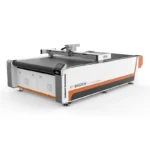
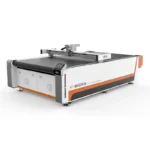
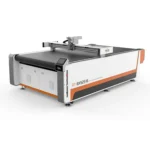
| Product Type | CNC Oscillating Knife Cutting Machine |
| Working Area | 1600 × 2500 mm |
| Machine Size | 3450 × 2300 × 1250 mm |
| Rated Power | 9 kW |
| Voltage | 380V ±10% (customizable) |
| Translational Velocity | 800–2000 mm/s |
| Cutting Speed | 200–800 mm/s (varies with material) |
| Cutting Thickness | Up to 100 mm (varies with material) |
| Repeated Accuracy | ≤ 0.1 mm |
| Transmission System | Digital servo motor, linear guide, synchronous belt, ball screw |
| Servo Motor Options | Delta or Panasonic (IP67 waterproof) |
| Vacuum Table | Magnesium-aluminum alloy, PVDF powder sprayed, hard oxidation |
| Vacuum Pump | 7.5 kW, integrated aviation aluminum shell, built-in silencer |
| Working Table Type | Flat table or auto-feeding conveyor |
| Tool Head Options | Oscillating knife, pneumatic knife, high-power vibrating knife, circular knife, V-cutting knife, drag knife, creasing wheel, dotted line knife, punching, brush |
| Visual Positioning | Small CCD mark-point, panoramic camera, projection positioning |
| Safety Devices | Infrared sensor blocking, anti-collision, emergency stop |
| Control Panel | Touch screen, multi-language (English, Russian, Italian, Chinese, customizable) |
| Software Compatibility | PLT, DXF, AI; HP-GL compatible instruction system |
| Guide Rail | Taiwan Hiwin |
| Conveyor Belt | Germany imported (on auto-feeding models) |
| Assembly State | Fully assembled (split vacuum box option for transport) |
| Certification | CE (where applicable) |
Application Suitability
| Application | Material or Output |
|---|---|
| Tensile membrane structure fabrication | PVC, PVDF, PTFE, ETFE architectural membrane sheets cut to pattern |
| Garment and footwear nesting | Multi-layer woven fabric, leather, composite shoe uppers |
| Automotive interior trimming | Non-woven fabric, carpet, sponge, PU, EVA, XPE foam |
| Gasket and sealing pad production | Rubber, silicone, carbon fiber, composite sheets |
| Packaging sample making | Cardboard, corrugated cardboard, foam board |
| Signage and graphic finishing | Sticker, film, printed vinyl on textile substrates |
| Soft furnishing and luggage | Cloth, shoe material, luggage material, composite textiles |
Why Working Area Alone Is the Wrong Starting Point for CNC Oscillating Knife Cutting Machine Specifications
A 1600 × 2500 mm table means nothing if the tool head cannot hold an edge on your specific membrane coating.
I have watched buyers spend weeks comparing bed sizes across three or four suppliers, only to discover on delivery day that the standard oscillating blade chews through PTFE-coated fiberglass in a single shift, leaving frayed edges that fail weld seams. The working area tells you how much material fits on the table. It tells you nothing about whether the knife frequency, blade geometry and vacuum hold-down are matched to what you actually cut. [NEED_CITE: material-specific tooling requirements for industrial membrane fabrics] When the specification conversation starts and ends with table dimensions, the real configuration decisions get deferred to a generic default that suits nobody.
Matching Tool Head Geometry to Coated Membranes and Composites
The RT-D2516/RT-S2516 supports a full multifunctional head carrying Swiss-imported blades across oscillating full-cut, oscillating half-cut and cursor-location modes. For architectural membrane fabrics like PVDF-coated polyester or PTFE-coated fiberglass, the high-power vibrating knife at elevated frequency delivers cleaner shear through the woven base without delaminating the coating layer. Drag knife and creasing wheel tools sit alongside on the same head, so a single machine handles scoring fold lines on packaging samples and cutting gasket profiles from compressed fiber sheet without a tooling changeover. A CNC oscillating knife cutting machine with this range of tool options lets the operator switch by job, not by machine.
Vacuum Zoning and Why Thin Membranes Lift at Speed
Membrane fabrics used in tensile structures are thin, flexible and notoriously prone to lifting at the cut edge when the blade exits a contour. The magnesium-aluminum alloy vacuum table on this platform uses PVDF powder coating followed by hard anodic oxidation, producing a flat surface with high friction and chemical resistance to plasticizer migration from PVC films. The 7.5 kW vacuum pump with integrated silencer sponge pulls through zoned ports, so suction concentrates under the cutting zone rather than bleeding across the entire bed. [NEED_CITE: vacuum hold-down requirements for thin flexible substrates in digital cutting] Without adequate zoning, small gasket parts and narrow membrane strips drift during the final cuts in a nest, pushing dimensional accuracy outside the ≤0.1 mm repeatability specification.
Reading the Spec Sheet Against Your Actual Production Job
Three parameters on this machine deserve closer attention than the headline numbers. The cutting speed range of 200–800 mm/s spans soft foam at the upper end and dense multi-layer composites at the lower end; the achievable speed on your material depends on thickness and fiber orientation, not on the maximum figure. Repeated accuracy of ≤0.1 mm across the full 1600 × 2500 mm travel is maintained by digital servo motors driving Taiwan Hiwin linear guides with ball screw transmission on the Z-axis, which matters when nesting hundreds of gasket profiles where cumulative drift scrapes yield. The 9 kW rated power covers the servo drives, vacuum pump draw and spindle oscillation simultaneously, so buyers in regions with unstable supply should confirm whether their workshop voltage stays within the 380V ±10% tolerance or needs a stabilizer upstream. [NEED_CITE: voltage tolerance impact on servo motor positioning accuracy]
The Cost of Deferring Configuration Decisions to Default Settings
When a machine ships with a generic oscillating blade and full-bed vacuum instead of a zoned table tuned for thin film, the problems surface gradually. Blade life shortens without the buyer immediately connecting it to the wrong knife frequency. Small parts lift and shift mid-cut, producing scrap that gets blamed on the nesting software rather than the vacuum layout. CCD contour recognition may be listed on the quotation but never calibrated for the buyer’s print mark size and contrast ratio, so the camera hunts at production speed instead of tracking. [NEED_CITE: root causes of dimensional drift in CNC knife cutting of flexible materials] These are not machine defects. They are configuration gaps that could have been closed with a sample cutting test on the actual material before the order was finalized.
Why the RT-D2516/RT-S2516 Configuration Conversation Happens Before the Order
In-house design and production across both knife and laser cutting means the cutting method itself is chosen to fit the material, not forced into whichever technology one factory happens to build. Every tool head and table configuration is specified against the buyer’s material sample and daily volume before a quotation is issued. CCD camera positioning — whether mark-point, panoramic or projection — is selected and tested against the buyer’s print format, not added as an untested option. Software file format compatibility with PLT, DXF, AI and HP-GL workflows is confirmed in writing so the buyer’s existing nesting setup transfers without a conversion project. Voltage, control language and plug type are locked down on the electrical schematic before production begins, eliminating the shipment-day surprise of a three-phase supply that does not match the workshop panel.
Documentation & Verification
- Machine specification sheet listing confirmed tool head and vacuum zone configuration for your material
- Electrical schematic with voltage and frequency matched to your facility supply
- Sample cutting report on your membrane fabric or composite showing edge quality and speed
- Tool head and table configuration list signed off against material type and thickness
- Software licence with file format compatibility note for PLT, DXF, AI and HP-GL workflows
- Factory test record capturing repeatability measurement across the full 1600 × 2500 mm travel
Installation, Commissioning & Support
- Flat floor with level tolerance for the 3450 × 2300 mm machine footprint and vacuum pump placement
- Dedicated 380V ±10% circuit rated for 9 kW continuous draw plus vacuum pump startup surge
- Split vacuum box option available for container transport, reassembled on site with sealed gaskets
- First-run parameter tuning of knife frequency, vacuum zoning and CCD mark recognition on your material
- Touch screen control training in English, Russian, Italian, Chinese or your specified language
- Spare blade and belt inventory sized to your daily cutting volume and material abrasiveness
What to Include When Requesting a Configuration Quote
Send a representative sample of the material you cut most often — including coating type, total thickness and roll width — along with your typical nest layout and daily part count. Specify your workshop voltage and frequency, the language your operators need on the touch screen, and whether your current nesting software exports DXF, PLT or AI files. If you cut printed contour work, provide a printed sample showing mark size, color and contrast so the correct CCD positioning option can be selected and verified before the machine enters production.
Frequently Asked Questions
Q: How do I know which tool head option suits my membrane fabric or composite?
A: The correct tool head depends on coating type, base fabric weave, total thickness and whether you need clean shear or kiss-cut performance. We run sample cuts on your actual material with multiple blade types — oscillating, high-power vibrating, drag knife or circular — and document edge quality and achievable speed before finalizing the configuration. This sample report becomes part of your order documentation.
Q: What vacuum table setup prevents thin membrane materials from lifting during cutting?
A: Thin PVC, PTFE and ETFE membranes need concentrated suction directly under the cutting zone rather than uniform pull across the entire bed. The RT-D2516/RT-S2516 vacuum table uses zoned ports in a magnesium-aluminum alloy surface with PVDF coating, paired with a 7.5 kW pump. Zone layout is matched to your typical part size so small gaskets and narrow strips stay flat through the final cut.
Q: Can the CCD camera track printed marks on textile at full production speed?
A: CCD contour recognition performance depends on mark size, ink contrast and substrate reflectivity, not just camera resolution. We test the mark-point or panoramic camera option against your actual printed material, confirming tracking accuracy at your target cutting speed before the configuration is locked in. If your print marks fall below the reliable detection threshold, we adjust mark specifications before shipment.
Q: Will my existing nesting software and file formats work with this machine?
A: The control system accepts PLT, DXF, AI and HP-GL compatible formats. Before you commit to an order, we verify that your nesting output imports cleanly and that kerf compensation, tool path sequencing and layer assignment translate correctly. A file format compatibility note is included in your documentation package so there are no workflow surprises after delivery.
Q: What happens if my workshop voltage does not match the standard 380V ±10%?
A: Voltage and frequency vary significantly by export market, and servo motor positioning accuracy depends on stable supply. We confirm your facility voltage and phase configuration at the inquiry stage, note it on the electrical schematic, and build the electrical cabinet to match. If your supply falls outside the standard tolerance, a stabilizer recommendation is included with the installation documentation.


商品评价
Clear filtersThere are no reviews yet.