

Fast Shipping
Carrier information

20k products
Payment methods

24/7 Support
Unlimited help desk

2-day Delivery
Track or off orders
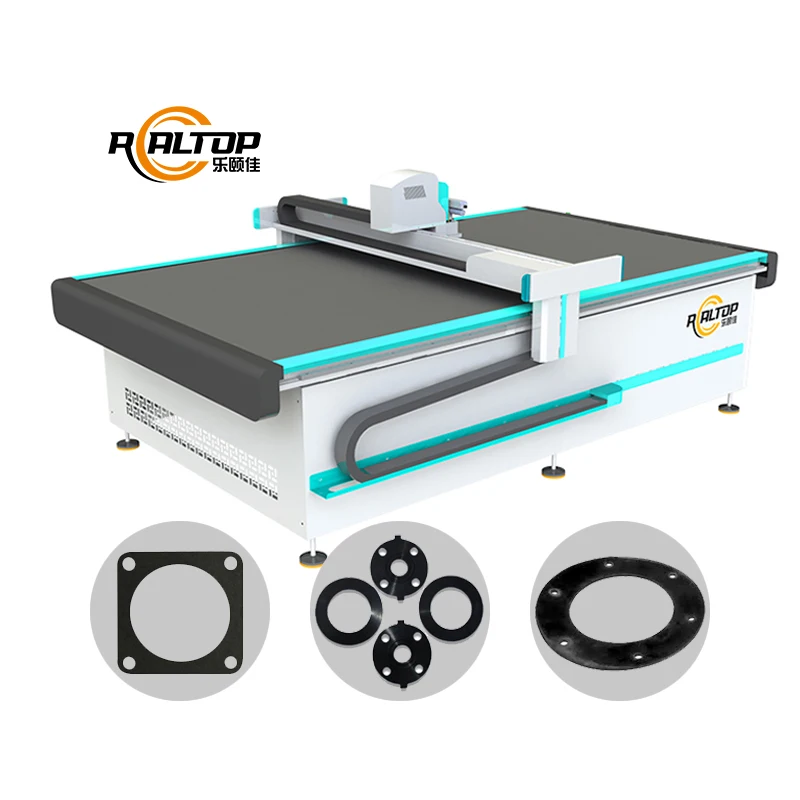
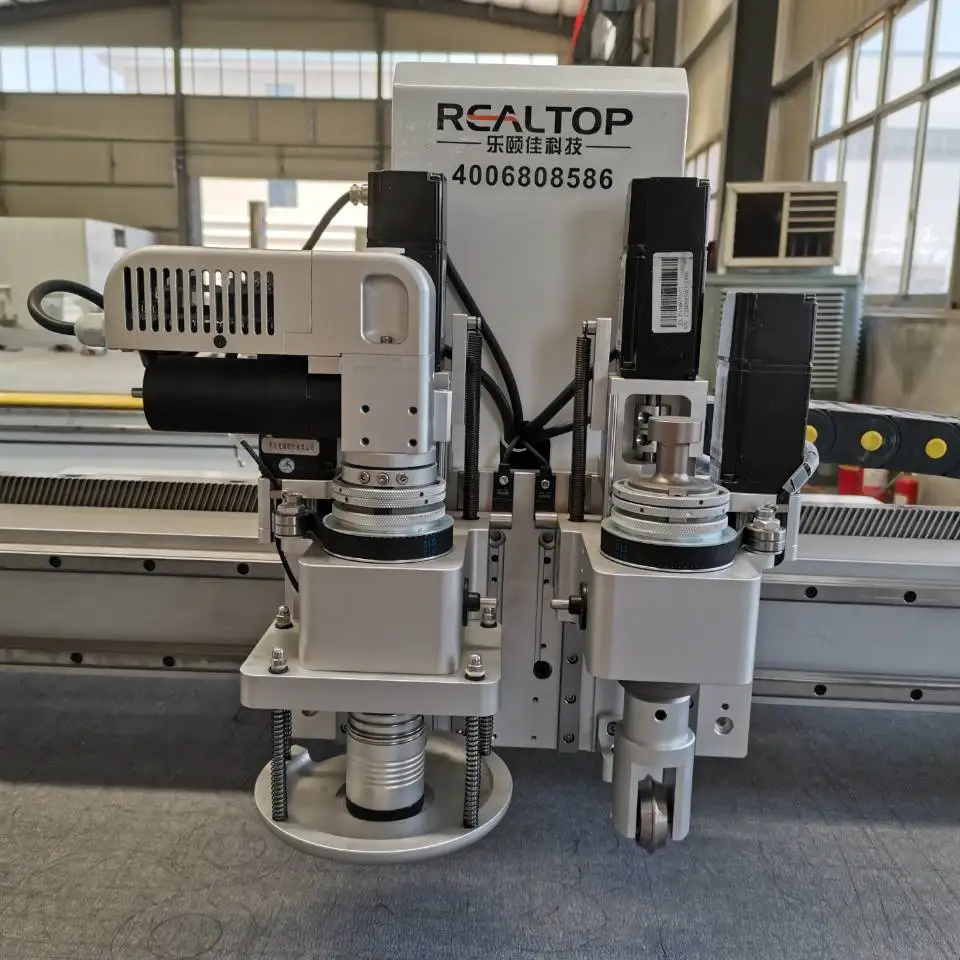
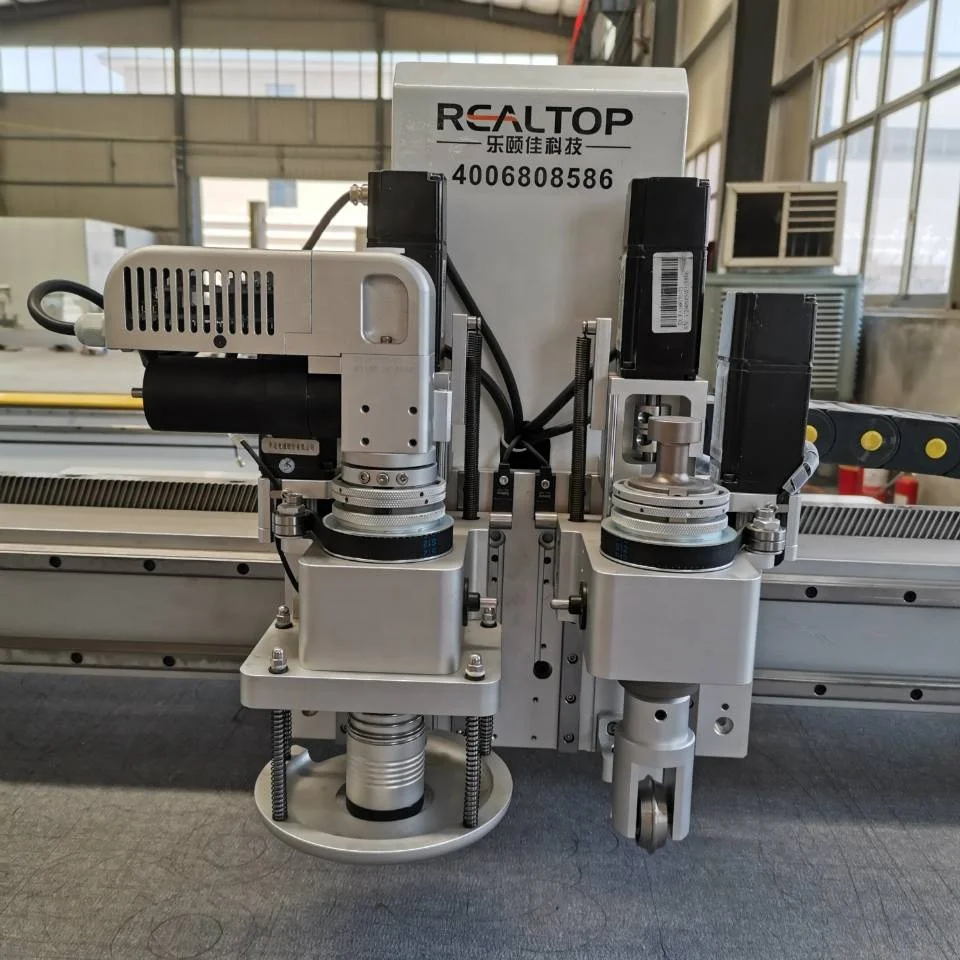
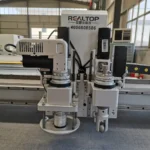
Tool Head Versatility — the RT-D2516/RT-S2516 platform supports Swiss oscillating knife, drag knife, creasing wheel, and punching heads configured per gasket material before shipment.
Technical Specifications
| Parameter | Value |
|---|---|
| Model | RT-D2516/RT-S2516 |
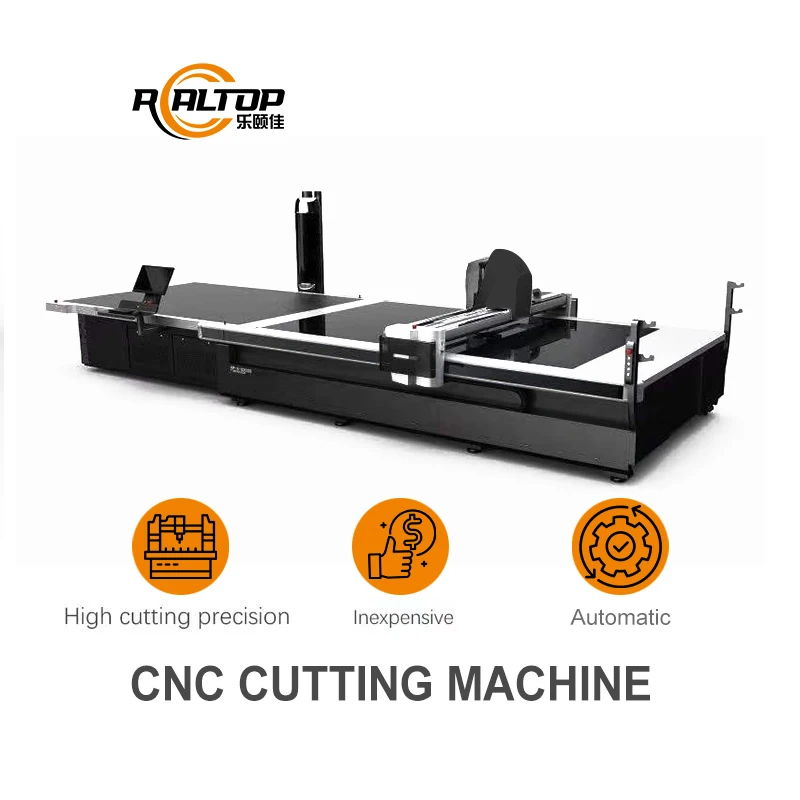
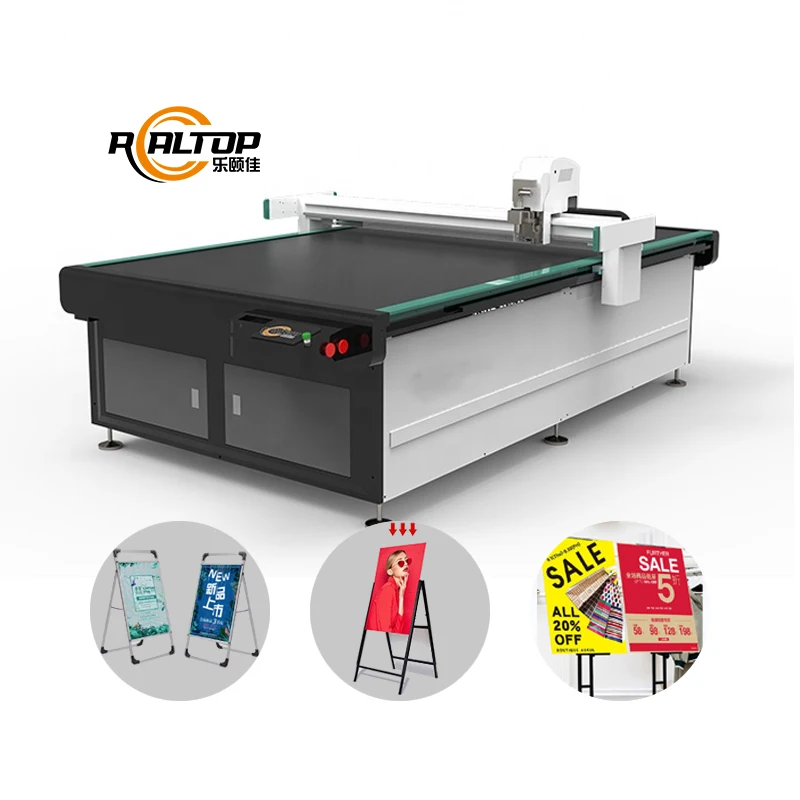
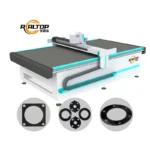
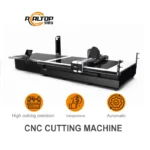
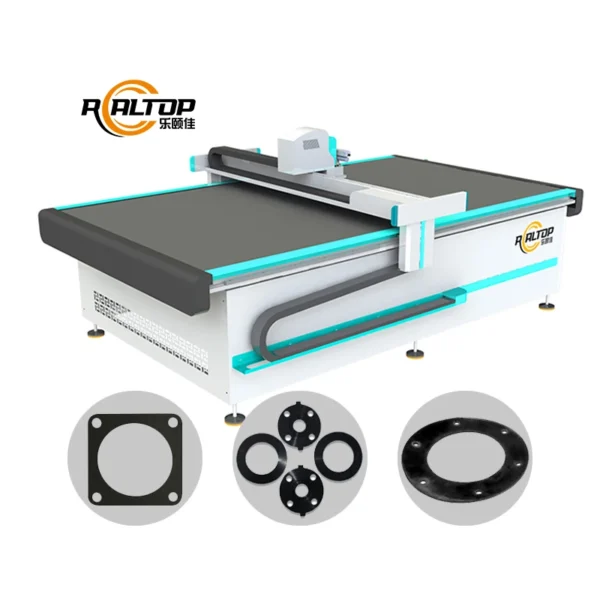
| Product Type | CNC Oscillating Knife Cutting Machine |
| Working Area | 1600 × 2500 mm |
| Machine Size | 3450 × 2300 × 1250 mm |
| Rated Power | 9 kW |
| Table Type | Magnesium-aluminum alloy vacuum adsorption (PVDF fluorocarbon powder sprayed, anodic oxidation, hard oxidation) |
| Multifunctional Head | Swiss imported knife (vibration full/half cutting, cursor location); options include oscillating knife, pneumatic knife, high-power vibrating knife, circular knife, V cutting knife, drag knife, creasing wheel, dotted line knife, punching, brush |
| Translational Velocity | 800 – 1200 mm/s |
| Cutting Speed | 200 – 800 mm/s (varies with material) |
| Cutting Thickness | Up to 100 mm (basis not stated in source — confirm material type and format) |
| Repeated Accuracy | ≤ 0.1 mm |
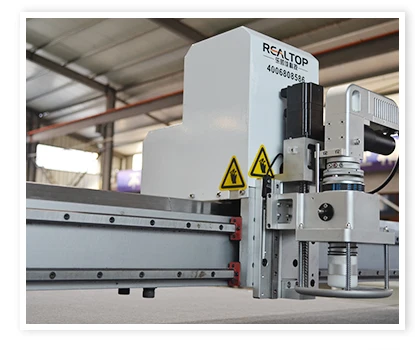
| Transmission System | Digital servo motor (Delta or Panasonic optional, IP67), Taiwan Hiwin linear guide, synchronous belt, ball screw |
| Instruction System | HP-GL compatible format |
| Voltage | 380V ± 10% |
| Vacuum Pump | 7.5 kW (integrated aviation aluminum shell, built-in silencer sponge) |
| Safety Devices | Infrared sensor stop, beam anti-collision, emergency stop with in-situ resume |
| Visual Positioning | Small CCD camera mark point positioning, panoramic camera recognition, projection positioning |
| Conveyor | Germany imported conveyor belt (optional auto feeding) |
| Software Language | English, Russian, Italian, Chinese; special languages customizable |
Application Suitability
| Application | Material or Output |
|---|---|
| Gasket and sealing production | Rubber, PTFE, silicone, cork, compressed non-asbestos fiber, aramid composites |
| Automotive interior trim | Leather, synthetic fabric, sponge composite, closed-cell foam, headliner material |
| Packaging and carton sample making | Corrugated cardboard, folding carton stock, foam inserts with creasing and perforation |
| Composite and insulation cutting | PU, EVA, XPE, PVC, PP, PE, fiberglass mat, rock wool board |
| Footwear and leather goods | Natural leather, PU leather, textile uppers, insole board |
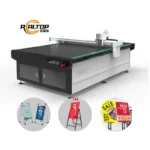
| Advertising and graphic finishing | Vinyl, sticker film, PVC foam board, printed contour materials |
Why Tool Head Selection Determines Your Gasket Edge Quality
Choosing the wrong tool head for your gasket material produces crushed edges, delaminated composites, or ragged profiles that fail seal tests. The cutting method must match material density, thickness, and fiber structure — not just the working area dimensions.
Buyers often specify a machine based on table size alone, then discover the oscillating knife struggles with their particular PTFE-filled composite, or the drag knife tears through reinforced aramid fiber. Gasket materials range from soft cork and silicone sponge to dense compressed non-asbestos sheets, and each demands a different cutting action, blade geometry, and stroke frequency. I have seen production floors idle because the supplier shipped a single standard head and the local material behaved nothing like the test samples cut at the factory. [NEED_CITE: material-specific tooling requirements in industrial gasket fabrication]
Oscillating Knife and Drag Knife Selection by Gasket Type
The CNC oscillating knife cutting machine specifications on the RT-D2516/RT-S2516 include a Swiss-imported knife with vibration full cutting and half cutting capability, suitable for thick compressed fiber and rubber sheet. For softer materials like silicone sponge or thin PTFE, the drag knife provides a clean pull-through cut without the high-frequency vibration that can fray open-weave composites. The platform accommodates both heads on a single multifunctional carriage, allowing producers to switch between knife types without removing and re-zeroing separate tool stations. Matching head to material happens during the specification stage, with sample cutting on the buyer’s actual gasket stock confirming edge quality before the order is locked.
Vacuum Table Zoning and Small Gasket Stability
The magnesium-aluminum alloy table with PVDF fluorocarbon coating delivers a flat cutting surface that maintains uniform suction across the 1600 × 2500 mm work area. Gasket production frequently involves nesting dozens of small seals, O-rings, and flange profiles on a single sheet, and inadequate vacuum zoning lets these parts lift during the final cut pass — shifting position and ruining the profile tolerance. The 7.5 kW vacuum pump with integrated aviation aluminum shell provides consistent holding pressure, but zoning configuration must match the typical part footprint. Producers cutting predominantly small flange gaskets need finer zone segmentation than those cutting large diaphragm seals, and this configuration is specified before production. [NEED_CITE: vacuum adsorption principles for thin flexible material holding]
Transmission Precision and Repeatability in Seal Profiles
The Taiwan Hiwin linear guides paired with IP67-rated servo motors (Delta or Panasonic optional) achieve a repeated accuracy of ≤ 0.1 mm across the full travel range. Gasket sealing surfaces demand tight profile tolerances because even minor deviation in bolt-hole position or flange contour causes leak paths under compression. The ball screw and synchronous belt transmission maintains this accuracy over extended production runs, while the digital servo system corrects positional drift in real time. For gasket producers supplying automotive or petrochemical end users, this repeatability directly affects whether batches pass incoming inspection without manual trimming.
Reading the Specs That Matter for Gasket Output
The cutting speed range of 200 – 800 mm/s varies with material hardness and thickness — dense compressed fiber runs at the lower end while soft foam and thin PTFE film allow higher traverse rates. Translational velocity of 800 – 1200 mm/s determines how fast the head repositions between cut paths, which affects overall throughput when nesting complex gasket layouts with many separate profiles. The HP-GL compatible instruction system accepts standard nesting files, but buyers must verify their existing CAD/CAM workflow exports compatible formats before the machine ships. Software language options include English, Russian, Italian, and Chinese, with custom language configuration available for operators in specific markets.
The Hidden Cost of Underspecifying Spare Blades
Sending a cutting machine overseas without adequate spare blades creates a production dead stop that no amount of troubleshooting can fix remotely. I once shipped a gasket cutter to a customer in Mexico and shorted them on oscillating knife blades — they burned through the entire set in two weeks cutting composite fiber, then waited three more weeks for resupply from Jinan while the line sat idle. Composite gasket materials like aramid fiber and filled PTFE are highly abrasive and consume blade edges far faster than soft rubber or silicone sponge. Every overseas order now includes padded spare blade counts based on the buyer’s specific material and projected monthly volume, calculated before the machine leaves the factory. [NEED_CITE: abrasive material impact on oscillating knife blade consumption rates]
Why Gasket Producers Source This Platform Here
In-house design covers both knife and laser cutting technologies, so buyers cutting gaskets from mixed materials can select oscillating knife for fiber composites and route other product lines through laser without forcing one method across all jobs. Tool head and table configuration is specified per material and production volume, not left as a generic default that the buyer must reconfigure after arrival. CCD camera positioning options — including small mark point, panoramic recognition, and projection — support printed contour cutting for gaskets that require alignment to pre-printed registration marks. Sample cutting on the buyer’s own gasket material before order commitment confirms edge quality, achievable thickness, and cutting speed in a documented report. Voltage, control language, and electrical configuration are confirmed in writing before shipment, preventing the costly mismatch between machine supply and facility power.
Documentation & Verification
- Factory test record on your gasket material thickness and edge quality before dispatch
- Electrical schematic with 380V ± 10% confirmation matched to your facility supply
- Tool head and vacuum table zoning configuration list specifying included and optional heads
- Software licence with HP-GL format compatibility note for your nesting workflow
- Sample cutting report on your composite fiber or rubber stock with measured tolerances
Installation, Commissioning & Support
- Fully assembled delivery eliminates on-site frame construction for the 3450 × 2300 × 1250 mm footprint
- Dedicated 380V ± 10% circuit required to support 9 kW rated power plus 7.5 kW vacuum pump draw
- First-run parameter calibration on your gasket material during commissioning with operator present
- Spare oscillating and drag knife blade count padded based on your monthly cutting volume and material abrasiveness
- Preventive maintenance schedule covers Hiwin linear guide lubrication and vacuum pump filter replacement intervals
- Control language set to operator preference from available English, Russian, Italian, Chinese, or custom option
What to Include in Your Inquiry
Provide your gasket material type, maximum sheet thickness, and typical part dimensions so the tool head and vacuum zoning can be matched to your production profile. Include your facility voltage and frequency, preferred control language, and whether your nesting software exports HP-GL compatible files. If you are cutting printed contours, specify your registration mark format so the appropriate CCD positioning option is selected. Send representative material samples for test cutting to confirm edge quality and achievable tolerances before the order is finalized.
Frequently Asked Questions
Q: Can I send my gasket material for a sample cut before ordering?
A: Yes. Send representative sheets of your gasket material — including composite fiber, PTFE, rubber, or silicone — and the factory produces a sample cutting report documenting edge quality, achievable thickness, and cutting speed. This report becomes part of the order documentation so both parties agree on expected output before production begins.
Q: Which tool head works best for thick compressed non-asbestos fiber gaskets?
A: The Swiss oscillating knife with high-frequency vibration full cutting is typically configured for dense compressed fiber sheets up to the machine’s thickness capacity. The vibration action slices through fiber reinforcement without crushing or delaminating the material. The specific blade geometry and stroke frequency are confirmed during sample cutting on your actual stock.
Q: How is vacuum zoning set up for small flange gaskets?
A: Vacuum table zoning is configured during the specification stage based on your typical part size. Small flange gaskets and O-rings require finer zone segmentation to prevent material lift during the final cut pass. The 7.5 kW pump capacity supports segmented zoning across the 1600 × 2500 mm table, with the zone layout confirmed in the configuration list before shipment.
Q: What electrical documentation confirms the machine matches my facility power?
A: An electrical schematic and voltage confirmation document is prepared before production, detailing the 380V ± 10% supply requirement, circuit breaker rating, and cable specifications. This document accounts for the combined load of the 9 kW machine and 7.5 kW vacuum pump, and must be signed off before the machine enters assembly.
Q: Which nesting file formats does the control system accept?
A: The instruction system is HP-GL compatible and accepts standard vector file formats used by major nesting software. Buyers must confirm their specific CAD/CAM export format during the specification stage, and file format compatibility is documented in the software licence note included with the machine shipment.


商品评价
Clear filtersThere are no reviews yet.