





Fast Shipping
Carrier information

20k products
Payment methods

24/7 Support
Unlimited help desk

2-day Delivery
Track or off orders
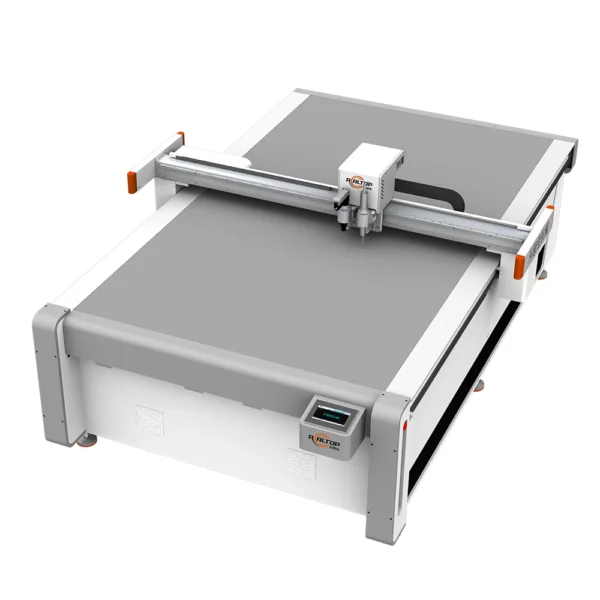
Tool Head Matched to Material — Oscillating knife, creasing wheel, V groove and five other tooling options specified by ply thickness and edge requirement before order confirmation, not after delivery.
Technical Specifications
| Parameter | Value |
|---|---|
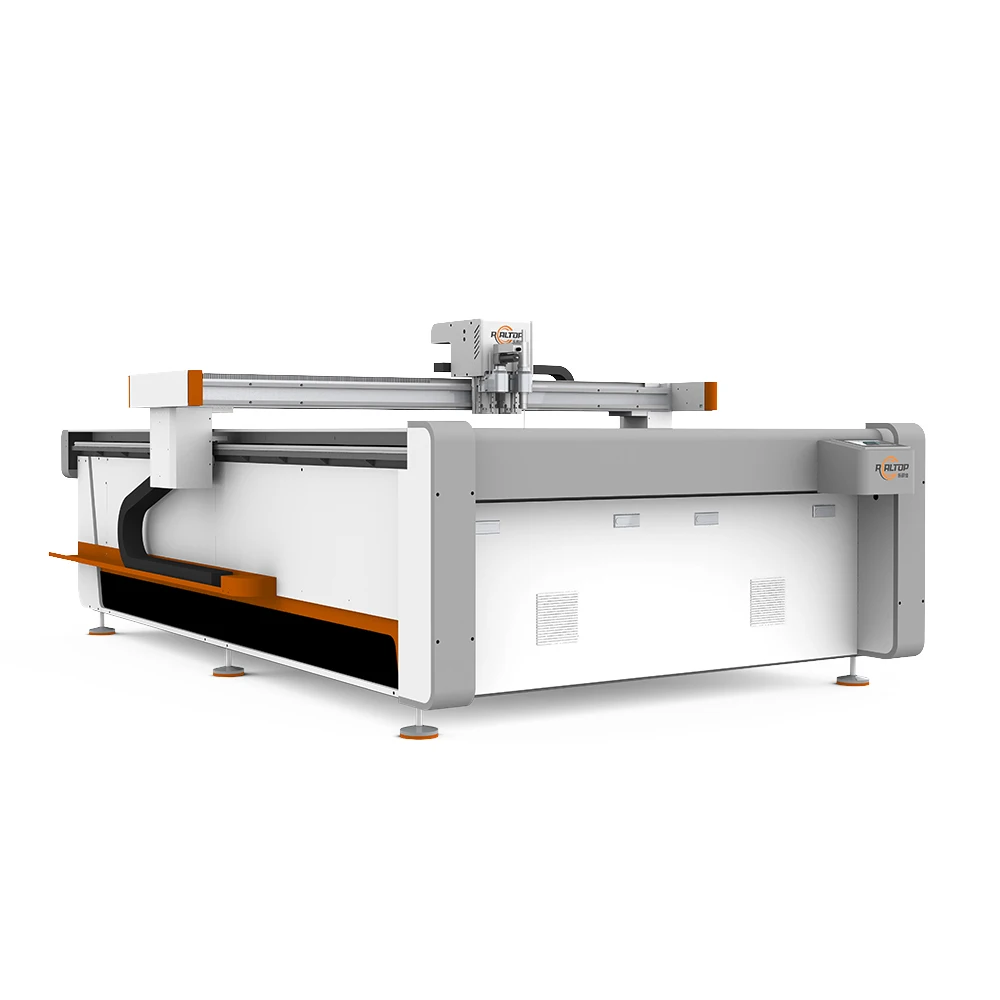
| Product Type | CNC Oscillating Knife Cutting Table |
| Working Area | 1600×2500 mm |
| Tool Head Options | Oscillating knife, Driven rotary knife, Creasing wheel, Kiss cutting tool, Pneumatic knife, Milling tool, V groove knife |
| Cutting Thickness Capacity | ≤ 40 mm |
| Cutting Speed Range | 0–1500 mm/s |
| Positioning Accuracy | ±0.1 mm |
| Vacuum Pump Power | 9 kW |
| Vacuum Table Construction | Aluminum bellows vacuum table with high flatness |
| Machine Frame | Heavy-duty frame with precision-ground surface |
| Servo Motor Options | Panasonic, Delta, Dorna (source value — verify against manufacturer catalog) |
| Control System | PLC control panel with intuitive interface |
| Software | Dedicated packaging box structure design software |
| File Format Compatibility | PLT, DXF, AI, PDF |
| Voltage Options | 110V, 220V, 380V |
| Language Options | English, Russian, Italian, Chinese, customizable |
| Safety Devices | Infrared sensor device and emergency stop device |
| Overall Dimensions | 3300×2100×1350 mm |
Application Suitability
| Application | Material or Output |
|---|---|
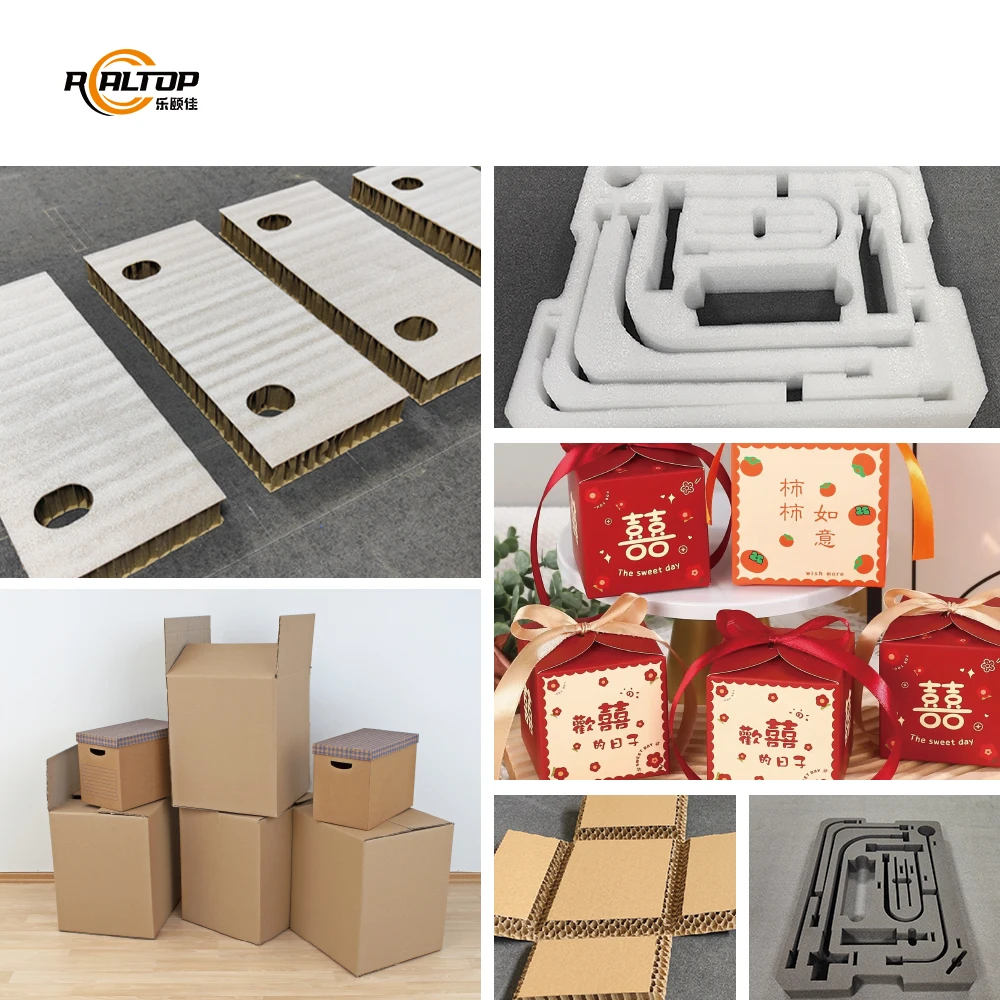
| Short-run corrugated carton production | E-flute, B-flute, BC-flute corrugated board up to 40 mm |
| Packaging sample making and prototyping | Greyboard, specialty paper, and adhesive-backed sheets |
| Protective foam insert fabrication | EVA, EPE, PU foam cut to precise contour |
| Gasket and seal cutting for packaging | Rubber mats, non-woven fabric, PTFE sheets |
| Thin plastic sheet converting | PVC, PET, and composite packaging films |
Why Cutting Thickness Claims Fail on the Shop Floor
Many CNC oscillating knife cutting table specifications list a maximum cutting thickness without naming the material density or flute profile behind that number.
A 40 mm rating on soft EPE foam does not mean the same blade will handle 5-ply BC-flute corrugated at production speed.
I have walked into workshops where a machine bought for pizza box runs was stalling on high-grammage double-wall board because the oscillating knife frequency and vacuum hold-down were never matched to that specific ply. The operator cranked the speed down to compensate, and daily output dropped noticeably below what was expected. That mismatch is not a machine defect — it is a specification gap that should have been closed before the purchase order was signed [NEED_CITE: material density and tool head matching standards for digital cutting]. When you evaluate CNC oscillating knife cutting table specifications how to choose the right configuration, the conversation must start with your actual material stack, not just the working area dimensions.
Tool Head Selection Across Corrugated Flutes and Foam
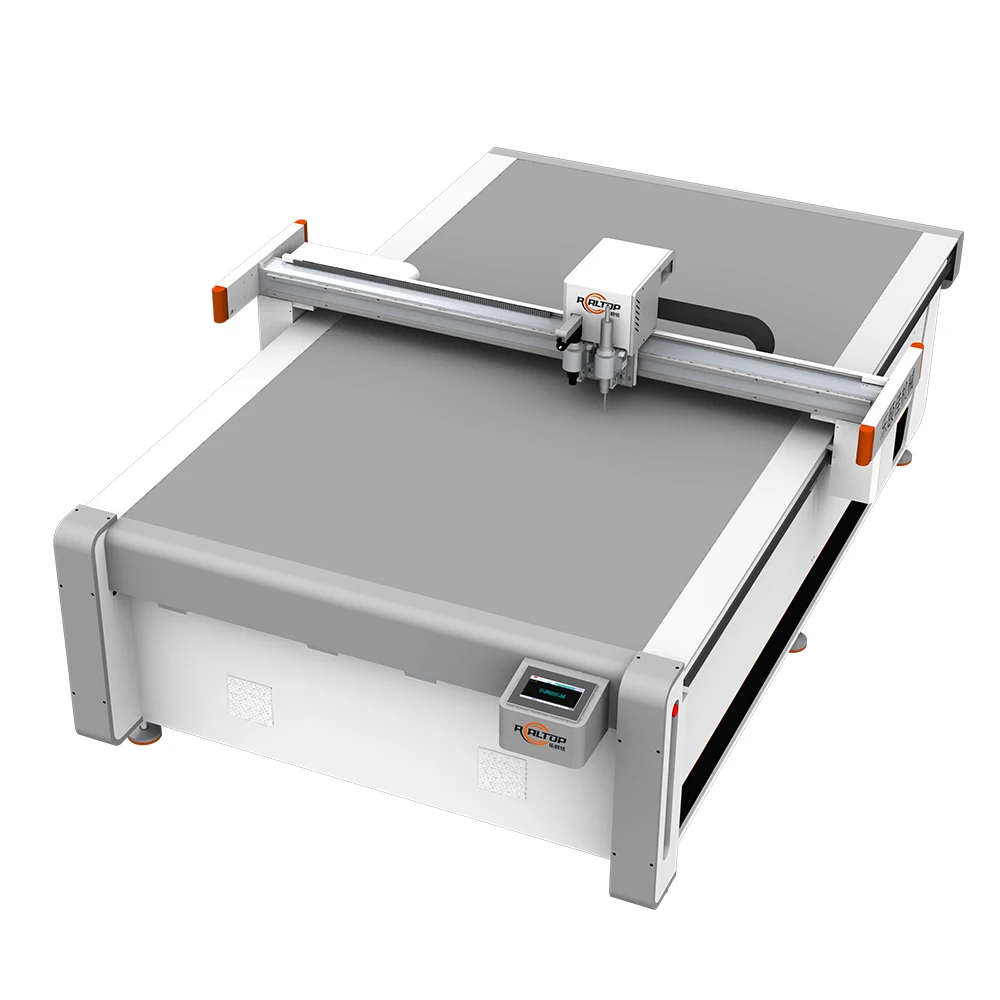
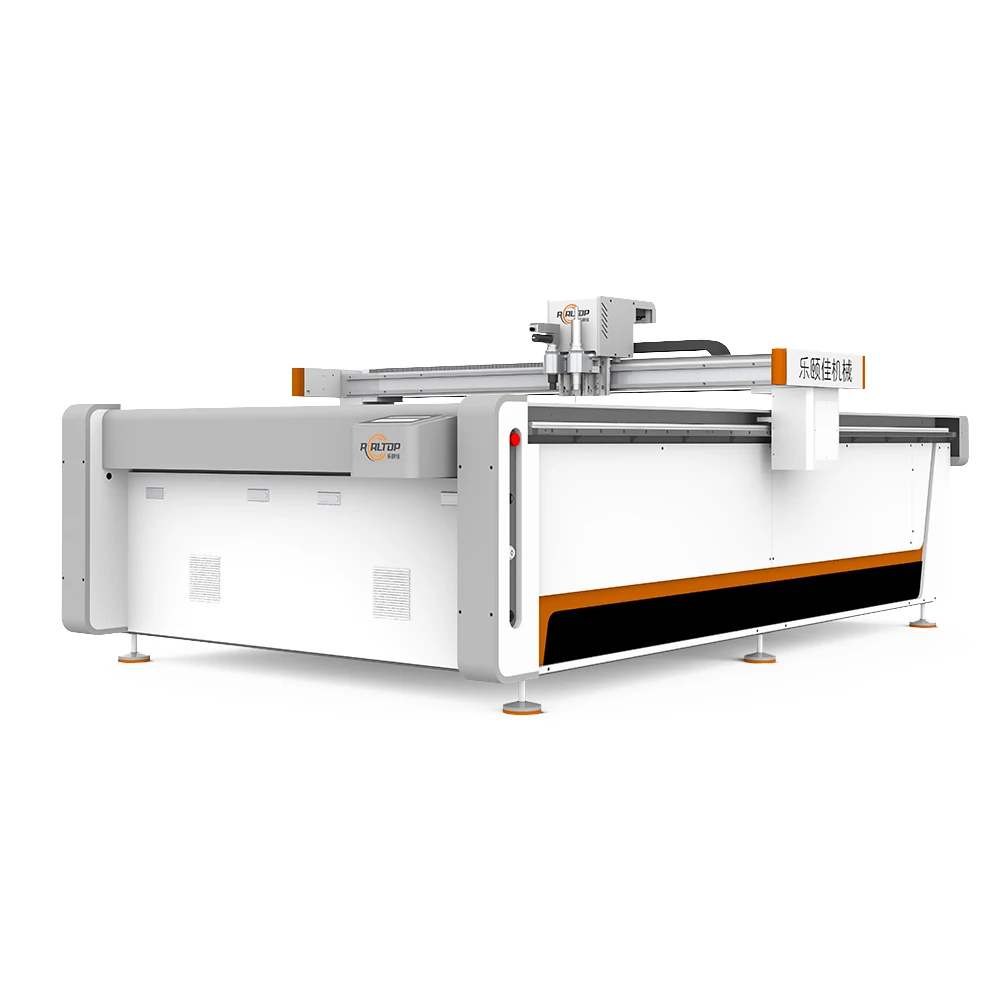
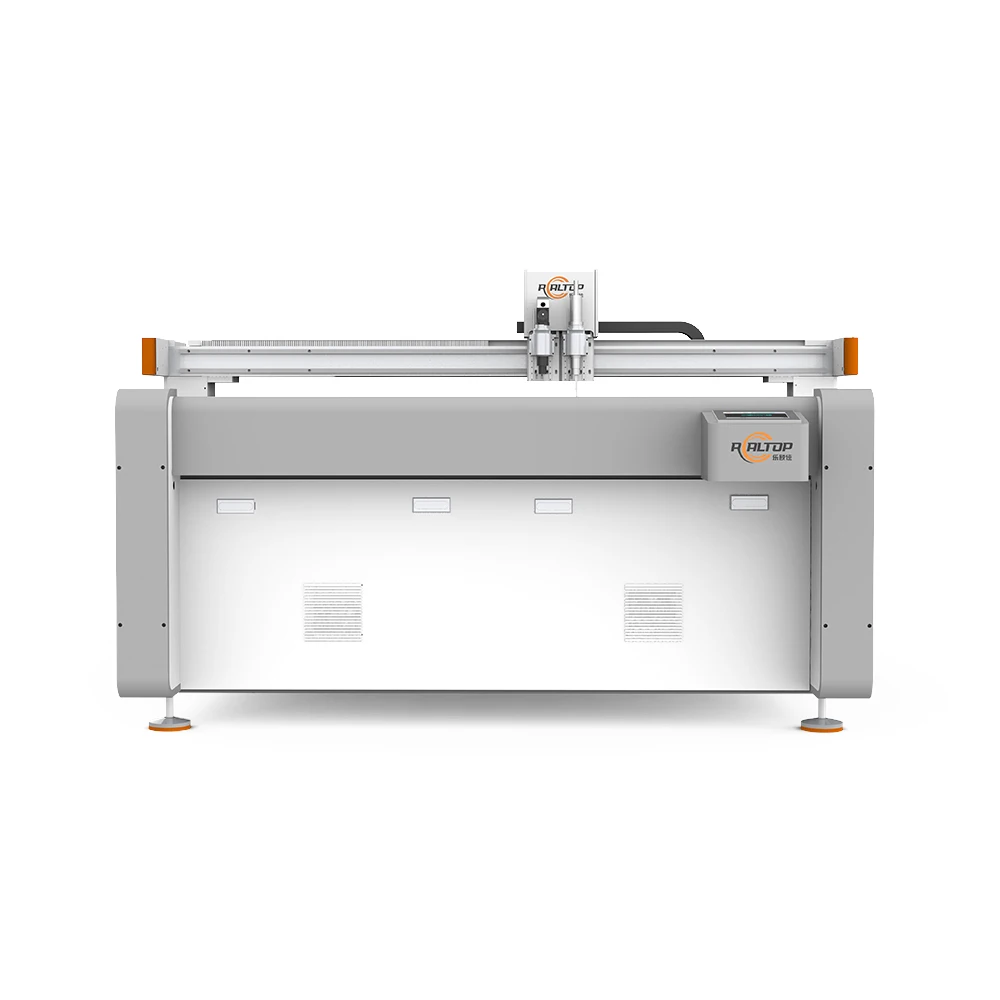
The 1625 platform offers seven interchangeable tool positions — oscillating knife, driven rotary knife, creasing wheel, kiss cutting, pneumatic knife, milling, and V groove — each suited to different material behaviors. An oscillating knife handles standard B-flute and E-flute board cleanly, while a pneumatic knife provides the downward force needed for dense BC-flute or multi-layer stacks. The creasing wheel scores fold lines without cutting through, and the V groove knife removes material to produce clean 90-degree bends on thicker greyboard. Selecting the correct CNC oscillating knife cutting table specifications how to choose among these seven options depends entirely on the material combination and edge finish the finished carton demands.
Vacuum Table Zoning and Small-Part Hold-Down
The aluminum bellows vacuum table delivers full-surface adsorption across the 1600×2500 mm working area, but flatness alone does not solve the small-part lift problem that plagues short-run carton production. When cutting pizza box blanks with narrow glue flaps, the vacuum zones must be configured so that adsorption pressure concentrates under each part rather than spreading across empty table surface. The 9 kW vacuum pump provides sufficient suction, yet zoning configuration determines whether a small die-cut shape stays flat or lifts into the blade path at higher cutting speeds [NEED_CITE: vacuum zoning best practices for flatbed digital cutting]. This is why the vacuum table specification must be confirmed against your smallest part dimension, not just the largest sheet you plan to load.
How the Numbers Translate to Carton Output
Cutting accuracy of ±0.1 mm, driven by the servo system and heavy-duty precision-ground frame, keeps crease lines aligned with cut edges across long production runs — a tolerance that matters when carton blanks move to automated folding and gluing downstream. The 0–1500 mm/s speed range is the mechanical envelope; actual throughput depends on contour complexity, number of crease lines per blank, and the material’s resistance to the selected knife. The PLC control panel centralizes speed, blade oscillation frequency, and vacuum pressure adjustments so operators can switch between E-flute sample runs and BC-flute production without recalibrating from scratch. The dedicated packaging box structure design software imports PLT, DXF, AI, and PDF files, reducing the conversion steps between the designer’s CAD environment and the machine’s nesting workflow.
The Hidden Cost of Skipping Material Trials
When a cutting table is specified on working area alone and the tool head is left to the factory’s default choice, the problems surface after installation. Ragged edges on corrugated flaps mean the oscillating frequency was too low for that board weight. Crushed foam inserts mean the drag knife was used where a high-frequency oscillating knife was needed. Small carton partitions lifting off the table mean vacuum zoning was set for full-sheet adsorption rather than concentrated hold-down [NEED_CITE: flatbed cutting machine vacuum configuration guidelines]. Each of these issues can be resolved on the machine, but only if the correct configuration was documented and tested before the crate left the factory.
Why Buyers Source This Platform Here
In-house design covers both the knife cutting head and the vacuum table structure, so the tool head recommendation is based on material testing rather than a fixed catalogue entry. The heavy-duty frame and precision-ground surface are built at the core factory, keeping dimensional accuracy under direct quality control rather than outsourced assembly. Software compatibility — file format, nesting workflow, and language — is confirmed in writing before production begins, preventing the situation where an operator discovers on day one that their existing DXF files require manual re-drawing. Sample cutting on your own corrugated board, foam, or specialty material is completed and documented before commitment, giving you measured edge quality and cycle time data on the actual stock you will run [NEED_CITE: sample-based equipment validation in packaging machinery procurement]. Voltage, plug configuration, and control panel language are locked in as part of the specification sheet, not left as assumptions.
Documentation & Verification
- Machine specification sheet listing all seven tool head options with your selected configuration highlighted
- Electrical schematic confirming your local voltage, plug type, and circuit requirements before build
- Sample cutting report on your corrugated board or foam with measured edge quality and cycle data
- Tool head and vacuum table zoning configuration list matched to your part dimensions
- Software licence and file format compatibility note for PLT, DXF, AI, and PDF workflows
- Factory test record documenting positioning accuracy and cut quality before dispatch
Installation, Commissioning & Support
- The 3300×2100×1350 mm footprint requires a level floor with clearance for sheet loading on the 1600×2500 mm table
- A dedicated circuit matching the confirmed voltage option (110V, 220V, or 380V) must be installed before delivery
- The heavy-duty frame ships as a single assembly; the aluminum bellows vacuum table is leveled on site
- First-run commissioning includes oscillation frequency and vacuum pressure tuning on your material
- Operator training covers tool head changeover across all seven positions and PLC parameter adjustment
- Spare parts list identifies blades, creasing wheels, and vacuum seals with reorder part numbers
What to Include in Your Inquiry
Provide the specific corrugated flute type and board grammage, or foam density and thickness, you plan to cut most often. Share your daily blank volume and the smallest part dimension in your nesting layout so vacuum zoning can be sized correctly. Confirm your workshop voltage and frequency, the control panel language your operators need, and whether your existing design files are in PLT, DXF, AI, or PDF format. If you have a current carton structure you want tested, send the drawing and a material sample so a cutting trial can be arranged before quotation.
Frequently Asked Questions
Q: How is the 40 mm cutting thickness verified across different corrugated flutes and foam densities?
A: The thickness capacity is material-dependent. BC-flute corrugated board, EVA foam, and rubber gasket material each respond differently to blade oscillation frequency and downward pressure. A sample cutting test on your specific material — measuring edge quality, cut completeness, and cycle time — provides the verified capacity for your application rather than a generic maximum.
Q: Which tool head should I use for a job that combines BC-flute board and EVA foam inserts?
A: These two materials typically require different tools on the same machine. The pneumatic knife or oscillating knife handles dense BC-flute board, while the oscillating knife at a higher frequency suits EVA foam contour cutting. The seven-position tool head carriage allows both tools to be loaded and called within a single cutting program, switching automatically between operations.
Q: How does vacuum zoning prevent small carton parts from lifting during high-speed cutting?
A: The aluminum bellows vacuum table can be configured with zoning that concentrates suction under small parts rather than spreading it across the full 1600×2500 mm surface. The 9 kW vacuum pump provides the pressure; zoning ensures that pressure reaches the area beneath your smallest glue flap or partition piece, preventing lift that causes mis-cuts and blade damage.
Q: Can the packaging design software import my existing files without format conversion?
A: The dedicated packaging box structure design software accepts PLT, DXF, AI, and PDF formats. Compatibility with your specific nesting workflow and file naming convention is confirmed in writing before order placement, so there are no surprises when your design team sends production files to the machine for the first time.
Q: What electrical and language specifications are confirmed before shipment?
A: Voltage (110V, 220V, or 380V), plug configuration, and control panel language are documented on the machine specification sheet and signed off before production. This ensures the PLC interface, safety device labeling, and power connection match your workshop standards upon arrival.


商品评价
Clear filtersThere are no reviews yet.