


Fast Shipping
Carrier information

20k products
Payment methods

24/7 Support
Unlimited help desk

2-day Delivery
Track or off orders
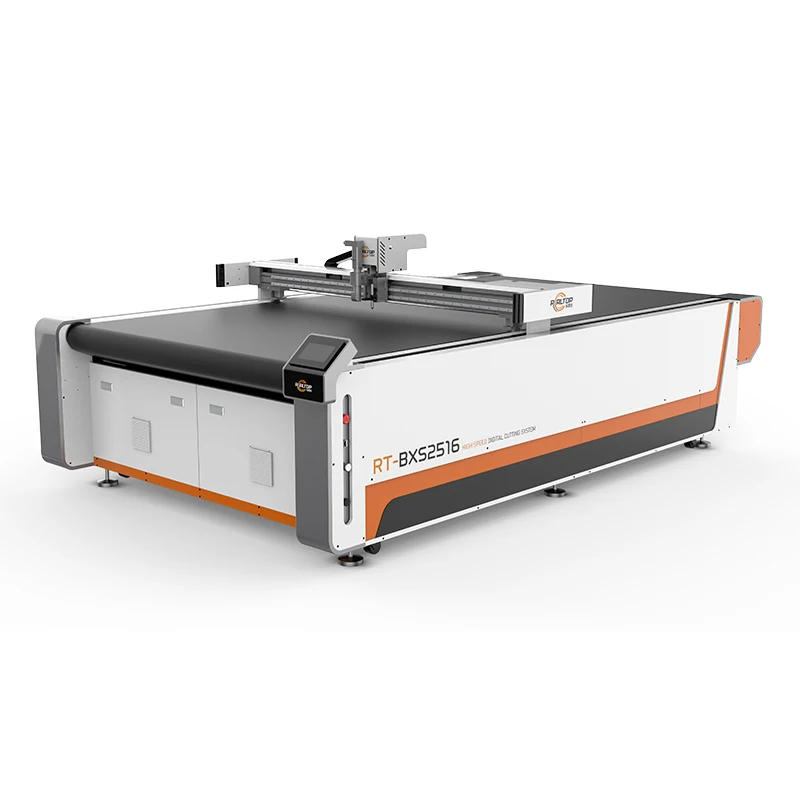
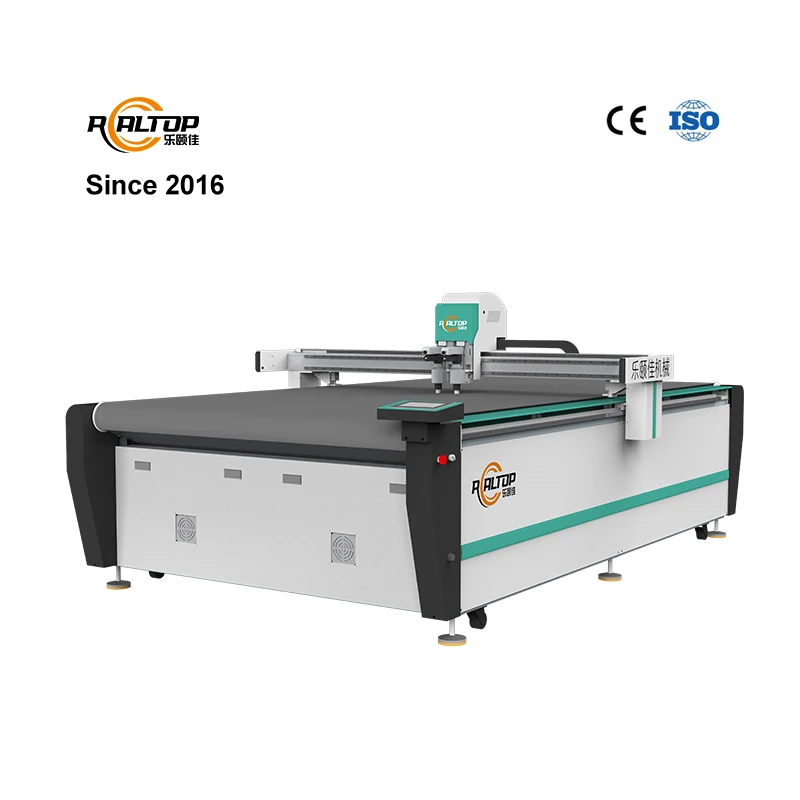
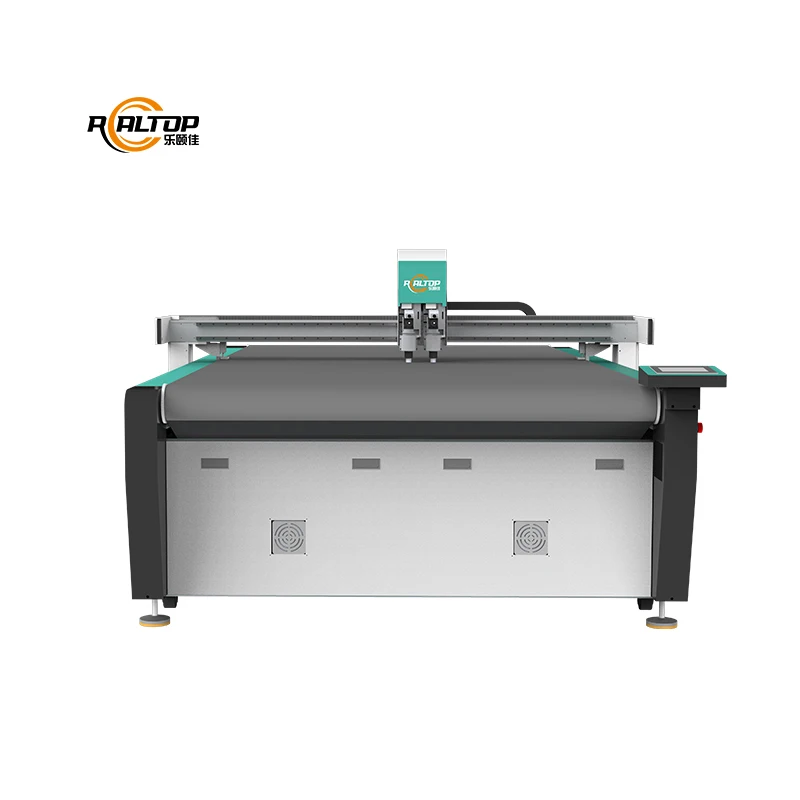
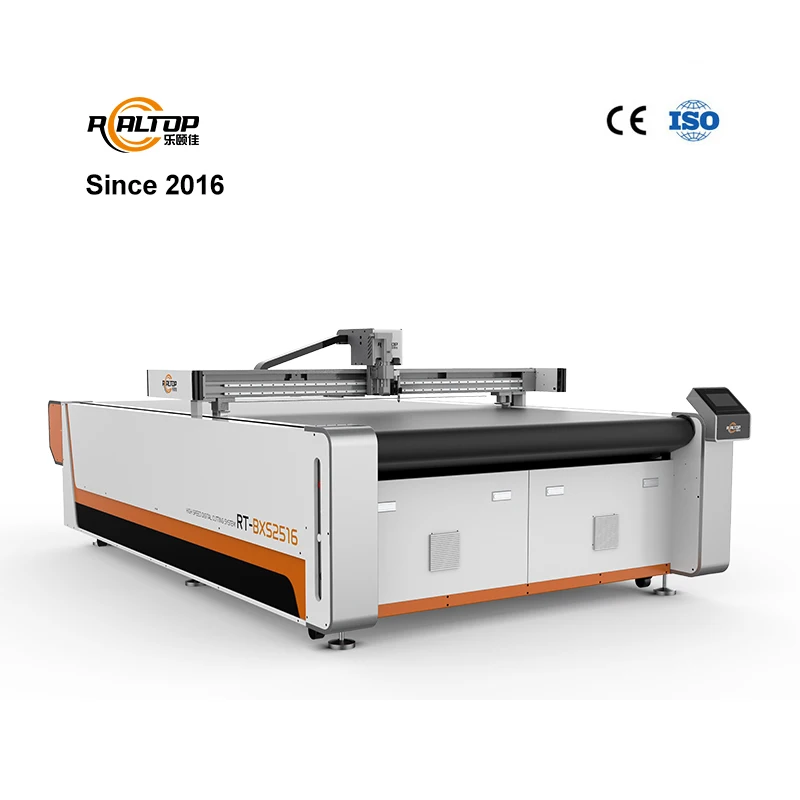
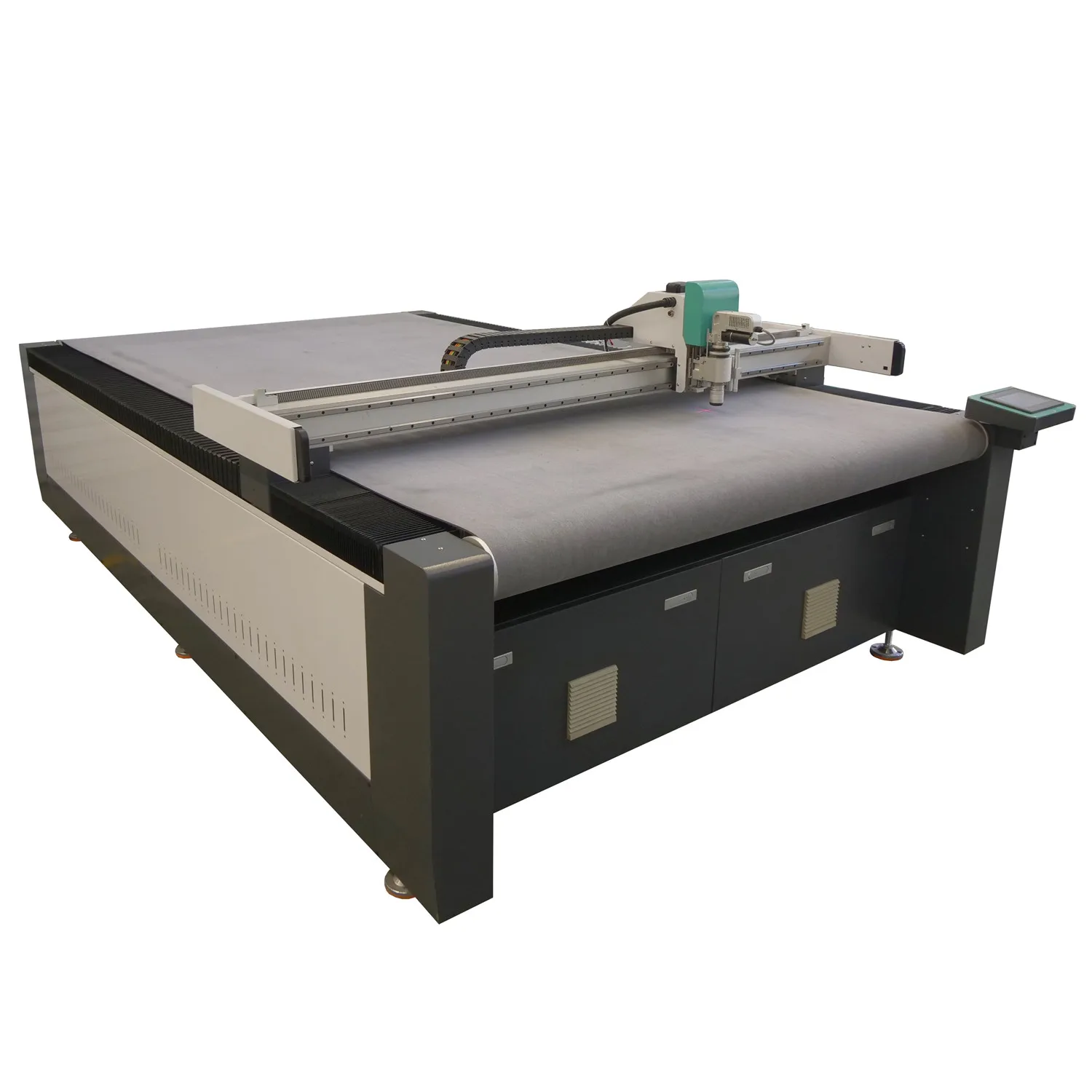
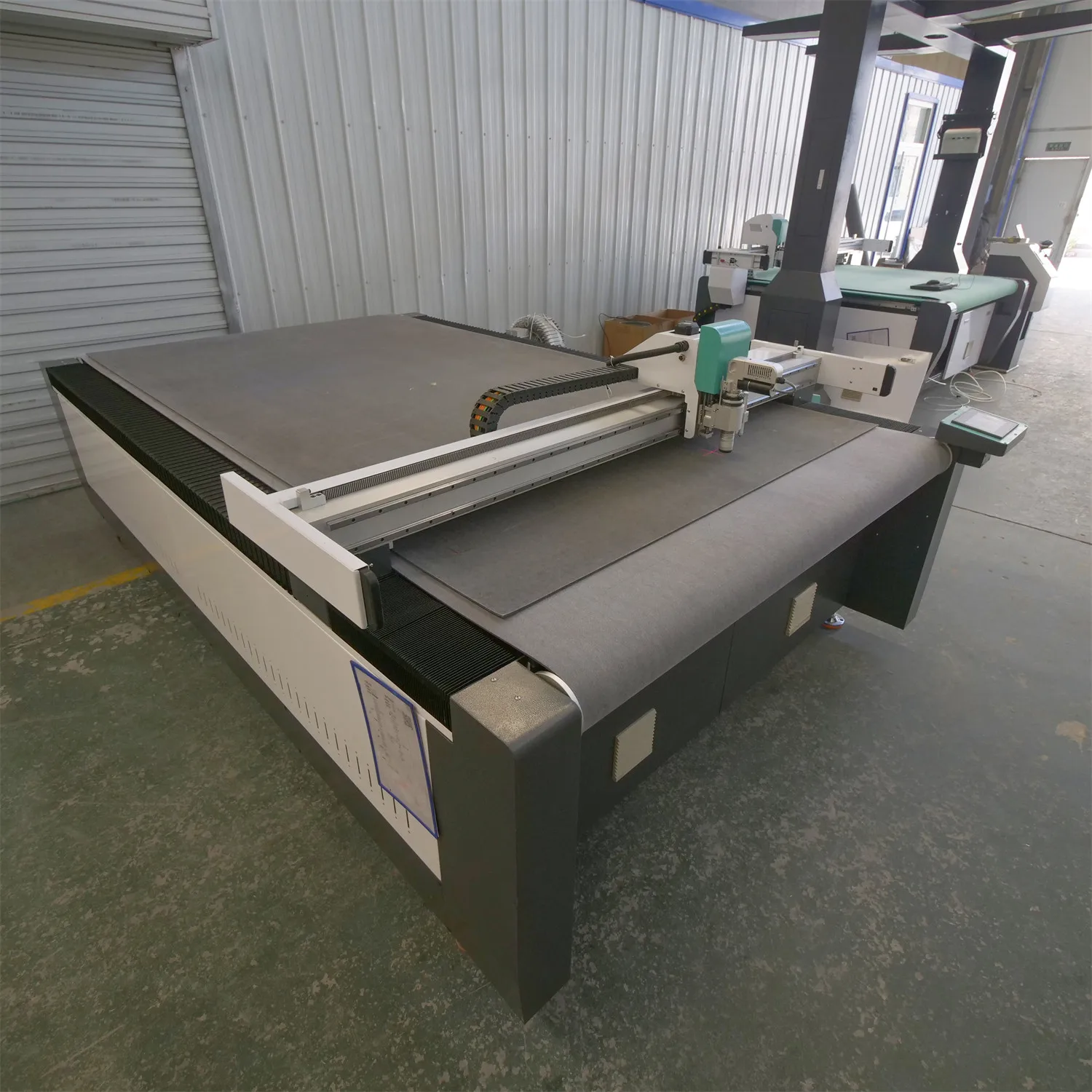
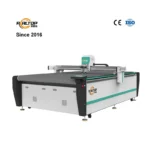
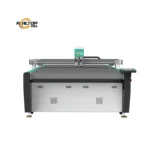
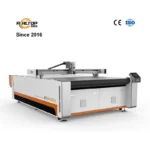
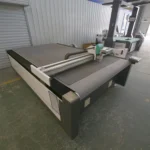
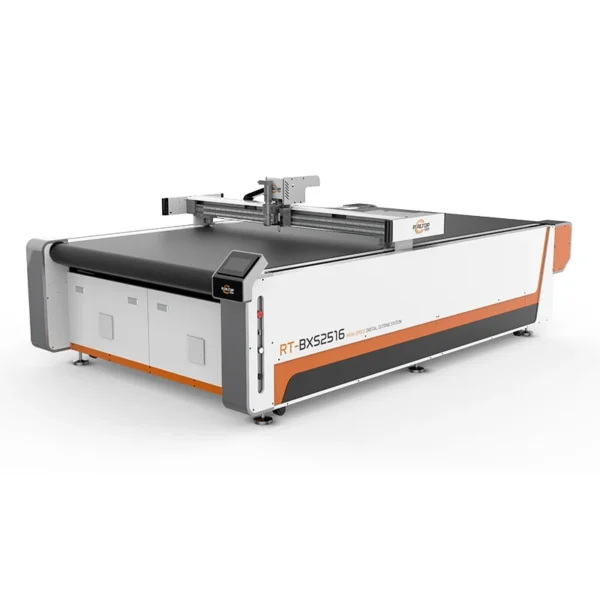
Tool head matched to material — the RT-D2516/RT-S2516 flatbed lets fabric and foam producers specify oscillating knife, drag knife or creasing wheel per job rather than forcing one cutting method across incompatible substrates.
Technical Specifications
| Parameter | Value |
|---|---|
| Product Type | CNC Oscillating Knife Cutting Machine |
| Model | RT-D2516/RT-S2516 |
| Working Area | 1600×2500mm |
| Machine Size (Overall Dimensions) | 3450×2300×1250mm |
| Rated Power | 9kW |
| Voltage | 380V±10% |
| Control System | CNC with HP-GL compatible format |
| Servo Motor | Delta (optional Panasonic), IP67 waterproof |
| Transmission System | Digital servo motor, linear guide, synchronous belt, Taiwan Hiwin rail |
| Translational Velocity | 800–2000mm/s |
| Cutting Speed | 200–800mm/s depending on material |
| Cutting Thickness | Up to 100mm depending on material |
| Repeated Accuracy | ≤0.1mm |
| Tool Head Options | Swiss imported vibrating knife (full/half cutting), pneumatic knife, high-power vibrating knife, circular knife, V-cutting knife, drag knife, creasing wheel, dotted line knife, punching, brush |
| Visual Positioning | Small CCD camera mark point, panoramic camera recognition, projection positioning |
| Working Table | Magnesium-aluminum alloy vacuum adsorption with fluorocarbon PVDF coating, hard oxidation |
| Vacuum Pump | 7.5kW integrated aviation aluminum shell, built-in silencer |
| Feeding System | Auto feeding with Germany imported conveyor belt |
| Safety Device | Infrared sensors, anti-collision on beam sides, emergency stop |
| Software Language | English, Russian, Italian, Chinese; special languages customizable |
| Assembly State | Fully assembled |
Application Suitability
| Application | Material or Output |
|---|---|
| Garment and footwear cutting | Multi-layer fabric, leather, shoe material, non-woven fabric |
| Automotive interior trimming | Sponge, PU, EVA, XPE, composite materials |
| Packaging sample prototyping | Corrugated cardboard, plastic box, sticker, film |
| Sealing gasket fabrication | Rubber, PTFE, ETFE, fiberglass, gasket material |
| Signage and graphic finishing | PVC board, foam board, vinyl, self-adhesive film |
| Soft home furnishing production | Carpet, textile, curtain fabric, upholstery cloth |
Why the Right Tool Head Matters More Than the Working Area
Most buyers start by specifying table size, then discover their material crushes, frays or delaminates under the wrong blade. The RT-D2516/RT-S2516 lets you assign a tool head to each material class instead of forcing one blade through everything.
I once watched a shoe factory run composite sponge on a machine spec’d only for woven fabric — the oscillating knife compressed the foam edge into a ragged lip and the entire batch had to be scrapped. That failure was not about power or speed. It was about sending the wrong tool geometry into a material that needed a different stroke frequency and penetration profile. When you evaluate CNC oscillating knife cutting machine specifications, the tool head catalogue is where the real machine identity lives [NEED_CITE: material-specific tool head selection for flexible substrates].
Oscillating Knife, Drag Knife and Creasing Wheel on One Table
The Swiss imported vibrating knife head on the RT-D2516/RT-S2516 supports full cutting, half cutting and cursor location in a single tool station. For dense leather and multi-layer textile stacks, the high-power vibrating knife variant delivers the stroke amplitude needed to shear cleanly through the bottom plies. When the job shifts to thinner vinyl or self-adhesive film, the drag knife follows vector paths with less downward force, preventing the substrate from bunching. The creasing wheel then scores corrugated cardboard for fold lines without penetrating the flute structure — a function a cutting blade simply cannot replicate.
Vacuum Zoning, CCD Tracking and the Small-Part Problem
The magnesium-aluminum alloy vacuum table spans 1600×2500mm and is finished with fluorocarbon PVDF powder spraying plus hard oxidation. A 7.5kW pump behind it pulls suction through zoned channels, but zoning only solves half the problem. Small gasket blanks and narrow fabric strips tend to lift at the trailing edge once the blade exits the cut, especially when the oscillating knife exits at high translational velocity. Confirming whether the table zones can be isolated around your typical nesting pattern is a conversation that must happen before the machine ships [NEED_CITE: vacuum hold-down requirements for small-part CNC cutting].
How Specs Translate to Your Cutting Floor
The Delta IP67 servo motors driving Taiwan Hiwin linear rails give the RT-D2516/RT-S2516 a repeated accuracy of ≤0.1mm, which means nested garment patterns stay within tolerance across a full 2500mm stroke. Translational velocity reaches 2000mm/s, but cutting speed tops out at 800mm/s because the blade must physically shear material on every stroke — a gap that matters when you are estimating daily throughput on dense EVA foam versus lightweight cotton jersey. The 9kW rated power covers the servo drives, the vacuum pump draw and the oscillating knife motor simultaneously, so a dedicated circuit at 380V±10% prevents voltage sag from triggering servo alarms mid-sheet. CCD camera options — small mark-point, panoramic recognition and projection — let the system read printed contours on pre-printed textile rolls, but camera performance at full feed speed depends on mark contrast and ambient light, both of which should be tested on your actual material before commitment.
The Cost of Skipping Material-Specific Testing
When a machine is configured on paper without a live sample run, the failures appear on the first production day. Ragged edges on foam force manual trimming that adds labour downstream. Insufficient vacuum on small gasket parts causes the workpiece to shift mid-cut, turning a nested sheet into scrap. A CCD camera that tracks marks perfectly at half speed but loses registration at full feed rate creates misaligned contour cuts that ruin pre-printed graphics. Each of these problems is preventable with a sample cutting report run on the buyer’s own material at intended production speed [NEED_CITE: sample testing protocol for flexible material cutting].
Why Procure This System From Here
In-house design covers both knife and laser technologies, so when a buyer’s material shifts from textile to acrylic mid-project, the conversation moves to the correct cutting method instead of forcing a knife through a substrate that needs a CO2 beam. Tool head and table configurations are specified per material and production volume, not offered as a flat menu. CCD camera positioning is verified against your printed mark format before the order is locked. Software compatibility — HP-GL and file format import — is confirmed with your existing nesting workflow. Voltage, plug type and control language are documented on the electrical schematic before shipment, eliminating the surprise of a 380V machine arriving in a 440V workshop.
Documentation & Verification
- Machine specification sheet listing confirmed tool heads and vacuum zone layout
- Electrical schematic with 380V±10% wiring, plug type and circuit requirements
- Sample cutting report on your material showing edge quality and achievable speed
- Tool head and table configuration list matched to your daily production mix
- Software licence with HP-GL compatibility and nesting file format confirmation
- Spare parts list covering blades, conveyor belt segments and CCD calibration targets
Installation, Commissioning & Support
- Fully assembled frame fits a 3450×2300mm footprint; confirm workshop door clearance
- Dedicated 380V±10% circuit rated for 9kW continuous draw, separate from lighting loads
- Vacuum pump built-in silencer sponge reduces ambient noise; verify ventilation for heat rejection
- First-run calibration includes servo tuning, CCD mark registration and vacuum zone mapping
- Operator training covers tool head changeover, blade depth setting and nesting import workflow
- Spare blade stock and conveyor belt segments recommended for first-year operation
What to Prepare Before Requesting a Quote
Send your material type, maximum thickness, typical sheet or roll width and daily cutting volume. Specify whether your work requires contour recognition on printed marks, and include a sample print file if possible. Confirm your workshop voltage and frequency, preferred control language, and whether you need the auto-feeding conveyor integrated with an upstream roll stand. If your material is an uncommon composite or a recycled-content foam, ask for a sample cutting run on your actual stock before signing off on configuration.
Frequently Asked Questions
Q: How do I choose between the oscillating knife, drag knife and creasing wheel for my material?
A: Oscillating knife suits thick foam, multi-layer fabric and dense sponge where stroke amplitude shears through the full stack. Drag knife handles thinner vinyl, sticker and single-ply textile with less downward force. Creasing wheel scores corrugated cardboard without cutting through. Request a sample cut on your exact material to confirm edge quality and speed.
Q: What cutting thickness can I realistically achieve on different materials?
A: The machine is rated for up to 100mm depending on material density. Soft foam reaches the upper range, while dense rubber and compressed gasket sheet cut cleanly at lower depths. Actual capacity shifts with blade geometry and oscillation frequency, so a sample cutting report on your stock is the reliable reference.
Q: Does the CCD camera track printed marks at full production speed?
A: Tracking depends on mark contrast, print quality and ambient lighting. The panoramic camera and small mark-point camera each have different registration tolerances at varying feed speeds. Test with your actual printed material at intended cutting speed before finalising the camera configuration.
Q: Is vacuum suction sufficient for small gasket parts that lift during cutting?
A: The 7.5kW pump provides strong baseline suction, but small blanks and narrow strips can still lift at blade exit. Confirm zone isolation around your nesting pattern and test with your smallest typical part geometry to verify hold-down adequacy before committing to a table configuration.
Q: What voltage and language options are confirmed before shipment?
A: The system is configured for 380V±10% with plug type and control language documented on the electrical schematic before dispatch. English, Russian, Italian and Chinese are standard; other languages are customizable. Verify your workshop frequency matches the servo and vacuum pump ratings.


商品评价
Clear filtersThere are no reviews yet.