



Fast Shipping
Carrier information

20k products
Payment methods

24/7 Support
Unlimited help desk

2-day Delivery
Track or off orders
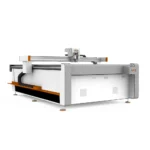
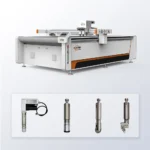
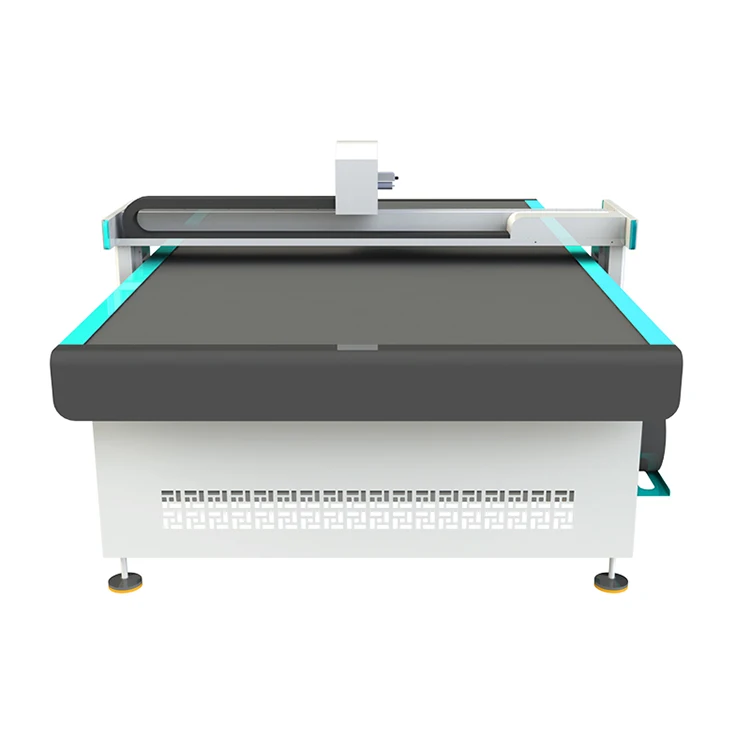
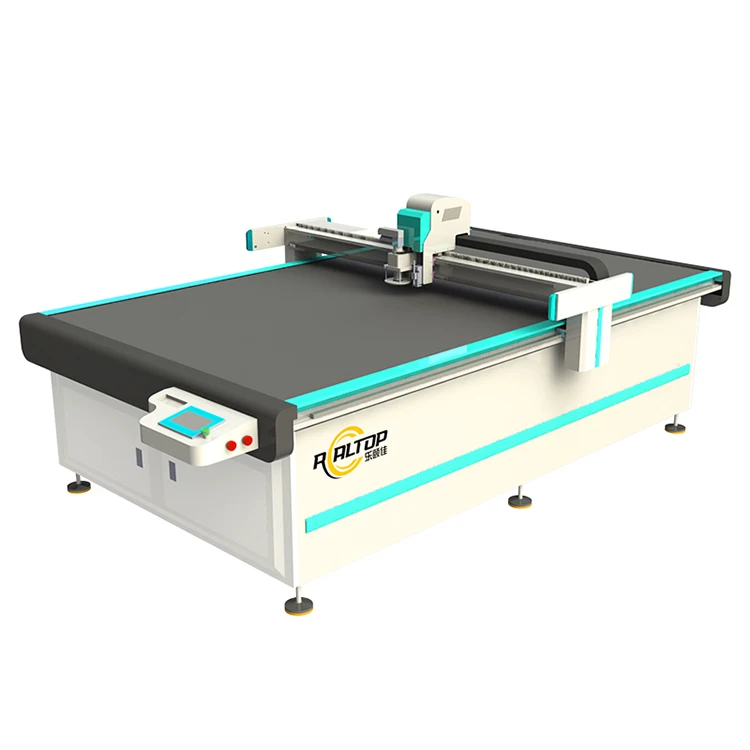
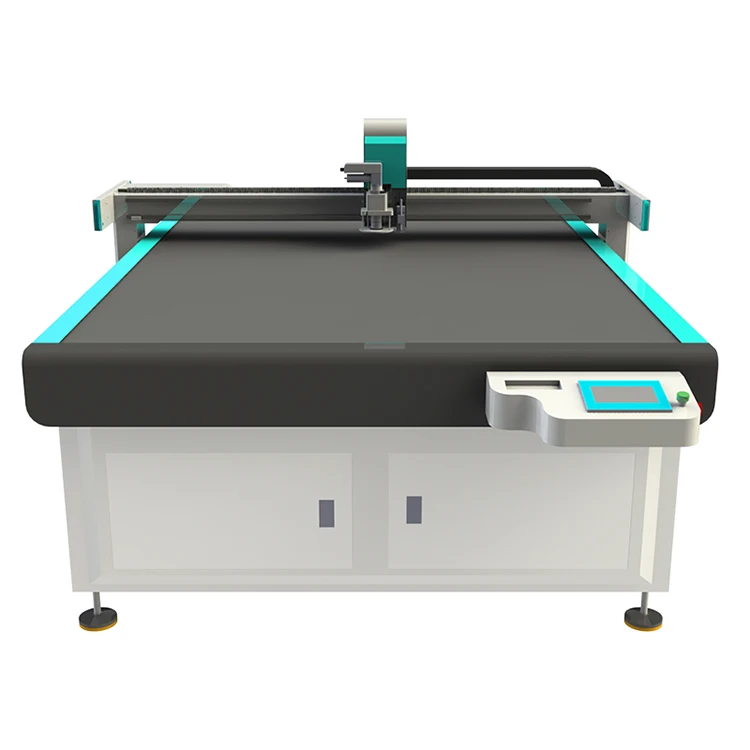
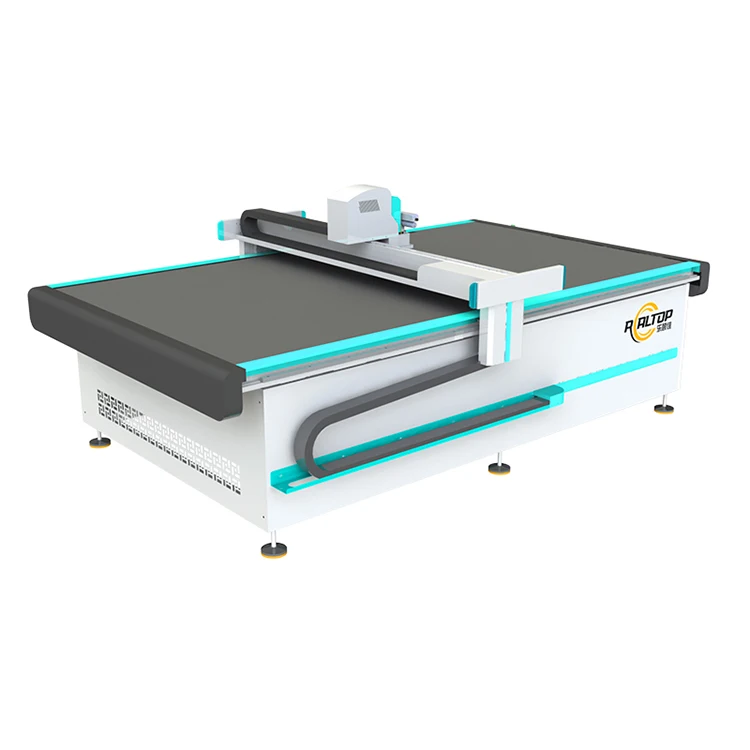
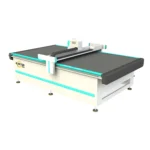
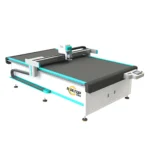
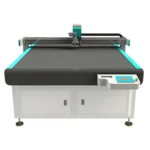
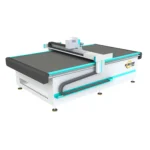
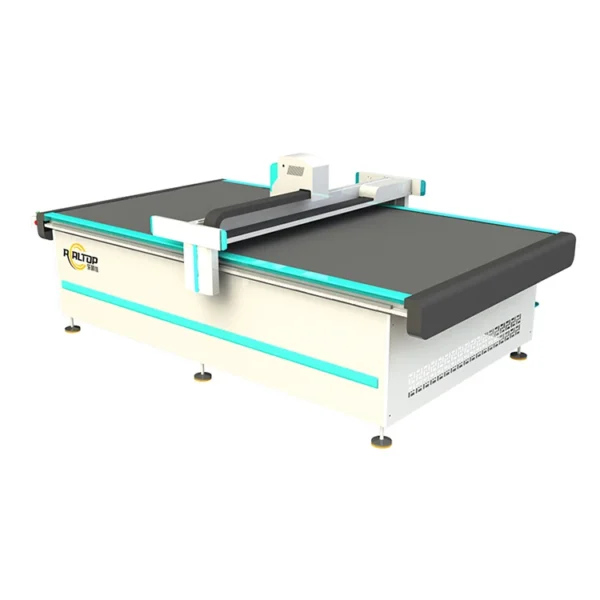
Tool Head Configuration Matched to Board Density — The RT-D2516/RT-S2516 ships with a Swiss imported oscillating knife system offering full-cut and half-cut modes, selected specifically after testing the buyer’s corrugated or solid board stock rather than guessing from a catalog.
Technical Specifications
| Parameter | Value |
|---|---|
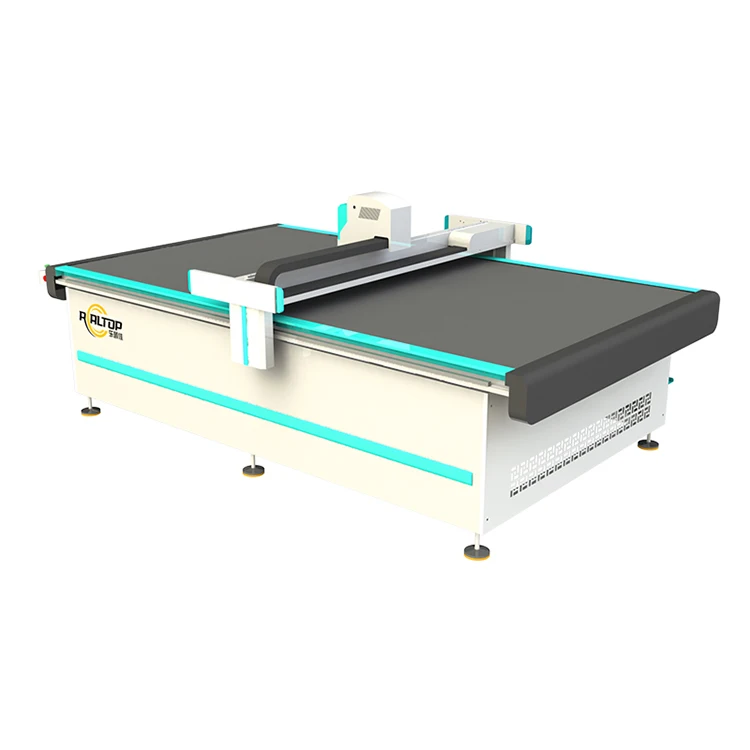
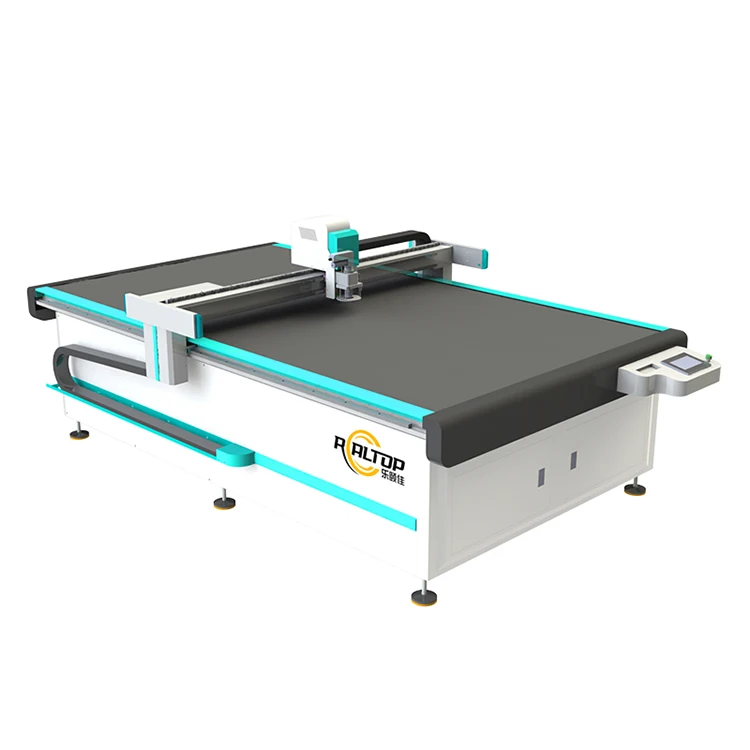
| Product Type | CNC Oscillating Knife Cutting Machine |
| Model | RT-D2516/RT-S2516 |
| Working Area | 1600×2500mm |
| Machine Size | 3450×2300×1250mm |
| Rated Power | 9kW |
| Voltage | 380V±10% |
| Table Type | Flat working table with vacuum hold-down |
| Tool Head | Swiss imported knife with vibration full cutting, vibration half cutting, and cursor location function |
| Safety Device | Infrared sensors |
| Translational Velocity | 800–1200mm/s |
| Cutting Speed | 200–800mm/s (varies according to material type and thickness) |
| Repeated Accuracy | ≤0.1mm |
| Transmission System | Digital servo motor, linear guide, synchronous belt, ball screw (imported components) |
| Servo Motor | Japanese Yaskawa |
| Linear Guide | Taiwan Hiwin rail |
| Conveyor Belt | Germany imported |
| Vacuum Pump | 7.5kW |
| Instruction System | HP-GL compatible format |
| Standards | CE declaration where applicable |
Application Suitability
| Application | Material or Output |
|---|---|
| Packaging sample making | Corrugated board, folding carton stock, grey board |
| Carton and box prototyping | E-flute, B-flute, and micro-flute corrugated sheets |
| Advertising and signage production | PVC foam board, acrylic sheet, vinyl, foam board |
| Garment and leather goods manufacturing | Leather, sponge composite leather, flexible fabric |
| Gasket and seal cutting | Rubber, silicon, soft glass |
Why the Wrong Tool Head Ruins Your First Sample Run
A blade chosen from a generic chart will crush low-density flute or leave ragged edges on high-density board — testing on the buyer’s actual stock is the only reliable selection method.
I spent years on the assembly floor fitting oscillating knife heads onto flatbed tables, and the most common call I got from the field was a customer reporting torn edges on corrugated samples. The machine was running fine — the problem was always the knife angle or vibration frequency matched to the wrong board grade. When a packaging studio switches from E-flute to double-wall without adjusting tool head parameters, cutting speed drops and edge quality degrades fast enough to notice on the very first sheet [NEED_CITE: oscillating knife cutting mechanics on corrugated board grades]. The RT-D2516/RT-S2516 addresses this with a Swiss imported knife system that switches between full-cut and half-cut vibration modes, but the correct setting still depends on material density rather than a one-size-fits-all recommendation.
Vibration Modes and What They Actually Control
Full-cut vibration drives the blade through the entire board thickness in a single stroke, suited for solid corrugated sheets where a clean through-cut is required. Half-cut vibration scores the top liner without penetrating the flute structure, which is essential for fold lines on carton prototypes. The CNC oscillating knife cutting machine specifications list both modes as standard on this model, giving packaging sample makers the ability to produce creased-and-cut blanks in one pass. Switching between modes is handled through the control software rather than a physical blade change.
Vacuum Hold-Down Across the 1600×2500mm Bed
A 7.5kW vacuum pump paired with a flat working table keeps corrugated sheets flat against the cutting surface, which matters because even slight lifting at the cut point produces inaccurate dimensions on interlocking carton tabs. Smaller packaging parts — think insert dividers or small box flaps — are where vacuum zoning becomes critical, since insufficient suction on a small footprint lets the piece drift mid-cut [NEED_CITE: vacuum table zoning requirements for small-part CNC cutting]. The Germany-imported conveyor belt feeds sheets into position, and the vacuum engages before the knife makes contact.
Reading the Specs That Matter for Board Work
Cutting speed is listed at 200–800mm/s, but that range only makes sense when matched to material density — dense double-wall corrugated requires the lower end, while single-face E-flute can run toward the upper limit. Translational velocity of 800–1200mm/s governs how fast the head repositions between cut paths, which directly affects cycle time on complex carton geometries with many internal cutouts. The Japanese Yaskawa servo motors and Taiwan Hiwin rails maintain repeated accuracy at ≤0.1mm, a tolerance that keeps tab-and-slot fits tight enough for glue-free prototype assembly. The HP-GL compatible instruction system accepts nesting files from common packaging CAD software, though file format compatibility should be confirmed before the order is placed rather than discovered during installation.
What Happens When Configuration Is Skipped
Ordering a flatbed cutter based on working area alone is how packaging shops end up with a machine that cannot hold small carton blanks flat during the cut cycle. If the vacuum zone layout does not match the typical part size in your sample library, lifting occurs on pieces below a certain footprint, and dimensional accuracy falls outside the tolerance needed for assembled prototypes [NEED_CITE: flatbed cutting accuracy loss from insufficient vacuum hold-down]. Ragged edges on crease lines force operators to slow the feed rate manually, which negates the speed advantage of the oscillating knife head entirely.
Why Source This Machine Through the Factory
In-house design covers both the knife cutting head and the flatbed table structure, so tool head selection is integrated with the vacuum zoning layout rather than treated as separate purchases. Sample cutting runs on the buyer’s own corrugated board stock are completed before the order is confirmed, eliminating the guesswork around knife angle and vibration frequency. Voltage is configurable to the destination market’s supply standard, and the control interface language is set before shipment. The transmission system uses imported servo and rail components rather than generic replacements, keeping positional accuracy consistent across long production runs. CE documentation is prepared where the destination market requires it, and the factory test record includes cutting results on the specific material grade the buyer submitted.
Documentation & Verification
- Factory test record showing cut quality on your submitted corrugated board grade
- Tool head and vacuum table configuration list matched to your material range
- Electrical schematic with confirmed voltage and plug type for your facility
- Software licence and HP-GL file format compatibility note for your CAD workflow
- Operation and maintenance manual with blade change and belt tension procedures
- Spare parts list covering knives, vacuum cups, and conveyor belt sections
Installation, Commissioning & Support
- Floor space of approximately 3450×2300mm required with clearance for conveyor infeed and sheet loading on the 1600×2500mm table
- Dedicated 380V±10% three-phase circuit with capacity for the 9kW rated load plus the 7.5kW vacuum pump
- Machine ships as a single assembled frame; the conveyor belt and vacuum table are aligned and tested at the factory before crating
- First-run commissioning includes calibration of Yaskawa servo zero-points and Hiwin rail parallelism verification
- Operator training covers Swiss knife blade replacement, half-cut depth adjustment, and vacuum zone activation for small parts
- Preventive maintenance schedule covers conveyor belt tracking, vacuum pump filter cleaning, and synchronous belt tension checks
What to Send With Your Inquiry
Provide the specific board grades you run — flute type, grammage, and whether the stock is single-face or double-wall — along with the largest and smallest carton blank dimensions in your current sample library. Confirm your facility voltage and frequency, the CAD software you use for nesting, and whether you need the control interface in a specific language. If you can ship a few sheets of your actual production material, a sample cutting report will be returned before any commitment is made.
Frequently Asked Questions
Q: How do I know which vibration mode to use for my board type?
A: Full-cut vibration is used for through-cutting solid and corrugated board where a clean separated edge is needed. Half-cut vibration scores the liner for fold lines without severing the flute. The correct mode depends on board density and flute profile, which is why a test cut on your actual stock is completed before final tool head configuration is locked in.
Q: Will small carton inserts stay flat during cutting on this table size?
A: The 1600×2500mm bed uses vacuum hold-down powered by a 7.5kW pump, but small parts require sufficient vacuum zone coverage to prevent lifting. The zone layout should be reviewed against your typical part footprint during the configuration stage, and adjustments to the vacuum cup array can be made before the machine leaves the factory.
Q: Which file formats does the control system accept from packaging CAD software?
A: The instruction system is HP-GL compatible, which covers output from most packaging design and nesting platforms. File format compatibility should be verified with a sample file from your specific CAD software before the order is placed, so any conversion requirements are resolved ahead of installation rather than during commissioning.
Q: How does cutting speed change between single-flute and double-wall board?
A: The listed range of 200–800mm/s adjusts based on material density and thickness. Single-face E-flute can run at higher speeds within that range, while double-wall or high-density board requires slower passes to maintain edge quality and dimensional accuracy. Actual speed for your material is established during the sample cutting test.
Q: Can I send my own material for a test cut before ordering?
A: Yes. Send sheets of the board grades you produce most frequently, and a sample cutting report will be returned showing edge quality, dimensional accuracy, and the recommended tool head configuration. This report forms the basis of the final machine specification before production begins.


商品评价
Clear filtersThere are no reviews yet.