




Fast Shipping
Carrier information

20k products
Payment methods

24/7 Support
Unlimited help desk

2-day Delivery
Track or off orders
Precision Tooling Matched to Board Grade — Oscillating knife, creasing wheel and kiss-cut tools configured per flute profile and thickness before the machine leaves the factory.
Technical Specifications
| Parameter | Value |
|---|---|
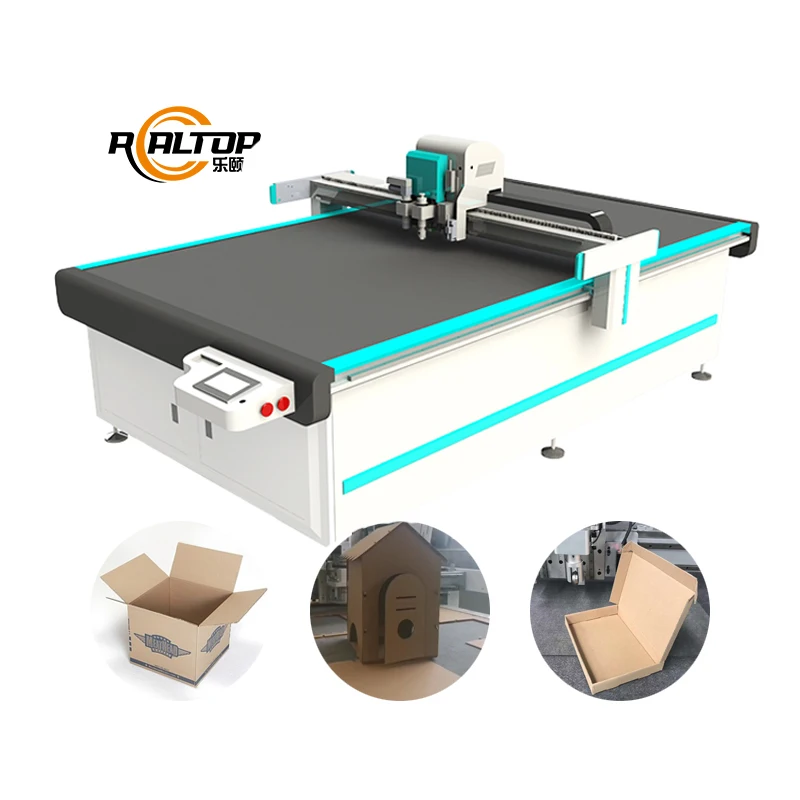
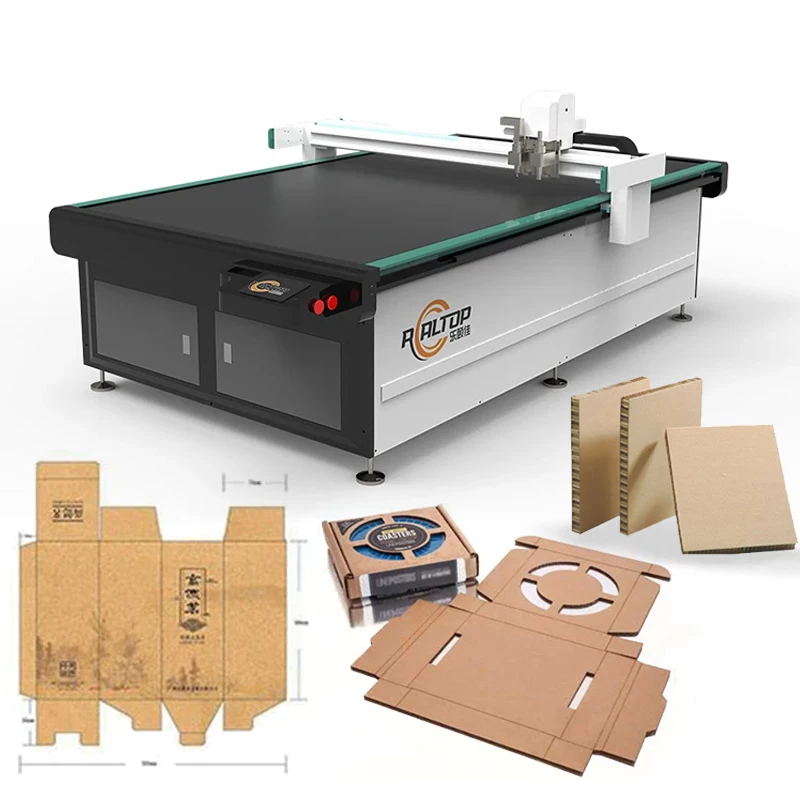
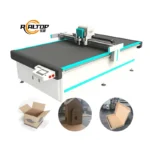
| Product Type | CNC Oscillating Knife Cutting Machine for Packaging and Cardboard |
| Model | RT–R2513 / RT-D2516 / RT-S2516 |
| Working Area | 2500×1300 mm (RT–R2513); 1600×2500 mm (RT-D2516 / RT-S2516) |
| Machine Size | 3550×1910×1400 mm (RT–R2513); 3450×2300×1250 mm (RT-D2516 / RT-S2516) |
| Cutting Thickness | ≤18 mm (basis not stated in source — confirm material type and density) |
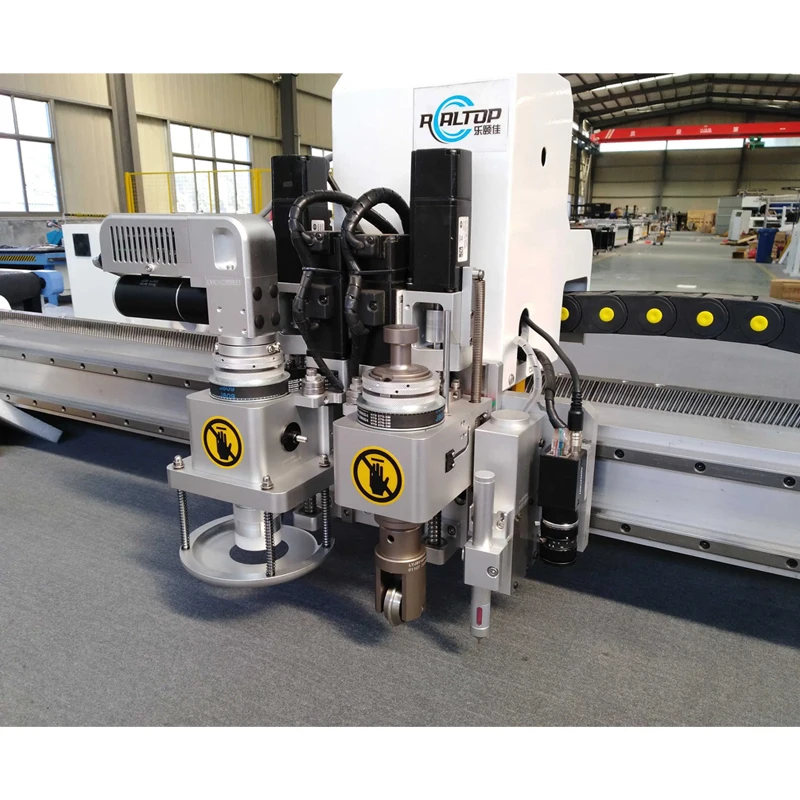
| Cutting Tools | Oscillating knife, Creasing tool, Kiss-Cut Knife Tool, Round punch |
| Fixing Method | Vacuum system (aluminum alloy honeycomb structure vacuum adsorption platform) |
| Repeated Accuracy | <0.05 mm |
| Rated Power | 9 kW |
| Voltage | 380 V (frequency not specified in source) |
| Vacuum Pump | 7.5 kW |
| Servo Motor | Dongling servo / Delta servo motor |
| Transmission | Imported straight-line square guide, rack transmission |
| Profile Format | DXF, OLT, PDF, AI |
| Software | Professional carton nesting software, multiple format imports, customized language |
| Frame | Welded thick square seamless steel structure, high temperature treatment |
| Safety Device | Infrared sensors, emergency stop devices |
Application Suitability
| Application | Material or Output |
|---|---|
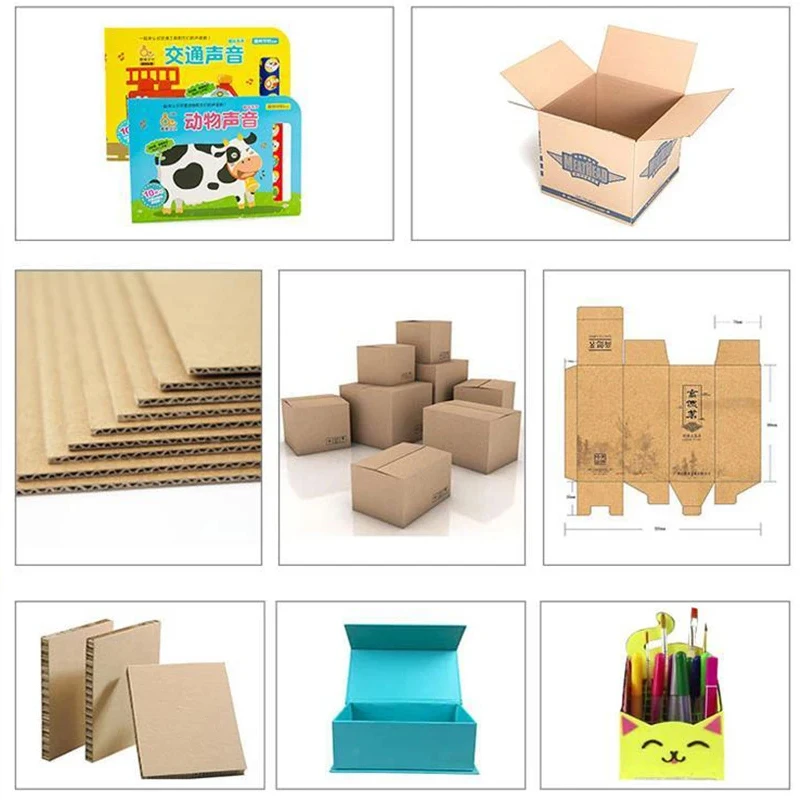
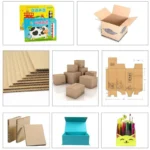
| Packaging carton sample making | E-flute, B-flute, and AB-flute corrugated cardboard up to 18 mm |
| Short-run box prototyping | Coated and uncoated kraft, greyboard, and honeycomb paper panels |
| Sticker and label contour cutting | Vinyl, PP paper, adhesive-backed film on release liner |
| Signage and display board processing | Foam PVC, corrugated plastic, and lightweight honeycomb board |
| Gasket and industrial paper cutting | Compressed fiber, aramid paper, and non-metallic sealing sheets |
Why Board Grade Must Dictate the Vacuum Zoning Strategy
A CNC oscillating knife cutting machine for packaging is often chosen on working area alone, leaving vacuum zoning, tool selection and flute compatibility as afterthoughts — until the first production sheet lifts off the table mid-cut.
Vacuum adsorption must be zoned to match the smallest part in your nesting layout, not just the full sheet area.
I have watched packaging sample rooms run flawless E-flute prototypes all week, then switch to B-flute or double-wall stock for the actual order and discover the board warps at the edges, the oscillating knife drags, and creasing lines crack instead of folding. The machine is the same. The material changed, and nobody recalibrated the follow-cut adsorption zones or swapped the blade angle [NEED_CITE: corrugated flute profiles and cutting resistance]. When a packaging house loses two weeks on a first delivery because the digital cutting table was never validated on their production stock, the machine cost becomes the smallest line item in the damage.
Multi-Tool Head Configuration for One-Pass Packaging Workflows
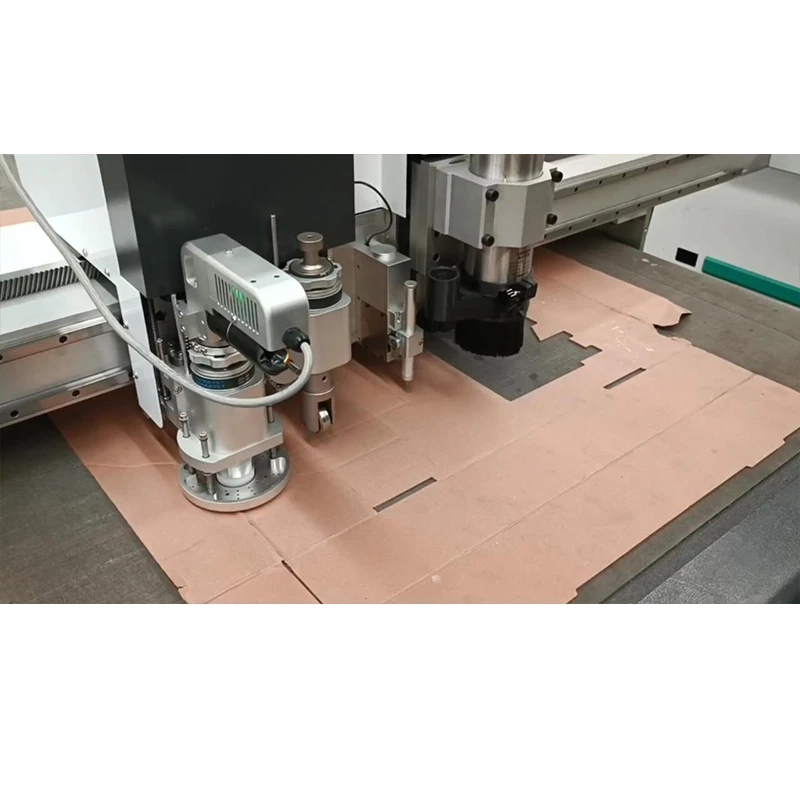
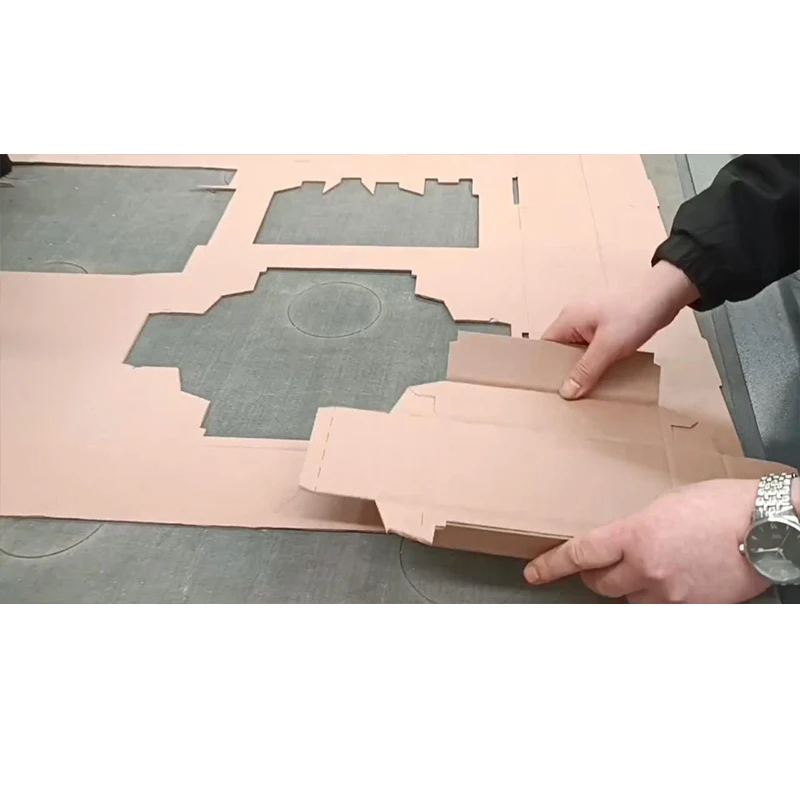
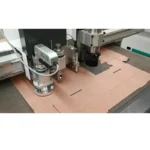
A cardboard digital cutting table earns its keep when cutting, creasing, kiss-cutting and punching happen without manual tool changes. The RT–R2513, RT-D2516 and RT-S2516 carry an oscillating knife, creasing tool, kiss-cut knife and round punch on a single head assembly. For a carton sample maker, this means a full packaging prototype — scored fold lines, window cut-outs, and registration punches — exits the machine ready to fold, with no secondary bench operations. The oscillating knife handles dense corrugated flutes without crushing the core, while the creasing wheel compresses fold lines without breaking the liner.
Vacuum Platform and Felt Belt Behavior Under Real Corrugated Loads
The aluminum alloy honeycomb vacuum platform is divided into follow-cut adsorption zones so suction concentrates where the knife is actually working, rather than spreading across an empty table area. This matters when a nesting layout contains small carton blanks surrounded by skeleton waste — without zoning, the offcut lifts and catches the blade. The wear-resistant composite fiber felt belt running on the Germany-imported conveyor shows higher tension strength than standard felt, reducing the belt stretch that typically throws registration off after several hundred sheets [NEED_CITE: felt belt tension retention in continuous digital cutting operations].
Reading the Spec Sheet Against Your Actual Production Stock
The listed cutting thickness of ≤18 mm is a starting point, not a guarantee. An 18 mm triple-wall honeycomb board cuts very differently from an 18 mm solid greyboard; density and flute structure determine whether the oscillating knife can penetrate cleanly in one pass. Repeated accuracy of <0.05 mm is achievable on the Taiwan Hiwin linear guides and rack transmission, but that tolerance holds only if the vacuum table keeps the sheet absolutely flat — a warped B-flute sheet will introduce positional drift no guide rail can correct. The 9 kW rated power and 7.5 kW vacuum pump together define your shop’s electrical draw; confirm your facility’s 380 V supply and frequency before wiring, because voltage mismatch remains a leading cause of servo and inverter failure in exported CNC equipment [NEED_CITE: voltage and frequency standards by export market].
The Cost of Skipping the Material Sample Test
Buyers who approve a machine on working size and price, without running their own board grade through the knife, typically discover three problems on delivery day: the oscillating blade chips on denser stock, the vacuum zones cannot hold small sticker parts, and the nesting software cannot open the buyer’s preferred file format. Each issue stops production independently. Combined, they turn a first-article run into a multi-week troubleshooting cycle while contractual delivery dates slip and the buyer absorbs air-freight penalties on the finished cartons [NEED_CITE: first-article rejection causes in packaging converting].
Why Sourcing This Cardboard Digital Cutting Table Here
In-house design covers both knife and laser cutting, so the buyer can match the cutting method to the material rather than forcing one technology across every substrate. Tool head and table zoning are specified per the buyer’s actual board grade and smallest part size, not defaulted to a standard layout. CCD camera positioning is available for printed contour work on stickers and labels, validated at production speed before the machine ships. Software compatibility — DXF, OLT, PDF, AI import and nesting workflow — is confirmed and demonstrated on the buyer’s own files. Voltage, plug type and control panel language are locked in at order, not left as assumptions. Sample cutting on the buyer’s own material is completed and documented before commitment.
Documentation & Verification
- Sample cutting report on your specific flute profile and board density before order confirmation
- Electrical schematic confirming voltage, frequency and plug type for your destination market
- Tool head and vacuum zone configuration list matched to your nesting layout and smallest part
- Software licence and file format compatibility note for your existing design workflow
- Factory test record showing repeated accuracy and cut-edge quality on your material
- Packing photographs and spare parts list including oscillating blades and felt belt
Installation, Commissioning & Support
- Floor space allocation for the 3450×2300 mm footprint plus material staging on RT-D2516 and RT-S2516 units
- Dedicated 380 V circuit with sufficient capacity for the 9 kW machine and 7.5 kW vacuum pump combined draw
- First-run parameter tuning on your actual corrugated stock, including oscillation frequency and vacuum zone balance
- Operator training covering tool head changes, blade replacement and nesting software workflow in your preferred language
- Spare oscillating blades and felt belt inventory recommendation based on your daily cutting volume
What to Share Before Requesting a Quote
Send the actual board grades you run — flute type, ply count, and grammage — along with the smallest carton blank in your typical nesting pattern and your daily sheet volume. Specify your facility voltage, frequency, and the CAD software generating your DXF or AI files. If your workflow relies on CCD contour recognition for printed stickers, include a sample print with registration marks so the camera tracking can be validated before the CNC oscillating knife cutting machine for packaging is built.
Frequently Asked Questions
Q: Which tool head should I choose for my specific board grade?
A: Oscillating knife suits corrugated cardboard where clean edge cuts matter, the creasing wheel compresses fold lines without breaking the outer liner, and the kiss-cut knife scores sticker outlines without cutting through the release liner. Selection depends on flute profile and ply count — submit your stock for a sample cut report before finalizing the tool package.
Q: How do I verify cutting speed on my material?
A: Throughput depends on board density, nesting complexity and the number of tool changes per sheet. Request a sample cutting report on your own corrugated stock at your typical nesting layout; this provides a realistic cycle time rather than a generic speed figure that assumes ideal conditions.
Q: Will the software open my existing design files?
A: The professional carton nesting software imports DXF, OLT, PDF and AI formats. Before order, share a representative file set so the nesting workflow, crease line recognition and layer mapping are validated against your current design environment and confirmed in your preferred control language.
Q: What does my workshop need to prepare before delivery?
A: Confirm a stable 380 V supply with adequate capacity for both the 9 kW machine and the 7.5 kW vacuum pump running simultaneously. Verify floor space for the chosen model footprint plus material staging and offcut removal. A level concrete floor and compressed air line at the recommended pressure complete the basic requirements.
Q: Which consumables should I stock for continuous production?
A: Oscillating blades, felt belt sections and vacuum table seals are the primary wear items. Ten oscillating blades ship with the machine. Request a spare parts list sized to your daily volume and negotiate ongoing blade and felt supply terms at order to avoid unplanned downtime waiting for replacements.


商品评价
Clear filtersThere are no reviews yet.