

Fast Shipping
Carrier information

20k products
Payment methods

24/7 Support
Unlimited help desk

2-day Delivery
Track or off orders
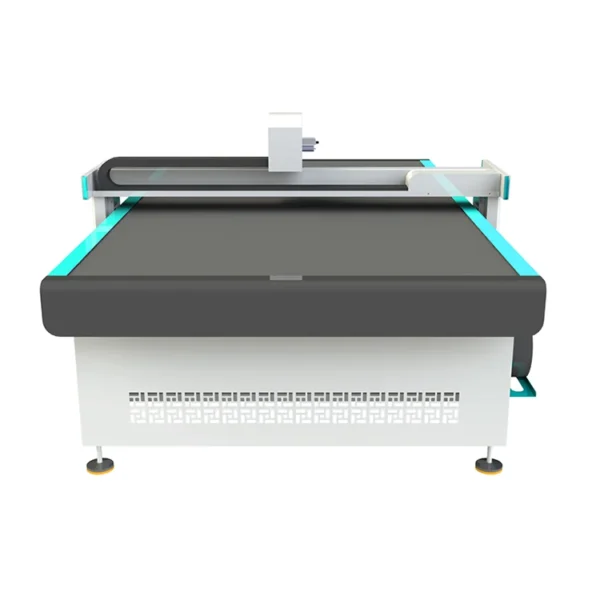
Material-First Configuration — In-house design team matches the oscillating knife head, vacuum table zoning and software workflow to your specific board grade and daily sample volume before order confirmation.
Technical Specifications
| Parameter | Value |
|---|---|
| Model | RT-D2516/RT-S2516 |
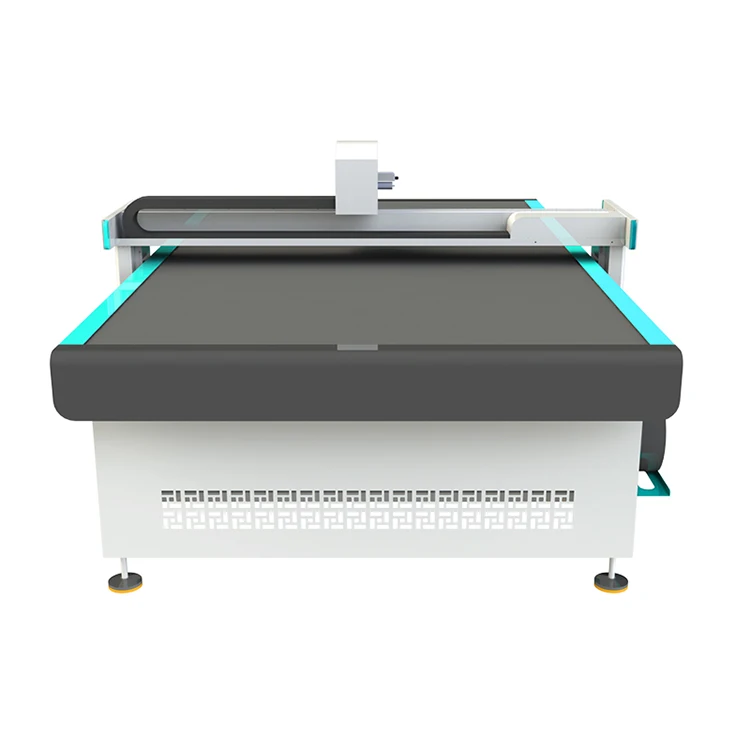
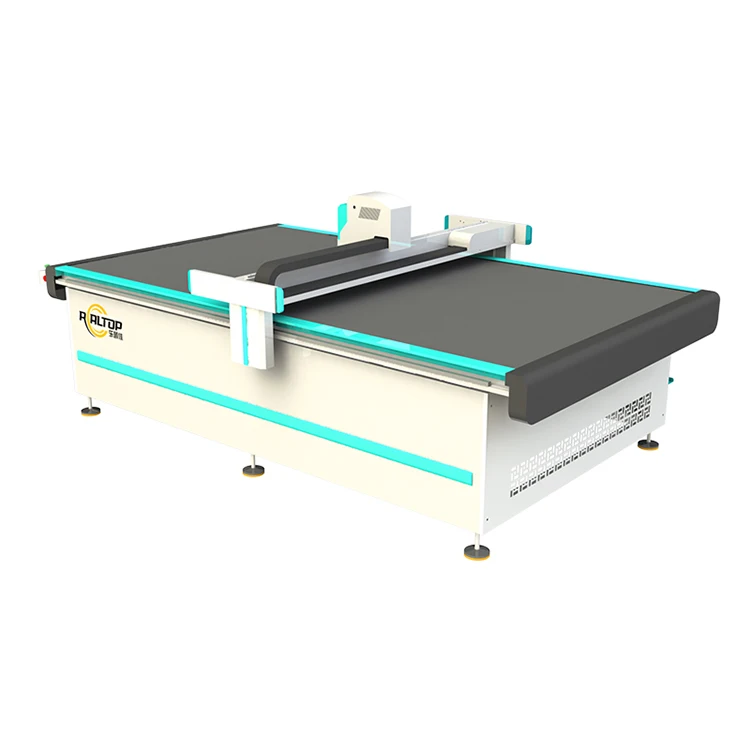
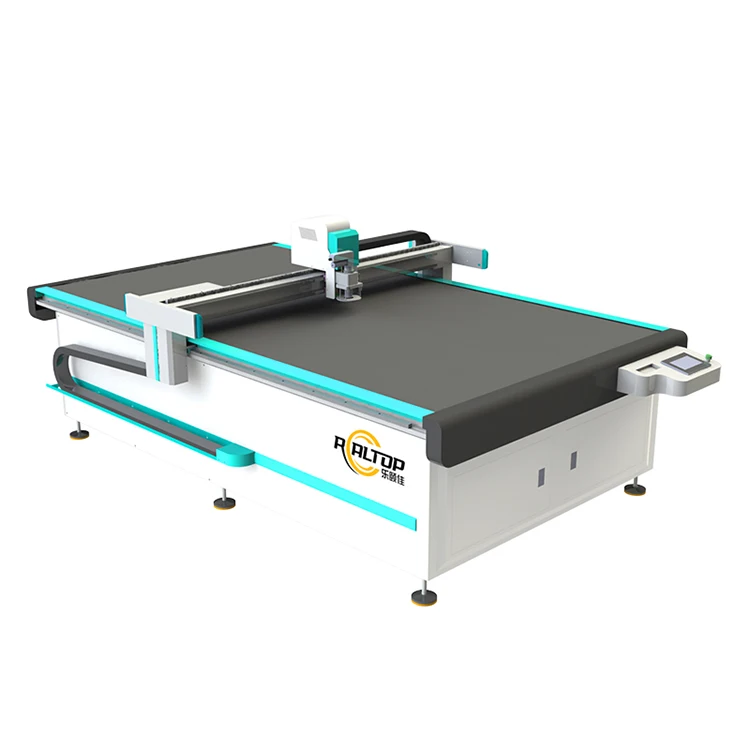
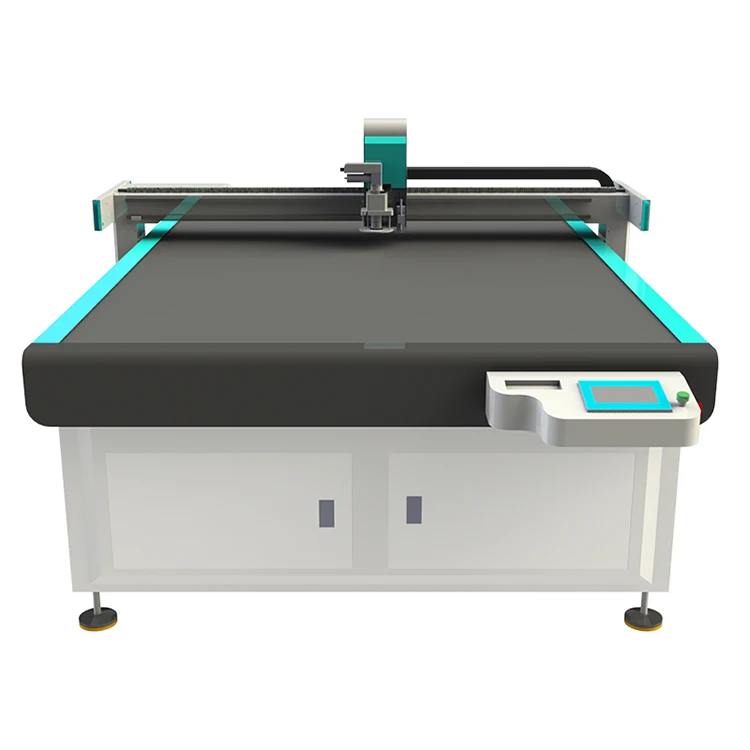
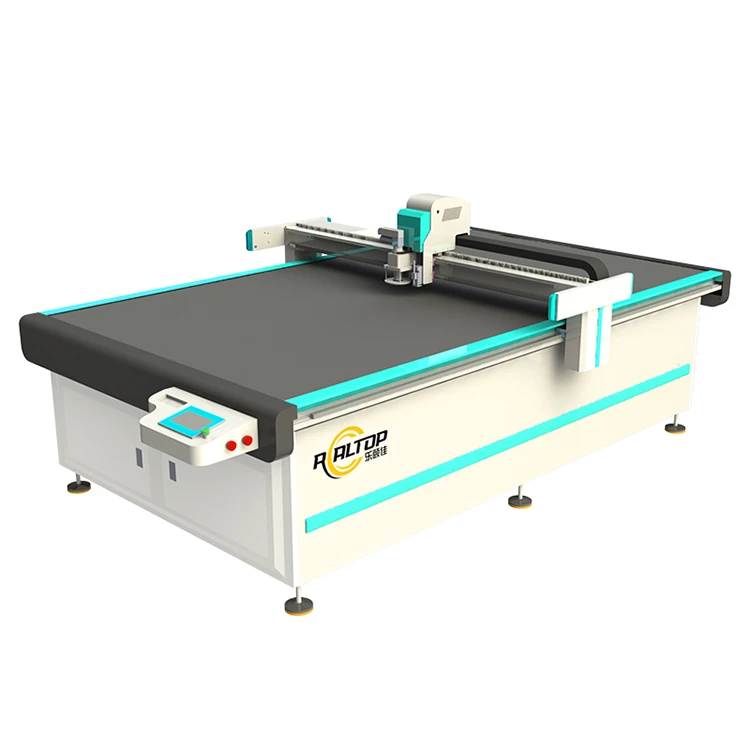
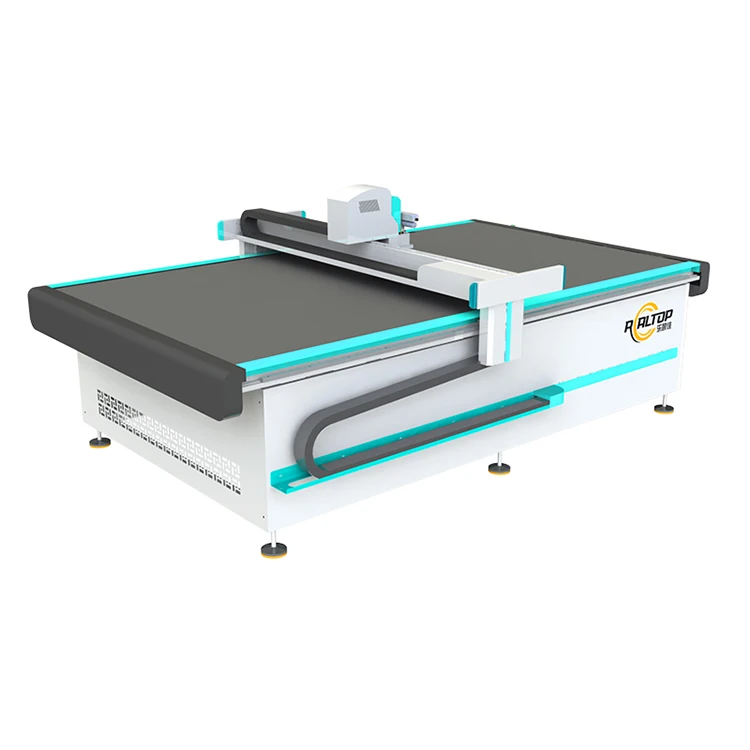
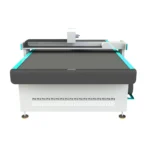
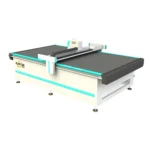
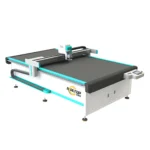
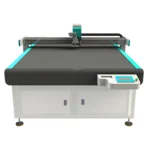
| Product Type | CNC Oscillating Knife Cutting Machine |
| Working Area | 1600 × 2500 mm |
| Machine Dimensions | 3450 × 2300 × 1250 mm |
| Rated Power | 9 kW |
| Table Type | Flat working table with vacuum |
| Multifunctional Head | Swiss imported knife with vibration full cutting, vibration half cutting and cursor location |
| Translational Velocity | 800–1200 mm/s |
| Repeated Accuracy | ≤0.1 mm |
| Transmission System | Digital servo motor, linear guide, synchronous belt, imported ball screw |
| Servo Motor | Japanese Yaskawa |
| Linear Guide | Taiwan Hiwin rail |
| Instruction System | HP-GL compatible format |
| Safety Device | Infrared sensors |
| Voltage | 380V ±10% |
| Vacuum Pump | 7.5 kW |
| Feeding System | Auto feeding with Germany imported conveyor belt |
| Standard | CE |
Application Suitability
| Application | Material or Output |
|---|---|
| Packaging sample making | Corrugated board, honeycomb board, greyboard, folding carton stock |
| Carton and box prototyping | Single, double and triple-wall corrugated across varying flute profiles |
| Flexible material processing | Leather, sponge composite leather, PVC, soft glass, silicon, rubber |
| Short-run packaging production | Textile and clothing flexible material cutting for industrial components |
Why Board Thickness Alone Is the Wrong Starting Point
Choosing a CNC oscillating knife cutting machine specifications sheet based only on working area leaves out the variables that determine whether the machine actually produces a usable sample. The tool head must match the board grade and flute profile, not just the sheet dimensions.
I remember a corrugated box customer who ordered a heavy-duty unit based on sample capacity numbers. Their daily production ran on seven-layer honeycomb board that was considerably harder than the test samples they initially sent. The result was ragged edges and doubled knife consumption. [NEED_CITE: oscillating knife wear rates across corrugated board grades] Matching the cutting method to the actual material avoids this mismatch entirely.
Oscillating Knife Mechanics on Corrugated and Honeycomb Board
The Swiss imported oscillating knife system on the RT-D2516/RT-S2516 performs full cutting, half cutting and cursor location in a single head pass. Full cutting drives the blade through the entire board thickness for clean profile separation, while half cutting scores crease lines without penetrating the bottom liner. Cursor location positions the head accurately for registration marks on pre-printed packaging samples.
This multi-function approach means the same CNC oscillating knife cutting machine handles both structural cutting and creasing operations without manual tool changes between steps, which matters when a packaging sample requires multiple fold lines and cutouts in one run.
Vacuum Zoning and Small Part Stability
The 7.5 kW vacuum pump paired with a zoned flat table addresses a common issue in carton sample work: small cutout sections lifting off the table surface during high-speed head travel. When the oscillating knife moves at translational velocities up to 1200 mm/s, unsecured lightweight board shifts, producing dimensional errors and wasted material. [NEED_CITE: vacuum hold-down requirements for lightweight corrugated substrates]
Zoned vacuum sections allow the operator to activate only the area under the current cut path, maintaining hold-down force concentrated where it is needed rather than spreading suction across the entire 1600 × 2500 mm table surface.
Reading the Drive and Motion Specifications
The combination of Japanese Yaskawa digital servo motors and Taiwan Hiwin linear rails determines the positioning repeatability of ≤0.1 mm across the full working area. In packaging sample making, this tolerance level keeps crease lines aligned with cut profiles — a misaligned crease on a structural carton prototype means the box will not fold square during the customer presentation.
The imported ball screw and synchronous belt transmission converts servo rotation into linear motion with minimal backlash. At the 800–1200 mm/s translational velocity range, the motion system must decelerate and reverse direction at every corner without overshoot. The HP-GL compatible instruction system accepts standard packaging design file formats, reducing the translation errors that appear when converting between proprietary software ecosystems.
The Hidden Cost of Skipping Material Trials
Ordering a knife cutting system without running your actual production board through it first creates downstream problems that surface weeks after delivery. Wrong tool head selection on dense honeycomb stock produces crushed flute edges instead of clean cuts, and the board dust contaminates the linear guides prematurely. [NEED_CITE: linear guide contamination sources in board cutting environments]
Insufficient vacuum zoning reveals itself only when the first small carton insert lifts during a production-speed cut, forcing the operator to reduce translational velocity and lose throughput. Software incompatibility with your existing nesting workflow adds manual file conversion time to every job.
Why This Build Configuration Works for Packaging Shops
The in-house design team covers both knife and laser cutting technologies, so the cutting method gets matched to the board material rather than forcing one approach across every substrate. Tool head and table configuration is specified per material type and sample volume, meaning a shop running mostly triple-wall corrugated gets a different setup than one focused on thin folding carton.
Software compatibility gets confirmed before the order is finalized, avoiding the post-delivery discovery that your CAD files will not import cleanly. Voltage and control language customization is documented on the electrical schematic before production starts. Sample cutting on your own board stock runs before commitment, giving you physical evidence of edge quality and crease alignment on the material you actually process.
Documentation & Verification
- Machine specification sheet listing confirmed tool head and table configuration for your board grade
- Electrical schematic with voltage and frequency matching your facility supply
- Sample cutting report on your corrugated or flexible material showing edge and crease quality
- Software licence and HP-GL file format compatibility note for your nesting workflow
- Factory test record documenting positional accuracy and vacuum hold-down before dispatch
- Packing photographs showing crate condition and component securing prior to shipment
Installation, Commissioning & Support
- Floor space allocation for the 3450 × 2300 mm footprint with clearance for auto feeding conveyor
- Dedicated 380V ±10% circuit rated for the 9 kW total draw plus 7.5 kW vacuum pump startup surge
- Assembly of flat working table sections and vacuum zone manifold connections on site
- First-run calibration of Yaskawa servo parameters and Hiwin rail alignment across the full travel range
- Operator training on Swiss knife changeover between full cut, half cut and creasing wheel functions
- Spare oscillating knife blades and conveyor belt sections included for initial maintenance intervals
Preparing Your Inquiry
To get an accurate configuration recommendation, share the specific board types you cut most often — flute profile, thickness range and whether the stock is pre-printed. Confirm your local voltage and frequency so the electrical package matches before production. If you run an existing nesting or CAD system, provide the software name and export format so file compatibility is verified before the order stage.
Frequently Asked Questions
Q: How do I choose between oscillating knife, drag knife and creasing wheel for packaging board?
A: Oscillating knife suits corrugated and honeycomb board where clean through-cuts are required without crushing the flute structure. Drag knife works on thinner folding carton and vinyl overlays. The creasing wheel scores fold lines on greyboard and corrugated without cutting through. Tool head selection depends on your dominant material type and daily sample mix.
Q: What vacuum table zoning do I need for small carton inserts?
A: Small cutout parts lift off the table at high translational velocity if vacuum suction spreads across the entire surface area. Zoned configuration concentrates hold-down force under the active cutting path. The 7.5 kW pump on this system supports multiple independent zones, which the design team configures based on your typical part geometry and minimum piece dimensions.
Q: Will this machine accept files from my existing packaging CAD software?
A: The HP-GL compatible instruction system accepts standard vector formats used by major packaging design platforms. Before order confirmation, the software compatibility check verifies that your specific CAD export format imports without geometry loss or scaling errors. A file format compatibility note is included in the documentation package for your records.
Q: Can voltage and control language be customized for my market?
A: The standard 380V ±10% configuration adapts to different regional supply requirements. Voltage, plug type and control panel language are confirmed during the specification stage and documented on the electrical schematic before production begins, ensuring the machine arrives ready to connect without on-site transformer additions.
Q: What happens during the sample cutting test before I commit?
A: Your actual production material ships to the factory for a test run covering full cutting, half cutting and creasing operations at production speed. The resulting sample cutting report documents edge quality, crease alignment and knife wear observations on your specific board grade, giving physical evidence of performance before the order proceeds to manufacturing.


商品评价
Clear filtersThere are no reviews yet.