




Fast Shipping
Carrier information

20k products
Payment methods

24/7 Support
Unlimited help desk

2-day Delivery
Track or off orders
Material-Specific Tooling Validation — every RT-D2516/RT-S2516 CNC oscillating knife cutting machine configuration is confirmed against your actual production material before the order is finalized, not assumed from a catalog chart.
Technical Specifications
| Parameter | Value |
|---|---|
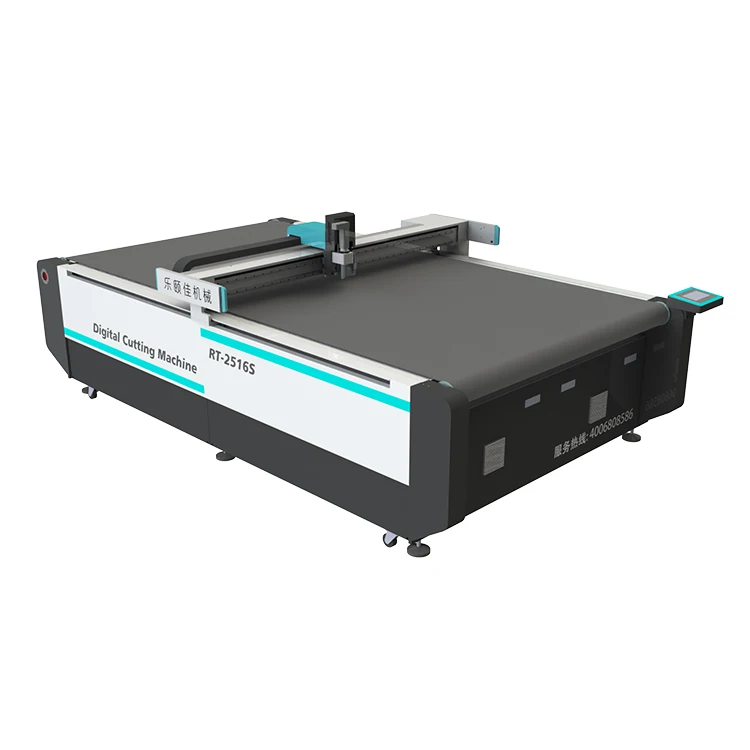
| Model | RT-D2516/RT-S2516 |
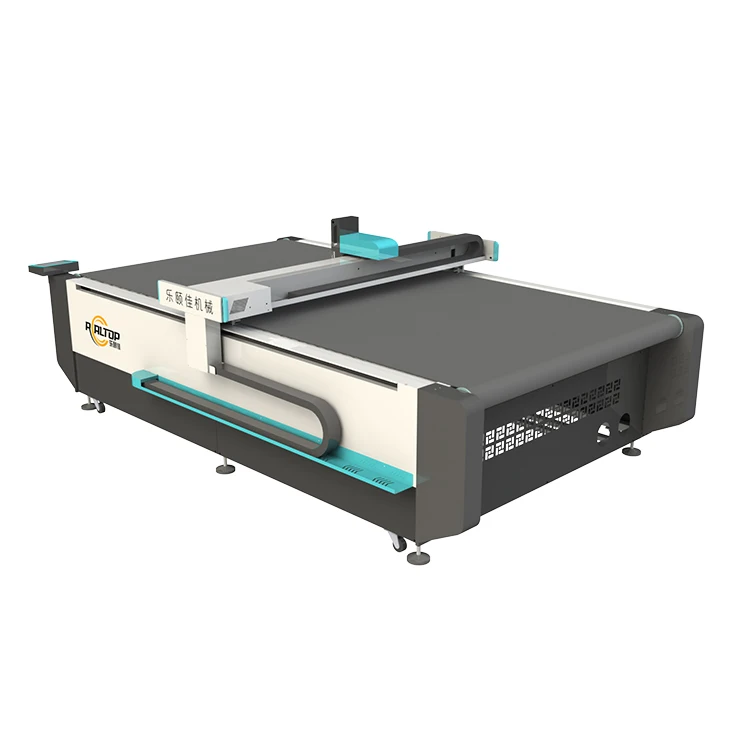
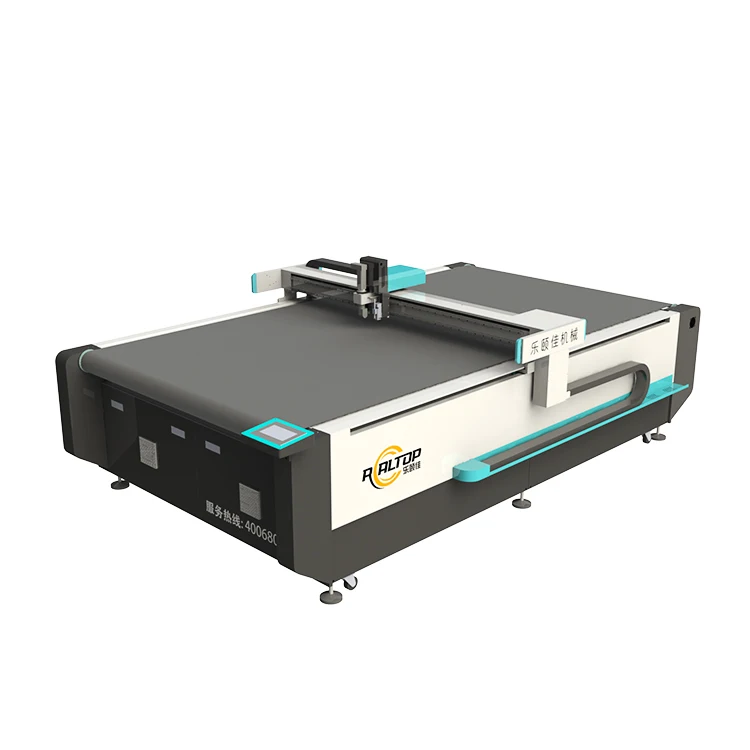
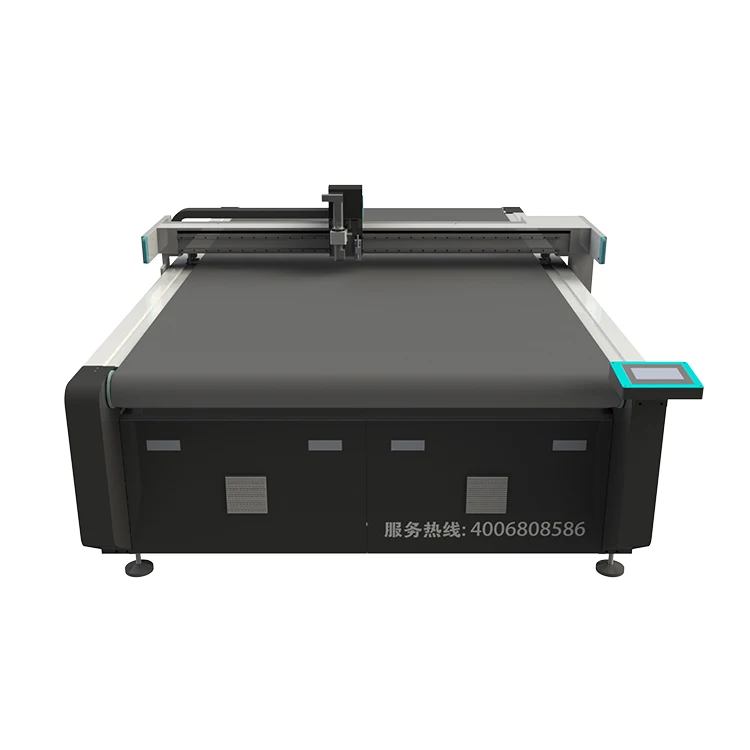
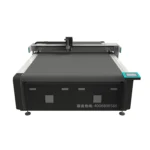
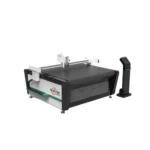
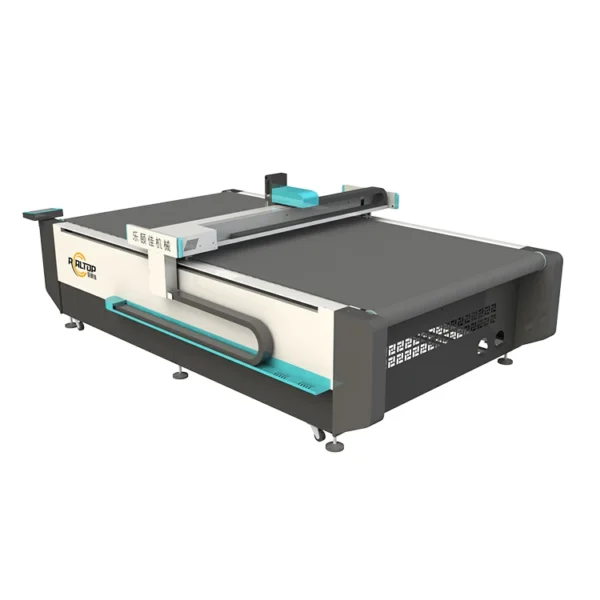
| Product Type | CNC Oscillating Knife Cutting Machine |
| Working Area | 1600 × 2500 mm |
| Machine Size | 3450 × 2300 × 1250 mm |
| Rated Power | 9 kW |
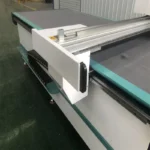
| Table Type | Flat working table with vacuum hold-down |
| Vacuum Pump | 7.5 kW |
| Tool Head | Swiss imported oscillating knife with vibration full cutting, half cutting, and cursor location |
| Translational Velocity | 800–1200 mm/s |
| Cutting Speed | 200–800 mm/s (varies by material type and thickness) |
| Repeated Accuracy | ≤0.1 mm |
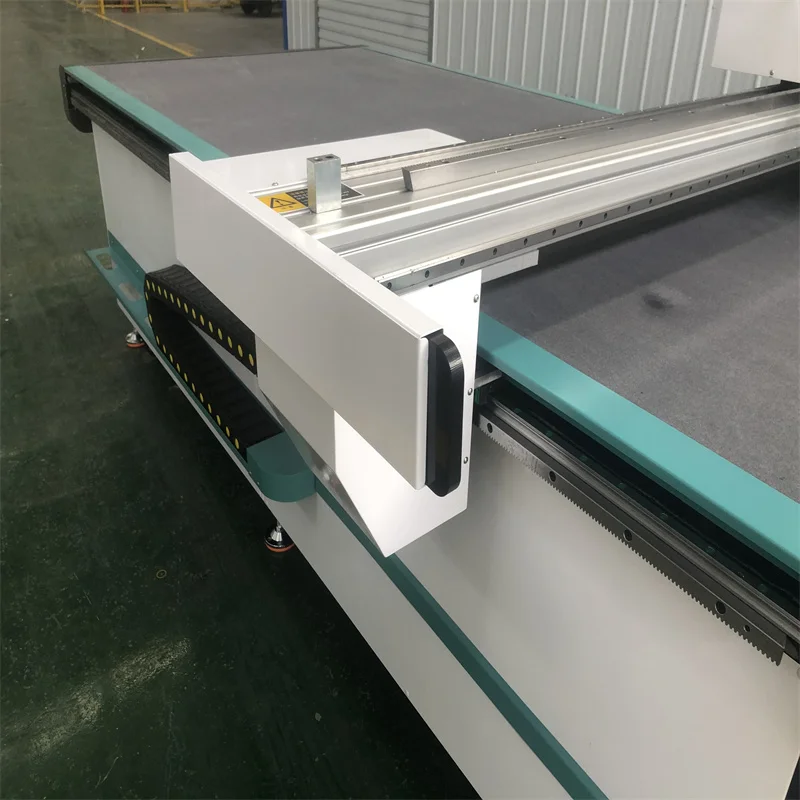
| Transmission System | Digital servo motor, linear guide, synchronous belt, imported ball screw |
| Servo Motor | Japanese Yaskawa |
| Linear Guide | Taiwan Hiwin rail |
| Conveyor Belt | Germany imported |
| Instruction System | HP-GL compatible format |
| Safety Device | Infrared sensors |
| Voltage | 380V ±10% |
| Feeding System | Auto feeding |
| Standards | CE declaration where applicable |
Application Suitability
| Application | Material or Output |
|---|---|
| Garment and apparel cutting | Multi-layer woven fabric, knit fabric, non-woven textiles |
| Leather goods production | Natural leather, synthetic PU leather, split leather |
| Footwear component cutting | Upper materials, lining fabric, insole board |
| Automotive interior trimming | Sponge composite leather, foam gaskets, headliner fabric |
| Bag and luggage manufacturing | Canvas, nylon, PVC-coated fabric, soft glass |
| Technical textile processing | PTFE, ETFE, PP, PE, silicone, rubber sheets |
| Carpet and floor covering | Tufted carpet, EVA foam, XPE underlay |
Why the Material Sample Must Arrive Before the Quotation
An oscillating knife cutter is only as capable as the tool head matched to your specific material stack.
I have watched fabricators receive a CNC oscillating knife cutting machine that performed flawlessly on the sample polyester but failed immediately when the production line switched to coated composite fabric. The tool pressure, oscillation frequency, and blade geometry all need adjustment for each material class. A blade that slices clean through standard knit fabric will crush and delaminate a three-layer sponge composite if the configuration was never validated [NEED_CITE: cutting force requirements for laminated textile composites]. That is why our process requires your actual production material on the table before any specification is locked in.
Oscillation Mechanics and Edge Quality on Flexible Materials
The Swiss imported oscillating knife on the RT-D2516/RT-S2516 operates with high-frequency vibration that separates the cutting action from downward drag. This distinction matters when you process stretchable knits or slippery coated textiles where a static drag knife would pull the material out of alignment. The vibration full cutting mode handles single to multi-layer stacks, while half cutting is used for kiss-cut applications such as adhesive-backed vinyl or transfer film where the backing sheet must remain intact.
Vacuum Table Zoning and Material Behavior at Speed
A 7.5 kW vacuum pump paired with the flat working table generates the hold-down force necessary to keep flexible materials flat during high-speed traversal. When cutting small garment pattern pieces or intricate gasket contours, insufficient vacuum zoning allows edges to lift into the knife path, creating ragged terminations and miscuts [NEED_CITE: vacuum hold-down requirements for flexible sheet materials]. The auto feeding system works in tandem with the Germany imported conveyor belt to advance roll goods across the cutting zone without manual repositioning between nests.
Reading the Specs That Actually Govern Cut Quality
Repeated accuracy of ≤0.1 mm is achievable because the transmission system combines Japanese Yaskawa digital servo motors with Taiwan Hiwin linear rails and imported ball screws. This motion package controls the knife tip position during rapid directional changes that characterize nested pattern cutting. The translational velocity range of 800–1200 mm/s determines how fast the head moves between cuts, while the cutting speed of 200–800 mm/s reflects actual blade engagement rates that vary by material density. A dense rubber sheet demands a slower cutting speed than non-woven fabric of equal thickness. The HP-GL compatible instruction system ensures your existing nesting software and DXF plot files transfer without conversion middleware [NEED_CITE: HP-GL format compatibility in digital cutting workflows].
The Hidden Cost of Skipping Configuration Verification
When a buyer specifies a CNC oscillating knife cutting machine by working area alone, the tool head selection often defaults to a general-purpose blade that handles the sample but not the production run. Ragged edges on coated fabric mean rework downstream at the sewing station. Crushed foam layers mean scrapped material and missed shipment dates. Insufficient vacuum zoning on small parts means the operator pauses the cycle to reposition lifted edges, negating the throughput the machine was purchased to deliver [NEED_CITE: production losses from incorrect tool head selection in textile cutting]. These failures surface weeks after installation, not during the factory demonstration.
Why Procurement Through This Channel Differs
In-house design covers both oscillating knife and laser cutting technologies, so the cutting method is matched to the material rather than forced into one process. Tool head and table configuration is specified per material type and production volume before the purchase order. CCD camera positioning is available for printed contour work where registration marks guide the cut path. Software compatibility with your existing nesting workflow is confirmed through file exchange testing prior to order. Voltage, control language, and plug type are documented and verified against your facility requirements before shipment. Sample cutting on your own production material is mandatory, generating a report that documents edge quality and cutting parameters for your records.
Documentation & Verification
- Machine specification sheet listing confirmed tool head and table configuration for your material
- Electrical schematic with voltage and frequency matching your local supply standard
- Sample cutting report documenting edge quality on your supplied production material
- Factory test record showing repeated accuracy verification before dispatch
- Software licence and file format compatibility note for your nesting workflow
- Packing photographs confirming crate condition and component inventory at shipment
Installation, Commissioning & Support
- Floor space allocation for 3450 × 2300 mm footprint plus material staging area around the RT-D2516/RT-S2516
- Dedicated electrical circuit for 9 kW rated power at 380V ±10% with proper grounding
- Vacuum pump commissioning and zone calibration on the flat working table for your material width
- First-article cutting run using your production material to validate oscillation and feed parameters
- Operator training on HP-GL file import, nesting layout, and tool head blade replacement procedures
- Spare parts list covering Swiss knife blades, conveyor belt segments, and vacuum seals
Preparing Your Inquiry
To move from general interest to a firm quotation, we need your material type, thickness range, maximum sheet or roll width, and estimated daily cutting volume. Share your local voltage and frequency standard along with the preferred control interface language. If your workflow relies on specific nesting software or DXF file conventions, send a sample file so we can confirm instruction system compatibility before the specification is finalized.
Frequently Asked Questions
Q: How do I confirm the cutting thickness capability for my specific material?
A: Send a sample of your actual production material including any coatings or laminations. We run test cuts on the RT-D2516/RT-S2516 with the appropriate oscillating knife configuration and provide a sample cutting report documenting edge quality, achievable cutting speed, and blade selection. This eliminates guesswork based on generic material charts.
Q: What voltage options are available for different export markets?
A: The standard configuration is 380V ±10%, but voltage and plug type are confirmed against your facility requirements before shipment. We document the final electrical specification in the machine specification sheet and electrical schematic so your electrician can prepare the dedicated circuit in advance.
Q: How is the correct tool head selected for my material?
A: Tool head selection depends on material composition, thickness, and edge quality requirements. The Swiss imported oscillating knife handles flexible textiles and composites with vibration full and half cutting modes. We match blade geometry and oscillation parameters to your material during the sample cutting phase before finalizing the configuration list.
Q: Will my existing nesting software and file formats work with this machine?
A: The HP-GL compatible instruction system accepts standard DXF and plot files common in garment and gasket nesting workflows. We request a sample file from your current software during the inquiry stage and verify import, nesting display, and cut path generation before the order is confirmed.
Q: What does the sample cutting process involve before I place an order?
A: You ship your actual production material to our facility. We configure the RT-D2516/RT-S2516 with the recommended tool head and vacuum settings, then run a series of test cuts using your provided patterns or standard test geometries. The results are documented in a sample cutting report that accompanies your quotation.


商品评价
Clear filtersThere are no reviews yet.