




Fast Shipping
Carrier information

20k products
Payment methods

24/7 Support
Unlimited help desk

2-day Delivery
Track or off orders
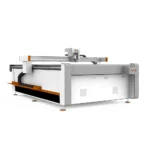
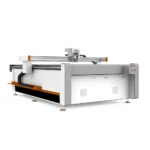
Matched Tool Heads for Actual Stock — the RT-D2516/RT-S2516 CNC oscillating knife cutting machine specifications are built around your daily corrugated, gray board, and honeycomb feed, not quoted on table size alone.
Technical Specifications
| Parameter | Value |
|---|---|
| Product Type | CNC Oscillating Knife Cardboard Carton Cutting Machine |
| Model | RT-D2516/RT-S2516 |
| Working Area | 1600 × 2500 mm |
| Machine Size | 3450 × 2300 × 1250 mm |
| Rated Power | 9 kW |
| Vacuum Pump | 7.5 kW |
| Table Type | Flatbed working table or auto-feeding conveyor table |
| Max Cutting Thickness | Up to 100 mm depending on material density |
| Repeated Accuracy | ≤ 0.1 mm |
| Translational Velocity | 800–2000 mm/s |
| Cutting Speed Range | 200–800 mm/s (basis to be confirmed per material and density) |
| Transmission | Digital servo motor, linear guide, synchronous belt, ball screw |
| Servo Motor Options | Delta (China) or Panasonic (Japan) |
| Guide Rail | Taiwan Hiwin |
| Conveyor Belt | German imported belt (on auto-feeding version) |
| Vacuum Table Surface | Magnesium-aluminum alloy with PVDF fluorocarbon coating and anodic oxidation |
| Control Interface | Touch screen, multi-language support |
| Instruction Format | HP-GL compatible, supports PLT, DXF, AI |
| Voltage | 380V ± 10% (configurable for export markets) |
| Tool Head Options | Oscillating knife, pneumatic knife, high-power vibrating knife, circular knife, V-cutting knife, drag knife, creasing wheel, dotted line knife, punching, brush |
| Visual Positioning Options | Small CCD camera mark point, panoramic camera recognition, projection positioning |
| Safety Devices | Infrared sensors, anti-collision system, emergency stop |
Application Suitability
| Application | Material or Output |
|---|---|
| Carton sample making and short-run packaging | Corrugated cardboard (single, double, triple wall), gray board, honeycomb board |
| Graphic packaging prototyping | Folding carton stock, coated kraft, sticker and film overlays |
| Gasket and industrial seal production | Rubber sheet, compressed fiber, PTFE, ETFE, composite gasket material |
| Foam and composite fabrication | EVA, XPE, PU, PE foam, sponge, silicone rubber up to rated thickness |
| Signage and display cutting | Foam board, PVC sheet, soft glass, acrylic-backed vinyl |
| Textile and soft goods | Non-woven fabric, carpet, luggage material, flexible composite leather |
Why Board Thickness Decides the Tool Head Before the Table Size
A 2500 × 1600 mm working area means nothing if the oscillating knife cannot push through triple-wall flute without crushing the core.
Too many buyers specify a CNC oscillating knife cutting machine based on the X-Y envelope, only to discover on day one that the drag knife they selected tears the top liner on E-flute, or that the creasing wheel fractures the surface of 3 mm gray board. I have watched packaging shops in Guadalajara run B-flute samples perfectly, then load C-flute and get ragged creases across the entire run. The mismatch is rarely the machine — it is the tool head chosen without confirming the actual stack of board sitting in the warehouse [NEED_CITE: corrugated flute profiles and crush resistance by board grade].
Knife Stroke, Frequency, and What They Mean for Fluted Stock
The oscillating knife on the RT-D2516/RT-S2516 delivers a high-frequency vertical stroke through the material, slicing rather than dragging. For double-wall and triple-wall corrugated, the full-cutting Swiss imported blade clears the flute without compressing the core, which keeps the edge square and the board stiffness intact. Drag knives, by contrast, pull through — fine for thin sticker and film, but destructive on anything above single-face board. This CNC oscillating knife cutting machine specifications package lets you pick the exact head before the build starts.
Zoned Vacuum on a Magnesium-Aluminum Table
Small packaging blanks and die-cut inserts tend to lift at the edges once the knife exits the cut. The RT-D2516/RT-S2516 vacuum table uses a magnesium-aluminum alloy base with PVDF fluorocarbon coating and zoned suction channels to hold irregular blanks flat during high-speed traverses. On a recent carton sample job, we saw small nesting parts stay seated through 1500 mm/s translation speeds without manual tabs. The coating also resists adhesive residue from sticker and film work, keeping suction consistent across shifts [NEED_CITE: vacuum hold-down effectiveness on porous vs sealed substrates].
Reading the Specs That Actually Affect Your Daily Output
The 0.1 mm repeated accuracy matters when a carton sample needs to fold cleanly on the third crease line — drift here shows up as misaligned glue flaps. The 9 kW rated power covers the oscillating head, the 7.5 kW vacuum pump, and the servo drives simultaneously without tripping a shared circuit. Delta or Panasonic servo options give buyers a choice between cost-efficient sourcing and Japanese motion components they can service locally. The German-imported conveyor belt on the auto-feeding version handles continuous sheet feeding for volume packaging runs, while the flatbed version suits sample rooms and prototyping shops that load sheets manually.
The Cost of Skipping Material-Specific Configuration
Shipping a machine configured for gray board to a shop that runs triple-wall corrugated leads to crushed flutes, split crease lines, and rejected sample batches that erode buyer confidence. Skipping the CCD camera option on printed packaging work means operators hand-align every sheet, adding minutes per cut that compound across a nesting run. Undersized vacuum zoning causes small gasket or carton parts to drift mid-cut, turning a precision blank into scrap [NEED_CITE: material misconfiguration costs in short-run packaging shops].
Why Buyers Source This Platform Here
The RT-D2516/RT-S2516 is designed and built in-house, so knife and vacuum configurations are locked to your material list before production starts. Sample cutting runs on your actual board stock confirm edge quality and crease behavior before the machine ships. Voltage, plug type, and control language are verified against your facility spec — not left to a default setting. Software compatibility with your existing PLT, DXF, and AI nesting files is tested during the pre-shipment factory run.
Documentation & Verification
- Specification sheet listing confirmed tool head and table zoning layout for your board grade
- Electrical schematic with voltage, frequency, and plug type matched to destination country
- Sample cutting report on your corrugated or gray board stock showing edge and crease quality
- Software license and file format compatibility note for PLT, DXF, AI, and HP-GL workflows
- CE declaration and factory test record before dispatch
Installation, Commissioning & Support
- 3450 × 2300 mm footprint requires a level concrete pad with clearance for sheet loading on two sides
- 9 kW rated power plus 7.5 kW vacuum pump need dedicated circuits at confirmed voltage
- Auto-feeding conveyor version arrives with belt tension pre-set and vacuum zones mapped
- First-run commissioning includes tool head calibration on your actual board thickness range
- Touch screen loaded with confirmed control language and nesting file import tested on site
- Spare parts list covers Swiss blades, creasing wheels, and vacuum table seals
What to Send With Your Inquiry
Share the exact board grades, flute profiles, and maximum sheet thickness you plan to cut. Confirm your facility voltage, frequency, and plug type, along with your preferred control panel language. If you run printed carton stock that needs contour recognition, specify whether small CCD mark point or panoramic camera positioning fits your workflow.
Frequently Asked Questions
Q: How do I choose between oscillating knife, drag knife, and creasing wheel for my board stock?
A: Oscillating knife handles corrugated and honeycomb cleanly by slicing through flutes without crushing. Drag knife suits thin sticker, film, and single-ply vinyl. Creasing wheel scores fold lines on gray board and folding carton. The RT-D2516/RT-S2516 supports all three on the same multifunctional head, so the right tool is mounted per job.
Q: Does the vacuum table hold small carton blanks flat at full cutting speed?
A: The magnesium-aluminum table is divided into suction zones so only the active cutting area pulls vacuum, keeping small nested parts seated even at higher translational velocities. Zoned layout is confirmed against your typical nesting pattern before shipment.
Q: Can the CCD camera track printed marks on packaging sheets at production speed?
A: Both small CCD mark point positioning and panoramic camera recognition are available as options. They read printed registration marks on corrugated and carton stock so contour cuts align with pre-printed graphics without manual sheet adjustment.
Q: Will the software import my existing nesting files without re-drawing?
A: The control system accepts PLT, DXF, AI, and HP-GL compatible formats. Auto-typesetting handles nesting for material yield. File compatibility is confirmed with your sample files during the pre-order testing stage.
Q: How are voltage, plug type, and control language confirmed before delivery?
A: The standard 380V ± 10% supply is configurable. Electrical schematic, plug type, and control panel language are documented and verified against your facility requirements before the machine leaves the factory, avoiding on-site rewiring or reconfiguration.


商品评价
Clear filtersThere are no reviews yet.