





Fast Shipping
Carrier information

20k products
Payment methods

24/7 Support
Unlimited help desk

2-day Delivery
Track or off orders
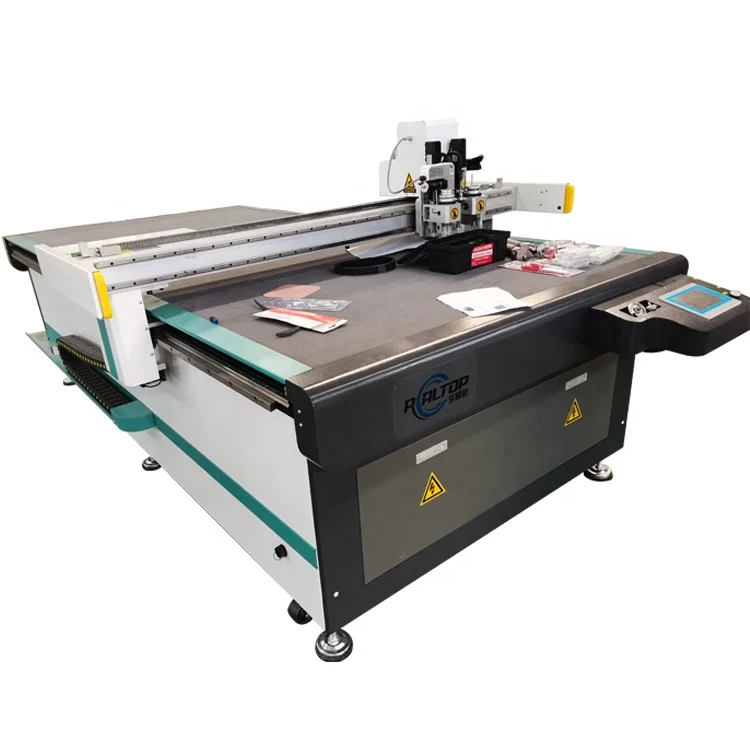
Precision tool-head mapping — oscillating, drag and creasing tools are specified per material type, thickness and edge quality requirement before the RT-D2516/RT-S2516 leaves our Jinan factory, eliminating the guesswork that often plagues carton sample producers and flexible material processors.
Technical Specifications
| Parameter | Value |
|---|---|
| Model | RT-D2516/RT-S2516 |
| Product Type | CNC Flatbed Digital Cutting Table |
| Working Area | 1600 × 2500 mm |
| Machine Size (L × W × H) | 3450 × 2300 × 1250 mm |
| Rated Power | 9 kW |
| Vacuum Pump | 7.5 kW |
| Table Type | Flat working table with vacuum and Germany-imported conveyor belt |
| Tool Head Configuration | Multifunctional head — Swiss imported knife with vibration full cutting, half cutting and cursor location |
| Translational Velocity | 800–1200 mm/s |
| Cutting Speed | 200–800 mm/s depending on material type and thickness (basis to be confirmed with buyer’s sample) |
| Pneumatic Cutting Capacity | Up to 70 mm thickness (basis to be confirmed for specific material density) |
| Repeated Accuracy | ≤ 0.1 mm |
| Transmission System | Yaskawa digital servo motor, Taiwan Hiwin linear guide, synchronous belt, ball screw |
| Instruction System | HP-GL compatible format |
| Voltage | 380 V ± 10 % |
| Safety Device | Infrared sensors |
| Additional Configuration | Auto feeding system |
| Functions | Cutting, creasing, marking |
Application Suitability
| Application | Material or Output |
|---|---|
| Cardboard box sample making | Grey board, corrugated board, hard paper for packaging prototypes |
| Sticker and label contour cutting | Vinyl, adhesive-backed flexible sheets |
| Gift box and premium packaging | Art board, laminated card stock, folding carton |
| Leather goods cutting | Sponge composite leather, genuine and synthetic leather hides |
| Gasket and industrial part cutting | PVC, soft glass, silicone, rubber, foam composite |
| Garment and footwear prototyping | Flexible fabrics, textile composites |
Why "Working Area" Is the Wrong First Question for CNC Oscillating Knife Cutting Table Specifications
A cutting table specified on bed size alone will disappoint you the day you load a 5 mm grey board and discover the knife cannot hold the crease line at production speed.
When I was still on the assembly floor in Jinan, we once shipped a flatbed cutter to a packaging studio that had perfectly measured their floor space but never mentioned they ran 3 mm corrugated board in short runs. The standard drag knife configuration we sent produced crushed flutes on the tight radii. They needed an oscillating head with a different frequency setting. That miscommunication cost them two weeks of sample deadlines and cost us an air-freight bill to swap the tool head. Now, the first conversation I have with any buyer covers material stack, not floor plan. Selecting the right CNC oscillating knife cutting table specifications starts with the thickest, densest material you intend to cut and the smallest contour radius your artwork demands [NEED_CITE: common misconfiguration causes in digital flatbed cutting adoption].
How the Oscillating Head Handles Carton Creasing and Full-Cut Contours
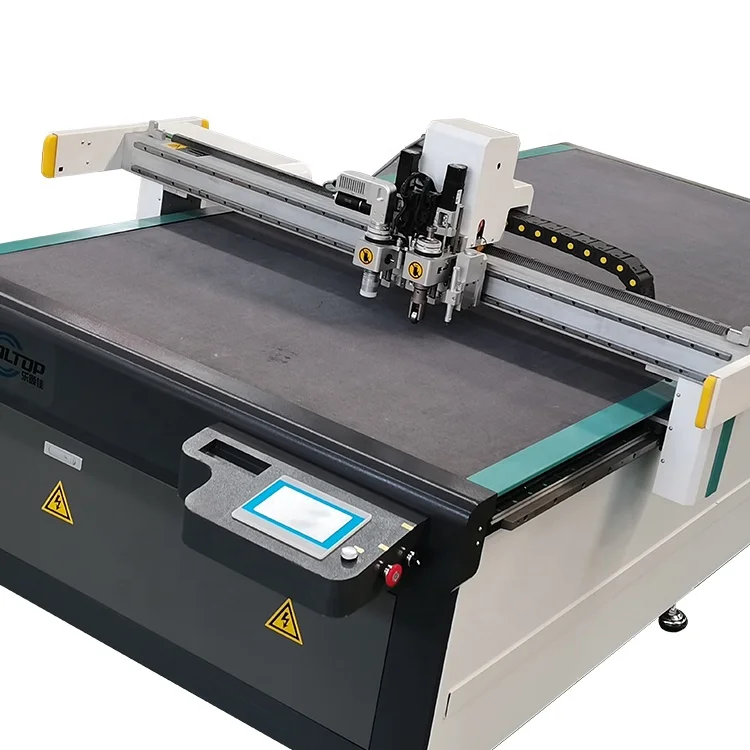
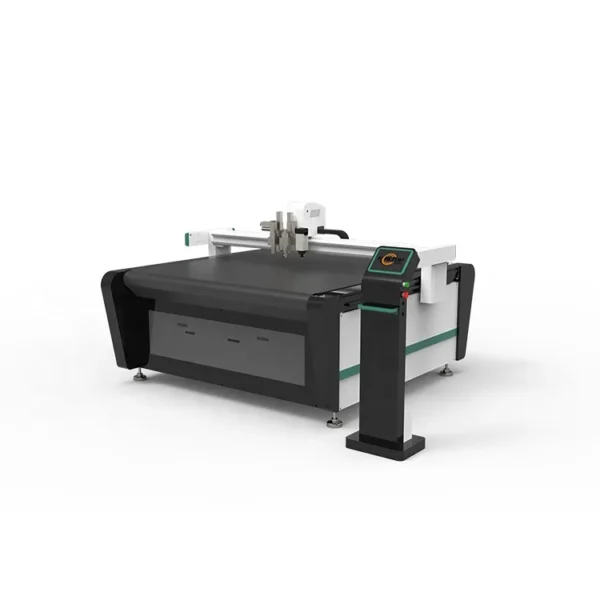
The multifunctional head on the RT-D2516/RT-S2516 combines a Swiss imported oscillating knife with vibration full-cutting, half-cutting and cursor-location modes in one carriage. For carton sample makers, this means a single setup can score a crease line at controlled depth, then switch to a through-cut on the same sheet without manual tool changes. The oscillation frequency is tuned to the board density so that fluted cores are sliced cleanly rather than crushed, preserving the structural integrity of the prototype when the buyer folds it for client review.
Vacuum Zoning and Conveyor Belt Integration for Small Parts
A 7.5 kW vacuum pump paired with the Germany-imported conveyor belt addresses a recurring complaint from sticker and gasket producers: small parts lifting off the table mid-cut. The flat working table distributes suction across zones, and the auto feeding system advances the material between jobs so operators are not manually repositioning sheets. For nested layouts of small carton components or intricate sticker contours, this zoning stability is what separates a usable production run from a scrap bin of half-cut vinyl.
Reading the Specs That Actually Move the Needle
The Yaskawa digital servo motors and Taiwan Hiwin linear guides deliver a repeated accuracy of ≤ 0.1 mm, which matters most when a crease line must register precisely with a printed graphic on laminated card stock. Translational velocity reaches 800–1200 mm/s between cuts, while cutting speed ranges from 200–800 mm/s depending on material hardness and thickness — a distinction that buyers often overlook when comparing brochure numbers. The HP-GL compatible instruction system integrates with mainstream packaging CAD suites, so your existing nesting workflow does not need replacement. Pneumatic cutting capacity is rated up to 70 mm thickness, though this figure depends entirely on material density and must be confirmed on your actual stock before the configuration is locked [NEED_CITE: relationship between material density and oscillating knife penetration depth].
The Cost of Choosing the Wrong Tool Head for Your Material
A drag knife forced through 5 mm foam composite will leave ragged edges and delaminated layers, while an oscillating knife run too slowly on thin vinyl will melt the adhesive backing into the cut channel. I have walked into workshops where the machine was perfectly capable but the tool head was specified for a material the buyer no longer processes. The result is always the same — operators compensating with multiple passes, slowing production, and blaming the equipment. CNC oscillating knife cutting table specifications only deliver when the head configuration is matched to the buyer’s actual material mix, not the material the salesperson assumed they ran [NEED_CITE: consequences of tool-material mismatch in flatbed cutting operations].
Why Sourcing This Table from Our Jinan Facility Works
In-house design and production of both knife and laser cutting platforms means we match the cutting method to the material rather than forcing every job through one technology. Tool head and table configurations are specified per buyer material and confirmed before the build begins, not altered on the assembly line. CCD camera positioning can be added for printed contour work when the buyer’s artwork demands optical registration. Software compatibility is tested with the buyer’s existing file formats during the pre-order phase. Voltage, plug type and control language are verified against the buyer’s facility documentation, so the machine arrives ready for the local electrical standard [NEED_CITE: pre-shipment voltage and language verification in industrial equipment exports].
Documentation & Verification
- Machine specification sheet listing the exact tool head and vacuum zoning configured for your material
- Electrical schematic and voltage confirmation document matching your facility supply at 380 V ± 10 %
- Sample cutting report produced on your own board stock, documenting edge quality, crease depth and throughput
- Tool head and table configuration list detailing knife type, creasing wheel and pump zoning per application
- Software licence and file format compatibility note confirming HP-GL workflow integration before dispatch
- Factory test record with dimensional measurements taken on your sample file before crating
Installation, Commissioning & Support
- Machine footprint of 3450 × 2300 mm requires a clear floor area with level concrete and clearance for the 1250 mm machine height through workshop doors
- Dedicated 380 V ± 10 % circuit with adequate amperage for the 9 kW rated load plus 7.5 kW vacuum pump must be verified before delivery
- Auto feeding system and conveyor belt alignment are calibrated on-site during commissioning to match sheet feed accuracy
- Operator training covers tool head changeover between oscillating, creasing and marking functions for your specific material stack
- Spare parts list provided at handover includes Swiss knife blades, creasing wheels and conveyor belt wear components
- Infrared safety sensor zones are tested and adjusted to the buyer’s production workflow during first-week operation
What to Prepare Before Requesting a Quotation
Send us the exact material types, thicknesses and maximum sheet dimensions you process on a typical week. Tell us the smallest contour radius in your artwork and whether your nesting software outputs HP-GL or requires conversion. Confirm your workshop’s available floor space including door and ceiling clearances, and your local voltage and frequency standard so the electrical package is built correctly from the start.
Frequently Asked Questions
Q: How is cutting speed verified for my specific material and thickness?
A: Cutting speed ranges from 200 to 800 mm/s depending on material properties. Before any order is confirmed, we run your actual stock on the RT-D2516/RT-S2516 and document the achievable speed, edge quality and crease depth in a sample cutting report so throughput expectations are grounded in real data, not brochure figures.
Q: What tool head configuration matches cardboard creasing versus full cutting?
A: The multifunctional head supports oscillating knife, creasing wheel and marking tool in one carriage. We configure the specific knife profile, creasing wheel diameter and oscillation frequency based on your board grade and flute type, locking the setup before production so changeover time stays minimal across your typical job mix.
Q: How does vacuum zoning handle small cardboard parts during high-speed cutting?
A: The 7.5 kW vacuum pump distributes suction across the flat working table, and zoning adequacy is tested during the sample phase with your smallest part geometry. If your layout includes pieces below a certain threshold, we adjust zone boundaries or add masking protocols to prevent lift before the configuration is finalized.
Q: What voltage and control language are confirmed before shipment?
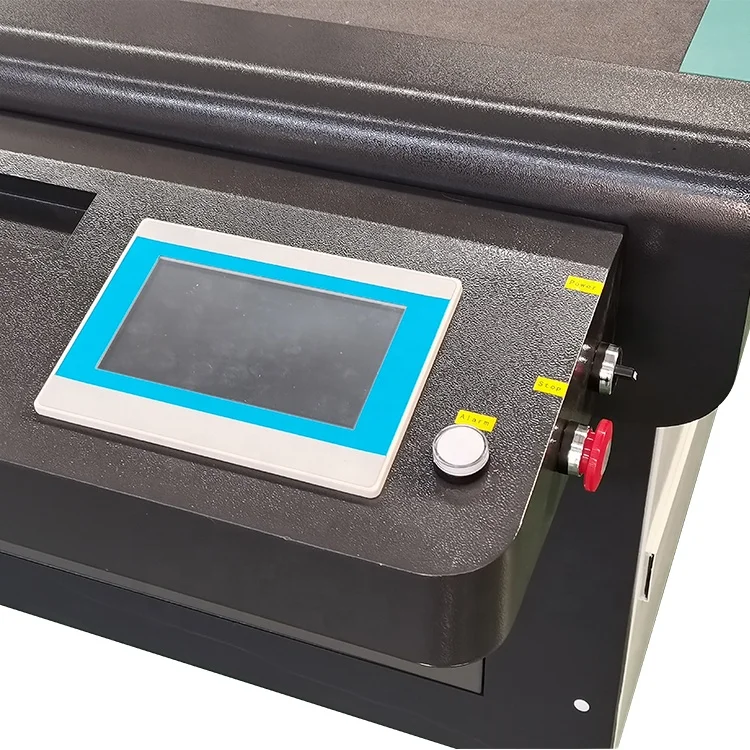
A: The standard electrical package runs at 380 V ± 10 %, but voltage, plug type and frequency are confirmed against your facility supply during the pre-shipment documentation phase. Control interface language is specified at order so the operator panel arrives in the language your team actually reads.
Q: What software file formats does the system accept from our existing CAD workflow?
A: The instruction system is HP-GL compatible, which covers most packaging and nesting CAD outputs. Before the order, we test your actual file exports on the machine controller and document any conversion steps needed, so your design team knows exactly how files flow from screen to table.


商品评价
Clear filtersThere are no reviews yet.