


Fast Shipping
Carrier information

20k products
Payment methods

24/7 Support
Unlimited help desk

2-day Delivery
Track or off orders
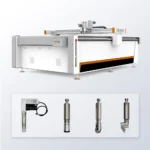
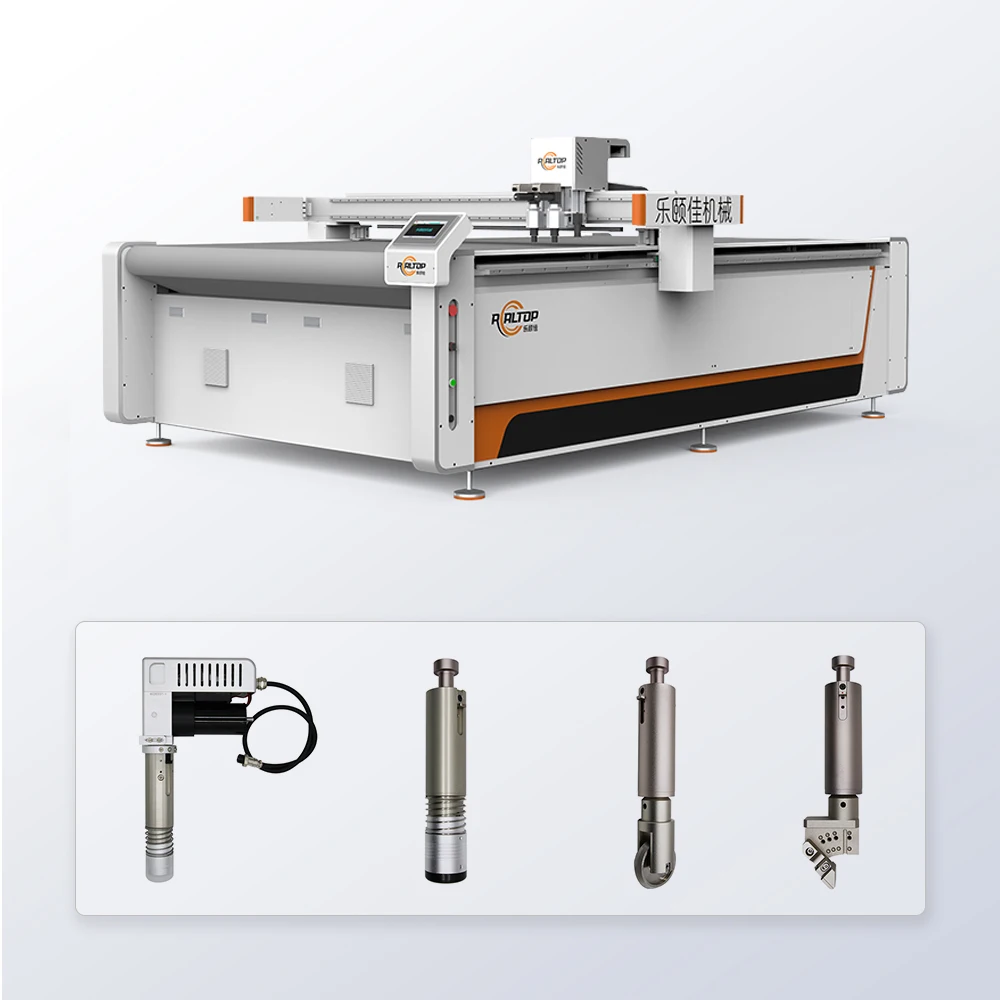
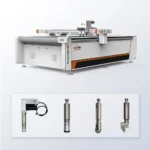
Tool head flexibility — Interchangeable oscillating knife, creasing wheel, and V-groove tools specified per corrugated flute profile so fold lines stay clean without crushing the board structure.
Technical Specifications
| Parameter | Value |
|---|---|
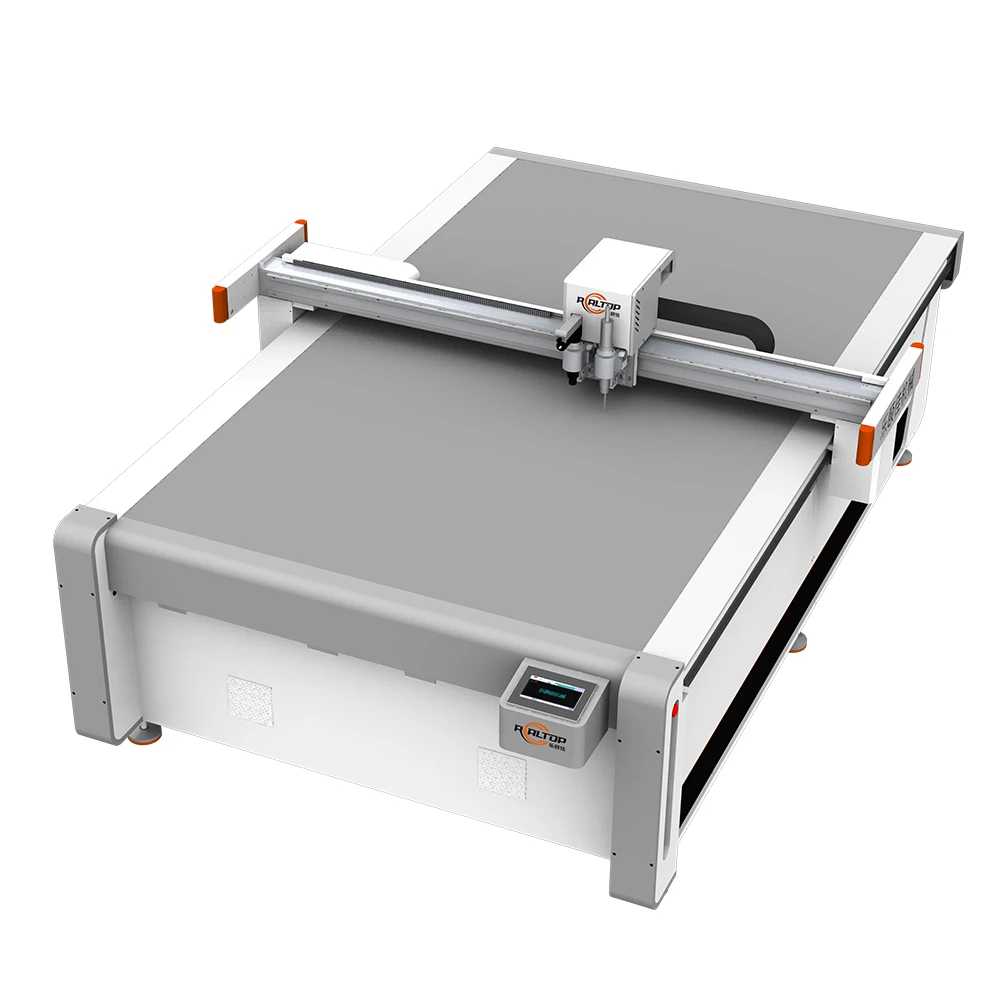
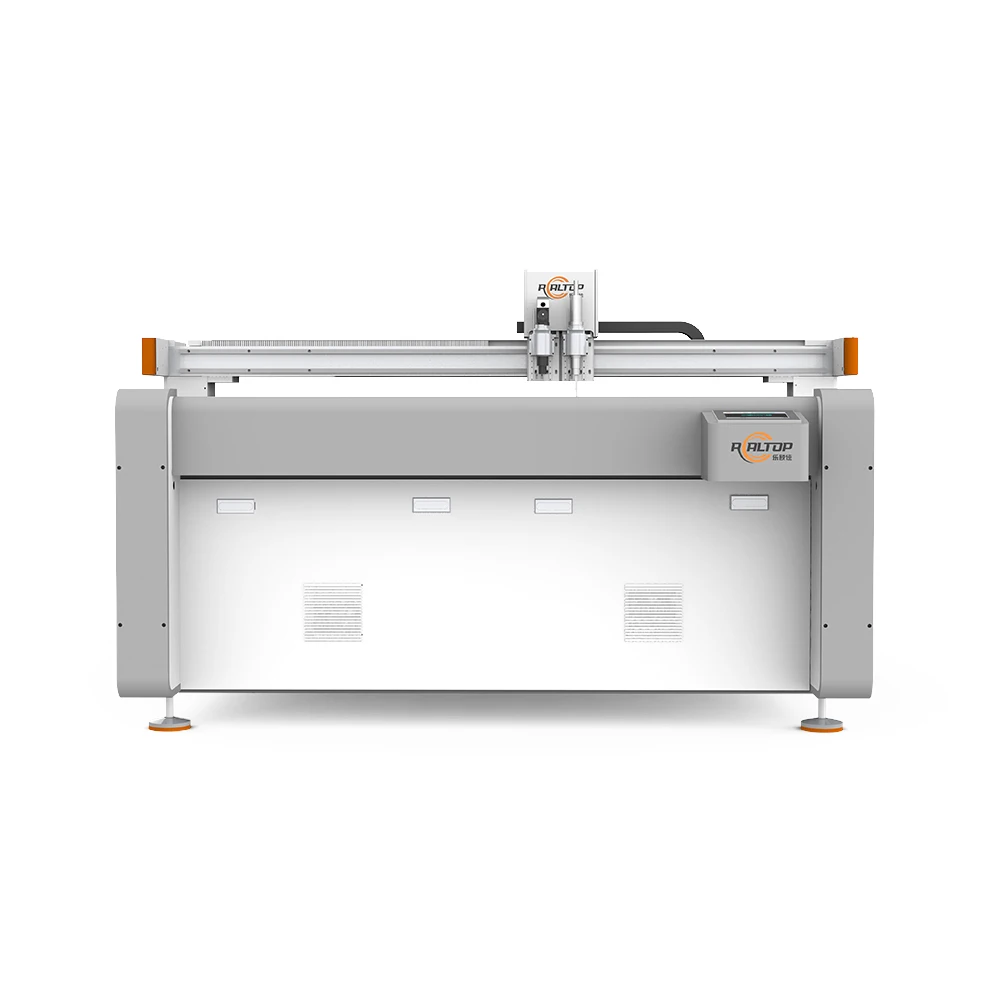
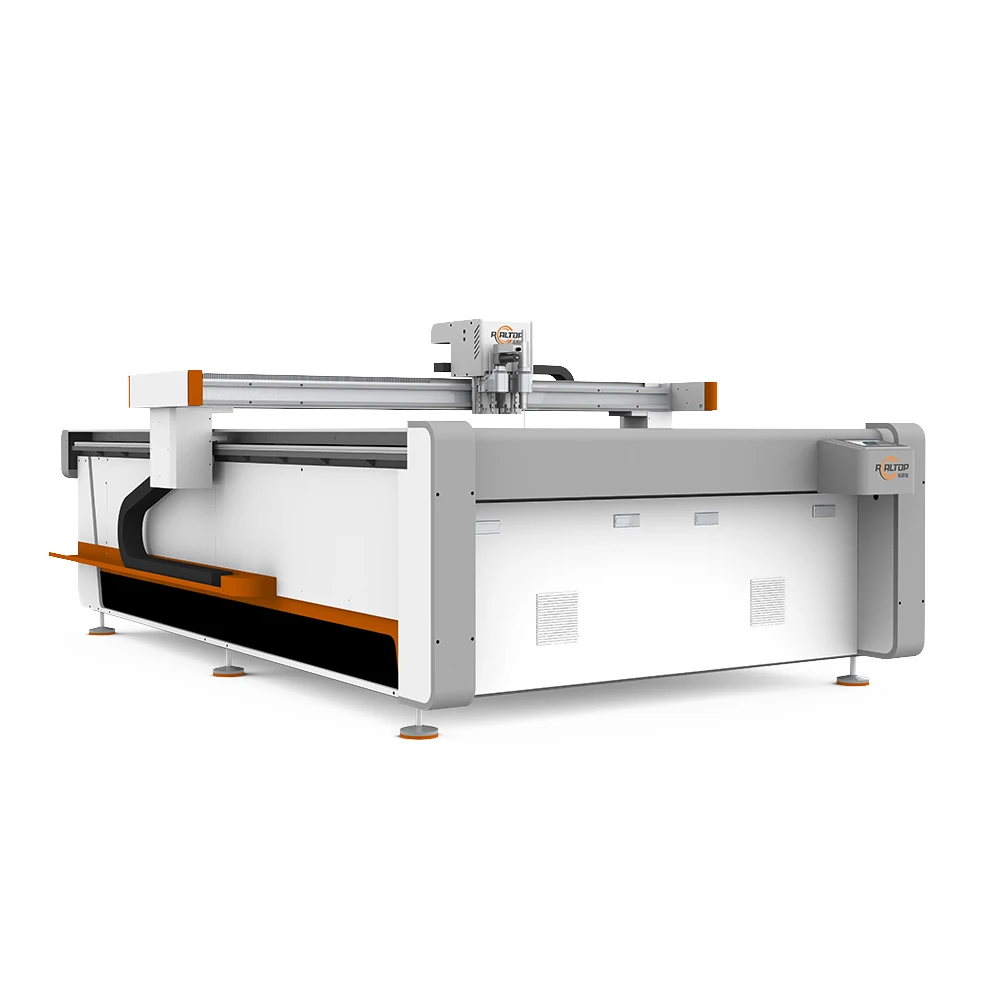
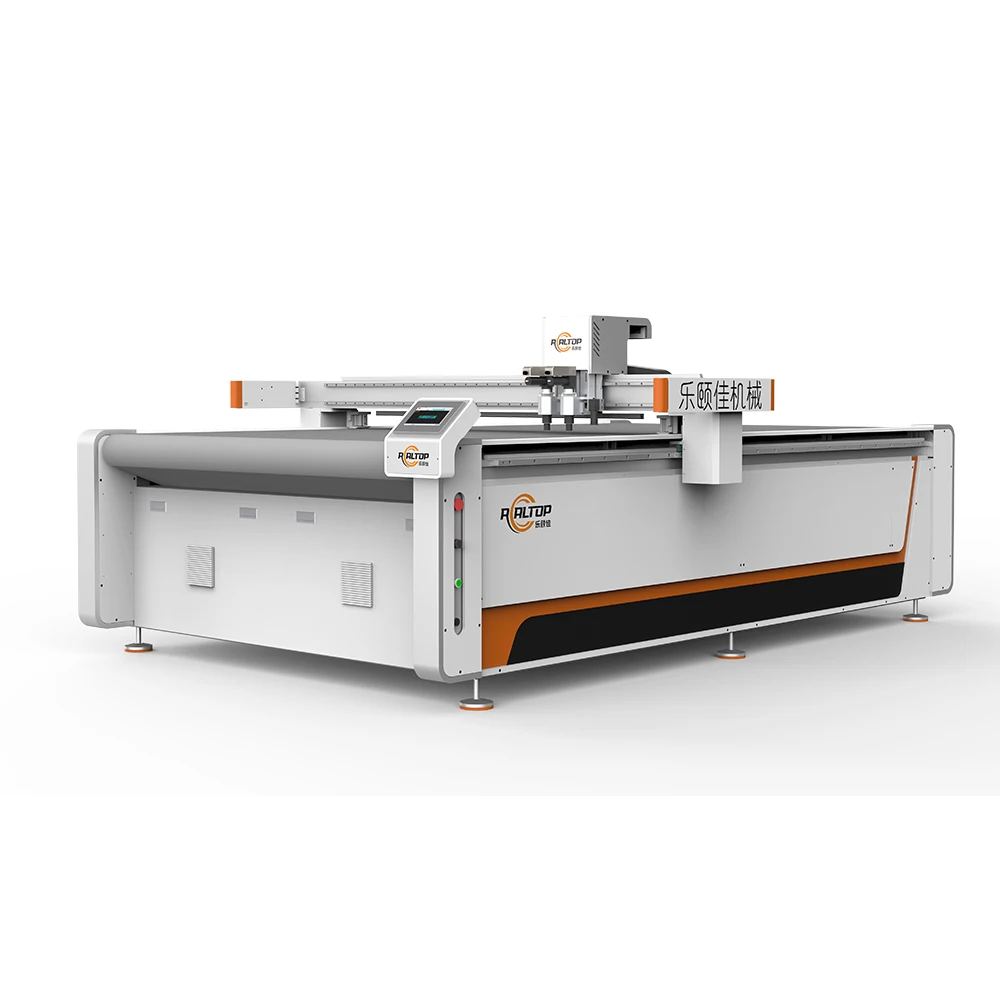
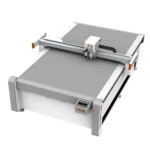
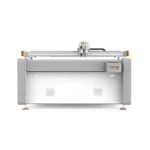
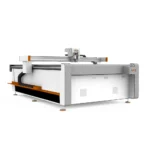
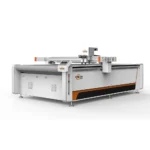
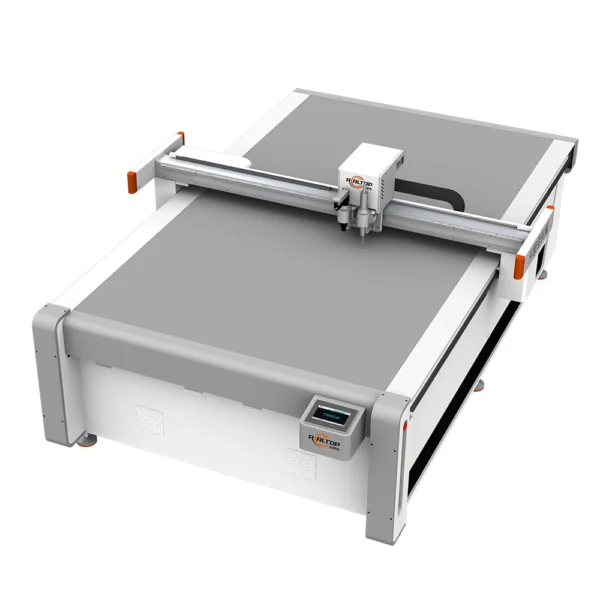
| Product Type | CNC Oscillating Knife Cutting Machine |
| Working Area | 1600 × 2500 mm |
| Cutting Speed | 0 – 1500 mm/s |
| Cutting Thickness | ≤ 40 mm |
| Cutting Accuracy | ±0.1 mm |
| Available Tool Heads | Oscillating knife, Driven rotary knife, Creasing wheel, Kiss cutting tool, Pneumatic knife, Milling tool, V-groove knife |
| Vacuum Pump | 9 kW |
| Control System | PLC control panel |
| Supported Formats | PLT, DXF, AI, PDF |
| Voltage Options | 110V / 220V / 380V |
| Machine Dimensions | 3300 × 2100 × 1350 mm |
| Language Options | English, Russian, Italian, Chinese (customizable) |
| Safety Devices | Infrared sensor, emergency stop |
| Standards | CE (source value — verify against manufacturer catalog) |
Application Suitability
| Application | Material or Output |
|---|---|
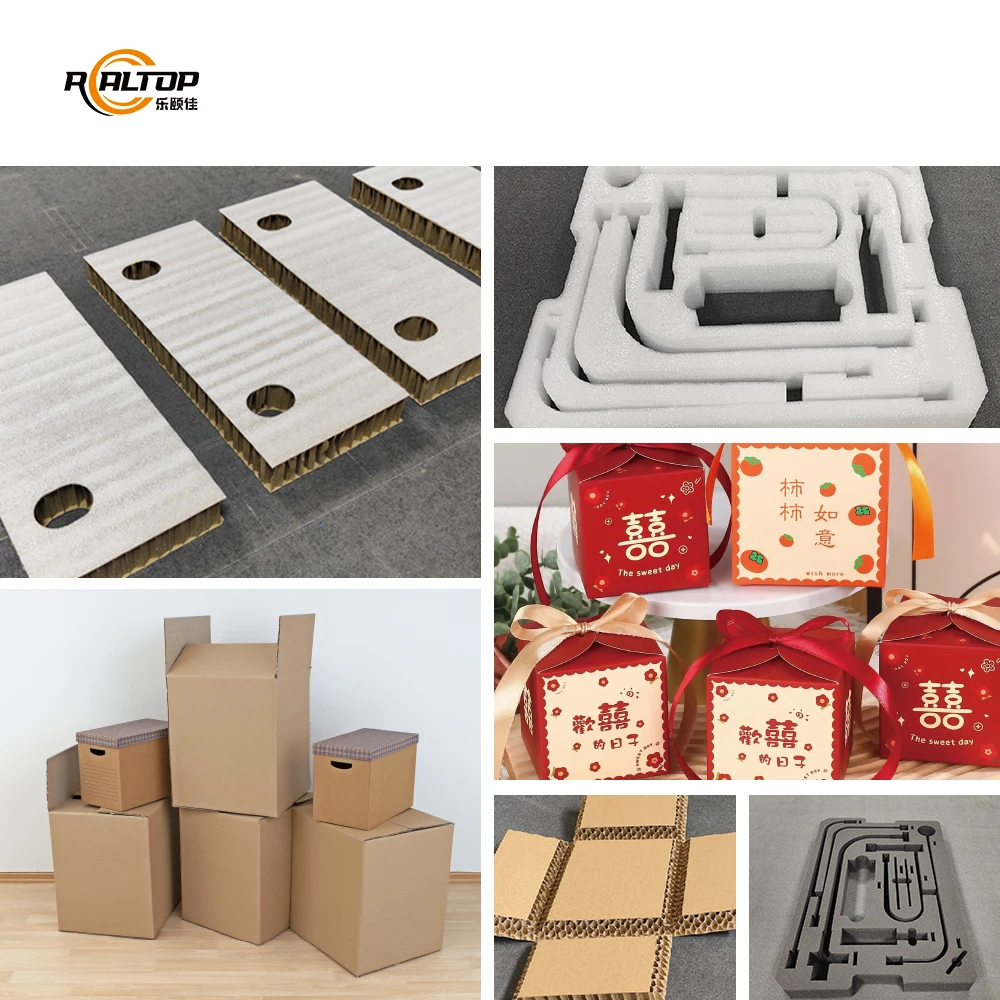
| Packaging sample making | Greyboard, cardstock, art paper, specialty paper |
| Corrugated board converting | E-flute, B-flute, BC-flute for display and insert packaging |
| Protective packaging fabrication | EVA, EPE, PU foam, rubber mats |
| Signage and POS production | PVC sheet, foam board, thin plastic sheets (PVC, PET) |
| Textile and leather prototyping | Velvet, fleece, non-woven fabric, synthetic leather |
| Gasket and composite cutting | PTFE, rubber, adhesive-backed composite materials |
Why Board Thickness Must Drive Your CNC Oscillating Knife Cutting Machine Specifications
Cutting depth alone never tells the whole story — flute type and layer count determine the tool head, vacuum zoning, and downforce you actually need on the floor.
Many buyers send an inquiry listing only sheet size and assume a standard flatbed will handle whatever comes off the pallet. I once configured a vacuum table for a client running three-layer corrugated board, only to learn on commissioning day that their actual production included seven-layer heavy-flute sheets. Small die-cut pieces lifted the moment the knife entered the cut, ruining entire sample batches. Matching a CNC oscillating knife cutting machine to real corrugated specifications — not just the working envelope — prevents this kind of costly rework. [NEED_CITE: vacuum hold-down requirements for multi-wall corrugated grades]
Tool Head Selection by Flute Profile
The oscillating knife handles standard single and double-wall corrugated cleanly up to the rated thickness, but creasing wheels and V-groove tools serve different structural purposes. A creasing wheel compresses fibers along the fold line without breaking the liner, which is critical when the packaging must survive repeated opening and closing. V-groove cuts remove a channel of material, allowing thick greyboard to fold at precise angles for rigid box construction. Choosing the correct head for each job prevents crushed flutes and ragged edges that compromise both appearance and stacking strength.
Vacuum Table Zoning and Small-Part Stability
A 9 kW vacuum pump delivers strong overall suction, yet the real challenge emerges with nested small parts — think interlocking inserts or retail display hooks. If the table zoning is too coarse, air leaks around the part perimeter and lift occurs mid-cut. Aluminum bellows tables maintain flatness across the 1600 × 2500 mm surface, and zone valves can be configured so only the active cutting region pulls vacuum. This keeps narrow strips and die-cut shapes firmly in place, which matters when cutting tolerances are held to ±0.1 mm. [NEED_CITE: vacuum zoning strategies for nested small-part cutting]
Reading the Parameter Sheet Against Your Material
Cutting speed ranges from 0 to 1500 mm/s, but actual feed rate depends on board density and knife penetration depth. A dense BC-flute board requires slower traversal than a single-wall E-flute sheet to maintain edge quality. The PLC control panel stores material-specific profiles so operators recall saved speed and oscillation settings instead of tuning manually for each job. Supported file formats — PLT, DXF, AI, PDF — cover most packaging CAD outputs, though nesting workflows should be verified against your existing design software before the order is finalized.
The Cost of Overlooking Material-Specific Configuration
When a machine arrives configured for generic cardboard but the shop runs thick honeycomb or dense foam inserts, the knife stalls or tears through the liner. Operators slow the feed rate to compensate, which pushes delivery timelines and increases blade wear. In other cases, buyers discover the control language was never confirmed and spend days navigating menus in an unfamiliar language while production deadlines slip. These issues are not machine defects — they are specification gaps that surface only after the crate is opened. [NEED_CITE: post-delivery configuration mismatches in industrial cutting equipment]
Why Source This Cutter Here
In-house design covers both knife and creasing tool paths, so the cutting method matches the material rather than forcing one approach. Each tool head and vacuum zone is listed on the configuration sheet before production begins, tied directly to your board grade and flute type. Sample cutting on your own corrugated stock runs before commitment, giving you a physical report showing edge quality, crease depth, and dimensional accuracy. Voltage, plug type, and control language are locked in on the electrical schematic, so the machine arrives ready to power on. Software compatibility is confirmed file-by-file — PLT, DXF, AI, or PDF — ensuring your nesting workflow transfers without format conversion workarounds.
Documentation & Verification
- Factory test record on your corrugated flute type and thickness before dispatch
- Electrical schematic confirming voltage, plug type, and circuit breaker rating
- Tool head and vacuum zone configuration list matched to your material profile
- Sample cutting report with dimensional measurements on your supplied board
- Software licence and file format compatibility note for PLT, DXF, AI, PDF
Installation, Commissioning & Support
- Level foundation required for the 3300 × 2100 × 1350 mm frame footprint
- Dedicated circuit matching confirmed 110V, 220V, or 380V supply
- 9 kW vacuum pump requires separate breaker and ducted exhaust routing
- First-run calibration of oscillating knife depth and creasing wheel pressure on your material
- Operator training on PLC panel in confirmed language (English, Russian, Italian, or Chinese)
- Wear parts list with reorder codes for oscillating blades, creasing wheels, and vacuum seals
Preparing Your Inquiry
Send the exact corrugated board grades you run — flute type, layer count, and measured thickness — along with representative sheet dimensions and daily cut volume. Specify your workshop voltage, frequency, and preferred control language so these details enter the build sheet from the start. If you already use a nesting or CAD system, share a sample file so format compatibility is verified before quotation.
Frequently Asked Questions
Q: How do I match the tool head to my corrugated flute type?
A: Oscillating knives suit standard single and double-wall profiles up to 40 mm. Creasing wheels compress fibers for fold lines without cutting, and V-groove tools remove a channel for rigid box angles. Provide your flute specification — E, B, or BC — and board thickness so the correct heads are listed on your configuration sheet before production.
Q: What cutting depth is actually achievable on packaging materials?
A: The machine rates up to 40 mm, but real depth depends on material density and tool selection. Dense honeycomb board may require reduced speed compared to soft E-flute. A sample cutting test on your actual stock confirms achievable depth, edge quality, and crease integrity before you commit to the order.
Q: How does vacuum zoning affect small corrugated parts?
A: Small nested parts lose hold-down if vacuum zones are too broad, causing lift during cutting. The aluminum bellows table supports zone-specific valves so only the active cutting area pulls suction. Confirm your typical part size and nesting layout so zoning can be matched to your production pattern.
Q: Which file formats does the control software accept?
A: The system imports PLT, DXF, AI, and PDF profiles directly. If your existing CAD or nesting software exports in one of these formats, the workflow transfers without conversion. Share a sample file during the inquiry stage so compatibility is verified and any nesting adjustments are identified before shipment.
Q: What voltage and language options are confirmed before the machine ships?
A: Voltage is configurable at 110V, 220V, or 380V, and the plug type is matched to your local standard. The PLC control panel supports English, Russian, Italian, or Chinese, with other languages available on request. All electrical and language details are locked on the schematic before production begins.


商品评价
Clear filtersThere are no reviews yet.