


Fast Shipping
Carrier information

20k products
Payment methods

24/7 Support
Unlimited help desk

2-day Delivery
Track or off orders
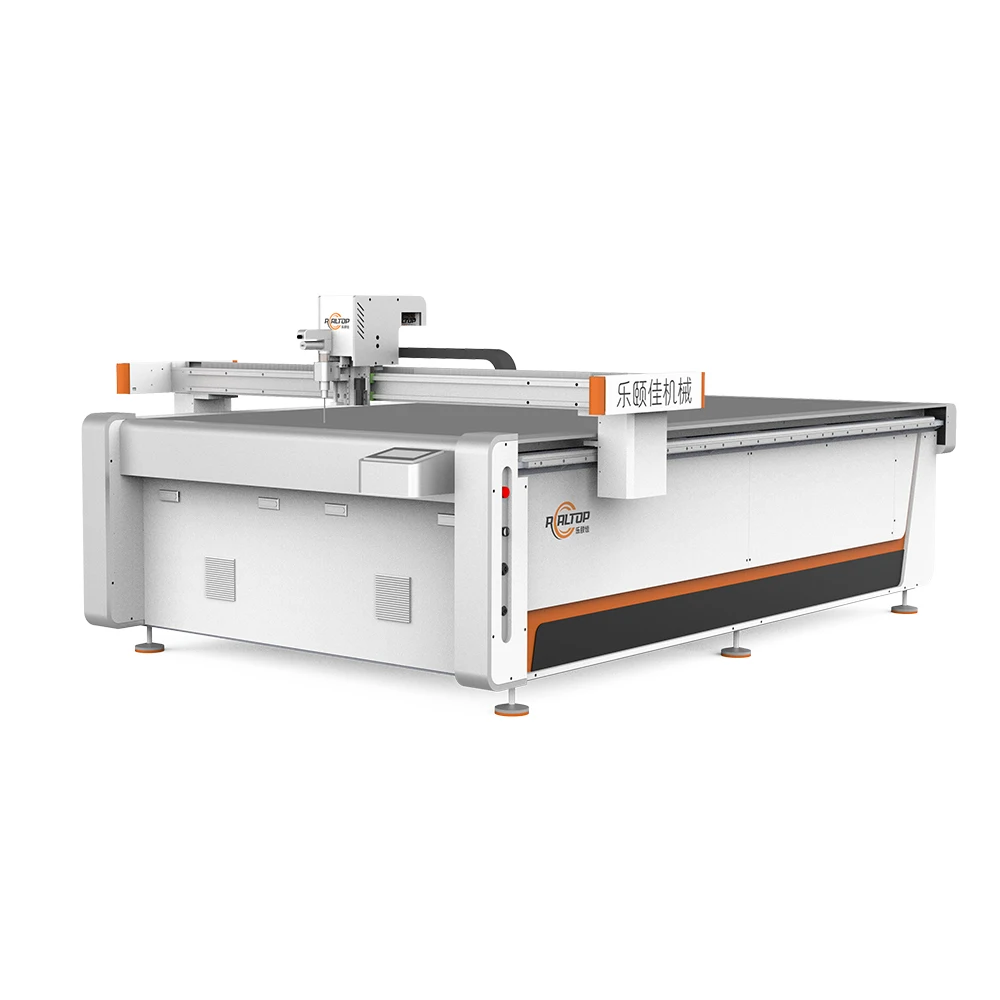
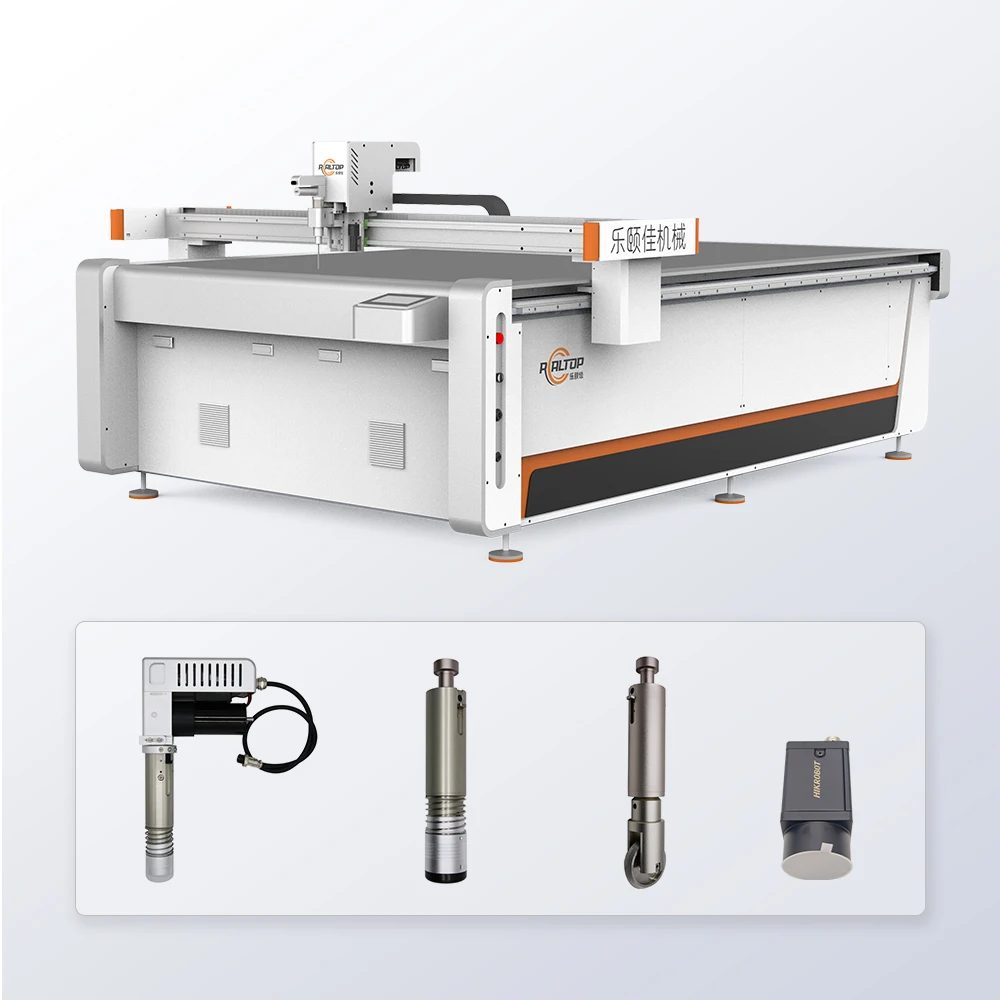
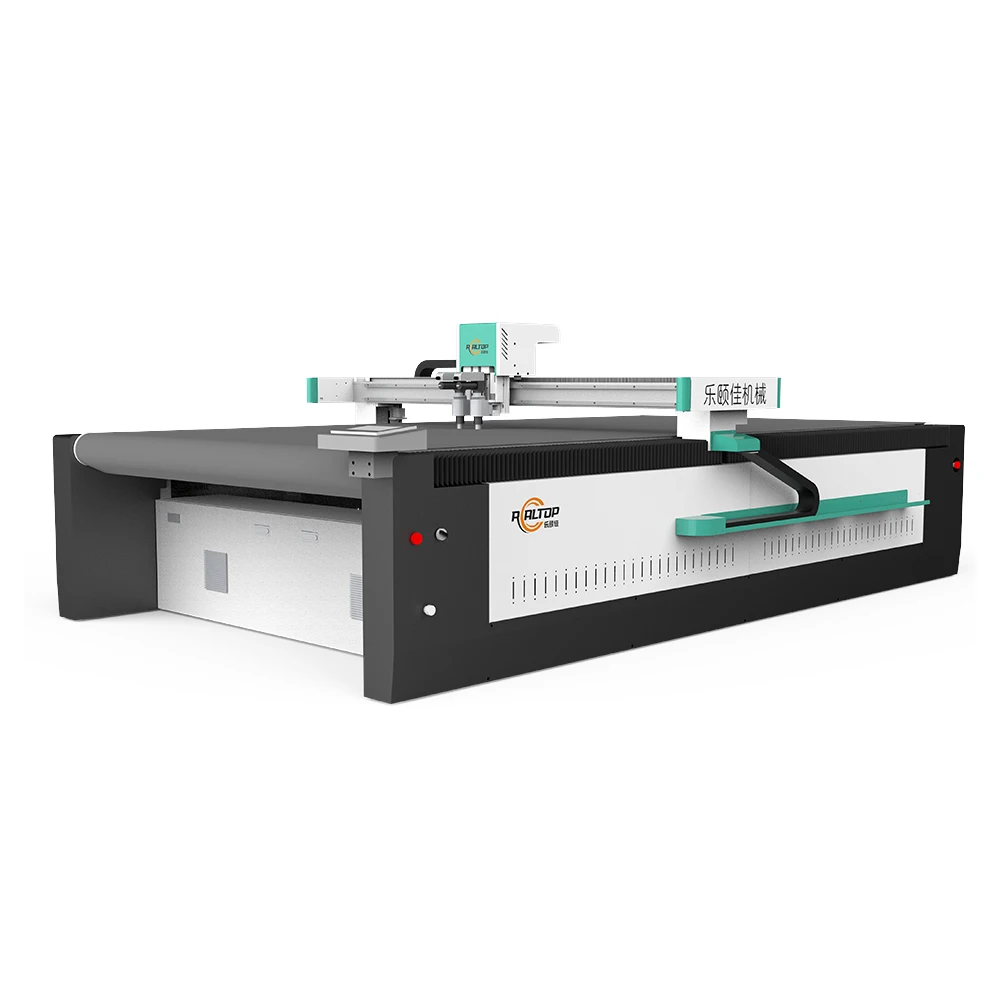
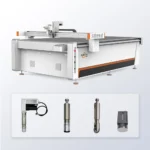
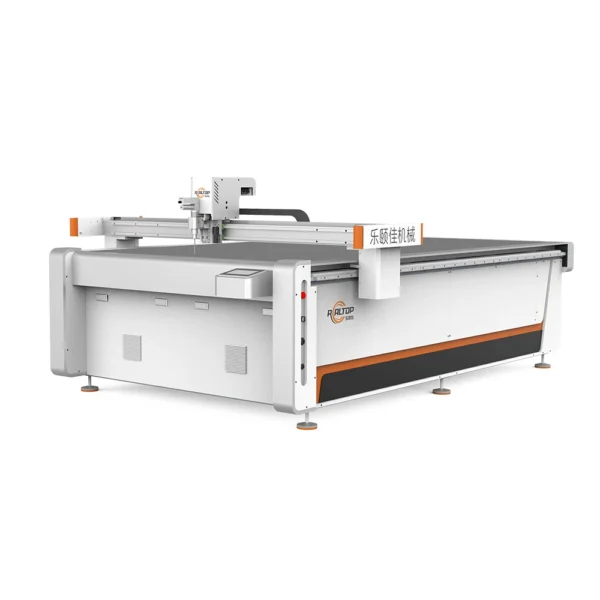
Tool head matched to composite rigidity — every oscillating knife, driven rotary and pneumatic option on the 1625 is specified against the buyer’s actual layup, not a generic catalogue line.
Technical Specifications
| Parameter | Value |
|---|---|
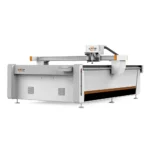
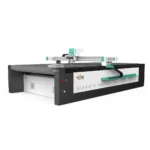
| Product Type | CNC Oscillating Knife Cutting Machine |
| Model | 1625 |
| Working Area | 1600×2500 mm |
| Cutting Thickness Capacity | Up to 30 mm |
| Cutting Speed Range | 0–2000 mm/s |
| Positioning Accuracy | ±0.1 mm |
| Available Tool Heads | Oscillating knife, Driven rotary knife, Creasing wheel, Kiss cutting tool, Pneumatic knife, Milling tool, V-groove knife |
| Vacuum Table | Aluminum bellows vacuum table |
| Vacuum Pump | 9 kW |
| Control System | PLC control panel |
| Servo Motor Options | Panasonic, Delta, Dorna |
| Voltage Options | 110V, 220V, 380V |
| Supported File Formats | PLT, DXF, AI, PDF |
| Safety Devices | Infrared sensor, Emergency stop |
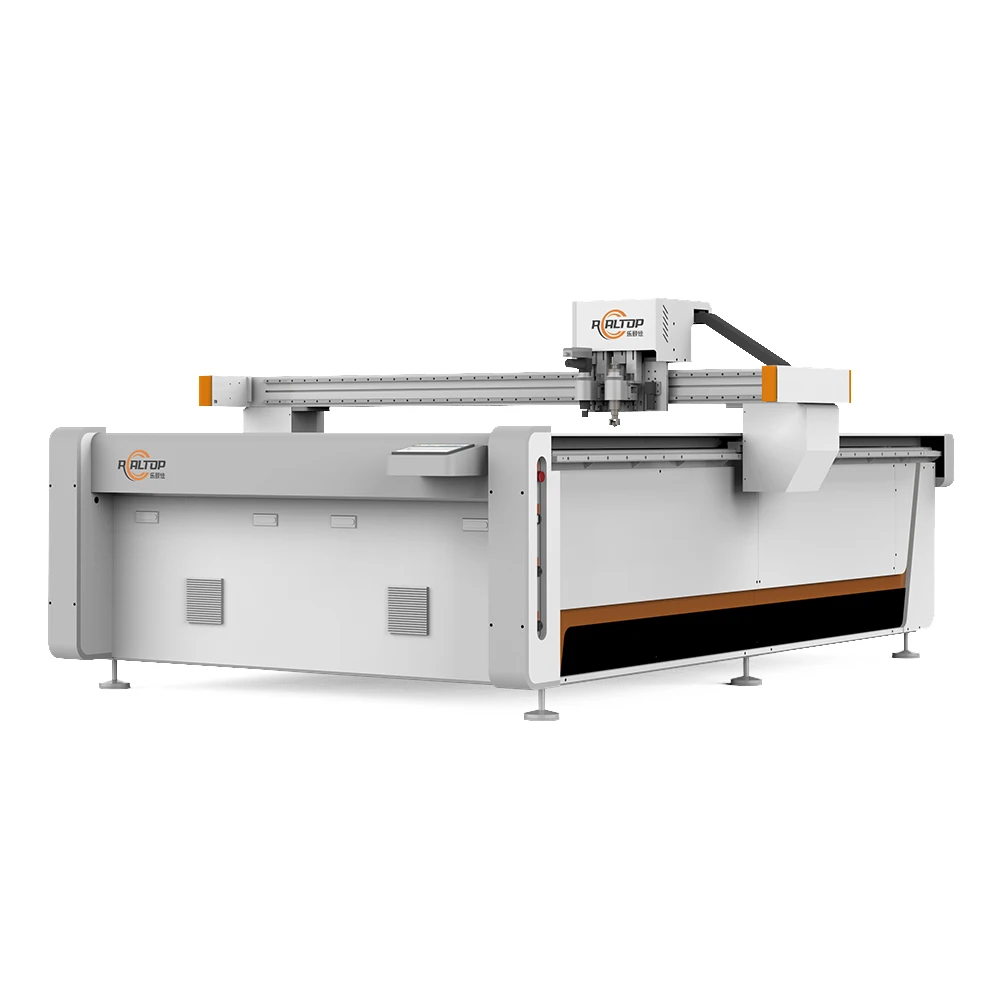
| Machine Dimensions | 3300×2100×1350 mm |
| Language Options | English, Russian, Italian, Chinese (special languages customizable) |
| Certification | CE (source value — verify against manufacturer catalog) |
Application Suitability
| Application | Material or Output |
|---|---|
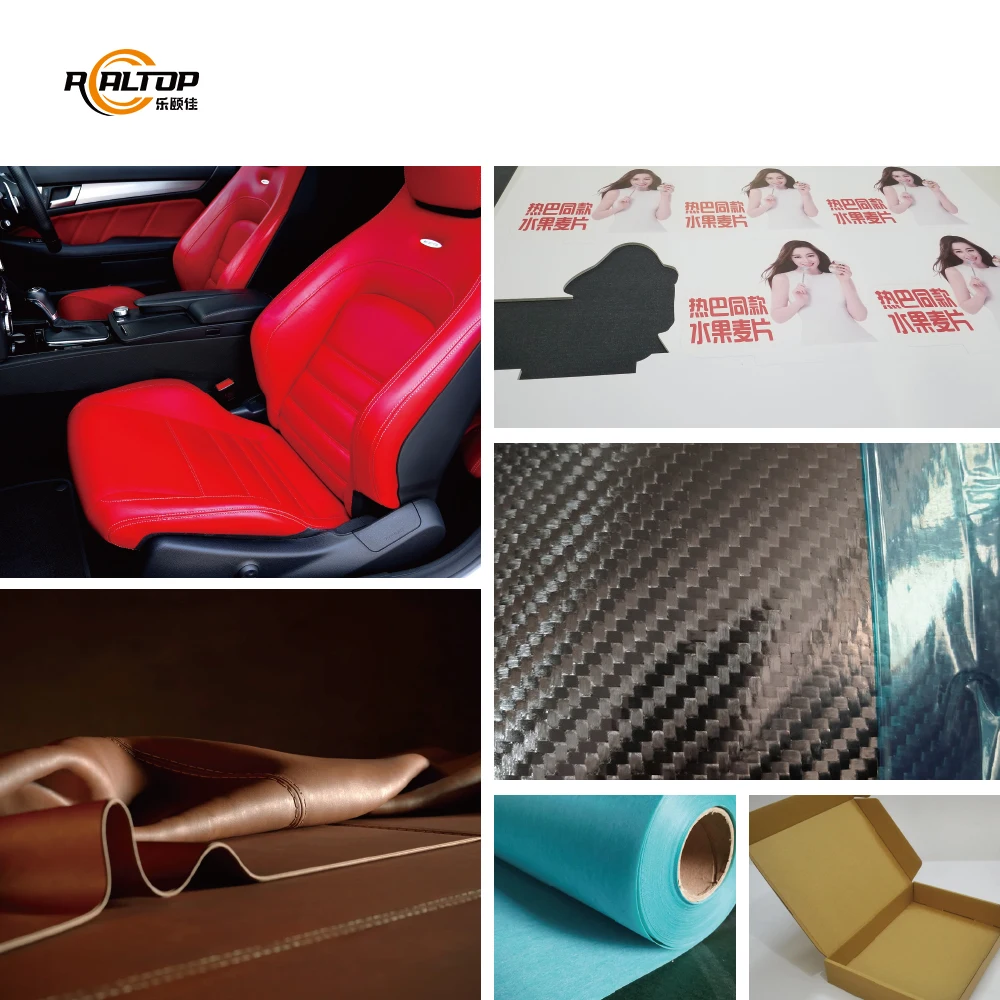
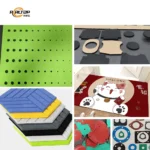
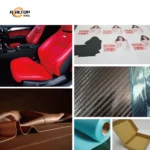
| Aerospace interior trim and seals | Carbon fiber prepreg, aramid honeycomb (Nomex), ceramic fiber blankets, thermal and acoustic insulation foam |
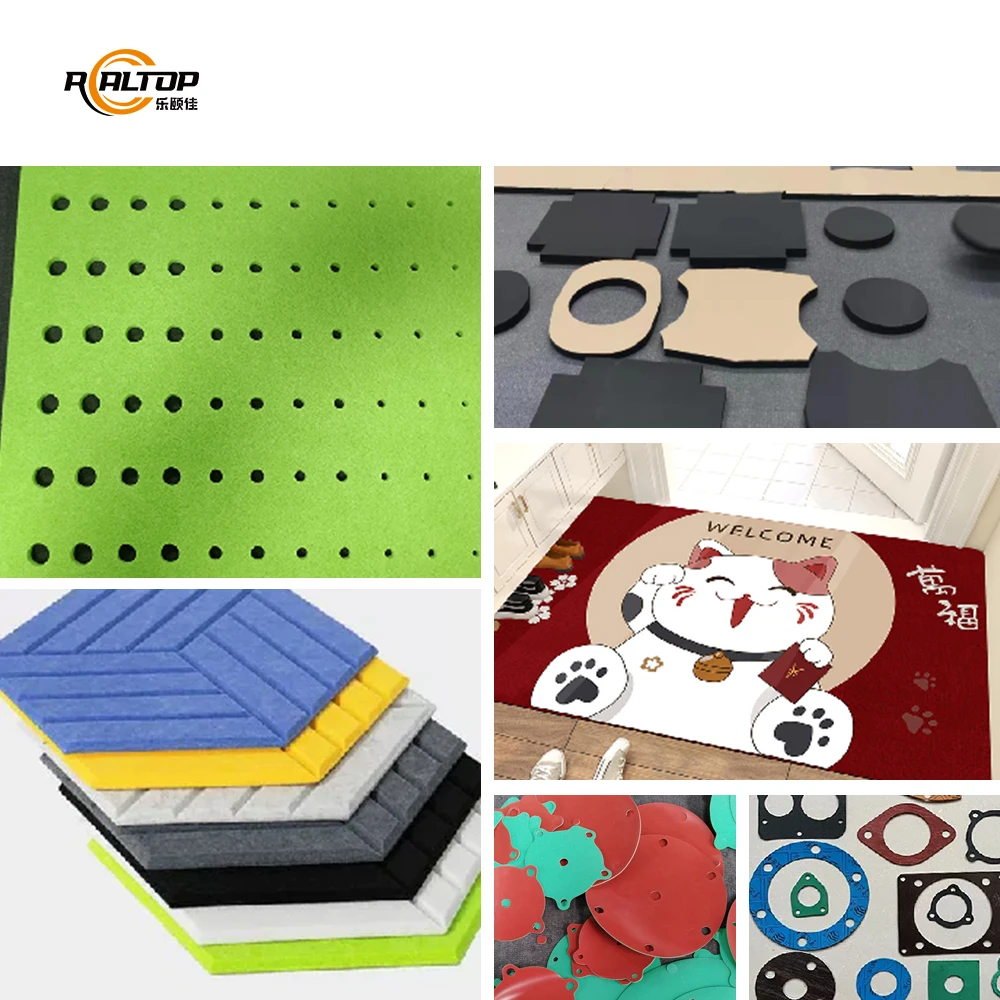
| Automotive and rail cabin components | Acoustic felt, damping pads, carpets, sealing strips, headliners, battery insulation pads, FRP covers |
| Wind turbine blade fabrication | Fiberglass cloth, carbon fiber cloth, vacuum infusion mesh, PET and PVC foam core materials |
| Sporting goods layup | Carbon fiber sheets and fabric, Kevlar, high-performance foam, composite fabrics for helmet liners and surfboards |
Why Material Thickness Alone Is the Wrong Starting Point
Specifying a CNC oscillating knife cutting machine by working area and thickness limit misses the variable that actually determines edge quality: the tool head matched to the composite’s resin state and fiber architecture.
I have watched buyers focus entirely on the 1600×2500 mm bed size and the 30 mm depth rating, then wonder why their carbon fiber prepreg delaminates at the cut line or their Nomex honeycomb crushes under the blade. The cutting speed reaches 2000 mm/s, but that figure means nothing if the tool head is wrong for the material — a rigid carbon fiber board needs a completely different oscillation frequency and blade geometry than a soft acoustic felt [NEED_CITE: composite cutting edge quality factors by fiber type]. The real question to ask before quoting is which tool head from the available seven options actually suits your daily layup schedule.
Matching Tool Heads to Composite Behavior
The oscillating knife handles flexible and semi-rigid composites like fiberglass cloth and insulation foam, where the high-frequency vibration shears the fibers cleanly without dragging the weave. For tougher or thicker stacks such as dense acoustic felt or multi-layer damping pads, the pneumatic knife delivers a stiffer blade stroke that pushes through without compressing the upper plies. The driven rotary knife suits continuous-ply materials where a clean, fused edge matters more than speed. Each option changes the cut mechanics fundamentally, and selecting the right one is the single biggest factor in whether the CNC oscillating knife cutting machine specifications translate into acceptable parts on your shop floor.
Vacuum Zoning for Large-Format Flexible Layups
Wind blade manufacturers cutting vacuum infusion mesh and foam core sheets across the full 1600×2500 mm bed face a specific problem: once the blade passes through, the released section can lift if the vacuum beneath it is still pulling air through the kerf. The aluminum bellows vacuum table provides a flat sealing surface that maintains adsorption across the entire area, and the 9 kW pump generates enough negative pressure to hold flexible materials down even after partial cutting [NEED_CITE: vacuum table hold-down requirements for composite cutting]. Without adequate zoning, small gasket parts and narrow sealing strips shift mid-cut and fall outside the ±0.1 mm accuracy band.
What the Specification Sheet Actually Tells You
The ±0.1 mm cutting accuracy matters most when aerospace gaskets and automotive seals must fit into tight assembly tolerances — a deviation beyond that range means the part will not seat against its mating flange. The PLC control panel with configurable language options (English, Russian, Italian, Chinese, or custom) determines whether your operators can adjust parameters on the fly without calling for translation. File format support for PLT, DXF, AI and PDF means the nesting workflow your production team already uses can feed directly into the machine without intermediate conversion steps. The servo motor choice between Panasonic, Delta and Dorna affects long-term positioning repeatability and spare parts availability in your region, which is worth confirming before the order is locked in.
The Cost of Skipping a Sample Cut
Last year a buyer sent us a specification for soft glass and felt cutting, and the standard test material produced clean edges on both. When their actual PVC batch arrived, the hardness was noticeably higher than the sample, and the oscillating knife left frayed edges across every piece — an entire production run scrapped before we adjusted the blade angle and vacuum zone settings on site. That experience is why I now insist on receiving the buyer’s own composite material before confirming the tool head and table configuration, because published specs do not account for batch-to-batch variation in resin content and fiber density [NEED_CITE: composite material batch variation and machining response].
Why Source This Configuration Here
In-house design covers both the knife tooling range and the vacuum table engineering, so the tool head recommendation comes from the same team that builds the motion system rather than a third-party integrator. The tool head and table configuration list is specified per composite material and production volume before the order is confirmed, not substituted at the factory. Software compatibility for PLT, DXF, AI and PDF nesting files is verified against your existing workflow before shipment. Voltage is configurable across 110V, 220V and 380V with the correct plug and frequency for the destination market. Sample cutting on your own composite material produces a written report covering edge quality, achievable thickness and any delamination observed, so the decision is based on physical evidence rather than catalogue claims.
Documentation & Verification
- Machine specification sheet listing all seven tool head options with recommended materials
- Electrical schematic and voltage confirmation matched to destination grid frequency
- Tool head and vacuum table configuration list tied to your composite type and thickness
- Sample cutting report on buyer-supplied material showing edge quality and dimensional check
- Software licence and file format compatibility note for your nesting platform
- Factory test record with accuracy measurement across the full 1600×2500 mm travel
Installation, Commissioning & Support
- Floor space of at least 4000×3000 mm required to accommodate the 3300×2100×1350 mm machine and operator access
- Dedicated power circuit matching confirmed voltage (110V, 220V or 380V) with correct breaker rating for the 9 kW vacuum pump
- Machine ships as a single assembled frame; rigging plan needed for workshop door clearance
- First-run commissioning includes vacuum zone calibration and servo tuning across the full working area
- Operator training covers tool head changeover, PLC parameter adjustment and file import from PLT, DXF, AI and PDF sources
- Spare parts list provided with recommended blade, oscillation block and vacuum seal intervals
What to Include with Your Inquiry
Send the specific composite material type, resin state (prepreg, dry fabric, cured panel), single-ply thickness and the number of layers you intend to stack per cut. Confirm your local voltage and frequency, the control language your operators need, and whether your nesting software outputs PLT, DXF, AI or PDF. If you can ship a sample roll or sheet of your actual production material, we will run a cutting test and return the report with the configuration recommendation before any commercial commitment is made.
Frequently Asked Questions
Q: How do I choose between oscillating knife, driven rotary and pneumatic knife for my composite material?
A: The oscillating knife suits flexible and semi-rigid composites like fiberglass cloth and foam. The pneumatic knife handles thicker, denser stacks such as acoustic felt. The driven rotary knife is selected when a fused, clean edge on continuous-ply material is required. We recommend sending your actual material for a sample cut to confirm which tool head produces acceptable edge quality on your specific layup.
Q: Does the 30 mm cutting thickness limit apply to all composite types?
A: The 30 mm capacity depends on material density and fiber architecture — a soft insulation foam cuts cleanly at that depth, while a dense carbon fiber board may require a reduced stack height. We verify the practical cutting limit on your own material during the sample test and report the achievable thickness alongside edge quality before the order is confirmed.
Q: How does vacuum table zoning prevent small composite parts from lifting?
A: The aluminum bellows vacuum table maintains full-surface adsorption across the 1600×2500 mm bed. Proper zoning ensures that once the blade cuts through a section, the remaining vacuum continues to hold small gaskets and narrow strips flat. We configure the zone layout based on your typical part geometry and confirm hold-down performance during the factory test.
Q: Are voltage, control language and file format confirmed before shipment?
A: Yes. Voltage is configured to 110V, 220V or 380V with the correct plug and frequency for your market. The PLC control language is set to your choice from available options or customized. Software compatibility with PLT, DXF, AI and PDF formats is verified against your nesting workflow, and all three are documented in the pre-shipment confirmation package.


商品评价
Clear filtersThere are no reviews yet.