






Fast Shipping
Carrier information

20k products
Payment methods

24/7 Support
Unlimited help desk

2-day Delivery
Track or off orders
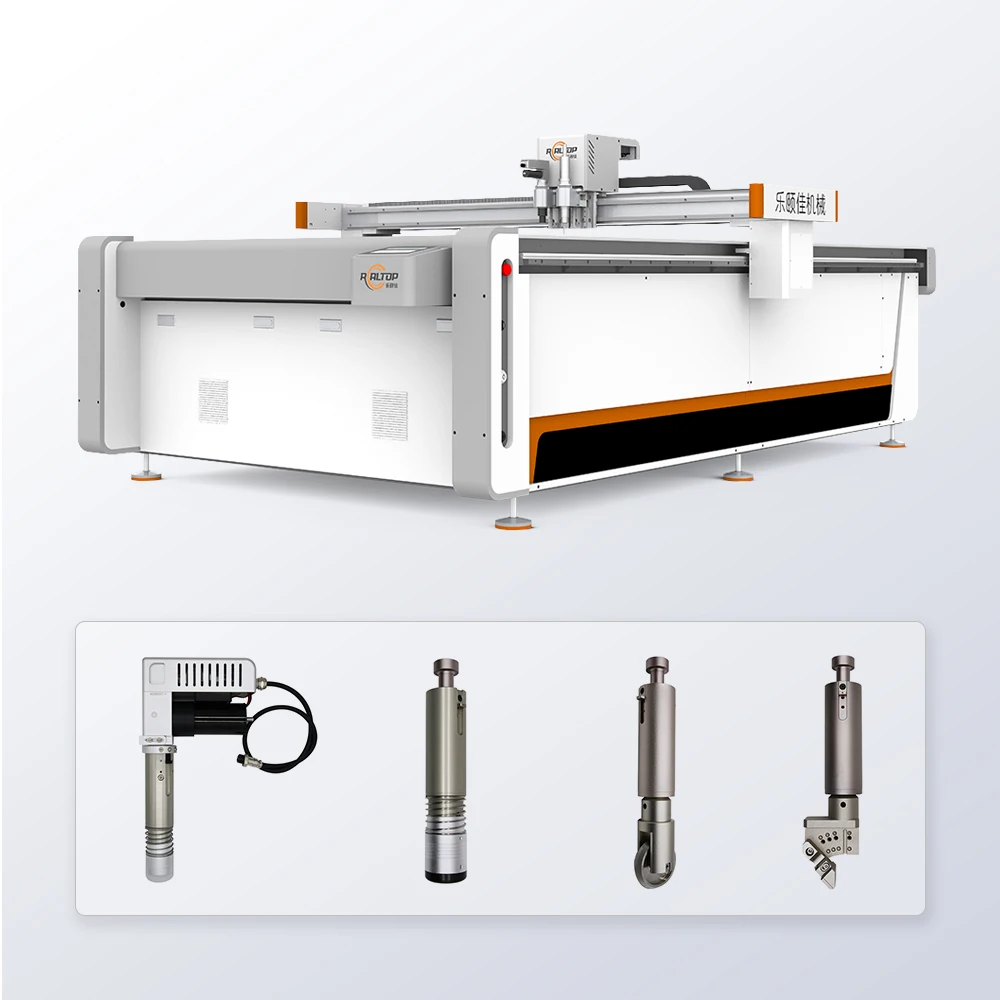
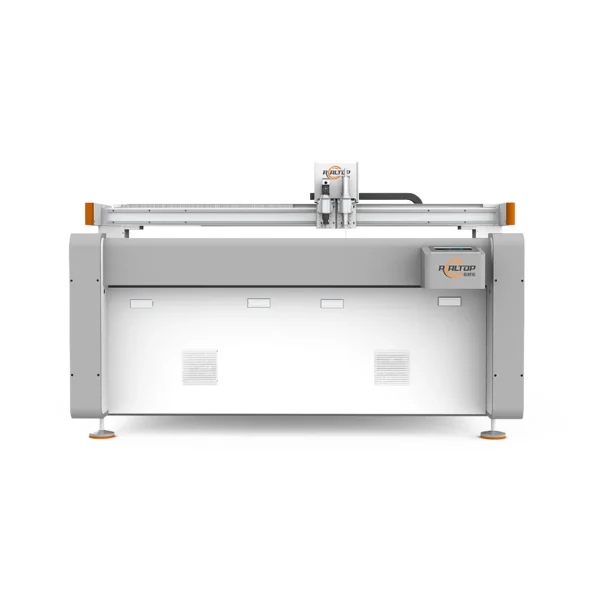
Tool head specified per material — oscillating knife, creasing wheel, kiss cutting and V groove tools configured for corrugated flute, greyboard and foam rather than forcing a single tooling compromise on a generic table.
Technical Specifications
| Parameter | Value |
|---|---|
| Model | 1625 |
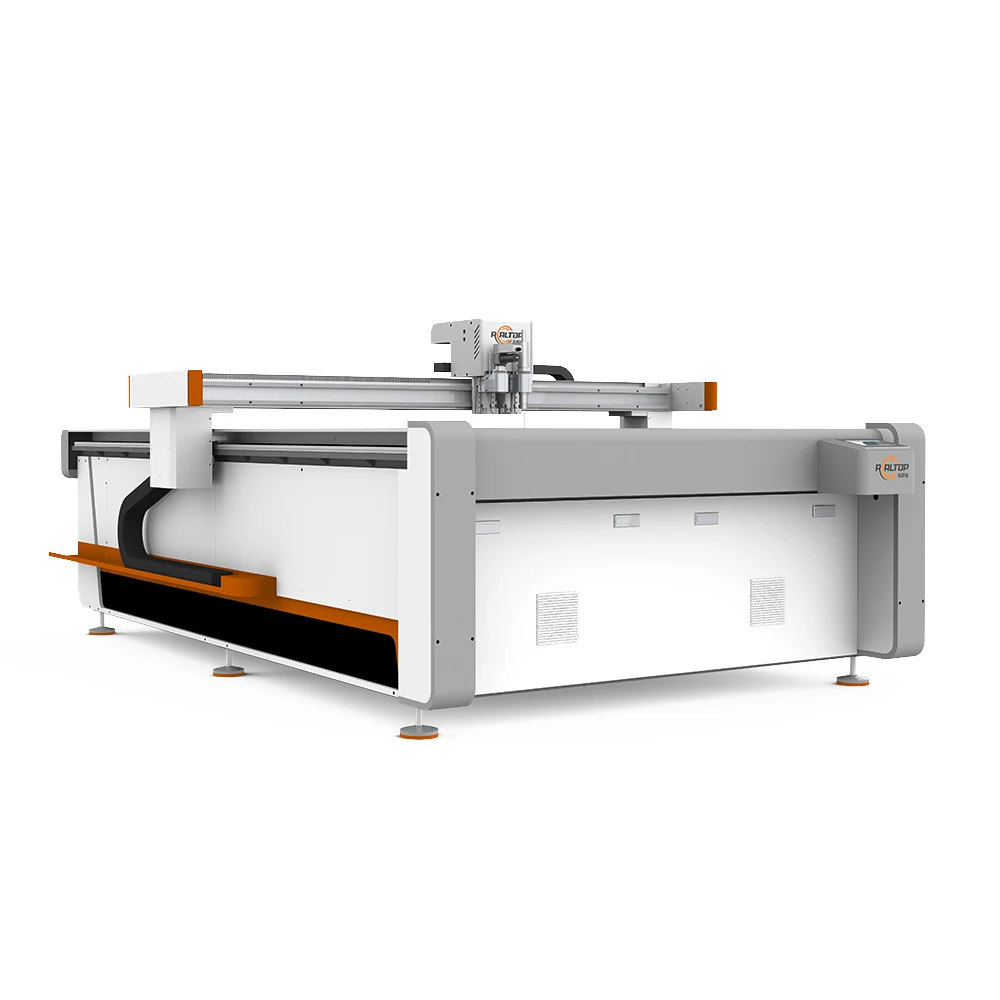
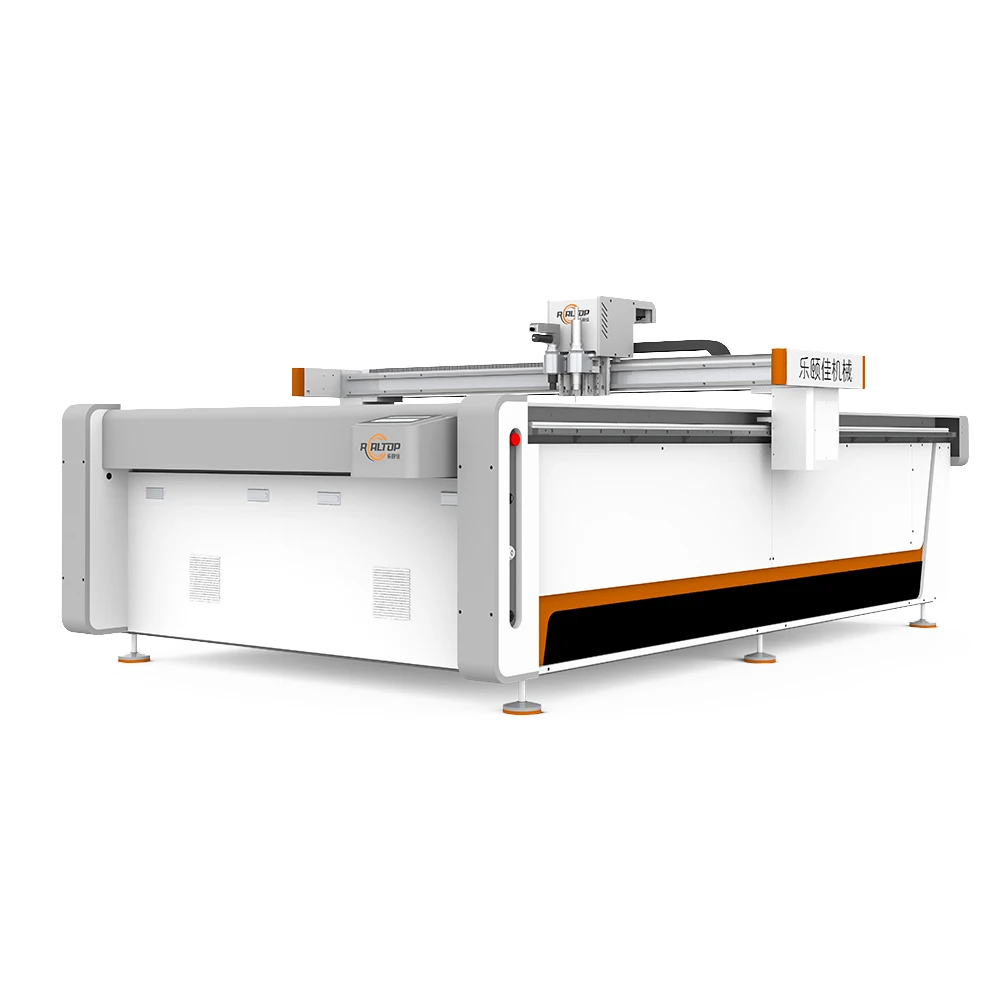
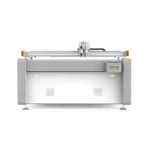
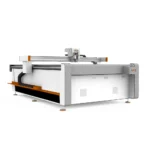
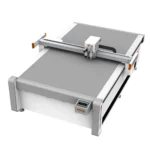
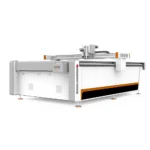
| Product Type | CNC Oscillating Knife Cutting Machine |
| Working Area | 1600 × 2500 mm |
| Cutting Speed | 0–1500 mm/s |
| Cutting Accuracy | ±0.1 mm |
| Cutting Thickness | Up to 40 mm (basis to be confirmed on buyer material type and flute density) |
| Tools Available | Oscillating knife, Driven rotary knife, Creasing wheel, Kiss cutting tool, Pneumatic knife, Milling tool, V groove knife |
| Vacuum Table | Aluminum bellows vacuum table (zone count to be confirmed) |
| Vacuum Pump | 9 kW |
| Servo Drive Options | Panasonic, Delta, Dorna (specific model to be verified) |
| Control System | PLC control panel with dedicated packaging box structure design software |
| File Formats Supported | PLT, DXF, AI, PDF |
| Voltage Options | 110V, 220V, 380V (frequency 50/60 Hz to be confirmed) |
| Language Options | English, Russian, Italian, Chinese (additional languages customizable) |
| Safety Device | Infrared sensor and emergency stop |
| Machine Size (L×W×H) | 3300 × 2100 × 1350 mm |
| Assembly State | Fully assembled (SKD/CBU to be confirmed) |
| Standards | CE (certificate number to be verified) |
Application Suitability
| Application | Material or Output |
|---|---|
| Packaging sample making and short-run carton production | Corrugated E/B/BC flute, greyboard, cardstock, art paper |
| Foam insert and protective packaging fabrication | EVA, EPE, PU foam sheets |
| Gasket and seal cutting | Rubber, PTFE, composite sheets |
| Leather and synthetic leather cutting | Small-batch goods and prototypes |
| Thin plastic sheet contour cutting | PVC, PET sheets |
| Advertising and signage board prototyping | Foam board, corrugated plastic |
Why Vacuum Zoning Matters More Than Working Area on a CNC Oscillating Knife Cutting Machine for Packaging
A 1600×2500 mm table that cannot hold a small carton blank flat at cutting speed is effectively a smaller table.
Buyers routinely size a flatbed cutter on footprint, then discover during commissioning that small packaging blanks lift off the bed under the oscillating head. The issue is not suction power — it is whether the vacuum zones can be isolated to match the part geometry. On short-run carton work where every blank is a different size, fixed large zones waste hold-down on empty table and starve the actual part footprint. [NEED_CITE: vacuum zoning principles for CNC flatbed cutting tables]
Matching Tool Heads to Corrugated Flute and Board Grade
A single oscillating knife cannot crease greyboard and kiss-cut self-adhesive labels on the same pass. This 1625 CNC oscillating knife cutting machine for packaging ships with interchangeable tool positions — creasing wheel for fold lines on E and B flute, V groove knife for rigid box corners, kiss cutting tool for adhesive-backed labels, and pneumatic knife for dense greyboard stacks. The tool head list is locked to the buyer’s material stack before the order is placed, not left as a default configuration that forces the operator to compromise on edge quality.
Aluminum Bellows Vacuum and Full-Surface Hold-Down
Corrugated board is uneven by nature — the flute profile means contact with a flat table is partial at best. The aluminum bellows vacuum table on this unit delivers distributed suction across the full working area, pulling warped or curled sheets flat before the first cut. Combined with a 9 kW vacuum pump, the system maintains hold-down through long contour paths. Zone configuration is specified per the buyer’s typical blank sizes so that small inserts and large carton flats each receive adequate suction without competing for airflow. [NEED_CITE: aluminum bellows vacuum table construction for CNC cutting]
Reading the Specifications Through a Production Lens
The ±0.1 mm cutting accuracy across the 1600×2500 mm bed is meaningful when stacking tolerances matter — a carton blank that drifts half a millimeter over a two-meter cut path will not fold square. The PLC control panel paired with dedicated packaging box structure design software allows operators to import DXF and AI files directly from standard packaging CAD systems without manual redrawing. Servo drive selection from Panasonic, Delta or Dorna lets buyers align the motion system with local service availability. File format support for PLT, DXF, AI and PDF covers the output of most packaging design workflows, reducing the friction between design approval and first sample.
The Cost of Skipping Material-Specific Configuration
A machine quoted on working area and speed alone often arrives with a generic oscillating knife and full-table vacuum — fine for large sheets, inadequate for nested small parts running at high traverse. Creasing wheels specified too hard for E flute will crush the top liner instead of scoring a clean fold. Kiss cutting tools set without reference to the actual release liner thickness cut through the backing and scrap the batch. These are not warranty claims — they are configuration oversights discovered after the machine is on the floor and the production clock is running. [NEED_CITE: tooling mismatch consequences in digital cutting]
Why Source This Cutter From REALTOP
The design team covers both knife and laser cutting under one roof, so packaging buyers get the cutting method matched to their material rather than being steered toward whichever technology the supplier only manufactures. Every tool head and vacuum zone is specified against the buyer’s actual corrugated grade, flute type and foam density before quotation. CCD camera positioning is available as a configuration option for printed contour work. Software compatibility is confirmed against the buyer’s existing file format and nesting workflow before the order is finalized. Voltage, frequency, plug type and control language are documented and locked prior to shipment — not assumed. Sample cutting runs on the buyer’s own material before any commitment is made.
Documentation & Verification
- Machine specification sheet listing confirmed tool heads and vacuum zone layout for your material
- Electrical schematic showing voltage, frequency and plug type matched to your facility
- Sample cutting report on your corrugated grade, flute profile and foam density
- Software licence and file format compatibility note covering your packaging CAD workflow
- Factory test record with cutting accuracy measurement before dispatch
- Operation and maintenance manual in your specified control language
Installation, Commissioning & Support
- Fully assembled 3300×2100×1350 mm frame requires level floor with adequate clearance for sheet feeding
- 9 kW vacuum pump and servo drives require dedicated circuit matching confirmed voltage and frequency
- PLC control panel commissioned on-site with packaging design software calibrated to your file workflow
- Tool head parameters set for your specific flute, board grade and foam density during first run
- Oscillating knife blades, creasing wheels and vacuum seals included in initial spare parts kit
- Scheduled maintenance intervals documented per operating hours for servo, vacuum and tool assemblies
Before You Send an Inquiry
Share the corrugated flute type, board grade, foam density and typical blank dimensions you plan to run, along with your daily volume and existing design software. Confirm your facility voltage, frequency and preferred control language so the electrical package and interface are documented before production begins. If you need sample cutting on your own material, send a DXF or AI file with your standard nesting layout so the test reflects your real workflow.
Frequently Asked Questions
Q: How is cutting thickness verified for my specific flute and foam density before the order is placed?
A: A sample cutting test runs on your actual material — corrugated grade, flute profile or foam density — before the order is confirmed. The sample cutting report documents achievable thickness, edge quality and creasing depth so you see results on your stock, not a generic test piece.
Q: Which tool head handles creasing greyboard versus kiss-cutting labels on the same table?
A: The 1625 carries interchangeable tool positions. Creasing wheels are selected by hardness for your specific greyboard grade, and the kiss cutting tool is set to your release liner thickness. Both are specified and tested on your materials before the machine ships.
Q: Is vacuum table zoning matched to my typical small carton blank size?
A: Zone configuration is confirmed against your part size range during the specification stage. The aluminum bellows table allows zone isolation so small inserts and large carton flats each receive adequate hold-down without airflow waste across empty table area.
Q: What voltage, frequency and control language are confirmed before shipment?
A: Your facility electrical specification — voltage, 50 or 60 Hz, plug type — and preferred control language are documented in the electrical schematic and locked before production. The 1625 supports 110V, 220V and 380V with language options including English, Russian, Italian and Chinese.


商品评价
Clear filtersThere are no reviews yet.