

Fast Shipping
Carrier information

20k products
Payment methods

24/7 Support
Unlimited help desk

2-day Delivery
Track or off orders
Specified Tooling per Material — every oscillating knife, drag knife and creasing wheel option is mapped to your fabric weight and composite layup before the order is confirmed, not swapped in after delivery.
Technical Specifications
| Parameter | Value |
|---|---|
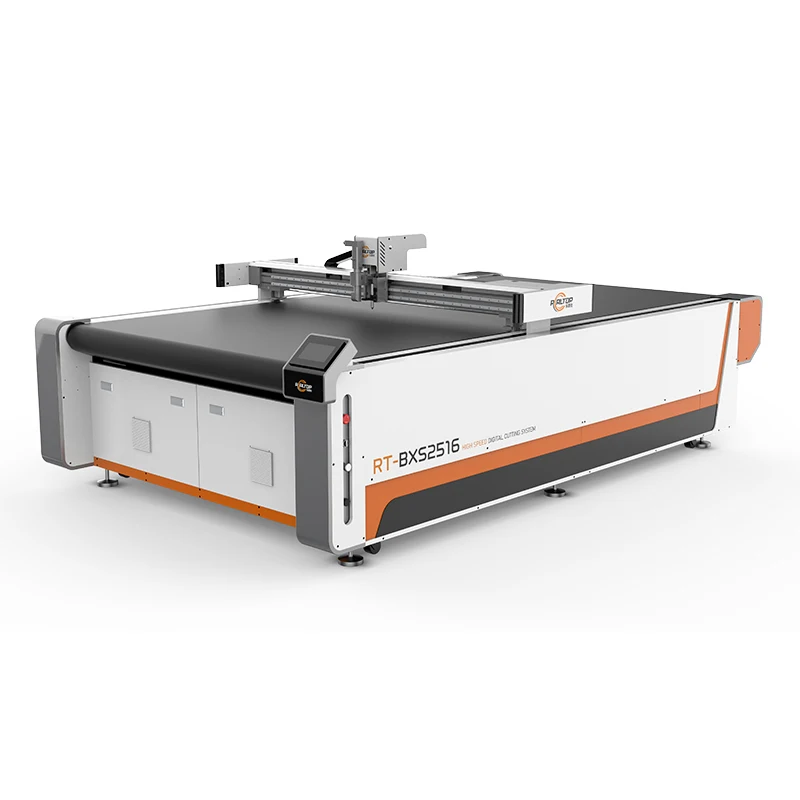
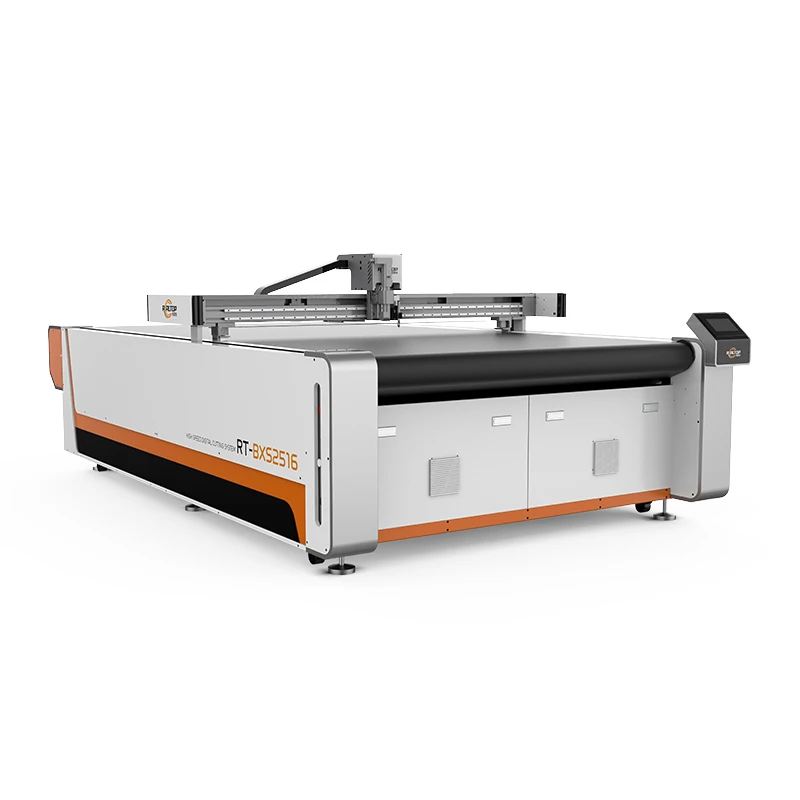
| Model | RT-D2516/RT-S2516 |
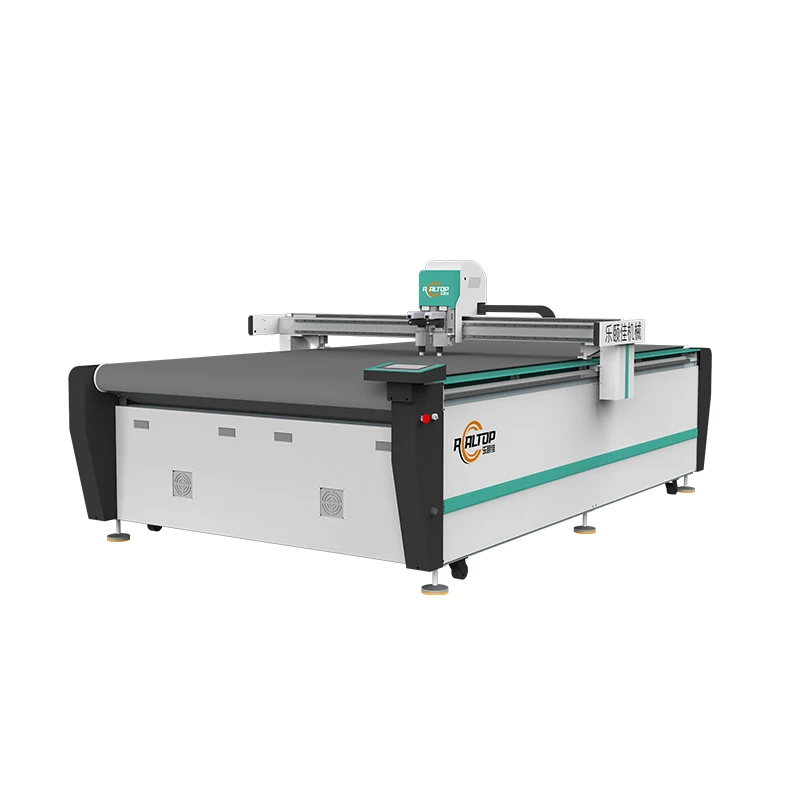
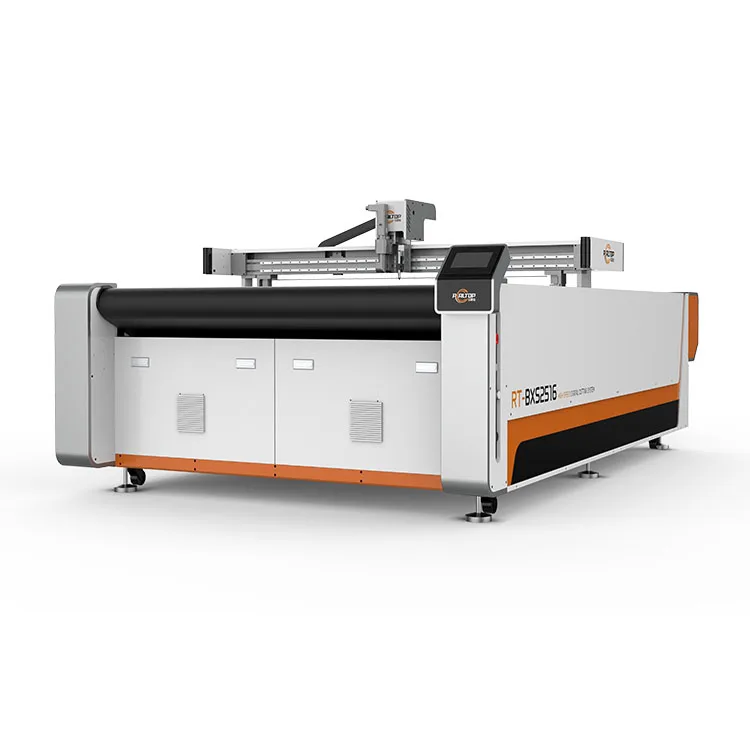
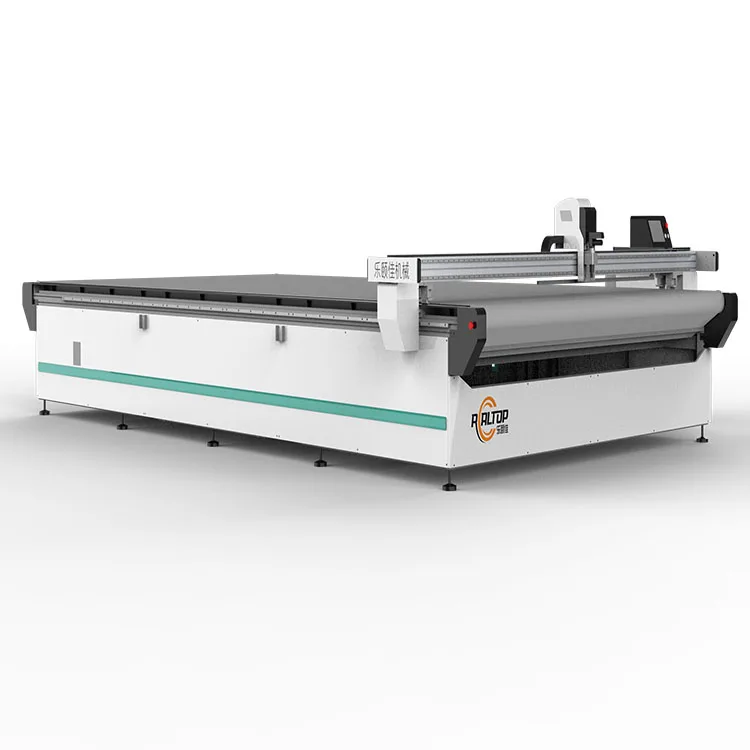
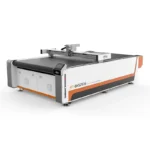
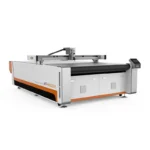
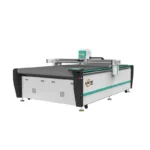
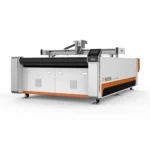
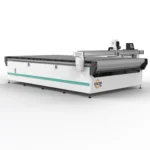
| Product Type | CNC Oscillating Knife Cutting Machine |
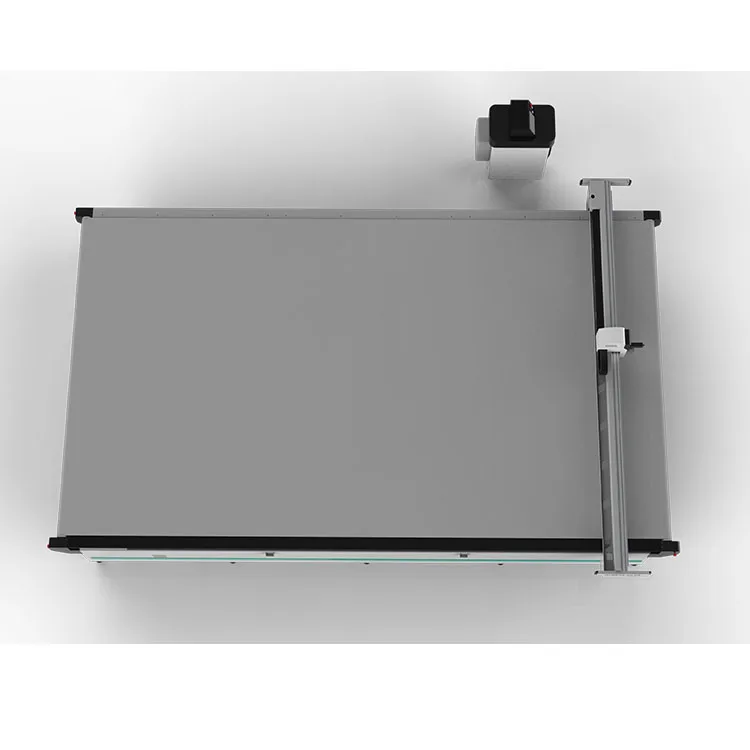
| Working Area | 1600 × 2500 mm |
| Machine Dimensions | 3450 × 2300 × 1250 mm |
| Rated Power | 9 kW |
| Table Options | Flat working table or auto-feeding conveyor table |
| Translational Velocity | 800–2000 mm/s |
| Repeated Positioning Accuracy | ≤ 0.1 mm |
| Transmission System | Digital servo motor, linear guide, synchronous belt, imported ball screw |
| Servo Motor | Delta (Panasonic optional) |
| Linear Rail | Taiwan Hiwin |
| Conveyor Belt | Germany imported |
| Vacuum Table Surface | Magnesium-aluminum alloy, fluorocarbon PVDF powder spraying, anodic oxidation |
| Vacuum Pump | 7.5 kW, integrated aviation aluminum shell with built-in silencer sponge |
| Control Panel | Touch screen, multiple language support |
| Instruction Format | HP-GL compatible |
| Software File Support | PLT, DXF, AI |
| Voltage | 380 V ± 10 % |
| Safety Devices | Infrared sensors, anti-collision, emergency stop |
| Certification | CE |
| Warranty | 3 years |
Application Suitability
| Application | Material or Output |
|---|---|
| Garment and footwear production | Multi-layer woven fabric, knitted textile, leather, shoe upper material, non-woven lining |
| Automotive interior trimming | PU leather, sponge composite leather, carpet, sound-deadening foam, headliner fabric |
| Gasket and sealing fabrication | Rubber sheet, PTFE, ETFE, silicone, soft glass, fiber-reinforced composite |
| Luggage and bag manufacturing | PVC sheet, PU, EVA, XPE foam, woven nylon, ballistic polyester |
| Packaging sample making | Corrugated cardboard, foam board, sticker film, folding carton stock |
| Soft furnishing cutting | Curtain textile, upholstery fabric, carpet, rug backing material |
Why Tool Head Choice Matters More Than Working Area Alone
A machine sized correctly but fitted with the wrong tool head will produce ragged edges, crushed foam layers, or delaminated composites — and the problem only surfaces during your first production run.
Many buyers specify a CNC oscillating knife cutting machine based on bed size and price, then discover during commissioning that the knife frequency cannot handle their actual material stack. A high-power vibrating knife that slices cleanly through 10 mm sponge composite leather may tear lightweight garment silk, while a drag knife suited for sticker film leaves burrs on carbon fiber prepreg. The mismatch rarely appears on the vendor’s sample material — it appears on yours, after the machine has been shipped, installed and paid for [NEED_CITE: CNC knife cutting tool head selection by material type and thickness].
Matching the Cutting Method to Every Layer in the Stack
The RT-D2516/RT-S2516 platform supports oscillating knife, pneumatic knife, high-power vibrating knife, circular knife, V-cutting knife, drag knife, creasing wheel, dotted-line knife, punching and brush tool heads on a single gantry. This range means the cutting method is chosen per material rather than forced into one blade type. A garment factory cutting both woven denim and high-stretch elastane blend can run an oscillating knife for the denim passes and switch to a circular knife for the elastane, keeping edge quality consistent across fabric weights.
Vacuum Zoning That Holds Small Pieces at Production Speed
The magnesium-aluminum vacuum table with fluorocarbon PVDF coating is engineered for flatness and uniform suction distribution. When cutting small gasket profiles or intricate garment pattern pieces, insufficient vacuum zoning allows parts to lift at the trailing edge of the knife pass, shifting position by fractions of a millimetre — enough to push repeated accuracy outside the ≤ 0.1 mm specification. The 7.5 kW vacuum pump with integrated silencer sponge maintains suction across the 1600 × 2500 mm bed without generating the noise levels that interfere with shop-floor communication.
Reading the Specs That Actually Govern Cut Quality
The Delta digital servo motor paired with Taiwan Hiwin linear rails delivers the positioning repeatability that nested fabric layouts depend on — when a marker contains hundreds of pattern pieces, each ≤ 0.1 mm deviation compounds across the lay. Translational velocity of 800–2000 mm/s is the travel speed of the gantry, not the cutting speed through material; effective cutting throughput depends on material density, layer count and knife oscillation frequency working together. The HP-GL compatible instruction system and PLT, DXF, AI file support mean the CNC oscillating knife cutting machine specifications align with the nesting software most garment and packaging operations already use, avoiding a forced software migration that disrupts established workflows. Voltage at 380 V ± 10 % is standard for three-phase industrial supply in most export markets, but confirming plug type and frequency at order stage prevents rewiring costs on arrival [NEED_CITE: three-phase voltage and frequency standards across Southeast Asian and Middle Eastern markets].
The Hidden Cost of Skipping the Sample Cut
When a factory commits to a machine based on a vendor’s generic sample — typically cut on standard polyester or mild cardboard — the first week of real production reveals problems that cost more to fix than a sample test would have taken to prevent. Blade wear accelerates on abrasive composites like fiberglass, consuming replacement knives faster than the quoted spares list accounts for. Foam materials that appear firm at room temperature soften under the friction heat of high-frequency oscillation, collapsing under the knife and producing bevelled edges instead of vertical cuts. CCD camera contour recognition may track printed registration marks perfectly at low speed but lose lock at full translational velocity, forcing the operator to slow the machine below the throughput the quotation implied [NEED_CITE: oscillating knife cutting defects caused by material-specific knife frequency mismatch].
What the Build Quality Means in Practice
REALTOP designs and produces both knife and laser cutting systems in-house, so the RT-D2516/RT-S2516 platform benefits from a shared engineering team that understands where knife cutting ends and laser cutting begins — and can recommend the correct method instead of forcing every material through one technology. The in-house design team configures each machine’s tool head array and table type against the buyer’s specific material list and daily volume, rather than shipping a default configuration and adjusting after complaints arrive. The core factory controls frame welding, motion assembly and electrical integration under one roof, so a tolerance issue in the linear rail mounting surfaces is caught during build rather than during your installation week. Every machine ships with a factory test record documenting performance on the buyer’s own material sample, meaning the cut quality, speed and edge finish are verified before the crate is closed — not after it crosses an ocean. Voltage, plug configuration and control panel language are confirmed at the quotation stage, so the touch screen speaks your operators’ language on day one.
Documentation & Verification
- Machine specification sheet listing confirmed tool heads and table type for your material
- Electrical schematic with voltage, frequency and plug type matching your facility supply
- Tool head and table configuration list signed off before production begins
- Sample cutting report on your actual fabric, leather or composite showing edge quality and speed
- Software licence with confirmed PLT, DXF and AI file format compatibility
- Spare parts list matched to the specific knife types and consumables your configuration uses
Installation, Commissioning & Support
- Floor space of at least 4000 × 3000 mm required to accommodate the 3450 × 2300 mm footprint plus operator access on three sides
- Dedicated 380 V ± 10 % three-phase circuit with minimum 15 kW capacity to cover the 9 kW machine and 7.5 kW vacuum pump combined
- Machine ships as a single assembled frame; the gantry, vacuum table and conveyor are pre-mounted, requiring only electrical connection and level adjustment on arrival
- First-run commissioning includes vacuum zoning calibration and knife frequency tuning against your production material, not generic test stock
- Operator training covers tool head changeover procedures for each configured knife type and the touch screen interface in your chosen language
- Consumable spare knives and blade holders shipped with the machine are matched to your material list, with reorder specifications documented
What to Include in Your Inquiry
Send the specific material types you cut — including layer count, individual ply thickness and whether any layers contain adhesive or coating — along with the maximum sheet dimensions you process and your target daily output in linear metres or piece count. Note your facility voltage, frequency and plug standard, the control language your operators need, and whether your existing nesting software exports PLT, DXF or AI. If you require CCD contour recognition for printed fabric, specify whether you use small registration marks or full-panel printed borders so the correct camera option is quoted. Request a sample cutting test on your own material before committing to the order.
Frequently Asked Questions
Q: How do I choose between oscillating knife, drag knife and pneumatic knife for my material mix?
A: Oscillating knife suits multi-layer fabric and foam where vertical blade movement slices without dragging the material. Drag knife works for thin single-layer film, sticker and vinyl where the blade follows the contour in contact. Pneumatic knife handles thick, dense composites that need downward air pressure to penetrate. Your tool head configuration should list each knife type against each material you run, confirmed before the order enters production.
Q: Which CCD camera option matches my printed fabric registration requirement?
A: The small CCD camera tracks discrete printed mark points placed at intervals along the fabric roll, suitable for standard garment marker layouts. Panoramic camera recognition captures the entire printed contour in one pass, used when the cut line must follow a complex printed shape with no discrete marks. Projection positioning overlays the cut path visually onto the material for manual alignment verification. The correct option depends on your print format and tolerance.
Q: Will small gasket or pattern pieces lift off the table during high-speed cutting?
A: Small parts lift when vacuum suction at their location is insufficient to counteract the upward force of the knife exiting the material. The magnesium-aluminum table with PVDF coating provides uniform suction across the full 1600 × 2500 mm bed, but vacuum zoning configuration must be matched to your typical piece size. Confirm your smallest part dimensions during the specification stage so the table zone layout is adjusted before build.
Q: How are voltage, language and software format confirmed before shipment?
A: Voltage at 380 V ± 10 % is standard; if your facility runs a different supply, the transformer and motor wiring are adjusted during production. Control panel language is selected from English, Russian, Italian, Chinese or a custom option at the quotation stage. Software file compatibility with PLT, DXF and AI is confirmed by exchanging a sample file from your nesting system, which the factory imports and runs on the machine during the pre-shipment test.
Q: What does the sample cutting test on my material actually cover?
A: Your material is cut at production-representative speed and layer count using the tool heads specified for your order. The test records edge quality — checking for fraying, crushing or delamination — dimensional accuracy against the ≤ 0.1 mm repeatability specification, and knife wear rate over a defined cut length. A written sample cutting report accompanies the quotation so you can verify cut quality before the machine enters final assembly.


商品评价
Clear filtersThere are no reviews yet.