



Fast Shipping
Carrier information

20k products
Payment methods

24/7 Support
Unlimited help desk

2-day Delivery
Track or off orders
Precision-First Tooling — Every oscillating knife configuration we ship is verified against the buyer’s actual material sample, eliminating the ragged edges and crushed foam that come from generic tool head assumptions.
Technical Specifications
| Parameter | Value |
|---|---|
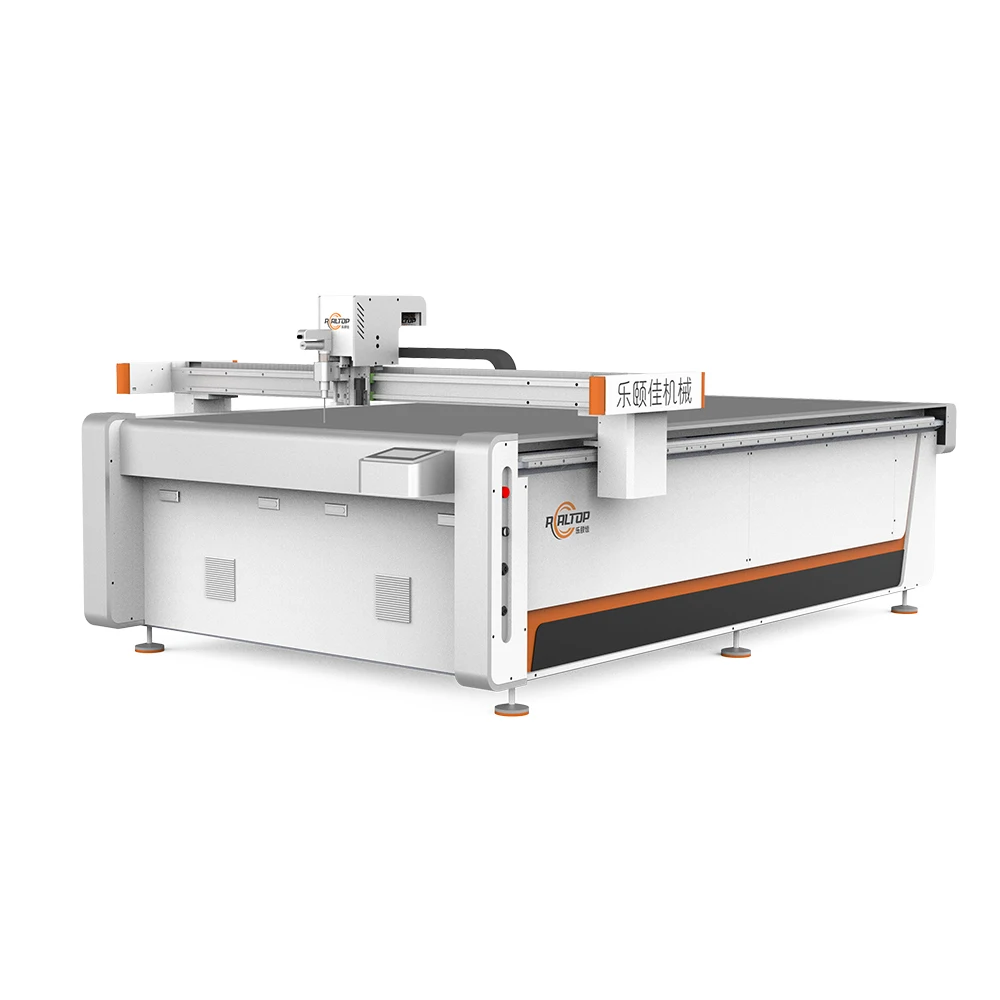
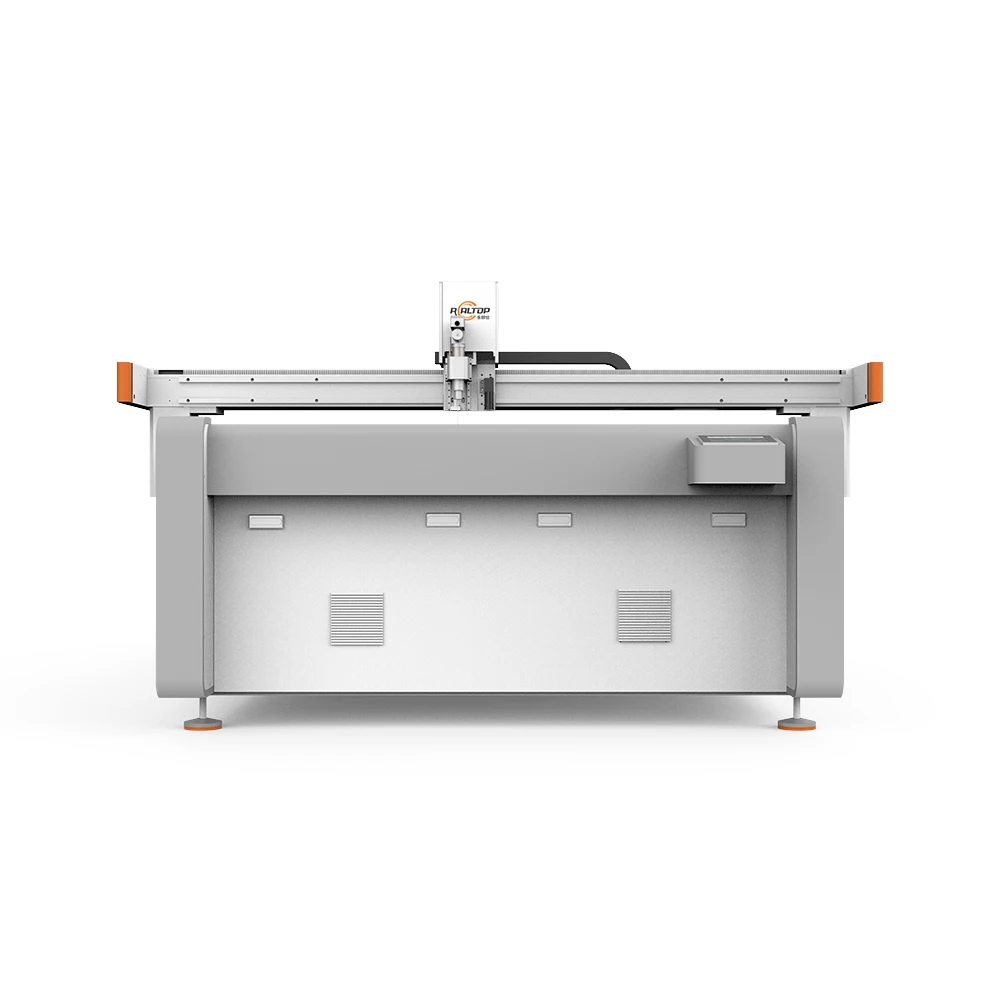
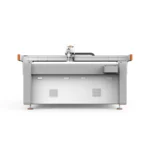
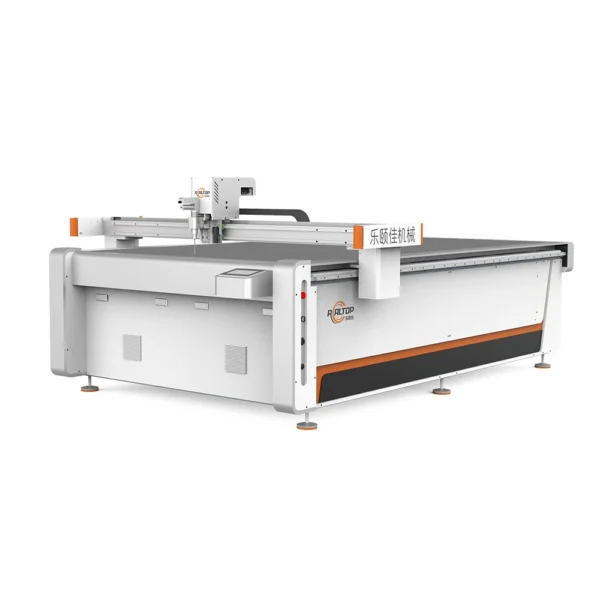
| Product Type | CNC Oscillating Knife Cutting Machine |
| Working Area | 1600 × 2500 mm |
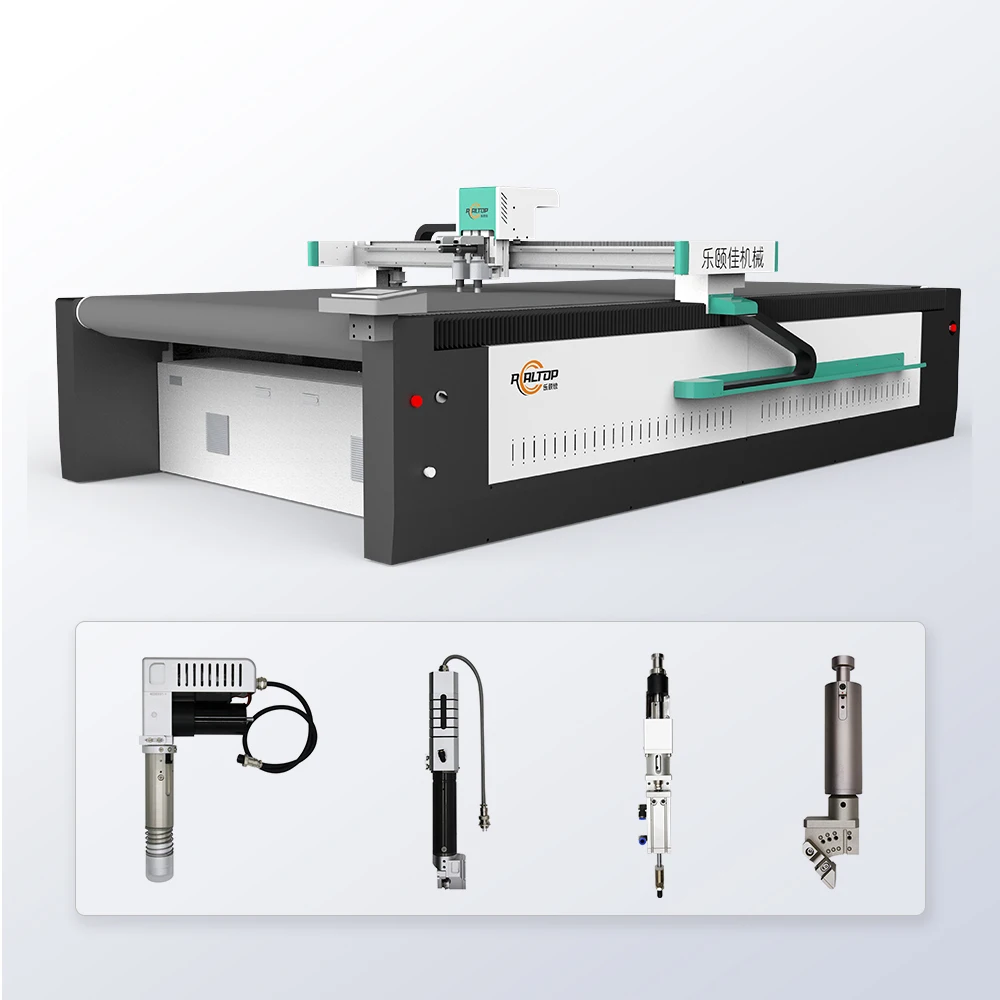
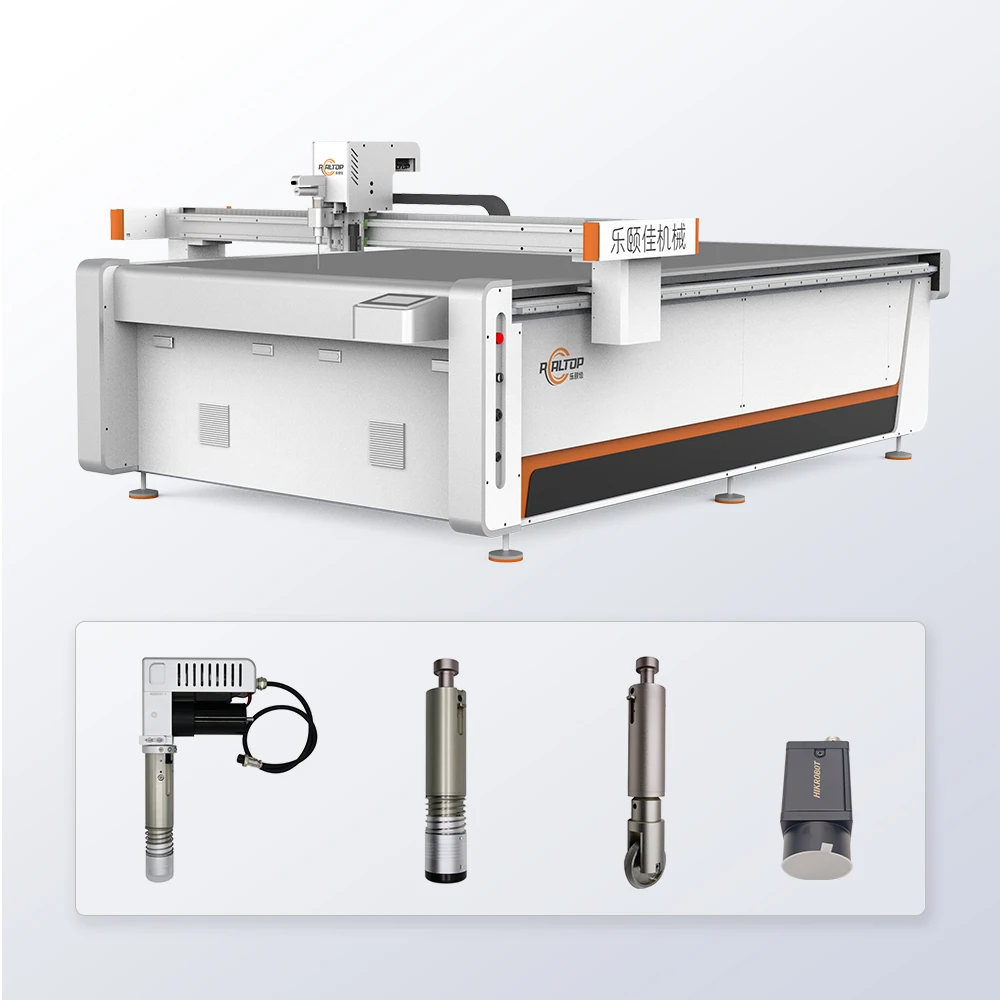
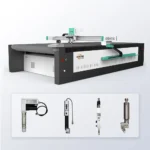
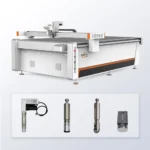
| Tool Head Options | Oscillating knife, Driven rotary knife, Creasing wheel, Kiss cutting tool, Pneumatic knife, Milling tool, V-groove knife |
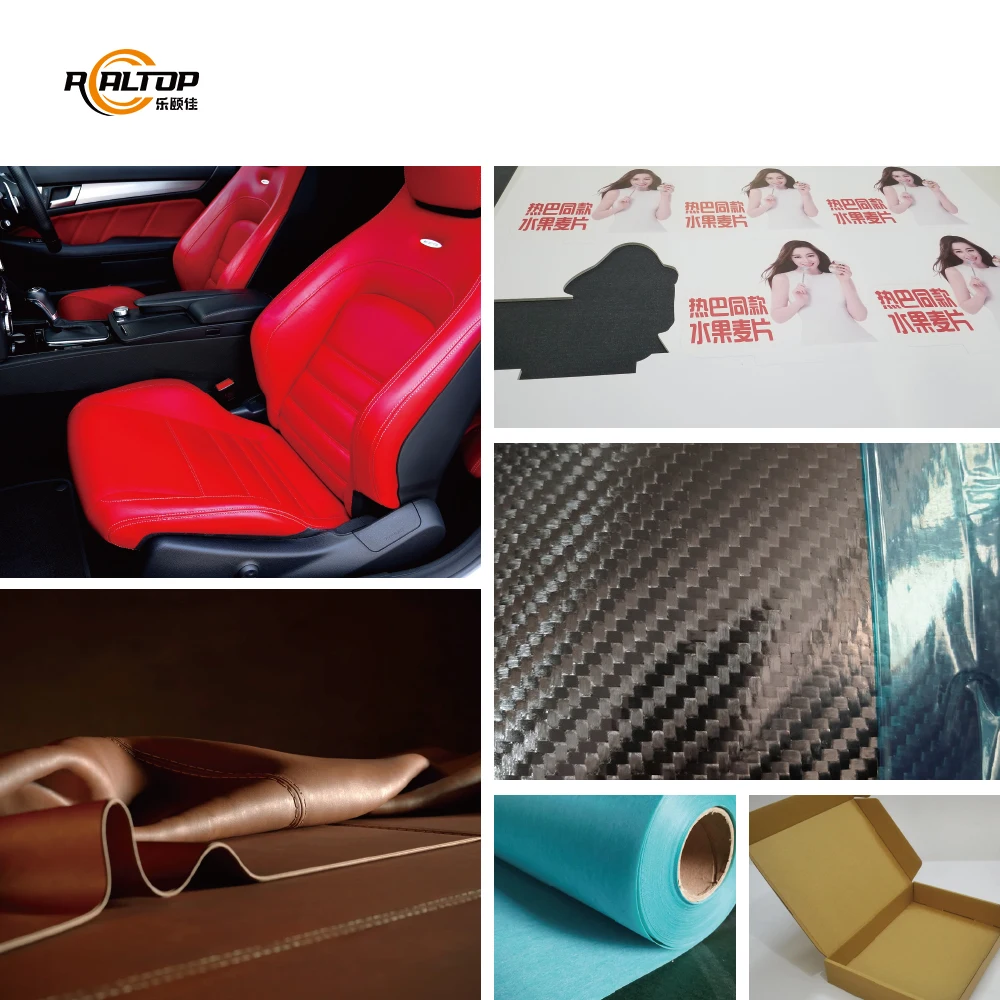
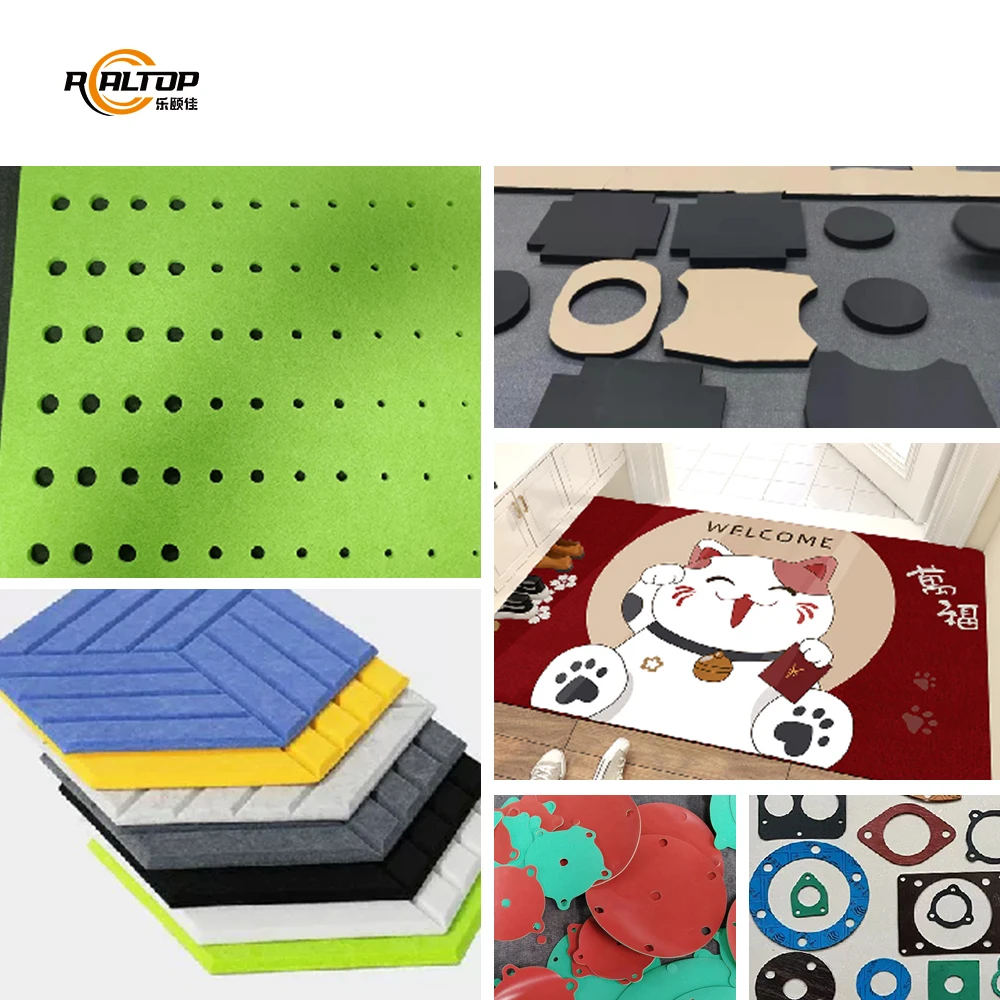
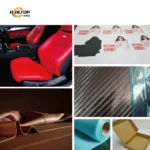
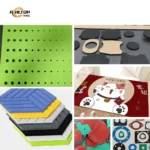
| Applicable Materials | Fabric, Cardboard, Carton, Mats, PVC, EVA, Leather, Acrylic, Foam, PTFE, Rubber |
| Cutting Speed | 0–2000 mm/s |
| Cutting Thickness | ≤ 30 mm (basis not stated in source — actual capacity depends on material density and tool head) |
| Cutting Accuracy | ±0.1 mm |
| Vacuum Pump Power | 9 kW |
| Voltage Options | 110V, 220V, 380V (configurable to destination market) |
| Supported File Formats | PLT, DXF, AI, PDF |
| Safety Devices | Infrared sensor device and emergency stop device |
| Machine Dimensions | 3300 × 2100 × 1350 mm |
| Control System | PLC control panel |
| Language Options | English, Russian, Italian, Chinese (special languages customizable) |
| Servo Motor Options | Panasonic, Delta, Dorna |
| Compliance | CE |
Application Suitability
| Application | Material or Output |
|---|---|
| Aerospace composite cutting | Carbon fiber prepreg, aramid honeycomb, fiberglass cloth |
| Automotive interior production | Multi-layer acoustic felt, carpet, headliner materials |
| Wind energy blade fabrication | Composite layup materials and core foams |
| Sporting goods manufacturing | Carbon fiber sheets, Kevlar panels, high-performance foam inserts |
| Advertising and signage | PVC film, vinyl, self-adhesive board, acrylic sheets |
| Gasket and seal fabrication | PTFE, rubber, compressed fiber, cork composites |
Why Working Area Alone Will Not Solve Your Cutting Problem
A machine specified only by table size often fails the moment it meets the buyer’s actual material thickness at production speed. The real question is whether the CNC oscillating knife cutting machine specifications match the density, compressibility, and abrasiveness of what you intend to process daily. A 1600 × 2500 mm bed tells you nothing about edge quality on 15 mm closed-cell foam. I once shipped a unit to a Latin American client cutting PVC advertising film — our factory sample ran perfectly, but the client’s film had a higher plasticizer content that overloaded the standard oscillating knife, producing hairy edges across every contour. We had to re-tune the entire parameter set on site before the machine became usable. That kind of material mismatch is invisible until the machine is running in your own shop [NEED_CITE: material variability in PVC film grades and plasticizer content].
How Tool Head Selection Defines Edge Quality
The oscillating knife head handles the majority of flexible and semi-rigid materials, vibrating at high frequency to shear through fabric, foam, and PVC film cleanly. But the moment your production includes cardboard creasing, gasket routing, or V-groove folding channels, a single knife head is not enough. This CNC oscillating knife cutting machine offers seven interchangeable tool heads — from driven rotary knives for continuous contour cutting of textiles to pneumatic knives for thicker, denser rubber sheets. The right choice depends on the material’s tear resistance and the geometry of the cut path, not on a generic recommendation.
Vacuum Zoning and What Happens When It Falls Short
A 9 kW vacuum pump provides the baseline suction, but the real issue is zoning. When you cut small gaskets or signage letters from a large sheet, the vacuum must hold those individual pieces flat even after the surrounding waste is removed. Aluminum bellows vacuum tables with multi-zone control address this by isolating suction to the active cutting area. Without proper zoning, lightweight PVC offcuts lift into the knife path, causing miscuts and potential blade damage. This is especially critical when running nested layouts where dozens of small parts sit close together [NEED_CITE: vacuum table zoning standards for CNC flatbed cutting].
Reading the Numbers That Actually Matter
Cutting accuracy of ±0.1 mm ensures that interlocking gasket profiles and printed contour cuts land within tolerance, which matters when downstream assembly depends on fit. The 0–2000 mm/s speed range is adjustable per material — running PVC film at the upper limit risks edge melt and knife drag, while carbon fiber prepreg demands slower, controlled passes to prevent delamination. PLC control with multi-language support means operators in different markets can run the interface without translation guesswork. The servo motor options — Panasonic, Delta, Dorna — each carry different torque and response characteristics that affect acceleration on tight corners. File format support for PLT, DXF, AI, and PDF avoids the common bottleneck of converting a designer’s artwork into a machine-readable toolpath before every job.
The Cost of Skipping the Sample Cut
When a buyer commits to a machine without testing their own material first, the consequences compound. A wrong tool head produces ragged edges that require secondary trimming, adding labor and scrap. Insufficient vacuum hold-down causes material shift mid-cut, turning an entire sheet into waste. A control panel in the wrong language delays operator training by weeks and increases the risk of parameter errors during setup. None of these failures appear on a quotation — they surface only after the machine is installed and the first real production run begins [NEED_CITE: CNC cutting machine commissioning failures related to material mismatch].
Why Sourcing From This Production Line Differs
Tool head and table configuration are specified per material type and production volume, not assigned from a default catalog page. Sample cutting on the buyer’s own material happens before order confirmation, producing a physical report that documents edge quality, cutting speed, and tool wear. Software compatibility is verified against the buyer’s existing nesting workflow and file formats, preventing import failures after installation. Voltage, plug type, and control language are confirmed before shipment, matching the destination workshop’s electrical standards. The in-house design team covers both knife and laser cutting methods, so the recommendation is driven by material suitability rather than forcing every application through one technology.
Documentation & Verification
- Machine specification sheet matched to your confirmed tool head and table configuration
- Electrical schematic with voltage and frequency verified for your destination market
- Sample cutting report produced on your own PVC, foam, or composite material
- Factory test record documenting cutting accuracy and speed across agreed parameters
- Software licence documentation with file format compatibility confirmed for PLT, DXF, AI, PDF
- Spare parts list with lead times for oscillating knife blades, vacuum seals, and servo components
Installation, Commissioning & Support
- Foundation must accommodate 3300 × 2100 × 1350 mm footprint with level tolerance for vacuum table flatness
- Dedicated electrical circuit required matching confirmed voltage option (110V, 220V, or 380V) and frequency
- Machine ships partially assembled; table frame and gantry require on-site alignment and belt tensioning
- First-run commissioning includes tool head calibration, vacuum zone mapping, and PLC parameter setup for your material
- Operator training covers nesting software workflow, tool change procedure, and daily blade inspection routine
- Scheduled maintenance intervals documented for vacuum pump filter replacement, servo motor lubrication, and belt tracking
What We Need to Specify Your Machine Correctly
To recommend the right tool head and vacuum configuration, we need your material type, thickness range, and typical sheet dimensions. Share your daily cutting volume and the file formats your design team currently uses so we can confirm software compatibility before quotation. Let us know your workshop voltage and preferred control language so these are locked in before production begins.
Frequently Asked Questions
Q: How do I verify the real cutting thickness for my specific composite or foam?
A: The ≤30 mm figure is a general range; actual capacity depends on material density, fiber content, and the tool head selected. We run a sample cut on your exact material to confirm achievable thickness, edge quality, and cutting speed before any order commitment.
Q: Which tool head should I use — oscillating knife, drag knife, or creasing wheel?
A: Oscillating knives suit flexible and semi-rigid materials like foam, fabric, and PVC film. Drag knives work for thin vinyl and adhesive sheets. Creasing wheels score cardboard and carton without cutting through. The correct choice depends on your material stack and cut geometry.
Q: Will small parts lift off the table during high-speed cutting?
A: That depends on vacuum zoning. The 9 kW pump provides strong baseline suction, but small signage letters or gasket pieces require isolated zones to stay flat after surrounding waste is cleared. We configure the zone layout based on your typical nesting pattern.
Q: What needs to be confirmed about voltage and control language before shipment?
A: Your workshop voltage (110V, 220V, or 380V), frequency, and plug type must be specified so the electrical system is built correctly. The PLC control panel language — English, Russian, Italian, Chinese, or a custom option — is set before factory testing to avoid on-site reconfiguration delays.
Q: Can the software import my existing DXF or PLT nesting files?
A: The system supports PLT, DXF, AI, and PDF imports. We verify compatibility with your specific file versions and nesting workflow during the pre-order stage, ensuring your design-to-cut pipeline runs without manual conversion steps after installation.


商品评价
Clear filtersThere are no reviews yet.