


Fast Shipping
Carrier information

20k products
Payment methods

24/7 Support
Unlimited help desk

2-day Delivery
Track or off orders
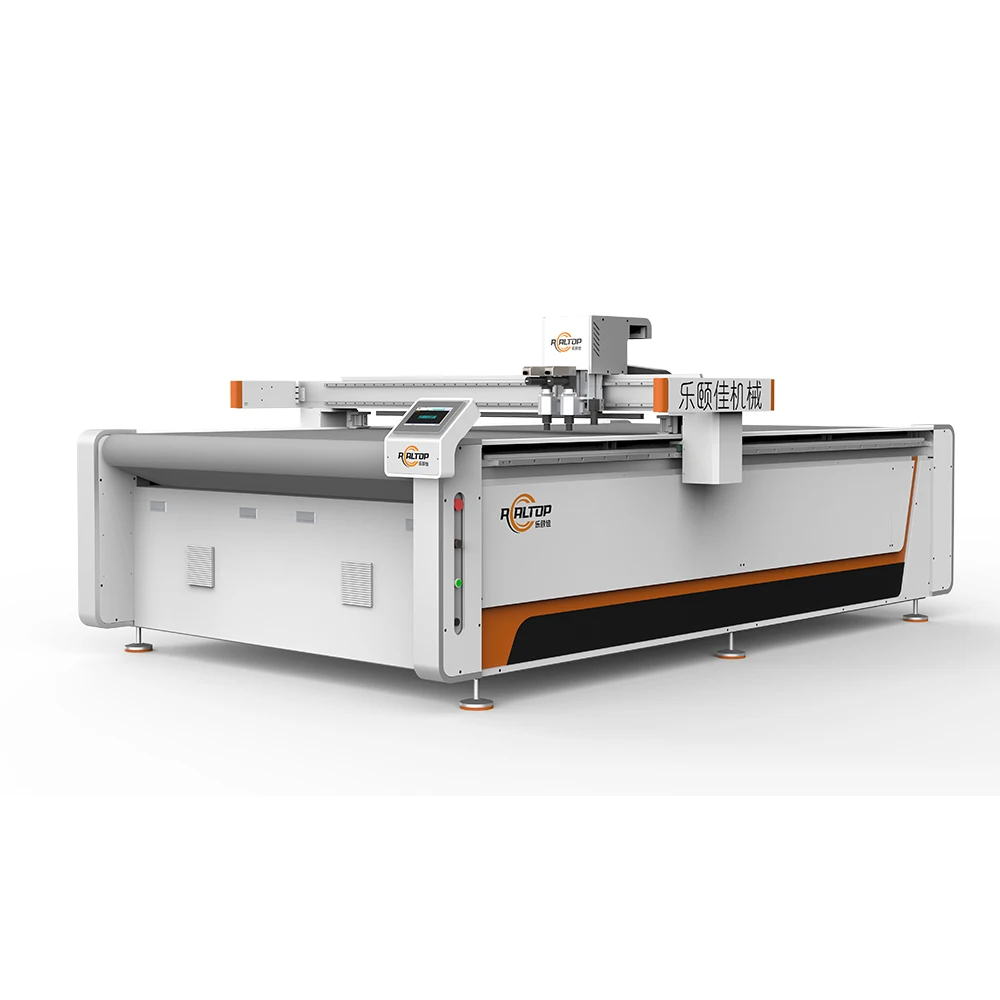
Knife-to-Material Match — every tool head, vacuum zone and cutting parameter on this CNC oscillating knife cutting table is specified against your actual corrugated ply count and board thickness, not quoted from a generic catalogue.
Technical Specifications
| Parameter | Value |
|---|---|
| Product Type | Packaging CNC Cutting Machine |
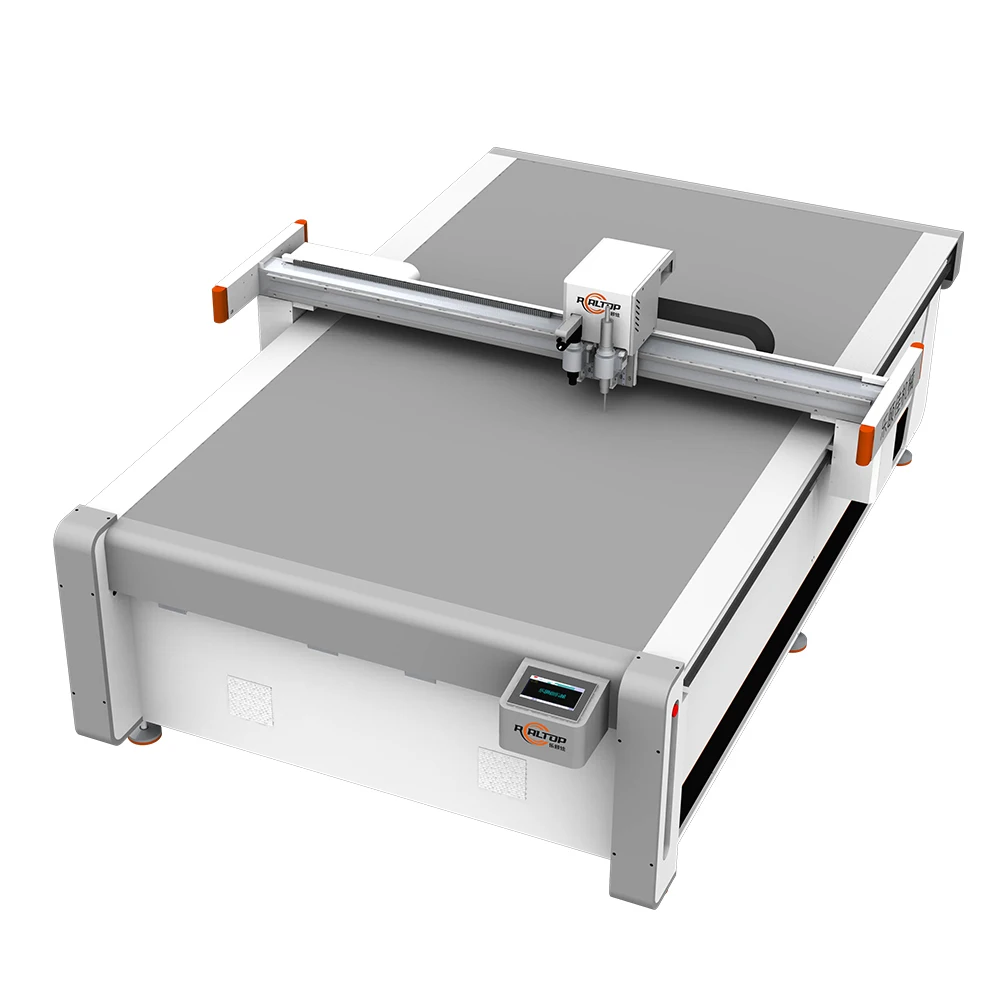
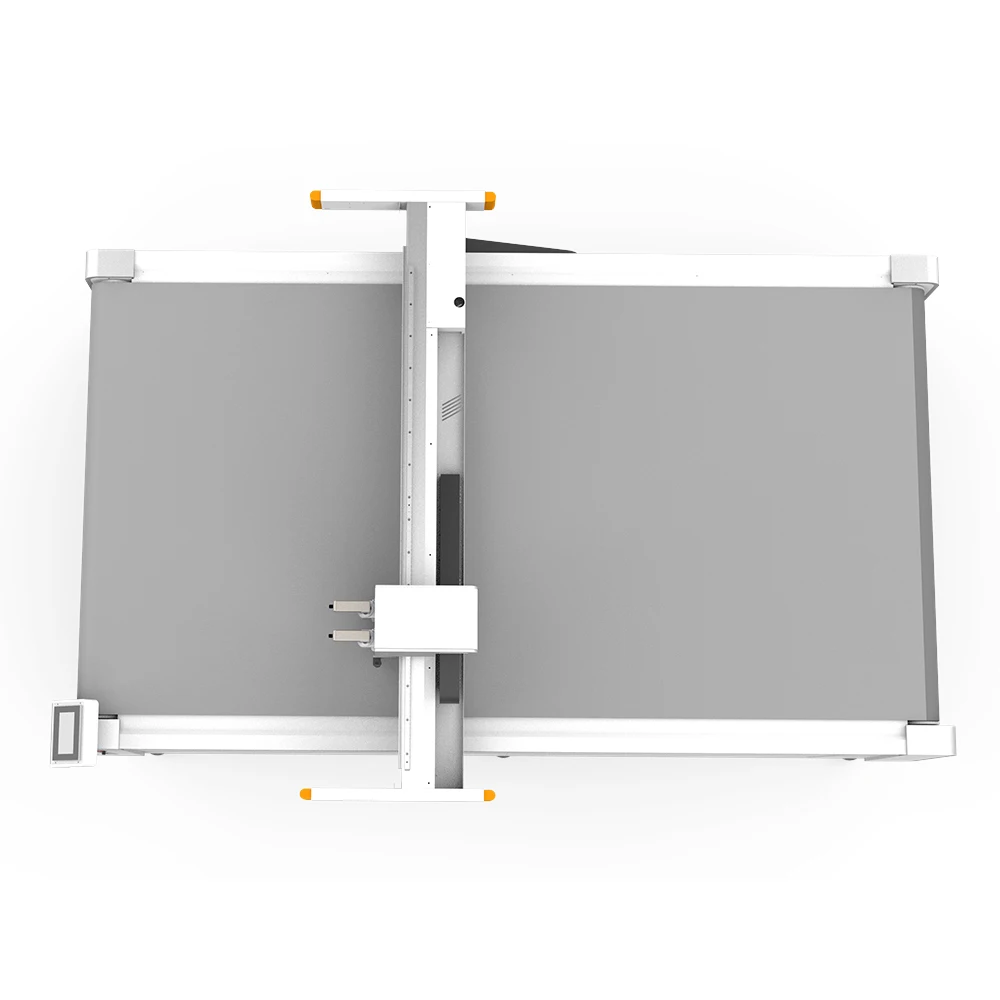
| Cutting Area | 1600 × 2500 mm |
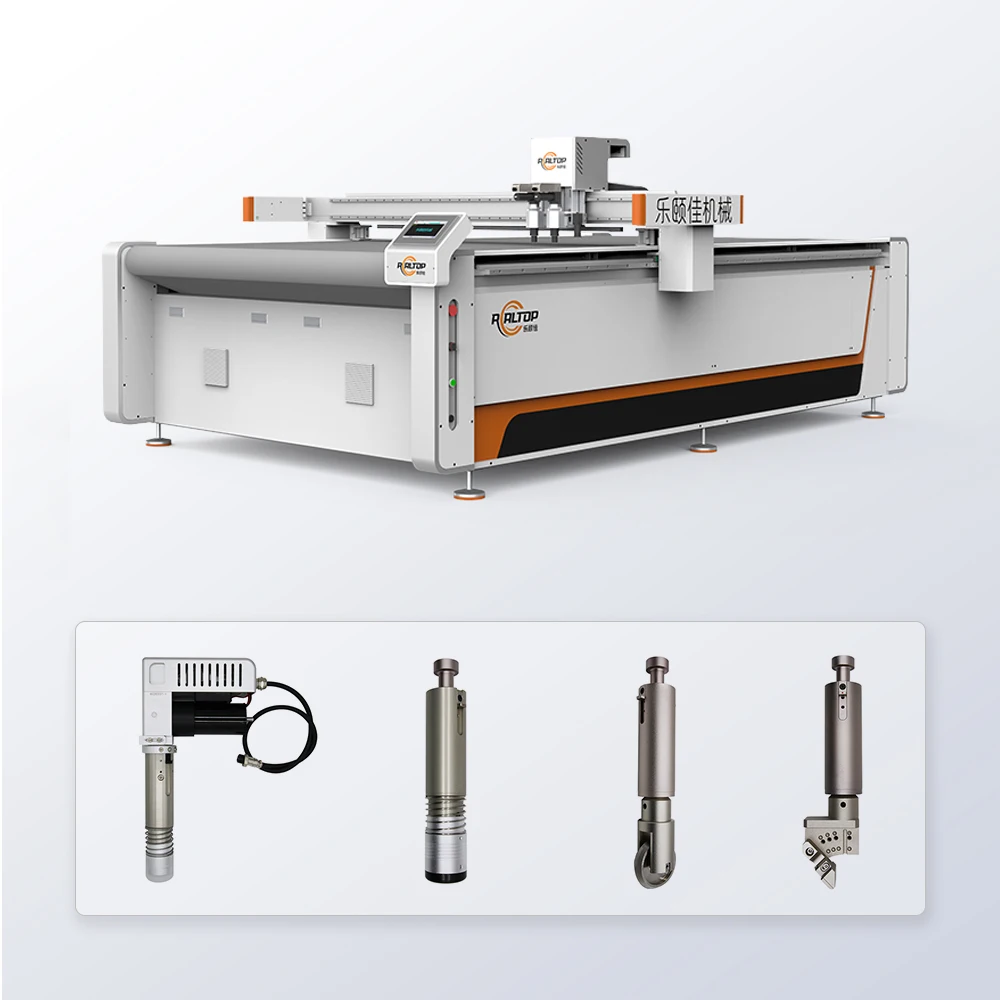
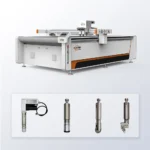
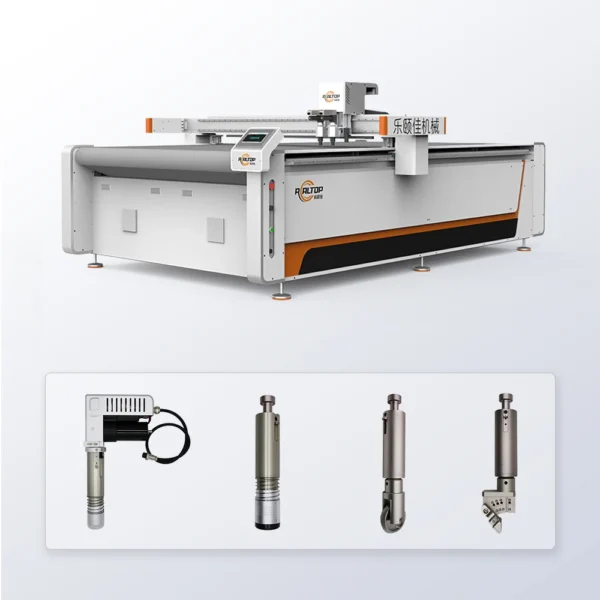
| Tool Options | Oscillating knife, driven rotary knife, creasing wheel, kiss cutting tool, pneumatic knife, milling tool, V groove knife |
| Cutting Thickness | Up to 40 mm |
| Cutting Speed Range | 0 – 1500 mm/s |
| Positioning Accuracy | ±0.1 mm |
| Vacuum System | 9 kW pump with aluminum bellows vacuum table |
| Control System | PLC panel with dedicated packaging box structure design software |
| File Formats Accepted | PLT, DXF, AI, PDF |
| Voltage Options | 110 V / 220 V / 380 V configurable |
| Servo Motor Options | Panasonic, Delta or Dorna |
| Safety Devices | Infrared sensor and emergency stop |
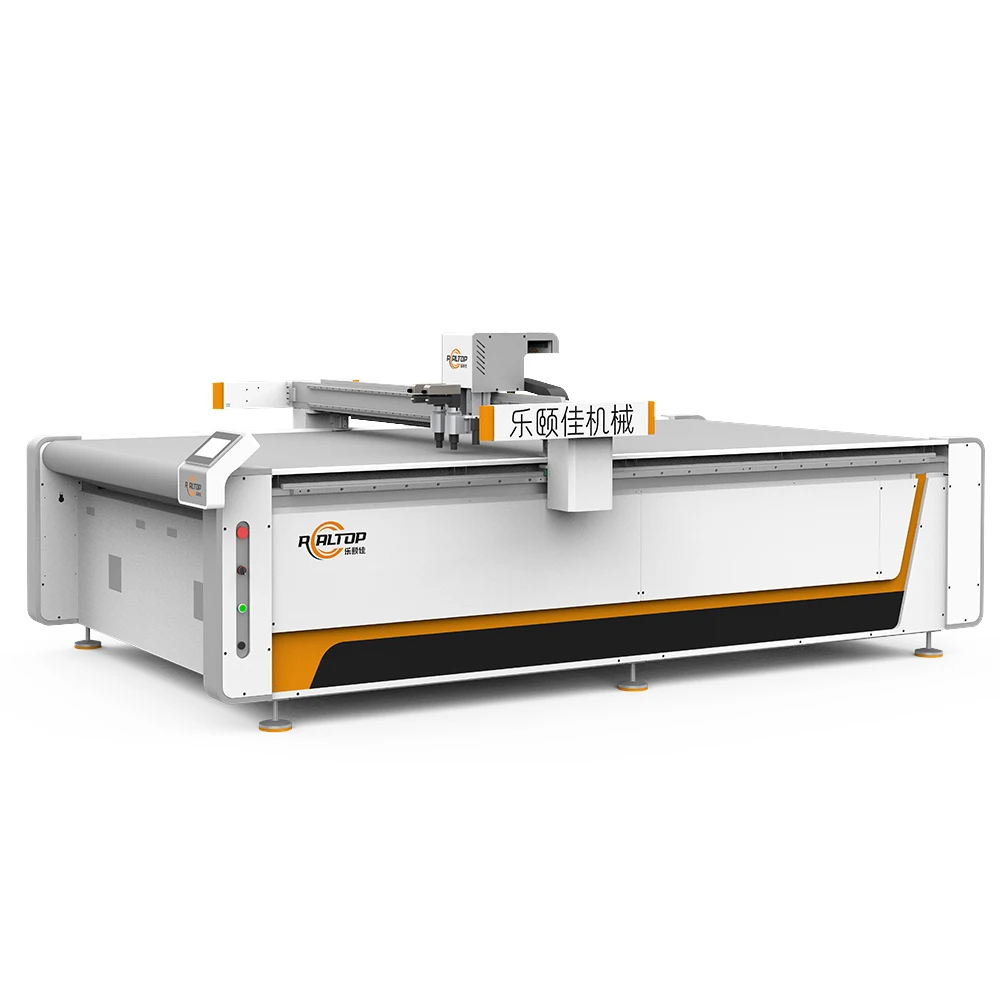
| Machine Dimensions | 3300 × 2100 × 1350 mm |
| Language Options | English, Russian, Italian, Chinese; custom languages on request |
| Assembly State | Fully assembled before dispatch |
| Compliance | CE |
Application Suitability
| Application | Material or Output |
|---|---|
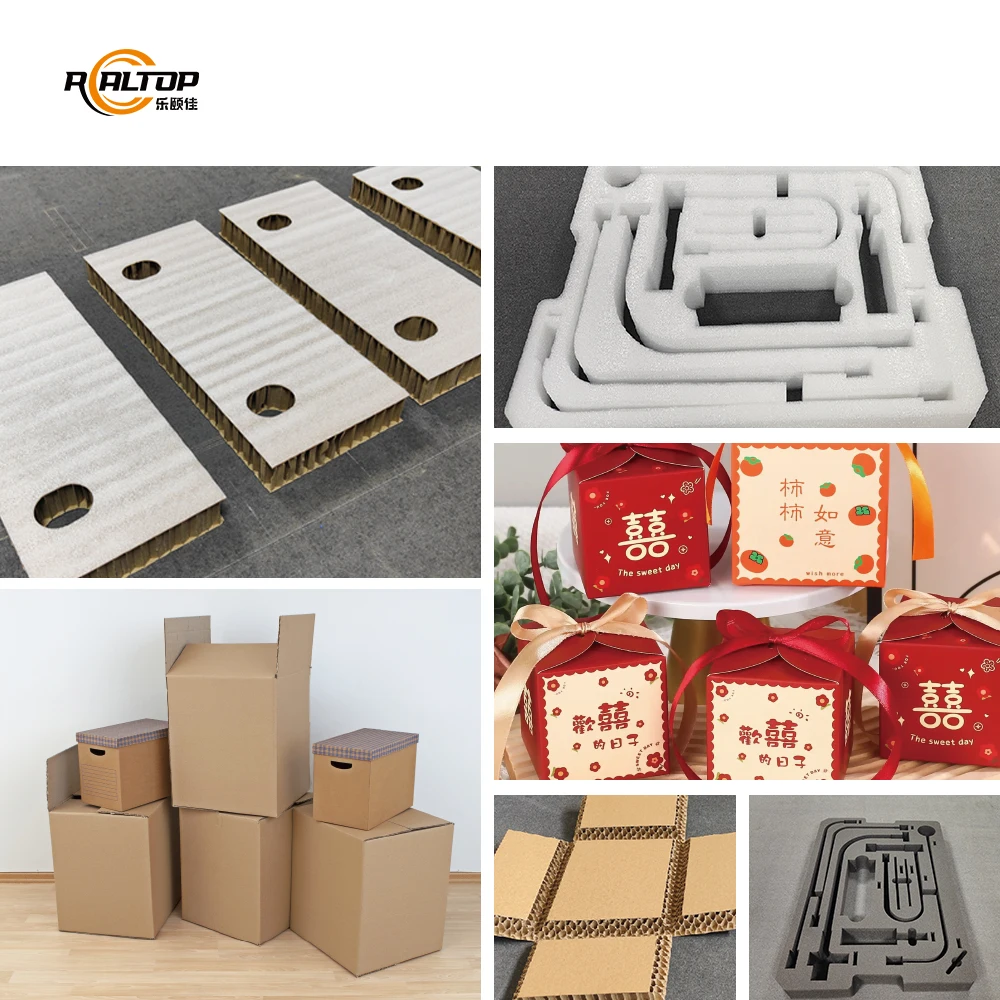
| Corrugated box prototyping and short-run production | E-flute, B-flute, BC-flute corrugated board with simultaneous creasing and through-cut |
| Carton sample making without physical dies | Greyboard, cardstock, art paper, specialty paper up to 40 mm |
| Protective foam insert fabrication | EVA, EPE, PU foam with cold-cut edges free of crushing |
| Gasket and seal production for packaging lines | Rubber mats, PTFE, adhesive-backed composites |
| Interior packaging component cutting | Velvet, fleece, non-woven fabric, thin PVC and PET sheets |
Why Specifying Working Area Alone Wrecks Your First Corrugated Run
The cutting area tells you nothing about whether a tool head can push through five-ply BC-flute at production speed without tearing the top liner.
I have watched a machine with a generous 1600 × 2500 mm bed stall halfway through an E-flute sample because the oscillating knife frequency and downward pressure were never matched to that flute profile. The edges came out compressed rather than sheared, and the creasing wheel left fold lines that cracked on the second bend. These problems surface only when the board is on the table and the job clock is running. Selecting the right CNC oscillating knife cutting table specifications means starting from the material stack-up, not the floor space [NEED_CITE: typical corrugated flute profiles and crush resistance values].
Tool Head Selection by Flute Profile and Board Construction
Each tool option on this table addresses a distinct packaging operation. The oscillating knife handles through-cuts on single and double-wall corrugated board. The creasing wheel produces fold lines without fracturing the outer liner. For rigid greyboard above 2 mm, the V groove knife scores a clean channel before the pneumatic knife completes the cut. Swapping heads takes minutes, so one machine covers both a carton sample run in the morning and an EVA foam insert job in the afternoon.
Vacuum Zoning and Small-Part Hold-Down
The 9 kW pump feeds an aluminum bellows vacuum table that divides the bed into addressable zones. When cutting small partition inserts or retail display fittings, activating only the zone under the workpiece prevents air bleed at the edges and keeps the board flat against the table. This matters most on lightweight E-flute and art paper, where even slight lift produces dimensional drift beyond the ±0.1 mm accuracy window [NEED_CITE: vacuum hold-down principles for thin-sheet digital cutting].
What the Parameters Actually Mean on the Shop Floor
The 0–1500 mm/s speed range is a ceiling, not a recommendation. In practice, cutting three-ply B-flute corrugated board typically runs well below that maximum to maintain the ±0.1 mm tolerance and avoid delaminating the fluted core. The PLC control panel stores separate parameter sets for each board grade, so an operator switching from 40 mm EVA foam to 1.5 mm cardstock recalls a saved profile rather than re-entering oscillation frequency, knife depth and feed rate from scratch. File import via DXF, AI or PDF means the packaging designer’s output travels straight to the machine without an intermediate conversion step that could distort tab-lock geometries.
The Hidden Cost of Skipping a Material-Specific Test
Sending generic greyboard samples while your daily production runs on high-density E-flute is a recipe for a machine that cuts the showroom sample perfectly but tears the real stock. Knife pressure, oscillation amplitude and vacuum zone mapping all shift when the flute geometry changes. I once spent two weeks on a shop floor re-tuning a machine that had been validated on standard B-flute, because the customer’s actual board was a coated, high-density E-flute that demanded more downward force and a different blade angle. Running your own material on the table before the purchase order is signed collapses that risk [NEED_CITE: material variability in corrugated packaging production].
Why Source This Table From REALTOP
In-house design covers both knife cutting and table engineering, so the tool head recommendation comes from the same team that built the vacuum zoning logic. Every configuration ships with a sample cutting report run on the buyer’s own board grade, not a generic certificate. Software licensing and file format compatibility are confirmed in writing before production starts, eliminating post-delivery surprises when a DXF import drops tab-lock slots. Voltage, plug type and control language are locked to the destination market during the specification phase. The dedicated packaging box structure design software sits on the PLC panel, so operators do not need a separate CAD workstation to adjust crease depth or tab position.
Documentation & Verification
- Machine specification sheet listing every tool head and vacuum zone included in your build
- Electrical schematic with voltage and plug type confirmed for your local grid
- Sample cutting report produced on your corrugated board before shipment approval
- Software licence and file format compatibility note covering DXF, AI, PDF and PLT
- Factory test record documenting positioning accuracy and crease depth on your material
- Spare parts list with oscillator blade, creasing wheel and vacuum seal replacements
Installation, Commissioning & Support
- Requires a level concrete floor capable of supporting the 3300 × 2100 mm footprint and 9 kW pump vibration
- Dedicated electrical circuit matching the confirmed 110 V, 220 V or 380 V supply with appropriate breaker rating
- Machine arrives fully assembled; only power connection, vacuum hose and software activation remain on site
- First-run parameter tuning conducted on your packaging board to establish saved profiles in the PLC
- Operator training covers tool head swaps, vacuum zone selection and file import from your existing CAD workflow
- Consumable blade and creasing wheel replacement intervals documented in the operation manual
Before You Request a Quote
Send the exact corrugated flute type, board thickness and ply count you run most often, along with a typical DXF or AI file of a box pattern you produce. Specify your local voltage and frequency, the control language your operators need, and whether you want sample cutting on your own material before the order is confirmed. If your workflow includes upstream printing or downstream gluing, mention those steps so the software compatibility note covers the full chain.
Frequently Asked Questions
Q: How do I select the correct tool head for my corrugated board ply count?
A: Share your thickest regular board and flute profile. We match the oscillating knife amplitude and blade angle for through-cuts, add a creasing wheel for fold lines, and include a V groove knife if you also process rigid greyboard. The selection is recorded in your configuration list before production begins.
Q: Will the vacuum table hold small carton parts flat during cutting?
A: The aluminum bellows table divides into addressable zones fed by a 9 kW pump. Activating only the zone under the workpiece concentrates suction and prevents edge lift on lightweight E-flute and art paper, keeping dimensional drift within the ±0.1 mm accuracy specification.
Q: Can the software import my existing DXF and AI packaging files directly?
A: The dedicated packaging design software on the PLC panel accepts PLT, DXF, AI and PDF formats. File format compatibility is confirmed in writing before the order proceeds, so your current tab-lock and crease-line geometry arrives on the machine intact.
Q: What voltage and control language will the machine carry on arrival?
A: Voltage is configurable to 110 V, 220 V or 380 V and locked to your local grid before shipment. Control language options include English, Russian, Italian and Chinese, with custom languages available. Both are recorded in the electrical schematic and specification sheet.
Q: May I send my own corrugated board for a sample cutting test?
A: Yes. We cut your actual board grade, measure edge quality and crease depth, and issue a sample cutting report before you commit. This step catches density or coating differences that generic test stock would miss.


商品评价
Clear filtersThere are no reviews yet.