

Fast Shipping
Carrier information

20k products
Payment methods

24/7 Support
Unlimited help desk

2-day Delivery
Track or off orders
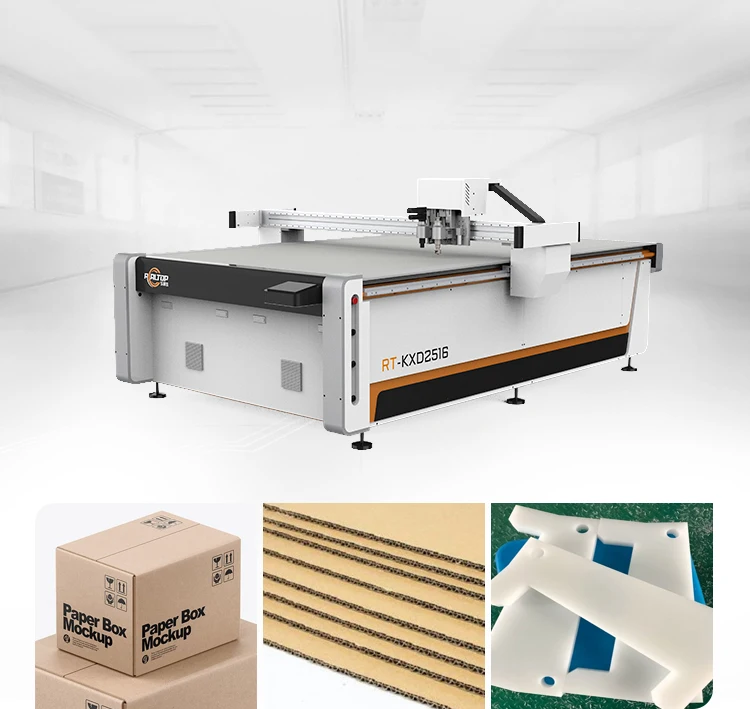
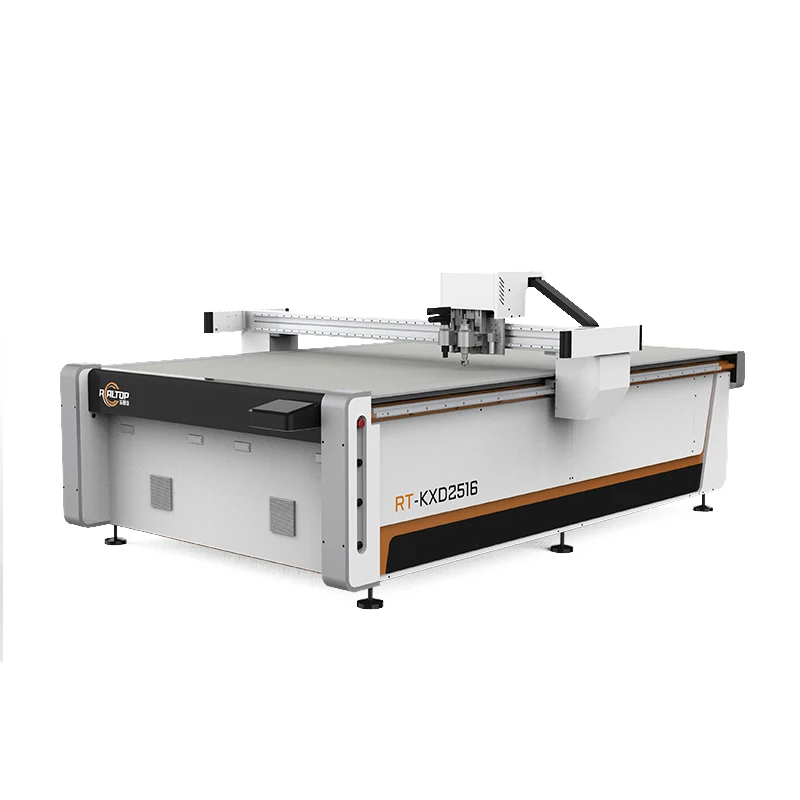
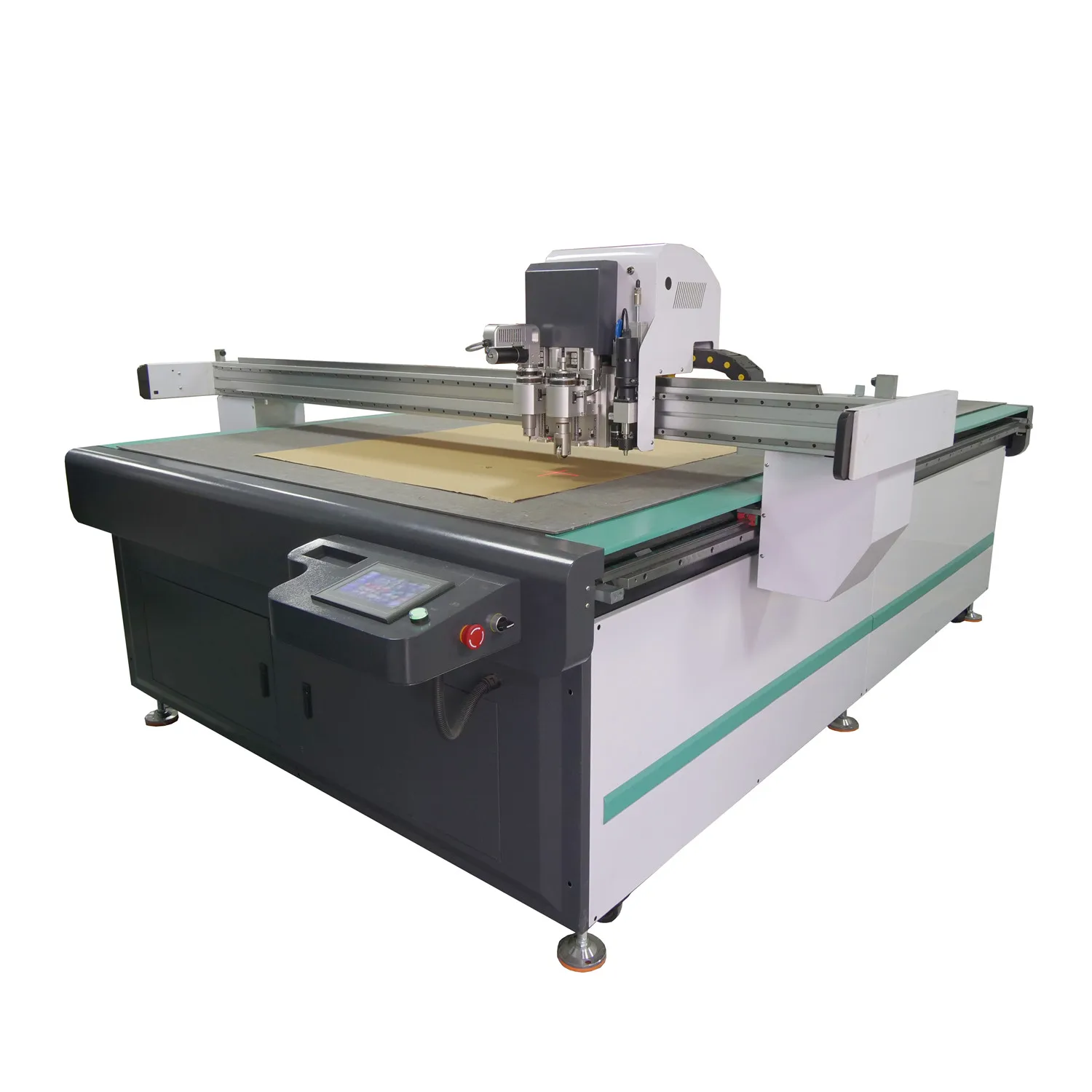
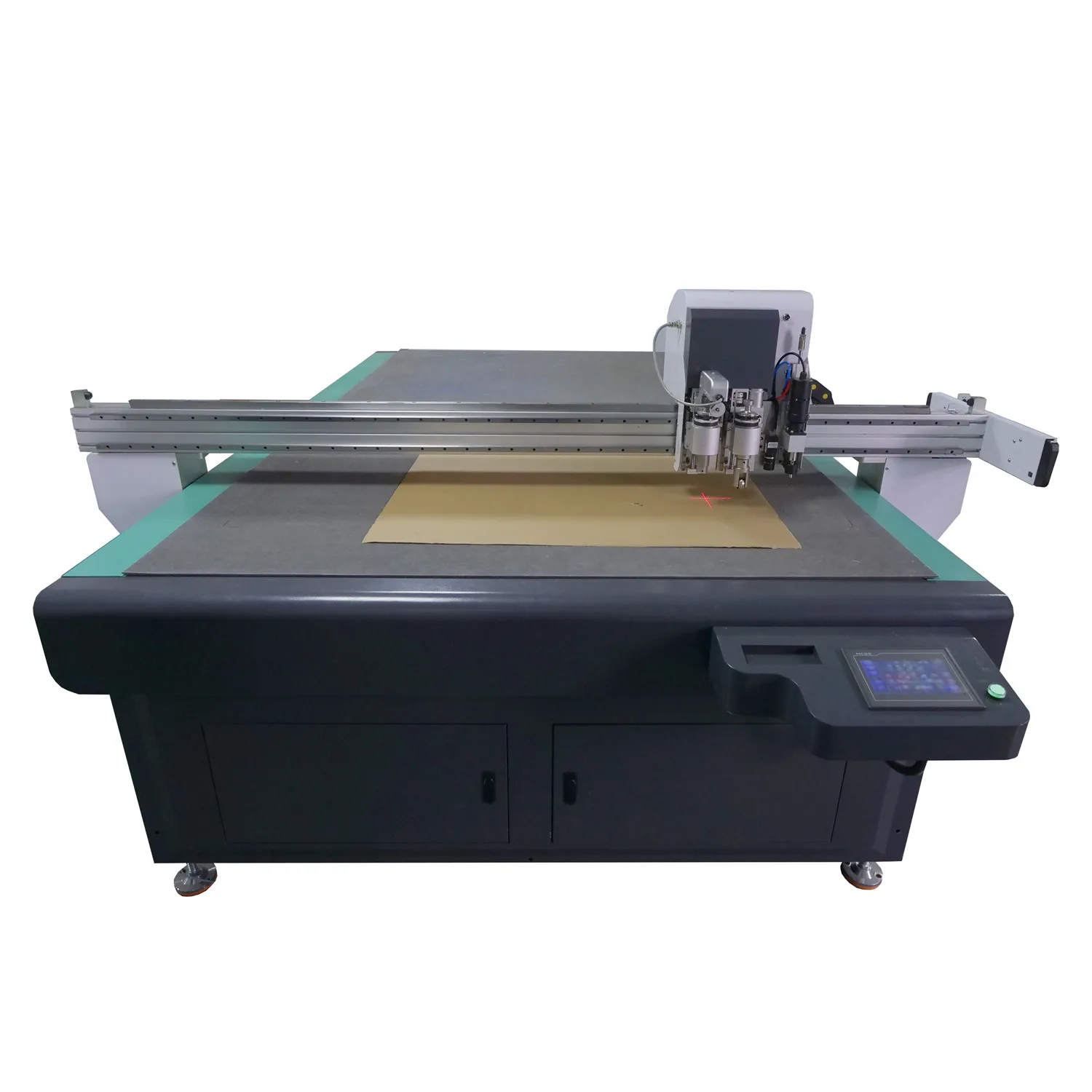
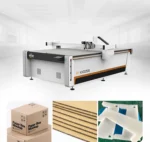
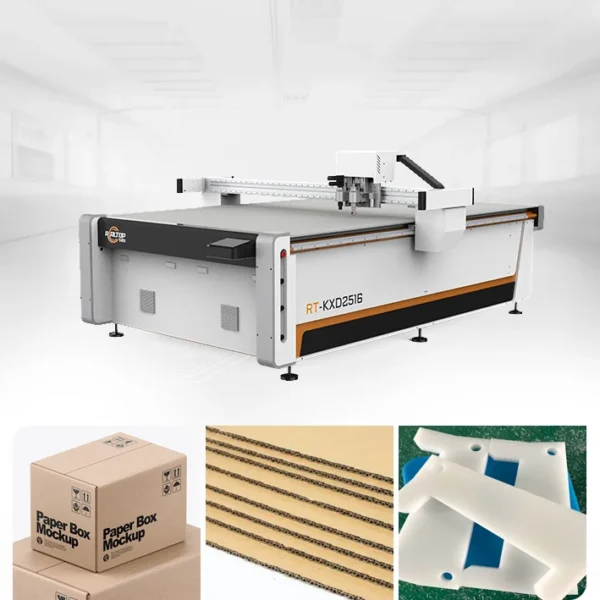
Matched Tooling — The RT-D2516/RT-S2516 CNC oscillating knife cutting machine pairs each tool head to your exact corrugated grade and flute profile, so you are not forcing one blade through double-wall honeycomb and single-face liner alike.
Technical Specifications
| Parameter | Value |
|---|---|
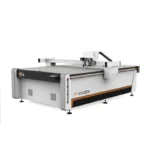
| Model | RT-D2516/RT-S2516 |
| Working Area | 1600×2500 mm |
| Overall Dimensions (L×W×H) | 3450×2300×1250 mm |
| Rated Power | 9 kW |
| Voltage | 380V±10% |
| Transmission System | Digital servo motor, linear guide, synchronous belt, ball screw |
| Servo Motor Options | Delta or Panasonic (IP67, waterproof) |
| Instruction System | HP-GL compatible format |
| Repeated Accuracy | ≤0.1 mm |
| Translational Velocity | 800–2000 mm/s |
| Cutting Speed | 200–800 mm/s (material dependent) |
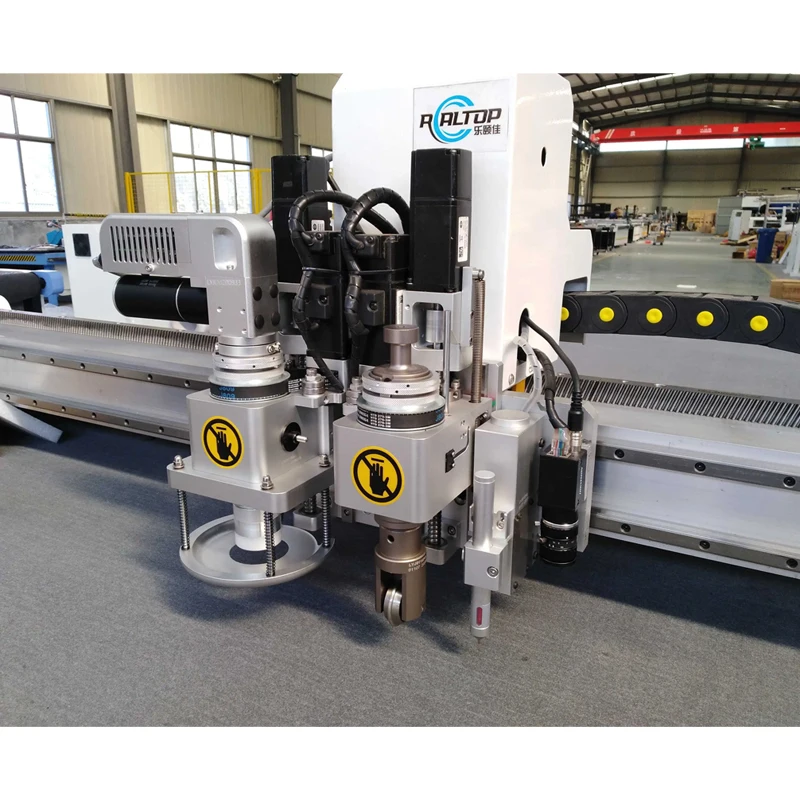
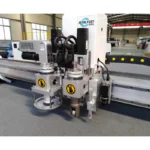
| Tool Head Options | Oscillating knife, pneumatic knife, high-power vibrating knife, circular knife, V cutting knife, drag knife, creasing wheel, dotted line knife, punching, brush |
| Visual Positioning Options | Small CCD camera mark point positioning, panoramic camera recognition, projection positioning |
| Vacuum Table | Magnesium-aluminum alloy, PVDF powder spraying, anodic and hard oxidation |
| Vacuum Pump | 7.5 kW, integrated aviation aluminum shell with built-in silencer |
| Safety Devices | Infrared induction blocking, anti-collision, emergency stop |
| Table Type Options | Flat working table, auto feeding table |
| Software | Automatic typesetting, supports PLT, DXF, AI formats |
| Control Panel | Touch screen, multi-language support (English, Russian, Italian, Chinese, customizable) |
Application Suitability
| Application | Material or Output |
|---|---|
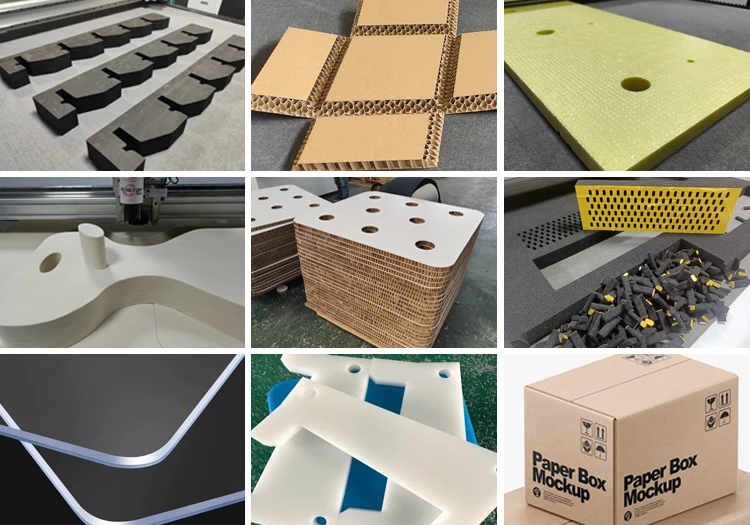
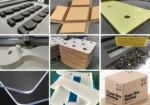
| Packaging sample making | Corrugated cardboard (single, double, triple wall), honeycomb board |
| Carton and box prototyping | Greyboard, folding carton stock, fiberboard up to heavy-weight liner |
| Slot milling and V-grooving | Corrugated honeycomb cardboard, foam board, composite panels |
| Graphic and signage production | PVC foam board, sticker film, vinyl, printed corrugated sheets |
| Gasket and seal fabrication | Rubber sheet, PTFE, ETFE, non-woven fabric, composite gasket material |
| Soft furnishing and automotive interior cutting | Leather, PU, EVA, XPE, carpet, sponge, textile |
What "Working Area Alone" Leaves Out When Specifying a CNC Oscillating Knife Cutting Machine
A 1600×2500 mm bed only tells you the sheet fits — not whether the tool head, vacuum zoning, or blade stroke can handle the flute profile you actually run.
I have watched buyers sign off on a flatbed based purely on table dimensions, then discover on the first production day that the entry-level oscillating knife cannot penetrate double-wall honeycomb at full speed without crushing the top liner. The machine physically holds the sheet, but the cutting edge deforms the flute rather than shearing it clean. That mismatch rarely shows up in a showroom demo on single-face stock [NEED_CITE: typical corrugated flute profiles and crush resistance ratings].
Tool Head Selection by Flute Profile and Board Density
Matching the blade to the board is the single largest variable in edge quality. The RT-D2516/RT-S2516 supports an oscillating knife for standard single and double-wall corrugated, a V cutting knife for slot milling and fold-line routing on honeycomb panels, and a creasing wheel for score lines on folding carton stock. Each head mounts on the same carriage, so a packaging sample maker can switch between full-cut, half-cut, and crease in one setup without re-fixturing the sheet.
Vacuum Zoning and Small-Part Hold-Down
The magnesium-aluminum alloy table with PVDF coating provides a flat, corrosion-resistant sealing surface. More importantly, the 7.5 kW vacuum pump with integrated silencer delivers consistent suction across segmented zones. When cutting nested small cartons or intricate gasket profiles, zoning keeps vacuum concentrated under the active cutting area so individual parts do not lift off the bed mid-pass — a problem that becomes visible only once production speed increases beyond sample-making pace [NEED_CITE: vacuum adsorption requirements for small-part CNC cutting].
Translational Speed, Servo Response, and Edge Fidelity
The servo-driven transmission with linear guides and ball screws reaches translational velocities up to 2000 mm/s, but the practical cutting speed on corrugated honeycomb cardboard typically sits between 200 and 800 mm/s depending on board thickness and flute density. The IP67-rated Delta or Panasonic servo motors maintain positional accuracy at ≤0.1 mm repeatability, which matters when a V-groove must land within a fraction of a millimeter on a pre-printed fold line. Higher translational velocity is useful for rapid repositioning between cut paths rather than for the cutting stroke itself.
The Hidden Cost of Underspecifying the Configuration
Choosing an entry-level spindle or single-purpose tool head for a board grade above the quoted sample creates problems that surface weeks into production. Bearing noise develops when the oscillating mechanism is overloaded on triple-wall honeycomb. Ragged edges accumulate on cut stacks, triggering quality rejections from the packaging buyer’s customer. CCD contour tracking — specified for printed mark registration — fails to keep pace if the camera resolution and processing speed were matched to slower sample-making volumes rather than batch runs [NEED_CITE: production-speed CCD contour tracking requirements].
Why This Configuration Approach Works for Packaging and Corrugated Processing
In-house design across both knife and tool head mechanics means the oscillating stroke, blade angle, and vacuum zoning are specified together against your material, not pulled from a standard catalog page. Sample cutting on your own corrugated grade and honeycomb board confirms edge quality and cutting speed before the order is locked. Electrical schematics and voltage confirmation are matched to your facility supply at 380V±10% or a customized range, and software file format compatibility — PLT, DXF, AI, HP-GL — is verified against your existing CAD or nesting workflow before shipment. The control panel supports multiple languages and can be customized for special language requirements at the point of order.
Documentation & Verification
- Machine specification sheet listing every tool head and table option shipped
- Electrical schematic with confirmed voltage and frequency for your site supply
- Sample cutting report on your corrugated or honeycomb material before order sign-off
- Tool head and configuration list matched to each material grade you run
- Software licence and file format compatibility note for your nesting workflow
- Factory test record documenting repeatability and cutting quality at rated speed
Installation, Commissioning & Support
- Floor loading assessment for the 3450×2300×1250 mm footprint and 7.5 kW vacuum pump placement
- Dedicated 380V±10% circuit with correct breaker rating for the 9 kW total rated power draw
- Servo motor parameter tuning and IP67 seal inspection during on-site commissioning
- Tool head calibration for oscillating knife, V cutting knife, and creasing wheel on your board stock
- Touch screen language setup and operator training on automatic typesetting software
- Spare blade and oscillating knife consumable list matched to your production material mix
What to Share Before Requesting a Quotation
Send the specific corrugated flute profile or honeycomb board grade you cut most often, along with the maximum thickness and daily sheet volume. Confirm your facility voltage, frequency, and the CAD file formats your design team currently uses. If you run printed contour work, note the mark type and whether production speed or sample speed is the relevant benchmark for your operation.
Frequently Asked Questions
Q: How do I match the tool head to my corrugated board thickness and edge quality requirement?
A: Single and double-wall corrugated typically runs on the standard oscillating knife, while triple-wall and honeycomb board benefit from the high-power vibrating knife to maintain shear force through the full depth. V cutting knives handle slot milling and fold routing. We run a sample cut on your actual board grade to confirm the right head before finalizing the configuration.
Q: What printed mark formats does the CCD contour recognition track, and at what speed?
A: The small CCD camera handles mark-point positioning for standard printed registration marks, while the panoramic camera option covers larger printed contours across the full sheet. Tracking reliability at production speed depends on mark contrast and print quality, which we validate on your printed stock during the sample cutting stage.
Q: How does vacuum table zoning prevent small parts from lifting during cutting?
A: The segmented vacuum zones concentrate suction under the active cutting area rather than spreading it across the entire bed. This keeps small nested cartons and gasket profiles held flat even after surrounding waste is released, reducing part shift that would otherwise require a slower cutting pass.
Q: Are voltage, plug type, and control panel language confirmed before shipment?
A: Yes. The electrical schematic and voltage confirmation are matched to your site supply — standard 380V±10% or a customized range. Plug type and the touch screen language are specified at order, with special languages customizable beyond the standard English, Russian, Italian, and Chinese options.
Q: Will the software accept my existing CAD files and nesting workflow?
A: The automatic typesetting software supports PLT, DXF, and AI file formats, and the instruction system is HP-GL compatible. We confirm file import and nesting compatibility against your current design software before the order is placed, so there is no workflow gap on delivery.


商品评价
Clear filtersThere are no reviews yet.