


Fast Shipping
Carrier information

20k products
Payment methods

24/7 Support
Unlimited help desk

2-day Delivery
Track or off orders
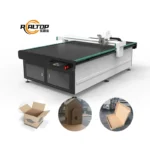
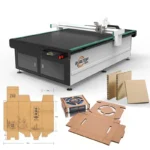
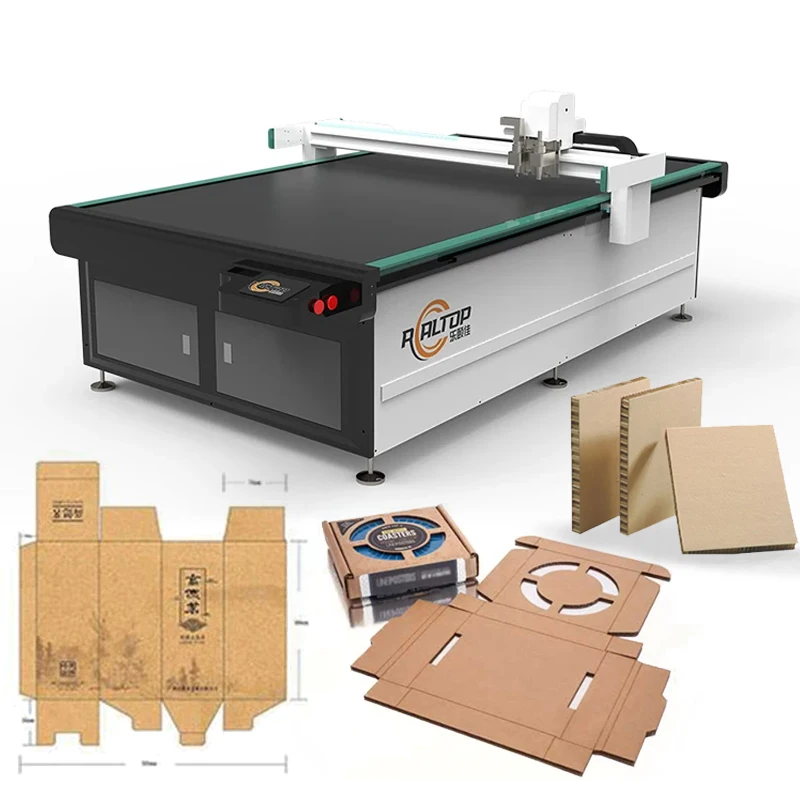
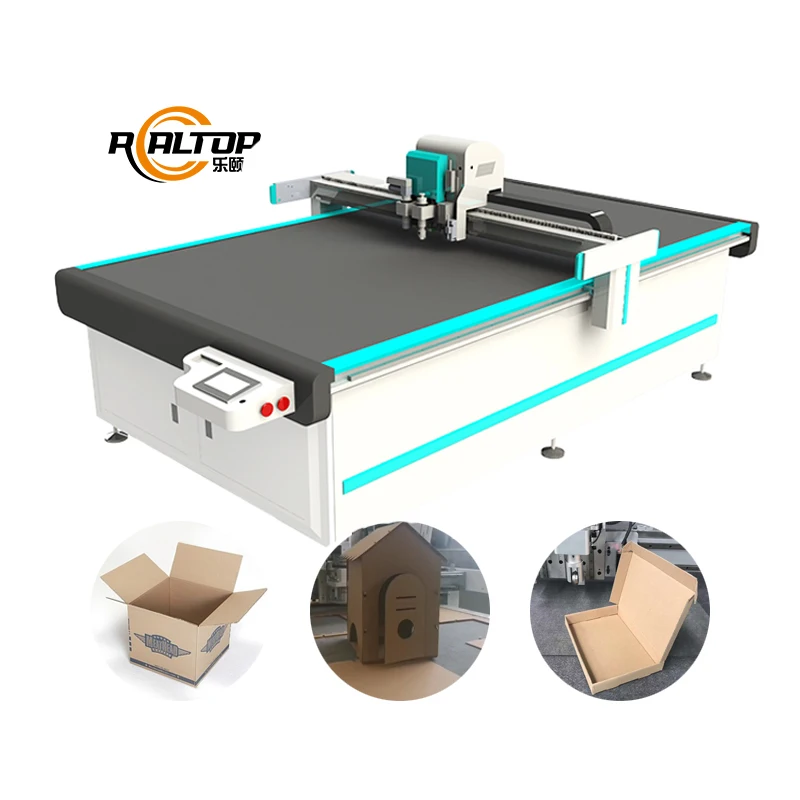
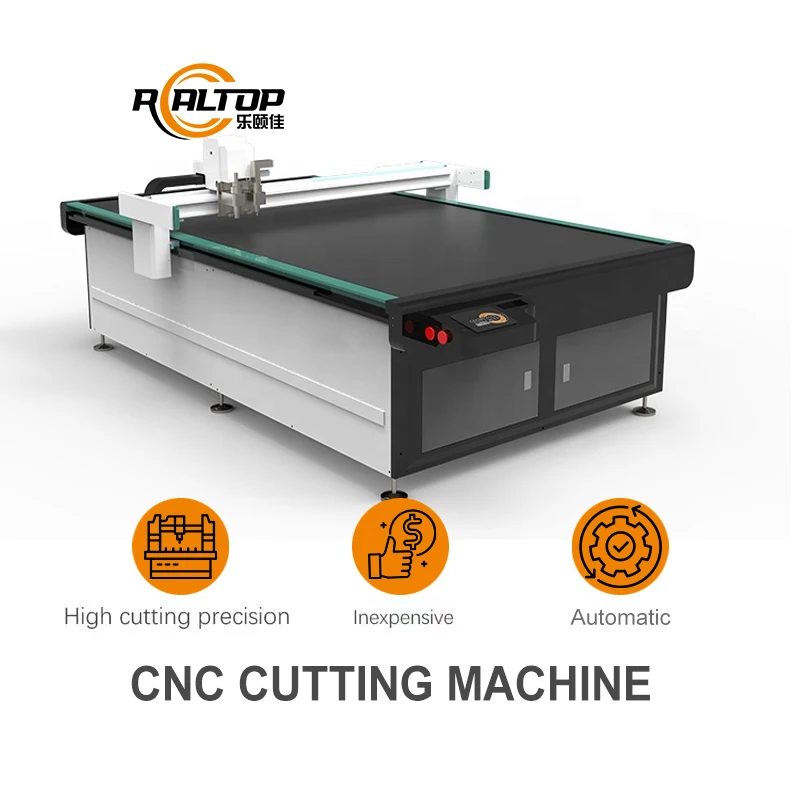
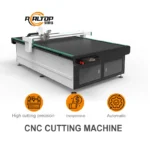
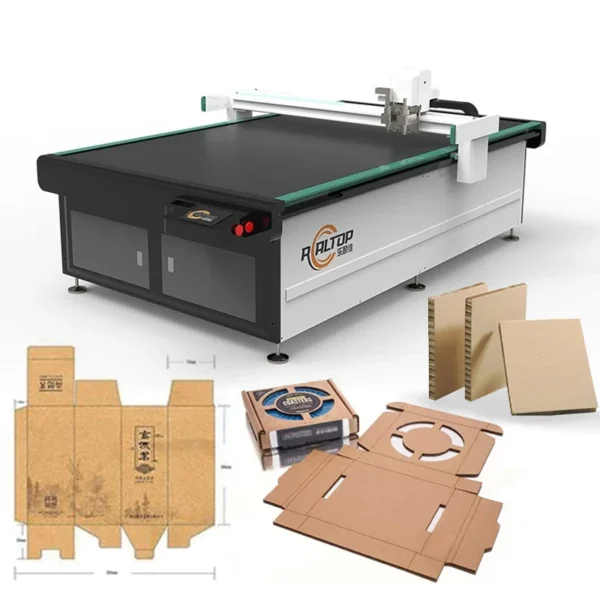
Zoned Vacuum Hold-Down — The RT–R2513 aluminum honeycomb table is divided into adsorption zones, so small carton geometries stay flat under the oscillating knife instead of lifting mid-cut.
Technical Specifications
| Parameter | Value |
|---|---|
| Model | RT–R2513 |
| Product Type | CNC Oscillating Knife Cutting Machine |
| Working Area | 2500 × 1300 mm |
| Machine Size | 3550 × 1910 × 1400 mm |
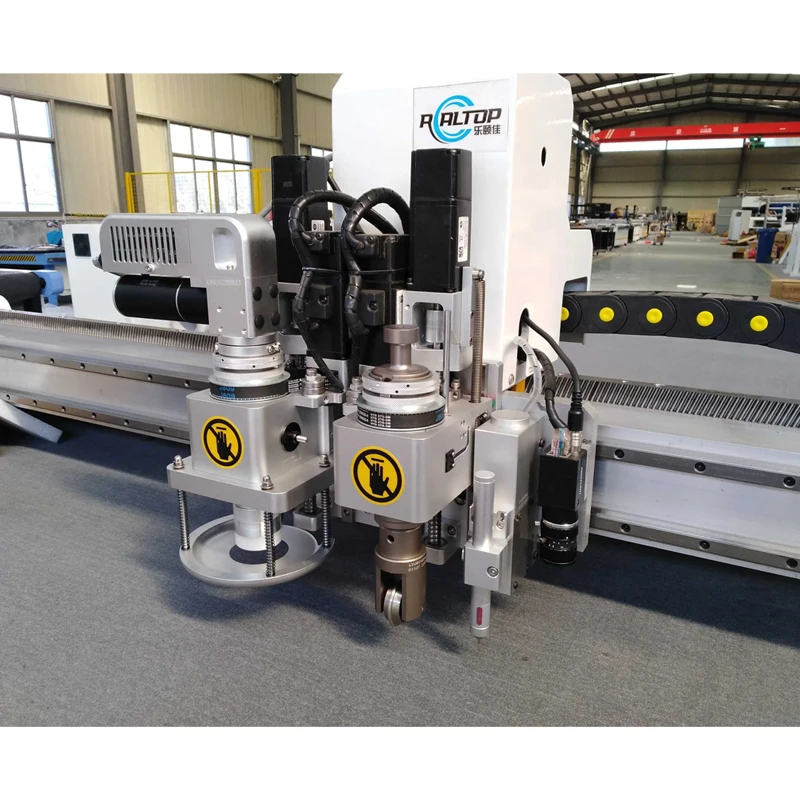
| Cutting Tools | Oscillating knife, creasing tool, kiss-cut knife, round punch |
| Cutting Thickness | ≤18 mm (basis not stated in source — confirm material type and density) |
| Repeated Accuracy | <0.05 mm |
| Fixing Method | Vacuum system with zoned adsorption |
| Vacuum Pump | 7.5 kW |
| Vacuum Table | Aluminum alloy honeycomb structure |
| Rated Power | 9 kW |
| Voltage | 380 V (frequency to confirm per market) |
| Servo Motor | Dongling servo (Delta servo available on alternate configuration) |
| Guide Rail | Taiwan Hiwin linear square guide |
| Transmission | Rack and pinion with imported linear guide |
| Conveyor Belt | Germany-imported belt (source value — verify against manufacturer catalog) |
| Auto Feeding | Available as configuration option |
| Profile Formats | DXF, OLT, PDF, AI |
| Transmission Method | Ethernet port |
| Safety Devices | Infrared sensors, emergency stop |
| Control Language | English, Russian, Italian, Chinese; custom languages available |
| Software | Professional carton cutting design software with nesting and auto layout |
| Frame | Welded thick square seamless steel, high-temperature treated |
| Blades Included | 10 pieces oscillating blades |
| Warranty | 1 year (excludes felt and knife blades) |
| Delivery Time | <30 working days |
| Standards | CE declaration (verify certificate availability for this model) |
Application Suitability
| Application | Material or Output |
|---|---|
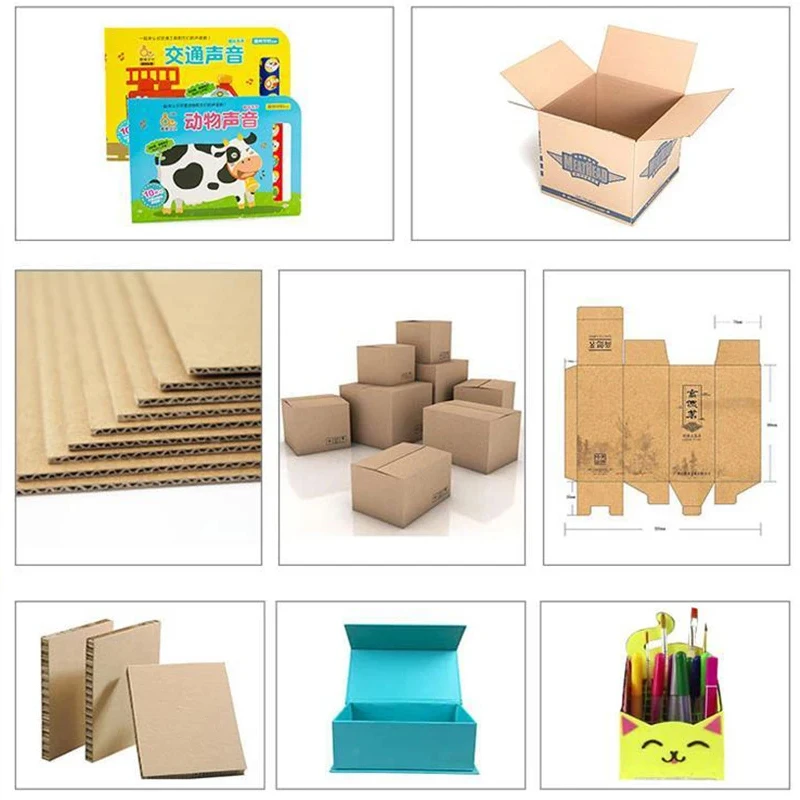
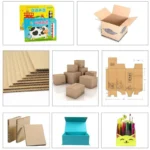
| Packaging carton sample making | Corrugated board, solid board, gray board up to 18 mm |
| Short-run box production | Single-face and double-wall corrugated for prototypes and small batches |
| Sticker and label contour cutting | Vinyl, PP paper, adhesive-backed sheets on printed or unprinted stock |
| Cardboard box prototyping | Folding carton stock, kraft paper, recycled fiber board |
| Gasket and flat pattern cutting | Non-metallic sheet materials within thickness and tooling limits |
Why "Cutting Thickness ≤18 mm" Is Not the Whole Story for CNC Oscillating Knife Cutting Machine Specifications
Board grade, flute profile, and fiber direction determine whether the knife actually produces a clean edge at that depth.
I spent three weeks inside a Dubai carton plant adjusting an oscillating knife table that performed perfectly on virgin corrugated during factory sampling. The moment they loaded their production stock — board with recycled fiber content and irregular grain — the same blade setting left ragged edges and crushed flutes. Thickness is only one variable. Density, moisture content, and whether the board is single-face, double-wall, or solid fiber all change how the blade engages the material [NEED_CITE: material density and fiber orientation effects on oscillating knife edge quality]. A specification sheet that states a maximum cutting thickness without naming the test material leaves the buyer to discover the real limit on the shop floor.
Tool Head Selection Determines Edge Quality More Than Motor Power
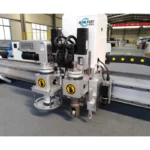
The RT–R2513 ships with four tool options: oscillating knife, creasing tool, kiss-cut knife, and round punch. For packaging work, the creasing tool and oscillating knife typically run in the same job — one scores the fold line while the other cuts the outline. Selecting the wrong oscillation frequency or blade angle for a given flute type compresses the corrugation instead of shearing it cleanly. This CNC oscillating knife cutting machine specifications set lets the operator match the tool to the board rather than forcing one blade through every material the shop handles.
Vacuum Zoning Solves the Small-Part Problem That Flat Tables Cannot
A full-sheet vacuum table holds large panels easily, but packaging sample work involves small flaps, lock tabs, and irregular offcuts that lose suction near the table edges. The aluminum honeycomb surface on this machine is divided into independently controlled adsorption zones. The operator activates only the zones under the current cut area, concentrating holding force where the material actually sits [NEED_CITE: vacuum zoning effectiveness on small geometry flatbed cutting]. This matters especially on recycled board, which is more porous and bleeds vacuum pressure faster than virgin stock.
Frame Rigidity and Drive Accuracy Set the Crease-to-Cut Registration
The welded steel frame undergoes high-temperature treatment to relieve internal stress, which keeps the gantry geometry stable across long production runs. Rack and pinion transmission paired with Hiwin linear guides holds repeated accuracy below 0.05 mm. In carton sample making, this tolerance directly controls whether the crease line aligns with the cut edge — misregistration of even a fraction of a millimeter causes the folded box to twist or the glue flap to miss its landing surface. The 9 kW rated power and 7.5 kW vacuum pump together support continuous cutting cycles without duty-cycle pauses.
The Cost of Skipping Material-Specific Configuration
When a cutting table is specified only by working area, the tool head and vacuum setup default to a generic configuration. On porous recycled corrugated, an under-zoned vacuum table allows the sheet to shift mid-cut, producing scrap instead of samples. A creasing wheel set for solid board will crack the liner on single-face corrugated if the pressure is not adjusted. Software that cannot import the buyer’s existing DXF or AI files forces a manual redraw of every carton dieline [NEED_CITE: file format compatibility issues in packaging CAD workflows]. These mismatches surface after the machine arrives, when reconfiguration costs more than getting it right before shipment.
What This Purchase Path Actually Covers
In-house design across both knife and laser technologies means the cutting method is chosen to match the material, not forced into whichever machine happens to be in stock. Tool head and table configuration are specified against the buyer’s board grade and production volume before the order is placed. CCD camera positioning is available for printed contour work where registration to a printed mark is required. Software compatibility with the buyer’s file format and nesting workflow is confirmed during the pre-order stage. Voltage, plug type, and control language are locked to the destination market. Sample cutting on the buyer’s own board stock is completed before commitment, so edge quality and crease depth are verified on the actual material that will run in production.
Documentation & Verification
- Machine specification sheet listing tool head and vacuum zone configuration matched to your board grade
- Electrical schematic with voltage and frequency confirmation for your local supply standard
- Sample cutting report on your actual corrugated or solid board stock showing edge and crease quality
- Software license and file format compatibility note covering DXF, AI, PDF, and OLT import
- Factory test record documenting repeated accuracy and cut registration before dispatch
- Operation and maintenance manual in your selected control language
Installation, Commissioning & Support
- Foundation must support 3550 × 1910 mm footprint and 9 kW plus 7.5 kW vacuum pump on dedicated circuits
- 380 V supply with confirmed frequency and plug type wired before machine arrival
- Machine ships assembled; gantry and tool head require on-site alignment and vacuum zone calibration
- First-run commissioning includes crease-to-cut registration test on buyer’s board stock
- Operator training covers tool head changeover, zone activation, and nesting software workflow
- Spare oscillating blades and felt listed with reorder intervals based on board abrasiveness
What to Send Before Requesting a Quote
Share the specific board grades you run — flute type, wall construction, and whether the stock contains recycled fiber. Include your largest sheet size and typical daily sample or short-run volume. Confirm your workshop voltage and frequency, and let us know which CAD format your current dieline files use so software compatibility is checked before the configuration is finalized.
Frequently Asked Questions
Q: How is cutting thickness verified against my specific board grade and flute profile?
A: We run sample cuts on your actual board stock — the same corrugated or solid fiber you use in production — and document edge quality, crease depth, and cutting speed in a test report before you commit to the order. This confirms whether the stated thickness capacity applies to your material density and fiber composition.
Q: Which tool head is recommended for my material?
A: The choice depends on board construction and edge requirement. Oscillating knife handles most corrugated and solid board cutting. The creasing tool scores fold lines without cutting through. Kiss-cut tools work for sticker and label stock. We specify the tool head combination based on your material samples and production geometry.
Q: Can the software import my existing CAD files without format conversion?
A: The included carton design software supports DXF, OLT, PDF, and AI import. Before order confirmation, we test your actual dieline files through the nesting and auto layout workflow to confirm compatibility and flag any layer or dimension mapping issues that would require adjustment.
Q: Is voltage and control language confirmed before shipment?
A: Yes. Your local voltage, frequency, and plug type are confirmed during the specification stage and documented in the electrical schematic. Control interface language — available in English, Russian, Italian, Chinese, or custom options — is set before factory testing so operators can verify the interface during commissioning.
Q: What sample cutting is done on my material before I commit?
A: You send your production board stock to our facility. We run cutting and creasing tests using the configured tool heads and vacuum zone settings, then provide a sample cutting report showing edge finish, crease quality, and registration accuracy. You review the physical samples and report before placing the order.


商品评价
Clear filtersThere are no reviews yet.