



Fast Shipping
Carrier information

20k products
Payment methods

24/7 Support
Unlimited help desk

2-day Delivery
Track or off orders
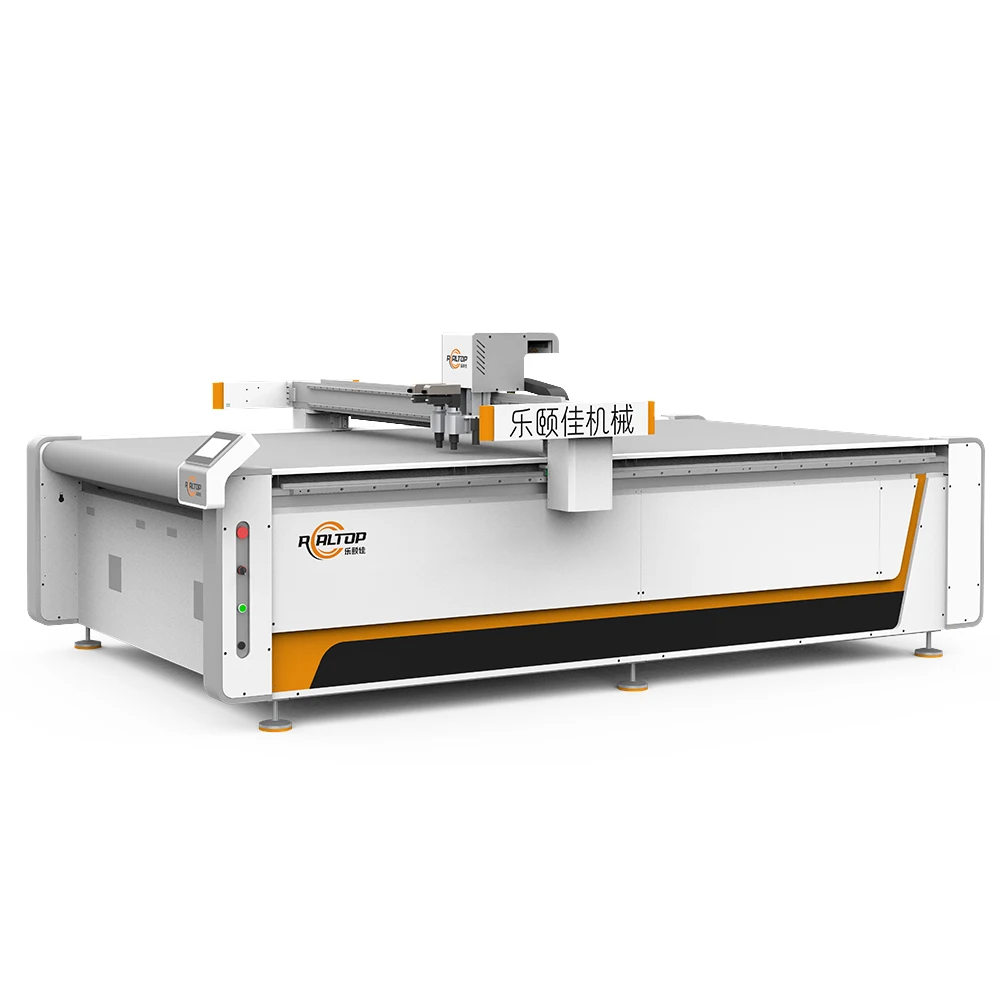
Tooling by Material, Not by Catalogue — Every oscillating knife, creasing wheel, and vacuum zone on this CNC oscillating knife cutting table is specified against the buyer’s actual sheet stock and daily volume before the order is confirmed.
Technical Specifications
| Parameter | Value |
|---|---|
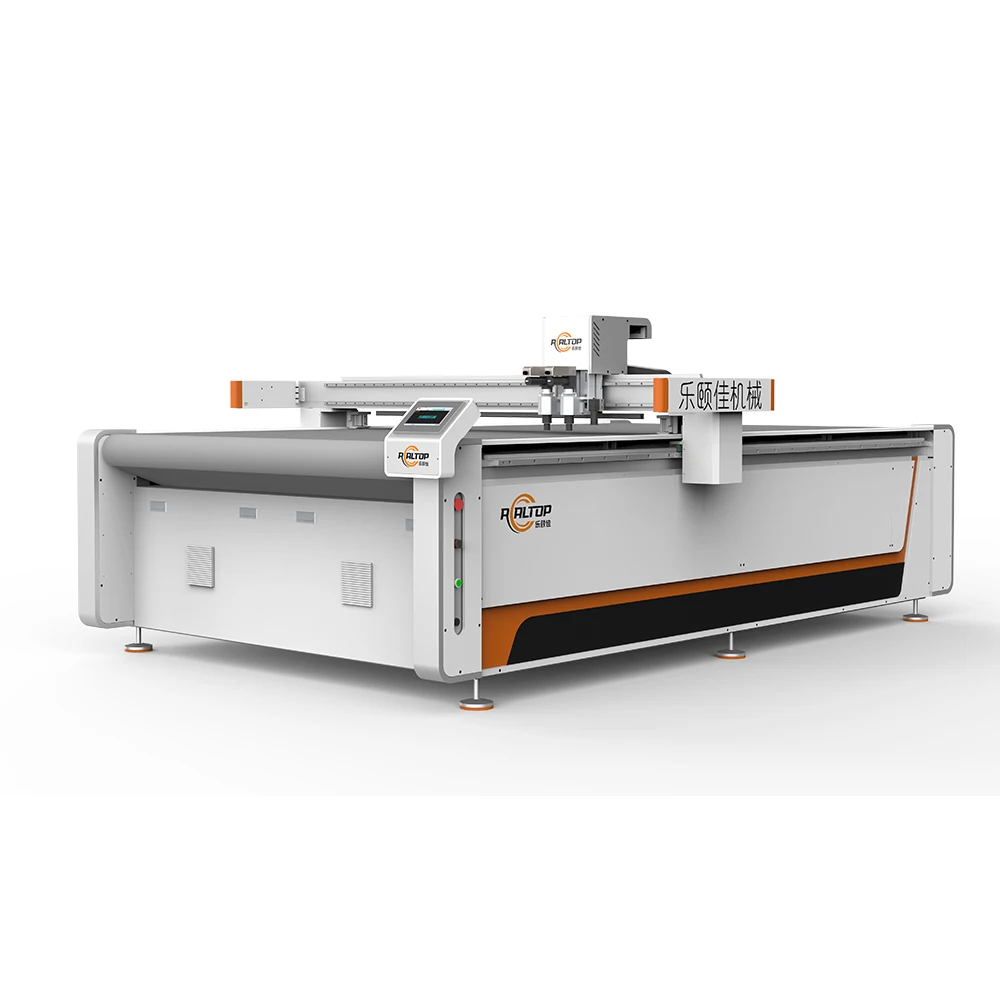
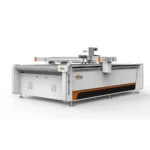
| Product Type | CNC Oscillating Knife Cutting Table |
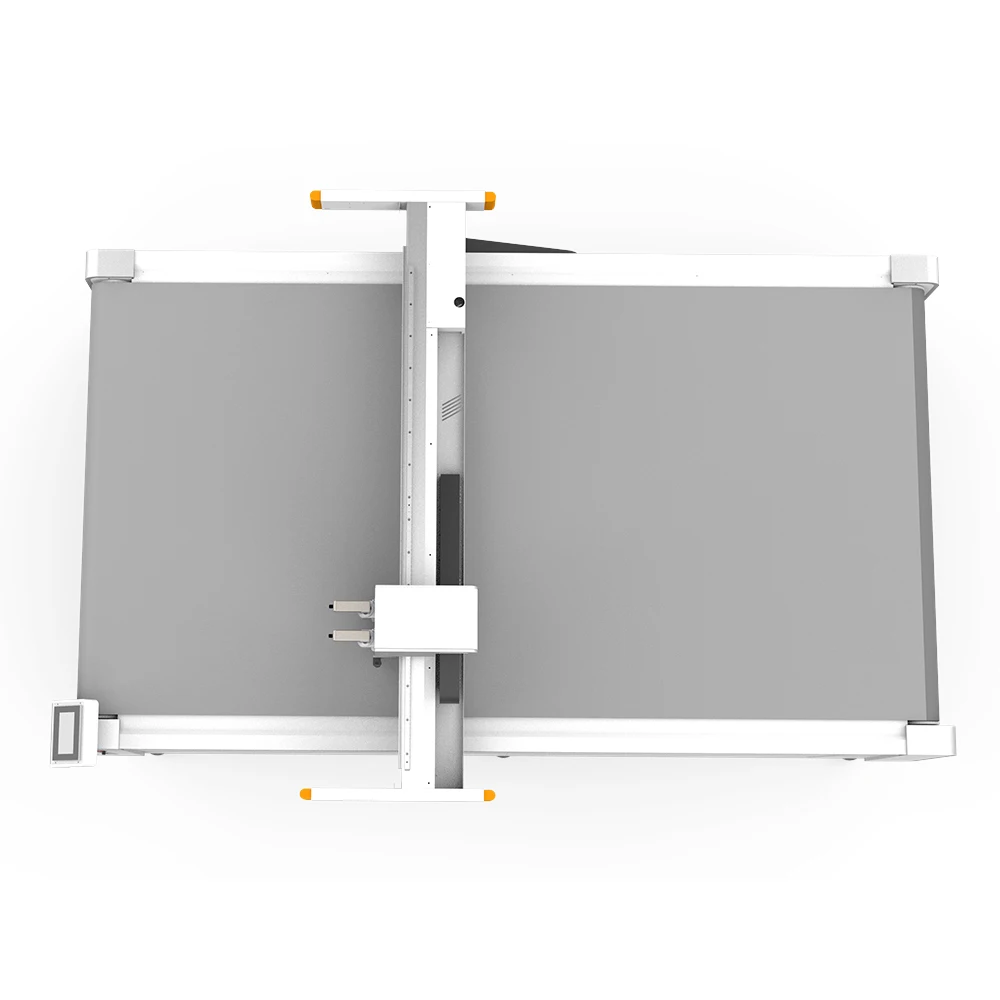
| Working Area | 1600×2500 mm |
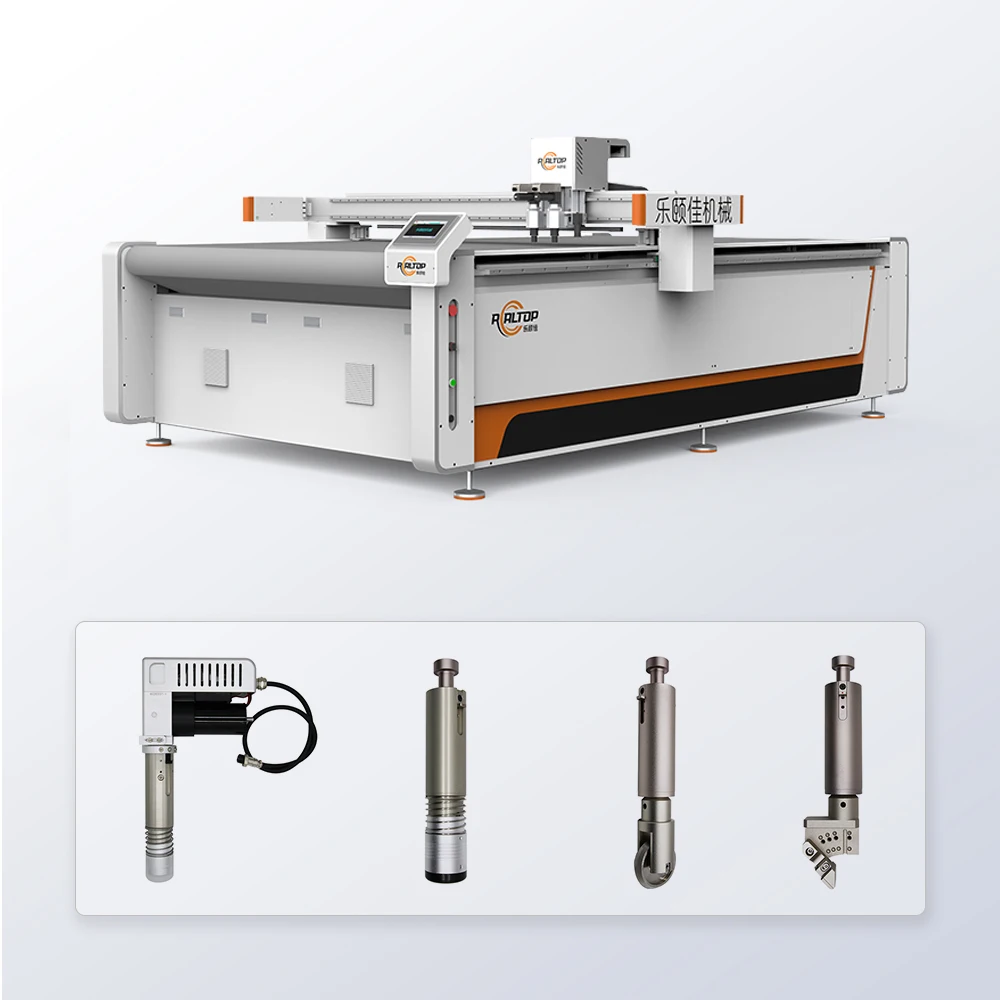
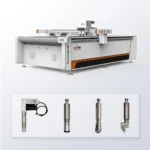
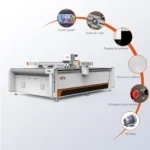
| Tool Head Options | Oscillating knife, Driven rotary knife, Creasing wheel, Kiss cutting tool, Pneumatic knife, Milling tool, V groove knife |
| Cutting Speed | 0-1500 mm/s |
| Cutting Thickness | ≤ 40mm (basis not stated in source — confirm material / density) |
| Cutting Accuracy | ±0.1 mm |
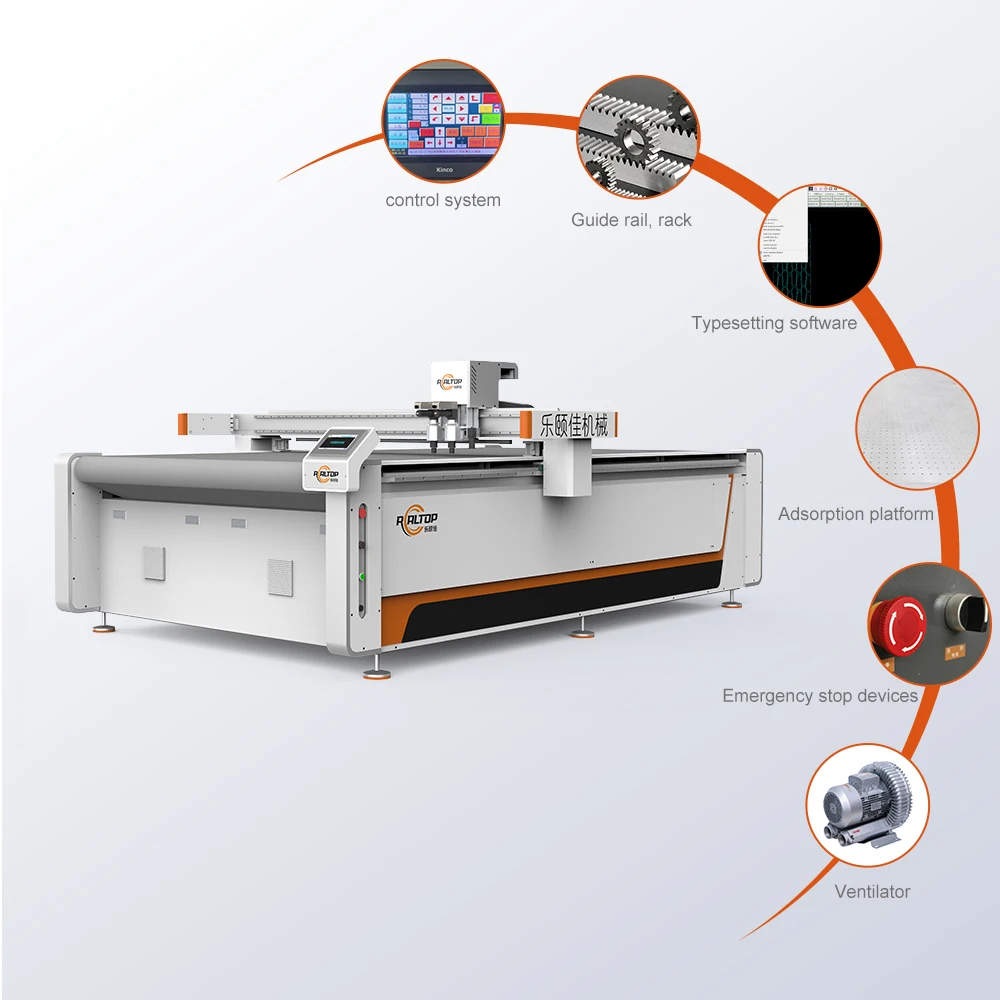
| Vacuum Pump Power | 9kW |
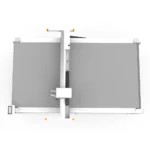
| Vacuum Table Type | Aluminum bellows vacuum table |
| Servo Motor Options | Panasonic, Delta, Dorna available |
| Voltage Options | 110V, 220V, 380V |
| Control System | PLC control panel with optional display languages |
| File Formats Supported | PLT, DXF, AI, PDF |
| Safety Devices | Infrared sensor device and emergency stop device |
| Machine Size | 3300×2100×1350 mm |
| Software | Dedicated packaging box structure design software |
Application Suitability
| Application | Material or Output |
|---|---|
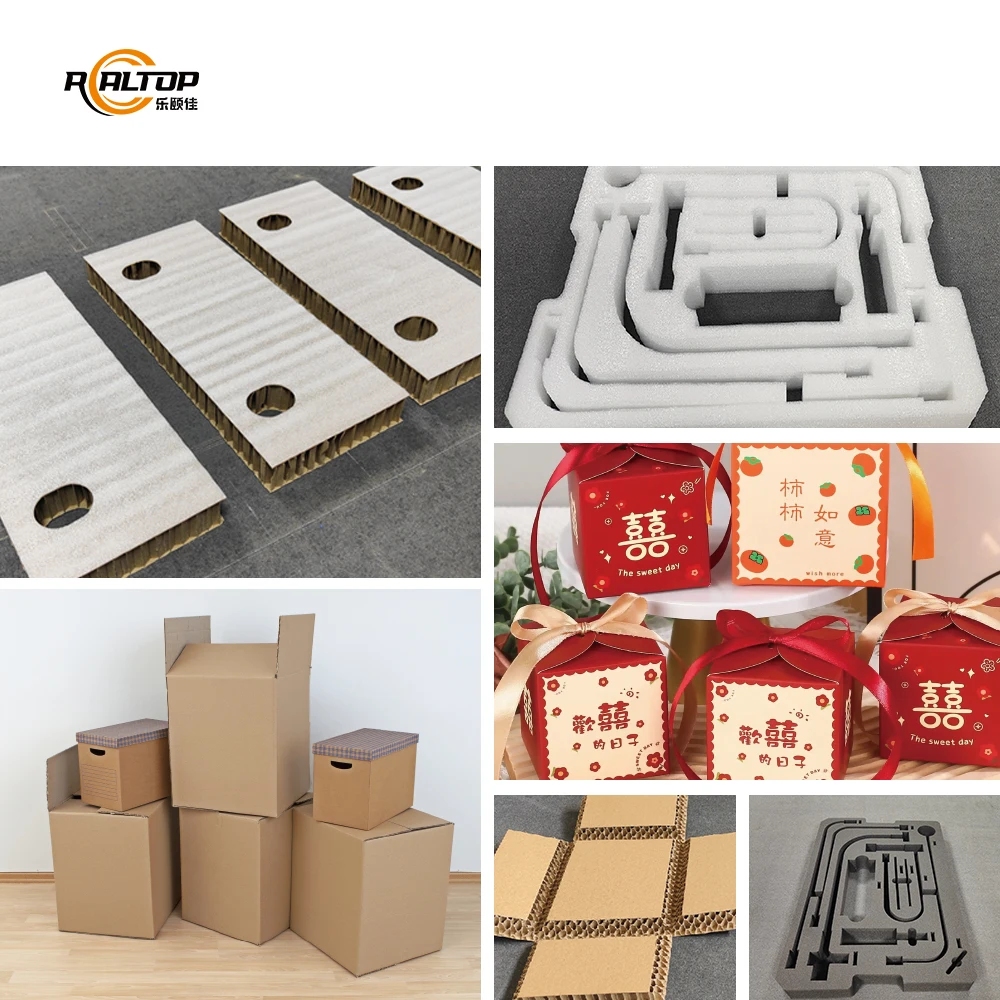
| Packaging sample making and carton prototyping | Corrugated cardboard (E-flute, B-flute, BC-flute), greyboard, cardstock, art paper |
| Short-run custom packaging production | Specialty paper, adhesive-backed materials, thin plastic sheets (PVC, PET) |
| Signage and display board cutting | EVA foam, EPE foam, PU foam, PVC board, foam board |
| Gasket and interior component cutting | Rubber mats, velvet/fleece fabric, non-woven fabric, leather, synthetic leather |
| Composite panel processing | Composite materials requiring kiss cutting or V groove milling |
Why Material Thickness Changes the Entire Machine Configuration
A cutting table specified on working area alone will fail the moment you switch from white cardstock to double-wall corrugated.
I have watched buyers in South Asia sign off on a machine after testing it with thin art paper, only to discover weeks later that the oscillating knife could not penetrate their daily run of B-flute greyboard. The tool head pressure was insufficient, the vacuum zoning could not hold the smaller die-cut shapes flat, and production output dropped noticeably. A CNC oscillating knife cutting table must have its tool head type, oscillation frequency, and vacuum zone layout matched to the actual material thickness and density you intend to process [NEED_CITE: industrial cutting tool pressure requirements by material density]. Specifying the machine on bed size without confirming the cutting head configuration against your heaviest stock is the most common and expensive mistake in packaging equipment procurement.
Matching Tool Head Selection to Packaging Substrates
A single CNC oscillating knife cutting table frame can accommodate multiple tool heads, but choosing the wrong one for your substrate produces ragged edges or crushed flutes. Oscillating knives handle corrugated cardboard and dense greyboard cleanly because the vertical vibration shears through fibrous material without dragging. Creasing wheels are mandatory for fold lines on carton stock, and kiss cutting tools are required when you need to cut through a PVC sticker face without damaging the release liner beneath it.
Vacuum Zoning and the Small-Part Holding Problem
The aluminum bellows vacuum table on this unit provides full-surface adsorption with high flatness, which matters most when cutting small carton components like locking tabs or internal dividers. A 9kW vacuum pump generates the negative pressure needed to keep thin PP paper and adhesive-backed vinyl flat during high-speed travel. When vacuum zoning is poorly configured, small parts lift off the bed mid-cut, shifting the registration and ruining the entire sheet. Zone layout must be planned around your smallest recurring part geometry [NEED_CITE: vacuum holding force requirements for flatbed digital cutting].
Reading the Specs That Actually Matter on the Shop Floor
The ±0.1 mm cutting accuracy figure is relevant primarily when you are producing interlocking carton structures where a tab must slot into a receiving cut precisely. If that tolerance drifts, assembled boxes sit crooked on the shelf. The 0-1500 mm/s cutting speed range gives operators room to slow down for intricate crease patterns on thick BC-flute board and speed up for straight runs on thin cardstock. Panasonic, Delta, and Dorna servo motor options let buyers align motion components with the service networks available in their local market, which matters when a drive fails mid-production. The dedicated packaging box structure design software accepts PLT, DXF, AI, and PDF files, meaning most existing design workflows can feed the machine without file conversion bottlenecks.
The Cost of Skipping the Sample-Cutting Step
Buyers who skip material sample testing before committing to an order frequently discover the problem only after the CNC oscillating knife cutting table arrives and is bolted to their factory floor. Wrong knife frequency on foam produces a crushed edge that rejects the part. Insufficient vacuum zoning means every small sticker sheet needs manual taping before cutting, negating the automation benefit entirely. Software that cannot open the buyer’s existing AI or DXF library forces the design team to redraw every pattern from scratch [NEED_CITE: common causes of CNC cutting machine rejection after installation]. These are not warranty issues — the machine works as specified — but the specification was wrong for the job.
Why Procurement Teams Source This Equipment Here
The design team engineers both knife and laser cutting systems in-house, so a buyer processing both corrugated board and acrylic signage can match each material to the correct cutting method rather than forcing one technology to do both jobs. Tool head and table configuration is specified per material and production volume, documented in a configuration list that accompanies the machine. Software compatibility is confirmed before the order is placed, not discovered during commissioning. Voltage, plug type, and control panel language are verified against the target market supply before production begins. Sample cutting on the buyer’s own material is completed and documented before any commitment to ship.
Documentation & Verification
- Machine specification sheet confirming tool head list and vacuum zone layout
- Electrical schematic and voltage confirmation matching buyer facility supply
- Sample cutting report on buyer’s own corrugated or foam stock
- Software licence with PLT, DXF, AI, PDF file format compatibility note
- Factory test record documenting cutting accuracy on specified material
- CE declaration and operation manual in selected control language
Installation, Commissioning & Support
- Floor space must accommodate the 3300×2100 mm footprint plus operator clearance
- Dedicated electrical circuit required matching confirmed 110V, 220V, or 380V supply
- Machine ships partially assembled; vacuum table and gantry require on-site alignment
- First-run commissioning includes tool head calibration against buyer’s actual material stock
- Operator training covers PLC control panel use in confirmed display language
- Spare parts list specifies consumable knife blades, creasing wheels, and vacuum seals
What We Need to Configure Your Machine Correctly
Send a sample of your heaviest and most frequently cut material along with your typical sheet size and daily volume target. Confirm your facility voltage and frequency, the plug standard required, and the preferred control panel language. If you run existing packaging design files in specific formats, share a sample file so we can verify software import and nesting compatibility before the order is finalized.
Frequently Asked Questions
Q: How do I know which tool head to use for my corrugated flute type versus greyboard?
A: Oscillating knives cut fibrous materials like E-flute and BC-flute corrugated cleanly through vertical vibration. Creasing wheels produce fold lines without cutting through the stock. Greyboard above a certain density often requires a pneumatic knife for sufficient downward pressure. We test your actual material to confirm which head delivers the edge quality your application requires.
Q: My carton designs have very small tabs and locking slots. Will they stay flat during cutting?
A: Small parts lift when vacuum zoning does not match the part geometry. The aluminum bellows table on this unit allows zone configuration based on your smallest recurring component shape. We map your typical nesting layout and set the zone boundaries so negative pressure is concentrated under each part cluster, preventing lift at high cutting speeds.
Q: Can I import my existing packaging design files directly into the machine software?
A: The dedicated packaging structure design software accepts PLT, DXF, AI, and PDF formats. Before order confirmation, we take a sample of your current design file and run it through the software to verify that line weights, crease marks, and cut paths import correctly without requiring manual redrawing or layer reassignment.
Q: How do you verify that the machine can actually cut my material thickness?
A: We run a sample cutting test on your own material — the actual corrugated flute, greyboard grade, or foam density you process daily — and produce a cutting report documenting edge quality, depth achieved, and cycle time. This report accompanies the machine documentation so the verified configuration is on record.
Q: What electrical and language details are confirmed before the machine ships?
A: Voltage, frequency, plug type, and control panel display language are all confirmed in writing before production begins. The electrical schematic in the documentation package matches your facility supply specification, and the PLC control panel is set to your chosen language so operators can navigate menus from the first day of use.


商品评价
Clear filtersThere are no reviews yet.