



Fast Shipping
Carrier information

20k products
Payment methods

24/7 Support
Unlimited help desk

2-day Delivery
Track or off orders
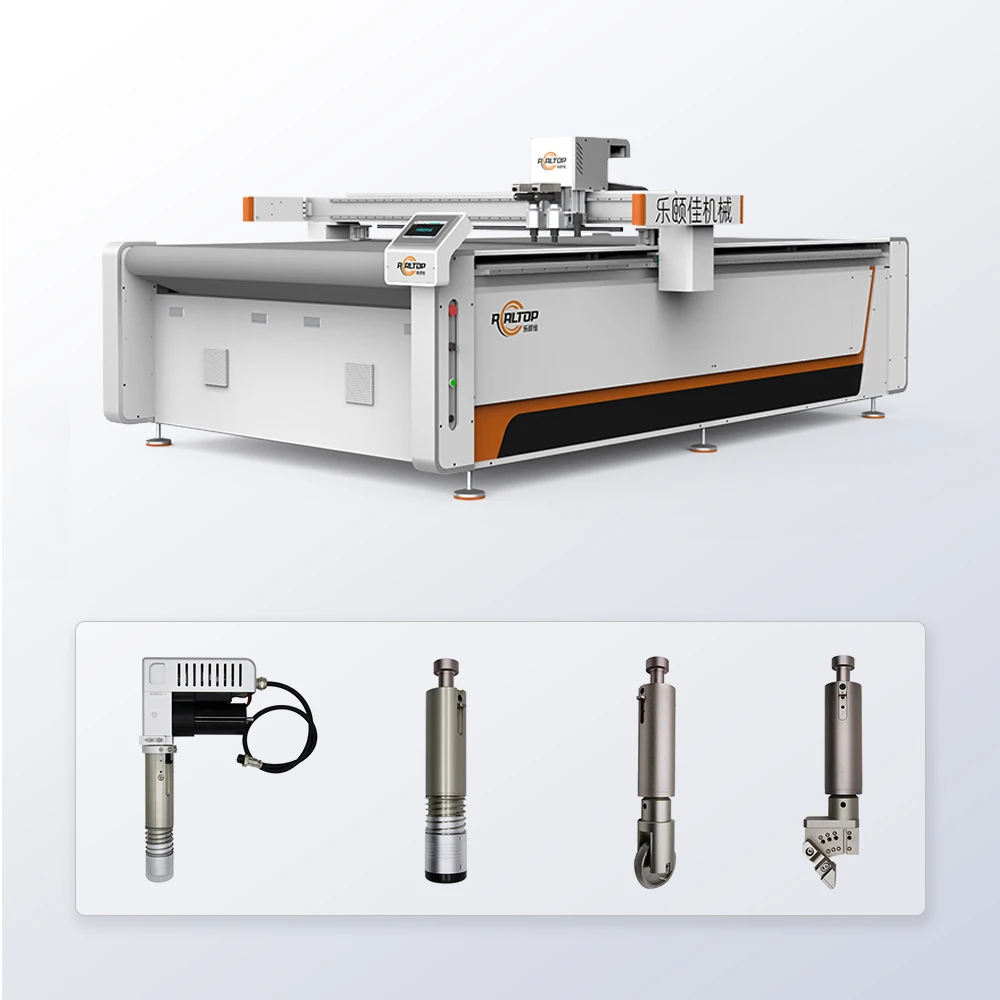
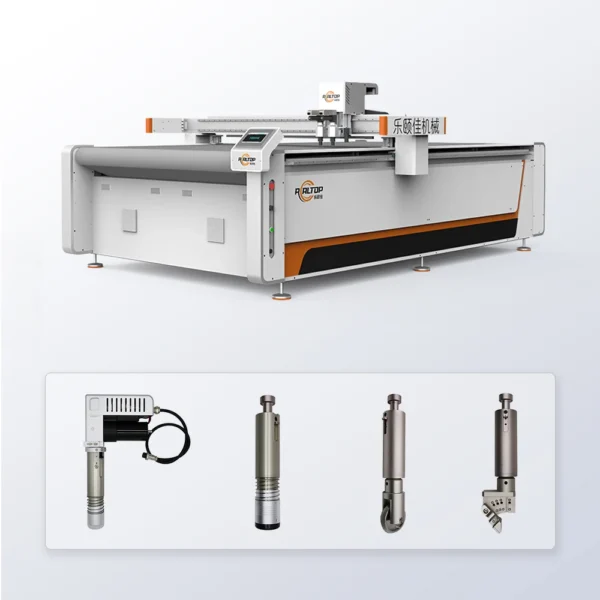
Interchangeable Tool Head Architecture — The 1625 platform routes each material to a dedicated knife or wheel rather than forcing one blade through every flute and foam density.
Technical Specifications
| Parameter | Value |
|---|---|
| Model | 1625 |
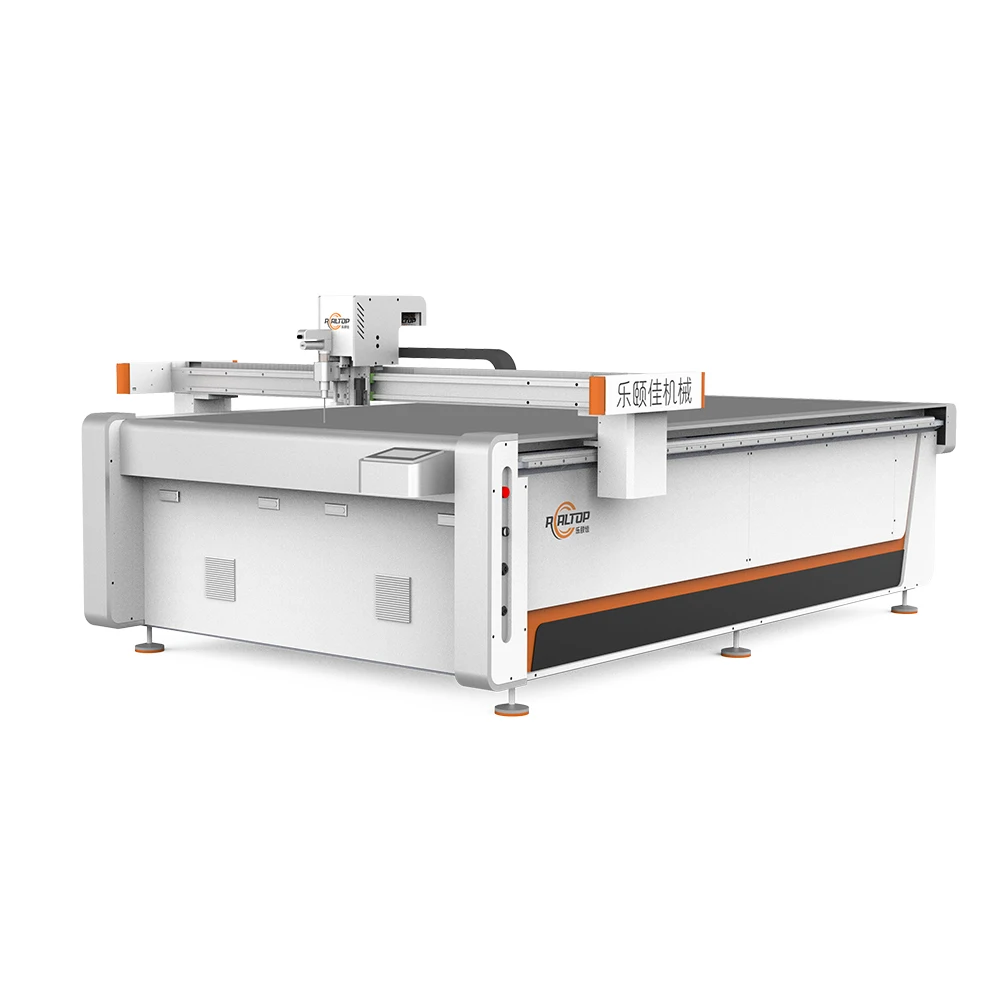
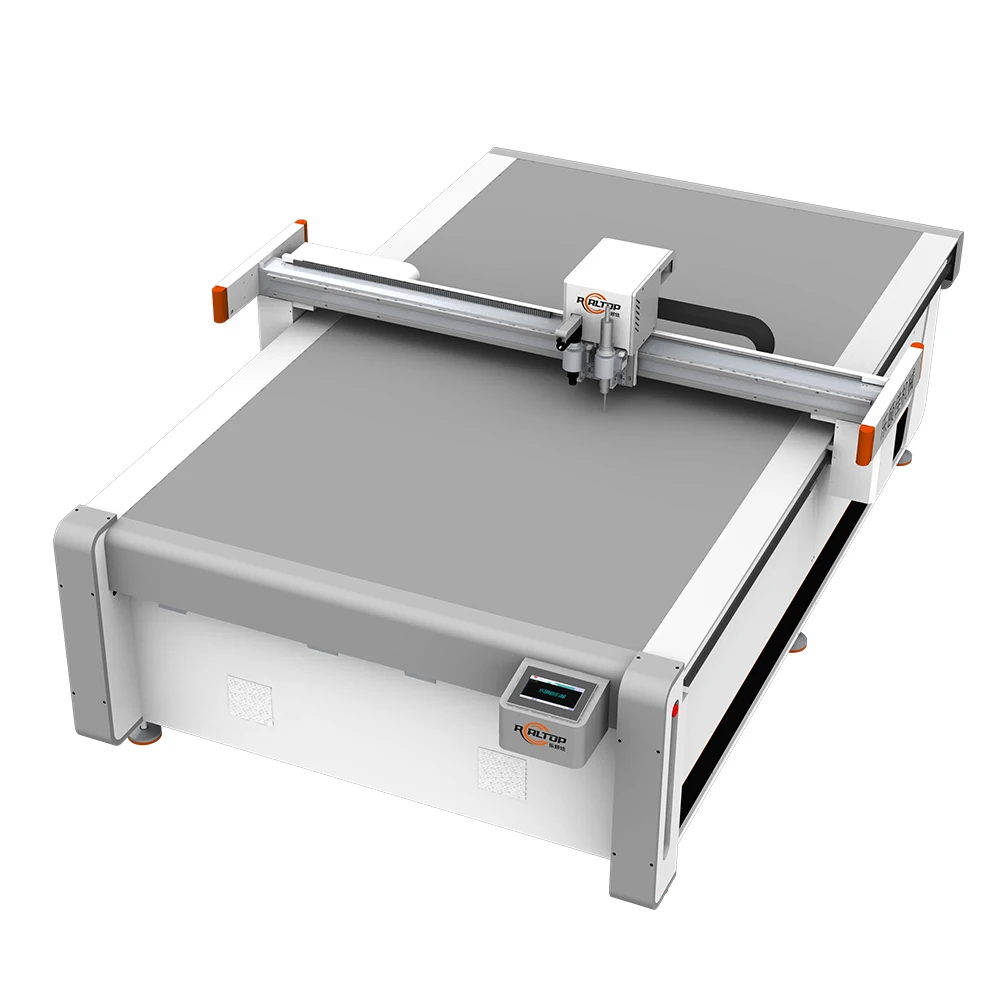
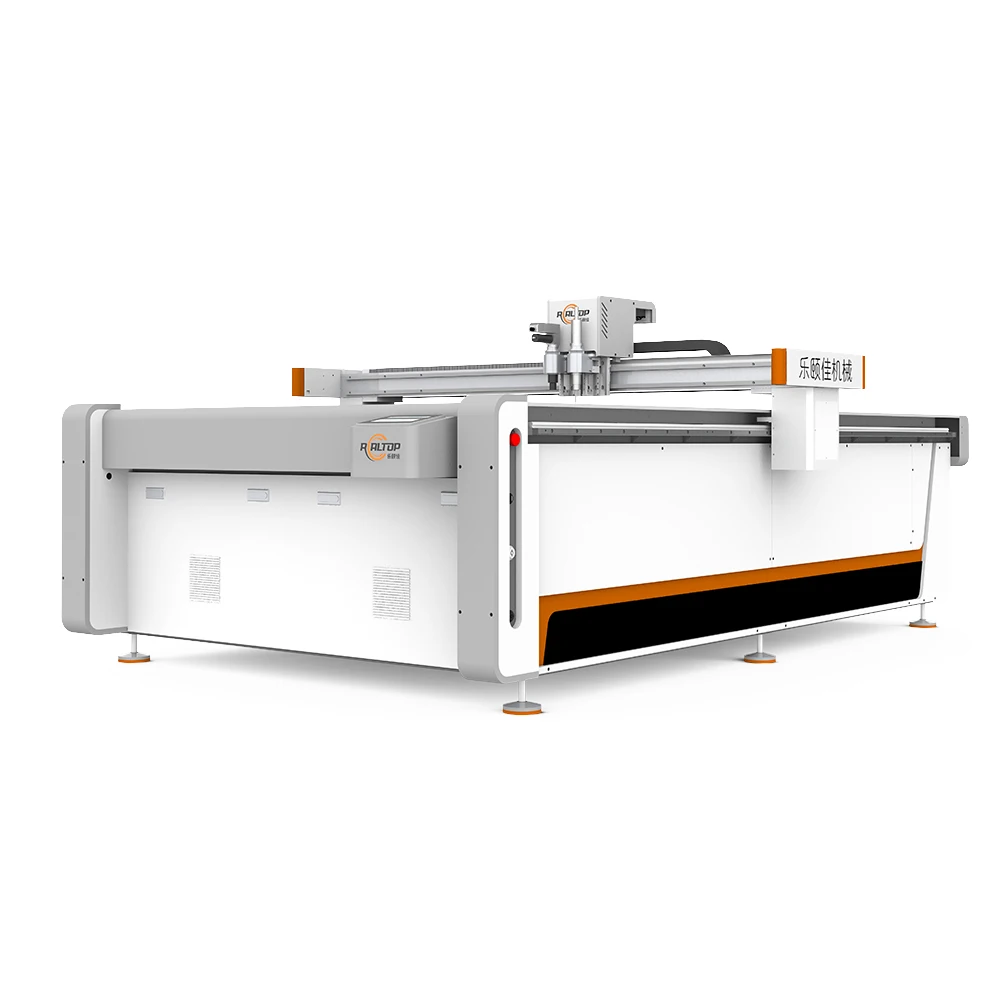
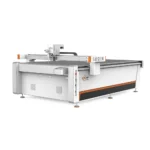
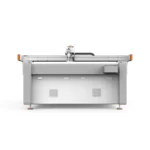
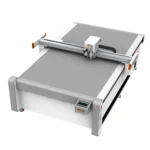
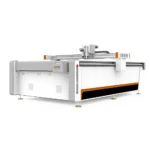
| Product Type | CNC Oscillating Knife Cutting Machine |
| Working Area | 1600×2500 mm |
| Tool Head Options | Oscillating knife, Driven rotary knife, Creasing wheel, Kiss cutting tool, Pneumatic knife, Milling tool, V groove knife, CCD camera |
| Cutting Speed | 0–1500 mm/s (basis to be confirmed on specific material and flute) |
| Cutting Thickness | ≤ 40 mm (basis not stated in source — confirm material type and density) |
| Cutting Accuracy | ±0.1 mm |
| Vacuum Pump | 9 kW |
| Vacuum Table | Aluminum bellows vacuum table |
| Control System | PLC control panel |
| Servo Drive Options | Panasonic, Delta, Dorna |
| Voltage Options | 110V / 220V / 380V |
| Software Language Options | English, Russian, Italian, Chinese (custom languages available) |
| File Formats Supported | PLT, DXF, AI, PDF |
| Safety Devices | Infrared sensor device, Emergency stop device |
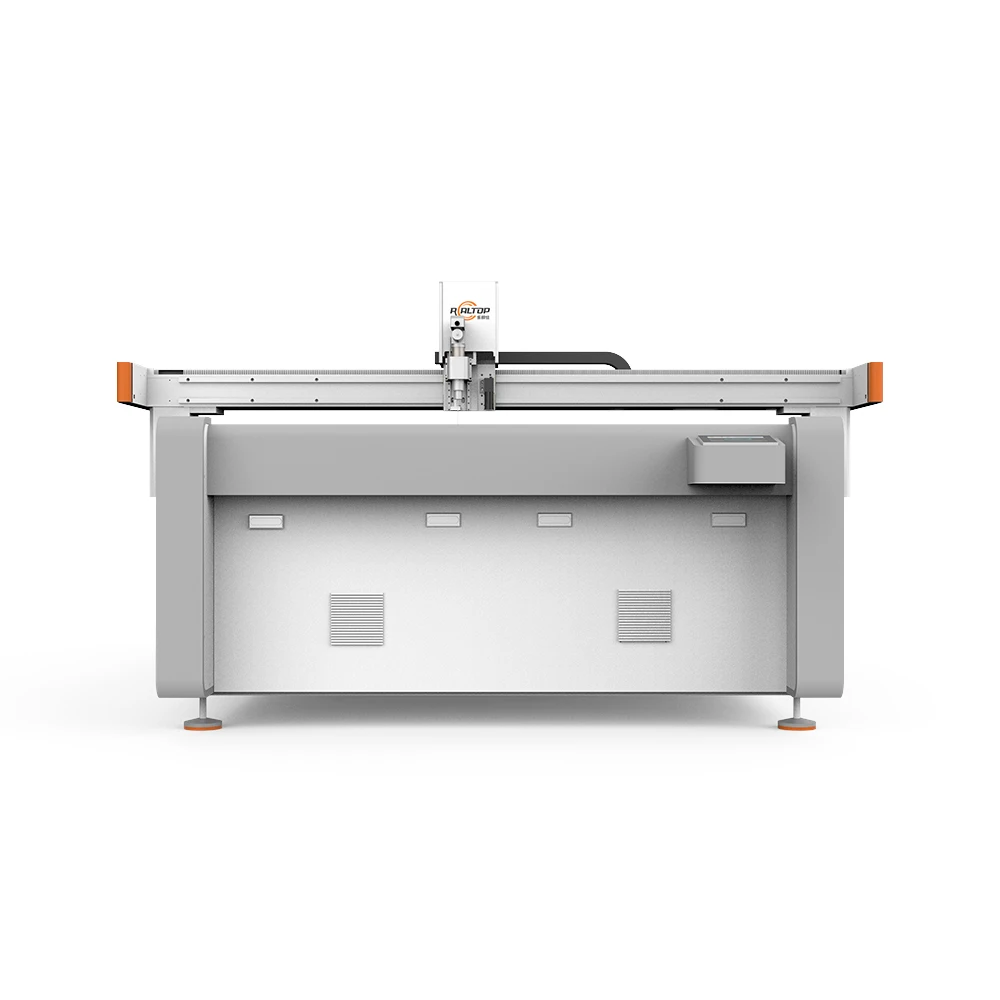
| Machine Dimensions (L×W×H) | 3300×2100×1350 mm |
| Packaging Box Structure Design Software | Dedicated software included |
Application Suitability
| Application | Material or Output |
|---|---|
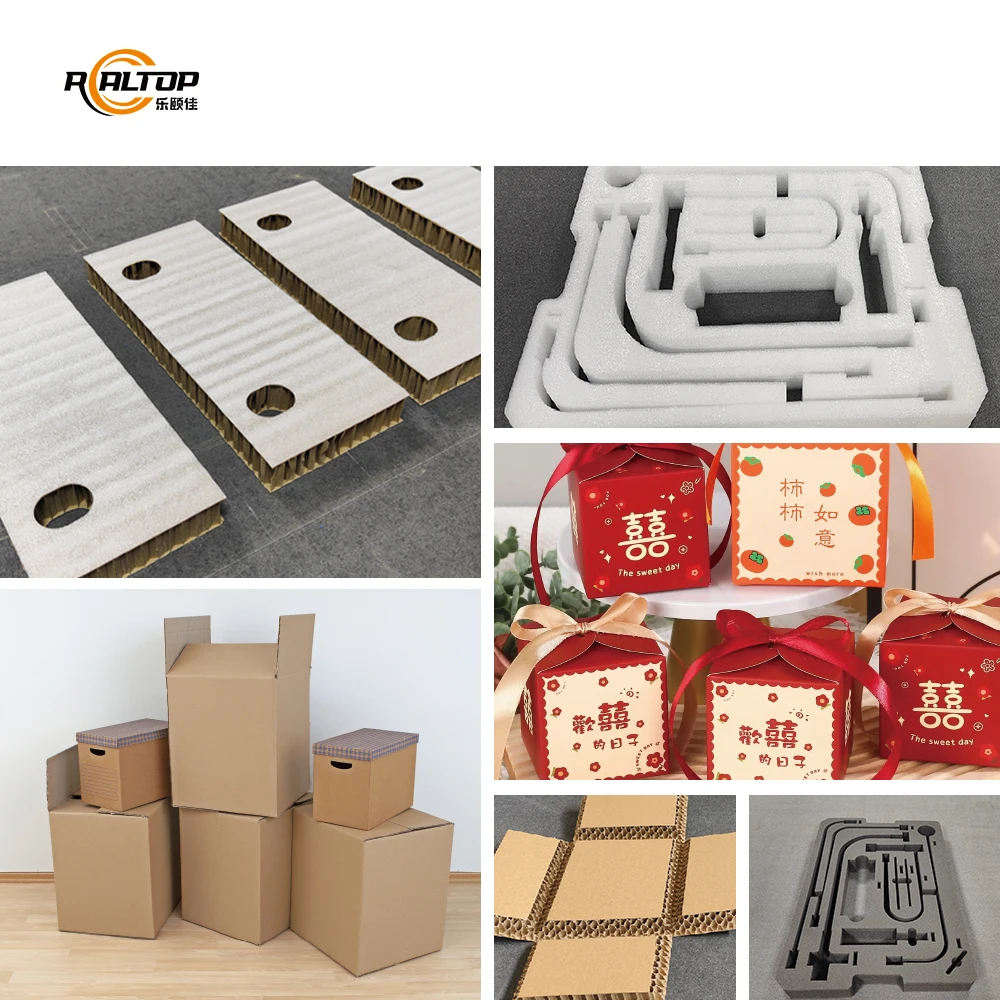
| Packaging sample making and carton prototyping | Corrugated cardboard (E-flute, B-flute, BC-flute), Greyboard, Cardstock, Art paper |
| Short-run customized box production | Coroplast, Thin plastic sheets, Adhesive-backed materials |
| Foam and gasket cutting for protective dunnage | EVA, EPE foam, PU foam, Rubber mats, PTFE |
| Leather and synthetic leather processing | Leather, Synthetic leather, Velvet/fleece fabric, Non-woven fabric |
| Signage and vinyl cutting | PVC, PET, Adhesive-backed materials, Composite materials |
Why the Wrong Tool Head Costs More Than the Machine Itself
A single oscillating blade cannot cut every board flute and foam density cleanly — the 1625 CNC oscillating knife cutting machine specifications include seven interchangeable heads to match each material.
I have watched packaging shops run E-flute on a drag knife meant for vinyl, then wonder why the crease lines crack when the box folds. The damage is not always visible on the cutting table; it shows up later on the folding and gluing line where mis-scored board rejects pile up [NEED_CITE: crease quality standards for corrugated packaging conversion]. A creasing wheel applies controlled compression rather than slicing fibers apart, and a V groove knife removes a precise channel for rigid box corners. Specifying the right head before the order is signed avoids those downstream losses.
Matching the Blade to the Board Flute
The 1625 oscillating knife handles single-layer corrugated and thin foam well, but multi-wall BC-flute or dense EVA inserts need the pneumatic knife’s longer stroke and higher downward force. The driven rotary knife takes over when cutting woven fabric or non-woven interlayers that would fray under a reciprocating blade. Switching heads between jobs takes minutes on the tool mount, not hours of recalibration.
CCD Contour Recognition for Pre-Printed Sheets
When the job involves die-cutting around pre-printed graphics on packaging sheets, the integrated CCD camera option reads registration marks and adjusts the cutting path in real time. This matters for short-run promotional packaging where print alignment drifts slightly from sheet to sheet. Without contour tracking, operators waste time repositioning manually or accept misaligned cuts that fail the client’s visual inspection [NEED_CITE: printed registration tolerance in digital packaging finishing].
What the Spec Sheet Numbers Actually Mean on the Floor
The ±0.1 mm positioning accuracy keeps tab-and-slot connections tight on carton samples, so prototype boxes hold square without tape during client presentations. The 9 kW vacuum pump paired with the aluminum bellows table maintains suction across the full 1600×2500 mm area, but small sticker parts need zoned vacuum segments to prevent lift-off at the trailing edge — a problem I saw shut down an entire batch of vehicle decals last month. Voltage must be confirmed before the machine leaves Jinan; a 220V unit rewired on arrival risks servo drive damage that voids the warranty. The PLC control panel and dedicated packaging structure design software ship in the buyer’s chosen language, so operators can load DXF or AI files directly without third-party CAM translation.
The Hidden Cost of Underspecified Vacuum Zoning
Small-format parts like sticker sets, gasket arrays, or carton sample tabs lose vacuum hold once the knife pierces the material and air rushes into the cut channel. Without adequate zone segmentation on the table, those pieces shift mid-cut and the entire nest is scrapped. I have seen operators try to solve this with double-sided tape, which leaves residue on the table surface and slows loading time between sheets [NEED_CITE: vacuum hold-down requirements for small-part CNC knife cutting]. Confirming the vacuum zone layout against your typical nest pattern before shipment prevents this.
Why Source This Platform Here
In-house engineering covers both the knife cutting heads and the vacuum table design under one roof, so tool head selection and table zoning are coordinated rather than sourced separately. The factory runs sample cuts on the buyer’s own corrugated board, foam, or vinyl before the order is finalized, producing a report with measured edge quality and dimensional data. Electrical schematics and voltage are locked to the buyer’s site supply before production starts. Software compatibility is verified against the buyer’s existing DXF, AI, or PDF workflow so files import without nesting errors. The dedicated packaging box structure design software is included with the machine, removing the need for a separate license.
Documentation & Verification
- Factory test record running your corrugated flute and foam thickness before dispatch
- Electrical schematic confirming voltage, frequency, and servo drive brand shipped with machine
- Tool head and vacuum zone configuration list itemizing every included head
- Sample cutting report with measured edge quality on your supplied material
- Software license and file format compatibility note for DXF, AI, PDF workflows
Installation, Commissioning & Support
- Floor space of at least 4000×2800 mm to accommodate the 3300×2100 mm footprint and material loading clearance
- Dedicated circuit matching confirmed voltage (110V / 220V / 380V) with the 9 kW vacuum pump on its own breaker
- Machine ships partially assembled; table leveling and gantry alignment completed on site
- First-run parameter setting for oscillation frequency, vacuum zone mapping, and CCD calibration included
- Operator training covers tool head changeover, file import from packaging design software, and nesting workflow
- Spare parts list with recommended consumable blades and vacuum seals for the first year of operation
Before You Send an Inquiry
Share the specific corrugated flute types, foam densities, and vinyl thicknesses you plan to cut, along with typical sheet sizes and daily volume expectations. Let us know your workshop voltage and frequency, preferred control language, and whether you need CCD contour recognition for pre-printed work. Sending a sample of your actual material allows a trial cut report before any commitment is made.
Frequently Asked Questions
Q: Which tool head should I specify for my corrugated board and foam mix?
A: E-flute and B-flute corrugated typically run on the oscillating knife, while BC-flute and dense EVA or PU foam benefit from the pneumatic knife’s higher stroke. Creasing wheels handle fold lines on carton samples. The 1625 supports all seven head types, and we confirm the configuration against your material samples before production begins.
Q: What throughput can I expect on my specific board weight and sheet size?
A: Cutting speed depends on flute type, material density, and nesting complexity rather than a single headline number. The 0–1500 mm/s traverse range covers everything from detailed carton sample work to volume production nests. We run a timed sample cut on your actual board to establish realistic cycle times before quoting lead time.
Q: Will the software accept my existing DXF and AI files without conversion issues?
A: The PLC system supports PLT, DXF, AI, and PDF import, and the included packaging box structure design software handles structural layouts natively. We verify file compatibility during the sample phase using your actual production files, so any nesting or layer interpretation issues surface before the machine ships.
Q: What installation conditions does the 1625 require at my facility?
A: The machine measures 3300×2100×1350 mm and needs clearance for material loading on both sides. Power supply must match the confirmed voltage option with a dedicated circuit for the 9 kW vacuum pump. We provide an electrical schematic and installation guide before delivery, and on-site commissioning covers table leveling and servo calibration.


商品评价
Clear filtersThere are no reviews yet.