




Fast Shipping
Carrier information

20k products
Payment methods

24/7 Support
Unlimited help desk

2-day Delivery
Track or off orders
Cutting Method Matched to Material — We test corrugated board flute type and foam density on our floor before recommending a knife or creasing wheel, so packaging sample makers avoid forcing one tool across every job.
Technical Specifications
| Parameter | Value |
|---|---|
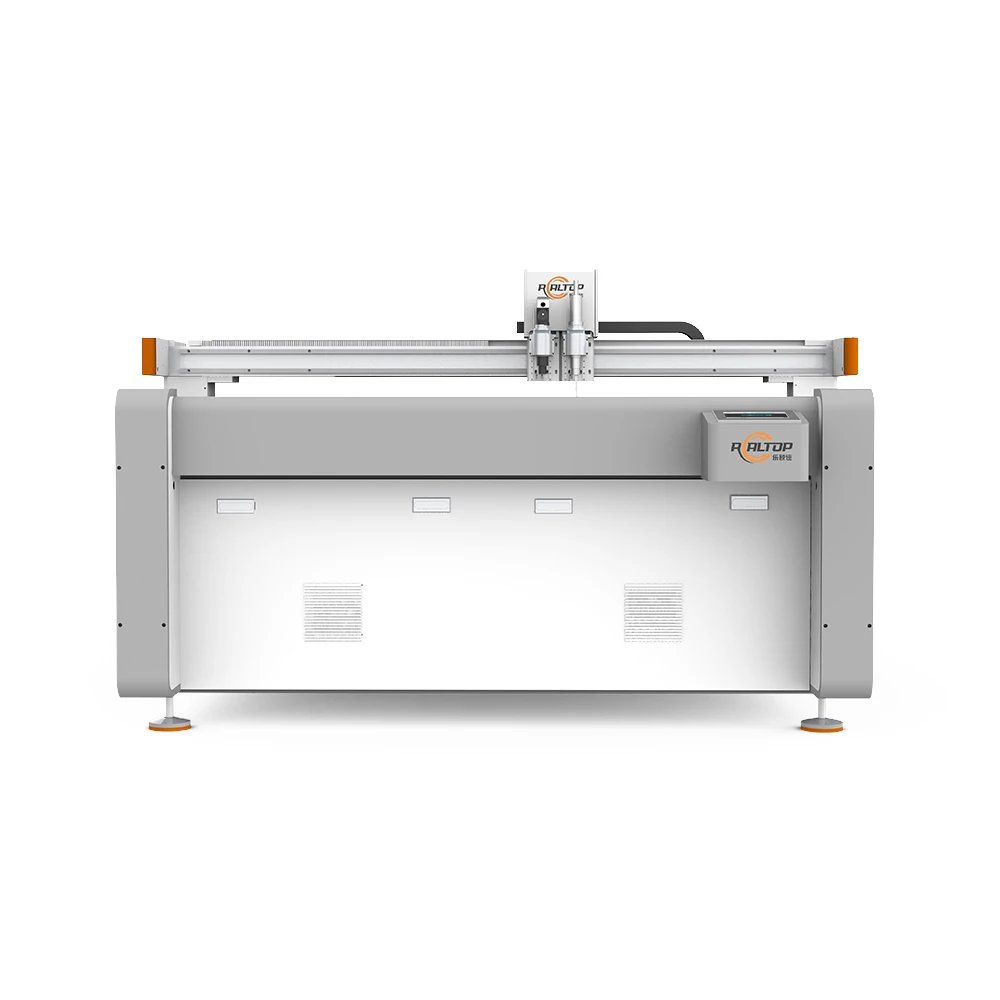
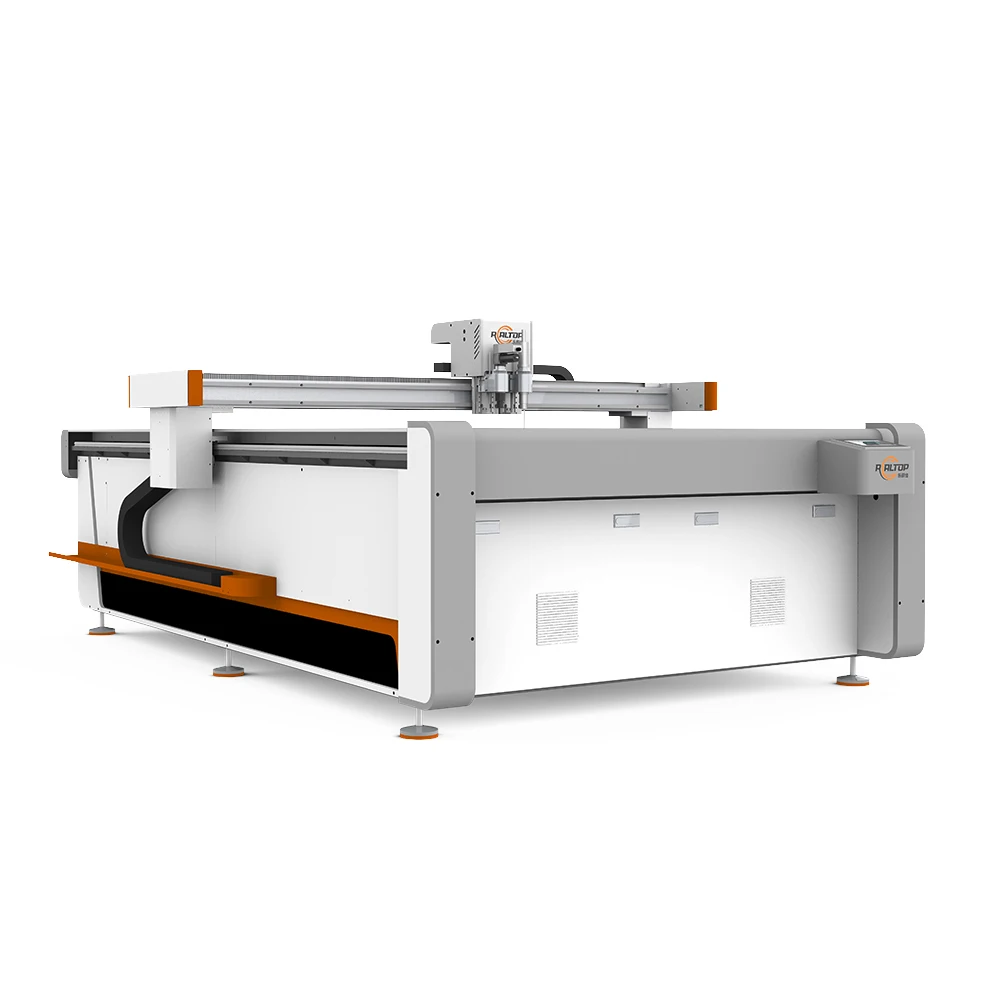
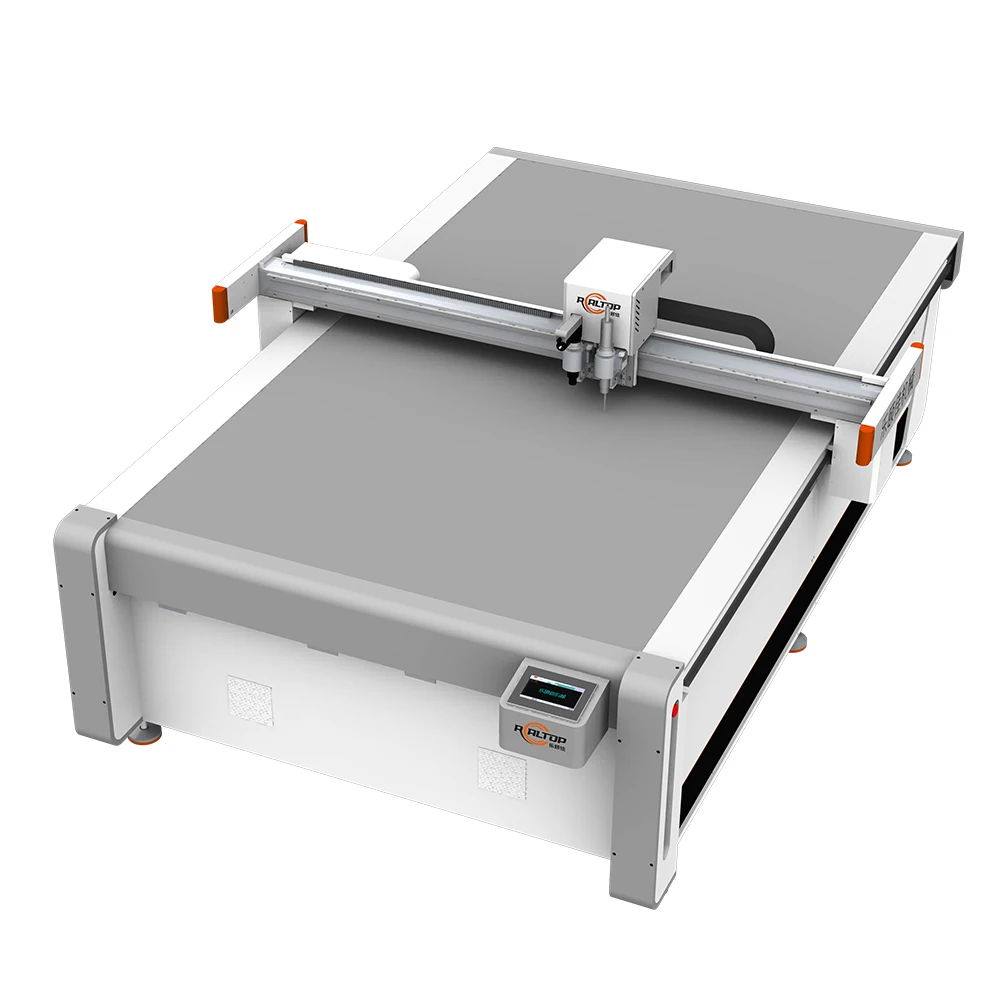
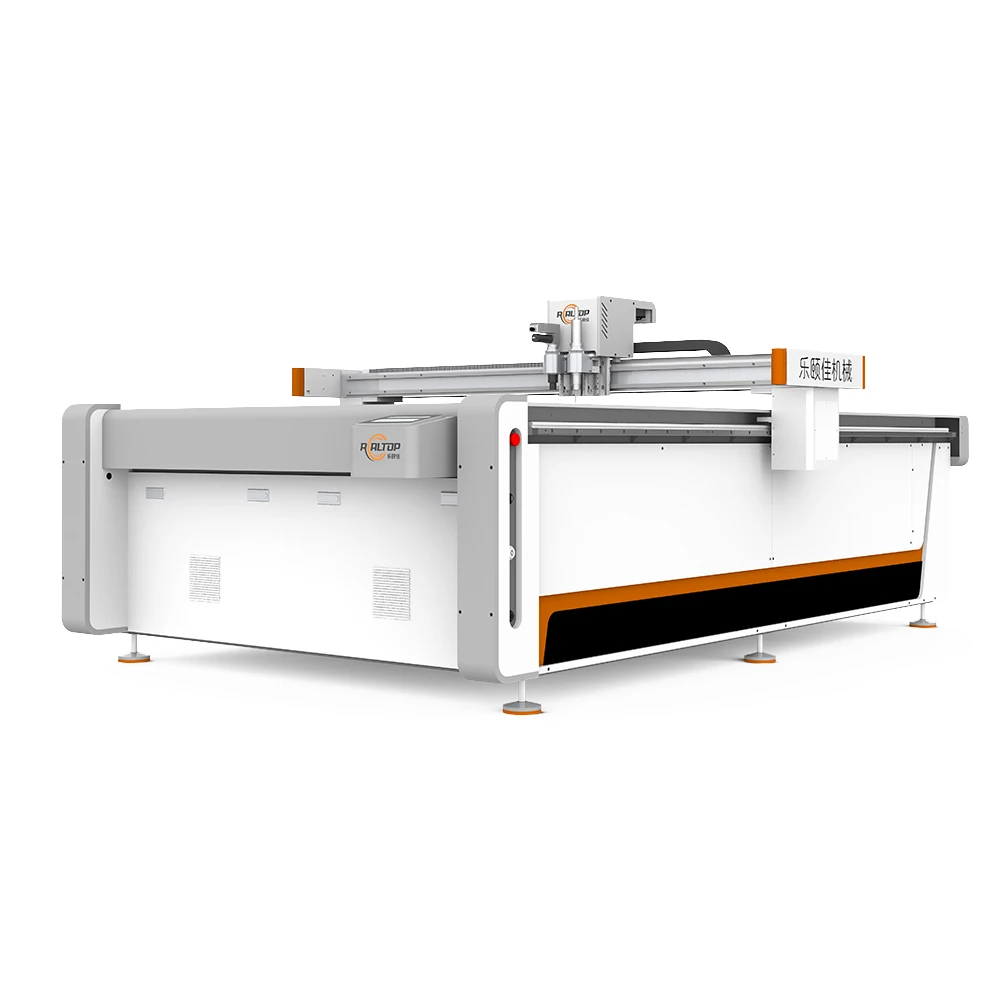
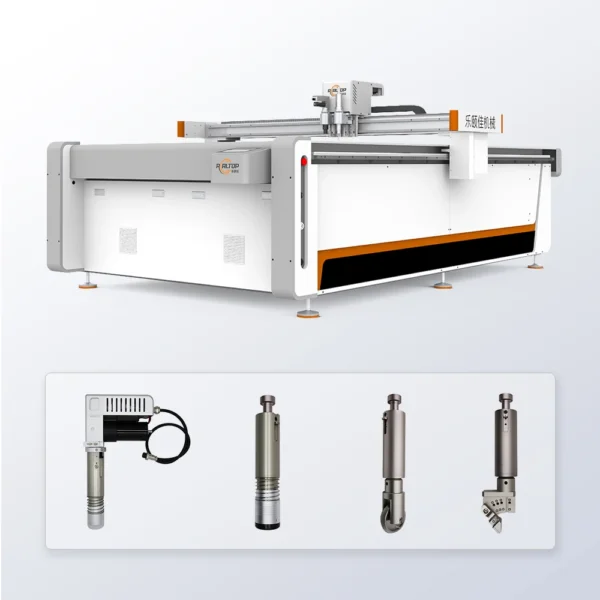
| Product Type | CNC Oscillating Knife Cutting Machine for Packaging |
| Working Area | 1600×2500 mm |
| Tools Available | Oscillating knife, Driven rotary knife, Creasing wheel, Kiss cutting tool, Pneumatic knife, Milling tool, V groove knife |
| Cutting Speed | 0–1500 mm/s |
| Cutting Thickness | Up to 40 mm |
| Cutting Accuracy | ±0.1 mm |
| Vacuum Pump | 9 kW |
| Voltage Options | 110V, 220V, 380V |
| Profile Formats | PLT, DXF, AI, PDF |
| Machine Frame | Heavy-duty frame with precision-ground surface |
| Vacuum Table | Aluminum bellows vacuum table |
| Servo Motors | Multiple options (Panasonic, Delta, Dorna) |
| Control System | PLC control panel with intuitive interface |
| Language Options | English, Russian, Italian, Chinese, others customizable |
| Software | Dedicated packaging box structure design software included |
| Safety Devices | Infrared sensor and emergency stop |
| Machine Size | 3300×2100×1350 mm |
Application Suitability
| Application | Material or Output |
|---|---|
| Corrugated packaging sample making | E-flute, B-flute, BC-flute corrugated board |
| Carton short-run production | Greyboard, cardstock, art paper, specialty paper |
| Foam protective insert cutting | EVA, EPE, PU foam packaging materials |
| Inner lining and gasket work | Velvet, fleece, non-woven fabric, rubber mats |
| Rigid packaging component cutting | PVC, PET thin plastic sheets |
| Specialty box and display making | Leather, synthetic leather, composite adhesive-backed materials |
Why Cutting Thickness Claims Need a Flute Type Attached
A 40 mm cutting depth on soft foam is not the same achievement as cutting 4 mm BC-flute board at production speed. When a packaging operation specifies a CNC oscillating knife cutting machine specifications sheet based on maximum thickness alone, the tool head may stall or drag on dense corrugated layers, leaving crushed flutes and ragged edges. We have seen sample approval pass on single-ply cardstock and then fail once the buyer switches to double-wall board for actual orders. The interaction between flute density, board moisture content and knife oscillation frequency determines what the machine actually delivers on the shop floor. [NEED_CITE: corrugated flute types and compressive strength differences across E, B and BC profiles]
Tool Head Selection for Mixed Packaging Workflows
Packaging sample makers rarely cut one material. A typical job involves creasing a box outline on B-flute, kiss-cutting a window insert on cardstock and trimming an EVA foam cradle for the same product. The oscillating knife handles corrugated layers cleanly, while the creasing wheel scores fold lines without severing the liner. A driven rotary knife suits continuous curves on thin paper, and the V groove knife produces bevelled edges for premium display boxes. Choosing the correct tool head for each material prevents the crushed flutes and delaminated edges that force operators to slow down the machine or discard prototypes.
Vacuum Zoning for Small and Irregular Parts
The aluminum bellows vacuum table provides full-surface adsorption across the 1600×2500 mm work area. This matters when cutting small packaging components such as corner inserts, foam blocks or intricate window frames where localized vacuum zones leave sections unanchored. Lifted material during high-speed passes causes knife deflection, edge drift and occasional tool breakage. Multi-zone valve control allows the operator to activate only the sections of the table holding active workpieces, maintaining holding force where it is needed while keeping the rest of the bed clear for the next layout.
Translating Specs into Cutting Performance
The ±0.1 mm cutting accuracy figure applies when the frame, servo drive and vacuum hold work together on stable material. Heavy-duty frame construction with a precision-ground surface prevents deflection under the lateral force of an oscillating knife cutting through dense BC-flute board. Panasonic, Delta or Dorna servo motors maintain positioning across long cuts on full-sheet layouts, so nested box patterns stay dimensionally consistent from the first piece to the last. The 0–1500 mm/s speed range is usable on single-ply cardstock; on multi-ply corrugated board the practical speed depends on flute count and whether creasing or full cutting is taking place. [NEED_CITE: servo motor selection impact on CNC flatbed positioning accuracy] The 9 kW vacuum pump supports sustained adsorption across the full table even when cutting thicker foam inserts that require multiple passes.
What Happens When Configuration Is Skipped
Ordering a machine on working area alone and discovering on delivery that the included knife cannot handle your board density means production stalls while sourcing the correct tool head. Undersized vacuum zoning causes small packaging parts to shift mid-cut, producing scrap that accumulates across a short run. A control panel locked in the wrong language slows operator training and invites setting errors. Software that cannot import existing DXF or AI packaging files forces the design team to redraw patterns, adding lead time before the first sample is even produced. [NEED_CITE: common CNC cutting machine delivery disputes related to specification mismatch]
Why Sourcing This Machine Through Our Process
In-house design covers both oscillating knife and creasing wheel tooling on one flatbed platform, so buyers match the cutting method to the packaging job rather than compromise. Tool head and table configuration are specified per material and production volume before the order is placed. Sample cutting runs on the buyer’s own corrugated board or foam at production speed verify edge quality and crease depth before commitment. Software compatibility is confirmed during the quotation stage, ensuring existing DXF, AI or PDF packaging files import without conversion issues. Voltage, plug type and control language are matched to the destination market and documented before shipment.
Documentation & Verification
- Sample cutting report on your corrugated board or foam at specified speed before order confirmation
- Electrical schematic with voltage and frequency matched to your facility power supply
- Tool head and table configuration list detailing every knife and wheel shipped with the machine
- Software licence with file format compatibility note for your existing DXF and AI packaging designs
- Factory test record showing cutting accuracy on your material thickness range
- Operation and maintenance manual in your selected control language
Installation, Commissioning & Support
- Heavy-duty 3300×2100×1350 mm frame requires level concrete floor with adequate clearance for material loading
- 9 kW vacuum pump and servo system need dedicated circuit matching confirmed 110V, 220V or 380V supply
- Machine ships partially assembled with tool head carriage and vacuum table integrated into the main frame
- First-run commissioning includes oscillation frequency tuning and vacuum zone calibration on your packaging materials
- Operator training covers creasing wheel depth adjustment, kiss cutting tool setup and nesting workflow
- Spare parts list includes oscillating knife blades, creasing wheels and vacuum table seals
Before You Request a Quotation
Share the corrugated flute types you cut most often, the foam densities for protective inserts and your typical sheet dimensions. Let us know the destination market voltage and frequency, your preferred control panel language and which packaging design software you currently use. If you have a specific box prototype or insert pattern, send the file so we can run a sample cut on matching material before finalizing the configuration.
Frequently Asked Questions
Q: How do I verify the cutting thickness claim for my corrugated board?
A: We run a sample cut on your actual material — E-flute, B-flute or BC-flute board — at production speed and document edge quality, crease depth and cutting time in a sample cutting report. This is provided before you commit to the order, so you can evaluate real performance rather than a maximum thickness figure taken from a different material.
Q: Which tool head do I need for a mixed packaging workflow?
A: If you cut corrugated board, crease fold lines and trim foam inserts, you will likely need an oscillating knife, a creasing wheel and possibly a kiss cutting tool. We specify the tool head set based on your material list and send a configuration document before production, so there are no surprises at delivery.
Q: Will my existing DXF and AI packaging files work with the included software?
A: The dedicated packaging box structure design software imports PLT, DXF, AI and PDF formats. We confirm compatibility with your specific files during the quotation stage, running a test import and sample cut so you can verify nesting workflow and cut quality before placing the order.
Q: Is the vacuum table zoning sufficient for small packaging parts?
A: The aluminum bellows vacuum table supports multi-zone control, allowing you to concentrate adsorption force on the active cutting area. Small inserts, foam blocks and intricate window frames stay anchored during high-speed passes, reducing lift and edge drift that cause scrap on short-run production jobs.
Q: How are voltage and language configured for my destination market?
A: We confirm voltage (110V, 220V or 380V), plug type, frequency and control panel language before shipment. The electrical schematic and machine specification sheet document every agreed setting, and the PLC interface is loaded in your chosen language so operators can work without translation barriers on day one.


商品评价
Clear filtersThere are no reviews yet.