

Fast Shipping
Carrier information

20k products
Payment methods

24/7 Support
Unlimited help desk

2-day Delivery
Track or off orders
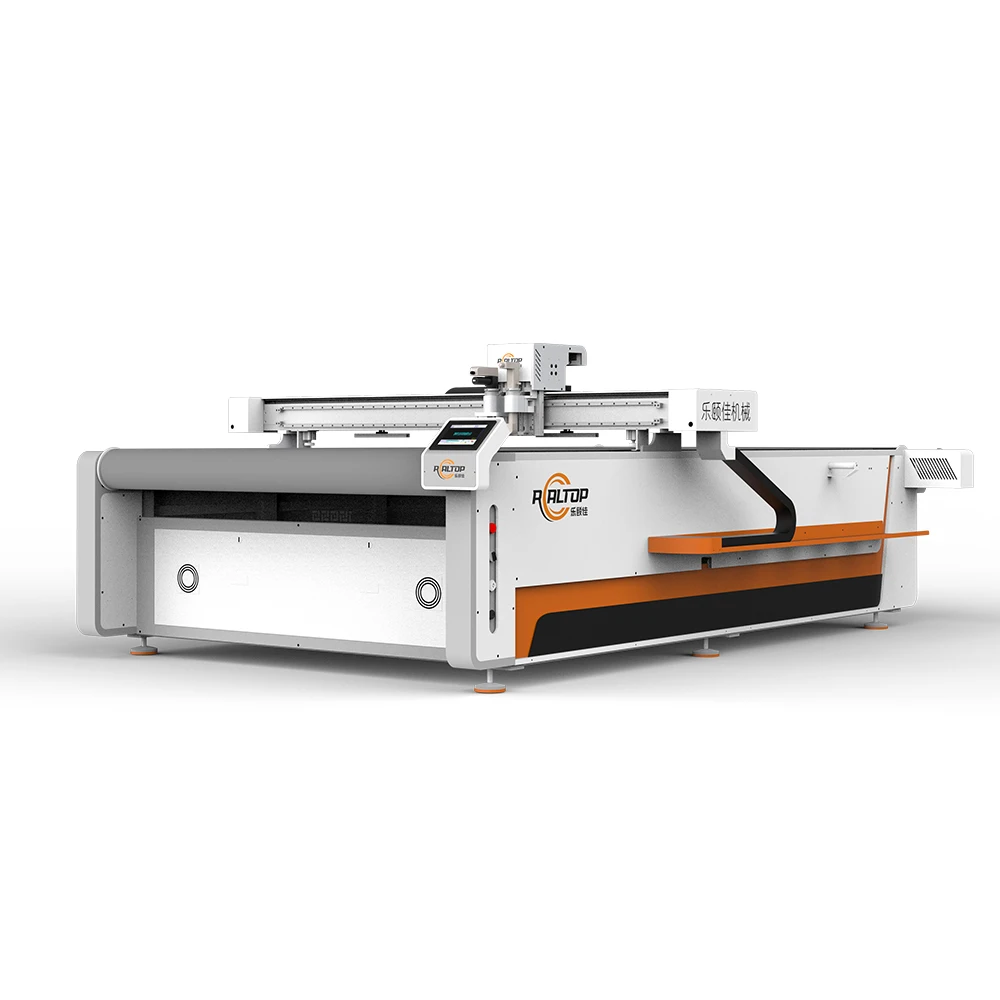
Tool Head Flexibility — Matching the cutting method to the weave and ply count, not forcing one blade across every fabric.
Technical Specifications
| Parameter | Value |
|---|---|
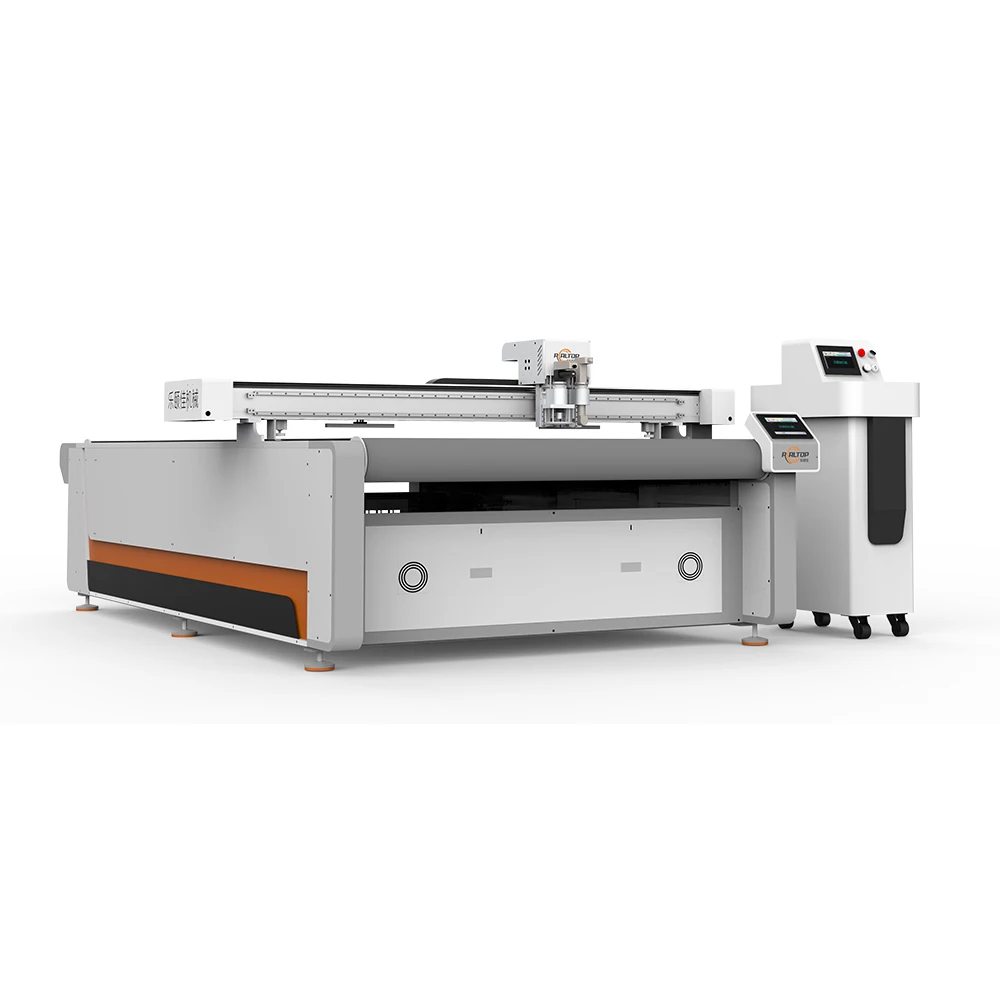
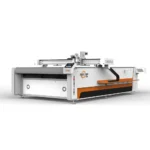
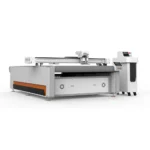
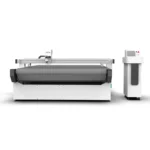
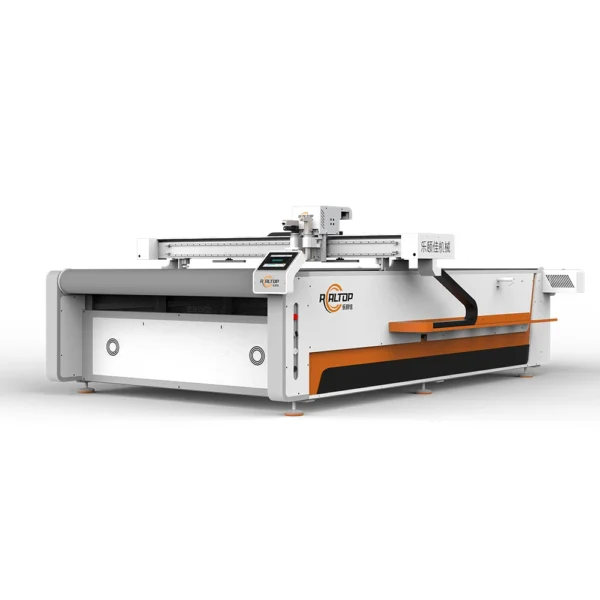
| Product Type | CNC Oscillating Knife Cutting Machine |
| Working Area | 1600×2500 mm |
| Available Tool Heads | Oscillating knife, Driven rotary knife, Creasing wheel, Kiss cutting tool, Pneumatic knife, Milling tool, V groove knife |
| Applicable Materials | Fabric, Cardboard, Carton, Mats, PVC, EVA, Leather, Acrylic, Foam, PTFE, Rubber |
| Cutting Speed | 0–2000 mm/s |
| Cutting Thickness | ≤ 30 mm (basis not stated in source — confirm material type and layer count) |
| Cutting Accuracy | ±0.1 mm |
| Vacuum Pump | 9 kW |
| Vacuum Table | Aluminum bellows vacuum table (zoning configuration not stated) |
| Drive System | Servo motors (Panasonic, Delta, or Dorna options) |
| Voltage Options | 110V, 220V, 380V (frequency not stated in source) |
| File Formats | PLT, DXF, AI, PDF |
| Safety Devices | Infrared sensor, Emergency stop |
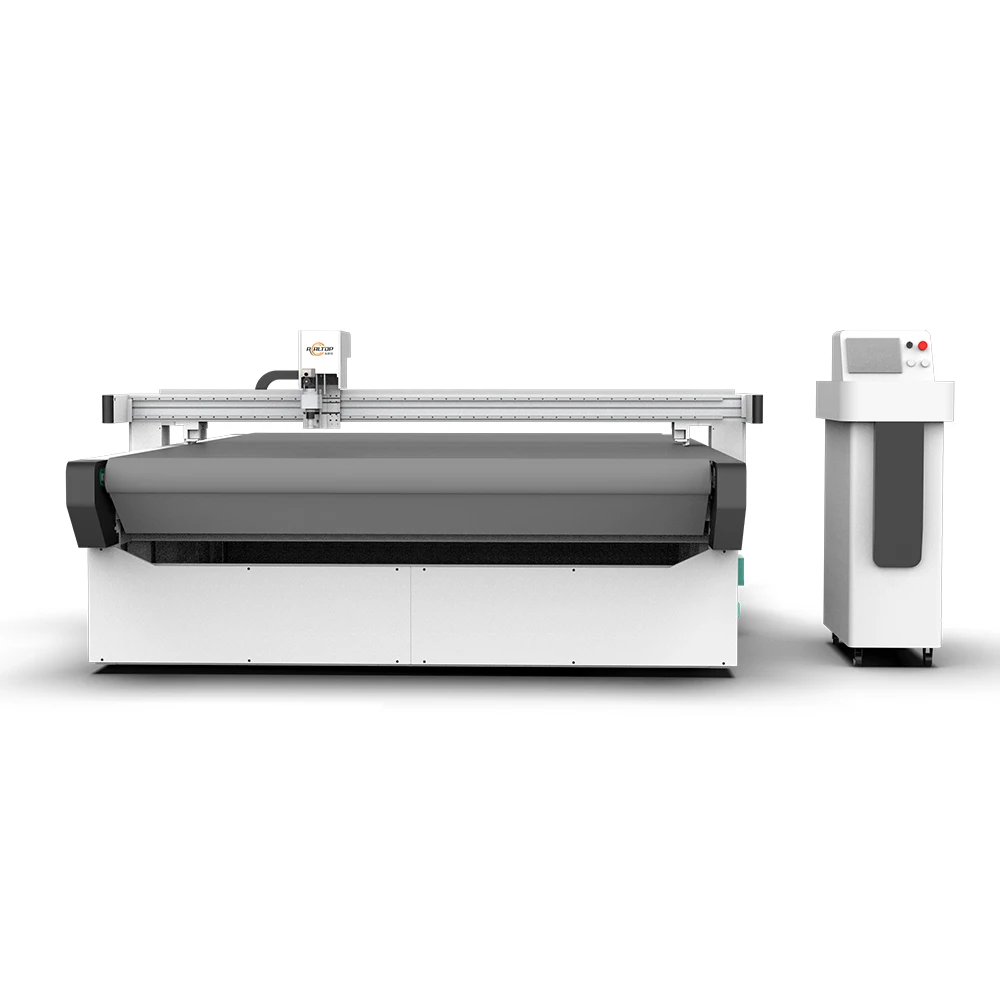
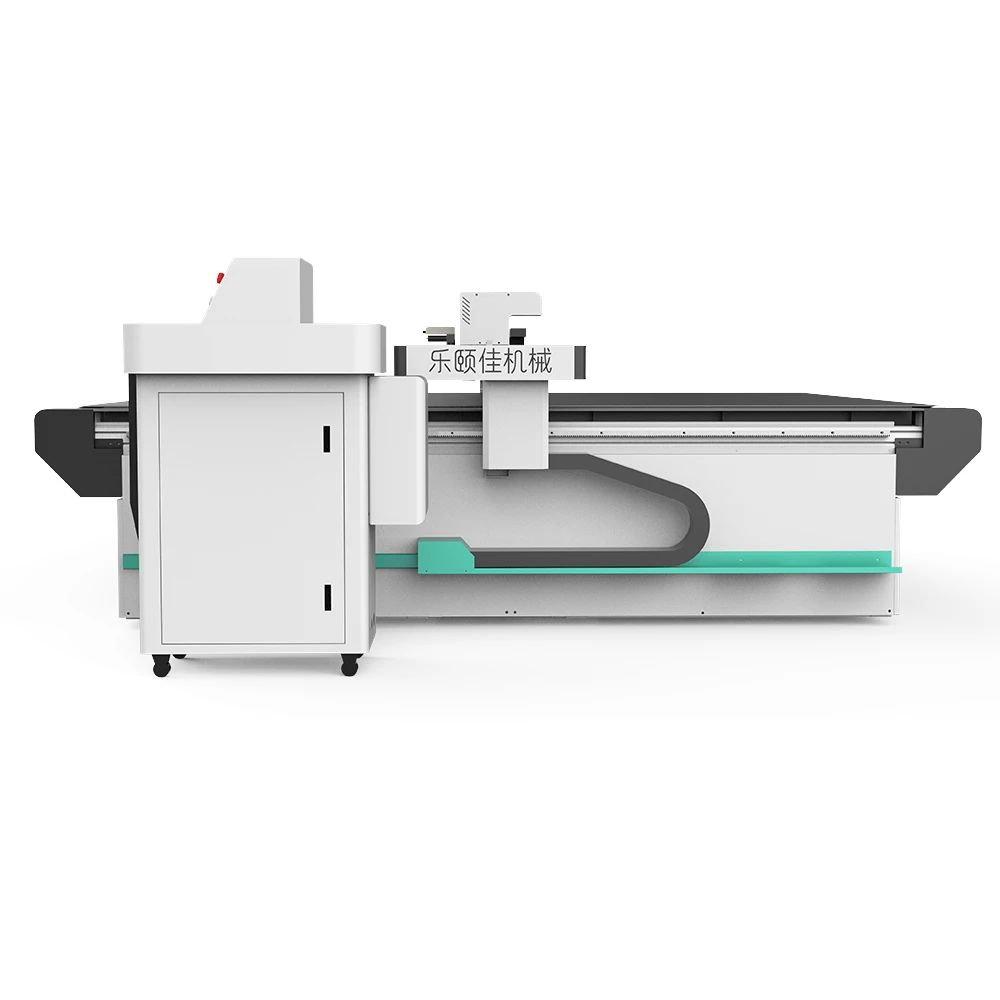
| Machine Dimensions | 3300×2100×1350 mm |
| Control System | PLC control panel with optional display languages |
| Software | Dedicated packaging box structure design software included (license terms not stated) |
| Language Options | English, Russian, Italian, Chinese (custom languages available) |
| Cutting Method | Cold cutting (non-laser, no thermal edge damage) |
| Nesting Software | Intelligent nesting with defect avoidance (material yield % not stated in source — verify against manufacturer catalog) |
| Assembly State | Fully assembled (source value — verify against manufacturer catalog) |
| Standards | CE (implied by certification image in source — confirm certificate scope) |
Application Suitability
| Application | Material or Output |
|---|---|
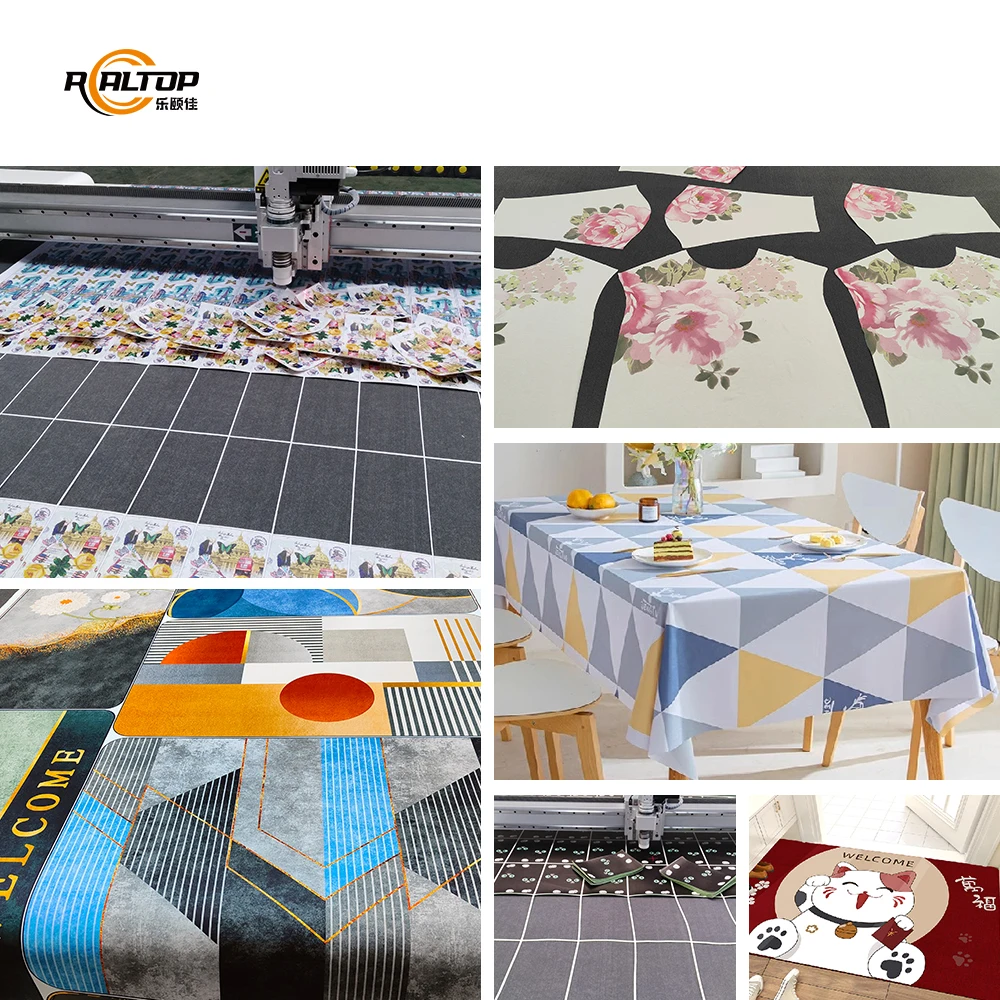
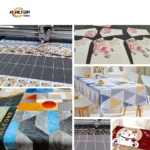
| Apparel manufacturing | Suits, knitwear, lace, pattern-matching layouts |
| Automotive interior cutting | Seat fabrics, carpets, PVC mats |
| Home textiles | Sofa fabrics, curtains, rugs (multi-layer cutting) |
| Composite material processing | Carbon fiber prepreg, aramid, specialty materials |
Why "30mm Cutting Depth" Means Nothing Without Your Sample
Actual cutting capacity depends entirely on the fabric density, coating, and number of plies being laid.
I have seen fabric converters buy machines based on a headline thickness number, only to find that a 30mm stack of loosely woven cotton cuts fine, but a 15mm stack of coated automotive upholstery material stalls the blade midway. The pneumatic knife head might slice through foam cleanly but struggle with a tight ripstop nylon. This CNC oscillating knife cutting machine for fabric is configured only after we see your actual production roll. [NEED_CITE: material density and tooling compatibility in industrial cutting]
Tool Head Selection Dictates Edge Quality
A driven rotary knife excels on single-ply materials and woven fabrics where a continuous shear cut prevents fraying. An oscillating knife is better suited for multi-ply lays and synthetic knits, using a rapid up-and-down stroke to part the fibers without dragging the bottom layers. Choosing between them — or specifying both for different jobs — is the central decision when configuring this platform for a mixed-material cutting room.
Vacuum Hold-Down on Slippery Synthetics
Multi-layer lays of nylon or polyester tend to shift under the lateral force of the blade. The aluminum bellows vacuum table, powered by a 9 kW pump, pulls the entire lay flat against the bed. The effectiveness of this hold-down depends on the table’s zoning configuration, which must be matched to the size of the pattern pieces being cut. Small pieces like collar stays or gussets require concentrated suction in a small zone, or they will lift and ruin the cut. [NEED_CITE: vacuum table zoning for small part retention]
Servo Accuracy and Pattern Registration
The ±0.1 mm positioning accuracy, driven by servo motors, matters most when cutting patterned or striped fabrics where the design must align across seams. A drifting axis will throw a plaid match by several millimeters over the length of a sofa panel. The file format support (DXF, PLT, AI, PDF) must be verified against your existing nesting software to ensure the marker file imports without geometry loss.
The Cost of Skipping the Sample Cut
When a buyer specifies a machine based on a catalog spec sheet alone, the risk of a mismatched tool head or insufficient vacuum hold-down is high. A crushed velvet pile or a frayed knit edge discovered after installation means production stops while new tooling is sourced and tested. This is a preventable failure that originates in the inquiry stage, not on the factory floor. [NEED_CITE: tooling mismatch consequences in textile cutting]
Why Source From This Production Floor
Our in-house design team covers both oscillating and rotary knife technologies on a single platform, so you are not forced into one cutting method. We specify the tool head and table configuration per material and production volume based on a sample cutting report run on your own fabric. Voltage, plug type, and control language are confirmed in writing before production begins. Software compatibility and file format notes are included with delivery, not discovered during commissioning. The machine arrives fully assembled with an operation manual and spare parts list.
Documentation & Verification
- Sample cutting report documenting edge quality on your specific fabric weight and weave
- Tool head and table configuration list matched to your material, not a generic sheet
- Electrical schematic confirming voltage, frequency, and plug type for your market
- Software license note and file format compatibility confirmation
- Factory test record with cut samples from your production material
Installation, Commissioning & Support
- Floor space must accommodate the 3300×2100 mm footprint plus operator access on three sides
- Dedicated electrical circuit required matching confirmed voltage (110V, 220V, or 380V)
- Machine arrives fully assembled; power connection and vacuum pump commissioning on-site
- Tool head calibration and vacuum zoning setup performed against your first production roll
- Operator training covers nesting software import, tool change, and daily vacuum filter maintenance
- Spare parts list includes oscillating blades, rotary knife discs, and vacuum table seals
What We Need To Configure Your Machine
Send a representative sample of your production fabric — the actual roll stock, not a swatch — including any coatings or laminations. Specify the maximum ply count you intend to cut, your existing CAD file format, and the voltage and frequency standard at your facility. This information allows us to run a sample cut and return a configuration recommendation before any order is placed.
Frequently Asked Questions
Q: How do you verify the cutting thickness claim against my specific fabric?
A: We run a sample cut on your actual production material, documenting the fabric weight, weave type, and ply count that produced a clean edge. The thickness capacity is not a universal number; it varies with material density and coating. The report shows what the machine achieved on your sample, not a catalog maximum.
Q: Which knife head is right for my mix of woven and knit fabrics?
A: A driven rotary knife typically suits single-ply wovens, while an oscillating knife handles multi-ply knits without dragging the bottom layers. If your production runs both, the platform supports interchangeable tool heads so you can switch between jobs. We specify this based on your sample cutting results.
Q: How does the vacuum table handle small pattern pieces that tend to lift?
A: The aluminum bellows table uses zoning to concentrate suction where the material is laid. For small pieces, the zone configuration must be specified at order so the 9 kW pump delivers adequate hold-down in that specific area. A generic full-table vacuum will not secure small parts against blade drag.
Q: Will my existing nesting software files import without rework?
A: The system accepts PLT, DXF, AI, and PDF formats, but import fidelity must be verified against your specific CAD output before the machine ships. We request a sample marker file from your workflow, run it through our software, and confirm geometry and notch registration accuracy in writing.


商品评价
Clear filtersThere are no reviews yet.