




Fast Shipping
Carrier information

20k products
Payment methods

24/7 Support
Unlimited help desk

2-day Delivery
Track or off orders
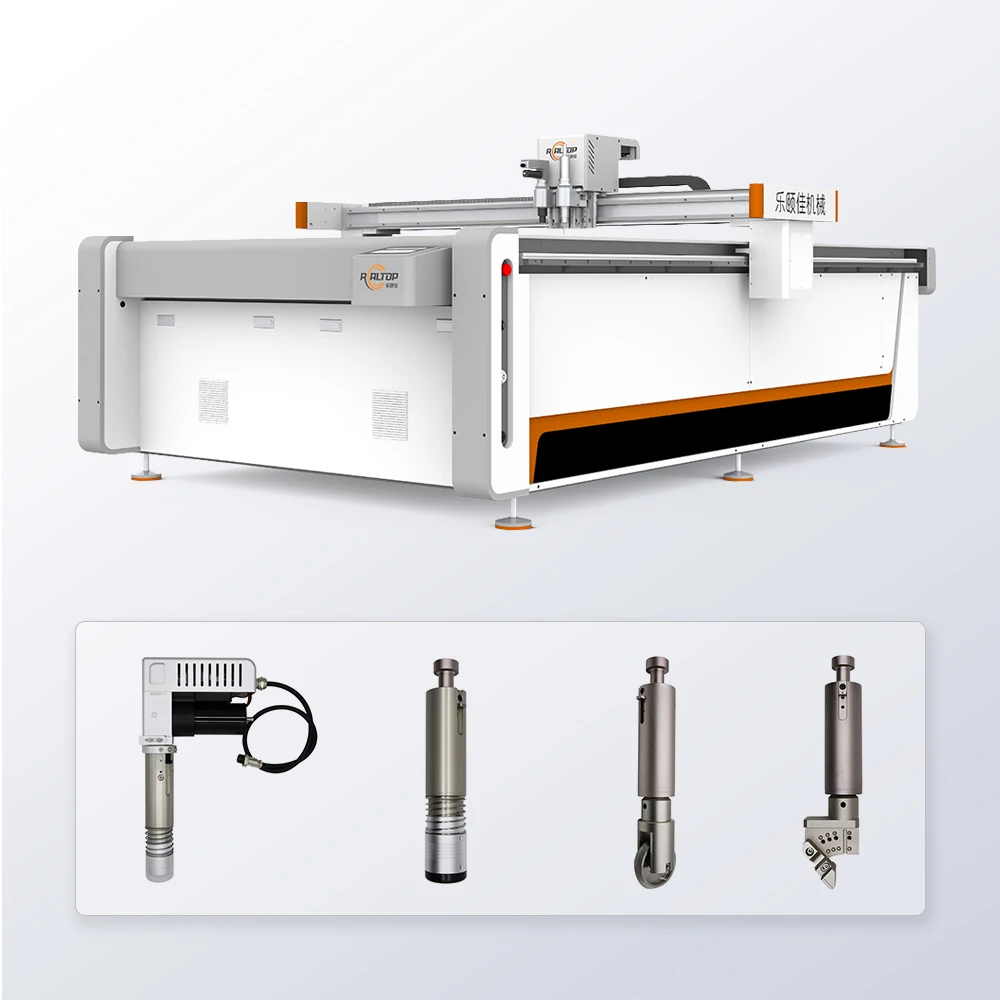
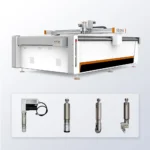
Tool Head Configuration by Material — oscillating knife, creasing wheel and V-groove tools matched to board flute, weight and daily volume before order rather than selected from a generic list.
Technical Specifications
| Parameter | Value |
|---|---|
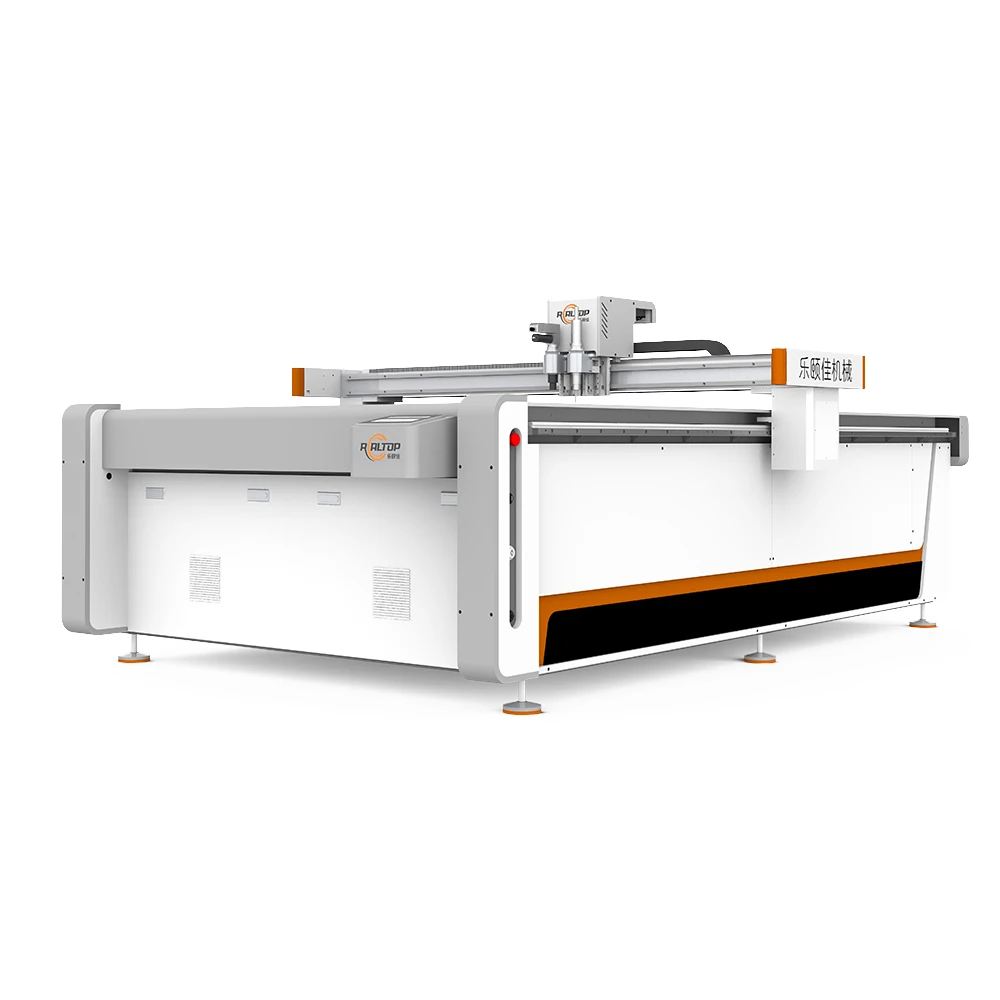
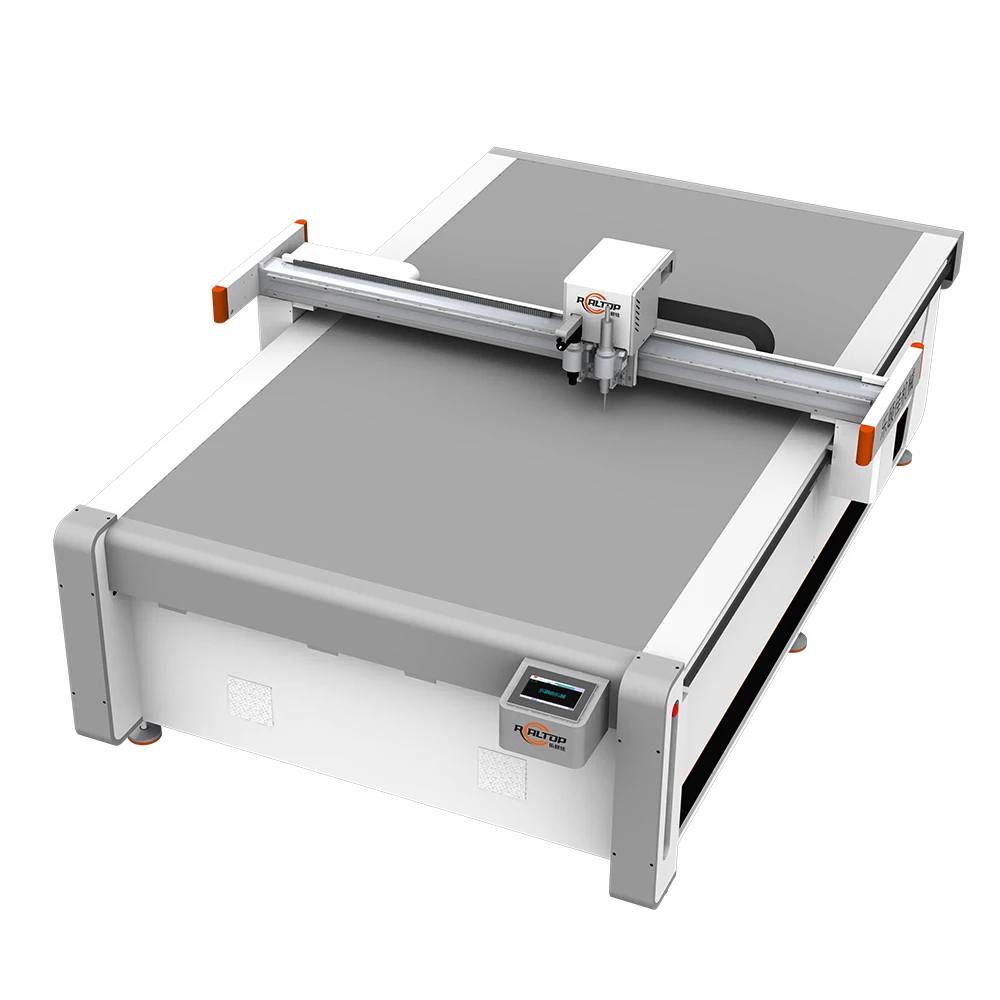
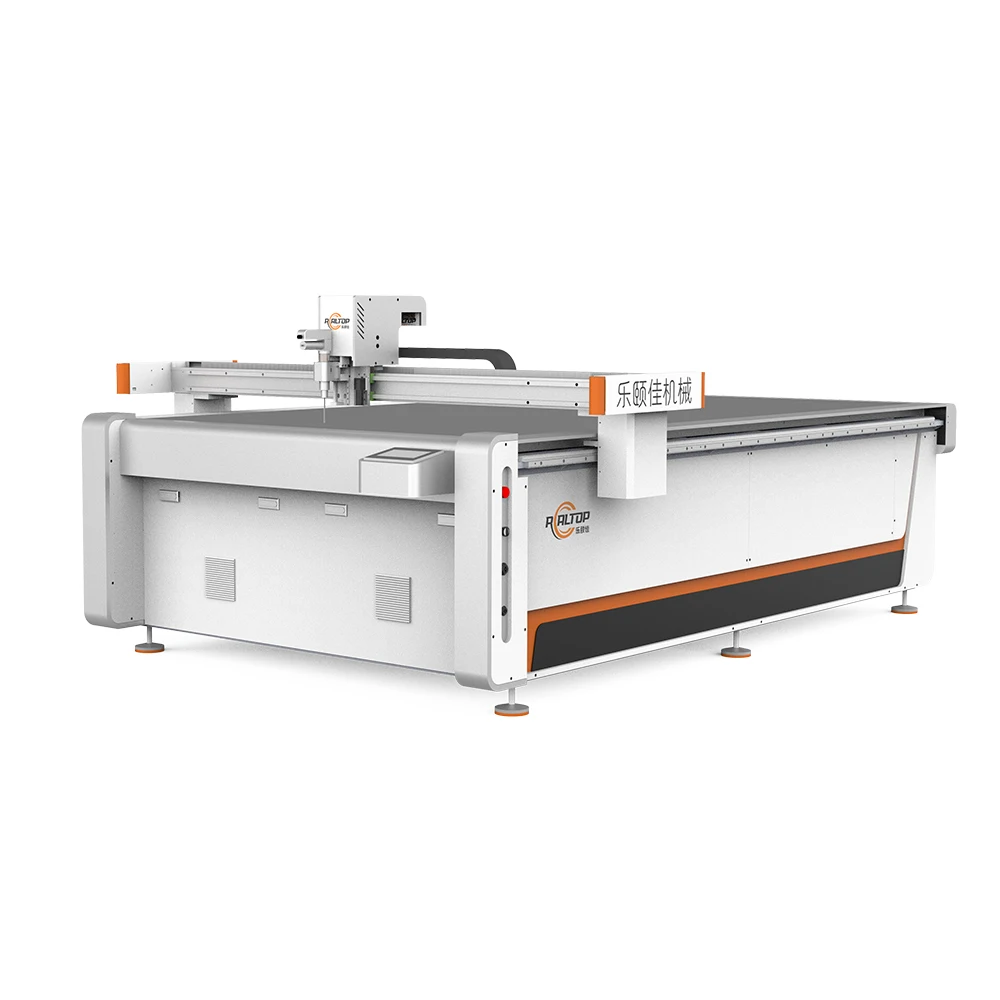
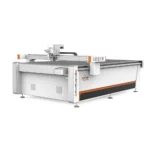
| Product Type | CNC Oscillating Knife Cutting Table for Packaging |
| Working Area | 1600 × 2500 mm |
| Tool Head Options | Oscillating knife, Driven rotary knife, Creasing wheel, Kiss cutting tool, Pneumatic knife, Milling tool, V-groove knife |
| Cutting Speed Range | 0 – 1500 mm/s |
| Maximum Cutting Thickness | 40 mm |
| Positioning Accuracy | ±0.1 mm |
| Vacuum Pump Power | 9 kW |
| Vacuum Table | Aluminum bellows vacuum table |
| Voltage Options | 110V, 220V, 380V (configurable) |
| Supported File Formats | PLT, DXF, AI, PDF |
| Control System | PLC control panel with configurable display languages |
| Safety Devices | Infrared sensor, emergency stop |
| Machine Dimensions | 3300 × 2100 × 1350 mm |
| Servo Motor Options | Panasonic, Delta, Dorna (source value — verify against manufacturer catalog) |
| Certification | CE (scope to be confirmed with certificate) |
Application Suitability
| Application | Material or Output |
|---|---|
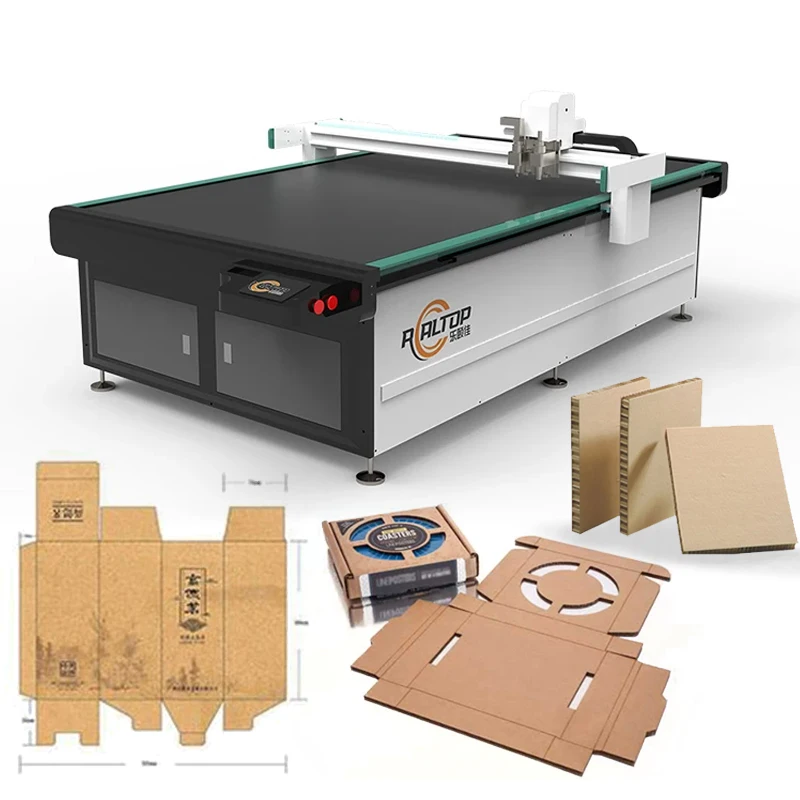
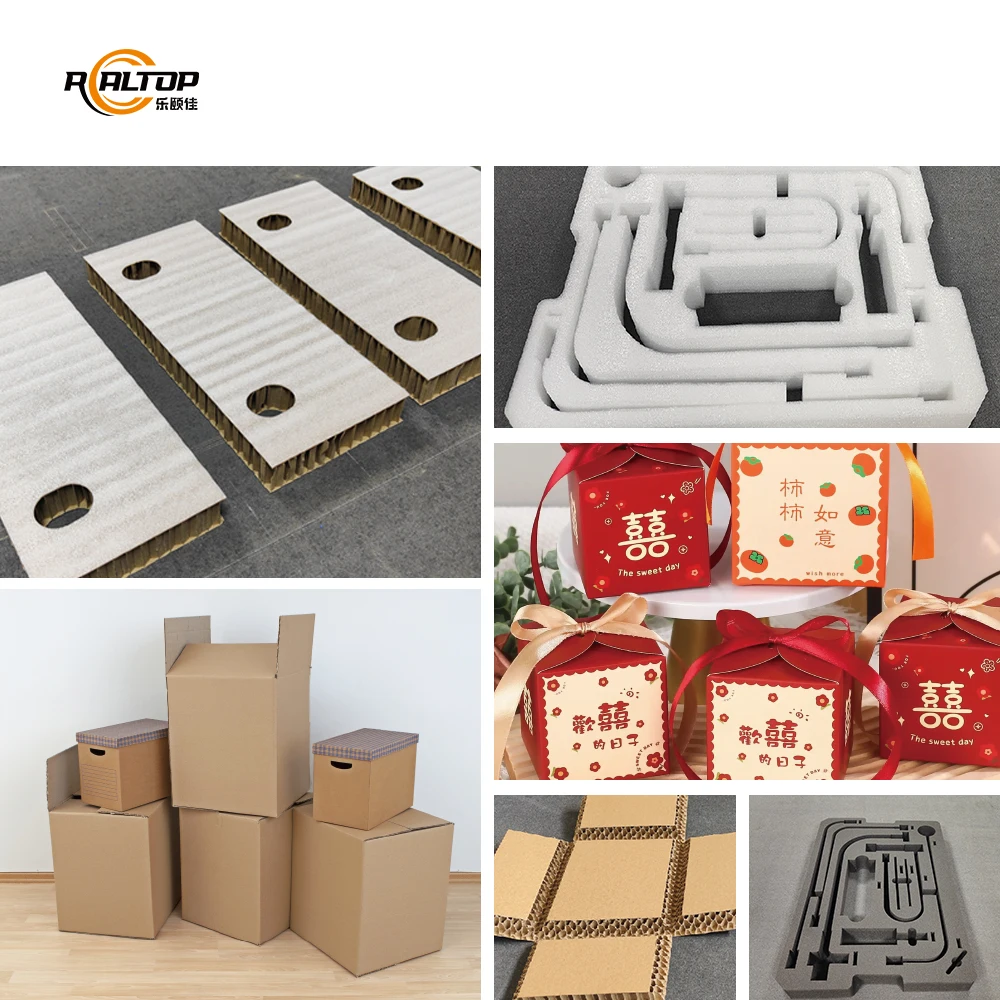
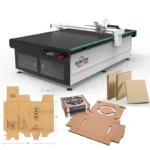
| Packaging sample making | Corrugated cardboard (E-flute, B-flute, BC-flute), greyboard, cardstock |
| Short-run box production | Art paper, specialty paper, adhesive-backed laminates |
| Protective insert cutting | EVA foam, EPE foam, PU foam |
| Interior packaging | Rubber mats, velvet, fleece, non-woven fabric |
| Thin plastic component cutting | PVC, PET sheets |
| Composite gasket and pad | Leather, synthetic leather, composite and adhesive materials |
Why the Wrong Tool Head Wastes More Than Material
Edge quality is decided at the quotation stage, not on the factory floor.
A buyer once specified a CNC Oscillating Knife Cutting Table based solely on working area and cutting speed. The first production run on humid honeycomb board produced ragged edges along every fold line because the knife frequency and vacuum zoning were set for standard corrugated, not high-moisture stock. Two full days of on-site re-tuning followed before cuts ran clean. That downtime cost more than the tool head upgrade would have. [NEED_CITE: material moisture variation and cutting edge quality]
Knife Frequency, Creasing Pressure and the Flute-to-Tool Match
Corrugated board behaves differently across E-flute, B-flute and BC-flute grades, and the oscillating knife must be tuned to each. Higher flute profiles need lower frequency with greater stroke to slice through without crushing the corrugation core. The creasing wheel applies calibrated pressure to score fold lines without breaking the liner, which matters when a packaging prototype must fold cleanly on the first attempt. Matching the tool head to the actual flute type and board weight before shipment prevents trial-and-error on the production floor.
Vacuum Zoning and Small-Part Stability
The aluminum bellows vacuum table provides full-surface adsorption across the 1600 × 2500 mm working area, but zoning becomes critical when cutting small packaging inserts or die-cut windows. Without proper zone isolation, vacuum bleeds into empty areas and small parts lift during the knife pass, producing dimensional drift. The 9 kW pump must be balanced against the active zone footprint so that every offcut stays flat regardless of nesting density. [NEED_CITE: vacuum adsorption and small-part hold-down in CNC cutting]
Reading the Specs That Actually Affect Output
The ±0.1 mm positioning accuracy allows tight nesting of box blanks on a single sheet, which directly affects material yield on expensive specialty boards. Cutting speed ranges from 0 to 1500 mm/s, but real throughput depends on how often the head decelerates around corners and internal cutouts — complex packaging patterns with multiple crease lines will run slower than the maximum figure suggests. File format support for PLT, DXF, AI and PDF means most structural design files can be imported without conversion, though software compatibility should be verified with the buyer’s existing nesting workflow before order confirmation. The dedicated packaging box structure design software handles common box templates, reducing setup time for standard carton geometries.
The Cost of Skipping the Sample Cut
When a CNC Oscillating Knife Cutting Table arrives configured for generic corrugated but the buyer runs coated art paper or adhesive-backed EVA foam, the kiss-cut depth and knife angle will be wrong from the first sheet. Ragged edges on foam inserts mean rejected packaging sets. Crushed flute cores on corrugated samples mean the client sees a poor prototype and walks. Each scenario traces back to ordering without a material-specific sample test and tool head configuration list. [NEED_CITE: sample cutting validation before equipment purchase]
What Distinguishes This Build Approach
In-house design covers both knife and laser technologies, so the cutting method is chosen to fit the material rather than forcing one process to handle everything. Tool head and table configurations are specified against the buyer’s actual board grade and production volume, not selected from a fixed menu. CCD camera positioning is available for printed contour work where registration marks must be tracked at cutting speed. Software and file format compatibility is confirmed before order, not discovered during installation. Sample cutting on the buyer’s own material runs before commitment, producing a documented report on edge quality and dimensional accuracy.
Documentation & Verification
- Machine specification sheet listing configured tool heads and vacuum zone layout
- Electrical schematic with confirmed voltage and plug type for destination market
- Tool head and table configuration list matched to buyer’s board grade and flute type
- Sample cutting report on buyer-supplied material with edge and dimension results
- Factory test record documenting full cutting cycle before dispatch
- Software licence and file format compatibility note for buyer’s nesting workflow
Installation, Commissioning & Support
- Foundation must support 3300 × 2100 mm footprint with level floor for vacuum table flatness
- Dedicated electrical circuit matching confirmed voltage option (110V, 220V or 380V)
- Machine arrives partially assembled; table frame and gantry require on-site alignment
- First-run parameter tuning for knife frequency, creasing pressure and vacuum zone mapping
- Operator training on PLC control panel in confirmed display language
- Spare parts list covering knife blades, creasing wheels and vacuum seals
Before You Send an Inquiry
Share the specific board grades and flute types you run most often, along with typical sheet dimensions and daily cutting volume. Confirm your facility voltage, frequency and the control language your operators need. If you have existing nesting files or structural design software, note the file formats so compatibility can be verified before quotation.
Frequently Asked Questions
Q: How is the tool head selected for my board grade and flute type?
A: We match oscillating knife frequency, creasing wheel pressure and V-groove angle to your specific flute profile and board weight. A sample cut on your actual stock confirms edge quality and fold-line integrity before the configuration is finalized for production.
Q: Can the system track printed registration marks at cutting speed?
A: CCD camera positioning is available as a configured option for printed sheet work. The system reads registration marks and adjusts the cut path in real time. Tracking performance depends on mark contrast and print quality, which we verify during the sample cutting stage.
Q: Is vacuum table zoning sufficient for small packaging parts?
A: The aluminum bellows table supports zone isolation so vacuum concentrates on the active cutting area. For small inserts and narrow offcuts, zone layout is planned against your nesting pattern to prevent part lift during the knife pass.
Q: Will the software import my existing DXF and AI nesting files?
A: The system supports PLT, DXF, AI and PDF formats. We confirm file import and nesting workflow compatibility with your existing design software before order, so there are no format surprises during installation.
Q: What voltage and control language will be confirmed before shipment?
A: Voltage options include 110V, 220V and 380V, confirmed against your facility supply. The PLC control panel display language is set to your operator preference, with English, Russian, Italian and Chinese available as standard and other languages configurable on request.


商品评价
Clear filtersThere are no reviews yet.