

Fast Shipping
Carrier information

20k products
Payment methods

24/7 Support
Unlimited help desk

2-day Delivery
Track or off orders
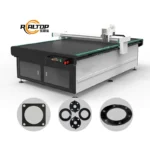
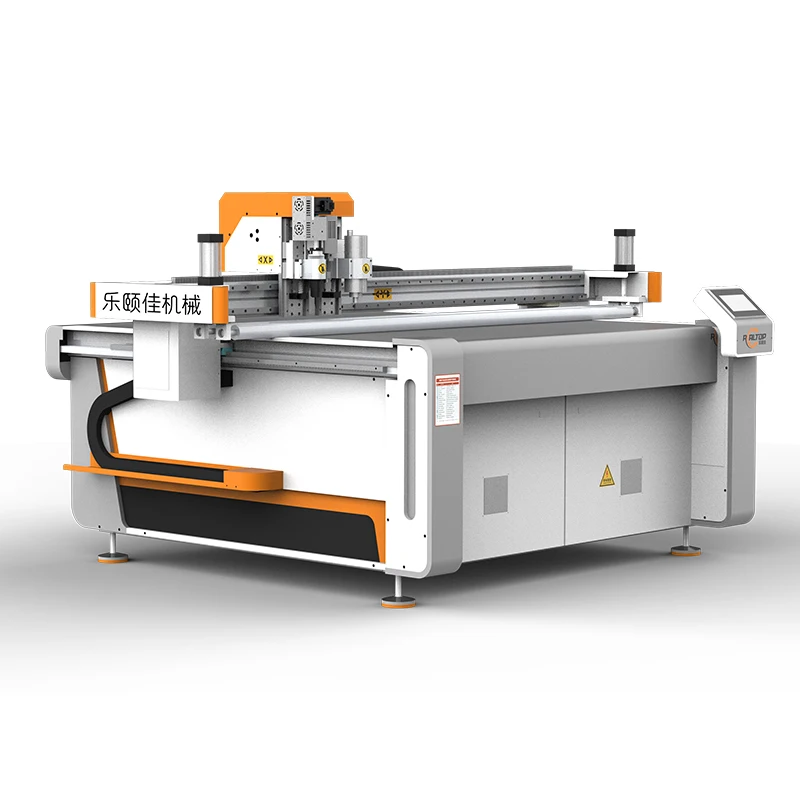
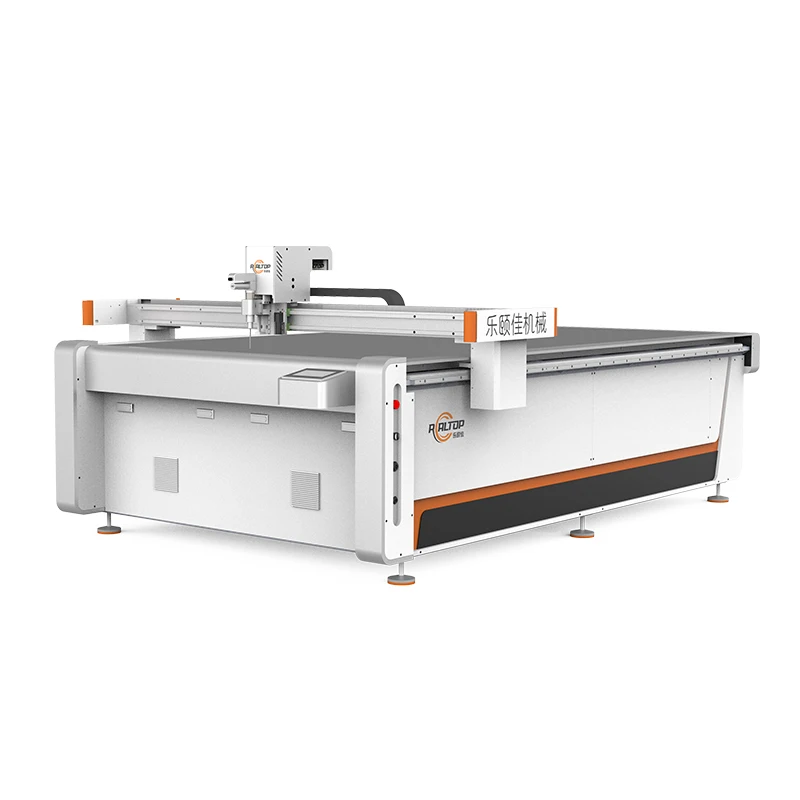
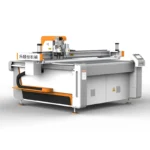
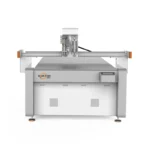
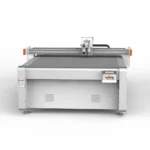
Tool Head Matched to Material — The RT-D2516/RT-S2516 is configured with oscillating, drag, pneumatic or circular knife heads only after testing your specific gasket stock, so cutting depth and edge quality are verified before shipment.
Technical Specifications
| Parameter | Value |
|---|---|
| Model | RT-D2516 / RT-S2516 |
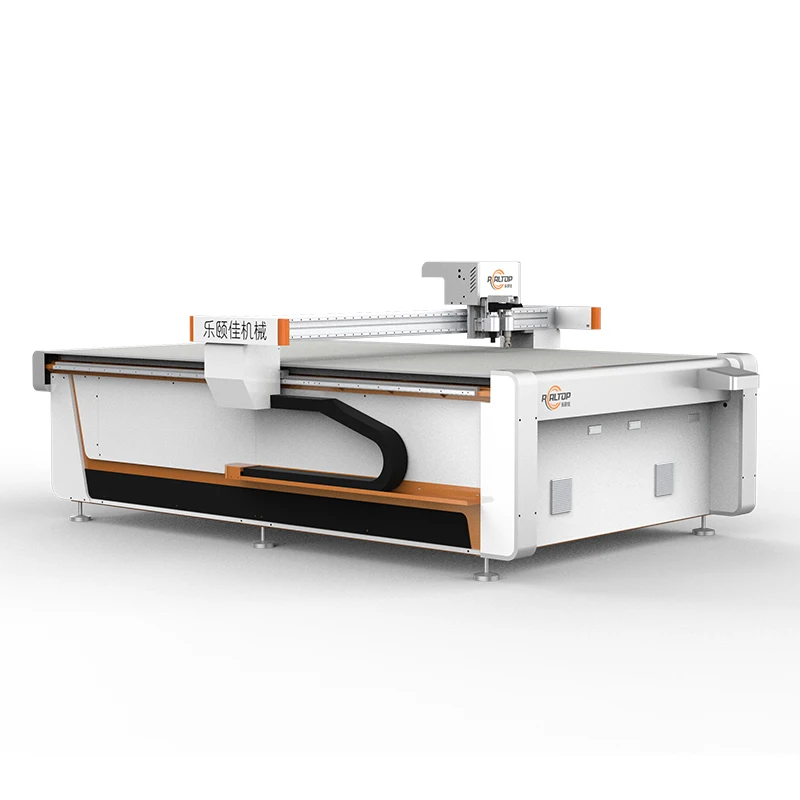
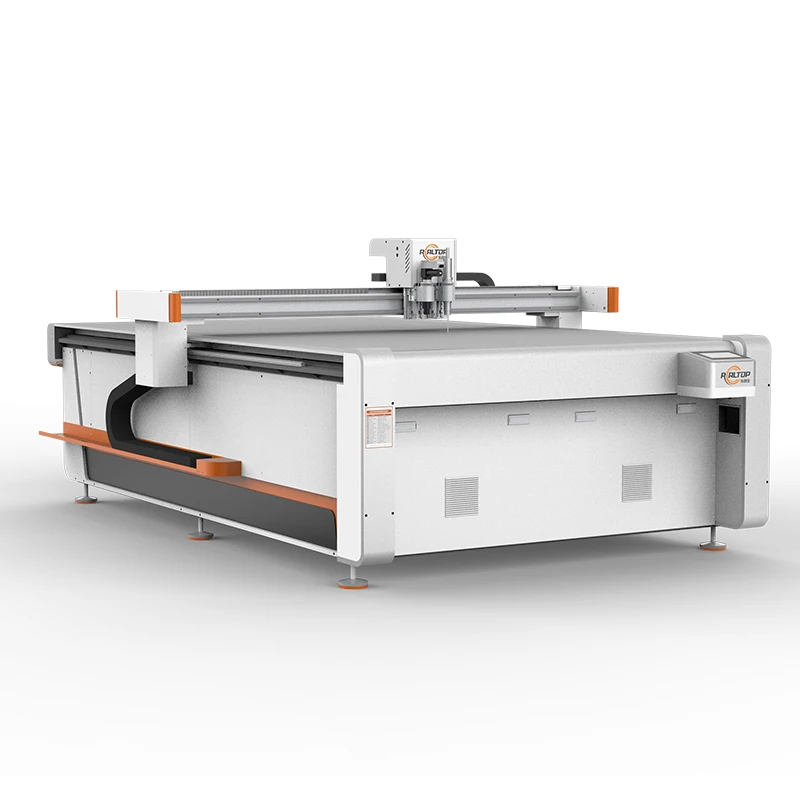
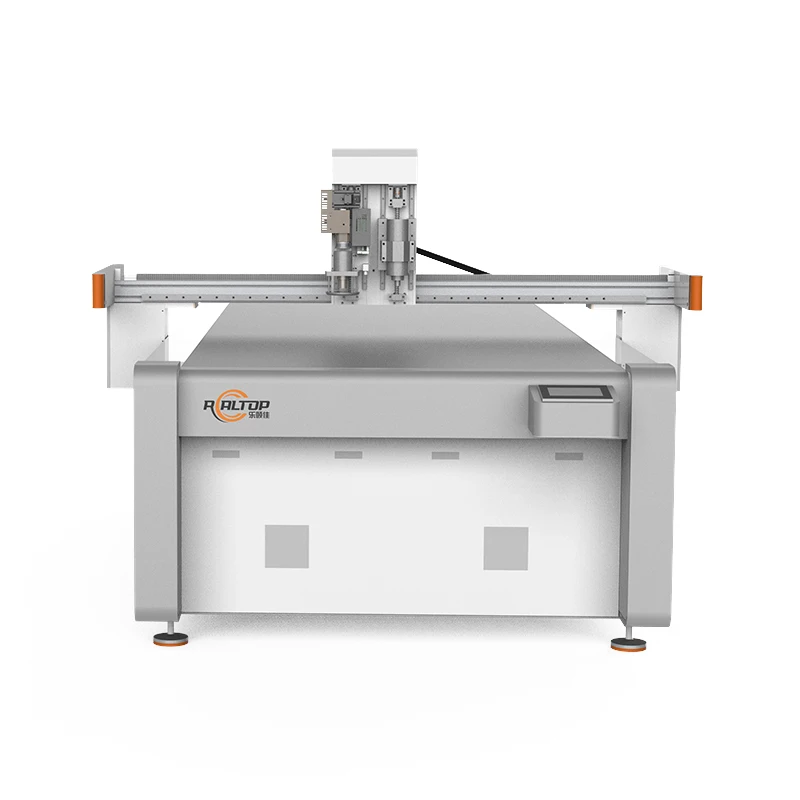
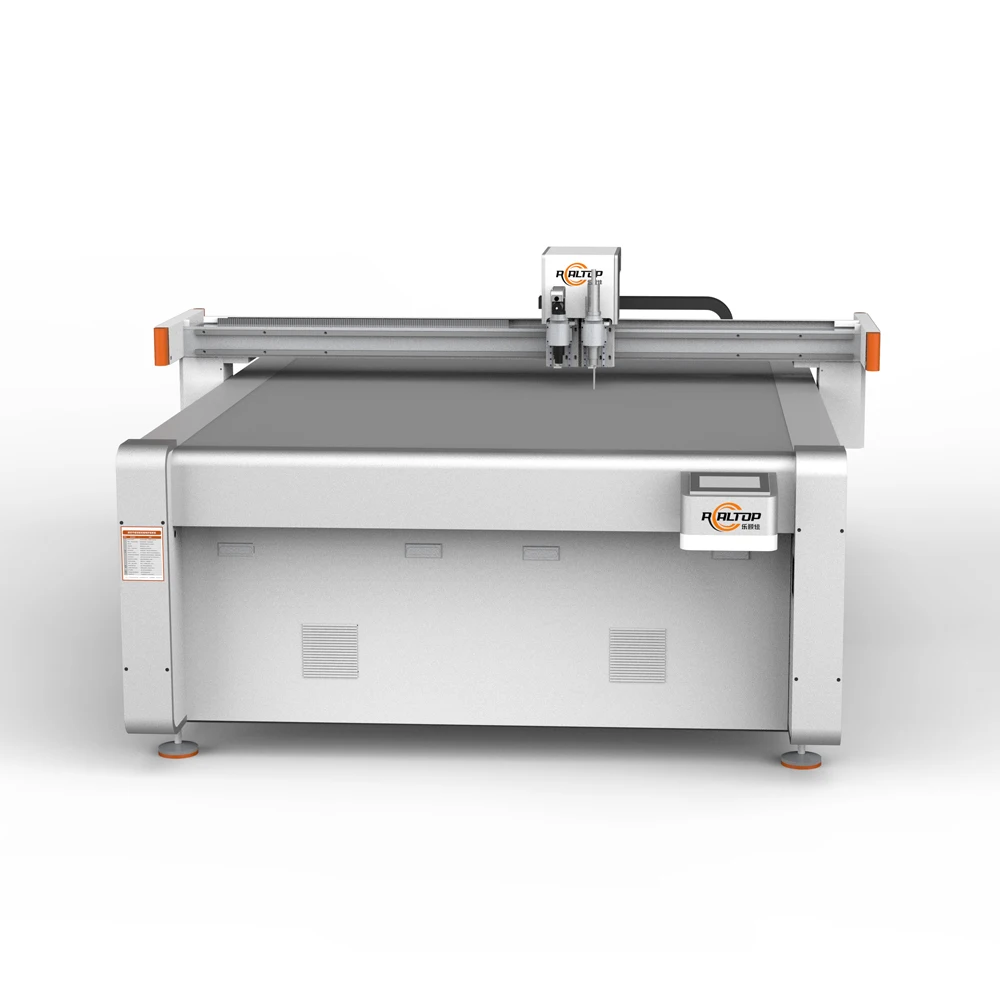
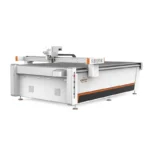
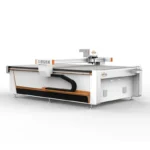
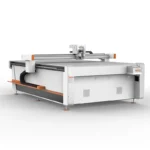
| Product Type | CNC Oscillating Knife Cutting Machine |
| Working Area | 1600 × 2500 mm |
| Machine Size | 3450 × 2300 × 1250 mm |
| Rated Power | 9 kW |
| Voltage | 380V ±10% |
| Servo Motor | Delta or Panasonic, IP67 waterproof |
| Transmission | Digital servo, linear guide, synchronous belt, ball screw |
| Guide Rail | Taiwan Hiwin |
| Vacuum Table | Magnesium-aluminum alloy, PVDF fluorocarbon coating, hard anodic oxidation |
| Vacuum Pump | 7.5 kW, integrated aviation aluminum shell with built-in silencer |
| Tool Head | Swiss imported vibrating knife — full cut, half cut, cursor location |
| Available Tool Options | Oscillating knife, pneumatic knife, high-power vibrating knife, circular knife, V-cut, drag knife, creasing wheel, dotted line knife, punching, brush |
| Visual Positioning | Small CCD mark point, panoramic camera recognition, projection positioning |
| Translational Velocity | 800–1200 mm/s |
| Cutting Speed | 200–800 mm/s (basis to be confirmed with material and thickness) |
| Repeated Accuracy | ≤0.1 mm |
| Safety Devices | Infrared blocking sensor, anti-collision beam, emergency stop |
| Conveyor Option | Germany imported belt, auto feeding available |
| Control Format | HP-GL compatible |
| Software Language | English, Russian, Italian, Chinese, custom options |
| Certification | CE |
Application Suitability
| Application | Material or Output |
|---|---|
| Spiral wound and soft gasket cutting | Rubber, PTFE, graphite composite, soft fiber, cork-rubber sheets |
| Automotive interior trimming | PU foam, EVA, XPE, sponge composites, non-woven textile |
| Packaging sample making | Corrugated cardboard, grey board, honeycomb paper |
| Footwear and luggage material processing | Leather, synthetic leather, multi-layer textile |
| Composite panel cutting | Fiberglass, carbon fiber prepreg, honeycomb core |
| Signage and display production | PVC foam board, acrylic film, self-adhesive vinyl |
What Material Thickness Reveals About a Gasket Cutter That Brochures Ignore
A working area spec tells you nothing about whether the knife head can penetrate 6 mm compressed fiber without delaminating the edge.
When buyers source a CNC oscillating knife cutting machine for gasket production, the conversation often stops at table size and travel speed. I have watched customers receive machines that handled 2 mm rubber perfectly, only to stall on 5 mm spiral wound gasket material or leave crushed edges on PTFE composites. The tool head geometry, oscillation frequency and downward pressure must all align with the material’s density and tensile behavior [NEED_CITE: material-dependent cutting tool selection in industrial gasket fabrication]. Without a sample cut on the buyer’s actual stock, these mismatches only surface after the machine is installed on the factory floor.
Oscillating, Drag and Pneumatic Knife — Why One Head Does Not Cover All Gasket Materials
The Swiss imported vibrating knife on the RT-D2516/RT-S2516 delivers high-frequency oscillation that shears through compressed rubber and fiber without tearing. For softer materials like sponge or single-layer textile, a drag knife provides a cleaner drag-cut edge at higher travel speed. Pneumatic knife options handle thick multi-layer stacks where downward air pressure keeps the blade engaged through the full depth. Selecting among these tool heads is not optional — it determines whether the CNC oscillating knife cutting machine specifications you review actually match the gasket stock you run daily.
Vacuum Table Flatness and Zoning Determine Whether Small Gaskets Stay Put
Magnesium-aluminum alloy with PVDF fluorocarbon coating resists the abrasive wear that fiber-reinforced gasket material causes on standard MDF or phenolic tables. The hard anodic oxidation layer underneath prevents pitting from repeated vacuum cycling. More importantly, the table zoning layout must match the typical part size — a large single-zone vacuum field will release small flange gaskets the moment the knife exits the cut path. Configuring multiple independent vacuum zones ensures that suction holds the remaining stock even after nested parts are separated [NEED_CITE: vacuum hold-down strategies for small flat parts on CNC cutting tables].
Reading the Specs That Actually Affect Gasket Edge Quality
The Taiwan Hiwin linear guide rails maintain positional accuracy across the full 1600 × 2500 mm travel, keeping repeated accuracy within 0.1 mm — critical when gasket bolt-hole patterns must align within tight tolerances. Delta or Panasonic IP67 servo motors suppress vibration during high-speed direction changes at 800–1200 mm/s translational velocity, preventing chatter marks on brittle PTFE or graphite sheets. The 7.5 kW vacuum pump with built-in silencer sponge sustains continuous suction without the pressure drop that causes material lift on long cutting paths. HP-GL format compatibility means most gasket nesting software can export directly without an intermediate conversion step that could distort curve geometry.
The Cost of Configuring by Table Size Alone
Buyers who specify only working area and skip tool head matching frequently end up replacing blades weekly on abrasive fiber gasket material. An oscillating knife forced through spiral wound metal-graphite composite at the wrong frequency produces frayed edges that fail seal testing. Without CCD contour recognition, printed registration marks on pre-printed gasket sheets cannot be tracked at production speed, forcing operators to slow the machine or reposition manually. Voltage mismatches discovered at commissioning delay installation by weeks while transformers are sourced locally [NEED_CITE: electrical specification verification before industrial machine shipment].
Why Sourcing This Gasket Cutter from the Build Floor Matters
In-house design covering both knife and laser technologies means the cutting method is chosen to suit your material rather than forcing gasket stock onto an unsuitable process. Tool head and table configuration are specified per material profile and confirmed on a sample cutting report before production begins. CCD camera positioning systems — mark point, panoramic or projection — are validated against your actual printed sheet to confirm tracking at line speed. Voltage, plug type, control language and software file format compatibility are documented in writing before the machine enters assembly. Every unit ships with a factory test record run on the buyer’s own material, not on a generic demo sheet.
Documentation & Verification
- Machine specification sheet listing the exact tool head and vacuum zone configuration assigned to your material
- Electrical schematic confirming voltage, frequency and plug type for your facility
- Sample cutting report on your gasket stock documenting edge quality and achievable cutting speed
- Tool head selection list showing which knife types are included and which are available as options
- Software license with HP-GL compatibility note and confirmed language setting
- Factory test record and packing photographs taken before crate closure
Installation, Commissioning & Support
- Foundation must support 3450 × 2300 mm footprint with level tolerance for the magnesium-aluminum vacuum table
- Dedicated 380V ±10% circuit with rated capacity above 9 kW to prevent servo motor stall during peak draw
- Machine arrives with vacuum pump integrated; table leveling and belt tensioning completed on site
- First-run parameter tuning covers oscillation frequency, vacuum zone mapping and CCD calibration for your stock
- Operator training covers tool head changeover between oscillating, drag and pneumatic knife options
- Spare parts list identifies Swiss knife blades, drive belts and vacuum seals by part number for reorder
What to Share Before Requesting a Quotation
Provide the specific gasket material type, thickness range and typical sheet dimensions you process daily. Indicate your facility voltage and frequency, the control language your operators prefer, and whether your current nesting workflow exports in HP-GL or another format. If your production includes printed registration marks, send a sample sheet so the CCD positioning system can be validated before the configuration is finalized.
Frequently Asked Questions
Q: How is the correct tool head selected for my gasket material?
A: We run sample cuts on your actual material using oscillating, drag, pneumatic and circular knife options. The head that delivers clean edges at acceptable speed without excessive blade wear is written into the configuration list. This eliminates guesswork and ensures the CNC oscillating knife cutting machine specifications match your daily stock.
Q: Can the CCD camera track printed marks at full production speed?
A: The system offers small CCD mark point positioning, panoramic camera recognition and projection positioning. We test tracking on your printed sheet to confirm the camera holds registration at your required cutting speed before the system is finalized for shipment.
Q: Will the vacuum table hold small gasket parts without lifting?
A: The magnesium-aluminum table supports multiple independent vacuum zones. Zone layout is configured based on your typical part size so that suction maintains hold-down even after surrounding material is cut away, preventing small flange gaskets from shifting.
Q: What electrical and software details are confirmed before shipment?
A: Voltage, plug type, frequency, software language and HP-GL file format compatibility are all documented in writing before production begins. The electrical schematic is included in the documentation package so your facility team can prepare the correct circuit in advance.
Q: Can I send my material for sample cutting before ordering?
A: Yes. Send your gasket stock in the thickness and grade you process most often. We return a sample cutting report showing edge quality, tool head used and achievable speed so you can evaluate the configuration before committing to production.


商品评价
Clear filtersThere are no reviews yet.