


Fast Shipping
Carrier information

20k products
Payment methods

24/7 Support
Unlimited help desk

2-day Delivery
Track or off orders
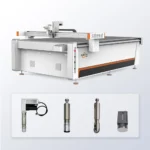
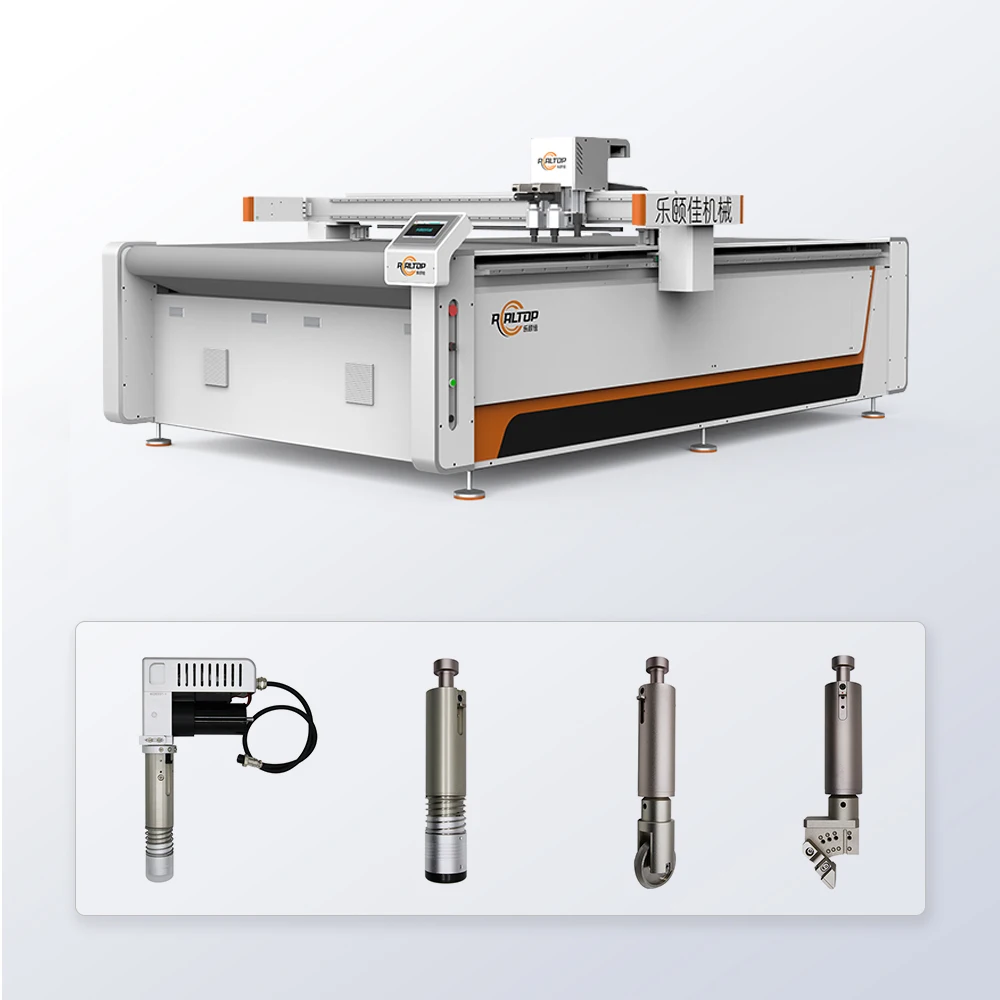
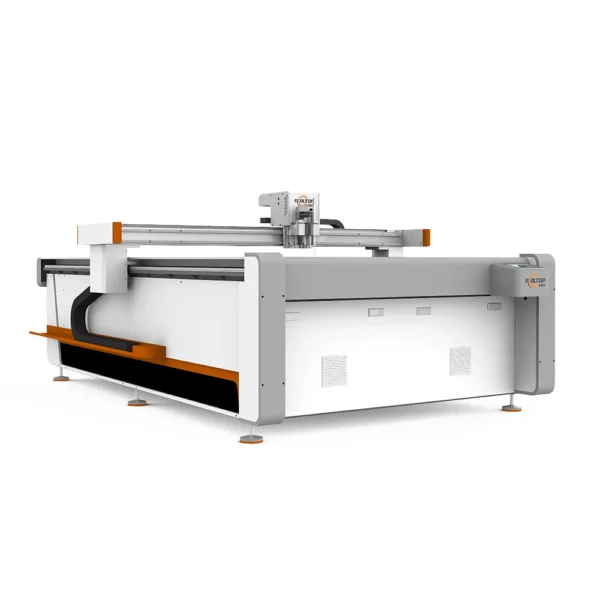
Interchangeable Tool Head Matching — configure the oscillating knife, creasing wheel or driven rotary head to your exact cardboard grade and thickness before production, eliminating ragged edges and crushed corrugation on the flatbed digital cutting table.
Technical Specifications
| Parameter | Value |
|---|---|
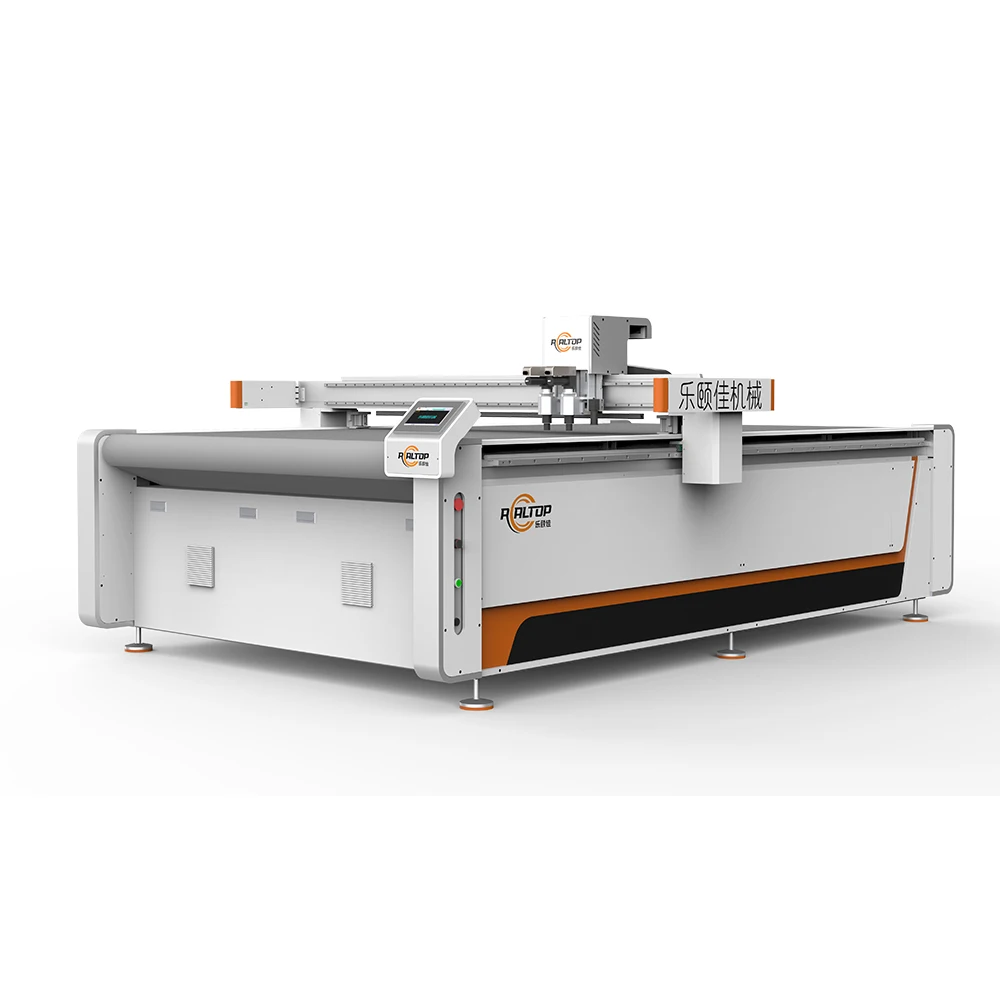
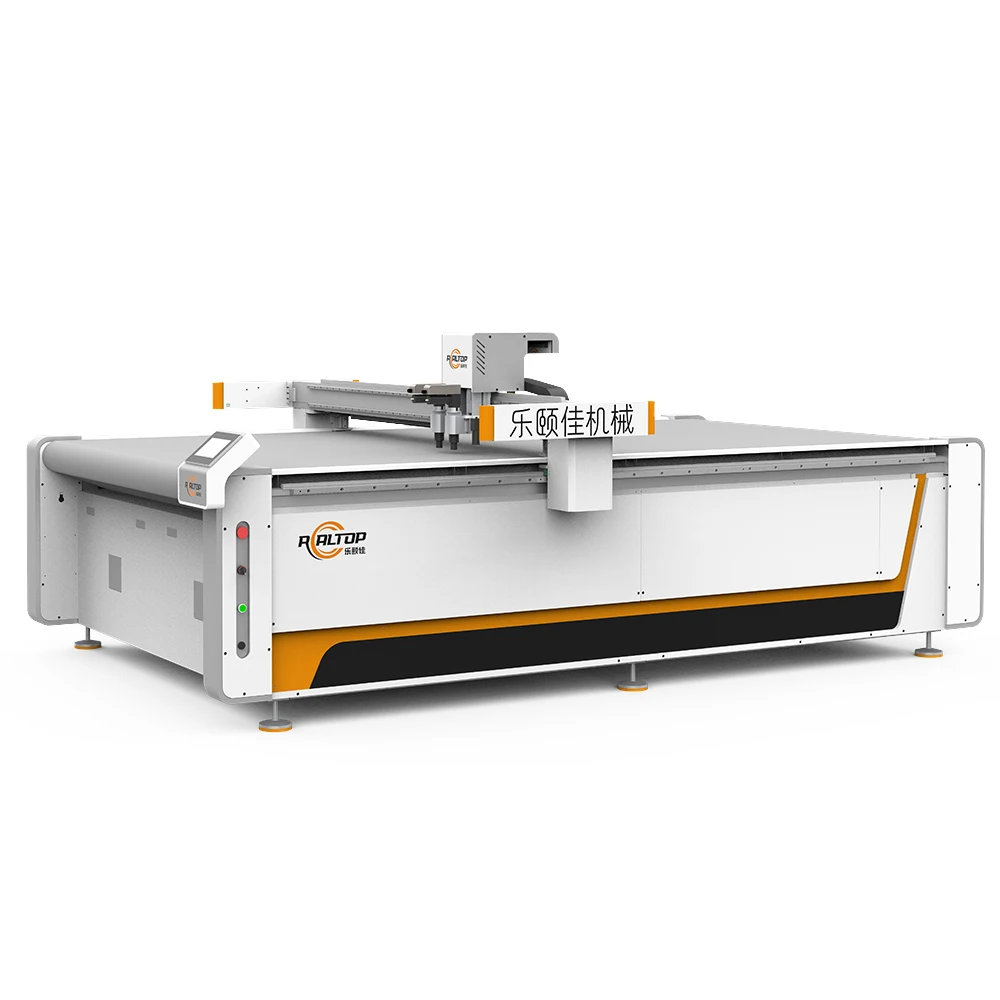
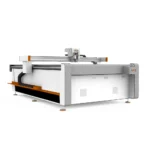
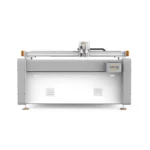
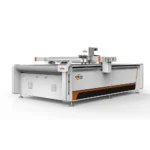
| Product Type | CNC Oscillating Knife Cutting Table |
| Working Area | 1600 x 2500 mm |
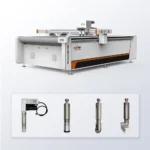
| Tool Head Options | Oscillating knife, Driven rotary knife, Creasing wheel, Kiss cutting tool, Pneumatic knife, Milling tool, V groove knife |
| Maximum Cutting Speed | 0-1500 mm/s |
| Cutting Thickness | Up to 40 mm (basis not stated in source) |
| Positioning Accuracy | ±0.1 mm |
| Vacuum Pump Power | 9 kW |
| Vacuum Table | Aluminum bellows with full-surface adsorption |
| Drive System | Servo motors (Panasonic, Delta, or Dorna options) |
| Machine Frame | Heavy-duty frame with precision-ground surface |
| Safety Device | Infrared sensor and emergency stop |
| Overall Dimensions (L x W x H) | 3300 x 2100 x 1350 mm |
| Voltage Options | 110V, 220V, 380V |
| Control System | PLC control panel with optional display languages |
| Compatible File Formats | PLT, DXF, AI, PDF |
| Design Software | Dedicated packaging box structure design software |
Application Suitability
| Application | Material or Output |
|---|---|
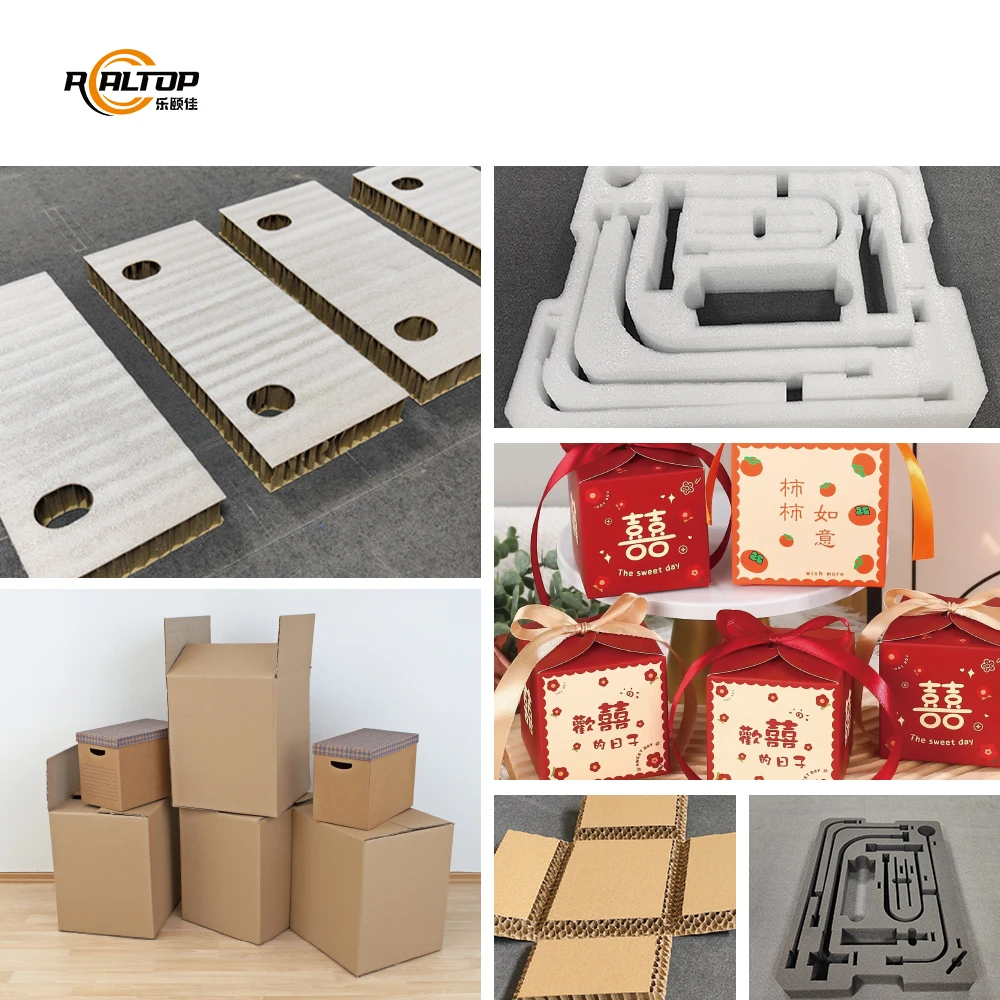
| Carton sample making and prototyping | Corrugated cardboard, folding carton stock, grey board |
| Short-run packaging production | Art paper, kraft paper, specialty coated board |
| Advertising and display signage | Foam board, honeycomb paper, PVC foam sheet |
| Automotive interior components | Seat cover leather, carpet, floor mat EVA, door panel composites |
| Gasket and seal production | Cork, rubber sheet, compressed fiber, PTFE |
| Composite material cutting | Carbon fiber prepreg, fiberglass, sound insulation foam |
Why the Material Test Must Come Before the Machine Quote
A flatbed digital cutting table specified only by bed size will fail the moment it meets your actual production material.
In a Dubai packaging plant, I watched a machine rated for standard corrugated board stall completely when the operator loaded high-density grey board. The oscillating knife could not penetrate the material, leaving crushed fibers and torn edges across every sample. The team had to halt production, recalibrate knife pressure, adjust oscillation frequency, and swap to a heavier blade geometry before acceptable cuts were possible. That experience confirmed a rule: cutting depth and edge quality depend on the specific material grade, moisture content, and lamination structure, not on a generic thickness rating. Buyers who skip material testing often discover these gaps after the CNC oscillating knife cutting table specifications are locked and the machine is already shipped [NEED_CITE: material variability in cardboard grades and moisture content].
Tool Head Selection by Material and Cut Type
The flatbed digital cutting machine for cardboard supports seven interchangeable tool heads, each designed for a distinct cutting or scoring action. Oscillating knife heads handle straight and curved cuts through corrugated and solid board up to the rated thickness. Creasing wheels produce fold lines without cutting through the material, essential for box structure prototyping. Driven rotary knives manage continuous contour cuts on thinner stock, while the kiss cutting tool scores adhesive labels and gaskets without penetrating the backing layer. Matching the correct head to your material prevents the crushed edges and delamination that occur when a single head is forced across incompatible jobs.
Vacuum Table Zoning for Small Packaging Parts
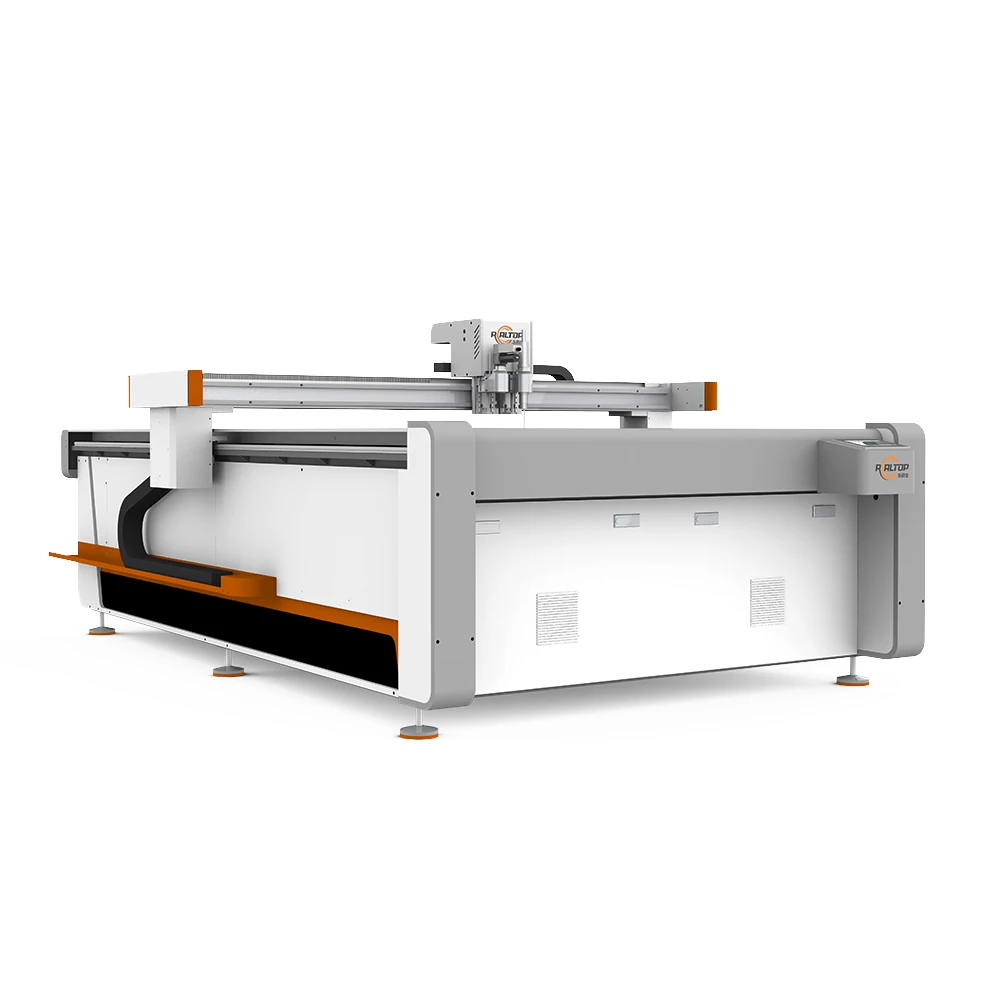
The aluminum bellows vacuum table provides full-surface adsorption across the 1600 x 2500 mm working area. This matters most when cutting small packaging components such as cosmetic box inserts or pharmaceutical carton dividers, where insufficient hold-down causes parts to lift and shift during high-speed knife travel. The heavy-duty machine frame and precision-ground surface maintain flatness under vacuum load, ensuring the ±0.1 mm positioning accuracy holds from the first cut to the last across a full production run. Proper vacuum zoning configuration must be confirmed based on your typical part size and material porosity before the machine ships [NEED_CITE: vacuum hold-down requirements for small flat parts].
Reading the Specifications for Production Reality
The servo motor drive system, available in Panasonic, Delta, or Dorna configurations, directly controls the acceleration and deceleration curves during cutting. On intricate packaging templates with tight corners and frequent direction changes, servo response determines whether the knife tracks the programmed path or overshoots, producing waste. The 9 kW vacuum pump delivers the suction required to hold porous corrugated board flat, but dense materials like grey board or laminated stock may require adjusted pump settings or zoned vacuum activation. The PLC control panel supports multiple display languages including English, Russian, Italian, and Chinese, with custom language options available, which reduces operator error during the learning phase on a new machine. Software compatibility with PLT, DXF, AI, and PDF formats means your existing packaging structure files can be imported directly, but file version and nesting workflow must be verified before order confirmation.
The Hidden Cost of Wrong Configuration Choices
Selecting a machine based on working area alone, without confirming tool head compatibility and vacuum zoning for your specific part geometry, leads to production stoppages that compound daily. Ragged edges on packaging samples mean rejected prototypes and repeated client approvals. Small parts lifting off the table during cutting create material waste and require manual repositioning that interrupts workflow. Voltage mismatches discovered at installation delay commissioning by weeks while transformers are sourced locally. These issues are not machine defects; they are specification gaps that occur when the CNC oscillating knife cutting table specifications are not matched to the actual production environment [NEED_CITE: common causes of CNC cutting machine installation delays].
Why Source This Machine Here
The in-house design team covers both knife cutting and laser technologies, so the cutting method is matched to the material rather than forcing one process across every application. Tool head and table configuration is specified per material type, thickness, and daily production volume, not pulled from a standard catalog. CCD camera positioning is available for printed contour work on packaging prototypes that require alignment to pre-printed graphics. Software compatibility with your file formats and nesting workflow is confirmed before the order is finalized, not discovered during installation. Voltage, control language, and plug standards are customized to your destination market, and sample cutting on your own material is completed before you commit to the purchase.
Documentation & Verification
- Machine specification sheet listing confirmed tool heads and table configuration for your material
- Electrical schematic with voltage and frequency matched to your facility supply
- Sample cutting report produced on your actual cardboard or composite stock
- Software license and file format compatibility note for your design workflow
- Factory test record documenting positioning accuracy and cut quality before dispatch
- Operation manual and spare parts list translated to your selected control language
Installation, Commissioning & Support
- Verify workshop floor load capacity for the 3300 x 2100 x 1350 mm machine footprint and frame weight
- Confirm dedicated electrical circuit matching your ordered voltage option, 110V, 220V, or 380V
- Machine ships in modular sections requiring on-site assembly and level adjustment on the precision-ground frame
- First-run commissioning includes tool head calibration, vacuum table zoning setup, and servo parameter tuning
- Operator training covers tool changeover procedures, PLC panel navigation, and file import from your design software
- Spare oscillating knife blades, creasing wheels, and vacuum seals included in initial delivery package
What to Prepare Before Requesting a Quote
Send your material type, typical sheet thickness, and maximum blank dimensions so the correct tool head and vacuum configuration can be specified. Include your daily volume target and whether you run short-run prototyping or batch production. State your facility voltage, frequency, and preferred control panel language to ensure electrical and software readiness at delivery.
Frequently Asked Questions
Q: How do I verify cutting depth and edge quality on my specific cardboard before ordering?
A: Submit samples of your actual material, including the specific grade, thickness, and any lamination or coating. The factory runs cutting tests with multiple tool heads and oscillation settings, then ships a sample cutting report showing edge quality, cut completeness, and recommended configuration for your production volume.
Q: Which tool head suits corrugated board versus folding carton stock?
A: Oscillating knife heads handle corrugated board by slicing through flutes without crushing them. Folding carton and thin coated board typically require a drag knife or kiss cutting tool for clean contour work. Creasing wheels are added for fold lines. The correct combination depends on your specific board weight and box structure complexity.
Q: How does vacuum table zoning prevent small packaging parts from lifting?
A: The aluminum bellows table can be configured with zoned vacuum activation so suction concentrates under small parts rather than spreading across the full bed. This prevents lightweight cardboard pieces from shifting during high-speed cutting. Zone layout must be planned around your typical part geometry before the table is manufactured.
Q: Will the software accept my existing packaging design files?
A: The system accepts PLT, DXF, AI, and PDF formats through dedicated packaging structure design software. Before order confirmation, your actual design files are tested for import compatibility, layer recognition, and nesting function to ensure your existing workflow transfers without manual re-drawing.
Q: What voltage and language options are available for my market?
A: The machine supports 110V, 220V, and 380V configurations. The PLC control panel is available in English, Russian, Italian, and Chinese, with other languages configurable on request. Voltage, plug type, and control language are confirmed during the specification stage before production begins.


商品评价
Clear filtersThere are no reviews yet.