






Fast Shipping
Carrier information

20k products
Payment methods

24/7 Support
Unlimited help desk

2-day Delivery
Track or off orders
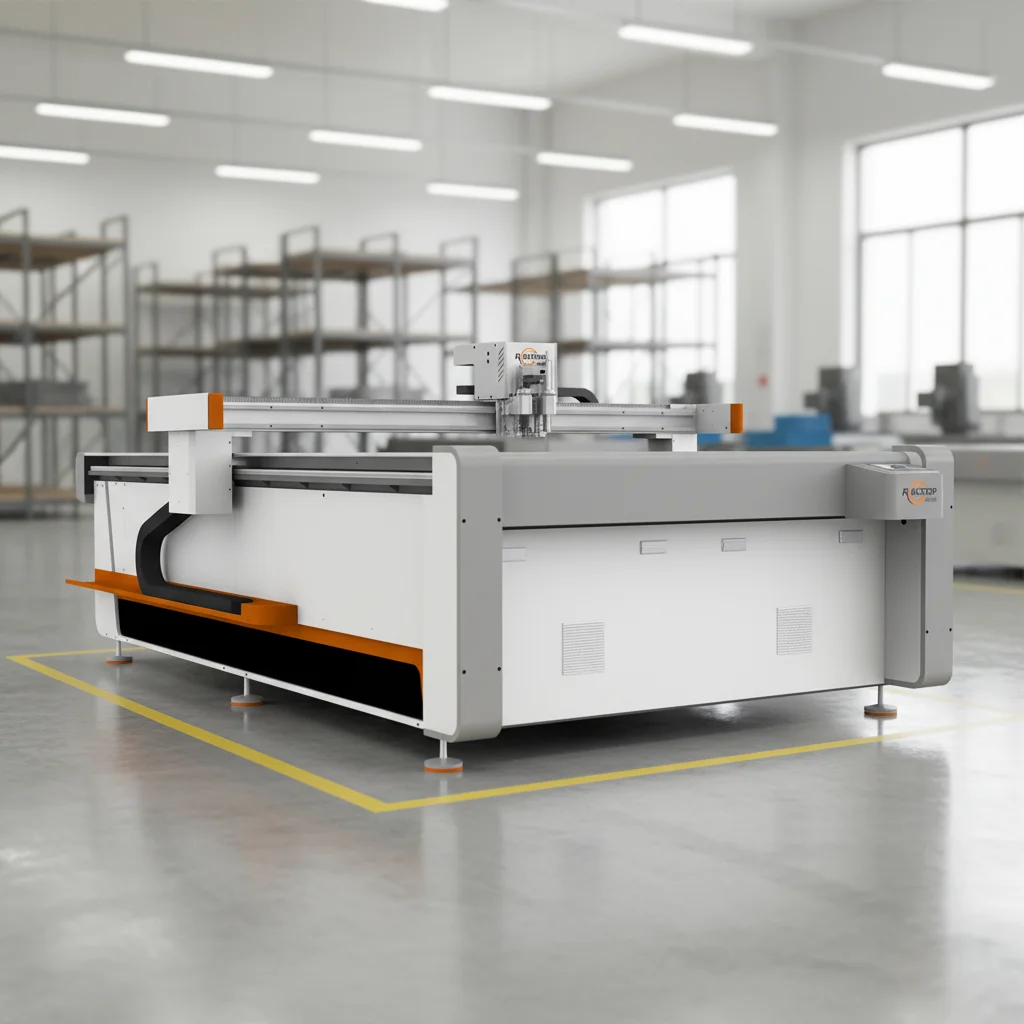
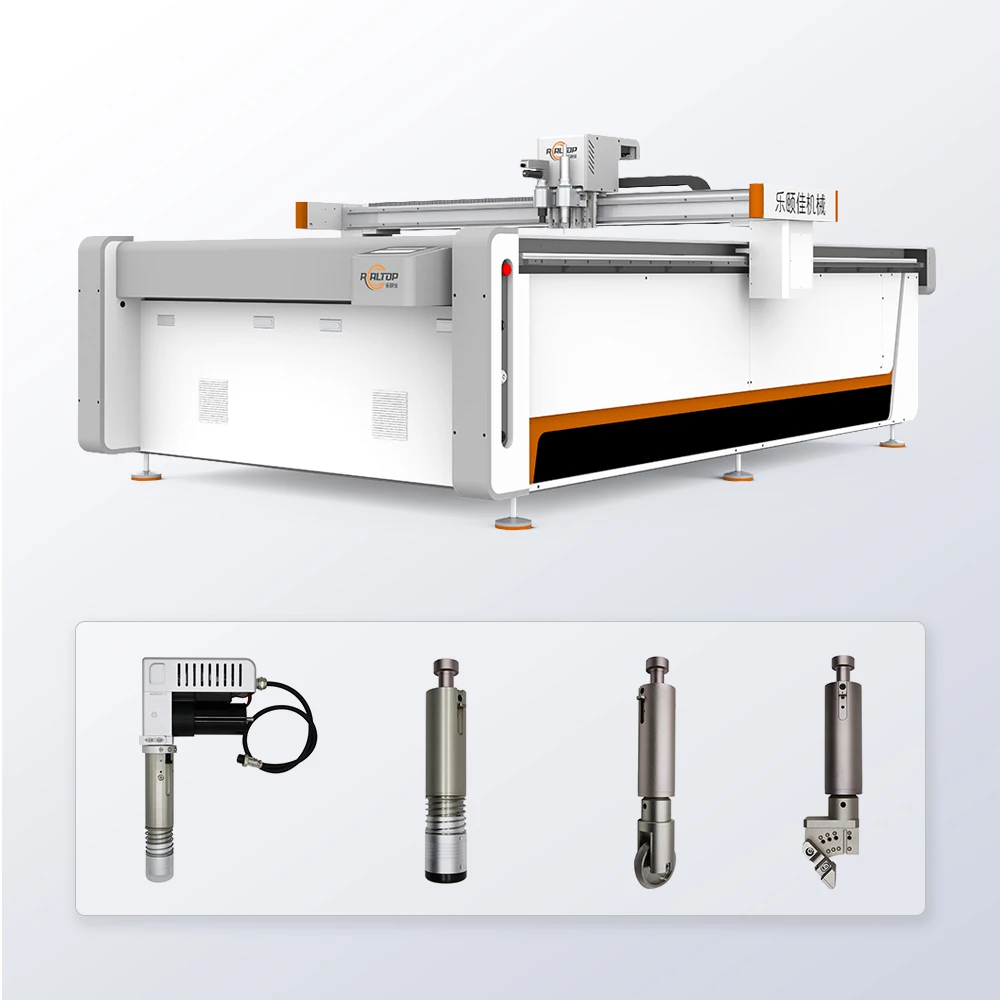
Precision Tool-Head Matching — every oscillating knife, creasing wheel and V-groove tool on the 1625 flatbed is specified against the buyer’s actual flute profile and board weight rather than bundled as a generic package.
Technical Specifications
| Parameter | Value |
|---|---|
| Model | 1625 |
| Product Type | CNC Oscillating Knife Cutting Machine for Packaging |
| Working Area | 1600 × 2500 mm |
| Cutting Speed | 0–1500 mm/s |
| Cutting Thickness | ≤ 40 mm (basis not stated in source — confirm material type and density) |
| Cutting Accuracy | ±0.1 mm |
| Tool Head Options | Oscillating knife, driven rotary knife, creasing wheel, kiss cutting tool, pneumatic knife, milling tool, V-groove knife |
| Vacuum Pump Power | 9 kW |
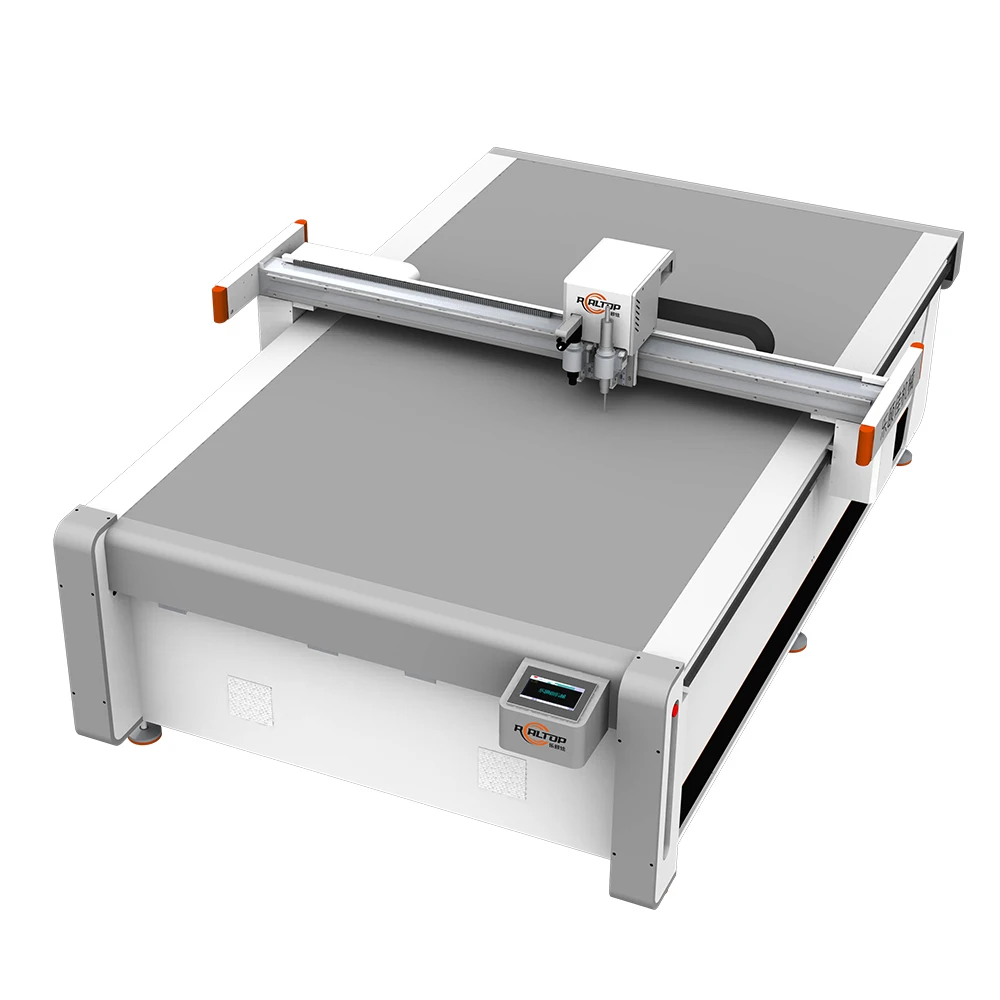
| Vacuum Table | Aluminum bellows vacuum table |
| Machine Frame | Heavy-duty frame with precision-ground surface |
| Control System | PLC control panel |
| Software & File Formats | PLT, DXF, AI, PDF; dedicated packaging box structure design software included |
| Servo Motor Options | Panasonic, Delta, Dorna (source value — verify against manufacturer catalog) |
| Voltage Options | 110 V, 220 V, 380 V (frequency not stated in source) |
| Language Options | English, Russian, Italian, Chinese; special languages customizable |
| Safety Device | Infrared sensor device and emergency stop device |
| Machine Size | 3300 × 2100 × 1350 mm |
| Standards | CE (implied by certification image in source — verify specific scope) |
Application Suitability
| Application | Material or Output |
|---|---|
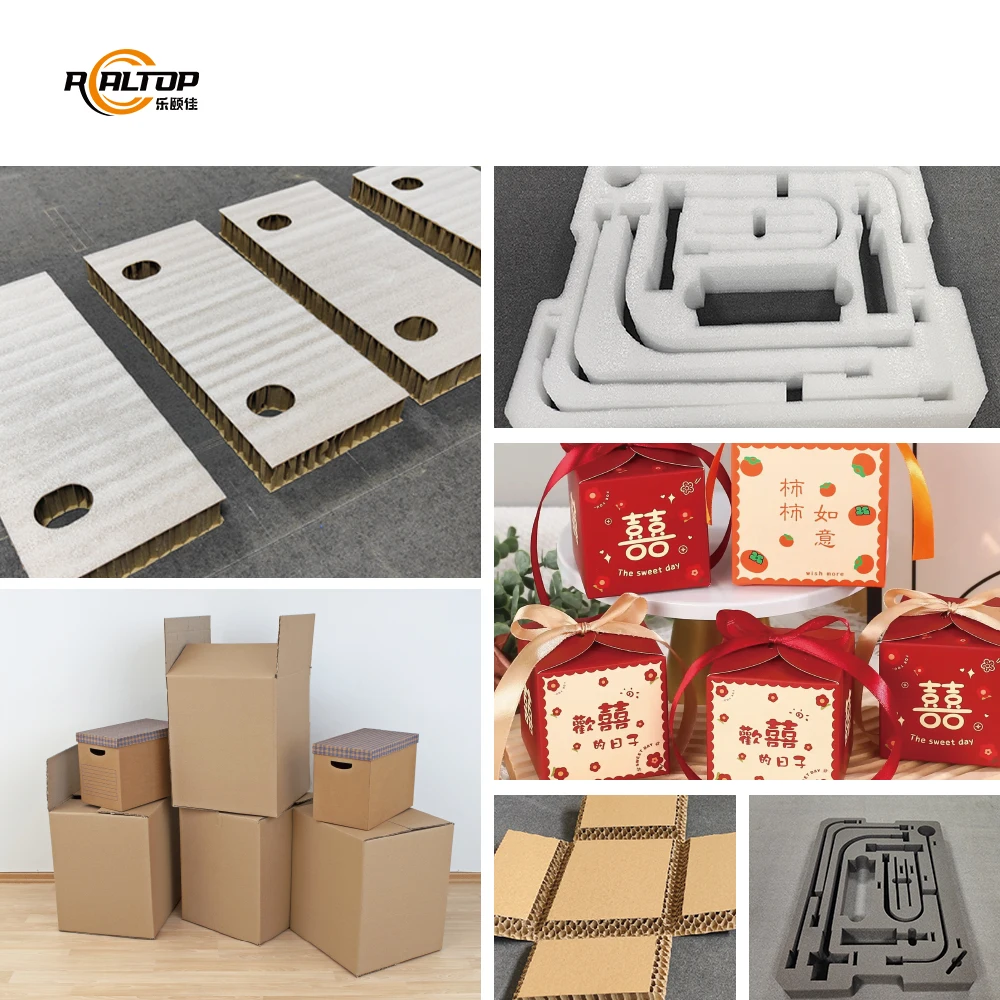
| Packaging sample making and carton prototyping | Corrugated cardboard (E-flute, B-flute, BC-flute), greyboard, cardstock, art paper, specialty paper |
| Short-run corrugated box production | Single-wall and double-wall corrugated board without die-cut tooling investment |
| Protective packaging insert fabrication | EVA foam, EPE foam, PU foam, rubber mats |
| Soft-material packaging and display components | Velvet/fleece fabric, non-woven fabric, leather, synthetic leather |
| Thin-sheet packaging and window patching | PVC, PET, adhesive-backed materials, composite materials |
What "≤ 40 mm Cutting Thickness" Really Means on Corrugated Board
A single maximum thickness number tells you nothing about edge quality across different flute profiles.
When I was specifying carton cutting tables for Latin American converters, one recurring issue stood out: a machine rated at a certain thickness would slice cleanly through E-flute but crush BC-flute double-wall at the same depth setting. The oscillating knife head simply cannot maintain the same stroke force and frequency through a 7 mm double-wall sheet as it does through a 1.5 mm micro-flute [NEED_CITE: corrugated flute profile dimensions and crush resistance]. Choosing the right CNC oscillating knife cutting machine specifications means verifying depth against each material you actually run, not a single brochure number. The 1625 addresses this through interchangeable tool heads — the pneumatic knife handles dense double-wall while the standard oscillating head suits lighter stocks — but the configuration only works if someone confirms your flute mix before the machine ships.
Tool Head Selection by Flute Profile and Board Weight
The 1625 carries seven tool options on a single gantry, and the choice is never arbitrary. An oscillating knife running at high frequency cuts E-flute and B-flute cleanly, but the same tool on heavy BC-flute produces compressed edges that fail box compression tests. Switching to the pneumatic knife or the V-groove tool changes the cutting mechanics*crush. How to choose between these heads depends on daily production mix: a sample maker running dozens of different board grades per shift benefits from quick-change tooling, while a dedicated corrugated converter may lock in a single head optimized for their primary flute.
Vacuum Table Zoning and Small-Part Hold-Down
The aluminum bellows vacuum table on this flatbed addresses a problem that surfaces on every carton table I have commissioned: small die-cut shapes lifting off the bed mid-cut because the vacuum zone is too coarse. The bellows design distributes suction across the full 1600 × 2500 mm surface, and zone partitioning lets operators isolate suction to the active cutting area. This matters especially on nesting runs where small gussets, dividers and fitments sit between larger blank outlines [NEED_CITE: vacuum hold-down requirements for small-format die-cut parts]. Without adequate zoned adsorption, a half-cut insert shifts by a fraction of a millimetre, and the creasing wheel lands off-register for the rest of the sheet.
Reading the Specs That Actually Affect Daily Output
The ±0.1 mm cutting accuracy across the full working area determines whether crease lines align with cut edges on complex carton structures — a tolerance drift of even a few tenths accumulates across a multi-panel box blank and shows up as misaligned fold lines at the folding and gluing stage. The 0–1500 mm/s cutting speed range is usable only when the vacuum table holds the sheet flat; on porous corrugated surfaces, leakage through the flutes reduces effective hold-down and forces a lower practical speed. The 9 kW vacuum pump generates the suction needed to counteract this leakage, but its effectiveness depends on the aluminum table surface flatness and the condition of the seals. Servo motor selection — available in Panasonic, Delta or Dorna options — influences positional repeatability during direction reversals at the corners of carton blanks, where a lower-grade servo can introduce micro-stutters visible as serration on the cut edge.
The Hidden Cost of Skipping Material-Specific Configuration
I once specified a carton sample table for a Mexican packaging house based on three-layer single-wall corrugated, and the machine arrived configured with a standard oscillating head. The customer’s actual volume was seven-layer double-wall, and every cut edge came out crushed, requiring a full tool-head swap and a month of downtime. Wrong tool selection for the material produces ragged edges, crushed foam inserts and failed sample approvals [NEED_CITE: cutting tool selection errors and rework costs in packaging sample making]. A vacuum zone configured too broadly lets small carton parts lift during kiss-cutting, producing registration errors that only show up at the folding stage. Software that cannot import the buyer’s existing DXF or AI files forces a manual redraw of every box structure, wiping out any time saved by digital cutting.
Why Source This Flatbed from REALTOP
The 1625 comes from a manufacturer that builds both knife and laser cutting platforms in-house, so the cutting method is matched to the material rather than forced into a single technology. Tool head and table configurations are specified against the buyer’s actual corrugated flute mix and production volume before the order is placed. Sample cutting on the buyer’s own board stock is completed before commitment, not after delivery. Software compatibility — including PLT, DXF, AI and PDF import — is confirmed through a file format compatibility note during the quotation stage. Voltage, plug type and control panel language are locked in before production starts, avoiding the on-site electrical rework that delays commissioning on export shipments [NEED_CITE: voltage and frequency standards by export market].
Documentation & Verification
- Machine specification sheet listing confirmed tool heads and vacuum zone layout
- Electrical schematic with voltage and frequency matching your facility supply
- Sample cutting report on your corrugated flute type and board weight
- Software licence and file format compatibility note for your existing design workflow
- Factory test record on your material before dispatch
- Packing photographs verifying crate condition and accessory count before shipment
Installation, Commissioning & Support
- Floor space planning around the 3300 × 2100 × 1350 mm machine footprint plus operator clearance
- Dedicated circuit provision matching confirmed voltage option (110 V, 220 V or 380 V) and the 9 kW vacuum pump draw
- Table levelling and vacuum seal verification across the 1600 × 2500 mm aluminum bellows surface
- Tool head calibration and creasing wheel pressure setting on your specific flute profile
- Operator training on the PLC control panel in the confirmed language option
- Spare parts list covering oscillating knife blades, vacuum seals and servo-compatible consumables
What to Include in Your Inquiry
Send the specific corrugated flute types you run — E, B, C, BC or combinations — along with board weight in gsm and maximum sheet dimensions. Confirm your facility voltage and frequency, and note the control panel language your operators require. If you have existing box structure files in DXF, AI or PDF, attach a sample so file format compatibility can be verified before quotation. State whether you need sample cutting on your own material before commitment.
Frequently Asked Questions
Q: Does the ≤ 40 mm cutting thickness apply equally to BC-flute corrugated and dense EVA foam?
A: The maximum cutting depth depends on material density and tool head selection. BC-flute double-wall corrugated and high-density EVA foam respond differently to the same oscillating knife stroke. A sample cutting report on your specific material confirms achievable depth and edge quality before the machine order is placed, so the ≤ 40 mm figure is validated against your actual stock.
Q: Which tool head configuration suits my flute type and board weight combination?
A: Lighter E-flute and B-flute single-wall boards typically run well on the standard oscillating knife. Heavier BC-flute double-wall and dense greyboard often need the pneumatic knife or V-groove tool to avoid edge crush. The configuration is confirmed against your daily material mix during the quotation stage, not selected from a generic list.
Q: Can my existing DXF and AI box structure files run on the included control system?
A: The dedicated packaging software accepts PLT, DXF, AI and PDF imports. File format compatibility is confirmed with a sample file from your library before order, and a written compatibility note is included in the documentation package so your design workflow is verified before the machine arrives.
Q: What voltage, plug type and control language are confirmed before shipment?
A: Voltage options include 110 V, 220 V and 380 V, and the exact value plus frequency and plug type are confirmed during specification sign-off. Control panel language — available in English, Russian, Italian, Chinese or a custom option — is locked in before production starts to avoid on-site reconfiguration delays.
Q: How is vacuum hold-down managed for small carton parts like dividers and fitments?
A: The aluminum bellows vacuum table partitions suction into zones so that small parts between larger blank outlines receive adequate hold-down. Zone configuration is matched to your typical nesting layout during setup, reducing the lift and registration drift that coarse vacuum zones cause on small die-cut shapes.


商品评价
Clear filtersThere are no reviews yet.