



Fast Shipping
Carrier information

20k products
Payment methods

24/7 Support
Unlimited help desk

2-day Delivery
Track or off orders
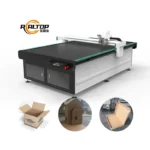
Tool Head Matched to Material — Every RT-D2516/RT-S2516 leaves our Jinan workshop with the knife configuration verified on the buyer’s actual stock, not a generic assumption based on working area alone.
Technical Specifications
| Parameter | Value |
|---|---|
| Model | RT-D2516/RT-S2516 |
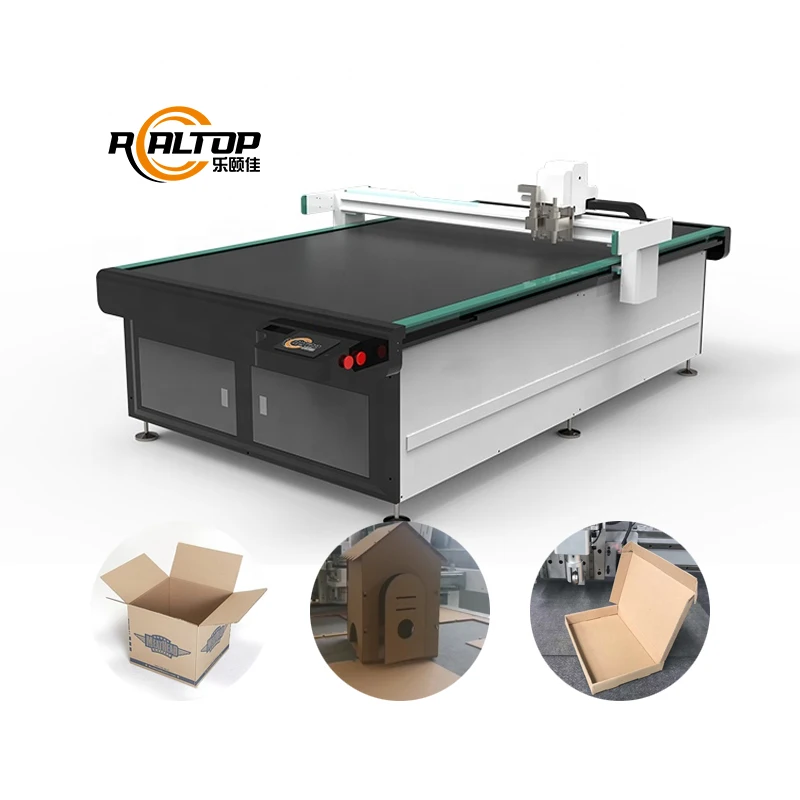
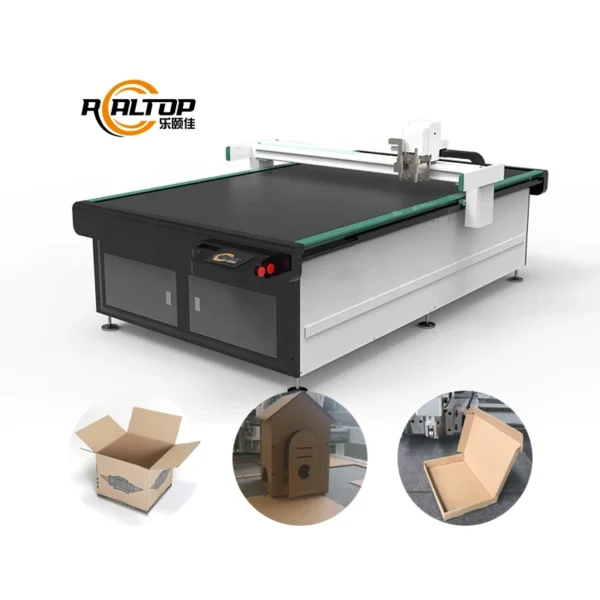
| Product Type | CNC Oscillating Knife Cutting Machine |
| Working Area | 1600×2500 mm |
| Machine Dimensions (L×W×H) | 3450×2300×1250 mm |
| Rated Power | 9 kW |
| Voltage | 380V ±10% (50/60 Hz to be confirmed per destination) |
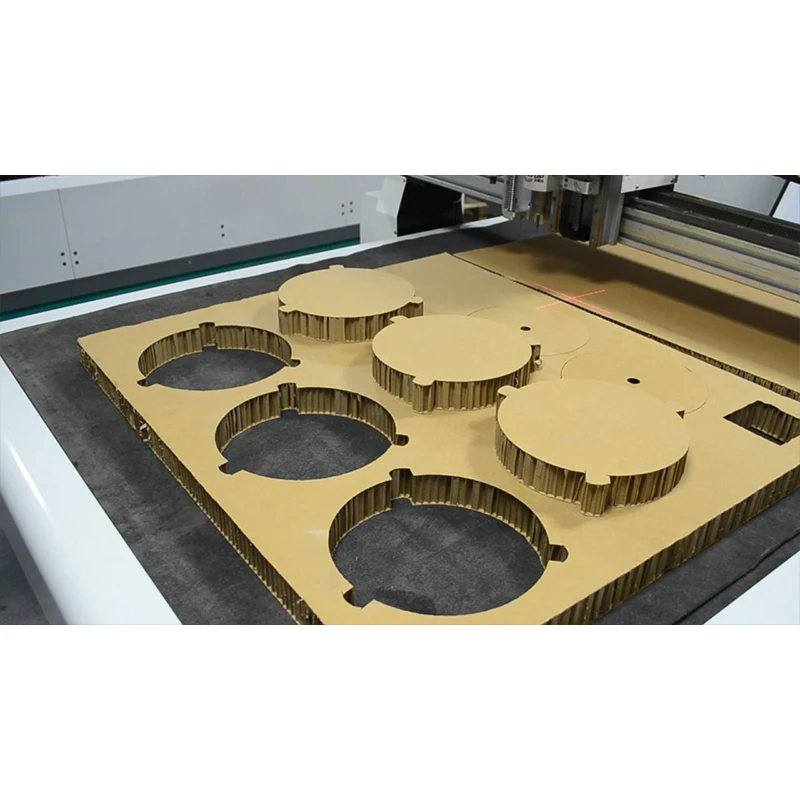
| Table Surface | Aluminum alloy honeycomb vacuum adsorption platform |
| Vacuum Pump | 7.5 kW |
| Tool Head | Swiss imported knife — vibration full cutting, vibration half cutting, cursor location |
| Translational Velocity | 800–1200 mm/s |
| Cutting Speed | 200–800 mm/s (varies with material) |
| Cutting Thickness | ≤100 mm (varies with material — confirm specific stock) |
| Repeated Accuracy | ≤0.1 mm |
| Drive System | Taiwan Delta digital servo motor, Taiwan Hiwin linear guide, synchronous belt, ball screw, rack transmission |
| Safety Devices | Infrared sensors, emergency stop |
| Control System | HP-GL compatible format |
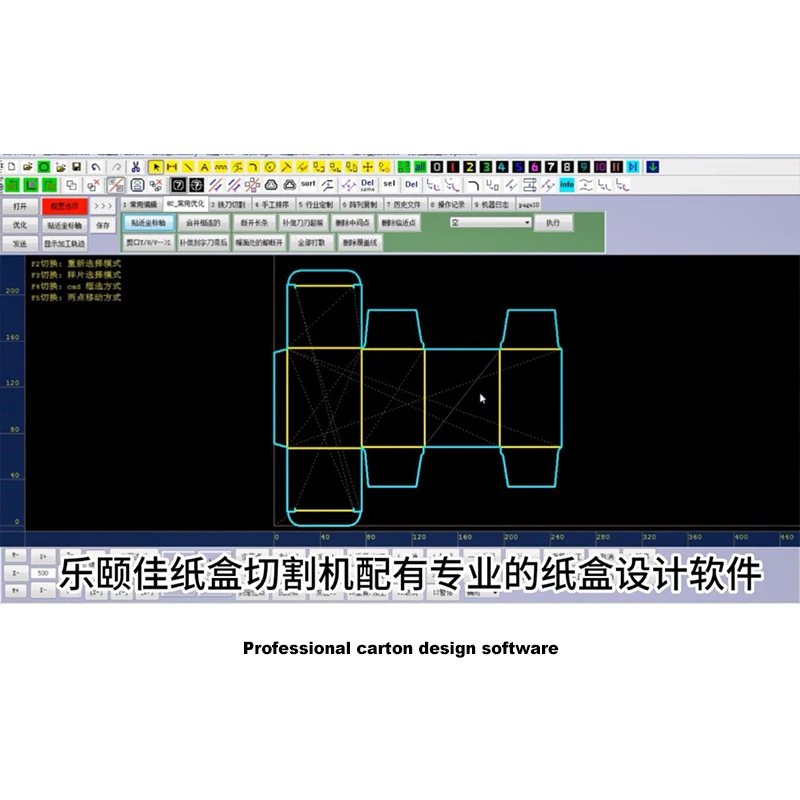
| Software | Professional carton nesting software, multi-language, multi-format file import |
| Language Options | English, Russian, Italian, Chinese; special languages customizable |
| Conveyor Belt | Germany imported |
| Auto Feeding | Yes |
| Certification | CE (verify certificate scope before order) |
Application Suitability
| Application | Material or Output |
|---|---|
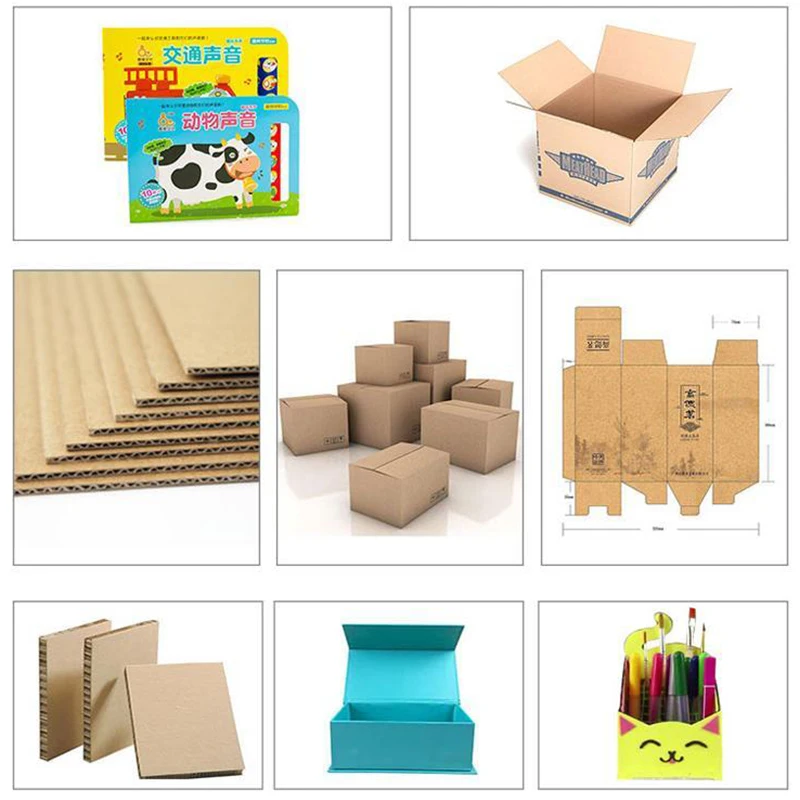
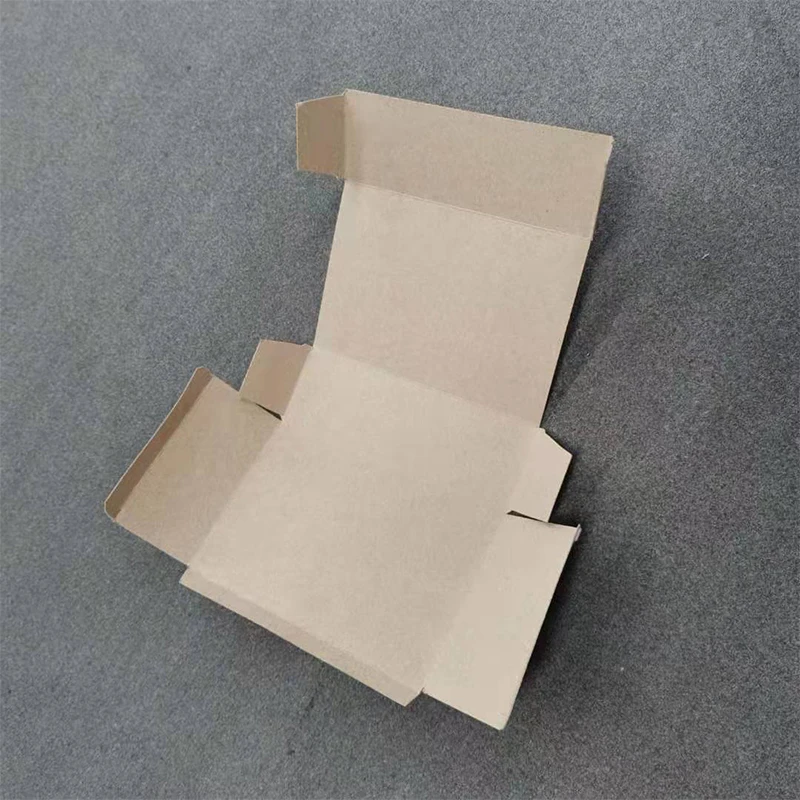
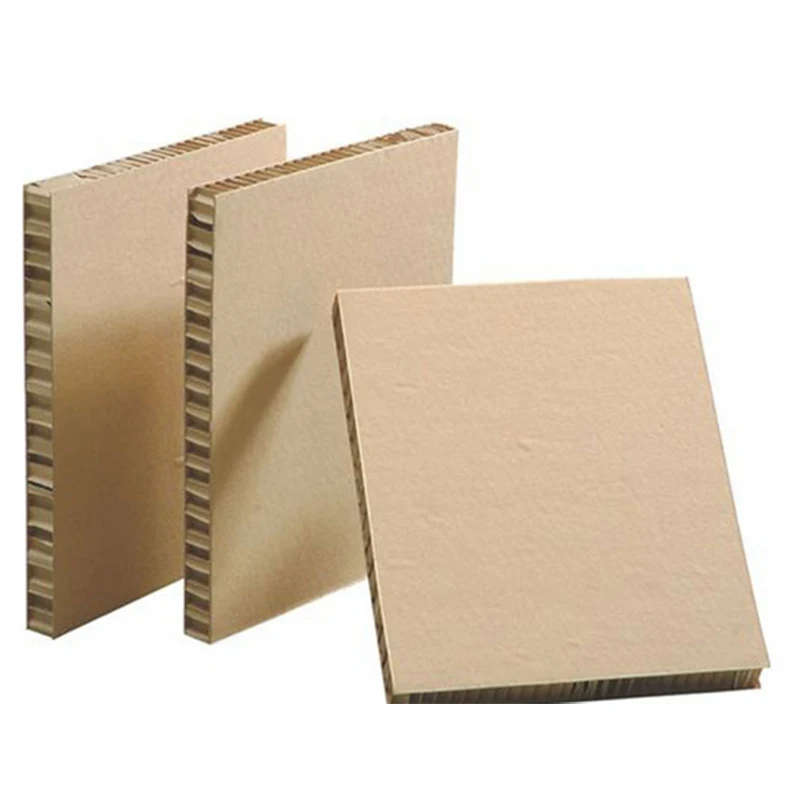
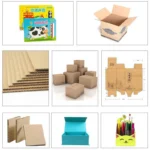
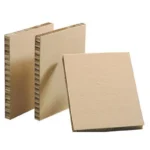
| Packaging carton and corrugated board sample making | Single, double and triple-wall corrugated, card stock, greyboard |
| Sticker and label contour cutting | Vinyl, adhesive-backed film, printed label stock |
| EVA foam gasket and insert cutting | EVA foam sheets, cross-linked polyethylene, sponge composite |
| Flexible material processing | Leather, garment fabric, PVC, soft glass, silicone, rubber |
| Signage and business card production | Foam board, acrylic sheet (soft grade), magnetic sheet |
Why "Cutting Thickness ≤100 mm" Is Not the Whole Story
Actual cutting depth depends on the tool head selected and the density of the material, not a single number on a spec sheet.
I once set up a CNC oscillating knife cutting machine for a packaging client who assumed any board under 100 mm would cut cleanly. The machine handled his triple-wall corrugated without issue, but when he switched to high-density EVA foam for protective inserts, the standard oscillating knife*o a higher-frequency vibration blade and adjusted the vacuum zoning, and the edge quality came back — but the downtime and wasted material cost him a full production day [NEED_CITE: material density effect on oscillating knife penetration]. Buyers evaluating CNC oscillating knife cutting machine specifications should always request a sample cut on their own stock before signing off on configuration.
Oscillating Knife Frequency and Foam Edge Quality
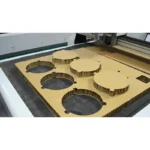
The Swiss imported knife head on this flatbed CNC knife cutting table runs at high-frequency vibration to slice through fibrous and cellular materials without dragging. On corrugated board, this means clean flutes without crushing. On EVA foam and sponge composites, the oscillation rate must match the foam density — too slow and the blade tears the cell structure, too fast and it generates heat that melts the cut face. The tool head configuration should always be validated against the buyer’s specific foam grade and thickness before the machine ships.
Vacuum Zoning for Small-Part Hold-Down
The aluminum honeycomb table pairs with a 7.5 kW vacuum pump, but suction alone does not guarantee flat material during cutting. Small parts — gaskets, insoles, label contours — lose hold-down once the knife penetrates and air leaks through the cut path. Zoned vacuum adsorption divides the table into independently controlled sections so that only the active cutting area pulls full suction, keeping small pieces locked in place while the rest of the sheet remains undisturbed. This is the difference between a clean cut and a part that lifts and tears mid-cycle [NEED_CITE: vacuum zoning principles for CNC flatbed cutting tables].
What the Drive Train Means for Repeatability
The Taiwan Delta servo motors and Taiwan Hiwin linear guides work together with rack transmission to deliver ≤0.1 mm repeated accuracy across the full 1600×2500 mm working area. In packaging sample making, this means a crease line lands in the exact same position on the fiftieth sheet as it did on the first — critical when die-line registration must match printed graphics. The synchronous belt and ball screw combination handles the rapid directional changes that oscillating knife work demands, preventing backlash that would otherwise show as jagged corners on tight radii.
The Cost of Skipping the Sample Cut
A buyer who specifies a flatbed CNC knife cutting table on working area and price alone often discovers the problems after the machine is installed. Wrong knife frequency for the material produces ragged edges that fail quality inspection. Insufficient vacuum zoning on small parts causes lift and ruined sheets. A control language that does not match the operator’s skill set slows nesting setup and invites file errors. Every one of these issues surfaces in a sample cut test — which is why running the buyer’s own material before shipment is not optional in our process [NEED_CITE: pre-shipment sample testing for industrial cutting equipment].
Why Source This Machine From Our Workshop
In-house design and production means the knife cutting technology is engineered here, not rebranded — so configuration changes are part of the build, not aftermarket compromises. Tool head and table layout are specified per declared material and daily volume, not picked from a default menu. CCD camera positioning is available for printed contour work where registration to a printed mark is required. Software compatibility is confirmed before order so the buyer’s existing DXF, PLT or AI files import directly into the nesting workflow. Voltage, frequency, plug type and control language are locked in before production starts, eliminating surprises at the destination port.
Documentation & Verification
- Machine specification sheet with confirmed tool head and vacuum zone layout for your material
- Electrical schematic showing voltage, frequency and plug type matched to your facility
- Sample cutting report on your own corrugated board or EVA foam with measured edge quality
- Software licence and file format compatibility note confirming your existing design files import correctly
- CE declaration with verified scope covering the oscillating knife cutting configuration shipped
- Factory test record documenting repeatability and cutting speed on your declared stock
Installation, Commissioning & Support
- 3450×2300 mm footprint requires level concrete floor with clearance for auto-feeding conveyor extension
- 9 kW rated power plus 7.5 kW vacuum pump need dedicated three-phase 380V circuit with confirmed frequency
- Machine ships fully assembled; rigging plan needed for 2300 mm width through workshop doors
- First-day commissioning includes vacuum zone calibration and knife frequency tuning on your material
- Operator training covers HP-GL file import, nesting software workflow and tool head changeover procedure
- Spare parts list includes Swiss knife blades, conveyor belt segments and vacuum seals
What We Need to Configure Your Machine
Send us the material type, maximum thickness and sheet dimensions you run most often. Tell us your daily cutting volume and whether you need creasing, half-cut or full-cut functions on the same job. Confirm your workshop voltage, frequency and the control language your operators prefer so we build the machine to match before it leaves Jinan.
Frequently Asked Questions
Q: How do I verify the machine can cut my specific corrugated board and EVA foam thickness?
A: We run a sample cut on your actual material before the order is finalized. The sample report documents achievable thickness, edge quality and the tool head used. Cutting capacity varies with material density, so a generic ≤100 mm figure is only a starting point — your own stock determines the real configuration.
Q: Which tool head is correct for my combination of cardboard creasing and foam cutting?
A: It depends on the flute profile and foam density. The Swiss imported head supports vibration full cutting, half cutting and cursor location, and we may recommend adding a creasing wheel for carton fold lines. We confirm the tool head mix during the sample cut stage so you see the result before committing.
Q: Does the CCD camera track printed marks reliably at production speed?
A: The camera reads printed registration marks for contour cutting of stickers and labels. Reliability depends on mark size, contrast and print consistency. We test with your actual printed sheets during the sample phase and document the mark format the system recognizes so your print supplier knows the specification.
Q: How do I confirm voltage, plug type and control language before the machine ships?
A: We provide an electrical schematic showing voltage, frequency and plug configuration matched to your destination market. Control language — English, Russian, Italian, Chinese or a custom option — is confirmed at order stage and verified during the factory test. No machine leaves without this documented.
Q: Can I import my existing DXF and PLT files into the nesting software directly?
A: The professional carton nesting software supports multiple file format imports. We confirm compatibility with your specific design files before order and include a written compatibility note in the documentation package so your workflow continues without conversion workarounds.


商品评价
Clear filtersThere are no reviews yet.