








Fast Shipping
Carrier information

20k products
Payment methods

24/7 Support
Unlimited help desk

2-day Delivery
Track or off orders
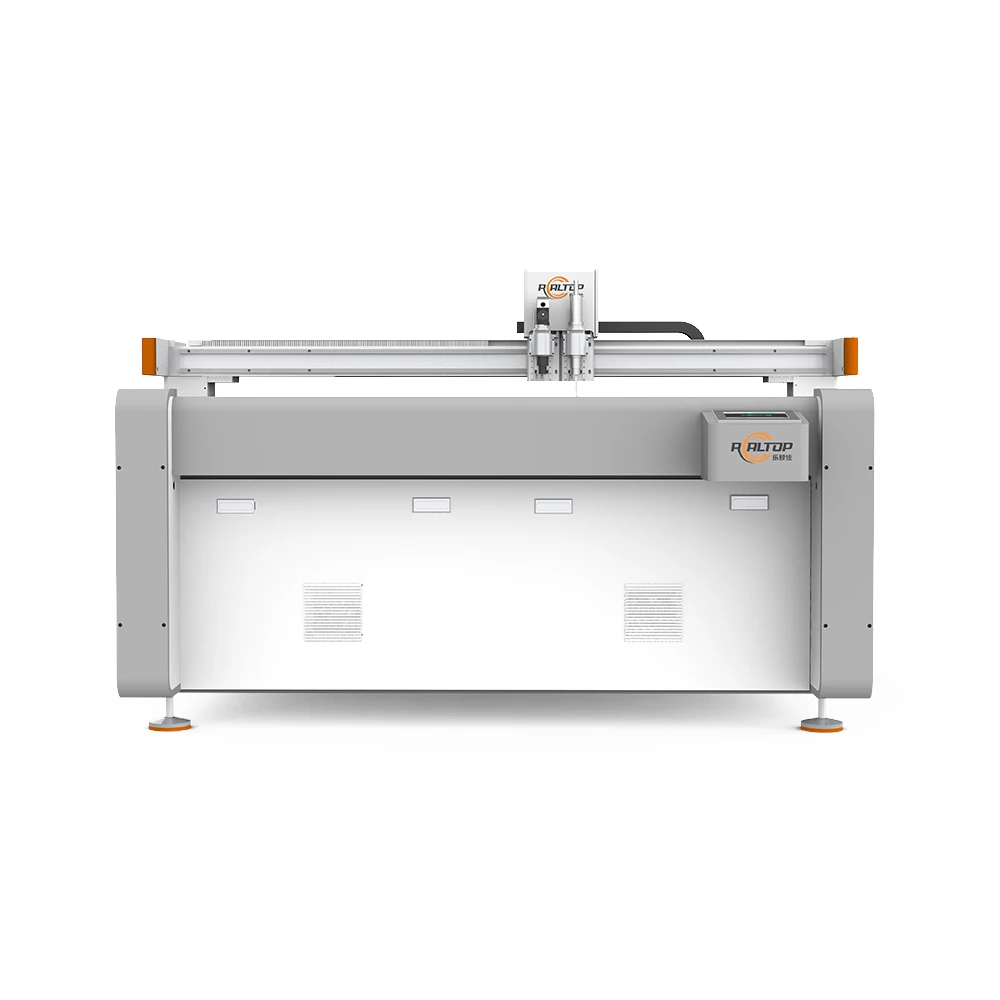
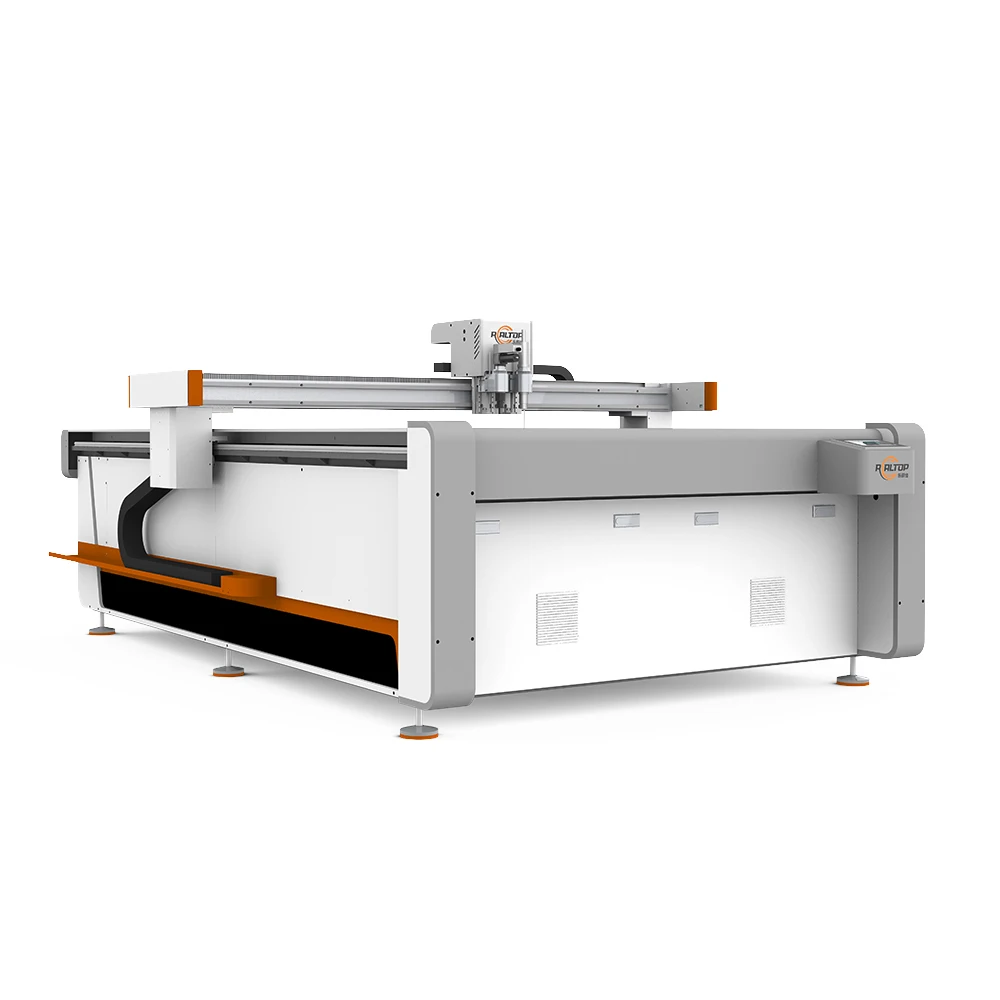
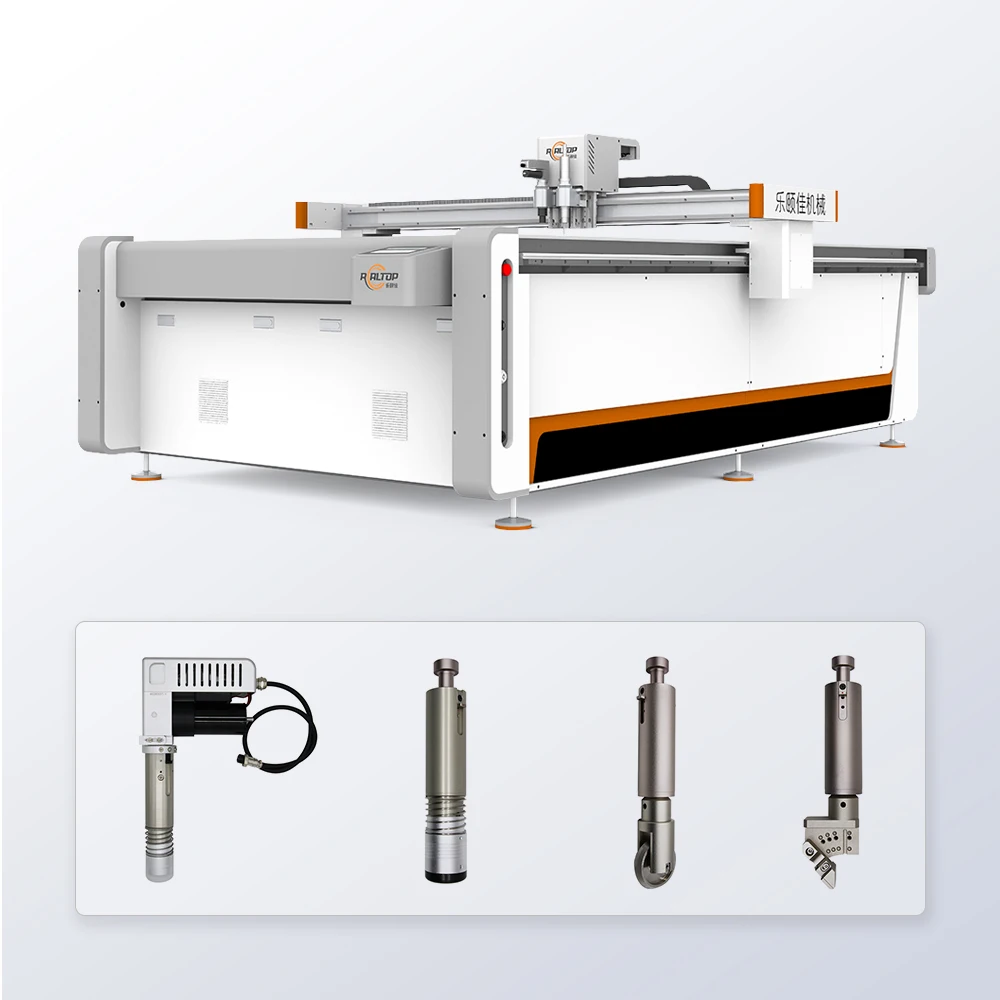
Configured Tooling — Oscillating knife, creasing wheel, V-groove and kiss-cut heads are selected per material flute count and foam density before the 1625 leaves the factory, so edge quality holds on corrugated and composite packaging stock.
Technical Specifications
| Parameter | Value |
|---|---|
| Model | 1625 |
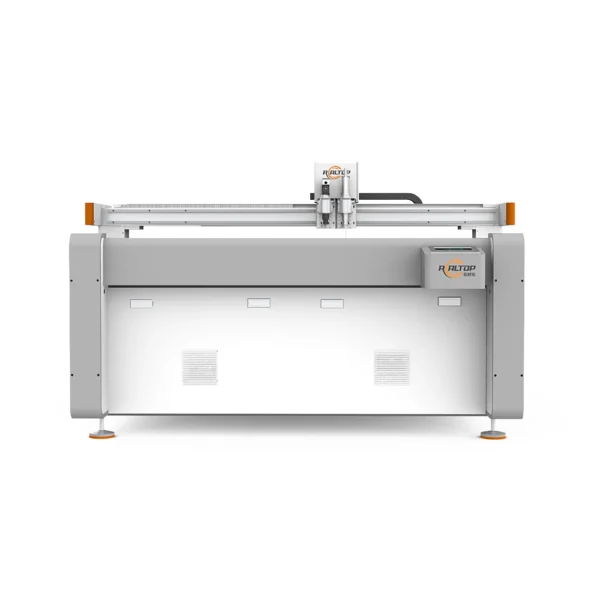
| Product Type | CNC Oscillating Knife Cutting Machine |
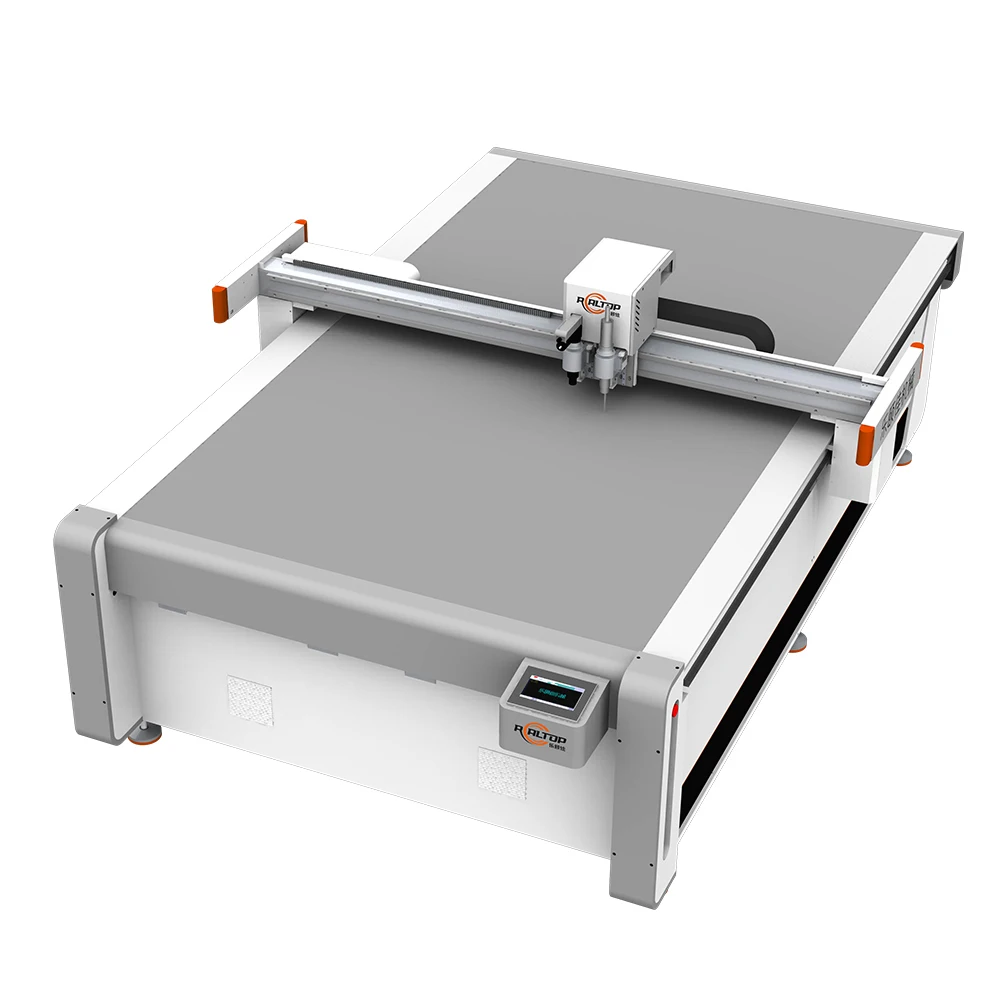
| Working Area | 1600 × 2500 mm |
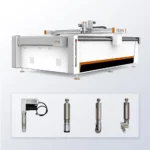
| Tool Heads Available | Oscillating knife, Driven rotary knife, Creasing wheel, Kiss cutting tool, Pneumatic knife, Milling tool, V-groove knife |
| Cutting Thickness | ≤ 40 mm |
| Cutting Accuracy | ±0.1 mm |
| Cutting Speed | 0–1500 mm/s |
| Vacuum Pump | 9 kW |
| Vacuum Table | Aluminum bellows vacuum table |
| Voltage Options | 110 V, 220 V, 380 V |
| Profile Formats | PLT, DXF, AI, PDF |
| Software | Dedicated packaging box structure design software |
| Control Panel | PLC control panel with intuitive interface |
| Servo Motor Options | Panasonic, Delta, Dorna (source value — verify against manufacturer catalog) |
| Safety Devices | Infrared sensor device, emergency stop |
| Machine Size | 3300 × 2100 × 1350 mm |
| Language Options | English, Russian, Italian, Chinese (customizable) |
| Standard | CE |
Application Suitability
| Application | Material or Output |
|---|---|
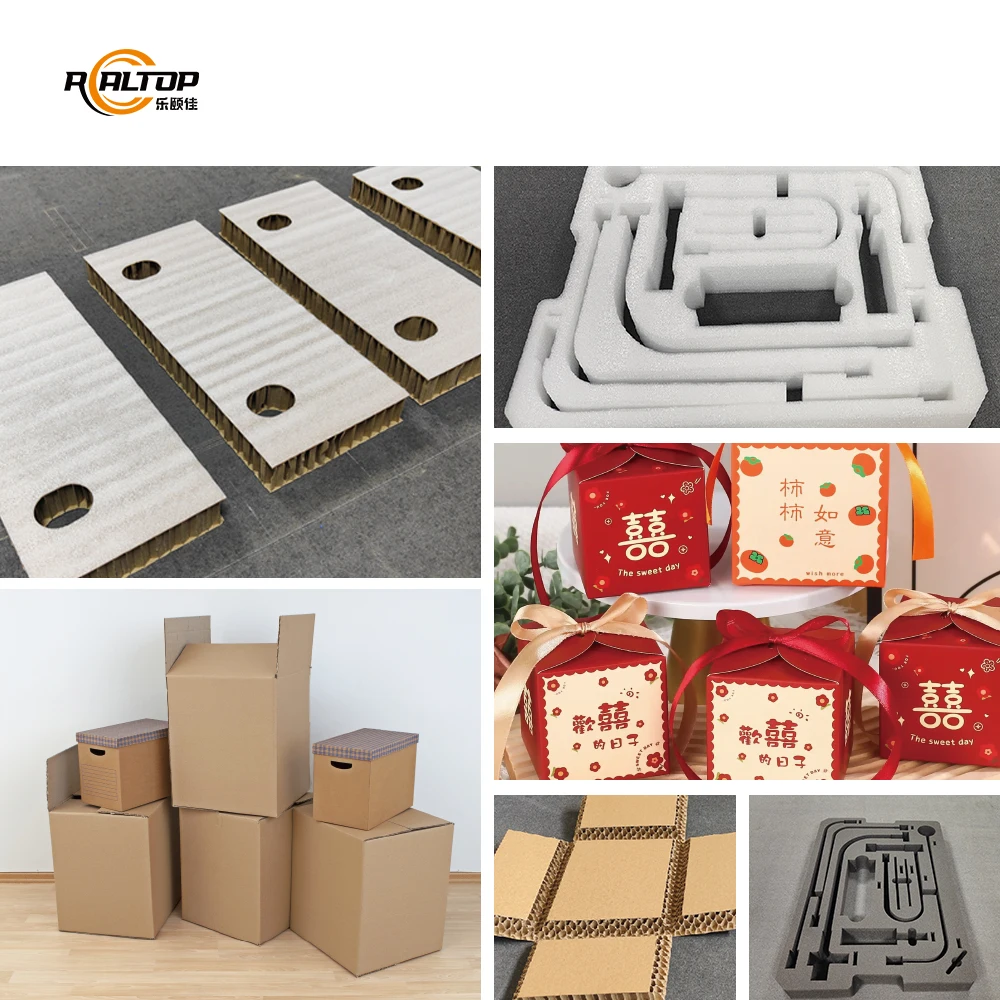
| Packaging sample making | E-flute, B-flute, BC-flute corrugated board without die-cut tooling |
| Cat scratcher and display stand production | Corrugated cardboard with creasing and V-groove in a single setup |
| Foam packaging fabrication | EVA, EPE, PU foam sheets up to 40 mm thickness |
| Gasket and insert cutting | Rubber mats, PTFE, adhesive-backed composites |
| Textile and leather packaging | Fabric, non-woven fabric, synthetic leather |
| Thin plastic sheet processing | PVC, PET, flexible acrylic |
What Happens When the Wrong Tool Head Meets Corrugated Board
The oscillating knife is not a universal blade — flute type and foam density dictate which of the seven heads actually holds an edge through a production run.
I have watched packaging shops run standard oscillating blades on BC-flute board and wonder why the crush marks appear halfway through the shift. The knife vibrates at high frequency, but if the amplitude and stroke do not match the flute wall thickness, the inner liner tears before the outer face separates. The same machine configured with a driven rotary knife for thin cardstock or a V-groove tool for fold-line scoring produces a different result on the identical CNC oscillating knife cutting machine specifications sheet. Buyers often compare working area and speed without asking which tool head sits in the spindle, and that single omission causes more edge-quality complaints than any other variable I see in the field [NEED_CITE: tool head selection criteria for corrugated flute types].
Matching Tool Heads to Flute Count and Foam Density
Corrugated E-flute at roughly 1.5 mm thickness cuts cleanly with the standard oscillating knife, but move up to BC-flute near 7 mm and the pneumatic knife or driven rotary head delivers a straighter wall without crushing the inner flute structure. The creasing wheel scores fold lines without penetrating the liner, which matters when the packaging sample must fold flat for shipping and then erect rigid on the retail shelf. Each CNC oscillating knife cutting machine specification set on this 1625 model starts with the material sample, not the brochure chart.
Vacuum Table Zoning and Small Part Hold-Down
The 9 kW vacuum pump pulls air through the aluminum bellows table surface, but full-surface suction wastes energy when the sheet is small and leaves edges lifting on intricate contour cuts. Zoning the vacuum into segments lets the operator open only the section under the workpiece, concentrating suction where the material actually sits. Without this configuration, lightweight EVA foam inserts and thin corrugated offcuts shift mid-cycle, producing dimensional drift that falls outside the ±0.1 mm accuracy band [NEED_CITE: vacuum table zoning impact on cutting accuracy for small parts].
Why the 9 kW Pump and Aluminum Bellows Table Matter Together
The cutting speed range of 0–1500 mm/s means the tool head can accelerate through straight runs and decelerate around tight radii, but the vacuum system must hold the sheet flat at every speed increment. A weaker pump loses grip on porous corrugated board when the knife changes direction, and the sheet creeps against the aluminum surface. The bellows design distributes suction through a grid of channels rather than point-source holes, so the hold-down force spreads across the full 1600 × 2500 mm working area. For foam up to 40 mm thick, the combination keeps the material registered against the PLC-controlled servo drives throughout the cutting cycle, maintaining the ±0.1 mm tolerance from first piece to last in a batch run.
The Cost of Skipping Material-Specific Configuration
A shop that orders the 1625 based on working area alone often discovers that the default oscillating knife struggles on their specific foam density or corrugated grade. Ragged edges on cat scratcher profiles mean the operator slows the feed rate to compensate, cutting effective throughput without solving the root cause. Crushed flute walls on display stand panels fail the customer’s visual inspection even though the dimensions read correct on the caliper. These problems surface weeks after installation, when the production team has already committed to a run schedule and cannot pause for a tool-head swap and parameter recalibration [NEED_CITE: production downtime causes in digital cutting operations].
Why Source This Configuration from a Knife-Cutting Specialist
In-house design covers both knife and laser technology, so the 1625 gets matched to corrugated and foam work without forcing a laser process onto materials that melt or char. Tool head and table configuration are specified per the buyer’s material sample, not pulled from a default list. CCD camera positioning is available when printed contour registration is part of the workflow. Software compatibility with PLT, DXF, AI and PDF files is confirmed against the buyer’s existing design output before the order goes to production. Voltage and control language are locked in at the quotation stage so the PLC panel speaks the operator’s language from day one. Sample cutting on the buyer’s actual corrugated or foam stock runs before commitment, producing a physical report that documents edge quality and cutting depth on that specific material.
Documentation & Verification
- Machine specification sheet listing each tool head and vacuum zone configuration by serial number
- Electrical schematic confirming voltage, amperage and plug type for the destination facility
- Sample cutting report on buyer-supplied corrugated or foam material with measured edge and depth values
- Software licence file with supported format list and nesting workflow compatibility note
- Factory test record showing cutting accuracy across the full 1600 × 2500 mm travel range before crating
- Operation and maintenance manual in the selected control language with spare parts list
Installation, Commissioning & Support
- Floor space must accommodate the 3300 × 2100 mm footprint plus material loading clearance on two sides
- Dedicated electrical circuit matching the confirmed voltage (110 V, 220 V or 380 V) with correct breaker rating for the 9 kW pump and servo drives
- Machine ships as a single assembly; the aluminum bellows table and gantry arrive bolted to the base frame and require leveling on-site
- First-run commissioning includes vacuum zone mapping, tool head calibration and test cuts on the buyer’s material to verify ±0.1 mm accuracy
- Operator training covers PLC panel navigation, tool change procedure and file import from the packaging structure design software
- Spare oscillating blades, creasing wheel inserts and vacuum seal strips included in the initial parts kit
What to Prepare Before Requesting a Quote
Send the actual material — not the data sheet — so the tool head and vacuum zone layout match the real flute count, foam density or composite layup. Confirm the daily cut volume and maximum sheet size to determine whether the standard 1600 × 2500 mm bed covers the workload or a larger format is needed. Specify the local voltage, frequency and plug type along with the preferred PLC language so the control panel arrives ready for the operator.
Frequently Asked Questions
Q: How do I choose between the oscillating knife and the V-groove tool for corrugated board?
A: The oscillating knife cuts through the full sheet thickness for profile work, while the V-groove tool removes a channel of material to create a clean fold line without penetrating the bottom liner. For cat scratcher and display stand production, both tools run in the same setup — the V-groove scores the fold and the oscillating knife cuts the outline.
Q: What vacuum zoning do I need for small packaging inserts?
A: The 9 kW pump feeds multiple vacuum zones across the aluminum bellows table. For small EVA or corrugated parts, only the zone under the workpiece is opened, concentrating suction and preventing material lift. The PLC panel lets the operator select zones per job file.
Q: Does cutting accuracy change when processing foam up to 40 mm thick?
A: The ±0.1 mm accuracy specification holds across the thickness range when the correct tool head and vacuum zone are active. Thicker foam requires a slower cutting speed and the appropriate blade profile to maintain edge straightness through the full depth of cut.
Q: Which file formats does the packaging structure design software accept?
A: The software imports PLT, DXF, AI and PDF profiles directly. File format compatibility is confirmed against the buyer’s existing design workflow before order placement to avoid conversion issues at the start of production.
Q: Can I test my material before committing to the order?
A: A sample cutting session runs on the buyer’s own corrugated board, foam or composite stock. The result is documented in a sample cutting report showing edge quality, dimensional accuracy and achievable cutting speed for that specific material.


商品评价
Clear filtersThere are no reviews yet.