


Fast Shipping
Carrier information

20k products
Payment methods

24/7 Support
Unlimited help desk

2-day Delivery
Track or off orders
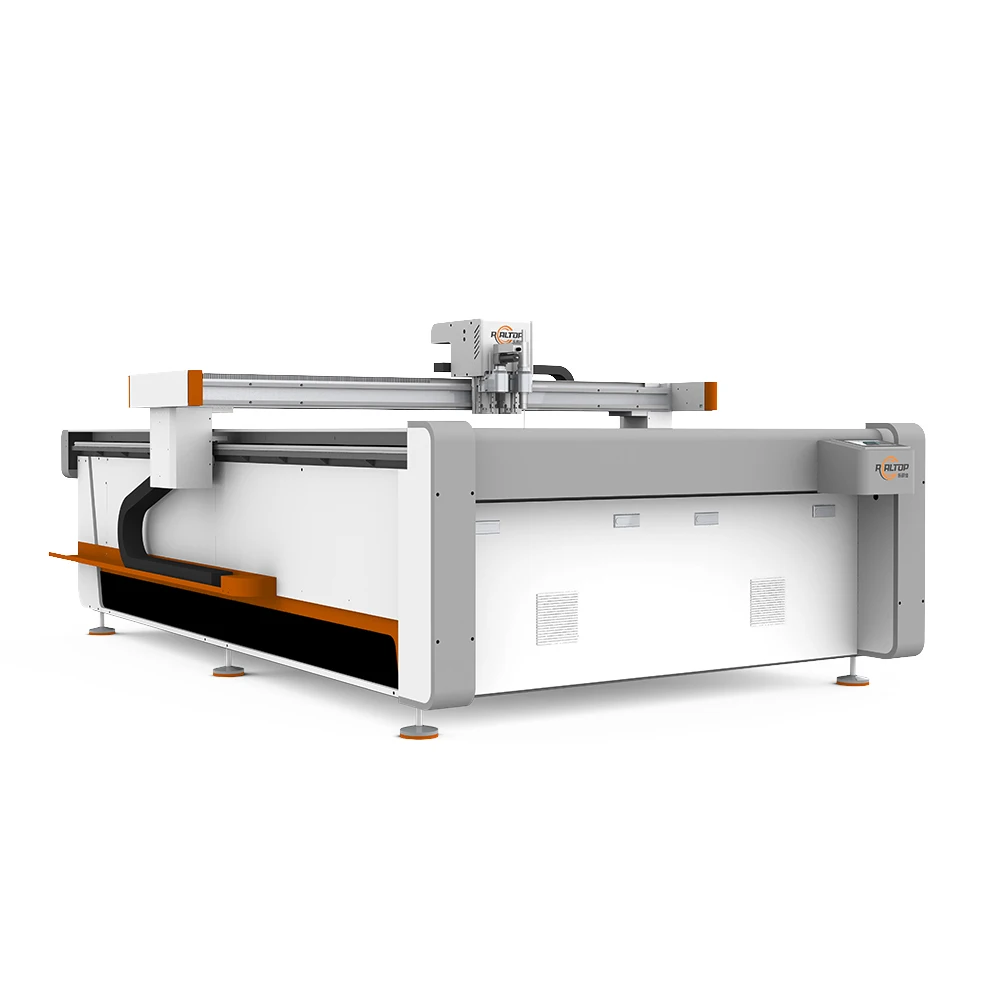
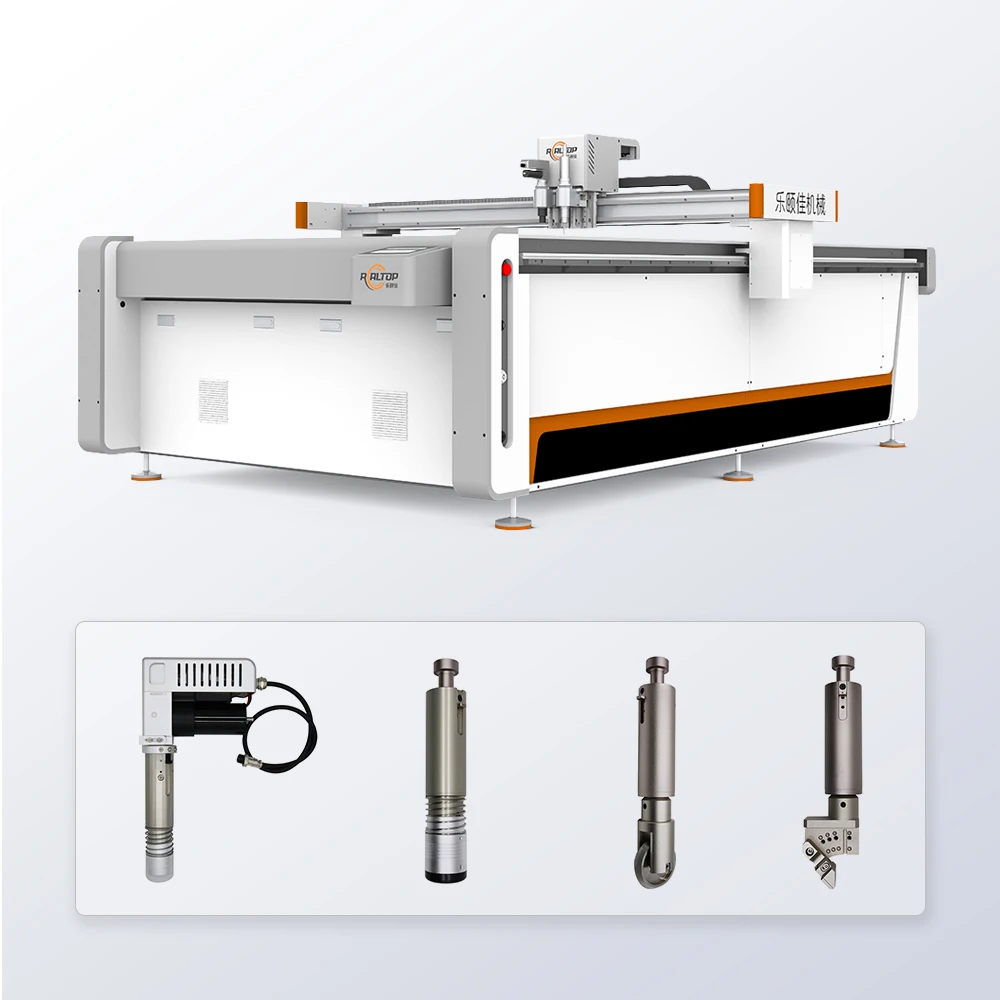
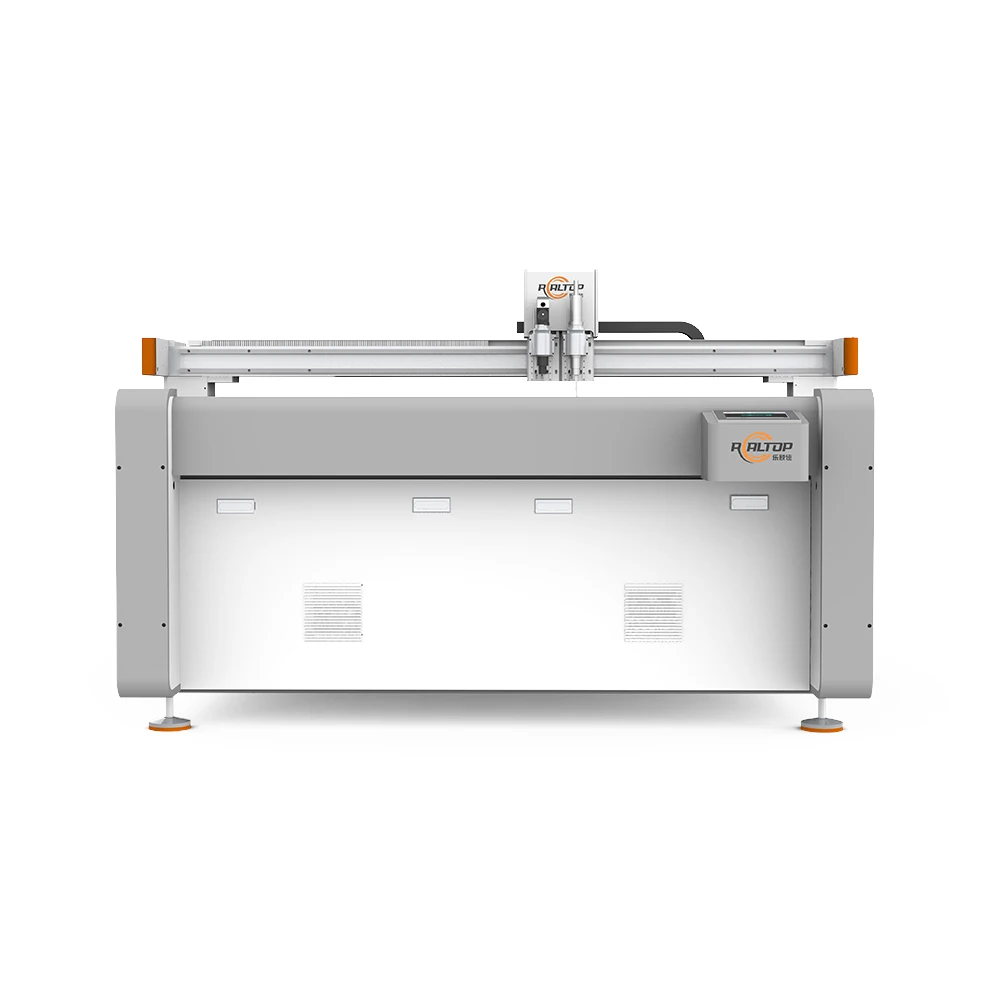
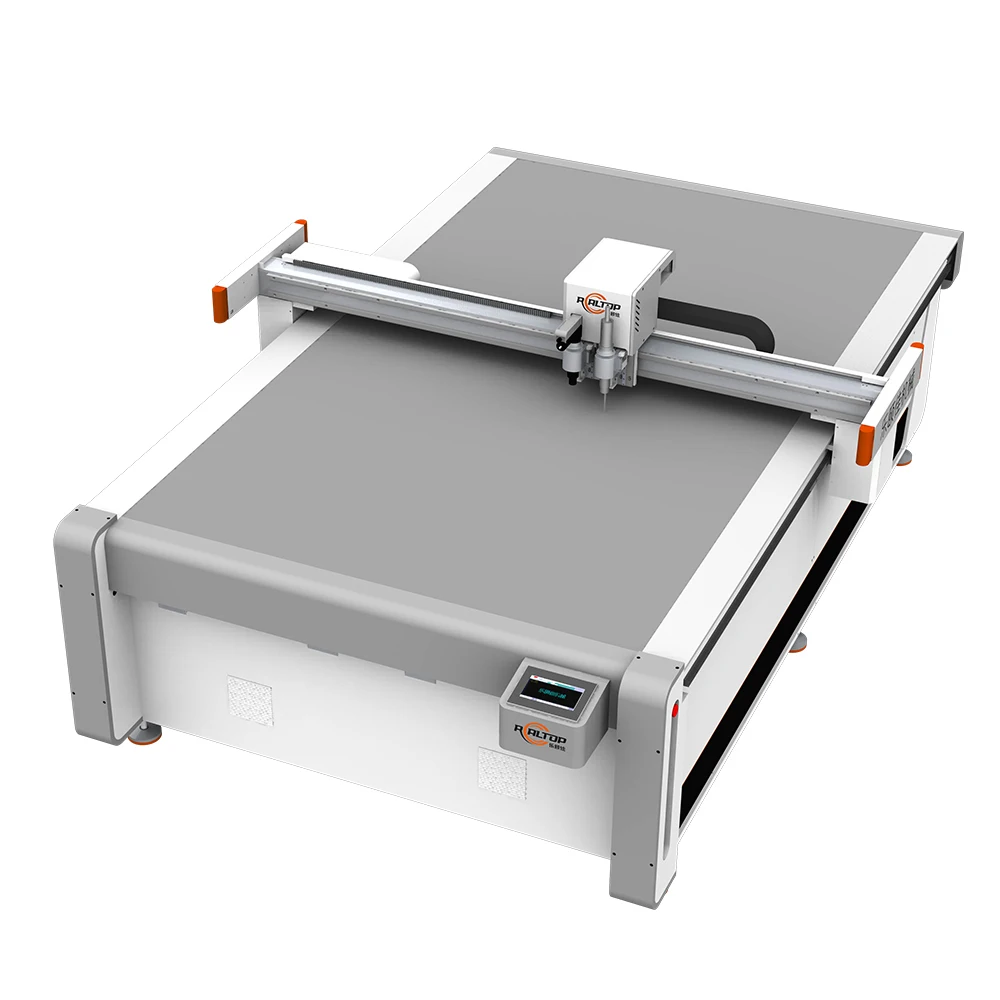
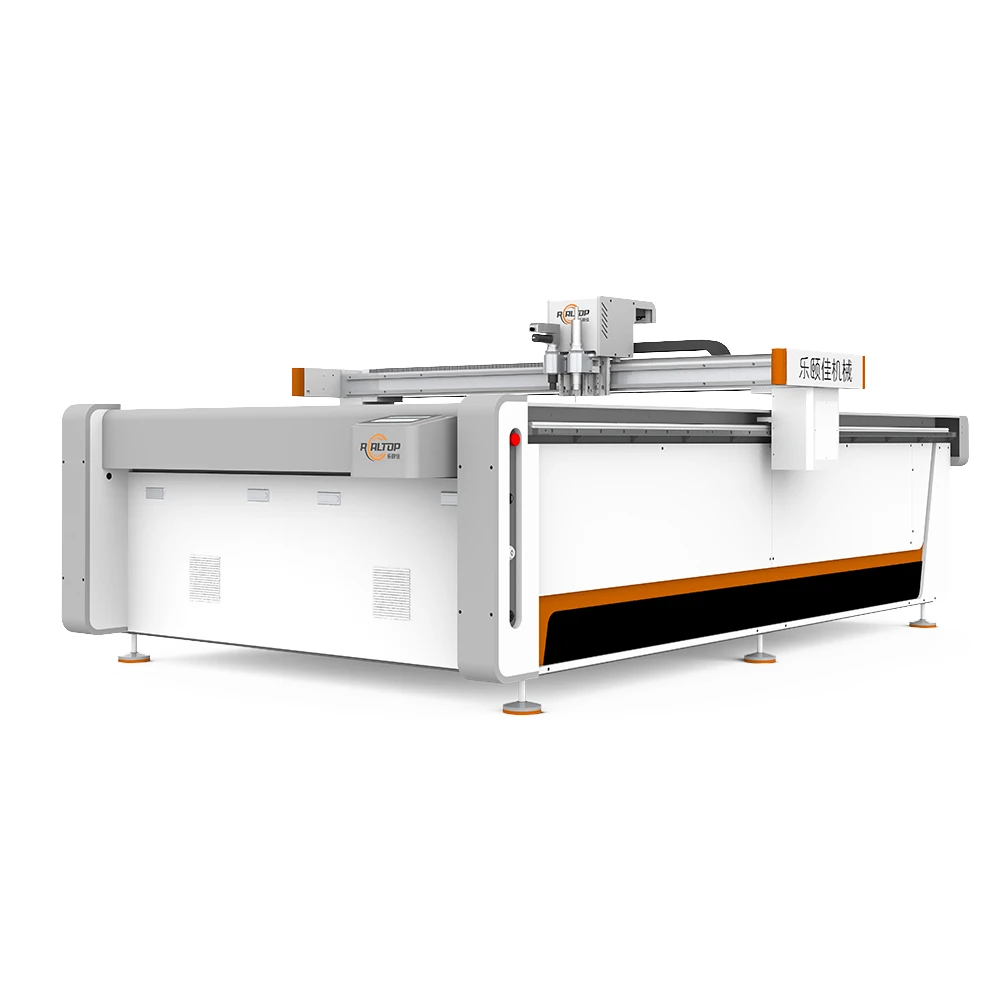
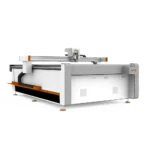
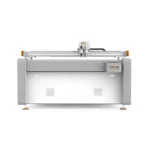
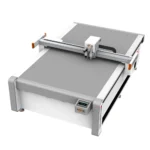
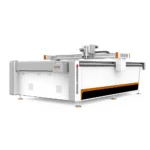
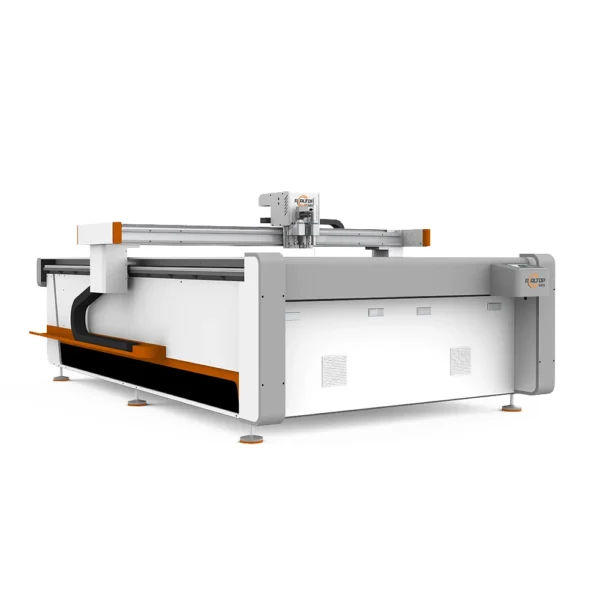
Tool Head Flexibility — In-house design covering both oscillating and drag knife tool heads, so the cutting method is matched to the material and flute type rather than forced into one configuration — with CCD camera contour recognition for printed packaging artwork.
Technical Specifications
| Parameter | Value |
|---|---|
| Product Type | CNC Oscillating Knife Cutting Machine |
| Working Area | 1600*2500mm |
| Tools Available | Oscillating knife, Driven rotary knife, Creasing wheel, Kiss cutting tool, Pneumatic knife, Milling tool, V groove knife |
| Cutting Speed | 0-1500 mm/s |
| Cutting Thickness | ≤ 40mm |
| Cutting Accuracy | ±0.1 mm |
| Vacuum Pump | 9KW |
| Voltage | 110V, 220V, 380V |
| Profile Format | PLT, DXF, AI, PDF |
| Safety Device | Infrared sensor device and emergency stop device |
| Machine Size | 330021001350 mm |
| Control System | PLC control panel |
| Language Options | English, Russian, Italian, Chinese (special languages customizable) |
| Servo Motor Options | Panasonic, Delta, Dorna |
| Vacuum Table | Aluminum bellows vacuum table |
| Standards | CE |
Application Suitability
| Application | Material or Output |
|---|---|
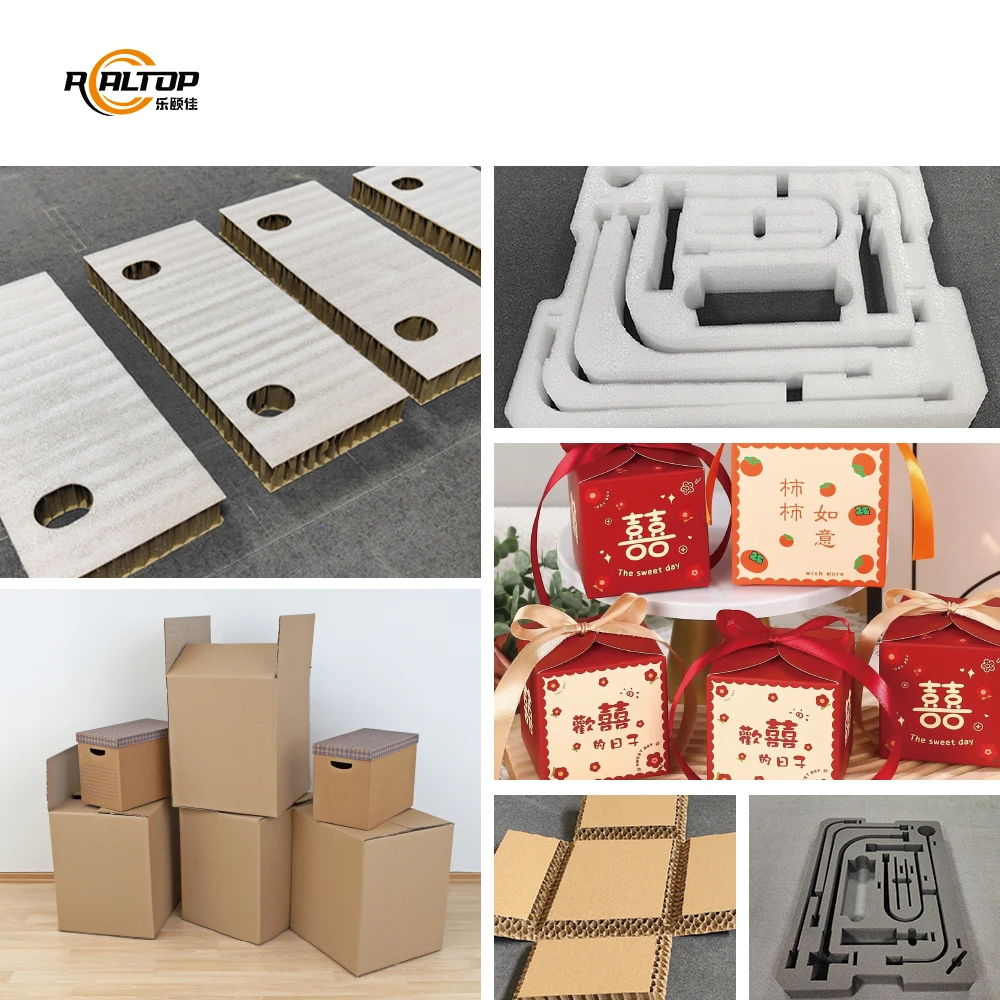
| Packaging sample making | Corrugated cardboard (E-flute, B-flute, BC-flute), greyboard, cardstock |
| Carton prototyping | Art paper, specialty paper, adhesive-backed materials |
| Composite packaging | EVA foam, EPE foam, PU foam, rubber mats |
| Small-batch production | Velvet/fleece fabric, non-woven fabric, thin plastic sheets (PVC, PET) |
| Customized packaging | Leather, synthetic leather, composite materials |
The Hidden Cost of "Standard" Corrugated Cutting Setups
A machine specified on working area alone often fails to handle the actual material thickness and flute profile on the production floor.
I used to spec machines based on the paper weight the customer told me over the phone. When a carton plant bought a standard flatbed cutter for single-wall board, they were actually running high-density double-wall corrugated for a specialty line. The standard vacuum zoning couldn’t hold the small gussets, and the oscillating knife frequency wasn’t tuned for the dense fluting, resulting in crushed edges and lifted parts that had to be scrapped. Understanding how to choose the right CNC oscillating knife cutting machine specifications requires looking past the brochure and into the actual flute structure [NEED_CITE: material density impact on cutting edge quality].
Matching Tool Heads to Flute Profiles and Foam Densities
The interchangeable tool head system on this CNC oscillating knife cutting machine allows the operator to switch between an oscillating knife for thick fluting, a driven rotary knife for continuous fabric cuts, or a creasing wheel for folding lines. This flexibility ensures the cutting method is matched to the material rather than forcing a single blade through incompatible layers. A drag knife might tear the top liner of a B-flute board, while a high-frequency oscillating tool slices it cleanly without compressing the internal structure.
Vacuum Zoning and Small-Part Stability
An aluminum bellows vacuum table provides high flatness and seal integrity, addressing the common failure point where small packaging parts lift during the final cuts. The 9KW vacuum pump is distributed across configurable zones, allowing the operator to activate only the sections under the workpiece. This focused suction is critical for intricate carton prototypes where a loss of grip would ruin the registration of the entire sheet. Without proper zoning, the kinetic energy of the knife head can easily shift a lightweight, irregularly shaped blank [NEED_CITE: vacuum zoning principles for digital cutting tables].
Specifying the Machine for Your Production Reality
When evaluating CNC oscillating knife cutting machine specifications, the 1600*2500mm working area accommodates most standard packaging sheets, but the cutting thickness of ≤ 40mm must be verified against your densest composite inserts. The PLC control panel manages the servo motors (available in Panasonic, Delta, or Dorna options) to maintain a cutting accuracy of ±0.1 mm across the entire table. If you are processing printed artwork, the CCD camera positioning tracks registration marks at production speed, a feature that must be confirmed against your specific ink contrast and board finish.
The Consequences of Ignoring File Format Compatibility
Even with the right knife and vacuum setup, production halts if the dedicated packaging box structure design software cannot import the buyer’s existing file format. Many facilities lose days converting PLT or DXF files into a proprietary system that doesn’t support their preferred nesting workflow. This digital bottleneck turns a high-speed cutter into a slow manual plotting table, negating the investment in automation and forcing skilled operators to redraw structural lines that already existed in the original design [NEED_CITE: software compatibility in digital finishing workflows].
Why Procurement Should Involve Material Testing
- Sample cutting report on buyer material: We test your specific flute type and foam density to verify edge quality before finalizing the tool head configuration.
- In-house design covering knife and laser: We match the cutting technology to the material, rather than forcing a single method across all packaging applications.
- CCD camera positioning validation: We confirm the camera can track your specific printed registration marks at the target production speed.
- Voltage and control language customization: We align the electrical schematic and PLC interface to your facility’s local standards and operator preferences.
Documentation & Verification
- Sample cutting report on your corrugated board and foam inserts.
- Tool head and table configuration list matched to your flute profile.
- Software licence and file format compatibility note for your nesting workflow.
- Electrical schematic and voltage confirmation for your local power grid.
Installation, Commissioning & Support
- Leveling the 330021001350 mm frame on a stable concrete floor to maintain vacuum seal integrity.
- Verifying the 110V, 220V, or 380V supply matches the confirmed electrical schematic before powering the PLC panel.
- Calibrating the CCD camera for your specific printed packaging artwork and registration mark contrast.
- Setting the vacuum table zoning for your smallest carton prototype parts to prevent lift during cutting.
- Training operators on the creasing wheel and kiss cutting tool transitions for mixed-material runs.
Information Needed for a Technical Quotation
To provide a configuration that works on your floor, we need to know the specific flute types (E, B, BC) and the maximum thickness of any foam or rubber gaskets you plan to run. Please confirm your local voltage and the file formats your design team currently exports. If you have a specific printed artwork, send a sample sheet so we can verify the CCD tracking capability before the machine is built.
Frequently Asked Questions
Q: How do I match the tool head to my corrugated flute profile?
A: E-flute and thin cardstock often require a drag knife or kiss cutting tool for clean edges, while B-flute and BC-flute boards demand a high-frequency oscillating knife to prevent crushing the internal structure. We specify the tool based on a physical sample cutting report of your actual material, ensuring the edge quality meets your packaging standards without ragged tears or compressed flutes.
Q: How is vacuum table zoning configured for small packaging parts?
A: The aluminum bellows vacuum table is divided into zones that can be activated individually based on the size of the sheet. For small carton prototypes or intricate gasket shapes, we concentrate the 9KW suction under the specific work area to prevent the part from lifting or shifting when the knife head changes direction. This zoning is mapped during the commissioning phase based on your typical production layout.
Q: Can the CCD camera track printed marks at full production speed?
A: The CCD camera positioning system is designed to recognize printed contours and registration marks on packaging artwork. However, its ability to track these marks at the maximum 1500 mm/s speed depends on the contrast between the ink and the corrugated board surface. We test your specific printed material to confirm the camera can maintain registration without slowing the cutting cycle.
Q: What software file formats are compatible with the design software?
A: The system supports standard vector formats including PLT, DXF, AI, and PDF. We confirm your existing nesting workflow and packaging structure design software can export to these formats before the order is finalized. This prevents the need for manual redraws and ensures your design team can transition to the digital cutter without changing their current design environment.


商品评价
Clear filtersThere are no reviews yet.