

Fast Shipping
Carrier information

20k products
Payment methods

24/7 Support
Unlimited help desk

2-day Delivery
Track or off orders
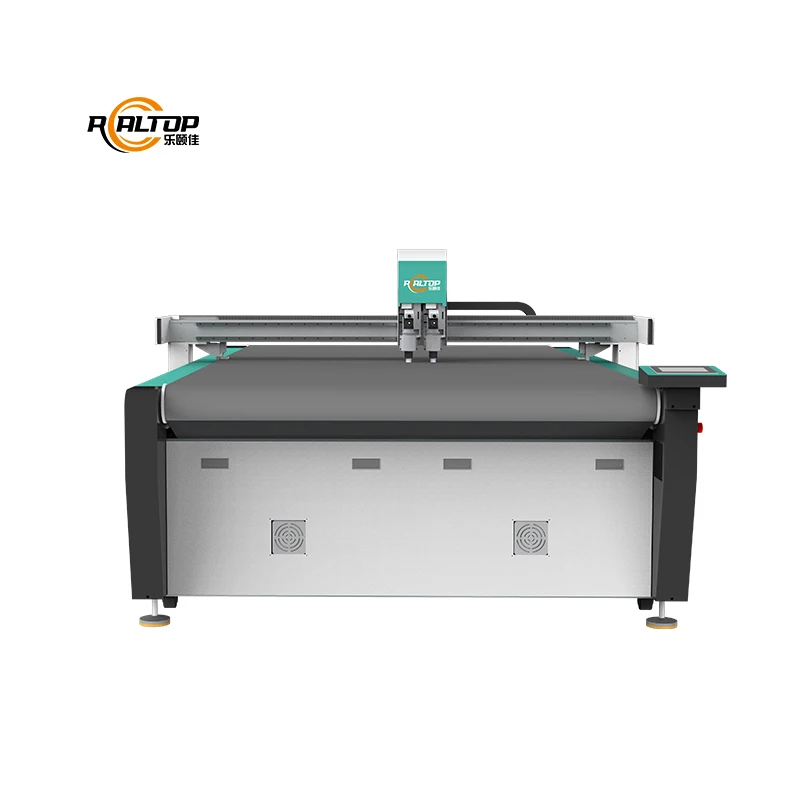
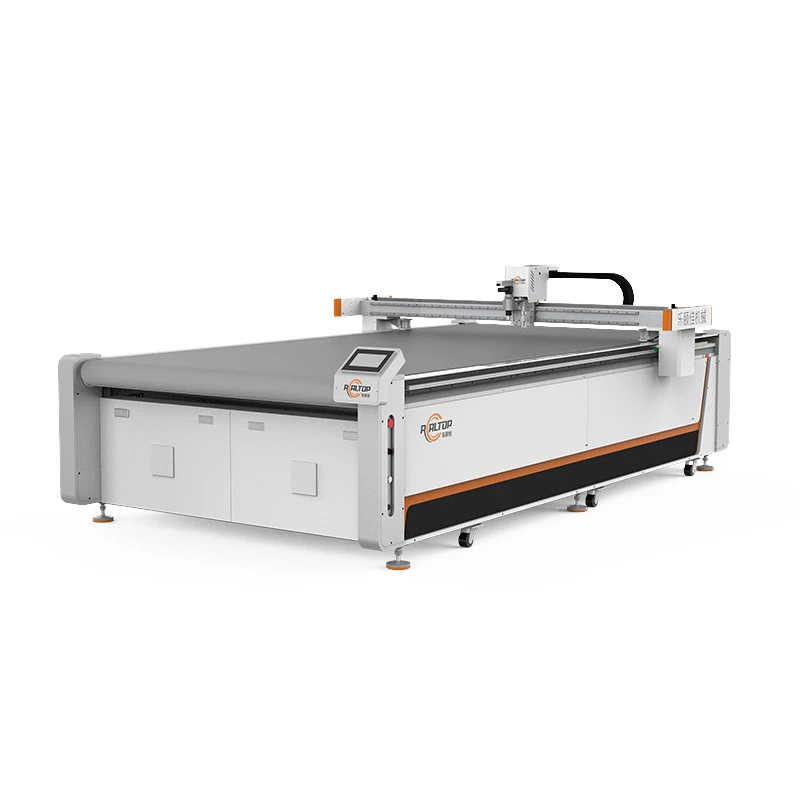
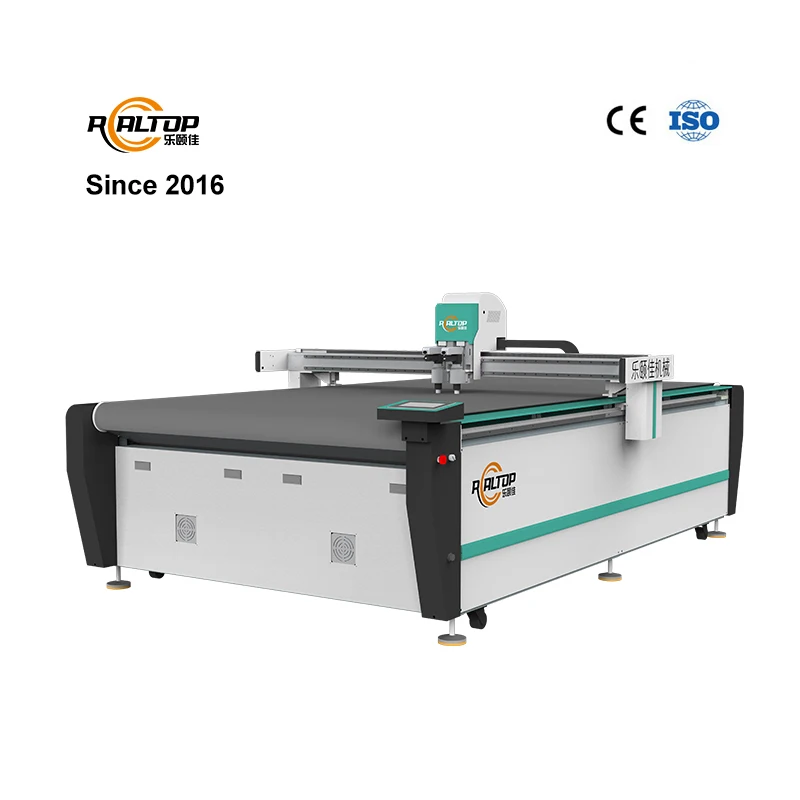
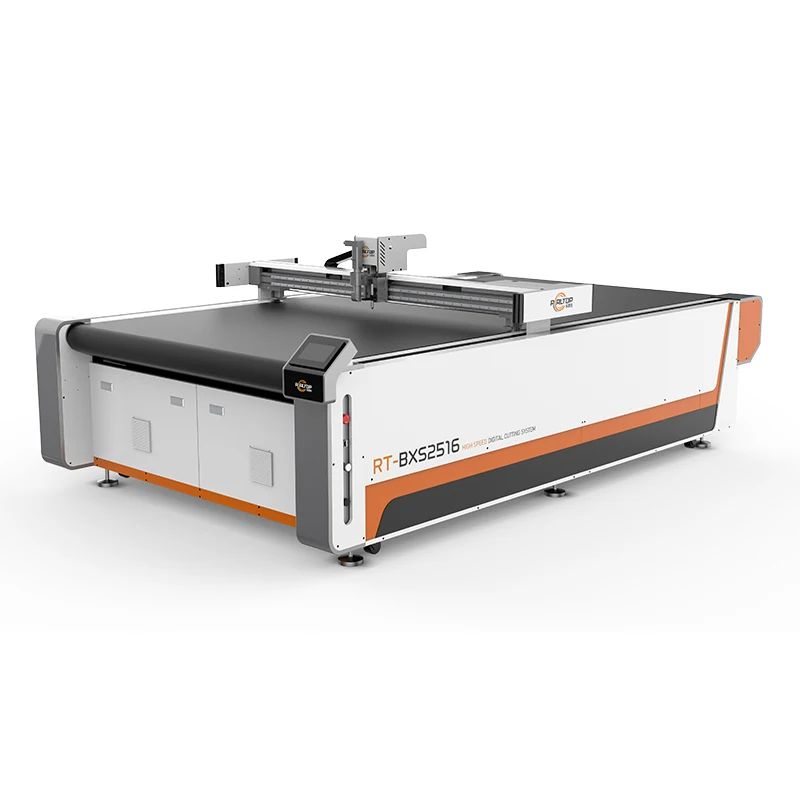
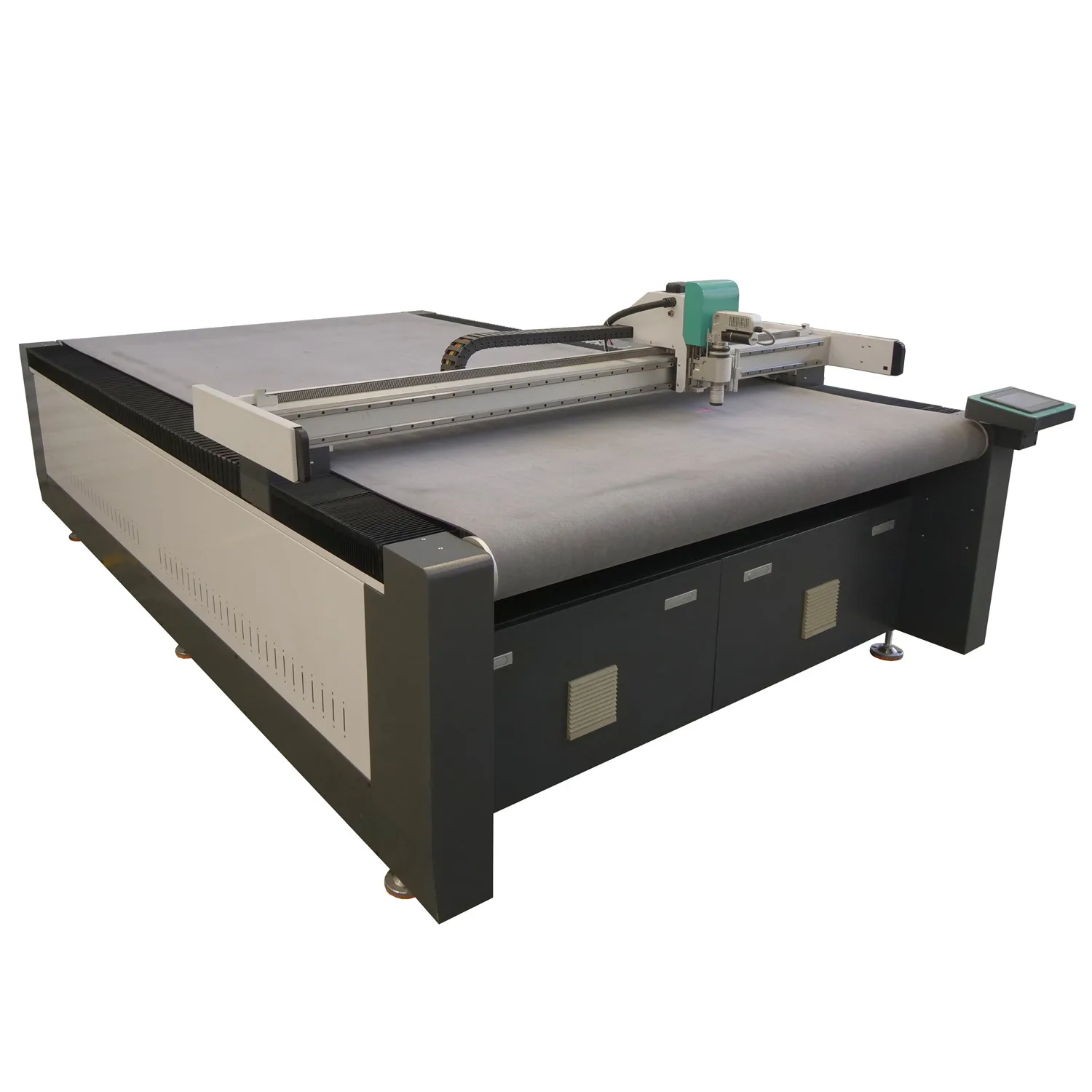
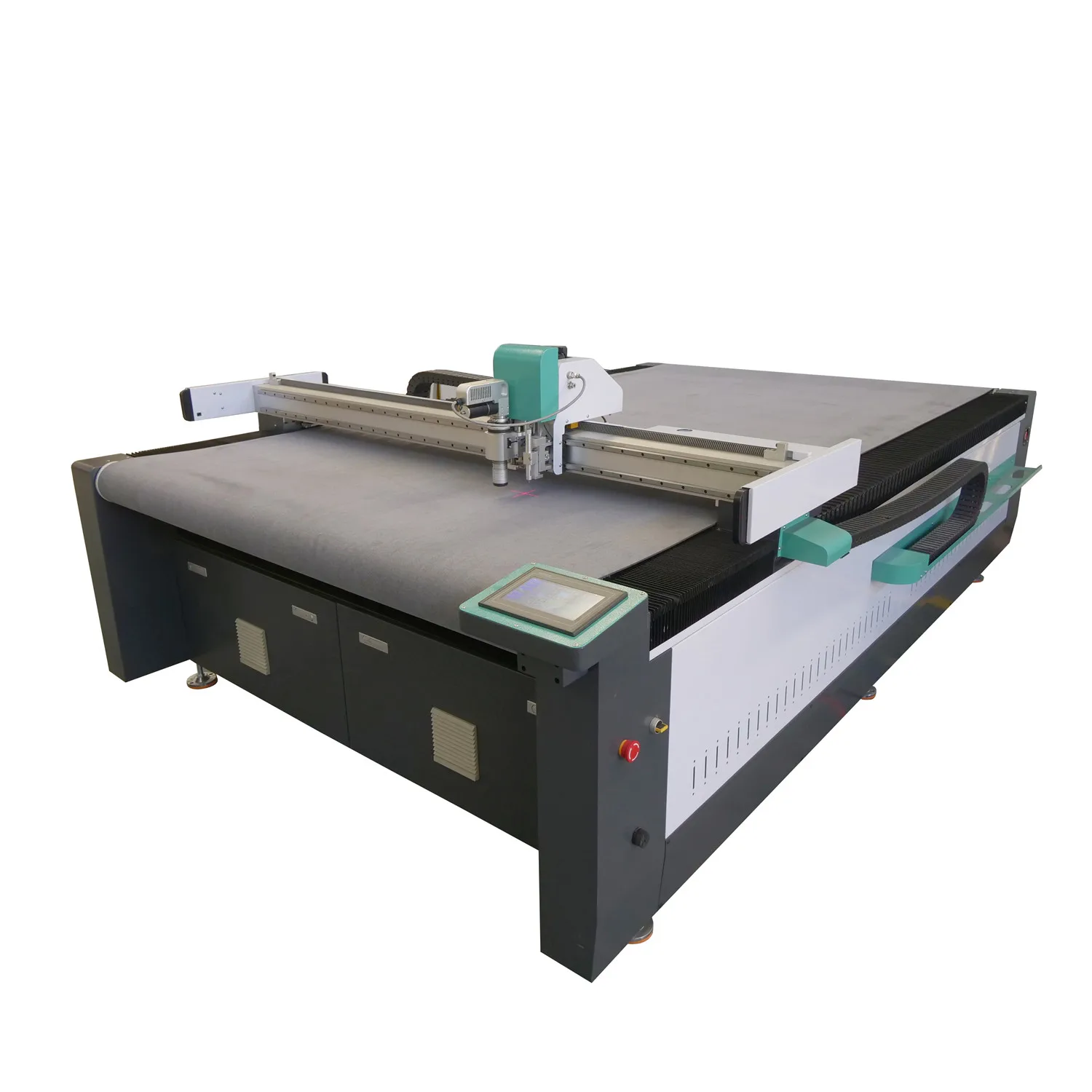
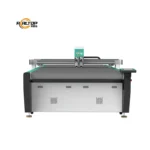
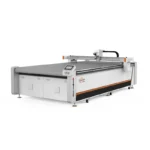
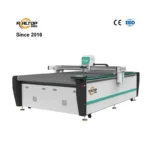
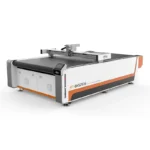
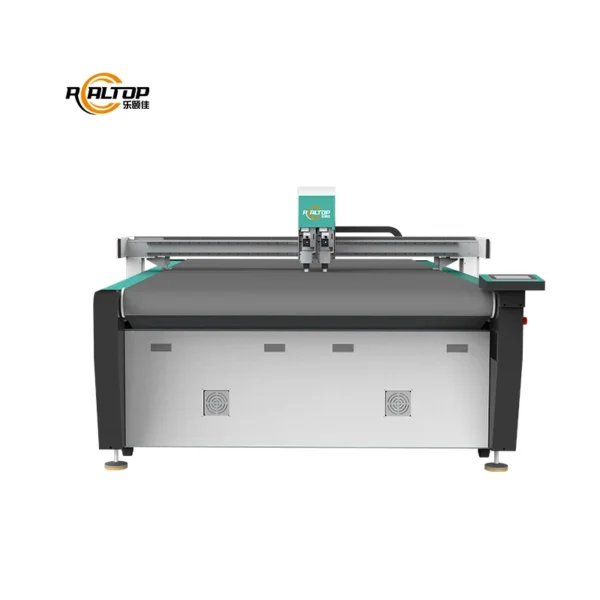
Tool Head Matched to Material — The RT-D2516/RT-S2516 CNC Oscillating Knife Cutting Machine offers multiple tool head options, from oscillating and drag knives to creasing wheels and circular blades, so the cutting method follows the material rather than forcing one approach.
Technical Specifications
| Parameter | Value |
|---|---|
| Product Type | CNC Oscillating Knife Cutting Machine |
| Model | RT-D2516/RT-S2516 |
| Working Area | 1600×2500 mm |
| Machine Dimensions | 3450×2300×1250 mm |
| Rated Power | 9 kW |
| Voltage | 380V ±10% (frequency 50/60Hz to be confirmed) |
| Translational Velocity | 800–2000 mm/s |
| Cutting Speed | 200–800 mm/s (varies according to material) |
| Cutting Thickness | ≤100 mm (varies with material density and tool head) |
| Repeated Accuracy | ≤0.1 mm |
| Tool Head Options | Oscillating knife, pneumatic knife, high-power vibrating knife, circular knife, V-cutting knife, drag knife, creasing wheel, dotted line knife, punching, brush |
| Multifunctional Head | Swiss imported knife with vibration full cutting, half cutting and cursor location |
| CCD Camera Options | Small CCD mark point positioning, panoramic camera recognition, projection positioning |
| Vacuum Table | Magnesium-aluminum alloy with PVDF powder spraying, anodic oxidation, hard oxidation |
| Vacuum Pump | 7.5 kW, aviation aluminum shell with built-in silencer sponge |
| Table Options | Flat working table or auto feeding table (Germany imported conveyor belt) |
| Transmission System | Digital servo motor, linear guide, synchronous belt, ball screw |
| Servo Motor | Delta or Panasonic (IP67 waterproof protection) |
| Guide Rail | Taiwan Hiwin rail |
| Control System | Touch screen panel, multi-language supported |
| Instruction System | HP-GL compatible format |
| Software File Formats | PLT, DXF, AI and other formats |
| Software Feature | Automatic typesetting and nesting |
| Language Options | English, Russian, Italian, Chinese (custom languages available) |
| Safety Device | Infrared induction blocking, anti-collision, emergency stop |
| Warranty | 1 year (free parts; buyer pays shipping) |
| Assembly State | Fully assembled |
Application Suitability
| Application | Material or Output |
|---|---|
| Automotive interiors and floor mats | Multi-layer carpet, sponge, EVA, XPE, and composite foam with adhesive backing |
| Garment and footwear production | Leather, PU, textile, shoe material, luggage fabric, non-woven fabric |
| Gasket and sealing fabrication | Rubber, PTFE, ETFE, fiberglass, silicone, and composite gasket sheets |
| Packaging and sample making | Corrugated cardboard, cardboard, plastic box material, sticker, film |
| Soft furnishings and advertising | Cloth, foam board, PVC, PP, PE, banner vinyl, and textile |
Why the Right Tool Head Matters More Than Working Area
Choosing a CNC oscillating knife cutting machine based only on table size often leads to production failures once the material hits the bed. The real determinant of cut quality and throughput is the tool head configuration relative to the material’s thickness, density and layer structure.
When a buyer specifies a flatbed knife cutter for carpet car mats without accounting for the adhesive layer between the carpet face and the foam base, the blade drags through the glue, generating heat that melts the adhesive onto the knife edge. The result is a ragged cut that requires manual cleanup and frequent blade changes, slowing the entire line. I have seen this exact scenario cut effective production volume roughly in half on a job where the glue layer was twice what the sample showed [NEED_CITE: CNC knife cutting edge quality on multi-layer automotive mats]. The fix was not a faster machine but a different tool head and adjusted oscillation frequency matched to that specific composite.
Matching Oscillation Frequency to Material Density
The oscillating knife on this CNC Oscillating Knife Cutting Machine handles dense composites like carpet and foam laminates by vibrating the blade at high frequency to slice through fibrous and adhesive layers without tearing. For softer single-layer textiles, a drag knife or circular knife delivers cleaner edges at higher travel speeds. The high-power vibrating knife option addresses thicker stacks where standard oscillation stalls mid-cut. Each tool head sits on the same multifunctional carriage, so swapping between jobs is a configuration change rather than a machine change.
Vacuum Zoning and Small-Part Stability
The magnesium-aluminum vacuum table with PVDF coating provides a flat, chemically resistant surface that maintains suction across the 1600×2500 mm bed. The 7.5 kW vacuum pump with built-in silencer operates at a level that holds thin films and stickers without marking the material surface. For small gasket parts or narrow strips cut from larger sheets, adequate zoning prevents the vacuum from pulling air through already-cut kerfs, which would otherwise allow pieces to shift during the final passes [NEED_CITE: vacuum table zoning requirements for small CNC cut parts].
Reading the Specs That Actually Affect Your Output
The Delta or Panasonic servo motors rated to IP67 protect against coolant and dust ingress common in environments cutting rubber and composite materials. Repeated accuracy of ≤0.1 mm means nesting software can place parts with minimal kerf allowance, improving material yield on expensive leather and technical fabrics. The Taiwan Hiwin linear guides maintain this tolerance over extended runs. Cutting speed ranges from 200 to 800 mm/s depending on material, and this range reflects actual cutting travel — not the rapid traverse speed of 800–2000 mm/s that moves the head between cuts. Understanding this distinction prevents overestimating cycle times when planning daily volume against a single shift.
The Cost of Skipping Material Trials
When the material layer structure is assumed rather than verified, even a well-configured machine produces rejects. A pneumatic knife that cuts clean through single-layer PU may crush a three-layer carpet-foam-adhesive sandwich, leaving compressed edges that do not lie flat in the finished car mat. The vacuum table holds the sheet, but if the blade cannot penetrate the full stack cleanly, the part is scrapped before it leaves the bed. This is why sample cutting on the buyer’s actual material — including every layer, adhesive and backing — is non-negotiable before the configuration is locked [NEED_CITE: material trial protocol for CNC knife cutting procurement].
What We Build Into Every Configuration
In-house design across both knife and laser cutting technologies means the RT-D2516/RT-S2516 is specified for knife work because the material demands it, not because it is the only option available. The tool head and table configuration is documented per material type before the order is confirmed. CCD camera positioning — available as small mark-point, panoramic or projection — is matched to the buyer’s printed contour workflow. Software compatibility with PLT, DXF, AI and HP-GL formats is verified against the buyer’s existing nesting files before shipment, not after. Voltage, plug type and control panel language are confirmed to match the destination facility.
Documentation & Verification
- Machine specification sheet listing every tool head and table option supplied with the unit
- Electrical schematic and voltage confirmation matched to your facility’s 380V supply and frequency
- Sample cutting report on your specific carpet, leather or composite material with edge quality photographs
- Software licence and file format compatibility note confirming PLT, DXF, AI and HP-GL import capability
- Factory test record documenting repeated accuracy and cutting speed on your material before dispatch
Installation, Commissioning & Support
- Fully assembled delivery; the 3450×2300×1250 mm footprint requires clear floor space with level access
- Dedicated 380V ±10% circuit with capacity for 9 kW machine load plus 7.5 kW vacuum pump
- Touch screen control panel configured in your chosen language at commissioning
- Tool head calibration and vacuum table zoning set to your material thickness range on site
- One-year warranty covers parts replacement; spare parts list provided at delivery
What to Include in Your Inquiry
Send the material type, every layer including adhesives and backings, the total thickness and the sheet dimensions you receive from your supplier. Include your daily cutting volume and the file formats your design team currently uses. If your facility runs on a non-standard voltage or frequency, state this upfront so the electrical system is configured before the machine leaves the factory.
Frequently Asked Questions
Q: How do I select the correct tool head for my material?
A: The tool head depends on material type, thickness and layer structure. Oscillating knives handle dense composites and fibrous materials like carpet and foam. Drag knives suit thin films and textiles. Circular knives cut single-layer fabrics at speed. We run sample cuts on your actual material to confirm the tool head before the order is finalized.
Q: Which CCD camera option fits printed contour cutting?
A: Small CCD mark-point positioning works when your material has printed registration marks. Panoramic camera recognition handles full-sheet printed patterns at production speed. Projection positioning overlays the cut path on the material for visual alignment. The right choice depends on your print workflow and the speed your line requires.
Q: Will the vacuum table hold small gasket parts during cutting?
A: The magnesium-aluminum table provides strong adsorption across the full 1600×2500 mm bed. For very small parts, zoning configuration determines whether vacuum is maintained in isolated sections after surrounding material is cut away. We confirm the zoning setup during material trials to ensure small parts remain fixed through the final cut passes.
Q: What electrical and language details are confirmed before shipment?
A: Voltage is confirmed at 380V ±10%, with frequency (50 or 60 Hz) matched to your facility. Plug type is specified to your local standard. The touch screen control panel is set to your chosen language from the available options or customized. All electrical details are documented in the specification sheet before production begins.
Q: Can the software import my existing cutting files?
A: The system supports PLT, DXF, AI and HP-GL compatible formats with automatic nesting. Before the order is confirmed, we verify compatibility with your specific file workflow, including any nesting parameters and kerf compensation settings your design team uses, so files import directly without manual conversion on the shop floor.


商品评价
Clear filtersThere are no reviews yet.